Physical activity can improve cognitive function if you have type two diabetes

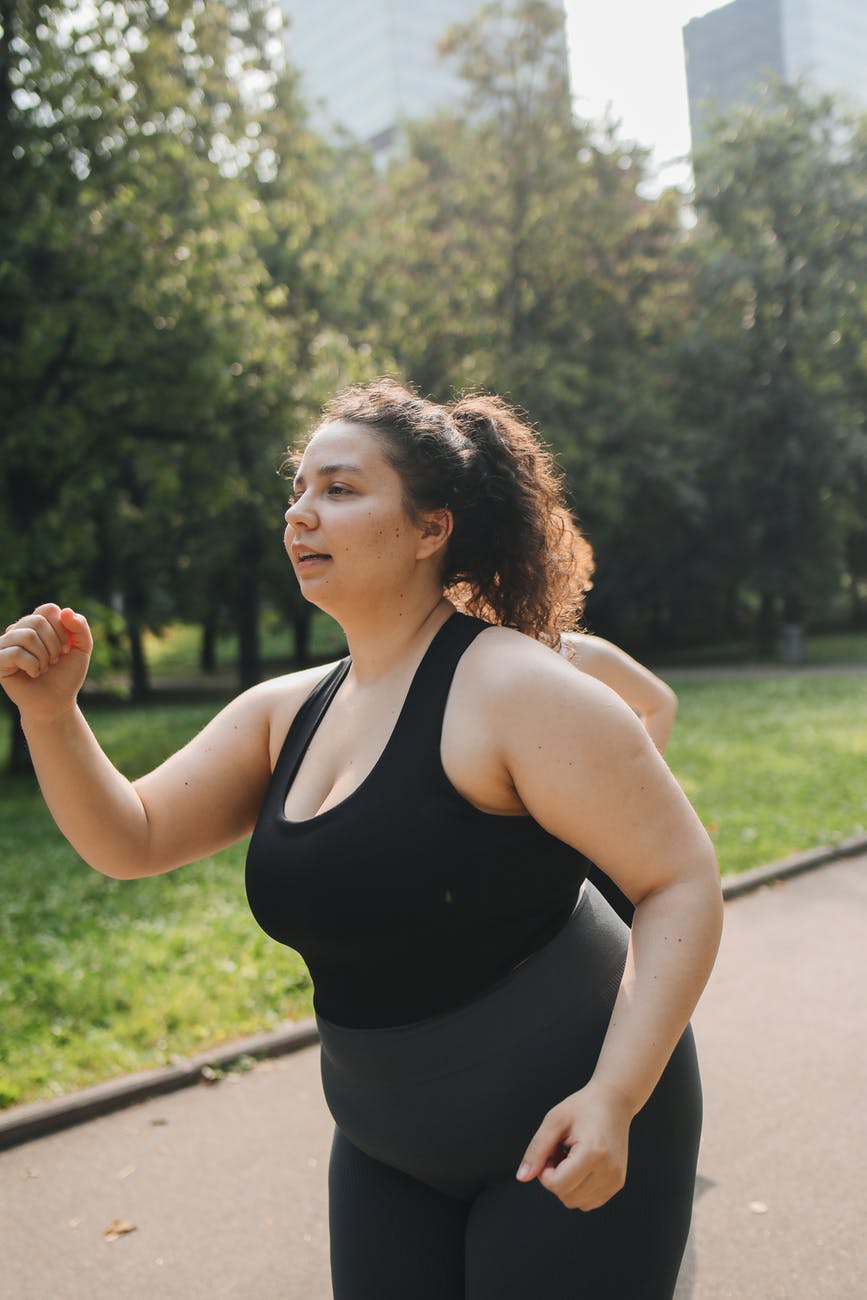
Photo by Polina Tankilevitch on Pexels.com

Adapted from Diabetes in Control Aug 10 2021 by Macrina Ghali, Pharm D candidate, Florida.

Hyperglycaemia has been linked to reduced cognitive function and can impair life through impairing memory and language. Mistakes with medication are more likely. Some studies have shown that exercise can reduce the risk of dementia on the long term.

The meta-analysis sought to answer the question, does cognitive ability change from baseline, while on the exercise programme compared to the non-exercising controls? Just over 2,500 patients with diabetes were analysed, almost evenly split to control groups and exercise groups.

The exercise group did aerobic exercise, resistance exercise and non aerobic exercise. The control groups did monthly telephone calls, stretching, gentle movement and education. The interventions ranged in time from 12 months to 9.8 years and sample sizes ranged from 47 to over a thousand.

Standard tests such as the mini-mental state examination, mental state examination and global cognitive score were undertaken.

Surprisingly the study found that the greatest change in cognitive scores between both groups was in the studies done for 12 months rather than longer periods. They were not sure if this was due to patient drop out or the development of dementia. They think that more studies would need to be done to clarify the issue.

Meanwhile they think that physical activity programmes should be started soon after diagnosis of type two diabetes to prevent a worsening of cognitive functioning as time goes on.

Physical activity monitors have some role in increasing activity by 10 minutes a day

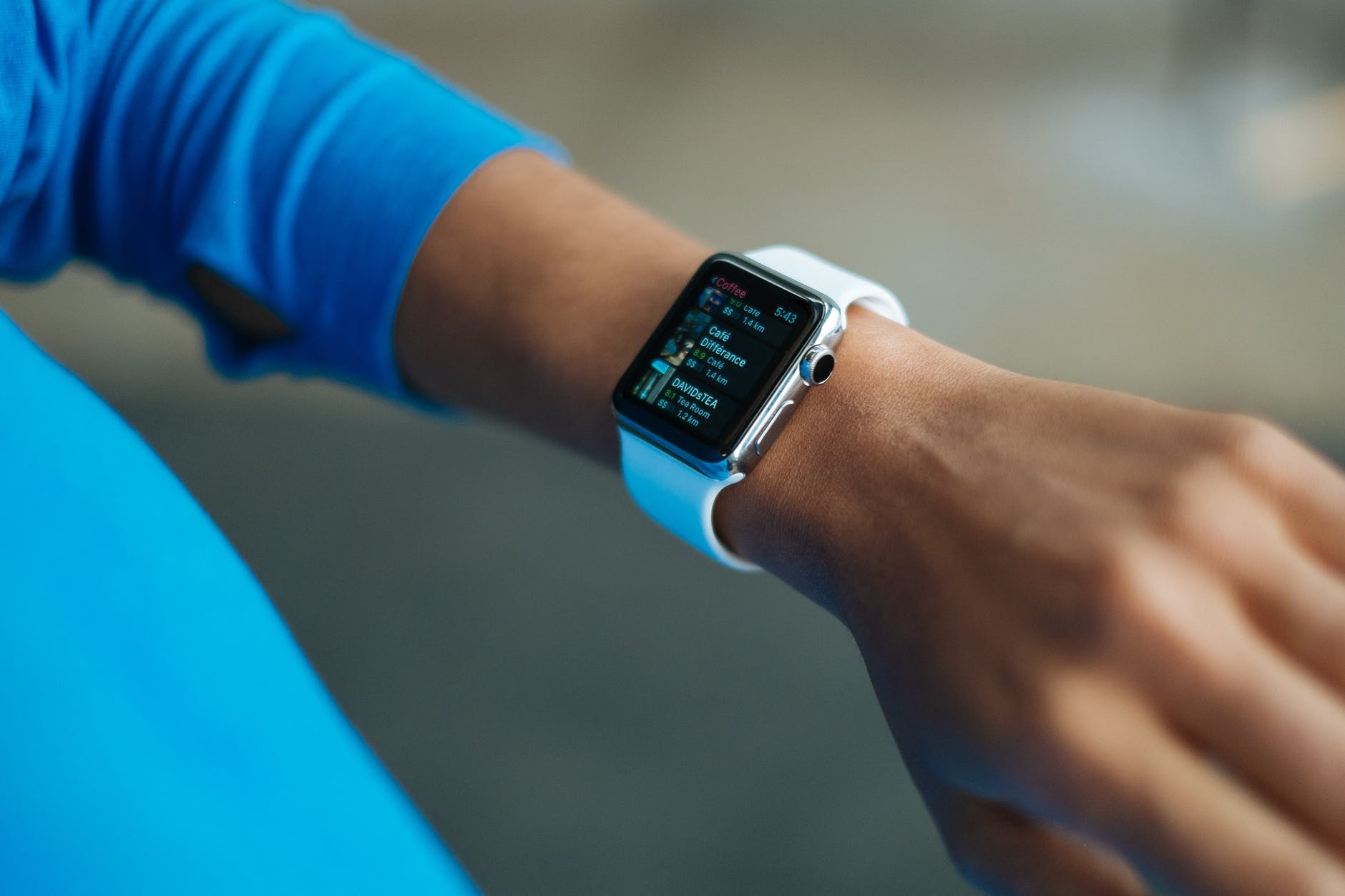
Photo by Pixabay on Pexels.com

Adapted from BMJ 29 Jan 2022

Like many other people I eventually bought a smart watch. I was a late adopter of this but after visiting my son in London, and seeing what a benefit it would be to scan in and out of the tube with a device, I got one just over a year ago. Many people had already been tracking their steps, heart rate and sleep schedules with these. So, are they of any use?

This was a systematic review which looked at 121 RCTs (so many!) covering 16,743 participants.

They found that there was a small but definite improvement in physical activity when people wore the trackers.

Physical activity increased by ten minutes a day. This was equivalent to 1,235 daily steps and works out at an additional 48.5 minutes a week.

To put this into context, I work out in different modalities for about this time every day, so it is like the equivalent of working out 8 days a week instead of 7.

Although this level of increased activity is unlikely to make much difference to your weight, what may do is a broadening of referral sources to the UK NHS online weight management programme. Community Pharmacists are now allowed to refer patients to the programme, instead of just GPs.

The course is 12 weeks long. You can join if you are in the obese category (BMI 30 or over), or if you are overweight (BMI 25 and over) and have hypertension, or type 2 diabetes. If you are of ethnic minority you can join if your BMI is 27.5 or over because you are more likely to develop type 2 diabetes.

Entrants to the scheme are currently 5 pounds heavier on average compared to pre-covid pandemic weights.

Oldies need to exercise more to improve their sleep


Adapted from BMJ 13 March 21

A randomised controlled trial in older adults with insomnia found that 12 weeks training in Tai Chi improved both subjective and objective measures of sleep quality. Although the effect size was modest it persisted for over two years.

Sleep quality also improved in groups that took part in brisk walking programmes and muscle strengthening exercises.

My comments: With consideration to my last post, about the importance of sociability in brain health, I do wonder if it is the exercise or the social factors that improve sleep.

Free You Tube sites to help you look and feel your best

The Times recently published a long list of exercise sites that you can get for free or pay for. Being a home exercise enthusiast I read this carefully and decided to try out the sites they listed as being FREE. These were my favourite ones. All had a variety of exercises eg low and high impact aerobics, walking, weights, rubber bands, stretching, relaxation and even dressing, hair and make up tips.

Top of the pops was Fabulous 50s. There are over a hundred workouts on this site. All are one to one, and set in beautiful Australia. This lady’s house is so clean, tidy, uncluttered that I was immediately pea green with envy. Of course, if I moved into her house, it wouldn’t stay that way for long. There is a fantastic range of exercises and from the ones I have tried, they were well produced and constructed, and even if you are a complete beginner, are pretty easily done. They range in time from 5 minutes to 30 minutes really giving you plenty of options no matter how hard pressed you are for time.

Mad fit, Lucy Wyndam-Read and Fitness Blender also are free and have multiple workouts in terms of types and durations. They seemed more tuned to the younger or fitter age group than Fabulous 50s and I have only done a few of them being 61 with some unfortunate back issues right now. They are not quite as beautifully produced as Fab 50s but they are free!

You will get adverts popping up during all these workouts. Now this is where you have to be careful because the marketing folks know who they are aiming at here and the top products seem to be wrinkle cream, make up and chocolate. It doesn’t matter how lucious it looks. Do not buy it. Because you will eat it.

Adriene is purely a yoga site. This is free too, and she sometimes has her dog with her. Again, there are a lot of different length and types of workout.

Now, if you have a smart phone, a tablet, a pc or a smart television, whatever your favourite form of home exercise is, and even if you only have five or ten minutes, you can workout for free at home.

CrossFit: exercise, diet and research

CrossFit is a website which you may enjoy visiting.

In one site you can find detailed exercise advice, often in the form of videos, for strength training, recipes, and research findings related to health and dietary composition.

There is information on the low carb diet, which is particularly helpful for those with diabetes, who wish to lose body fat, or who wish to reduce their cardiovascular risk.

Lectures by a wide variety of speakers are also included.

https://www.crossfit.com/essentials

Walking is a miracle cure

Adapted from BMJ  Sept 19 Promoting physical activity to patients by Christine Haseler et al.

The Academy of Medical Royal Colleges has described walking as a miracle cure. Despite this many of us are not as active as we should be and inactivity is thought to result in as many deaths as smoking. More than a quarter of UK adults do less than 30 minutes physical activity a week.

Quantified, these are the benefits of just plain walking:

30% lower all cause mortality, even 10 minutes a day is worthwhile.

20-30% lower risk of dementia.

Better relief from back pain than back exercises

30% lower risk of colon cancer

30% reduction in falls for older adults

22-83% reduction in osteoarthritis

even lower body fat than playing sports

20-35% lower risk of cardiovascular disease

20% lower risk of breast cancer

30-40% lower risk of metabolic syndrome or type two diabetes


The people who need to see their GP before undertaking exercise are few but include people with unstable angina, aortic stenosis or uncontrolled severe hypertension.

In pregnancy the sort of activities that need to stop are: impact activities, lying on the back for long periods, high altitude activities and underwater activities.

Sheri Colberg: Motivate yourself to exercise

From Diabetes in Control: Getting and Staying Motivated to Be Physically Active
Jan 4, 2020

Author: Sheri R. Colberg, PhD, FACSM

Every New Year all of the fitness clubs and gyms run specials to bring in new members, and they know—and even count on the fact that—most of those people will no longer be regularly attending classes or doing workouts by the time spring hits. How do you avoid becoming one of those exercise dropouts?
Even elite athletes have some days when they are not as motivated to exercise. You know those days—the ones when you have trouble putting on your exercise gear, let alone finishing your planned workout. For the sake of your blood glucose and your health, do not use one or two bad days as an excuse to discontinue an otherwise important and relevant exercise or training routine.
Here is a list of motivating behaviors and ideas for regular exercisers and anyone else who may not always feel motivated to work out:
Identify any barriers or obstacles keeping you from being active, such as the fear of getting low during exercise, and come up with ways to overcome them.
Get yourself an exercise buddy (or a dog that needs to be walked, you can borrow one!).
Use sticker charts or other motivational tools to track your progress.
Schedule structured exercise into your day on your calendar or to-do list.
Break your larger goals into smaller, realistic stepping stones (e.g., daily and weekly physical activity goals).
Reward yourself for meeting your goals with noncaloric treats or outings.
Plan to do physical activities that you enjoy as often as possible.
Wear a pedometer (at least occasionally) as a reminder to take more daily steps.  You can get free pedometer apps that turn your mobile into a pedometer.
Have a backup plan that includes alternative activities in case of inclement weather or other barriers to your planned exercise.
Distract yourself while you exercise by reading a book or magazine, watching TV, listening to music or a book on tape, or talking with a friend.
Simply move more all day long to maximize your unstructured activity time, and break up sitting with frequent activity breaks.
Do not start out exercising too intensely, or you may become discouraged or injured.
If you get out of your normal routine, and are having trouble getting restarted, take small steps in that direction.
As for other tricks that you can use, start with reminding yourself that regular exercise can lessen the potential effect of most of your cardiovascular risk factors, including elevated cholesterol levels, insulin resistance, obesity, and hypertension.

Even just walking regularly can lengthen your life, and if you keep your blood glucose better managed with the help of physical activity, you may be able to prevent or delay almost all the potential long-term health complications associated with diabetes.
From Colberg, Sheri R., Chapter 6, “Thinking and Acting Like an Athlete” in The Athlete’s Guide to Diabetes: Expert Advice for 165 Sports and Activities. Champaign, IL: Human Kinetics, 2019.
Sheri R. Colberg, Ph.D., is the author of The Athlete’s Guide to Diabetes: Expert Advice for 165 Sports and Activities (the newest edition of Diabetic Athlete’s Handbook), available through Human Kinetics (https://us.humankinetics.com/products/athlete-s-guide-to-diabetes-the), Amazon (https://amzn.to/2IkVpYx), Barnes & Noble, and elsewhere. She is also the author of Diabetes & Keeping Fit for Dummies. A professor emerita of exercise science from Old Dominion University and an internationally recognized diabetes motion expert, she is the author of 12 books, 28 book chapters, and over 420 articles. She was honored with the 2016 American Diabetes Association Outstanding Educator in Diabetes Award. Contact her via her websites (SheriColberg.com and DiabetesMotion.com).


Fitter, better, sooner

From BJGP May 2020 by Hilary Swales et al.

Having an operation is a major event in anyone’s life. There is a lot a patient can do to improve their physical and mental health before surgery that will improve their recovery and long term health.

Fitter, better, sooner is a toolkit was produced by the Royal College of Anaesthetists with input from GPs, surgeons and patients.

The toolkit has, an electronic leaflet, an explanatory animation and six operation specific leaflet for cataract surgery, hysteroscopy, cystoscopy, hernia, knee arthroscopy and total knee joint replacement.

These can be seen at: https://www.rcoa.ac.uk/patient-information/preparing-surgery-fitter-better-sooner

The colleges want more active participation with patients in planning for their care.

The most common complications after surgery include wound infection and chest infection. Poor cardiorespiratory fitness worsens post op complications. Even modest improvement in activity can improve chest and heart function to some extent.  Keeping alcohol intake low can improve wound healing. Stopping smoking is also important for almost all complications. Measures to reduce anaemia also reduce immediate and long term problems from surgery and also reduce the need for blood transfusion. Blood transfusion is associated with poorer outcomes particularly with cancer surgery. HbA1Cs over 8.5% or 65 mmol/mol causes more wound complications and infections.  Blood pressure needs to be controlled to reduce cardiovascular instability during the operation and cardiovascular and neurological events afterwards.

This toolkit is already being used in surgical pre-assessment clinics but access to the materials in GP practices will also help. After all, the GPs are the ones who are initially referring the patients for surgery, and improving participation early can only be helpful.

It is hoped that this initiative will result in patients having fewer complications, better outcomes from surgery but also from their improved lifestyle.


Public Health Collaboration conference online a great success

The Public Health collaboration online conference 2020  was very successful.  The videos are available on You Tube for free making the conference even more accessible for everyone who needs advice on what to eat to stay healthy.

If you are able to contribute to the PHC fund to keep up our good work please do so. Sam Feltham has suggested £2.00.  This is via the PHC site.

This year there were contributions from mainly the UK but also the USA.

Visitors to this site will be very pleased to know that keeping your weight in the normal range, keeping your blood sugars tightly controlled, keeping your vitamin D levels up, and keeping fit from activity and exercise, are all important factors in having a good result if you are unfortunate enough to be affected by Covid-19. We have been promoting these factors in our book and website for several years now, mainly with the view to making life more enjoyable, especially for people with diabetes, now and in the future. The reduction in the severity  to the effects of   coronavirus is a side effect of these healthy living practices.

Several talks went into the factors and reasons for this, but in a nutshell, if you are in a pro-inflammatory state already, you will have a much more pronounced cytokine inflammatory response to the virus than is useful for clearing the virus, and you end up with inflammed lung tissue which leaks fluid thereby impairing your blood oxygen levels.

A talk that I found particularly apt was the talk from a GP who had had a heart attack at the age of 44 despite a lack of risk factors except for massive stress. He gives a list of self care practices that helped him. I would also include playing with your animals. Emma and I are cat lovers and can vouch for this!

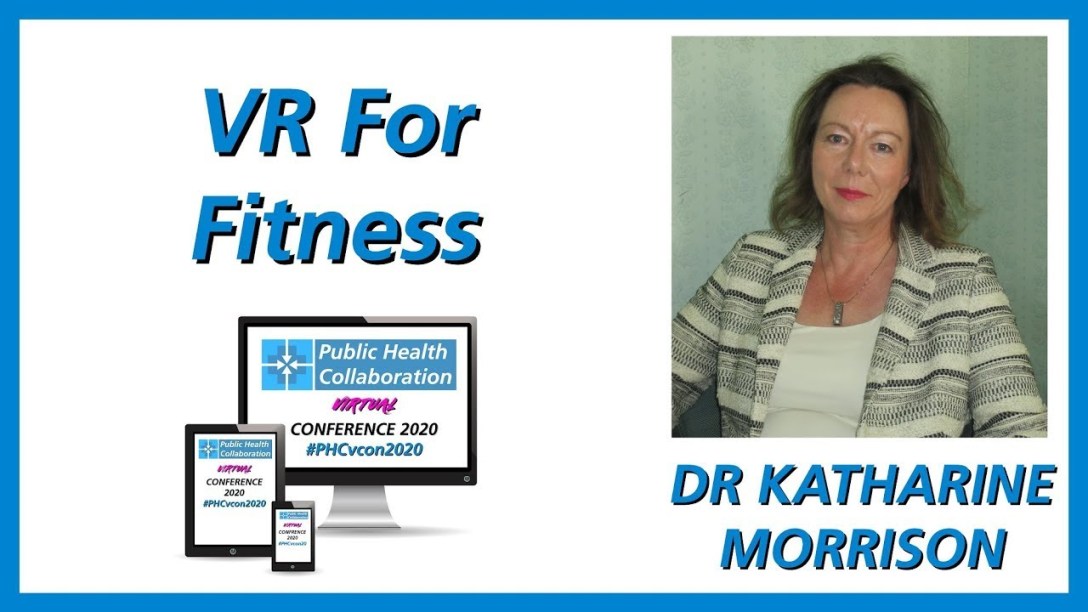
My talk is about VR Fitness, which was the only talk this year which was specifically exercise related. The Oculus Quest has only been out a year and has been sold out since shortly after New Year. I was fortunate enough to buy one in anticipation of my imminent retirement, and it has been great as an exercise tool over the long, cold, dark winter and more useful than I had ever anticipated over the lockdown as a social tool.

There were several very professional cooking and baking demonstrations on the conference this year, and indeed, this could not have otherwise happened on a traditional stage format.  We had low carb “rice”, bread, pancakes and pizza demonstrations which may well help you if you prefer to see how it is done step by step or if you want to broaden your repertoire.

I was particularly taken with the pizza base idea from Emma Porter and I will follow up with this in a later post.  The whole video is available from the PHC  site which takes you to all the videos on You Tube.


Soldiers improve their physique on a ketogenic diet

Adapted from Military Medicine January 2019 by Richard Al LaFountain et al of Ohio State University.

This is the first study of a ketogenic diet in military personnel. Daily ketone monitoring was done to personalise the diet. 29 subjects from various branches of the military took part over the 12 week study.

15 self selected to go on the ketogenic diet (KD) monitored by blood ketones daily. 14 continued their mixed diet (MD). Various measurements were done at the start and end of the programme.

All of the KD group were in ketosis throughout the 12 weeks as assessed by beta-hydroxybutrate levels. The KD group lost 7.7kg more (range -3.5 to -13.6kg) despite no calorie restriction. They lost 5.1% body fat (range -0.5 to -9.6%). 43.7% was visceral fat (range – 3.0  to – 66.3%) and had a 48% improvement in insulin sensitivity. There were no changes in the MD group.  There were no changes between the groups in aerobic capacity, maximal strength, power and a military specific obstacle course.

The authors conclude that this was a very well accepted intervention which showed remarkable improvements in body composition and weight without compromising physical performance in exercise training.

In the USA two thirds of active military personnel are overweight or obese which mirrors the general population. Nearly three out of four young people aged 17-24 fail to qualify for military service mainly due to obesity and failure to meet fitness standard thus posing an impending recruitment crisis.

The military usually follow the USDA’s dietary guidelines that advocates low fat, high carbohydrate foods. Americans have followed these recommendations for decades and have seen a marked rise in obesity at the same time. A diet that emphasises carbohydrate has the effect on suppressing fat oxidation and the production of ketones. Over half of active military personnel report drinking sugar and caffeine containing energy drinks in the past month.

Ketones produced while following a ketogenic diet have been shown to improve fat oxidation, enhance gene expression, inflammation, antioxidant defense and  healthspan. Fat loss without the explicit need to restrict calories is a benefit. Reversal of metabolic syndrome and obesity occurs. Previous studies have shown no detrimental impact on endurance and resistance training performance. The study was done in the military to see if this was a feasible approach.

The success of a ketogenic diet depends on commitment so we did not randomise the subjects. Both groups took part in identical physical training that emphasised strength and power.

Participants were recruited from the Ohio State Reserve Officer Training Corps and other local groups with a military affiliation.  We wanted people as similar as possible to the demographics of serving soldiers regarding age, sex, race and body mass. Participants were excluded if they had had previous experience of a ketogenic diet, were over 50, had certain illnesses, conditions, medications or allergies or who could not exercise safely.

The KD group were coached and were provided with unlimited frozen, pre-cooked meals and grocery supplies.  Carbohydrate was limited initially to 25g per day and protein to 90 g/d until ketosis occurred. Thereafter they could increase the amounts in their diet provided they stayed in ketosis. They were encouraged to use salt.  Carbohydrate was targeted at less than 50g per day including non starchy vegetables, nuts, seeds, selected fruit and berries. Protein goals were 0.6 – 1.0g g/kg of lean body mass. Total energy intake was not restricted. Non starchy vegetables and fats were encouraged to reach satiety. Alcohol over 2 drinks a day was discouraged in both groups.  Participants checked their blood ketones every morning and sent pictures of their readings to the research team.

The mixed diet group had a minimum consumption of 40% dietary calories from carbohydrate.  All participants met with registered dieticians and were encouraged to eat to satiety with no specific caloric limit. Dietary supplements were not allowed.

All groups undertook a progressive resistance training programme two days a week for an hour at a time. They had one additional cardio training session a week consisting of running and body weight circuit training for at least 30 minutes. Each resistance training session ended with 15 minutes of whole body, high intensity circuit training.

Body mass and body composition was measured by DEXA. Fat was assessed by MRI. Indirect calorimetry was used to evaluate resting metabolic rate and the respiratory exchange ratio.

The most noteworthy result was a spontaneous reduction in energy intake resulting in a uniformly greater weight loss for the ketogenic group.  The visceral fat was also markedly reduced which leads to a reduced risk for insulin resistance and cardiometabolic disease.  Insulin sensitivity improved in the ketogenic group.

Normalisation of weight is important for soldiers because non combat musculoskeletal injury is 33% more common in this group.

Subjects in this study were overweight but not obese, so the weight loss effect could be expected to be even more in obese subjects.  Release of fatty acids and ketones are likely the cause of the satiety effect leading to less hunger. The weight loss in the ketogenic group was 80% from body fat mass.  44% of the fat lost was from the viscera, largely in the middle of the body.

Because the subjects decided what diet they would follow, selection bias can’t be ruled out. The KD  group was also slightly heavier at baseline than the MD group.  The two women in the KD group responded similarly to the men.