How to Cope with Carb Cravings

You know you want me, you do you do you do...
You know you want me, you do you do you do…

So I think we are all agreed that eating the low-carbohydrate way is the best diet for health and wellbeing if you have diabetes (type 1 or type 2)..?

Inevitably, however, there will be times when the dreaded carb cravings strike. And as we have Christmas ahead of us, there will certainly be temptations a-plenty calling our name.

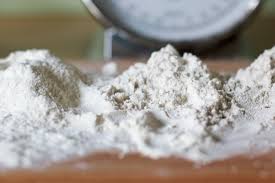
It is very easy to over-eat carbohydrates. They don’t have the same satiating effects that protein has on the body, and the soaring blood sugars you get afterwards are horrible (and it can take a long time to get them under control again).

So, general advice given to beat cravings often mentions general avoidance tactics such as going for a walk, or phoning a friend. That’s the kind of advice, I suspect, written by people who don’t suffer from cravings. If you get them, you’ll know they can be very, very powerful indeed.

Trigger Foods

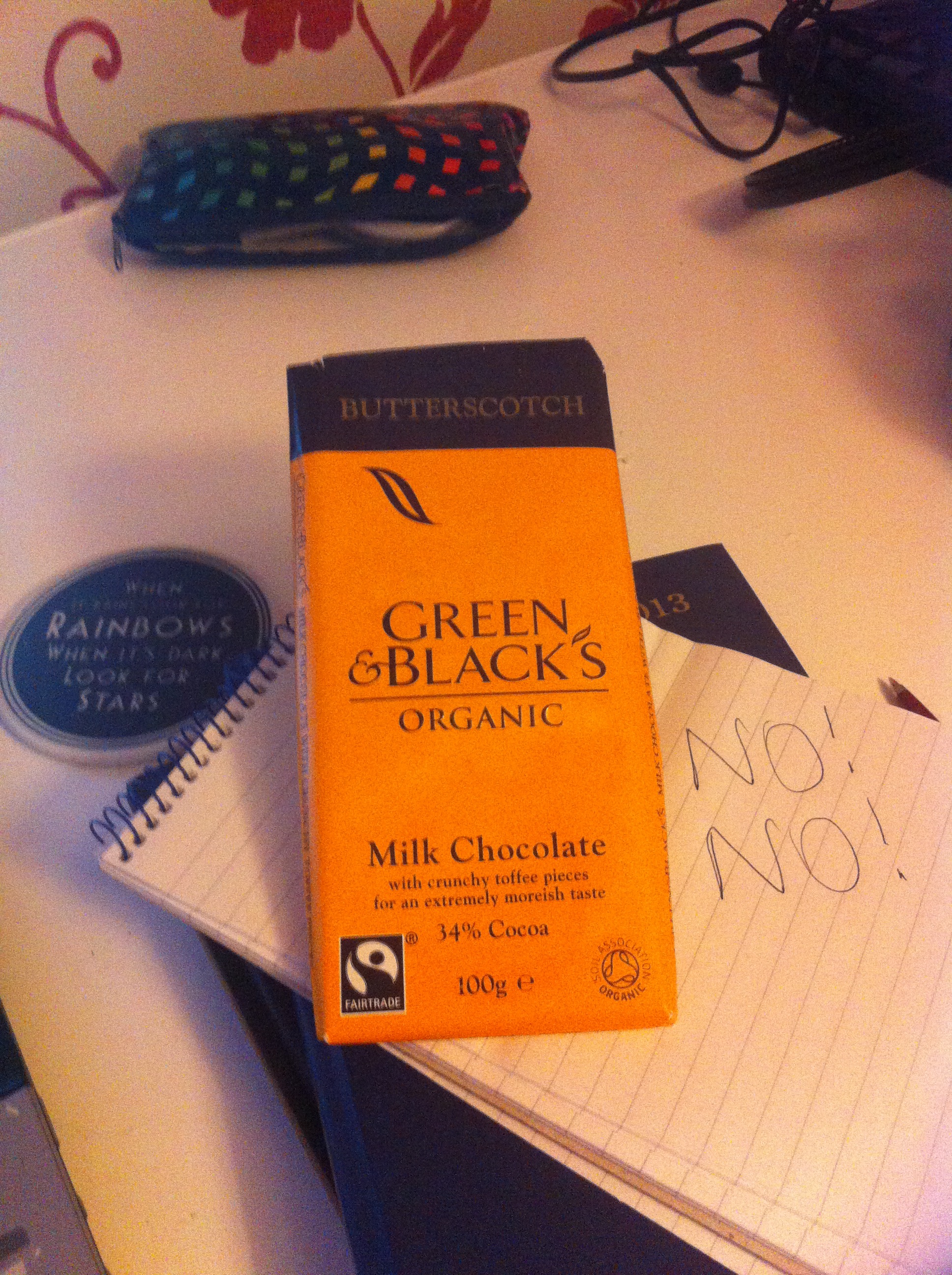
The first thing to do is to work out your trigger foods* – bread, crisps, chocolate or perhaps all three – and don’t keep them in your house, if possible. Cravings often strike in the evening (will power fatigue has set in) so having to go out of the house to buy your temptation of choice adds obstacles to the path. Continue reading “How to Cope with Carb Cravings”

Was Winnie the Pooh the Ultimate Caveman? By Ruth Buttigieg

The world's favourite bear...
The world’s favourite bear…

“Well,” said Pooh, “what I like best,” and then he had to stop and think. Because although Eating Honey was a very good thing to do, there was a moment just before you began to eat it which was better than when you were, but he didn’t know what it was called.”

A.A. Milne, Winnie-the-Pooh

We all have fond memories of Winnie the Pooh and his adventures in The Hundred Acre Wood, not to mention his constant appetite for honey.

Honey is frequently hailed as a superfood, not to mention other health uses such as an antiviral and as an anti-fungal. Whilst these latter claims are well substantiated and have strong scientific claims behind them, the use of honey as a “healthy” sugar substitute or as a superfood are less-than glorious.

The micro-nutrient content of honey consists mainly of vitamin B6, thiamine, riboflavin and niacin. However, from a nutrition perspective, that’s all – 5% of the total honey content. The other 95 percent is made up of a variety of carbohydrates, the main one being fructose. Continue reading “Was Winnie the Pooh the Ultimate Caveman? By Ruth Buttigieg”

Venison Burgers

Our local butcher was running a special offer on venison recently – venison sausages, venison mince and diced venison for £10 – so we stocked up. It seemed like a seasonal thing to do and venison is local to Scotland, abundant and good for you (high in protein and stacked full of vitamins and iron).

You pick up loads of ideas from reading food blogs (and there are so many good ones out there!) so I had spotted a seasoning mix for burgers on The Migrant Chef’s Blog. It was for beef burgers, but no reason for the mix not to be used for a venison version I reckoned. This is my adapted version.

Venison Burgers

  • Servings: 4
  • Difficulty: easy
  • Print

Venison Burgers – makes four

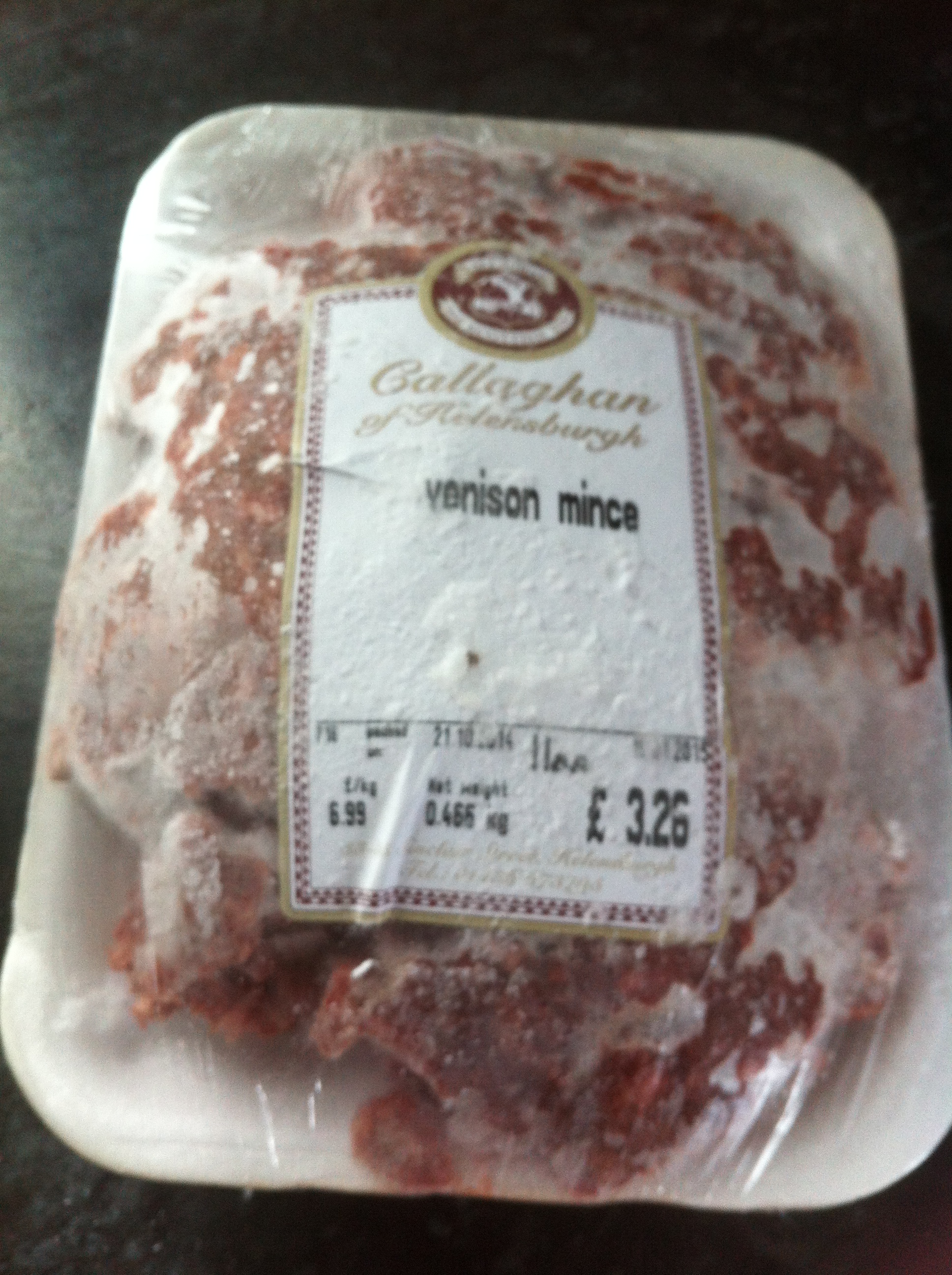
Frozen venison mince (de-frost fist obviously...)
Frozen venison mince (de-frost first obviously…)
  • 454g (1lb) minced venison
  • 1½ tbsp hot paprika
  • 1tsp Liquid Smoke (or 1tsp sugar)
  • 1 tsp salt
  • 1 tsp freshly grounded black pepper
  • 1 tsp garlic powder
  • 1 tsp onion powder
  • 1/2 tsp dried thyme, or mixed dried Italian herbs
  • ½ tsp cumin

Measure out all of the seasonings and place the venison in a bowl. Mix with the seasonings (the easiest way to do this is by hand) so that everything is combined well. Shape the mix into four burgers (if you make burgers on a regular basis, it is worth investing in a burger press which can be bought at Lakeland and other kitchen stores).

Chill the burgers for half an hour in the fridge.

Heat a griddle pan on the hob until very hot (spray lightly with oil to stop the burgers sticking). Cook each burger for three-to four minutes on each side – I find it best not to repeatedly turn the burgers as that makes them stick and disintegrate. Less cooking time means a rarer burger, so this is up to your personal preference.

Serve your burgers topped with guacamole or finely sliced onions fried in butter, and a hearty salad

burger pressWhy is venison good for you?

  • It has more protein than any other red meat (so it’s satiating)
  • It is richer in iron than beef, so it is good for your energy levels
  • It has lots of B vitamins – B2 (riboflavin) and B3 (niacin), which help to regulate metabolism; and vitamin B6 and B12, which might lower homocysteine build-up in the blood, therefore lowering the risk of heart attacks and strokes.


X-Pert Advice for Healthcare Professionals

trudiAre you a healthcare professional who is worried about advising patients to try a low carb/high fat diet?

Hi there, I’m Dr Trudi Deakin, chief executive of the charity X-PERT Health which develops, implements and evaluates structured education for the prevention and management of diabetes.

We strive to keep abreast of the latest research so that healthcare professionals and patients obtain the most up-to-date lifestyle management information. Literature reviews are undertaken on an annual basis and the research papers critically appraised to draw accurate and meaningful conclusions. The following hierarchical system for levels of evidence is used [1]:

Grading of evidence:

  • Ia: systematic review or meta-analysis of RCTs.
  • Ib: at least one RCT.
  • IIa: at least one well-designed controlled study without randomisation.
  • IIb: at least one well-designed quasi-experimental study, such as a cohort study.
  • III: well-designed non-experimental descriptive studies, such as comparative studies, correlation studies and case-control studies.
  • IV: expert committee reports, opinions and/or clinical experience of respected authorities.

Grading of recommendations:

  • A: based on hierarchy I evidence.
  • B: based on hierarchy II evidence.
  • C: based on hierarchy III evidence.
  • D: directly based on hierarchy IV evidence.

Continue reading “X-Pert Advice for Healthcare Professionals”

Home-Made Salad Cream

I was on an extended train journey the other day (ten and a half hours…) and beforehand I’d nipped into the supermarket to buy some food to take with me, reasoning correctly as it turned out, that sandwiches, crisps, cakes and sweets would be the only foods available to buy on board,

Anyway, I bought a ham and egg salad which came complete with a small sachet of salad cream. As a girl, I loved salad cream, but as I got older it lost its appeal to what is often thought of as the much more sophisticated dressing – mayonnaise.

Ah but the creamy yellow tangy yet sweet taste of salad cream is delicious! Make your own and you miss out the chemical nasties that often go into commercially-produced sauces and dressings AND you get to make it sugar-free.

I adapted this recipe from a James Martin original on BBC Good Food.

Home-Made Salad Cream

  • Difficulty: easy
  • Print

2 large eggs, hard boiled – yolks only

2tbsp English mustard

½ lemon (juice only)

1tsp granulated sweetener

3tbsp cider vinegar

150ml crème fraiche

150ml light olive oil

Salt

Place all of the ingredients, except for the oil and seasoning into a blender. Blend until the mixture starts to thicken and then gradually add the oil (in a thin trickle). You should end up with a smooth, thick sauce. Season to taste and serve.

Store this in the fridge and use within a week or so. One tablespoon has approximately 1g of carbs.


Is Starch Another Form of Sugar?

ruthRuth Buttigieg, BSC (Hons), MSc, ANutr is a qualified nutritionist who works at Natural Ketosis, where she helps people to better their health by changing their diet and lifestyle by following a low sugar low starch approach. Ruth read biochemistry for her undergraduate degree and she also has a Masters in Public Health Nutrition from Queen Margaret University. Here she blogs for us on a question that often comes up when it comes to diabetes and nutrition – is starch another form of sugar?

With the media’s attention on the amount of “added sugar” in our food, the amount of starch consumed daily by the average Briton is not commonly discussed.

A paper published late last year showed that a major contributory factor to obesity in the UK are potatoes and bread [1]. If you are looking to cut sugar out of your diet, it is also worth taking a look at the types of vegetables and fruits you eat, as these may also be contributing to high blood sugar levels.

A common mistake that people make when trying to decrease the amount of sugar in their diet, they overlook items such as starchy vegetables, legumes and grains. While these items look very different to simple sugars such as granulated sugar, honey, etc, they are themselves another form of sugar. Continue reading “Is Starch Another Form of Sugar?”

Low-Carbohydrate Lifestyle and Diabetes

ruthRuth Buttigieg, BSC (Hons), MSc, ANutr is a qualified nutritionist who works at Natural Ketosis, where she helps people to better their health by changing their diet and lifestyle by following a low-sugar, low-starch approach. Ruth read biochemistry for her undergraduate degree and she also has a Masters in Public Health Nutrition from Queen Margaret University. Here she blogs for us on a question that often comes up when it comes to diabetes and nutrition – are starchy foods really needed for a healthy diet?

Not a day goes by without a news piece covering the diabetes epidemic within the UK population or news coverage regarding new and exciting research looking at new interventions to either prevent or manage diabetes.

Yet what is diabetes, and can diet help prevent and manage the condition?

Diabetes is not a new medical phenomenon. The first reference to this condition can be traced back to an Egyptian papyrus dating back to c1550BC. Yet, if this condition has been present since early human civilisations, what has changed over the last few years that has led to it becoming an epidemic?

Statistics published in February 2014 by Diabetes UK [1] reveal that the number of people diagnosed with diabetes in the UK totals 3.2 million (6 percent of the population).

Minimising Sugar and Starches

Individuals suffering from diabetes (both type 1 and type 2) have elevated blood sugar levels due to metabolic insulin dysfunctions. Due to this, diabetics struggle to manage their insulin secretion and need pharmaceutical interventions (either orally or intravenously) to help manage their condition.

Consuming lower amounts of carbohydrates in the diet will help to manage the majority of insulin metabolic dysfunctions as:

  • There will be less sugar in the blood
  • Due to lower levels of blood sugar, insulin levels will be decreased
  • Lower levels of insulin means that a lower dose of diabetic drugs will be needed to manage the body’s blood sugar homeostasis feedback loop.

Continue reading “Low-Carbohydrate Lifestyle and Diabetes”

Amazing Meatloaf

Meatloaf is… wonderful, delicious, tasty, satisfying. In fact, there aren’t enough adjectives to describe meatloaf so I’ll just settle for the four. Most recipes rely on a breadcrumb filler, but this one is gluten-free and low-carb. Eat and enjoy.

Amazing Meatloaf

  • Servings: 4-6
  • Difficulty: easy
  • Print


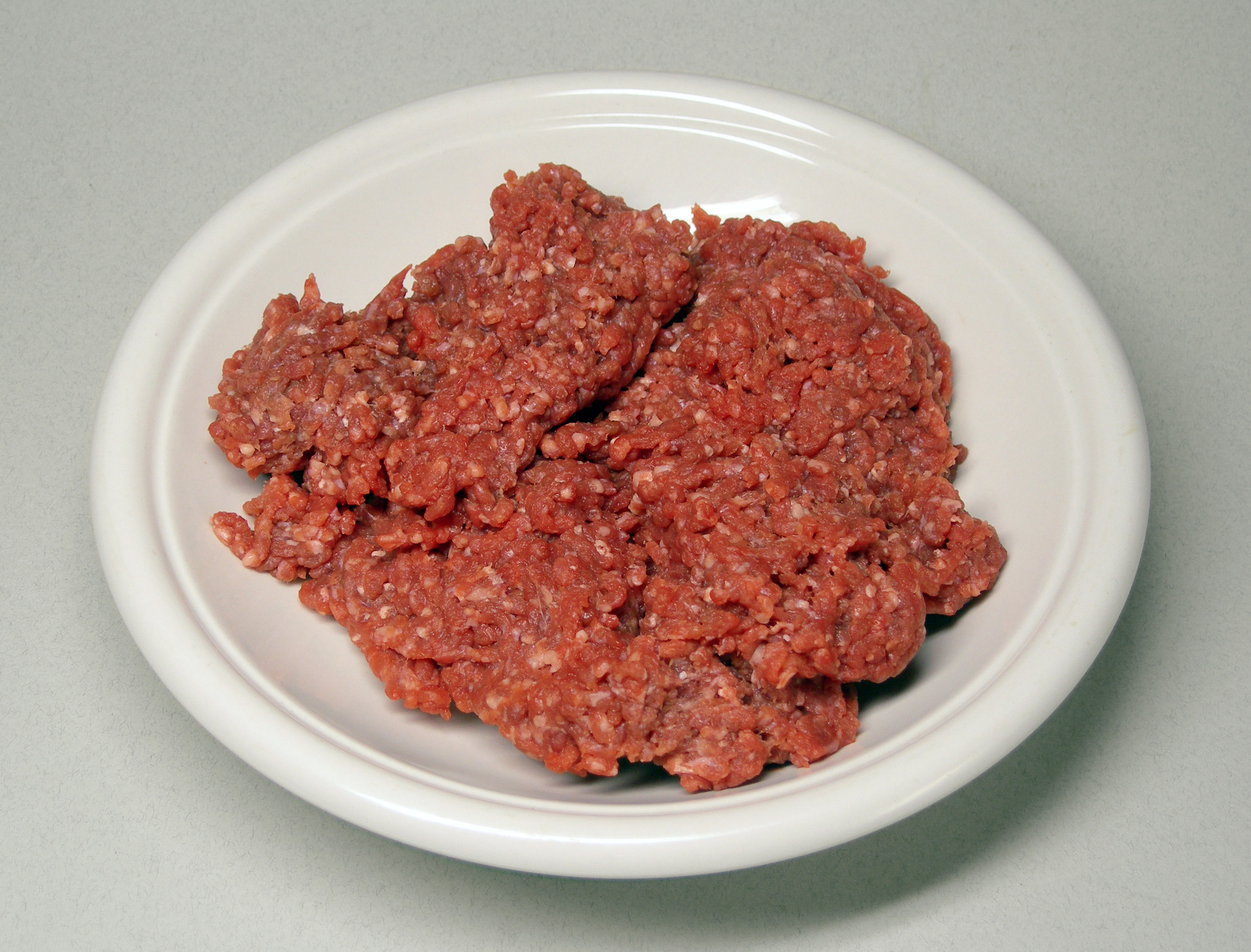
Use the best mince you can get for delicious results.

  • 1kg steak mince (from the butcher for better quality)
  • 1 large onion, very finely chopped
  • 2-3 stalks of celery, very finely chopped
  • 2 cloves garlic, crushed
  • 2 small chillies, finely chopped
  • 60g ground almonds
  • 2 large eggs
  • 40g Parmesan cheese, grated
  • 4-6 rashers streaky bacon
  • Salt and pepper
  1. Pre-heat the oven to 180 degrees C. Mix all the ingredients (except the bacon) in a large bowl. The easiest way to do this is with your hands, scrunching everything together until it is well combined. Grease a 2lb loaf tin and pack the mix in (you may also need another dish). Top with the rashers of bacon. Cover with foil and bake in the oven for 60 minutes. Take the foil off for the last five minutes of cooking time to brown the top.
  2. There will be plenty of juices so serve slices of the meatloaf with spoonfuls of the juices.

The Top 10 Best Things About a Low-Carb Diet

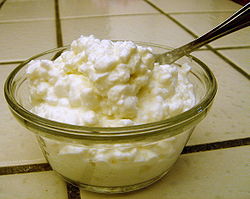
  1. You don’t need to eat low-fat cottage cheese again. Seriously, that watery crap doesn’t need to find itself in your fridge ever again.
  2. Broccoli and butter. Think you don’t like broccoli? Try it steamed with a tablespoon of butter melting over the top. Om nom nom.
  3. Steak. Lamb. Burgers. Sausages. (And this from a reformed vegetarian too…)
  4. You can eat chicken skin. And crackling. Turn up the oven to hot, hot, hot and make yourself your own pork scratchings.
  5. You will fart less. Seriously.
  6. Smoked salmon and scallops (on a rich day, obvs).
  7. Your appetite will feel as if it is under control, because your blood sugar levels will stay steadier and protein is more satiating.
  8. You get to try out lots of lovely recipes, thanks to the world wide web! Obviously, we feature great recipes here at Diabetes Diet, but check out BBC Good Food, Authority Nutrition and the Atkins website for more.
  9. You can go longer without eating because of the natural satiety effects.
  10. Finally, you will feel healthier, more energetic and happier – again, because of steady blood sugar control.

What do you love about eating low-carb? We’d love to know… And if you would like to try out a low-carb diet, with expert advice on medication management for going low-carb, try out the Diabetes DietPic thanks to Wikipedia

Are Starchy Foods Needed for a Healthy Diet?

ruthRuth Buttigieg, BSC (Hons), MSc, ANutr is a qualified nutritionist who works at Natural Ketosis, where she helps people to better their health by changing their diet and lifestyle by following a low sugar low starch approach. Ruth read biochemistry for her undergraduate degree and she also has a Masters in Public Health Nutrition from Queen Margaret University. Here she blogs for us on a question that often comes up when it comes to diabetes and nutrition – are starchy foods really needed for a healthy diet?

We are constantly being told that foods such as bread, pasta, rice, potatoes and cereals are required for a healthy diet as they are full of nutrients. However, does their nutrient density outweigh their impact on our blood sugar levels and, in turn, on our health?

With more people being diagnosed with diabetes or diagnosed as pre-diabetic, the message of prevention is better than cure is a constant headline in the media. What else needs to be done to improve the nation’s health? What else can people do to change their lifestyles and improve their health? Our food choices are not immune to this spotlight.

Turning to the NHS for guidance, one meets with the constant message that starchy foods are an essential part of a healthy diet. With the debate heating up about which food item is public health enemy number 1 – fat or sugar, in this piece we explore why starchy food items aren’t needed for a healthy diet and in fact substituting these items for other vegetables will have a positive impact on your health. Continue reading “Are Starchy Foods Needed for a Healthy Diet?”