Your (burnt out) doctor will see you now……

There never has been some mythical golden age when every patient got the time they really needed with their General Practitioner, but seeing your GP is expected to get even harder.

Reviews by both the Centre for Workforce Intelligence and GP taskforce have concluded that the UK has too few GPs and the ones that we do have are increasingly stressed, burnt out and feel unable to deliver health care safely.

GP funding is 8.3% of the cost of the NHS in return for providing 90% of medical contacts. This percentage of funding is at an all-time low. Failure to keep pace with the aging population, complex illness, cancer survivors, the rising female workforce, the doubling of specialist doctor workforce and the tendency for GPs to prefer portfolio careers to full time General Practice all have played a part in the current workload/manpower mismatch.

Dr Veronica Wilke, professor of primary care from the University of Worcester, says, “Students and trainees who witness stressed, burnt out GPs, who feel isolated and unsupported, are unlikely to choose general practice for a career. Preventing attrition in the existing workforce is as important as recruiting new trainees. Hospitals have fewer beds, and the call is for more care in the community. GPs and primary care nurses are retiring, leaving and emigrating. Cornwall, Reading and Bristol cannot recruit enough GPs to keep practices open and training schemes remain unfilled.”

So, what can you do to prevent your GP getting sectioned into the local mental hospital or running off to Australia?

Here are my tips:

  1. Think about what you want to achieve in your consultation with your GP.
  2. You only have ten minutes, so either one big thing or two small things is realistic.
  3. Write these things down. Use the Patient Concerns Questionnaire from our book.
  4. Do you need to see a GP for any of these things? Sometimes a nurse, health visitor or health assistant would be more suitable. There are often ways for obtaining results or repeat prescriptions or immunisations that the practice has already set up.
  5. Make the appointment in the name of the person who is to be seen.
  6. Don’t ask for other family members issues to be squeezed in while you are there.
  7. If you can possibly come to the surgery instead of asking for a house call do this.
  8. If your issues can be dealt with by phone is there a way this can be sorted out by the practice?
  9. Be as well educated as you can about the illnesses you have and on keeping yourself fit and well.

Now, it’s time we heard from you.

Have you noticed any change in how your General Practice care has been affected by the manpower crisis?

Have you any other tips to help patients get efficient service from their GP team?

Any tips for these stressed GPs and practice nurses?

Based on an article by Veronica Wilkie: BMJ 2014;349:g6274

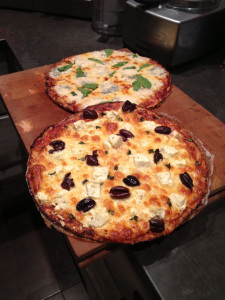
Pizza with Cauliflower Base – Gluten Free Pizza Base

Pizza isn’t usually an option when you are low-carbing, but here is an excellent way to make your own low-carb option.

Cooking Up The Pantry's avatarCooking Up The Pantry

image

It took me quite a long time to get my head around cauliflower as a pizza crust, it just didn’t make sense to me!

However, it does work, amazingly effective and nice and simple to make at the same time as the regular pizzas in our house.

This recipe made 2x30cm pizzas, the photo is deceptive!

Ingredients

1 cauliflower, around 900g, leaves trimmed

1 egg, beaten

100g Parmesan, grated

Method

Trim the cauliflower and, using a food processor, process the stalks first, then add the rest so that you have a very fine crumb.

Pop the cauliflower in a microwavable bowl, cover, and blast for 8-10mins until cooked.

Pour into a fine mesh sieve and allow to sit, draining any liquid as it cools.

Preheat the oven to 220 degrees Centigrade.

Once cool enough to handle pour into a bowl and add the egg and cheese, mix well.

Line two…

View original post 56 more words

Spicy Chicken Stew – Low-Carb and Slow Cooker Friendly

Is there a word for someone who eats the same meals day in/day out? Is it a new diet trend about to be reported in the Huffington Post a la mono eating?

Not yet – well, not yet, according to my crude Google searches, but I’d like to promote it. I’m the kind of person who will happily eat the same meal for dinner four nights in a row. It’s nice and easy (you only prepare food the one night and then that’s dinner sorted for the next four evenings), it means no waste and less shopping.

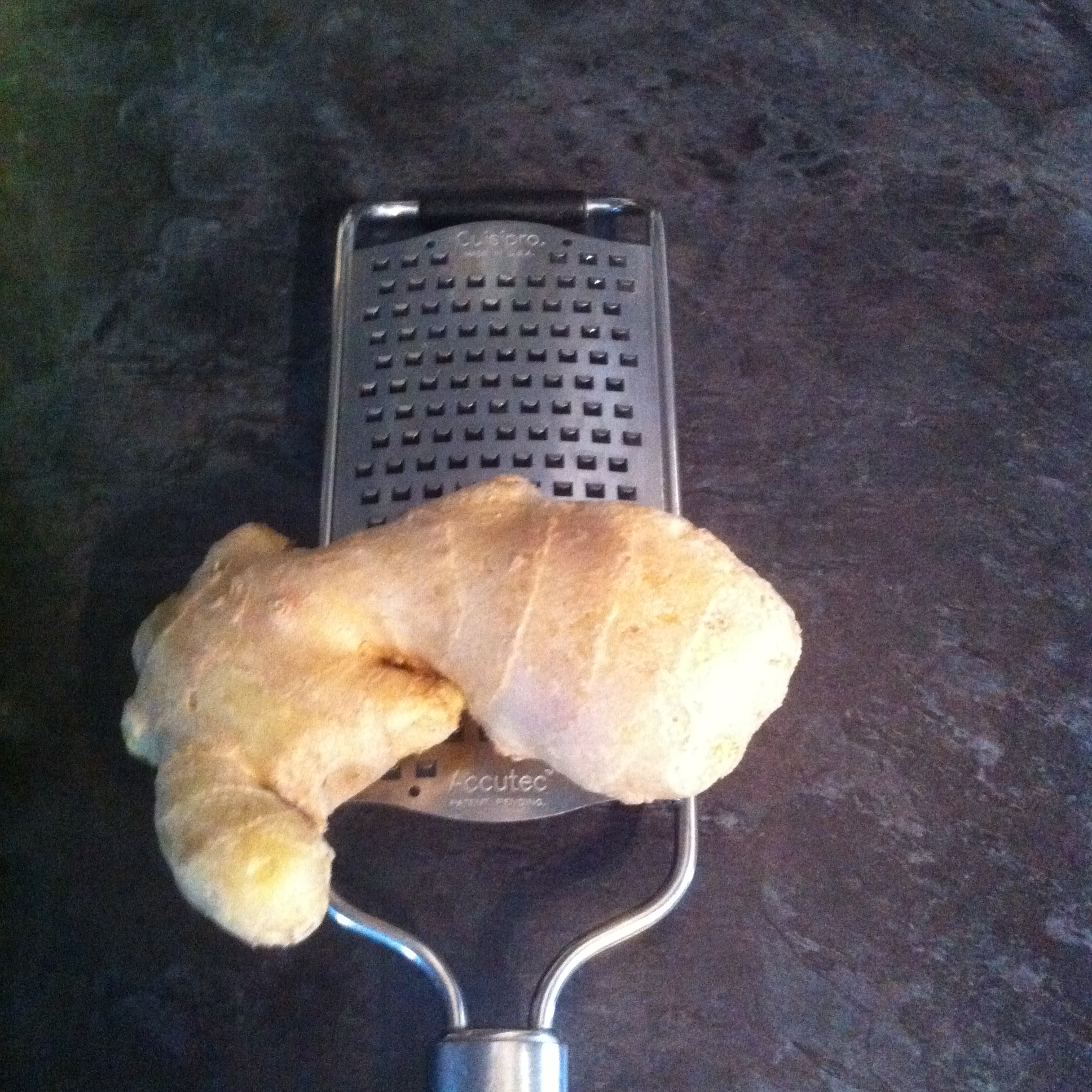
A good grater makes grating ginger easy-peasy.

Nobrainermuscle.com puts forward some very good reasons for eating the same meals day in/day out because it’s low maintenance, easier and good for tracking. My version is perhaps slightly different – eat the same meal for four or five days and then change to another option for the next few days.

Anyway, that was a long and round-about introduction to another great, low-carb recipe. I first spotted this recipe on the rather fabulous eatdrinkpaleo website. The urge to tweak is always there with me, so I made the dish my own with a few substitutions and turning it into a one-pot slow cooker version. No browning and one dish only.


Spicy Chicken Stew – Serves 4

  • 1tbsp coconut oil
  • 6 skinless, boneless chicken thighs
  • 1 medium onion, finely sliced
  • 4 cloves garlic, finely crushed
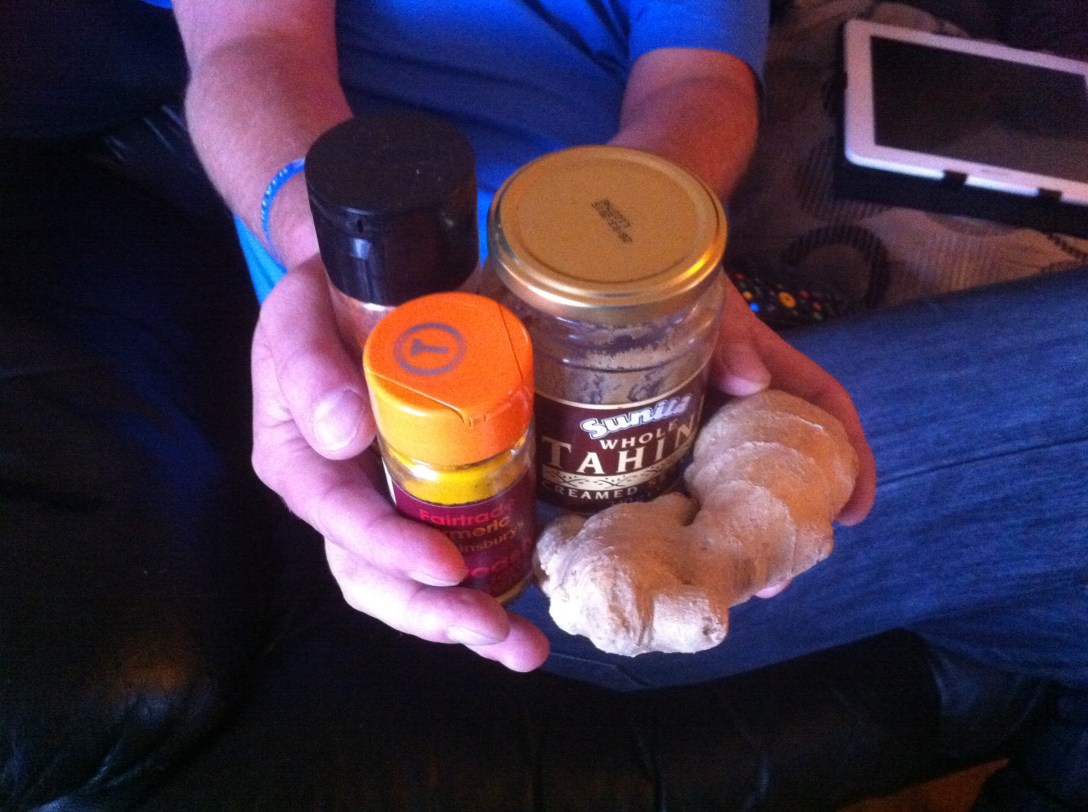
  • 2-3tbsp freshly grated ginger
  • 1tbsp ground cumin
  • 1tbsp turmeric
  • 1tbps hot paprika
  • 2-3 fresh chillies (omit seeds for a milder flavour)
  • 4 cloves
  • 500g passata
  • 3tbsp tahini paste
  1. Place all the ingredients in your slow cooker, mix well to combine. You might need to add a little water – just make sure all the chicken is covered with liquid. Cook on a slow setting for seven hours. Remove the cloves, then use forks to shred the chicken and season well with salt and pepper.
  2. This is good served over steamed cauliflower or broccoli.
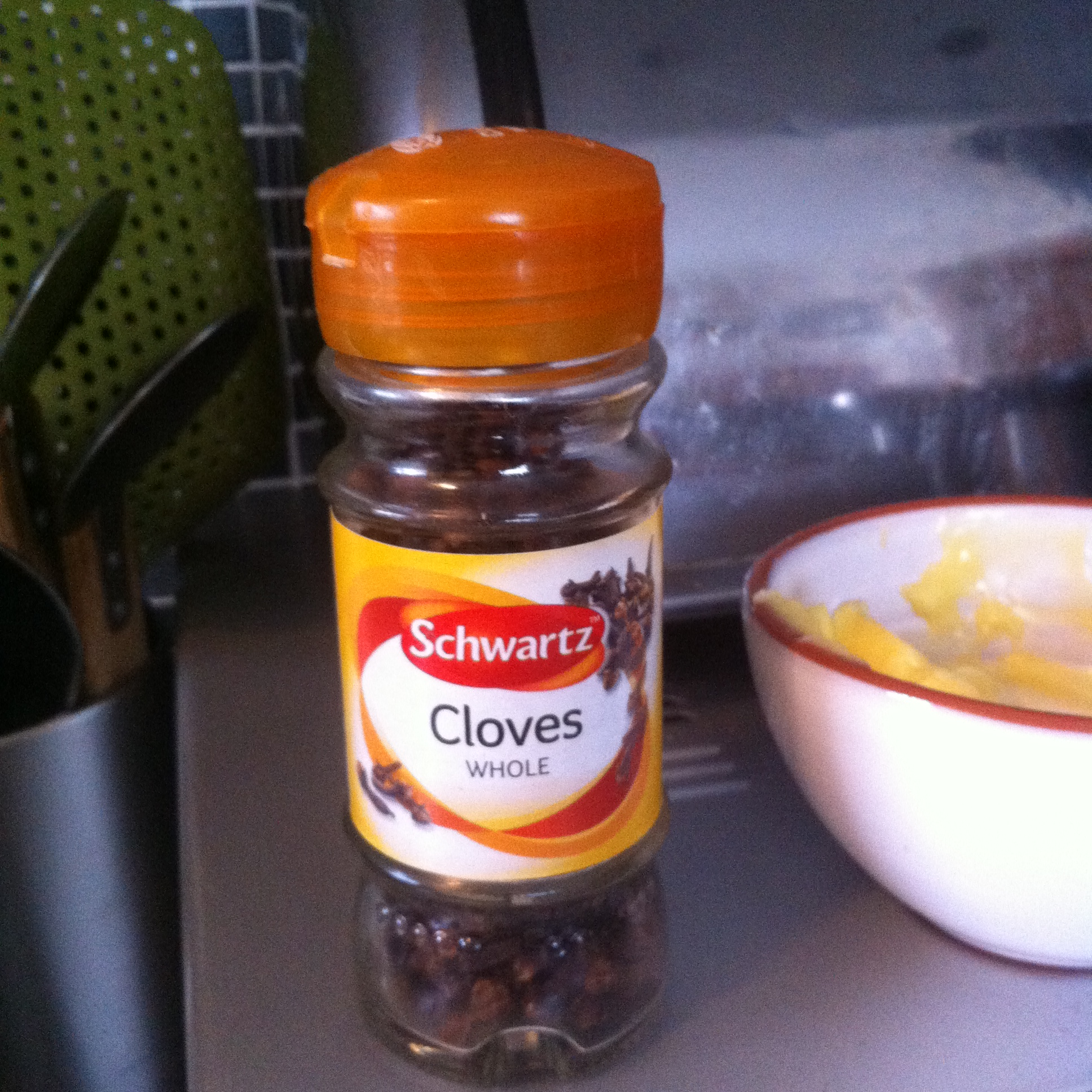
Kudos to anyone who can suggest what to do with the rest of the cloves...
Kudos to anyone who can suggest what to do with the rest of the cloves…


Broccoli puree

There’s a great recipe on this website for Broccoli puree.

Unlike the author, I do love broccoli… but if you don’t then this is one way of making it more appetising.

In addition, you could use this puree as a substitute for mashed potatoes when it comes to low-carb accompaniments to stews, chops and steak.

Low Carb Cookies

Here at the Diabetes Diet, we recommend you try out low-carb baking. Those who embark on a low-carb diet often feel they miss out on the sweet stuff, so low-carb baking can fill that gap – plus it comes with the added bonus that you won’t be eating the nasties that go into commercial baking.

Here’s a recipe for peanut choc chip cookies.

Peanut choc chip cookies

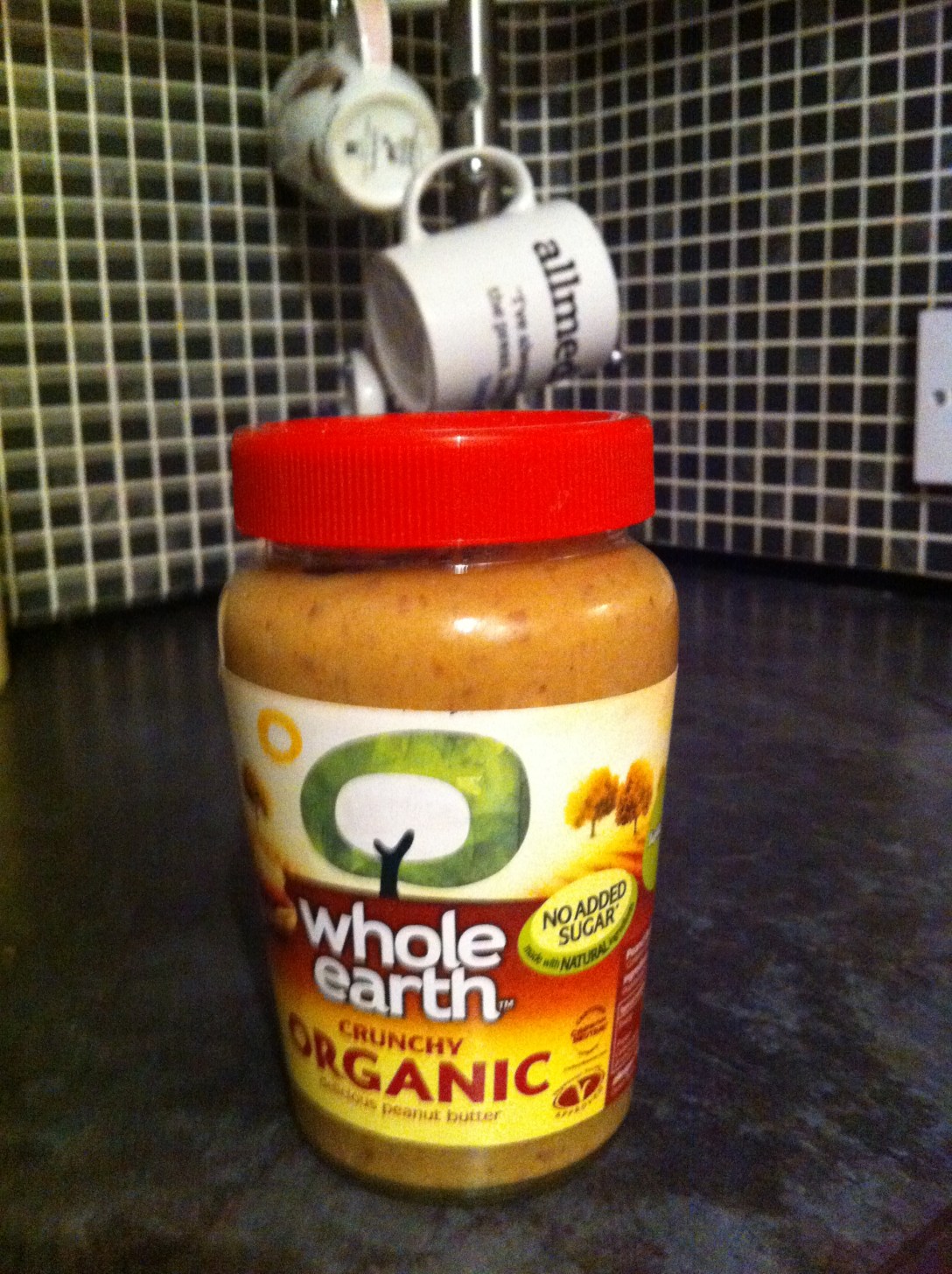
  • plain choc125g/4.5oz of chunky peanut butter
  • 185mls/6fl oz of double cream
  • 75g/2oz chopped pecans or peanuts
  • 35g/1oz plain chocolate drops (70% cocoa solids is best) or chunks
  • 2 teaspoons vanilla essence
  • 2 tablespoons of granular sugar substitute (see notes below)
  • 2 tablespoons soy flour or coconut flour
  • 1 teaspoon baking powder
  1. Pre-heat the oven to 190 deg/375deg/gas 5 and grease a baking tray or use a silicon liner on a baking tray.
  2. Mix all the ingredients together in a mixer or by hand in a bowl, but put the nuts and choc chips in last.
  3. Put teaspoons of the cookie mixture on the tray and bake for 10 minutes.
  4. These biscuits are very crumbly. Store them in a biscuit tin in the fridge and place layers of kitchen towel between each layer of biscuits. Like a lot of low carb baking, they will last a long time in the fridge, 2-3 weeks.
  5. If you double the recipe up, the amount of peanut butter is just short of a jar, so just use up the whole jar.

You can either use straight Splenda or in place of one tablespoon of Splenda ¼ tablespoon Splenda and ½ tablespoon of xylitol or erythritol.  Another substitute is 1/3 tablespoon of Truvia.

Makes about 8 – with a carb count of 5g per biscuit.


What’s your favourite low-carb cookie recipe? We’d love to know… Tell us in the comments, or email us a pic of your cookies and the recipe and we’ll feature it on our website.

 Chocolate picture thanks to Wikipedia.

Dr Unwin’s patient diet sheet: ignore the box of chocolates they got as a prize!

7100

So what should I eat to control my weight? A typical diet sheet for diabetes, as provided to Dr Unwin’s patients.

Reduce starchy carbs a lot (remember they are just concentrated sugar). If possible cut out the‘White Stuff’ like bread, pasta, rice – though porridge, new potatoes and oat cakes in moderation may be fine.

Sugar – cut it out altogether, although it will be in the blueberries, strawberries and raspberries you are allowed to eat freely.

Cakes and biscuits are a mixture of sugar and starch that make it almost impossible to avoid food cravings; they just make you hungrier!!

All green veg/salads are fine – eat as much as you can. So that you still eat a good big dinner try substituting veg such as broccoli, courgettes or green beans for your mash, pasta or rice – still covering them with your gravy, Bolognese or curry!

Try home-made soup – it can be taken to work for lunch and microwaved. Mushrooms, tomatoes, and onions can be included in this.

Fruit is trickier; some have too much sugar in and can set those carb cravings off. All berries are great and can be eaten freely; blueberries, raspberries, strawberries, apples and pears too, but not tropical fruits like bananas, oranges, grapes, mangoes or pineapples.

Proteins such as in meat, eggs, fish – particularly oily fish such as salmon, mackerel or tuna –are fine and can be eaten freely. Plain, full-fat yoghurt makes a good breakfast with the berries. Processed meats such as bacon, ham, sausages or salami are not as healthy and should only be eaten in moderation.

Fats (yes, fats can be fine in moderation): olive oil is very useful, butter may be tastier than margarine and could be better for you! Coconut oil is great for stir fries. Four essential vitamins A, D, E and K are only found in some fats or oils. Please avoid margarine, corn oil and vegetable oil.

Beware ‘low fat’ foods. They often have sugar or sweeteners added to make them palatable. Full fat mayonnaise and pesto are definitely on!!

Cheese:  in moderation – it’s a very calorific mixture of fat, and protein.

Snacks: avoid. But un-salted nuts such as almonds or walnuts are great to stave off hunger. The occasional treat of strong dark chocolate 70% or more in small quantity is allowed.

EATING LOTS OF VEG WITH PROTEIN AND FATS LEAVES YOU PROPERLY FULL in a way that lasts.

Finally, about sweeteners and what to drink – sweeteners have been proven to tease your brain into being even more hungry, making weight loss almost impossible – drink tea, coffee, and water or herb teas. I’m afraid alcoholic drinks are full of carbohydrate – for example, beer is almost ‘liquid toast’ hence the term “beer belly”! Perhaps the odd glass of red wine wouldn’t be too bad if it doesn’t make you get hungry afterwards – or just plain water with a slice of lemon.

Remember – always check with your doctor or healthcare professional before embarking on a new diet. 

Dr David Unwin FRCGP

Dr Unwin’s winning formula for fitness and health

Dr Unwin
Proof that you can eat low-carb AND run…

Hello, I am David Unwin, another GP interested in the low-carb approach to helping my patients with type two diabetes.

My work formed the basis of an article published in the March 2014 edition of Practical Diabetes. ‘Low carbohydrate diet to achieve weight loss and improve HbA1c in type 2 diabetes and pre-diabetes: experience from one general practice’.

I am not a diabetic, but have been on the diet for about two years now. I started it as a gesture of support for my patients but find I am more alert and need less sleep on it. Surprisingly it seems to help me run faster too! I recently finished a 10 K road run in less than 46 minutes, my best time for years.

Since writing the article in March, my practice has been given a small grant which means we have now helped 37 people with type two diabetes. Interestingly, the results are very similar to our original cohort including improvements to cholesterol, despite a diet higher in fat which makes one wonder…

Abstract

Diabetics have long been exhorted to give up sugar and encouraged to take in complex carbohydrate in the form of the starch found in bread and pasta (especially if ‘wholemeal’). In fact, bread should be seen as concentrated sugar which explains why it has a higher glycaemic index than table sugar itself.

As there are no essential nutrients in starchy foods and diabetics struggle to deal with the glycaemic load they bring, we question why they need form a major part of their diet at all.

The recent increase in screening in general practice along with epidemic of ‘central obesity’ is revealing large numbers of pre-diabetics and diabetics (diabesity). At a time when there are questions about drug safety, which diet is best is of particular importance.

Many patients are already experimenting with the ‘low carb’ approach as it is so widely advocated on the internet. We wanted to see how effective and well tolerated it was.

A series of 19 type 2 diabetics and pre-diabetics volunteered to go on a low carbohydrate diet backed up with ten-minute one to one sessions with a GP or practice nurse, and regular group education.

After seven months only one had dropped out, of the rest all had significant weight loss (average 8.63 Kg) and the average HbA1c was down from 50.68 to 39.9 mmol/mol (6.7% to 5.7%).

Despite the higher fat intake on this diet the cholesterol dropped and liver function improved for nearly all participants.

We conclude this approach is easy to implement, brings rapid weight loss and improvement in HbA1c using a diet that the great majority of patients find easy to live with.

You can find the full article at Practical Diabetes.

How to Calculate Carbs

It’s all very well embarking on a low-carb diet, but how do you work out how many carbs are in the food you eat?

Here at the Diabetes Diet we encourage people to cook for themselves as it’s the best way to eat a good diet, but home cooking comes without the handy labels you get on ready-made food complete with their nutritional breakdown.

Meat, fish, eggs, cheese, nuts and fat have few or no carbohydrates, but vegetables and seasonings and ingredients used for thickening stews and sauces do have carbs. If you made a chilli con carne, for example, there would be carbohydrates in that from the onions, tomato sauce and kidney beans.

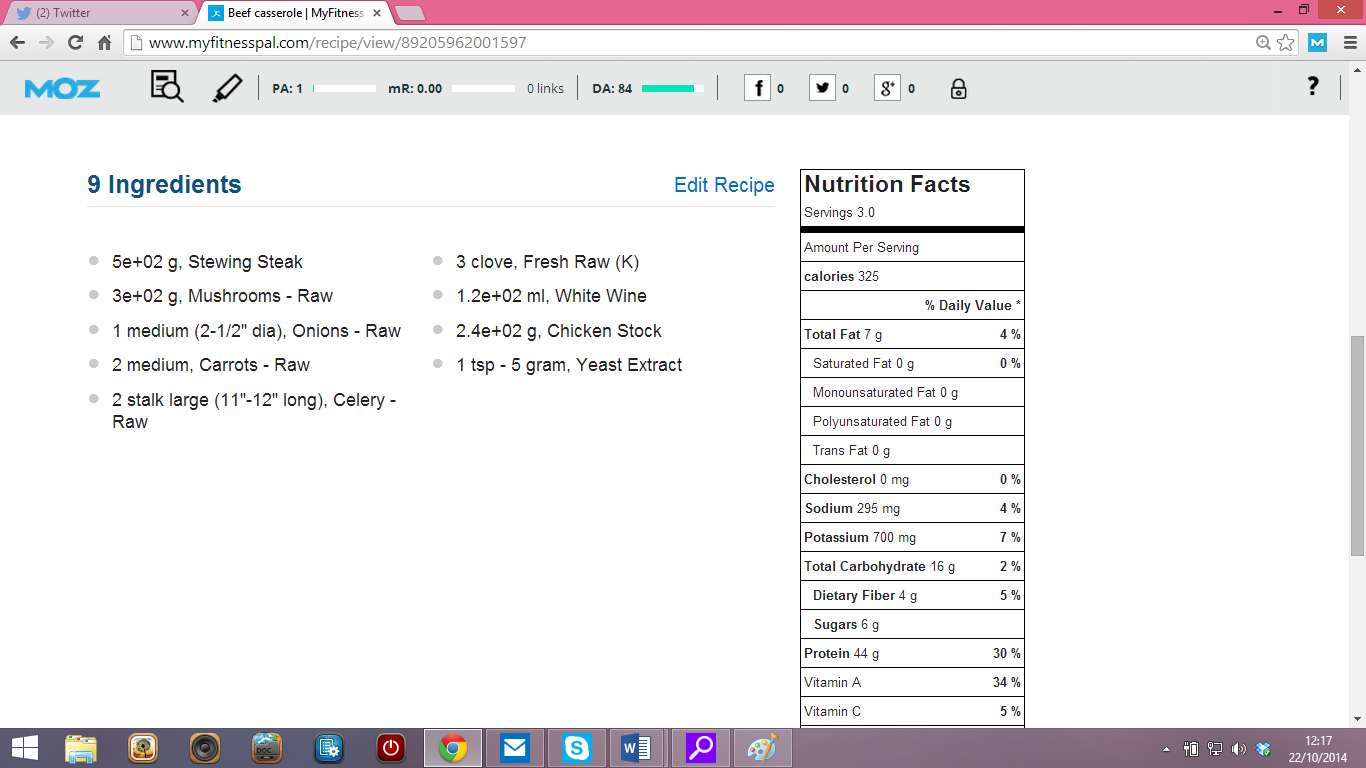
Myfitnesspal recipe calculations.
Myfitnesspal recipe calculations. Click on image to expand.

One easy way to work out carbohydrates in the dishes you make is to use a carb and calorie counting app or website. One example is myfitnesspal, where you can enter your recipes and the app will give you a nutritional break-down of what’s in your recipe – calories, carbs, protein content, fibre content and fat content.

If you don’t want to use an online tool, you can also use resources such as the Collins Gem carb counter. Bear in mind, for both ideas you’ll need to be weighing and measuring everything going into your recipe.

It does sound obvious, but many people have recipes and dishes they make where they don’t bother weighing or measuring anything simply because it is a dish they have been making for years. I prefer digital scales for their exact measurements and because you can weigh food in bowls or saucepans by setting the scale to nil.

If you have set a daily carbohydrate limit for yourself (we explore carbohydrate limits in the Diabetes Diet and what limits are suitable for different people, according to their health goals), then it is probably easiest to take that total and divide up by your meals.

In theory, if you were on a limit of 50-60g, then that equates to roughly 20g a meal, but you might want to stick to very low carbohydrate breakfasts and lunches and keep back a bit more for dinner.

And vice versa of course. You need to find a way of eating that you like, that fits in with your life and that you can keep up.


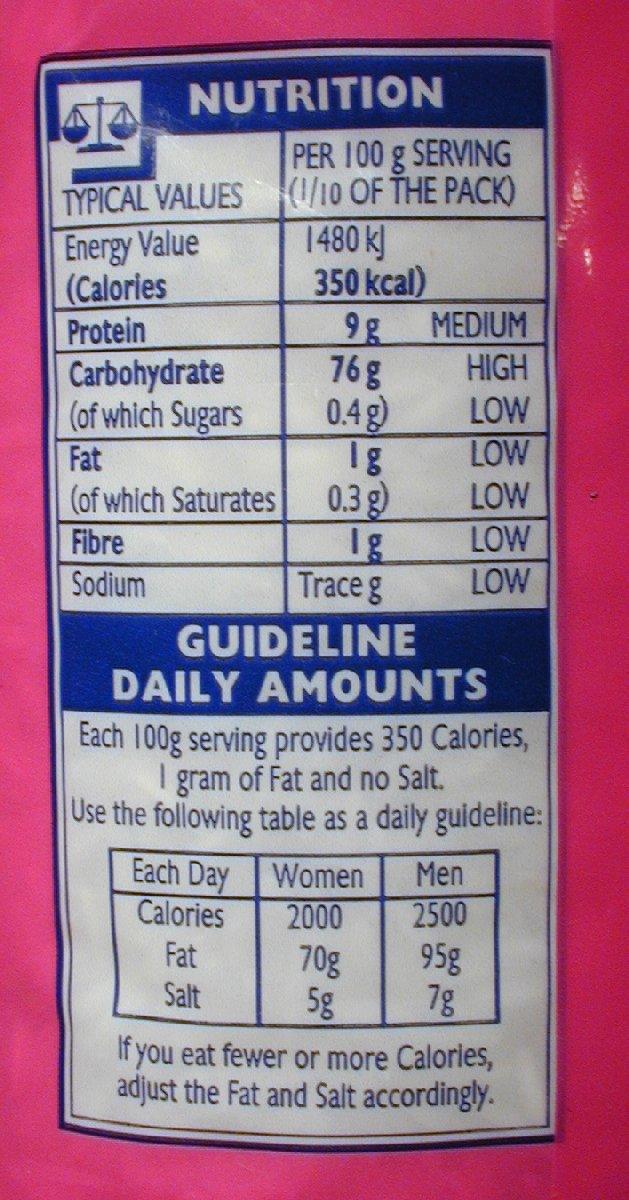
Pic thanks to Wikipedia.

Low Carb Dips

At the moment, I’ve got a thing about guacamole… Traditionally, this Mexican style dip is eaten with tortilla chips, but you can skip the chips when you are eating low-carb and use it for much more.

  • Use it as topping for chilli, for example.
  • Or cut up red peppers into strips for an easy starter.
  • And then there is my all-time favourite – a thick dollop topping a good burger…

I can’t claim authenticity for my recipe, but it is pretty delicious and full of good-for-you ingredients – raw garlic and avocado. Try not to eat it all at once.

Guacamole – makes roughly one cup/container

  • 1 large, ripe avocado*
  • 1 clove garlic, crushed
  • 1 medium tomato, finely chopped
  • 1tsp fresh lemon juice
  • ½ to 1 chilli, chopped finely**
  • 1-2tbsp mayonnaise or Greek yoghurt
  • Salt and pepper
  1. Cut the avocado in half and remove the stone. Place in large bowl and sprinkle with the lemon juice. Add the garlic, tomato, chilli and mayonnaise or yoghurt. Mash well with a fork until the whole mix is combined.
  2. For a smoother dip, use a hand blender to process. If you used mayonnaise, you probably won’t need to add salt, but you will need salt to season if you have used yoghurt.
  3. The dip doesn’t last very long so use it up within one to two days.


*To ripen an avocado quickly, place it in a brown paper bag with an apple or a banana, or ripen it in the microwave. Prick it and cook it for 20-second bursts on high until it softens.

**Chilli is an individual preference. I love strong spices so I would add the whole chilli, seeds and all. For a milder taste, de-seed the chilli and use a mild one.

Pic thanks to Wikipedia.

Giant fatty liver cut down to size in one week

For many years we have known that to get a good going fatty liver we should treat ourselves like the farmers who feed the geese that make pate de fois gras.  That is, eat lots of dietary carbohydrate, particularly grains and other refined stuff like sugars and starch.

For most patients afflicted with fatty liver, the changes that come on are insidious, and are only picked up on abnormal liver function tests, particularly AST and ALT, or perhaps an ultrasound scan, that reveals the bright echo appearance that all that extra fat in the liver gives.The problem is that fatty liver can progress eventually to cirrhosis. In my practice we have already had one death from liver failure from cirrhosis brought on by non-alcoholic fatty liver disease.

One of my patients, not a diabetic, was sent home from hospital recently with a diagnosis of alcohol induced fatty liver. She was very distressed, not only because she had a massive abdominal swelling, but also because she had been labelled as an alcoholic.

She had gone into hospital with severe inflammatory bowel disease. She had been feeling so poorly that she had lost her appetite and had been drinking about 6 bottles of fizzy, sugary juice a day. At the same time, in an effort to gain control of her symptoms, she was on immune modifying drugs and a very large dose of oral steroids.  Indeed she still is. Her blood results showed no hepatocellular injury, a bit uncommon with fatty liver disease, but a huge fatty liver on ultrasound. On examination it was nearly at her pelvic bone but I was able to put my fingers below it. It was very tender but smooth with no irregularities.

I advised her that she needed to go on a very low carbohydrate diet to get the best chance of reversal of the fatty liver. She was to have no sugar, no starch and no alcohol. She was to eat freely of meat, fish, eggs,  cheese, butter, cream, olive oil, low starch vegetables and could have up to two portions of fruit a day.

She was due to return in two weeks for examination and blood testing but came back after only a week because she was finding the diet really tough going.  Surprisingly her liver had shrunk to only two finger breadths below her rib cage and the tenderness was much reduced. Her abdomen was looking almost normal.

She had been eating mainly tuna and lettuce and drinking water. Given the massive improvement, I then gave her some advice on expanding her diet, but advised that she learn carb counting, and keep the total amount to 20g or under per meal. She has a diabetic relative who has carb counting books and she was assured of family support in this regard.

What I think was happening is that the steroids were making her extremely insulin resistant and particularly prone to storing fat in the liver. Her pure sucrose diet compounded the problem and ended up in her liver. I have not yet seen such an acute and extreme case of fatty liver as this.

Fortunately I had heard of the beneficial effects of carbohydrate restriction for this condition. I am still amazed how well the diet worked in such a short time.

This woman is still at risk from fatty liver because of the ongoing steroids, but as her gut symptoms have finally settled, we hope that the dose reduction can continue.

I wonder how long it will take for hospital physicians to tell patients with fatty liver that they should stop ingesting refined carbohydrates as well as alcohol.