Tax on Sugary Drinks Announced

tax on sugary drinksYesterday’s budget news revealed a surprise – the announcement of a tax on sugary drinks.

A surprise because the Government had not previously revealed any enthusiasm for such a tax. More educated commentators and politicians than I have noted that the chancellor George Osborne may well have brought in such a headline move to disguise other less popular cuts, such as the loss of personal independence payments for people with disabilities, cuts in corporation tax and taxes for the very wealthy.

The tax on sugary drinks is due to be introduced in April 2018. It’s expected to be two-tier approach with drinks that contain 5g of sugar per 100ml taxed at one rate and those containing 8g of sugar per 100ml taxed at higher rate. There are 35g of sugar in a 330ml can of Coke for instance.


Doctors, the NHS England boss, celebrity chef Jamie Oliver and health charities were among those welcoming the budget surprise. France, Finland, Mexico and Hungary already tax sugary drinks and sales in Mexico have fallen by 12 percent since the country introduced a surcharge of 12 percent in 2014.

There is one issue – some type 1 diabetics and other diabetics who use insulin to treat their condition consume sugary drinks when they are hypo – i.e their blood sugar levels are too low and they need something that will bring those blood sugar levels up very quickly. Diabetes UK has said it will be involved in the consultation about how tax on sugary drinks can be introduced to raise this concern so that it does not impact negatively on the way people with diabetes treat their condition.


Low-Carb Chocolate Chip Cookies

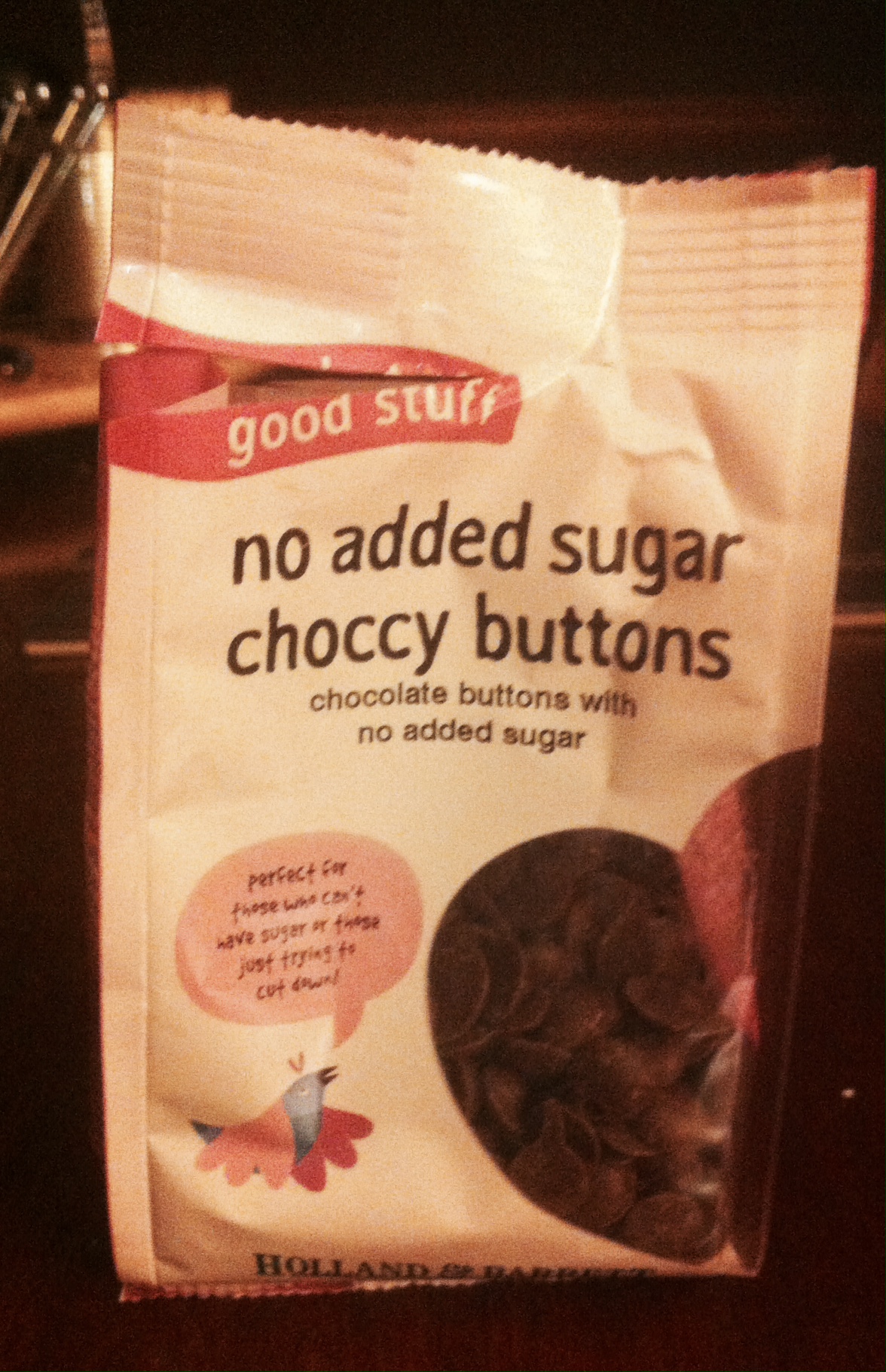
no added sugar chocolate chipsWhile perusing the shelves of Holland & Barrett recently (a hobby of mine), I discovered these no-sugar chocolate chips.

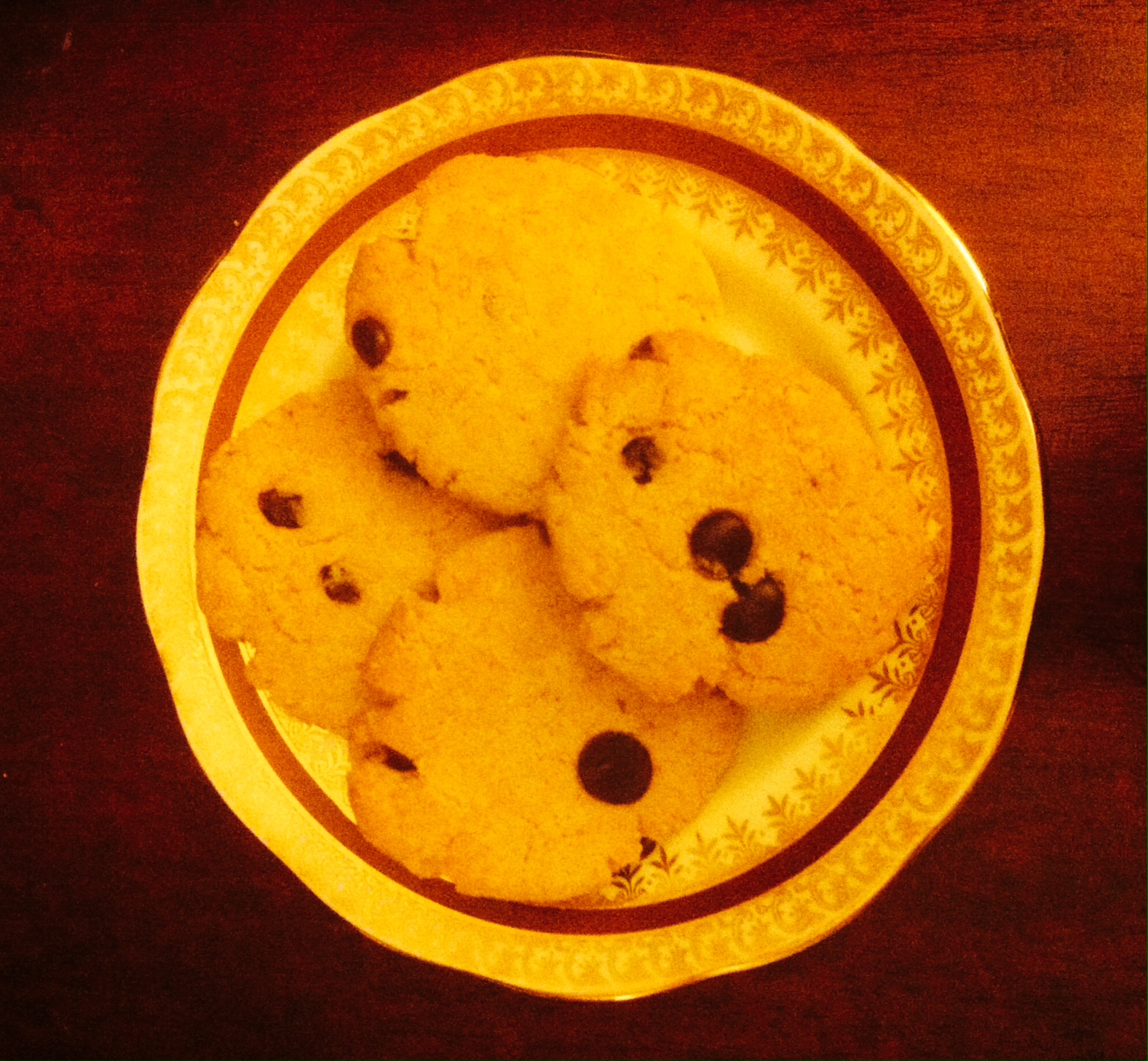
I’m not much of a low-carb baker as the results are usually disappointing (perhaps apart from the low-carb fudge) and I’m not keen on the after-taste you get from sweeteners, but I thought I’d try out the chocolate chips in a cookie recipe and they turned out not ‘alf bad…

It is a mistake to think you are going to get comparable results to traditional baking and cookies when you try de-carbed baking, but you will get something that might help add a little more variety to your diet. The recipe is also gluten-free so will please any coeliacs you know.

I adapted this recipe slightly from one I found in the Low Carb High Fat diet book by Laura and Veronica Childs.


Low-Carb Chocolate Chip Cookies

  • Servings: 12 cookies
  • Difficulty: easy
  • Print

  • low-carb chocolate chip cookies2 cups almond flour
  • 2tbsp coconut flour
  • 6tbsp butter
  • 1 large egg
  • Pinch salt
  • ½ tsp bicarbonate of soda
  • ½ tsp Xanthan gum
  • ½ tsp vanilla extract
  • ½ cup granulated sweetener (I used Asda’s Stevia blend)
  • 2-3tbsp no-added sugar chocolate chips

Pre-heat the oven to 180 degrees C.

Melt the butter in the microwave, allow to cool slightly and mix with the egg, sweetener and vanilla extract.

Mix the ground almonds, bicarbonate of soda, Xanthan gum, coconut flour and the pinch of salt. Add the wet ingredients, the chocolate chips and mix well. You will get a sticky-ish dough.

Divide the dough into 12 equal-sized balls and flatten out to a cookie shape. Place on a cookie sheet or baking tray and cook in the oven for 15-20 minutes, until they are golden brown. Cool for five minutes on the tray before removing to a wire rack and cooling completely.

Each cookie has roughly 5g carbs and 3g fibre.


EastEnders and Diabetes – A Gaff or Not?

kids partyOne story that caught our attention this week was a piece in the news about EastEnders making a diabetes-related gaff.

Referring to a children’s party, a character in the show had talked about the food on offer, commenting that it wasn’t a good children’s party unless a kid got diabetes. The press talked it up along the lines of “outrage as EastEnders makes a mockery of those with a chronic illness” kind of thing (I paraphrase).

The “outrage” (and often outrage is a complete media invention) seemed to be about the supposed wrong understanding of what childhood diabetes is – because type 1 diabetes isn’t caused by sugar intake. Or that diabetes is a laughing matter, according to the outraged who awarded EastEnders social media exaggeration along the lines of #epicfail

There are a number of issues here. The character didn’t actually classify what kind of diabetes the children would get – she just said diabetes. In reality, younger and younger people are now falling victim to type 2 diabetes because of increased body weights in younger people. Increased body weight can be due to excessive sugar intake, which also causes insulin resistance and can eventually lead to type 2 diabetes.

Type 1 diabetes, on the other hand, is an auto-immune condition. Its exact causes are unknown. But do people in possession of common sense seeking an accurate understanding of medical conditions and what they involve look to EastEnders? Really? Does a soap opera have that responsibility?

Did I laugh when I read the story? Yup. Do I think it’s done massive damage to the diabetes cause in the UK? Nope.

Years ago, as a newly-diagnosed 10-year-old, a boy in my primary school class told me I had type 1 diabetes because I’d eaten too much sugar. Luckily for my self-esteem I knew he wasn’t right (though I wasn’t confident enough to actually challenge him) but in later years my older self knew that he hadn’t been that far off the mark when it comes to sugar and what it does to bodies.

Let’s look at this ‘gaff’ in another way too. Suppose our character Kim’s saying about children getting diabetes from eating too much sugar was taken to heart by the nation and parents all over the UK decided to cut sugar out of their kids’ diets completely.

Heavens. Would that be such a terrible thing…?


Picture thanks to Hire for Parties.


Public Health Collaboration Website – Live

PHC-Space-Top

The Public Health Collaboration (PHC) website is now live!

The website promotes the PHC, a non-profit organisation that is focused on supporting research and investigating pressing health concerns in the UK. and one of its members is our very own Dr Katharine Morrison.

The PHC was set up because members have become concerned about the rates of obesity (25 percent of adults) and type 2 diabetes in the UK, which has risen by 65 percent in the past 10 years.  The current ‘solutions’ being used to tackle the issues just aren’t working.

The PHC will be publishing solution-based reports on a quarterly basis, alongside running co-ordinated campaigns and implementing initiatives to improve public health. There’s also a conference scheduled for June.

Read more about the work of the PHC here.

Low-Carb Diets Help People with Type 2 Diabetes

researchThis week’s round-up of diabetes in the news flagged up research carried out in Australia, showing that low-carb diets help people with type 2 diabetes to drastically reduce the amount of medication they need.

I’ll admit it. I’m very guilty of confirmation bias, i.e. I look for the research and the reports that back up my opinions and I would have made a rubbish scientist. However, in six months or so of weekly Google alerts for “diabetes news”, not once has my search term brought up research which proved a high-carb, low-fat diet worked…

Anyway, the latest research was carried out by CSIRO, Adelaide University, Flinders University and the University of South Australia.

40 Percent Reduction

Adelaide University researchers developed a diet and exercise programme which resulted in an average 40 percent reduction in medication levels for people with type 2 diabetes. The diet used was low in carbohydrates and higher in protein and unsaturated fats.

The programme was based on findings from a National Health and Medical Research Council funded study which compared low carb eating with the current Australia best practice approach of managing type 2 diabetes with a diet high in unrefined carbs and low in fat.

“Ground-breaking”

In a news report on the CSIRO website, CSIRO’s associate professor and principal research scientist Grant Brinkworth described the research results as “ground-breaking”, and that patients who followed low-carb diets reduced medication levels by more than double the amount of volunteers following a high-carb plan, with others managing to stop taking their medication altogether thanks to low-carb eating.

He said: “This research shows that traditional dietary approaches for managing type 2 diabetes could be outdated, we really need to review the current dietary guidelines if we are serious about using the latest scientific evidence to reduce the impact of the disease.”

Well. No new news here for us at The Diabetes Diet! We know the benefits of low-carb eating and are prepared to run the gauntlet of official disapproval. If you’d like to try out a low-carb approach to managing your blood sugar levels yourself, why not check out our book or any of the recipes on this website which will help keep meal carb counts low?


Picture thanks to MCM Science on flickr.


Valentine’s Day Steaks with Mushroom Cream Sauce

sirloin steakOK, we couldn’t let Valentine’s Day go by without some kind of recipe… Valentine’s Sirloin Steaks with Mushroom Cream Sauce.

If you are looking for the sweet stuff, why not check out our recipes for tiramisu or peanut butter fudge?

But if you’re one of those people who doesn’t like to fall for marketing claims (it’s Valentine’s day so we need to eat chocolate, right?), why not try out our sort-of-pink sauce to go with steaks?! The claim’s tenuous I know (and not helped by my amateur photography), but I promise you this sauce was quite pink and pretty in real life.


Valentine Sirloin Steaks with Mushroom Cream Sauce

  • Servings: 2
  • Difficulty: easy
  • Print

  • steak with mushroom sauce2 x 150-200g sirloin steaks
  • 150g chestnut mushrooms, sliced
  • 60ml red wine
  • 1 clove garlic, crushed
  • 150ml double cream
  • 25g butter
  • Salt and pepper
  1. Take your steaks out of the fridge, season each side with salt and pepper, and allow them to come to room temperature.
  2. Melt the butter in a saucepan and add the mushrooms. Cook, stirring, for five to seven minutes until the mushrooms are browned and most of the water that comes off them has evaporated.
  3. Add the garlic and red wine, and bring to the boil. Allow most of the liquid to evaporate.
  4. Add the double cream and some seasoning, and bring to boil. Turn down to a simmer and cook for three to four minutes.
  5. Heat a griddle pan to very hot (you don’t need to grease it but you can apply a little oil to the steaks instead) and add your steaks. Cook to your liking. Depending on the thickness of the steak, for a four-centimetre thick piece of meat roughly two minutes each side is rare, three minutes medium rare and four well done.
  6. Allow to rest, covered with foil for a few minutes and then plate up with salad and the sauce.

Carbs per serving – 6g, with 1 g fibre.   


Celeriac Soup – Low-Carb Recipes

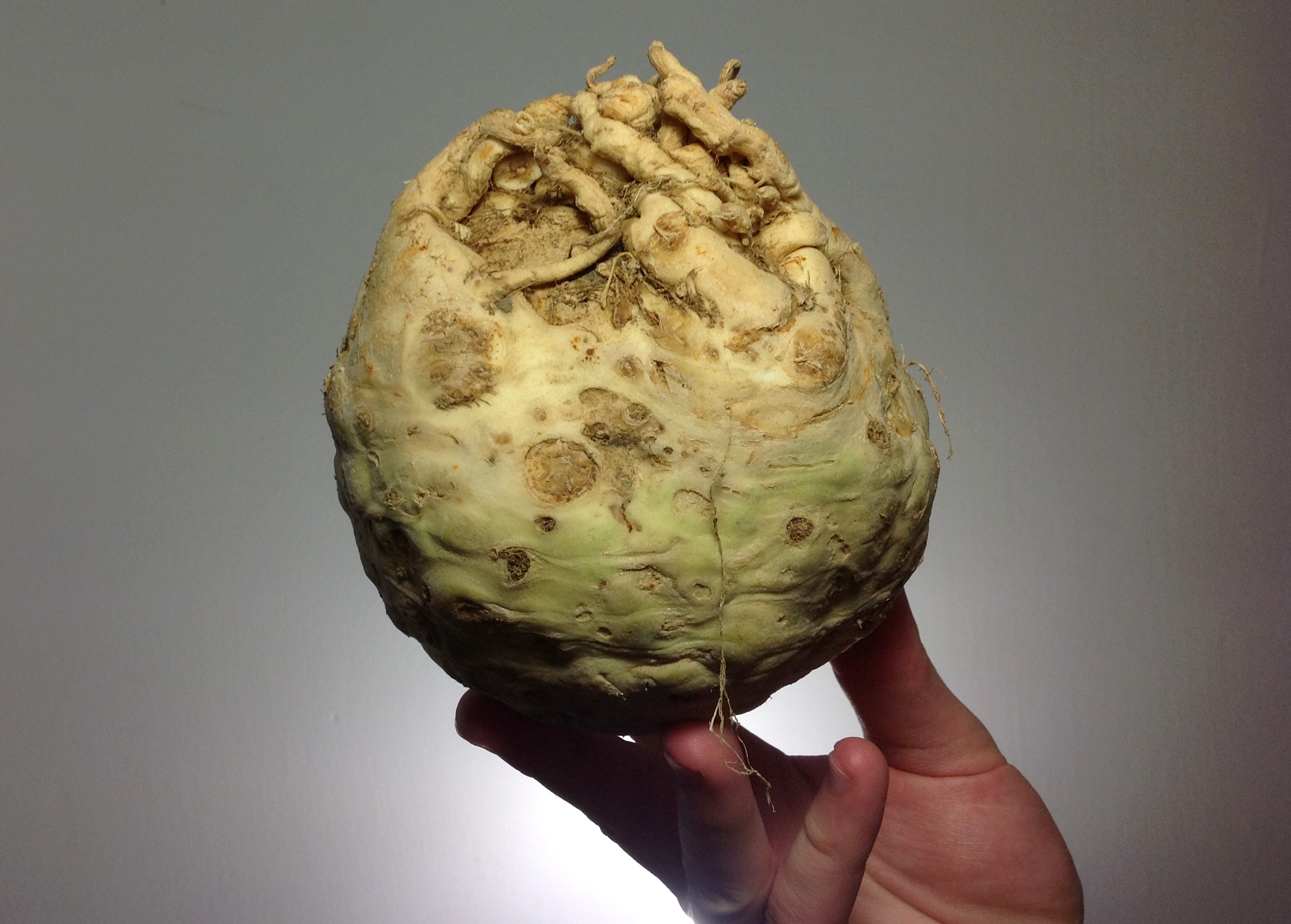
The far from pretty celeriac. Darn tasty though...
The far from pretty celeriac. Darn tasty though…

If you love soup as much as I do, I have a treat for you. Celeriac soup – perfect low-carb fodder and just the thing for cold winter days.

In theory, you can buy just about any fruit or vegetable year-round, thanks to the supermarkets. There’s no such concept of seasonality any more.

For some reason though, there are some ingredients that supermarkets in the UK do decide are seasonal and they only stock them at certain times of the year. I’m not complaining about seasonality, but it does bug me that it is inconsistently applied.

Take the humble celeriac, for example. I love celeriac – it’s really delicious and it’s great braised or roasted. You can use it as a potato substitute and it fits in well with low-carb eating. But it can be hard to find and I suspect the supermarkets have a prejudice against it on account of its looks. This ain’t the prettiest vegetable.

Anyway, do try this soup. It’s delicious and brimful of goodness thanks to the home-made stock and tonnes of vegetables.


Celeriac Soup

  • Servings: 5-6
  • Difficulty: easy
  • Print

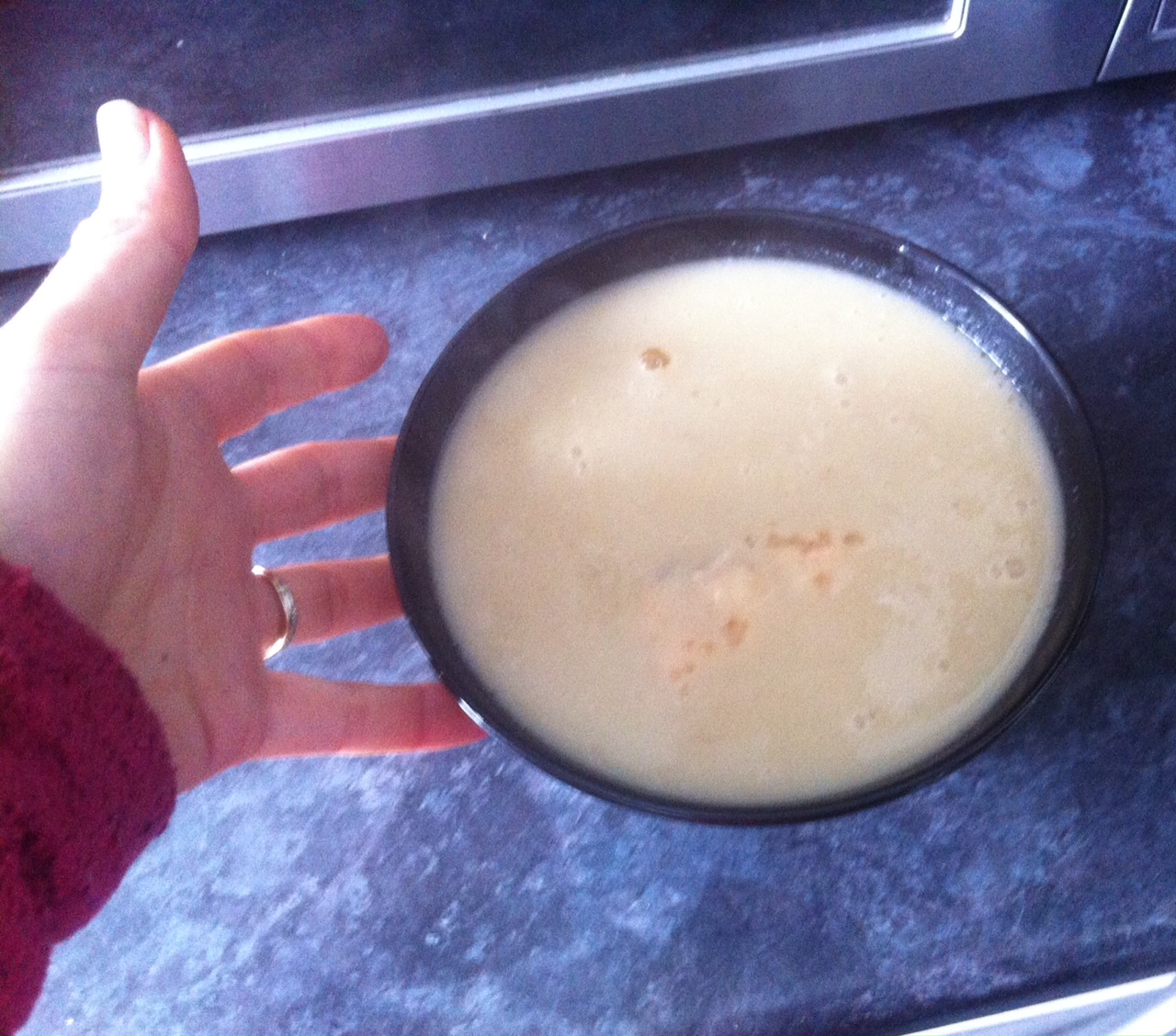
  • celeriac soup1 whole celeriac, peeled and cut into even-sized cubes
  • 1 leek, washed and chopped
  • 50g butter
  • 1.5 litres fresh chicken stock
  • 1 medium onion, peeled and sliced
  • 2-3 cloves of garlic, peeled and crushed
  • Salt

Melt the butter in a large sauce/stock pan and add the onions and leeks. Cook for five minutes, stirring from time to time until they have softened. Add the celeriac and garlic and allow the celeriac to brown lightly.

Add the stock, bring to the boil and then turn down to a simmer. Cook for 25 minutes or so until the celeriac is fully softened. Blend using a stick blender and season to taste.

Carbs per serving – 22g (for five serving) with 4g of fibre.

Make this a main course soup by adding in some protein – a poached egg, for example or some shredded roast chicken would be nice.

A Day of Low-Carb Eating

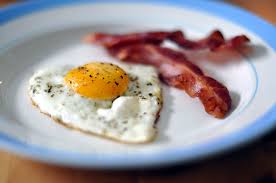
bacon and eggsMost of the time, I eat about 90g* of carbs a day but from time to time, I do ultra-low carb to get my blood sugar levels to behave impeccably.

What does ultra-low carb look like? Well, this is a 30g a day sample:

Breakfast – two rashers of bacon, two links sausages, scrambled egg and a thin slice of black pudding. (We were staying in a hotel and the buffet style breakfast is always easy for low-carbers.)

Lunch: prawns mixed with mayonnaise, salad leaves, chopped red pepper and broccoli and some grated cheese.

Dinner: Liver with fried onions and bacon, cauliflower and a slice of low-carb bread spread with butter.

Total carbs – 33g (fibre 10g), macro split – 10 percent carbs, 63 percent fat and 27 percent protein.

What do you eat when you’re trying to keep your carbohydrate count very low?


*I use myfitnesspal as my carb counter. 

Sugar-Free Cookbooks? Not Really…

datesIf you search through Amazon for new cook books this year, you will come across a phenomenon – a wealth (or let’s call it a rash) of books promising healthy recipes/sugar-free/detox foods, etc.

What you will also notice is plenty of celebrities jumping on that bandwagon…

TV presenter and fitness fan Davina McCall’s latest book is Smart Carbs (she has also written books about sugar-free eating) and ex-Radio 1 DJ Fearne Cotton will also leap on that gravy train with a book called Cook Happy, Cook Healthy scheduled for publication later this year.

General moves towards promoting cleaner eating and cooking for yourself are welcome – but many of the so-called sugar-free recipes that have featured in magazines promoting such cook books aren’t sugar-free at all.

They rely on dates, agave syrup, maple syrup, beetroot, pureed bananas and other such super sweet foods* which are sugary and will have an impact on blood sugar levels for anyone eating them – a similar kind of impact you might get from eating an “ordinary” slice of cake made from flour and cane sugar.

As any diabetic can tell you, your body doesn’t say – “ooh, dates! So glad it’s healthy sugar. No need to flood the system with insulin to compensate…”

[Or need to inject large amounts of insulin to cover the dates – if you are a Type 1.]

What would I rather have? In all honesty, I’d rather eat a slice of really nice cake made from the ingredients that make great cakes, such as white flour and sugar, and butter – and eat it very, very occasionally.

We do feature sugar-free recipes on this site and in our book, The Diabetes Diet – proper sugar-free recipes that don’t use maple syrup, dried dates and pureed bananas (sugar by another name), but are still indulgent.

Let us know what you think!


*Not to pick on anyone in particular, but Prima magazine recently featured recipes from Jo Pratt’s book In The Mood for Healthy Food, which it called “clever, guilt-free bakes”. The carrot cake recipe featured ripe bananas, maple syrup, grated carrots, and sultanas and raisins.


Mushroom Soup – Low-Carb Soups

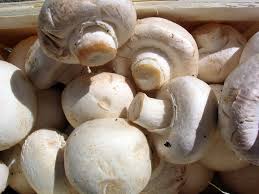
mushroomsIt hasn’t been the coldest of winters here in Scotland, but soup is always a welcome winter warmer. This mushroom soup is full of flavour and low-carbohydrate.

You can make it a main meal by adding in some protein – top with a poached egg, for example, or add in some chopped chicken breast, poaching it in the soup for 10 minutes. Crispy fried bacon crumbled up into ‘croutons’ is another idea.


Low-Carb Mushroom Soup

  • Servings: 4
  • Difficulty: easy
  • Print

  • mushroom soup1kg mushrooms, quartered
  • 2tbsp butter or olive oil
  • 1 large onion, chopped
  • 3 stalks celery, chopped
  • 4 cloves garlic, crushed
  • 100ml white wine
  • 300ml fresh chicken stock
  • 300ml water
  • Salt and pepper

Melt the butter or heat the olive oil in a large saucepan and add the onions and celery. Fry for five minutes until softened and then add the mushrooms. Mix well to combine and fry for another 10 minutes. Add the garlic and white wine, cook off the wine and add the chicken stock and water.

Bring to the boil and then turn down to a simmer. Cook for 15 minutes and then puree with a hand blender. Season to taste. It’s nice topped with chopped parsley and a swirl of double cream.

You can also make this in the slow cooker – throw all the ingredients into the slow cooker (no need to bother browning the veg), turn the setting to high and leave for three hours before liquidising.

Carbs per serving: 14g, with 4 g of fibre.