Spinach and Feta Crust-less Quiche

low-carb recipesI’m writing this in the middle of a heat wave. In Scotland. Yup, you read that right. For the last ten days, the BBC weather forecast has looked topsy-turvy with the western upper half of the island illustrated with suns, while the eastern section down below shivers in wind and rain.

Ha!

Heat waves don’t go along with cooking, unless it’s barbecue. Most barbecue foods lend themselves well to a low-carb diet, but if you’re bored of burgers, a crust-less quiche is a delicious alternative.

I don’t bother with fresh spinach these days. Frozen spinach is much cheaper and easier to use. It’s already shrunk down so you don’t have to battle with an over-flowing pan as you try to get it to wilt.
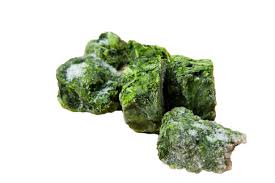
frozen spinach

Allow roughly 4g of carbs per serving.

This goes well with a sliced tomato salad. Slice tomatoes finely and dress with shredded basil, some olive oil, salt and balsamic vinegar.

For the carb-eaters, serve with a baked potato or some crusty bread.


Crust-less Spinach and Feta Quiche

  • Servings: 4
  • Difficulty: easy
  • Print

  • 300g frozen spinach, defrosted
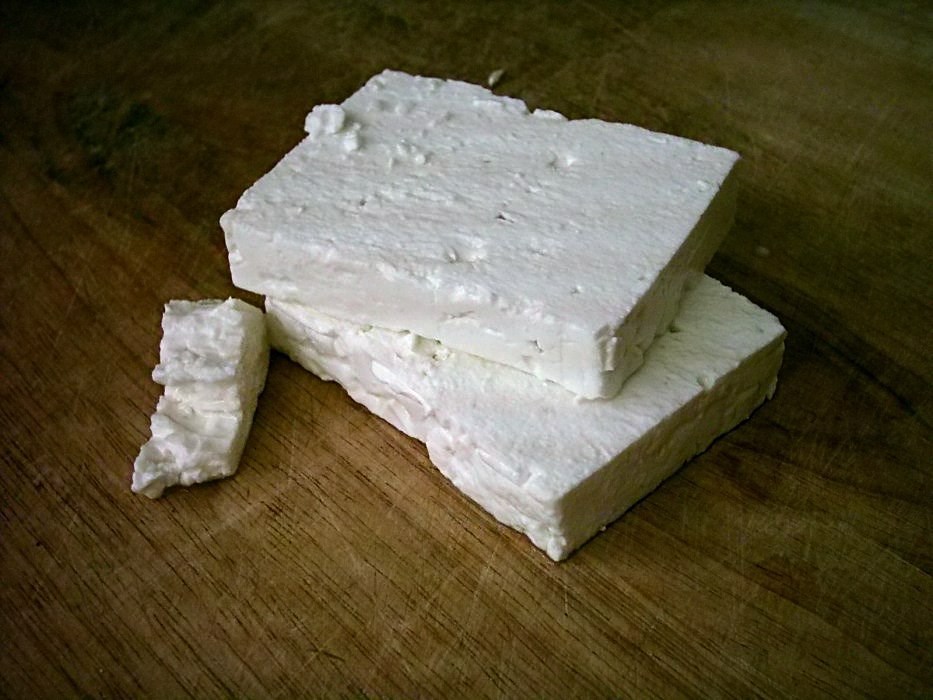
  • 150g feta cheese, crumbled
  • 8 large eggs
  • 1 tsp garlic powder
  • 2 tbsp double cream
  • 4 spring onions, chopped
  • 1/2 tsp salt
  • Freshly ground black pepper


  1. Preheat your oven to 170 degrees C. Lightly butter a Pyrex or equivalent dish.
  2. Spread the spinach evenly over the bottom of the dish. Mix the eggs, crumbled feta, salt, pepper, garlic powder and double cream together.
  3. Pour over the top of the spinach and sprinkle with the chopped spring onions, along with a little extra black pepper.
  4. Cover with foil and bake for 20 minutes. Take the foil off and bake for another 10 minutes to brown the top.


Spinach pic thanks to Karen Arnold on publicdomain pics.


Study Shows Success of Low-Carb Diet

low-carb diet mealThe Daily Telegraph reported this week that a large pilot study of low-carb diets has suggested that they can successfully control type 2 diabetes.

That’s no news to us here at the Diabetes Diet, but the study is interesting because it involved a huge number of people – 80,000 of them, who gave up low-fat, high carbohydrate diets and found that their blood glucose levels dropped after 10 weeks.

That study was carried out after what was described as “an online revolt” by patients in which 120,000 people signed up for the “low-carb” diet plan launched by the global diabetes community website, diabetes.co.uk. The low-carb plan goes against official advice given by the NHS and Diabetes UK.

More than 80 percent of the people surveyed said they had lost weight, with 10 percent of them losing 9kg or more. More than 70 percent of the patients experienced improvements in their blood glucose levels and a fifth of participants said they no longer needed drugs to regulate their blood glucose levels.

The people taking part had followed diabetes.co.uk’s 10-week low-carb plan.

The website’s low carb plan is available here, but you can find plenty of help and advice for following a low-carb diet in our book, the Diabetes Diet. Our website also has lots of low-carb recipes – from starters, to main courses, snacks and sweets. Use the search button or check out the recipe category to find what you want.

Making the Most of Herbs

herbsThanks to the recent spell of good weather (in Scotland too!), we’ve got a glut of herbs. There’s something special about going out into the garden to pick herbs for a dish you’re making, but at the moment I can’t keep up with our herb growth rate.

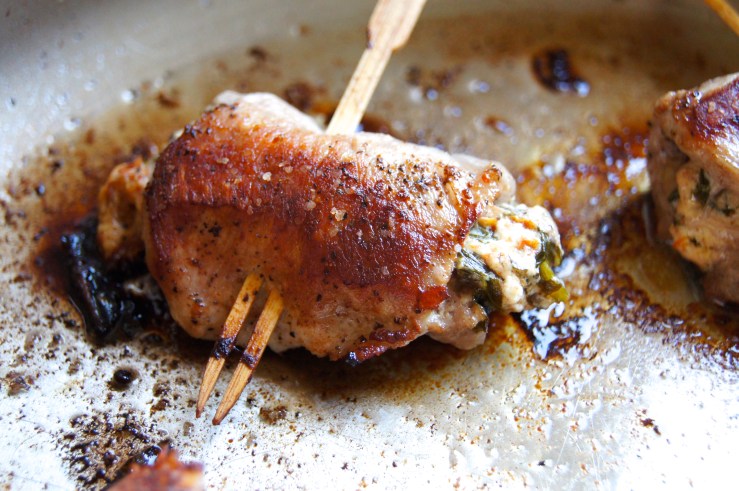
I found a recipe for pork loin steaks the other day which neatly took care of some of the excesses. The delicious, tender results were an added bonus.

If you have any left-over herb paste, use it to baste fish or chicken, or dilute it slightly with more oil and a little vinegar, and use it in salads.

We got our pork steaks from the wonderful Nethergate Larder stall at the near-by Farmers’ Market, which runs at Loch Lomond Shores the 1st and 3rd Sunday of the month.

Pork Loin Steaks with Herb Paste

  • Servings: 4
  • Difficulty: easy
  • Print

  • 4 pork loin steaks
  • Fresh basil (2-3 generous handfuls)
  • Flat-leaf parsley (1 generous handful)
  • 1 lemon, zested
  • 4tbsp rapeseed or olive oil, plus a tsp
  • 1 heaped tablespoon Dijon mustard
  • Salt and pepper

Take the pork steaks out of the fridge 15 minutes before cooking. Pre-heat the oven to 180 degree C.

Place the basil, parsley, lemon zest, 4tbsp oil, mustard, salt and pepper in a mini food processor or blender and whizz till you get a thick, green paste.

Brush the pork steaks with the tsp of oil and fry on each side for a minute to seal and colour the meat. Remove from the heat, brush with the herb paste so each steak gets a thick coating.

Cook in the oven for 15-20 minutes. The cooking time will depend on the thickness of the individual steaks. Pork meat should be cooked through and the meat white, but be careful not to overcook the steaks.

Serve with salad and green beans.

Carbs – about 2g per serving.


Fasting Guidelines for Diabetics During Ramadan Update

empty plateThe International Diabetes Federation (IDF) has updated its advice about how to control diabetes throughout the annual fasting period of Ramadan.

This year, Ramadan starts on 6 June. The start and end dates depend on sighting of the moon. Ramadan is observed by more than 1billion Muslims each year and it commemorates the first revelation of the Quran to Mohammad.

The new guidelines have been drawn up by the Diabetes and Ramadan (DAR) International Alliance. They have been approved by the senior Muslim professor, Sawky Ibrhaim Allam.

During Ramadam, practising Muslims fast from dawn to dusk. The new guidelines say that people with diabetes should make the decision about fasting on an individual basis and in consultation with their physician.

The guidelines state that the decision should take in to account the severity of their illness and the level of risk. They also provide nutrition plans and medication adjustment suggestions that can be used during fasting.

The NHS recommends that people who control their diabetes using diet or tablets can fast with healthcare guidance, but advises those who use insulin to control their diabetes not to do so.

Diabetes in Cats on the Rise

diabetes in cats
He’s a pudgy pussy – and sadly at risk of developing diabetes.

Diabetes in dogs and cats is on the rise – that’s according to a story in the Daily Mail this week.

Pet insurer Animal Friends says cats are most at risk. The insurer’s study of 9,000 pets showed an increase of 1,161 percent in feline claims since 2011. At the same time, cases in dogs have increased by 850 percent.

An expert from the UK veterinary charity, the PDSA, told the Daily Telegraph that one of the reasons for the increase in diabetes among cats and dogs was owners feeding their pets human food, which has far too many calories for them.

Animal Friends received just 62 claims for cat diabetes cases in 2011 – compared to 721 claims in 2015. Symptoms of the disease in pets include the pet being hungry or thirsty all the time, along with peeing more often.

Diabetes in cats and dogs can be managed with insulin therapy and diet and exercise.

To prevent your dog or cat from getting diabetes in the first place:

Check their weight*. This varies depending on breed, but for visual clues you should be able to feel the ribs and spine and see the animal’s waist when viewed from above. The abdomen should be raised. It shouldn’t sag when viewed from the side. Cats are roughly supposed to weigh less than 5kgs.

Check the weight at petMD. The site has a calculator that allows you to calculate the weight for different dog breeds.

Only feed your pet pet food. These can vary in quality. The popular brands tend to have a lot of rice, cereal and vegetables, which aren’t necessarily ingredients that dogs or cats are meant to eat and gluten in particular can upset stomachs. You can buy pet food which is formulated for weight loss.

Check food portions. This is especially important if you are feeding you cat or dog biscuits. Make sure you are giving your pet the recommended amount and no more.

Encourage your pet to exercise. With dogs, this may mean extra walks. For cats, structured exercise is difficult, but you can start by placing his food bowls upstairs or investing in a biscuit dispenser he needs to play with in order to get his biscuits. You can also start playing with him before every meal. Catster has some ideas for how to play with your cat. This is especially important if you have an indoor cat.

Pet weight loss is important – but it also requires expert advice from your veterinary surgery. Be sure to ask their advice before putting your dog or cat on a diet.


*The easiest method for weighing a cat or small dog is to hold the animal, jump on your scales (set the scales to kilos for ease) and then weigh yourself and subtract the difference.

Seasonally-Inspired Low-Carb Recipes for May

seasonally-inspired low-carb recipes
Cute… and also darn tasty!

Need some seasonally-inspired low-carb recipe ideas for May?

Here at the Diabetes Diet, we are big fans of seasonal eating. Food is often cheaper – and it’s almost always more flavoursome.

What’s in season in May? Lamb, asparagus, spinach, prawns, cod, haddock, broccoli and crabs are a few of the seasonal ingredients low-carb dieters can make the most of.

Here are some seasonally-inspired low carb recipes that make the most of these delicious options:


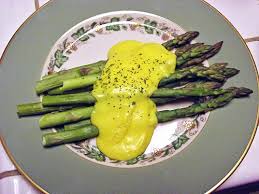
You can’t let a seasonal round-up go past without mentioning asparagus. I think it’s better roasted or char-grilled than boiled. You can wrap it in Parma ham before roasting to make lovely low-carb canapés or why not try out some home-made Hollandaise?

Hollandaise is actually easier than you think to make – just pick the right recipe. Delia Smith’s foaming Hollandaise is a good one to try for the Hollandaise beginner.

Hollandaise Sauce

  • Servings: 4
  • Difficulty: easy
  • Print

  • hollandaise2 large eggs, separated
  • 1tbsp freshly squeezed lemon juice
  • 1tbsp cider vinegar
  • 110g salted butter
  • Seasoning
  1. Put the egg yolks into a small food processor or blender along with the seasoning. Blend until combined.
  2. Heat the lemon juice and vinegar in a small saucepan. Let it start to bubble and then add to the egg yolks and blend well.
  3. Melt the butter in the same saucepan slowly – don’t let it brown. Begin to add slowly to the food processor (through the funnel) or blender. The process is similar to that you use when making mayonnaise.
  4. You will eventually end up with a smooth, buttery and lemon-y sauce. To make foaming Hollandaise – beat the egg whites until they form soft peaks and fold them into the finished sauce. This will lighten the sauce and make it go further.

The finished sauce has negligible carbohydrates – about 1-2g per serving.


Find more low-carb recipes in The Diabetes Diet.


Research Findings Could Help Prevent Type 1 Diabetes

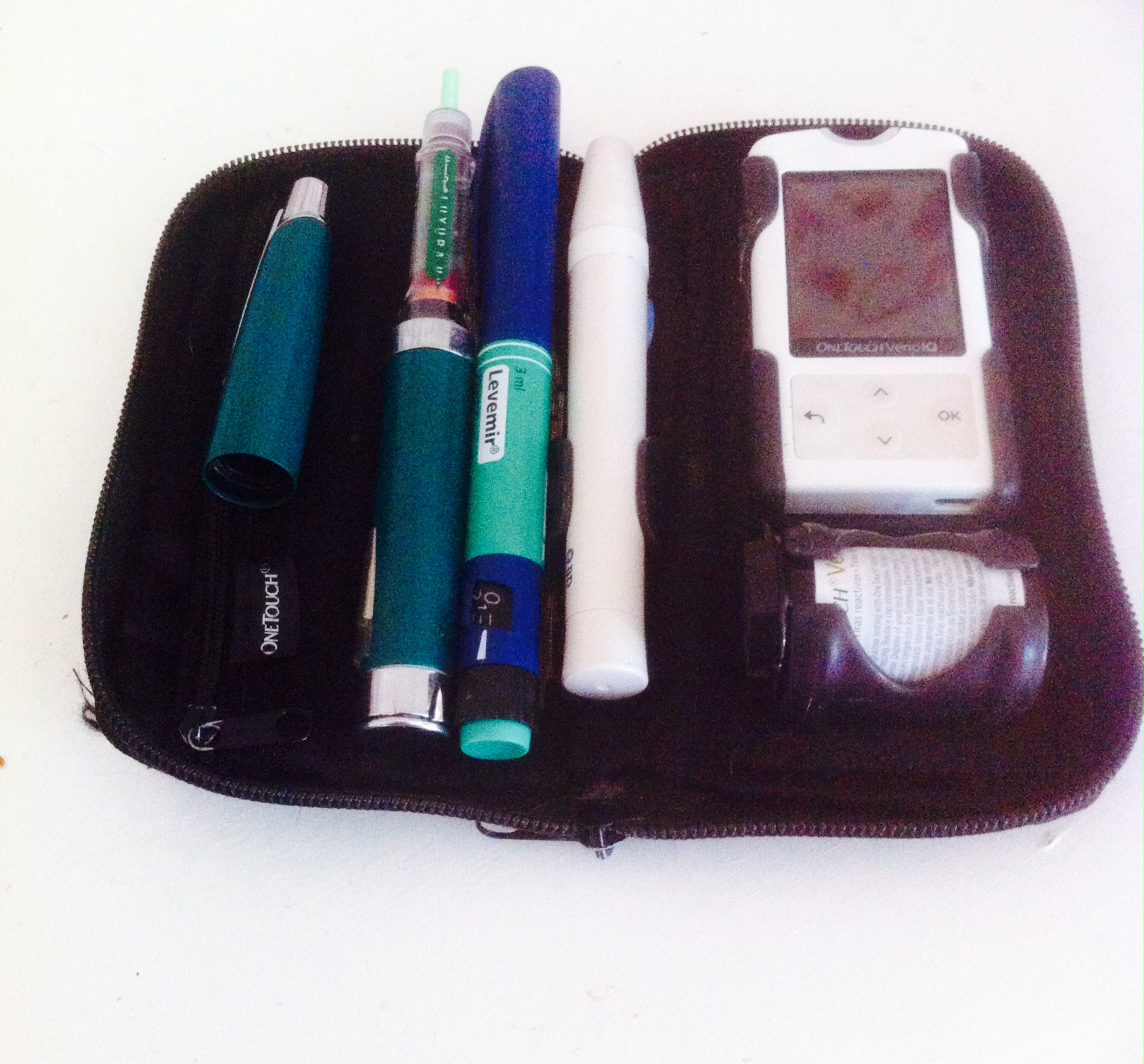
type 1 diabetes medical equipmentAccording to a BBC News article this week, “the final piece of the diabetes puzzle” has been solved, as scientists revealed the fifth and final target the immune system attacks, causing type 1 diabetes.

The team from the University of Lincoln believe the findings might help in the development of new ways to prevent and treat type 1 diabetes.

Studies have been done that look at the unique antibodies made by patients with type 1 diabetes. They had shown that there were five key targets the immune system attacks erroneously. While some of those targets have been known for some time, the fifth and final one has taken two decades to work out.

Dr Mike Christie and his team at the University of Lincoln successfully identified the fifth molecule as Tetraspanin 7, which could make tests to predict who is at risk of type 1 diabetes more accurate.

The research was funded by Diabetes UK and the Society of Endocrinology.

Dr Christie said: “Being able to detect circulating autoantibodies and identify their molecular targets has allowed scientists to develop tests for the clinical diagnosis of Type 1 diabetes, and for the identification of individuals at high risk of developing the disease.

“Evidence from both animal studies and human trials indicate that Type 1 diabetes may be prevented in individuals at risk, and a number of therapies to interfere with immune responses have proved effective in preventing disease development in animals and in slowing the loss of insulin-secreting cell function in human patients.

“There is now a focus on the development of procedures to interfere specifically in immune responses that cause Type 1 diabetes, and it is therefore absolutely essential that we gather as much information as possible about the major targets of autoimmune responses.”

The other targets for the immune system are:

  • Insulin
  • Glutamate decarboxylase
  • IA-2
  • Zinc transporter-8.

Screening for antibodies against the four targets found in the pancreas is currently used to assess a someone’s risk of type 1 diabetes. Tetraspanin-7 antibodies could now be included in this process.


Seasonal Eating Ideas for Low-Carb Diets

Need some low-carb inspiration? We’ve got some seasonal eating ideas for low-carb diets.

seasonal eating ideas for low-carb diets
Green goodness!

There are lots of good reasons to eat seasonally: firstly, it’s better for you because it’s fresher and tends to be more nutritious; it’s more environmentally-friendly because out-of-season fruit and veg is usually imported from far-flung destinations and has therefore contributed to a great deal of CO2 emissions; and finally because it tastes nicer.

In season now are: broccoli, cauliflower, leeks, spring onions, spinach, watercress, bananas, kiwi fruit, rhubarb, sorrell, lamb, cockles, langoustine, lobster, mussels, oysters, plaice, prawns, salmon and shrimp.

For some seasonal eating recipes, try our:

African lamb stew – aubergine and spices make this a delicious and nutritious dish.

Gluten-free moussaka – the traditional Greek dish gets a low-carb make-over.

Broccoli and Stilton soup – combine two great British ingredients and this is what you get, gorgeous green-y goodness.

Spicy fish soup – swap the haddock fillets suggested in this recipe for plaice.

Creamed spinach – serve with any roast meat or a steak.

Cauliflower cheese – this goes really well with thick slices of good ham.