Jovina cooks Italian: Brindisi Fish Soup and Grilled Aubergine

Brandishi Fish Soup

  • Servings: 4
  • Difficulty: easy
  • Print


Ingredients

  • 1 1/2 lbs whole fish, large bones removed
  • 3/4 lb squid
  • 1/2 lb cuttlefish or octopus
  • 1/2 lb mussels
  • 8 oz clams
  • 1/2 lb plum tomatoes, peeled and diced
  • 1 stalk celery, diced
  • 1 onion, diced
  • Chili pepper, diced
  • Extra virgin olive oil
  • Salt
  • Parsley, chopped
  • 1 clove of garlic, minced

Directions

  1. Thoroughly wash all the fish and seafood. Cut the fish into large pieces and the squid and cuttlefish into small pieces.
  2. In a large soup pot, saute the onion and celery in a few tablespoons of oil. Add the tomatoes and cook for 5 minutes. Add the cuttlefish and squid and, after 10 minutes, the remaining fish and shellfish.
  3. Add the chilli pepper, cover the pan and cook over low heat for 30 minutes. Season with salt to taste. Ladle the soup into individual bowls and sprinkle a handful of parsley and finely chopped garlic onto each serving.

Fried_Eggplant.jpg

Grilled Aubergine

  • Servings: 4-8
  • Difficulty: easy
  • Print

Ingredients

  • 1/3 cup extra virgin olive oil
  • 1/4 cup fresh basil, finely minced, plus extra leaves for garnish
  • 1/4 cup minced shallots
  • 2 tablespoons balsamic vinegar
  • 1 ½ cups chopped tomatoes
  • Kosher salt and pepper
  • 4 small aubergines
  • 3/4 cup burrata cheese, cut into small pieces

Directions

  1. In a small bowl, combine the oil, basil, shallots and vinegar.
  2. In another small bowl, mix the chopped tomatoes with 2 tablespoons of the basil mixture. Season the tomatoes with salt and pepper.
  3. Trim the eggplant and cut in half lengthwise. Place them on a tray or a plate. Brush both sides of the eggplants with the remaining basil mixture and sprinkle lightly with salt and pepper.
  4. Prepare a grill for direct-heat cooking over high heat. Place the eggplant on the grill.  Cover and cook until tender, about 8 minutes per side. Don’t let them burn.
  5. Using a metal spatula, carefully transfer the eggplant to warmed plates. Divide the cheese among the eggplant halves and spoon the tomato mixture over each. Garnish with extra basil leaves.

From Jovina Cooks Italian.

Pancakes


5292507469_d453f8a412_b

5 tbsp soya flour

4 tbsp ground almonds

2tbsp granulated sweetener

½ tsp baking powder

Pinch of salt

2 eggs

50ml/2fl oz double cream

2tsp butter

Berries and double cream (optional)


Method:

Place the soya flour, almonds, sweetener, baking powder, salt, eggs and double cream in a blender and process until smooth.

Heat a large non- stick pan over a low to medium flame and add 1 tsp of the butter. Tilt the pan to coat the surface with the melted butter.

Spoon  the batter into the pan to make three pancakes about 6 cm in diameter. Cook until risen, golden on the undersides and dry around the edges, then flip over and cook the undersides until golden.

Serve with berries and double cream.


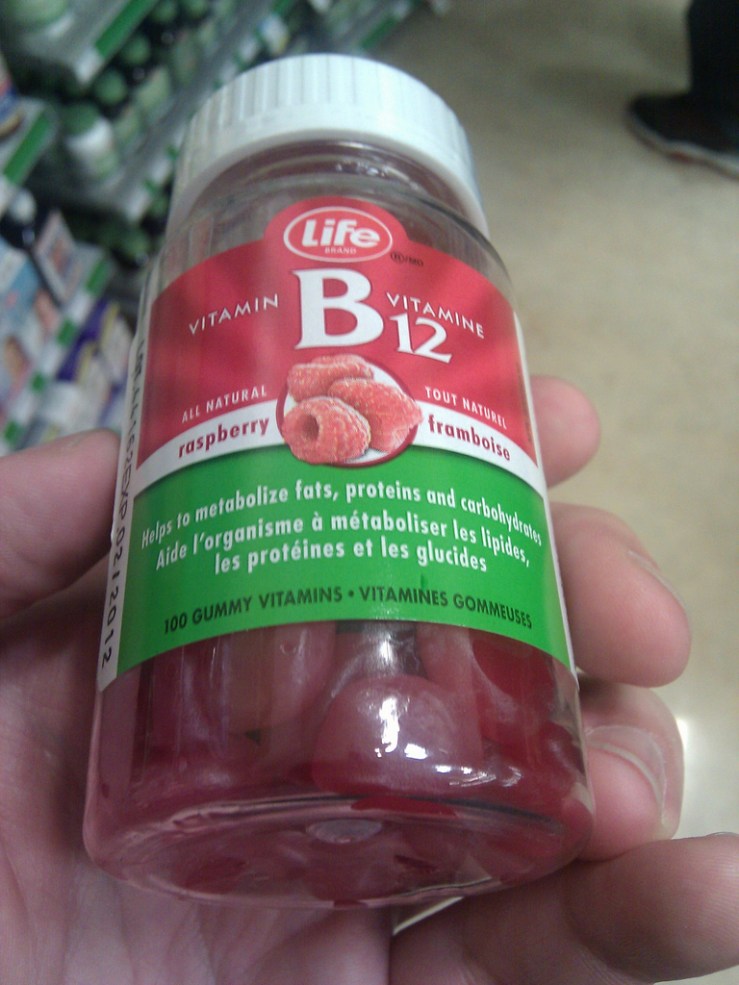
New information about Vitamin B12 Deficiency

4907420699_8d1243dd1f_b


Type one diabetics are prone to B12 deficiency because of their increased risk of getting autoimmune disorders. Type two diabetics may get it due to the effect of metformin on B12 absorption.  The BMJ published an article about B12 deficiency and I am summarising it here because there is some important new information for doctors and patients.

The main new information that diagnosis is not as straightforward as the blood test because deficiency can occur and cause symptoms even when the levels are in the normal range. Also some symptoms won’t reverse if they are not treated within the first six months after presentation.

On the positive side, some people are able to take oral B12 quite successfully and may not need injections of B12 for the rest of their lives.

B12 deficiency affects DNA and cell metabolism. B12 is only available naturally from animal products. Because the body stores B12 pretty well, deficiency may not produce symptoms for several years, after going on a strict vegan diet for instance.

In the UK and USA around 6% of under 60s are deficient and 20% of those over 60 are too. In poorer countries deficiency is much more common, possibly reflecting the relative lack of meat in the diet.

Dietary B12 binds to intrinsic factor in the stomach and small bowel to allow absorption into the blood stream.  In pernicious anaemia the stomach cells die off.  Certain drugs can also affect B12 absorption including high dose proton pump inhibitors eg lansoprazole and omeprazole.  Other factors can be alcohol, slow K and cholestyramine.

The first symptoms to show up are often fatigue and anaemia. Moderate impairment can show up as an anaemia with bigger red cells, a swollen red tongue and reduced feeling in the fingers and toes. Severe impairment can show bone marrow suppression, neurological problems and cardiomyopathy. However B12 deficiency can occur with blood levels in the normal range and without anaemia. The cells may be of normal size if there is also iron deficiency at the same time.

Other types of blood cells can be affected in severe deficiency including the white cells and platelets.

The skin pigment can become deeper, reproduction affected, and osteoporosis can occur.

Neurologically motor disturbance, sensory loss, poor balance and reflexes, cognitive impairment and memory loss can occur. Some people may even be psychotic. Even at these extremes 20% of sufferers are not anaemic. Patients may say that their coordination is off, they have become clumsy and can’t walk right. Without treatment weakness and stiffness may develop. Damage to peripheral nerves causes sleepiness, altered taste and smell and damage to the optic nerve.  In severe stages a dementia like illness can occur with hallucinations, paranoia and severe depression.

The main test for deficiency is the cobalamin level but several other tests are also available. None are perfect. B12 levels are often tested when macrocytic anaemia is detected. People with levels of 148 pmol or in the USA 200ng/L or under represent an estimated 97% of people with the condition. This will leave a few, potentially with the condition but who are harder to diagnose. The authors state, “It is not clear what level of serum cobalamin may represent subclinical deficiency.”

Holotranscobalamin and methylmalonic acid levels may be better here but are specialist tests. Homocysteine levels may be used but the test is less specific and raised levels can occur in other conditions.

If B12 deficiency is found and there is no dietary lack of animal products tests for intrinsic factor and anti-parietal cell antibodies are usually done to identify the autoimmune condition pernicious anaemia.

Treatment is started as soon as possible particularly if there is neurological symptoms. Usually this is 1000 units intramuscularly on alternate days for up to three weeks or until there is no further improvement. For irreversible causes eg pernicious anaemia the injections continue for life, usually at 3 monthly intervals.

Oral treatment can be given in a dose of 5-150 units a day very successfully particularly in mild deficiency when the person can be trusted to take them. Potassium requirements may go up in the early phases of treatment as red cells are replenished. Folic acid and iron may also be required.

Although improvement in blood measurements is usually rapid taking days or weeks, neurological improvement can take up to three months but damage can be irreversible if treatment is not started within six months of onset.

Although pernicious anaemia is not preventable, deficiency due to vegan diets, metformin and proton pump inhibitors are. The oral form can work well here.

Summarised from Vitamin B12 deficiency. Alesia Hunt, Dominic Harrington, Susan Robinson.

BMJ 6th September 2014


Jovina cooks Italian: Summer fish, gratin and salad

Getting together with friends doesn’t need to be something that’s planned for days. Keep it simple and enjoy the evening. You also want to cook easy, but delicious food with a minimum of fuss. I try to make up menus that do most of the cooking on the grill and much of the preparation in advance. That way I can spend time with my guests. Make dessert easy by serving fresh fruit. It is much more refreshing than a heavy dessert and add a little frozen yogurt, if desired.


Serve this dinner with a tray of vegetables and a creamy dip.


Pesto Flounder Packets

This recipe is easy to adapt to seasonal ingredients. When basil is not available, use a spinach or red pepper pesto. Baking in parchment during cold weather is quite successful, but use the grilling method when the weather cooperates.

4 servings

Ingredients

  • 2 tablespoons extra-virgin olive oil
  • 4 (6-ounce) flounder fillets or any white fish fillets available in your area
  • 1/4 cup prepared pesto
  • 1/4 teaspoon salt
  • Freshly ground black pepper
  • Sliced tomatoes
  • Lime slices

Directions

Prepare  an outdoor grill.

Cut aluminum foil into 4 pieces large enough to enclose the fillets. Drizzle 1/2 tablespoon olive oil on each piece of foil. Place fish on top of the oil.

Lightly spread 1 tablespoon pesto over each fillet. Sprinkle with salt and pepper. Top with tomato and lime slices.

Seal foil packets and place on the grill. Grill 8-10 minutes or until fish are cooked.

Summer Vegetable Gratin

Gratin_Dauphinoise.JPG

This casserole can be prepared in advance and cooked when the guests arrive or cooked in advance and reheated. Tastes just fine reheated.

Serves 6

Ingredients

  • 1 tablespoon unsalted butter
  • 1 medium onion, finely chopped
  • 1 medium bell pepper, diced
  • 1 medium yellow squash, diced
  • 1 large garlic clove, minced
  • 3 cups fresh corn kernels, divided
  • 3 large eggs
  • 1/2 cup whole milk
  • 1 small handful of fresh parsley, washed, dried and coarsely chopped
  • 3/4 cup sharp cheddar cheese, shredded
  • Sea salt and freshly ground black pepper to taste

Directions

Preheat the oven to 375 degrees F. Oil a 2-quart gratin or baking dish.

Set aside 1 cup of the corn kernels.

Heat the butter in a large skillet over low heat and add the onion. Cook, stirring often, until it begins to soften, about three minutes.

Add the bell pepper, squash and a generous pinch of salt. Cook, stirring often, until the vegetables are tender, about five minutes.

Add the garlic and 2 cups corn kernels, stir together and add another generous pinch of salt and some pepper.

Stir together for a minute or two and remove the pan from the heat.

Place the remaining 1 cup corn kernels in a blender and add the eggs, milk and 1/2 teaspoon salt. Blend until smooth. Combine with the vegetables in the skillet.

Add the parsley and the cheese, and stir together. Pour into the prepared gratin dish.

Bake 35 to 40 minutes, until the top is browned and the gratin is firm to the touch. Serve hot or warm.


Garden Salad

salad-82913_960_720

Ingredients

  • 1/4 of a red onion, sliced
  • 2 small tomatoes, diced
  • Half a cucumber, diced
  • Sliced radishes and black olives to taste
  • 4 cups torn garden lettuce
  • Salt and Pepper
  • Italian Vinaigrette, recipe below

Directions

Combine all the ingredients in a salad bowl. Sprinkle lightly with salt and pepper. Drizzle some of the dressing over the salad and mix well. Taste and add a little more dressing, if necessary.

Italian Vinaigrette

Yields: ¾ cup

  • 1 tablespoon dried Italian mixed herbs
  • 3 cloves garlic, pressed
  • 1 tablespoon Dijon mustard
  • 1 tablespoon honey
  • 1/2 teaspoon salt
  • 1/2 teaspoon cracked black pepper
  • 3 tablespoons red wine vinegar
  • 1/2 cup olive oil

Directions

Whisk the first seven ingredients together. Whisk in the olive oil, a little at a time, until it is all incorporated.

 From Jovina Cooks Italian food blog


Baked Chicken Curry

cardamom-166833_960_720

Baked Chicken Curry

  • Servings: 4
  • Difficulty: easy
  • Print

  • 1.25 kg chicken pieces, bone in
  • 1 tsp salt
  • Black pepper
  • 2 tbsp lemon juice
  • 2 tsp fresh ginger
  • 1 large clove garlic, crushed
  • 5 tbsp full fat yoghurt
  • 1½ tbsp ground coriander
  • 2 tsp cumin
  • ½ tsp cayenne
  • 6 cardamom pods
  • 2 tbsp finely chopped onion or shallot

Method


  1. Put the chicken in a large casserole dish in a single layer. Add salt, juice, lots of pepper, mix well and set aside for 20 mins.
  2. Combine ginger, garlic, yoghurt, coriander, cumin, turmeric, cayenne and cardamom in a bowl. Mix well.
  3. Rub chicken with mix, cover and put in fridge overnight.
  4. Heta oven to 200C/gas 6.
  5. Bring chicken to room temperature. Brush with oil, scatter with onion. Bake in middle of oven for 30 mins. Turn chicken over and put back in oven. Cook another 40 mins, basting every 10 with juices.


Low vitamin D doubles total mortality and dementia rates

hqdefault (2)

Being severely deficient in vitamin D is associated with a doubling of the risk of dementia according to a US study published in Neurology.

The Cardiovascular Health Study ran from the 1990s and tracked 1658 ambulatory citizens with no history of dementia or cardiovascular or cerebrovascular disease.

After a five year follow up time those who had vitamin D levels below 25 nmol/L had increased rates of dementia 2.2 times that of people who had levels over 50 nmol/L.

Researchers say that there are vitamin D receptors in the brain and vitamin D is thought to enhance macrophages that clear amyloid from the brain cells and reduce neuronal cell death.

(Based in article by Michael McCarthy in BMJ 16 August 14).


A combined European and US study showed that total mortality was increased by 57% for older adults with vitamin D levels below 25 nmol/L. Cardiovascular deaths and cancer deaths were increased in a dose responsive manner. 

(Based on and article by Stephen Robinson GP News 23 June 14)

Bizarrely the researchers didn’t think of the obvious solution, advise upping sun exposure or taking supplemental vitamin D, but decided that what this meant was that ill people were often stuck indoors and that was why they had low vitamin D levels.

The US study above does seem to contradict that view since all participants were ambulatory and had no known cardiovascular or cerebrovascular disease at the start of the study.  In my own practice in the west of Scotland most patients of all ages had very low levels of vitamin D. All walked into the surgery but had conditions that could have been affected by low vitamin D levels. The only patients who had levels over 50 nmol/L were taking supplements, cycled outdoors all year round, or used sunbeds.


Jovina cooks Italian: Fresh herbs and summer squash chowder

soup-570922_960_720

Cooking With Fresh Herbs

by Jovina Coughlin

Don’t let your herbs go wild in the garden or get moldy in the refrigerator. There are lots of way to incorporate them into your recipes.

A general guideline for using fresh herbs in a recipe is to use 3 times as much as you would use dried herbs.

Wash herbs when you are ready to use them. Shake off moisture or spin dry in a salad spinner. Pat off any remaining moisture with clean paper towels.

For most recipes, unless otherwise directed, mince herbs into tiny pieces. Chop with a chef’s knife on a cutting board or snip with a kitchen scissors.

Unlike dried herbs, fresh herbs are usually added toward the end in cooked dishes to preserve their flavor.

Storing Herbs

Fresh herbs can be stored in an open or a perforated plastic bag in your refrigerator for a few days.

After washing, you can mince the herbs and place them halfway up in the sections of an ice-cube tray. Cover herbs with cold water and freeze until solid.

Transfer the frozen cubes to a freezer bag. Drop them into soups, stews and sauces as needed.

Some Other Ways To Use Herbs

If you love a big, green salad, add fresh herbs to the mix.

Add a big handful of fresh herbs to a basic mixture of equal parts sugar and water, bring to a boil, stir and then remove from the heat. Once completely cooled, strain out the herbs (discard) and use the simple syrup to sweeten iced coffee or tea and cocktails.

Fresh herbs are a perfect in salad dressings and vinaigrettes. They round out the fatty and sharp flavors from the oil and vinegar.

Combine finely chopped herbs and room-temperature butter to make a spread that compliments bread or cooked meat or vegetables.

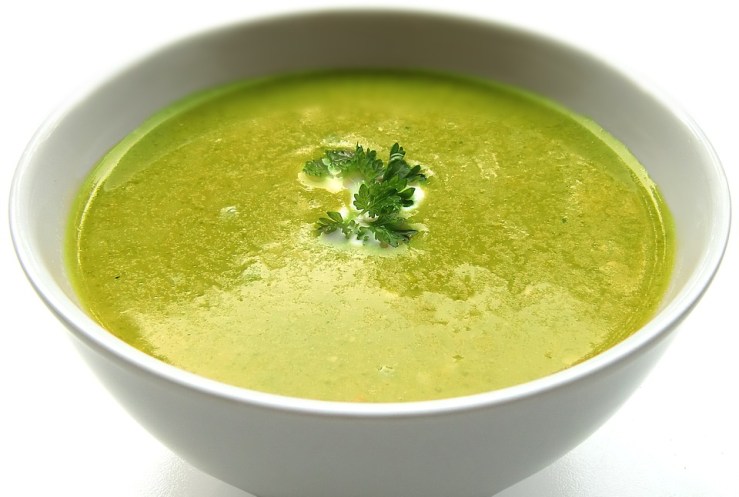
Summer Squash Chowder

  • Servings: 4-6
  • Difficulty: easy
  • Print

Ingredients

  • 3 tablespoons butter
  • 3 medium courgettes and 2 medium patty pan squash, diced
  • 1 large sweet (Vidalia) onion, chopped
  • 2 celery stalks, diced
  • 8 cups Summer Vegetable Stock (corn cob stock) (recipe here)
  • 1 clove garlic, minced
  • 1 tablespoon minced fresh thyme
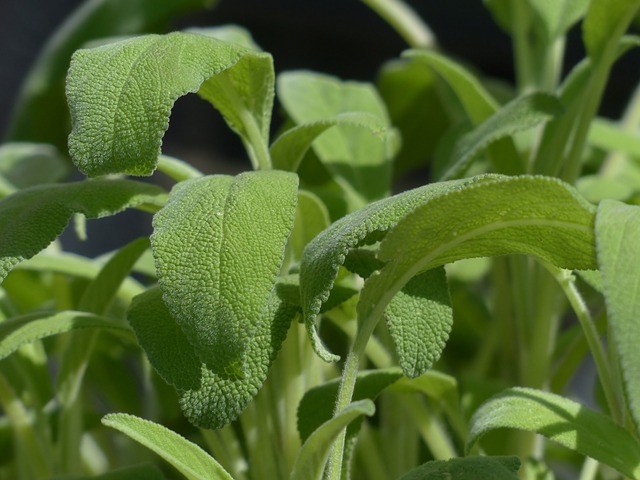
  • 1 tablespoon minced fresh sage
  • 1 tablespoon minced fresh basil
  • 1 teaspoon minced fresh oregano
  • Salt and freshly ground pepper
  • Juice of 1 lemon
  • 1 cup fresh corn kernels
  • Sour cream for garnish

Directions

Heat the butter in a large saucepan or stockpot; add the garlic, celery and onion. Saute for 5 minutes. Add the squash and lightly salt the vegetables. Saute for an additional 5 minutes.

Add the stock and 1 teaspoon salt, bring to a boil, reduce heat and partially cover and cook for 25 minutes. Puree the soup with a hand immersion blender until smooth.

Taste and season with additional salt and pepper, if needed. Stir in lemon juice, corn and herbs. Simmer for 5 minutes. Serve in individual soup bowls topped with a tablespoon of sour cream.

Allow 12-15g of net carbs per serving.

Low carb high fat diets: useful for cancer prevention?

Images-Beautiful-morning-Pictures

There is some evidence that a low carb diet can help prevent cancer and also improve the outlook for people who already have the condition. Here are too sites that discuss the issue.

Dr Mercola provides an article.

http://articles.mercola.com/sites/articles/archive/2016/06/11/nutrition-influences-cancer.aspx?utm_source=dnl&utm_medium=email&utm_content=art1&utm_campaign=20160611Z1&et_cid=DM107622&et_rid=1525493561

Dr Gary Fettke appears on video.

https://www.youtube.com/watch?v=qa5Bcm8T9nU


Half of Cancer Deaths are Preventable

793258148_2d1fae3c3a
Harvard researchers find as many as 40 percent of cancer cases, and half of cancer deaths, come down to things people could easily change.

Many Americans often worry about whether chemicals, pollution or other factors out of their control cause cancer, but a new analysis shows otherwise: people are firmly in charge of much of their own risk of cancer. As we get older, our risk goes up, which could come from doing the same bad habits over a long period of time. The same can be said for being diagnosed with diabetes and prediabetes. Eating one large order of French fries will not increase your risk for cancer or diabetes, but eating two orders a week over 40 years would be over 4,000 orders, or over 2,000,000 calories and 259,000 carbohydrates, which can certainly be injurious to your health.

The team at Harvard Medical School calculated that 20 to 40 percent of cancer cases, and half of cancer deaths, could be prevented if people quit smoking, avoided heavy drinking, kept a healthy weight, and got just a half hour a day of moderate exercise. They used data from long-term studies of about 140,000 health professionals who update researchers on their health every two years for the analysis, published in the Journal of the American Medical Association’s JAMA Oncology.

“Not surprisingly, these figures increased to 40 percent to 70 percent when assessed with regard to the broader U.S. population of whites, which has a much worse lifestyle pattern than our cohorts,” wrote Dr. Edward Giovannucci of Harvard Medical School. The analysis was simple. They broke the 140,000 people into two groups: those with a healthy lifestyle, and everyone else. The healthy lifestyle definition was based on a large body of studies that have shown what personal habits are linked with higher or lower risks of cancer. They include not smoking; drinking no more than one drink a day for women, two drinks a day for men; keeping a healthy weight, defined as body mass index of between a very slender 18.5 and a slightly overweight 27.5; and getting the equivalent of just over an hour of vigorous exercise or two and a half hours of moderate exercise a week.

Heavy drinking raises colon, breast, liver and head and neck cancer rates. Obesity raises the risk of esophageal, colon, pancreatic and other cancers. Smoking causes 80 to 90 percent of lung cancer deaths. Only about 28,000 of the people analyzed qualified as following a healthy lifestyle. When the rates of cancer in their group were compared to rates in the rest of the volunteers, the differences were clear.

The purpose of the study was to estimate the proportion of cases and deaths of carcinoma (all cancers except skin, brain, lymphatic, hematologic, and nonfatal prostate malignancies) among whites in the United States that can be potentially prevented by lifestyle modification.The incidence rates of cancer were 463 per 100,000 for women in the “healthy” group, versus 618 per 100,000 for those not meeting the healthy goals. For men, it was 283 per 100,000 who met the healthy lifestyle goals versus 425 among those who did not. And these were health professionals, who should at least try to be healthier. When Giovannucci compared the healthy group to the general, white, U.S. public, the differences were even bigger. Plus, they didn’t add in other known factors, such as eating a healthy diet rich in fruits and vegetables, although they said those who followed the other healthy patterns did tend to eat better, also.

“These compelling data together with the findings of the current study provide strong support for the argument that a large proportion of cancers are due to environmental factors and can be prevented by lifestyle modification.” By “environmental,” they mean non-genetic causes. To a scientist, environment includes diet, exercise and other factors.

89,571 women and 46,339 men from 2 cohorts were included in the study: 16,531 women and 11,731 men had a healthy lifestyle pattern (low-risk group), and the remaining 73,040 women and 34,608 men made up the high-risk group. Within the 2 cohorts, the PARs for incidence and mortality of total carcinoma were 25% and 48% in women, and 33% and 44% in men, respectively. For individual cancers, the respective PARs in women and men were 82% and 78% for lung, 29% and 20% for colon and rectum, 30% and 29% for pancreas, and 36% and 44% for bladder. Similar estimates were obtained for mortality. The PARs were 4% and 12% for breast cancer incidence and mortality, and 21% for fatal prostate cancer. Substantially higher PARs were obtained when the low-risk group was compared with the US population. For example, the PARs in women and men were 41% and 63% for incidence of total carcinoma, and 60% and 59% for colorectal cancer, respectively.

From the results, it was concluded that a substantial cancer burden may be prevented through lifestyle modification. Primary prevention should remain a priority for cancer control.

Practice Pearls:
•89,571 women and 46,339 men from 2 cohorts were included in the study.
Many cancer cases and even more deaths among U.S. white individuals might be prevented by quitting smoking, avoiding heavy alcohol consumption, maintaining a BMI between 18.5 and 27.5, and exercising at a moderate intensity for at least 150 minutes or at a vigorous intensity for at least 75 minutes every week.
•These compelling data together with the findings of the current study provide strong support for the argument that a large proportion of cancers are due to environmental factors and can be prevented by lifestyle modification.

Preventable Incidence and Mortality of Carcinoma Associated With Lifestyle Factors Among White Adults in the United States. May 19, 2016. doi:10.1001/jamaoncol.2016.0843.

Diabetes in Control June 11th, 2016


Carrot, dill and yoghurt salad

Cacik-1.jpg

Carrot, Dill and Yoghurt Salad

  • Servings: 4
  • Difficulty: easy
  • Print

  • 1tbsp olive oil
  • 220g grated carrot
  • 3 tbsp Greek yoghurt
  • 2 cloves of garlic, chopped
  • 4 tbsp chopped dill
  • pinch of salt
  • 40g toasted walnuts

Method

  1. Warm oil and saute carrots until wilted.
  2. Whisk 3 tbsp yoghurt, garlic, dill and salt.
  3. Stir in carrots, scatter with walnuts and serve warm or cold.

Allow about 5g of carbs per serving.