The best diet for optimal blood sugar control & health
Author: kaitiscotland
I am a Scottish doctor who is working to improve the outcomes for people who have diabetes using a low carb diet, and advanced insulin techniques when necessary. Professionally I provide expert witness reports in the clinical forensic and family medicine areas and I also provide complementary therapies. I enjoy cooking, cinema, reading, travel and cats.
Around one in four UK adults is living with obesity. Previous research has established that the most effective way to lose weight is through behaviour change with diet and physical activity counselling. It has not been clear whether one to one sessions or group sessions produce the better outcome. Thus a review of 7 studies which included 2,576 participants from the UK, US, Australia, Germany and Spain was done.
The study looked at the outcome of reaching at least a 5% reduction in body weight after a year. This means that a person of 100kg would lose 5kg.
Compared to one to one sessions, people in group sessions:
Lost on average 1.9kg more weight
Were 58% more likely to lose at least 5% of their body weight
Group classes had 12-55 hours treatment time and those in one to one sessions had 2.5 to 11 hours.
The costs of treating people in groups is also lower than one to one sessions. The quality of life of people who are obese would be more likely to improve and their would be fewer cases of diabetes, heart disease, stroke, and cancer that all require medical treatment.
NICE are intending to publish revised guidelines on the treatment of obesity in 2023.
Healthcare professionals can now confidently say that group educational programmes are at least if not more effective than one to one sessions when referring or advising patients. Social support in groups and more intensive interventions may account for greater success but for some people eg who are anxious in groups or who need translators, or even just patient preference, will mean that one to one sessions will still need to be offered. Further research into what specific factors improve results would be helpful.
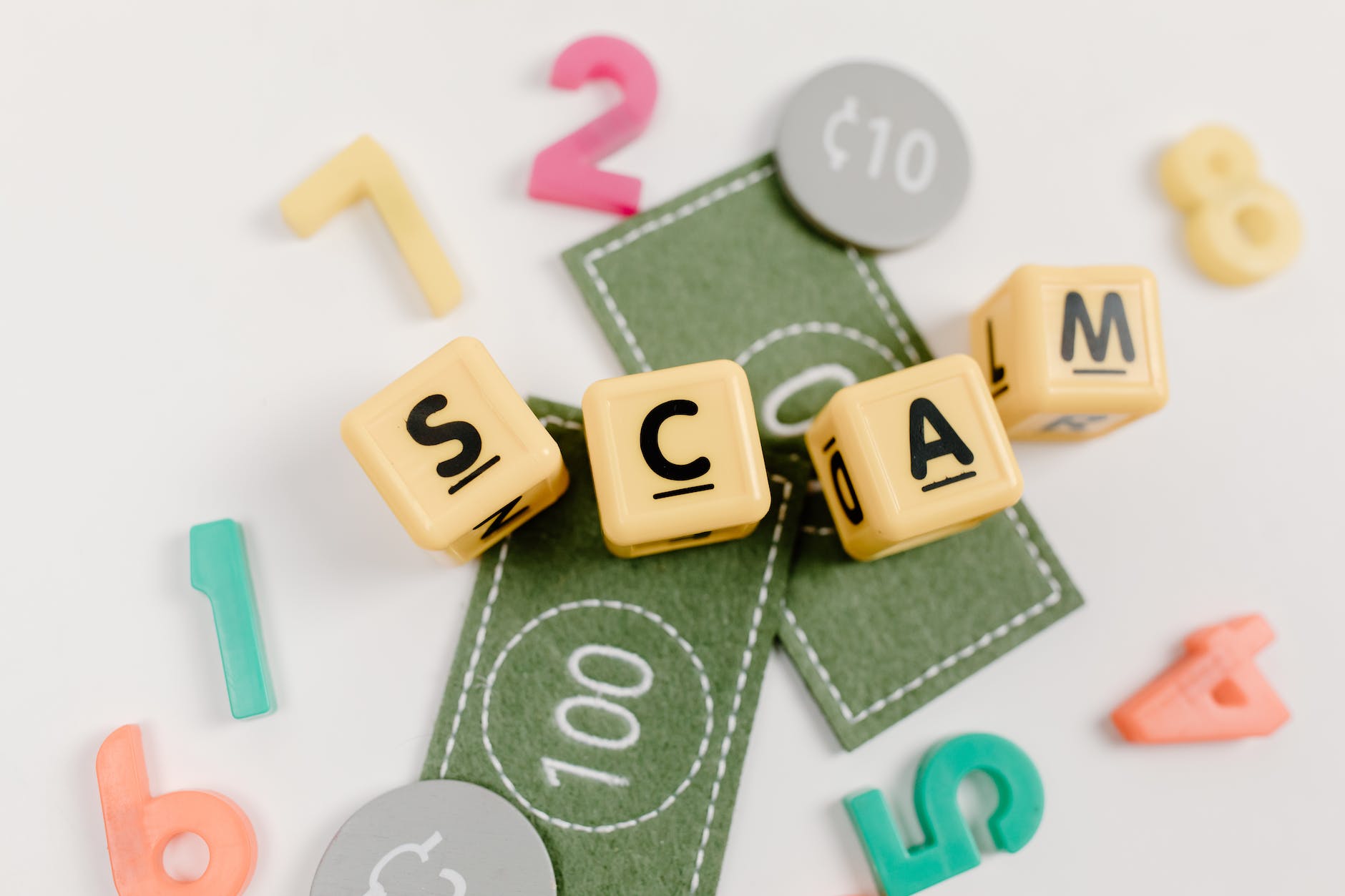
Recently I attended an online seminar on how you can protect yourself from fraud and scams. This was organised by my bank and had input from a detective who investigated frauds and scams and a psychologist. These are my “take home” notes.
We are all capable of being duped by increasingly sophisticated frauds and scams. The psychologist repeatedly said that her number one tip was to avoid the assumption that you are too smart, or too worldly wise to notice if you are being targeted as a potential victim of a scammer. It could happen to you!
Frauds and scams can come from multiple directions. In person, online, by phone or in shops and restaurants.
Our background and emotional state results in us believing things from our own point of view. How can it be otherwise? We don’t see the wider context and tend to match information we get with information we know.
Scammers often take advantage of current events. Desirable products and services are also used as hooks to grab our attention. Often things that look too good to be true are not true.
If you get a one time passcode from a source you must NEVER give this to someone else.
We unwittingly give away data and information about ourselves all the time via websites, accounts, and social media like Facebook. Data can be breached by companies.
We are duped into letting our guards down by certain factors that increase our vulnerability.
CONTEXT – The information we are given makes sense to us and makes us expect certain things and makes us feel safe about us taking various actions. Eg a family member asking for help.
AUTHORITY- We tend not to question this. Eg the Police or your bank contacts you about a matter.
URGENCY- We are propelled by fear or worry or sympathy to solve the problem or grab that offer immediately. We suspend thinking things through ourselves, checking facts independently or talking it over with a family member or friend.
EMOTIONAL- We are engulfed in strong emotions such as panic, fear or excitement so that we don’t think.
Although we tend to think that certain groups are more vulnerable than others, such as the elderly, because they are unfamiliar with technology, scams are also inflicted on young people because they want to fit in with their pals or are inexperienced. Middle aged people are targeted in romance scams. We all want something. We all are fearful of losing things. And our personal vulnerability is not dependent on our intelligence and is not a steady state.
Our vulnerability can depend on such matters as the time of day or night, if we have been bereaved, had a baby, are exhausted or we are overwhelmed with information. During times when we feel depleted we tend to take short cuts.
Environment has been shown to be more important than individual factors for most of our actions.
Push payments happen when we are urged to freely give money to someone. No one has an actual gun to our heads but we are convinced at the time that we are doing the right thing. Romance fraud and ” your bank account details have been compromised” frauds are examples here.
These have nothing to do with our personal intelligence or knowledge. Technology can’t protect you against this because you willingly over-ride the systems banks put in place to warn you. To be forewarned is forearmed, so accept that you COULD be a fraud victim and take your time, think it through and talk to other people about what is going on.
Make sure you have a UNIQUE password for each of your accounts. If you do this you don’t need to change it that often. If you don’t then one password breach can mean multiple accounts being breached. It is like having a lock on every room of your house. You won’t lose everything.
Use password managers. Your phone number is public information. Whatsapp is a favourite site for Mum and Dad scams. Again, take your time to think clearly. If a child has “lost their phone”, e mail and phone them to make absolutely certain of their circumstances. Set up code words or questions with your family so you know it really is from them.
Banks will NEVER ask for you PINs, passwords or personal information.
A site called “Have I been Cloned” will show any data breach.
“Last Pass” is another helpful site.
Having two factor identification is really helpful.
Cookies from vendor sites are generally safe. They are usually there to improve your shopping experience. Have anti virus software in your computer though.
Always shred any documents that have personal information on them before you put them in the bin. These can give away information that can be sold onto scammers.
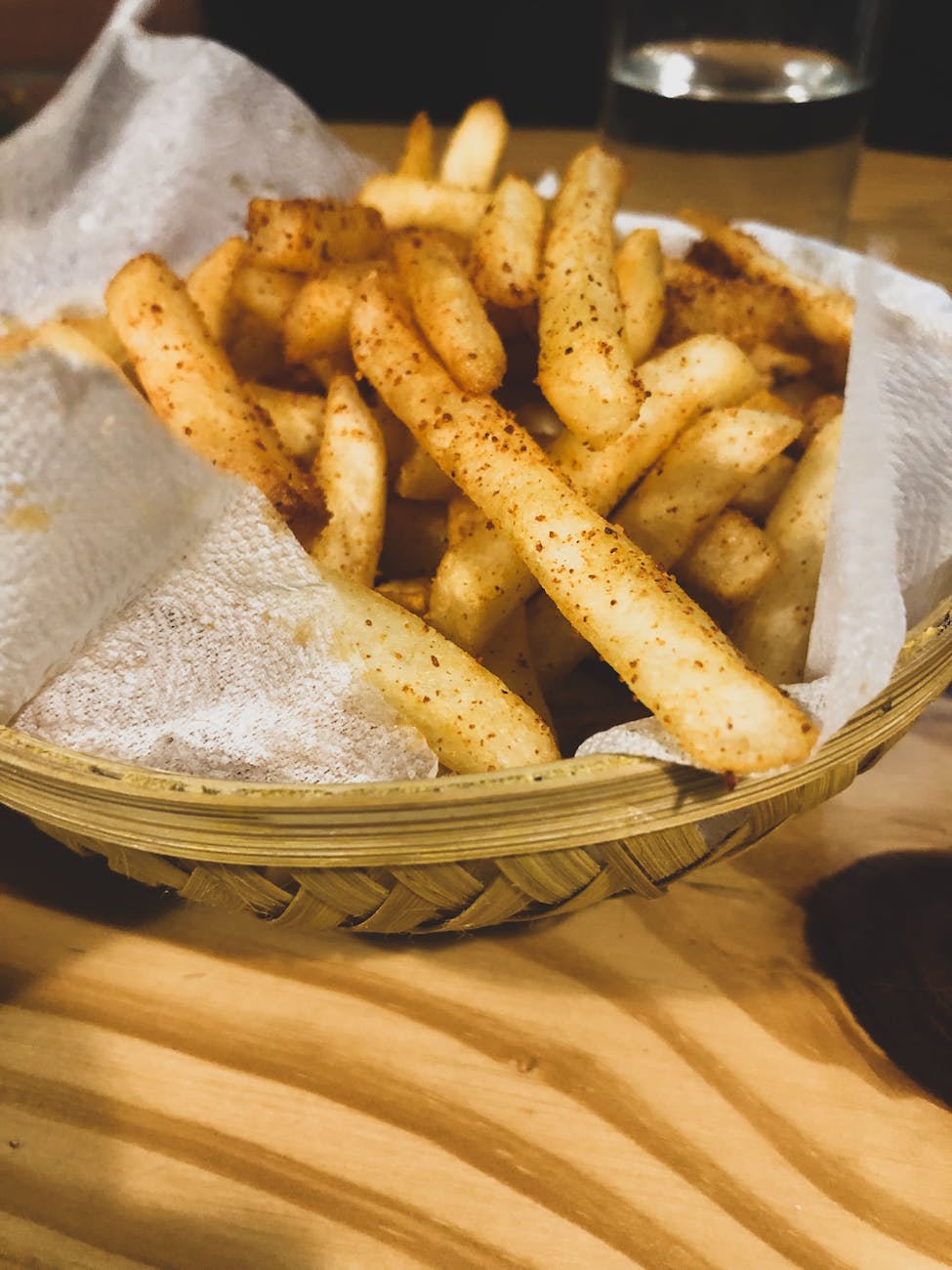
After considerable number crunching a low carb colleague has come to the very reasonable conclusion that the worst food in the world for weight gain is the fried potato in its several incarnations.
In the USA French Fries are what we in the UK call Chips. In the USA Chips are what we in the UK call Crisps.
These are ubiquitous and difficult to avoid particularly if you eat in fast food restaurants. Even if you order a sandwich you may be given a side order of chips or crisps.
Tucker explains that the vegetable and seed oils that these items are fried in play havoc with the appetite control centres of your brain. This article serves as a reminder, since we are all still at least trying to keep to our New Year’s Resolutions, why it would be better to avoid having them on your plate or hand in the first place. And just the one or two….who are you kidding?
The site Metabolic Multiplier have compiled a toolkit that you can use to educate yourself about the low carb diet and have included information that you can give to your doctor or other health care professional so that they will be more likely to help you monitor your condition.
The dietician Adele Hite was extremely active in the group and always seemed so full of energy and enthusiasm. She put in many hours into the project as well as her day job. Little did I know that she had a returning cancer and that she was to die from it in less than a year. In retrospect, I think that this is what drove her. She was determined to leave a legacy to help others.
If you know of any newly diagnosed diabetics or any who are experiencing friction with their GPs or health care providers, please let them know about the Metabolic Multiplier site. It is organised by the highly efficient and versatile Cecile Seth.
A study published in the Journal of the Canadian Medical Association in Dec 2020, has found that type two diabetics who are on Metformin have about two thirds of the risk of having a hip or knee joint replacement compared to diabetics on other medications.
The study was undertaken by Dr Zhaohua Zhu from Zhujiang Hospital in Guangzhou in China. They compared the records of over twenty thousand patients in each group and compared the duration that they were on the diabetes medications and surgical outcomes.
As they found that Metformin use was associated with a significantly reduced risk of joint replacement, this suggests a potential therapeutic effect in patients who have osteoarthritis. They recommend that randomised controlled trials are undertaken to see if there is a beneficial effect in this group.
My comment: As Metformin has already been shown to reduce cancer incidence, is inexpensive, and reasonably well tolerated both by diabetics and non-diabetics, it would seem a good idea to me for such trials to be carried out.
Everyone knows how hard it is to shift body fat after having a baby. A recent study suggests that adopting a low carb diet featuring plentiful meat/poultry/fish and animal fats was more successful than having a low carb diet based mainly around plant foods.
Readers who are keen to shed their post holiday season weight gain may also find this information useful.
Low-carbohydrate diets (LCD) have been considered a popular dietary strategy for weight loss. However, the association of the low-carbohydrate dietary pattern with postpartum weight retention (PPWR) in women remains unknown.
The present study involved 426 women from a prospective mother-infant cohort study.
Overall, animal or plant LCD scores, which represent adherence to different low-carbohydrate dietary patterns, were calculated using diet intake information assessed by three consecutive 24 h dietary surveys.
PPWR was assessed by the difference of weight at 1 year postpartum minus the pre-pregnancy weight. After adjusting for potential confounding variables, women in higher quartiles of total and animal-based LCD scores had a significantly lower body weight and weight retention at 1 year postpartum (P < 0.05). The multivariable-adjusted ORs of substantial PPWR (≥5 kg), comparing the highest with the lowest quartile, were 0.47 (95% confidence interval 0.23–0.96) for the total LCD score (P = 0.021 for trend) and 0.38 (95% confidence interval 0.19–0.77) for the animal-based LCD score (P = 0.019 for trend), while this association was significantly attenuated by rice, glycemic load, fish, poultry, animal fat and animal protein (P for trend <0.05).
A high score for plant-based LCD was not significantly associated with the risk of PPWR (P > 0.05). The findings suggested that a low-carbohydrate dietary pattern, particularly with high protein and fat intake from animal-source foods, is associated with a decreased risk of weight retention at 1 year postpartum. This association was mainly due to low intake of glycemic load and high intake of fish and poultry.
Adapted from Medscape Nov 20 2022 by Miriam E Tucker a freelance journalist from Washington DC.
At last humans have caught up with mice!
Since my son was diagnosed with type one diabetes, some 28 years ago, it has been possible to reverse type one diabetes in mice. At last the huge effort to find a suitable agent to use in humans, and particularly children, has been approved by the FDA.
Thank you everyone who has contributed to this marvellous discovery. The Juvenile Diabetes Research Foundation was set up with this end point in mind and they have been successful in the development of the new drug which they helped fund. The thing is that now such an agent is available, we need to be able to find the people who would most benefit from taking the drug. Thus screening for early type one diabetes is going to become crucial.
The new drug is called Teplizumab-mzwv (Tzield, Provention Bio) and it is a anti-CD 3 monoclonal antibody. It was approved in Nov 17 21 and is the first human disease modifying therapy for impeding the prevention of type one diabetes. It delayed onset by around 2 years and longer in some subjects.
It is given by an intravenous infusion once daily for 14 days and costs around $200,000 dollars for the course of treatment.
It is licensed for children over the age of 8 years. The group it is targeting is those who are asymptomatic but who have raised blood sugar levels and at least two type one diabetes antibodies. Most of those screened are first degree relatives of type ones. The JDRF is offering a screening blood test for $55. But because 85-90% of people who do develop type one diabetes don’t have a first degree relative, screening will need to be developed further.
In Bavaria, Germany, screening of all schoolchildren for type one diabetes has been done, and the organisers said that a major benefit, was that education about the signs of diabetes occurred so that diagnosis occurred before Diabetic Ketoacidosis developed. This is known to cause deaths and wears out the pancreas much faster.
In another study 2 year olds and 6 year olds in the USA and western Europe were screened for islet autoantibodies and this detected almost all of those children who developed type one diabetes by mid adolescence.
Using a genetic risk score at birth has been suggested as more cost effective by Dr William Hagopian of the Pacific Northwest Research Institute in Seattle. 10% of newborns have HLA genes that can identify 80% of those who will get childhood type one diabetes.
My comment: I’m particularly pleased to see that the JDRF has been successful because if my son has offspring they have a one in three chance of developing type one diabetes in childhood. As time goes on, it is to be hoped that the interventions will become cheaper and more effective.
Today I will be enjoying my second work free Christmas at home with my husband and both sons and four cats.
I always make a low carb gluten free Tiramisu the day before. Starters are always tinned or a jar of lobster bisque and bought tempura prawns. One Christmas my husband made them from scratch and they were fantastic but the kitchen was covered in flour and grease.
My husband always makes Gordon Ramsay’s Ham with chilli treacle glaze with roast potatoes and as few vegetables as we can get away with, being Scottish. We always have our dinner at 7.30pm.
This tradition arose because I was always on call for the police on Christmas day and I’m hoping to avoid doing the Christmas dinner for many more years to come.
Last year I played with the boys and their toys and hope to do the same this year.
Have a lovely time and especially if you are on your own, I wish you a peaceful, warm, and comforting Christmas and winter.
The idea of GP apprentices has been discussed for a few years now, but at last the scheme is starting up in September 2023.
The new scheme hopes to solve a lot of problems with one fell swoop.
There is a great shortage of doctors in the UK and particularly in General Practice, the foundation of the NHS system. At the same time, the expense of becoming a doctor, with student debt on qualification reaching £100,000, is making it a difficult choice for students who don’t have wealthy parents.
Universities have limited places for medical students. Although a few new medical schools have opened their doors such as Buckingham University, which is entirely privately funded, this has been insufficient to maintain GP numbers which continue to fall.
For several years conversion courses for graduates from other disciplines have been running at for instance Dundee University. This results in qualified doctors after a four- year course.
Courses for physician assistants have also been taking in graduates from careers allied to medicine in for instance Aberdeen University. Yet, there are simply not enough physicians and physician assistants to fill gaps in provision, as many of our UK readers will have noticed, whether they are seeking a GP or a hospital appointment.
What is different about GP apprenticeships is that the student will earn a wage from their very first day. I don’t know what that wage will be yet. Hopefully enough to make the experience worthwhile and at least prevent them ending up in debt.
The aim is to make medicine more accessible to students from state schools and poorer backgrounds. They want to see students from diverse backgrounds rather than just the white upper middle- class students from private schools who currently predominate.
Apprentices will complete both academic and practical education and come out with a medical degree and licence to practice from the General Medical Council.





 Diabetes Diet