No proven benefit to replacing saturated fat with polyunsaturated fat

19349485773_214c8033a3_bAn analysis of the Minnestota Coronary Experiment (1968-73) data has shown that there was no evidence from randomised controlled trials that the serum cholesterol lowering effects of replacing saturated fat with linoleic acid resulted in any reduction from coronary heart disease and total mortality.

The data was re-analysed by Ramsden and Zamora et al and published in the BMJ on 16 April 16.

J Lennert Veerman comments: ” A diet enriched with linolieic acid did not reduce mortality. Indeed participants had a higher mortality than controls. These unexpected results proved difficult to stomach for researchers at the time. The trial ended in 1973 but it took till 1989 for the results to be published. In the past decade old certainties about dietary fats have been questioned and some have been abandoned. Last year US dietary guidelines removed dietary cholesterol and total fat as risk factors worth worrying about.

If blood cholesterol values are not a reliable indicator of cardiovascular risk, then a careful review of the evidence that underpins dietary recommendations is warranted. Ideally recommendations should be based on clinical outcomes, not surrogates such a cholesterol concentration.

From an article in BMJ 16th March 2016

Eggs make a good start to the day


Eggs have been shown to improve satiety and increase circulating HDL. They contain nutrients that may reduce the risk of T2D and CVD. Current guidelines regarding egg consumption and dietary cholesterol intake differ among countries: Australia recommends a max of 6 egg/wk for people with T2D. The US recommends that patients with T2D limit dietary cholesterol to <300 mg/d and <4 eggs/wk; and the UK has no suggested limit, but they do emphasize a dietary reduction of saturated fatty acids. Previous studies regarding the effect of a high-egg diet had confounding factors and/or limitations with respect to data. Australian researchers decided to address those limitations by analyzing the health effects of a high-egg diet.

In a 3-month prospective RCT, 140 patients with BMI >25 kg/m2, and either prediabetes or T2D, were randomly assigned to 2 diet groups. Patients in the high-egg group consumed 2 eggs/day for 6 days/wk, while the low-egg diet group consumed <2 eggs/wk with 10 g lean protein for breakfast. The primary outcome was change in HDL cholesterol at 3 months, while changes in anthropometric measurements, vital signs, nutritional analysis, and satisfaction were all doneeggs secondarily. Blood samples were collected for FBG, HbA1c, lipid panel, C-reative protein, apolipoprotein B, CBC, thyroid function, liver and renal function. Height and waist circumference was measured and a patient food diary was collected at baseline and 3-months. Questionnaires were used to obtain food, physical activity and quality of life information from the patients.


The study results showed that there were no significant differences in HDL from screening to 3 months between the two groups. There were also no significant differences in total cholesterol, LDL, TGs, or apolipoprotein B. Both groups had no significant differences in FBG or HbA1c. Waist circumference, total body fat, fat free mass, BP, and HR did not show any significant differences. Both group had an increase in overall satisfaction with the diets they were on. However, the high-egg group showed a higher enjoyment with the food they were eating and were less bored with food options. The high-egg group also trended toward being more satisfied with a high-egg diet compared to a low-egg diet with a significantly greater satiety and less hunger reported after breakfast.

Previous studies and current guidelines do not provide a clear message as to the whether eggs are safe and suitable as a dietary protein source for people with T2D with a high risk for CVD complications. This study showed there were no significant differences in circulating HDL, LDL, TC, or TGs between the high- and low-egg diet groups. The high-egg diet group also showed a significantly greater food-acceptability score and scored their diet with less hunger and greater satiety after breakfast; this suggest that a high-egg diet does not result in boredom and may likely improve nutritional management in patients with T2D.

Practice Pearls:
•This study compared the health effects of a high-egg diet (2 eggs/day for 6 days/wk) with a low-egg diet (<2 eggs/wjk).
•The high-egg diet group showed no significant difference in their lipid panel at 3 months, compared to the low-egg diet group.
•Test patients showed a greater satiety after breakfast and greater food-acceptability in the high-egg diet, suggesting that a high-egg diet can be used to help improve nutritional management.

NR Fuller. The effect of a high-egg diet on cardiovascular risk factors in people with type 2 diabetes: the Diabetes and Egg (DIABEGG) study –a 3-mo randomized controlled trial. Am J Clin Nutr. 2015; 101: 705-713.


Based on an article in Diabetes in Control April 2016

Bacteria that causes gum disease and arterial plaques identified

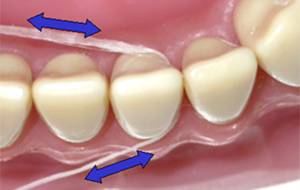
Floss4

A study, published in Infection and Immunity, has clarified the mechanism behind a known link between gum disease and heart disease. Periodontitis, which results in an infection that damages the soft-tissue surrounding teeth and the bone supporting the teeth, is commonly caused by Porphyromonas gingivalis. P. gingivalis is a Gram-negative anaerobe that colonizes mouth tissues for lengthy periods of time after initial infection. It is commonly found within the arterial plaques common to heart disease patients.

The study authors discovered that the bacteria alters the gene expression of pro-inflammatory proteins that also promote coronary artery atherosclerosis. This was discovered by infecting cultured human aortic smooth muscle cells with P. gingivalis. Aortic smooth muscle cells were used because they contract the aorta after the pumping of the heart stretches it out.

After P. gingivalis was injected into the cells, the bacteria released gingipains. Gingipains are enzymes that change the ratio between different angiopoietins (inflammatory proteins) in such a way that inflammation is increased. The pro-inflammatory angiopoietin 2 had its expression increased by the gingipains, whereas the anti-inflammatory angiopoietin 1 had its expression reduced. P gingivalis was found to affect the levels of these proteins independent of tumor necrosis factor (TNF).

The study is significant because it helps to pinpoint the relationship between periodontitis and heart disease. Further research can help clarify potential targets for treatment of atherosclerosis.

Practice Pearls:
•Periodontitis and heart disease share a common pathogen, P. gingivitis.
•A study found that P. gingivitis alters gene expression to increase production of the pro-inflammatory protein angiopoietin 2 and decreases presence of the anti-inflammatory protein angiopoietin 1. This results in increased atherosclerosis.
•The study further clarifies the cardiovascular risk of poor oral health and hygiene.

Paddock C. Scientists uncover bacterial mechanism that links gum disease to heart disease. published in the journal Infection and Immunity. September 14, 2015.

Published in Diabetes in Control September 15

Who is more likely to have poor glycaemic control?

maxresdefault (2)An analysis of the ACCORD trial has shown that African Amercans, insulin users, and patients who have episodes of severe hypoglycaemia are at considerably higher risk of running hba1cs over 8%.

The trial showed that middle aged and elderly patients with an increased cardiovascular risk had a lower total mortality rate if their HbA1c ran between 7 and 8%.  The patients enrolled were all getting free drugs and free medical care so that affordability did not impact on results. The idea was to intensify drug treatment if the patient did not get an A1c below 8% and they saw physicians every 4 months to track their progress. It was fully expected that the more normal the glycaemic results the better the outcomes for the patients would be. To the surprise of much of the medical profession, this turned out not to be the case, and near normal blood sugars have now been recognised as not suitable for everyone.

One of the populations that struggled were African Americans. Do they have more insulin resistance problems? Although drugs and medical care were free, we know that food, exercise, education, rest, and mental health affect diabetes control. How were these factors affected? Was poverty a factor?

Insulin users had poorer control too. Did they receive adequate training on how to precision match their meal to their blood sugar goals? Blood sugar control is much easier to achieve with a low carbohydrate diet, the seven unit rule, and using a specific insulin to cover dietary protein. It will be a lot more difficult, if not impossible for good blood sugars to be reached if a high carb diet is eaten or if fixed insulin regimes are used.

Patients who experience severe hypoglycaemia are usually on insulin, but sometimes can be using sulphonylurea drugs.  A severe hypo can be life threatening and it would not be surprising that great fear about approaching normal blood sugars could result. Thus patients may decide to circumvent the entire process by deliberately running blood sugars high. Of course frequent hypos tend to end up in frequent over indulgence in correcting blood sugars. This can cause the rollercoaster blood sugars which get people feeling quite hopeless.

Further research into why individuals can’t seem to control their blood sugars is a good idea. But if this is done, then surely the ADA should be looking at ways of fixing the problem? Should they not be putting their financial incentives from low fat food manufacturers aside, and recommend dietary and insulin strategies that enable people to have normal blood sugars with little risk of hypoglycaemia?

Based on an article in Diabetes in Control March 19th 2016

Researched and prepared by Devon Brooks, Doctor of Pharmacy Candidate from LECOM College of Pharmacy, reviewed by Dave Joffe, BSPharm, CDE

Drake TC, Hsu FC, Hire D, et al. “Factors associated with failure to achieve a glycated haemoglobin target of <8.0% in the Action to Control Cardiovascular Risk in Diabetes (ACCORD) trial.” Diabetes, Obesity and Metabolism. 18.1 (2016): 92-95. Print.


Research Findings Could Help Prevent Type 1 Diabetes

type 1 diabetes medical equipmentAccording to a BBC News article this week, “the final piece of the diabetes puzzle” has been solved, as scientists revealed the fifth and final target the immune system attacks, causing type 1 diabetes.

The team from the University of Lincoln believe the findings might help in the development of new ways to prevent and treat type 1 diabetes.

Studies have been done that look at the unique antibodies made by patients with type 1 diabetes. They had shown that there were five key targets the immune system attacks erroneously. While some of those targets have been known for some time, the fifth and final one has taken two decades to work out.

Dr Mike Christie and his team at the University of Lincoln successfully identified the fifth molecule as Tetraspanin 7, which could make tests to predict who is at risk of type 1 diabetes more accurate.

The research was funded by Diabetes UK and the Society of Endocrinology.

Dr Christie said: “Being able to detect circulating autoantibodies and identify their molecular targets has allowed scientists to develop tests for the clinical diagnosis of Type 1 diabetes, and for the identification of individuals at high risk of developing the disease.

“Evidence from both animal studies and human trials indicate that Type 1 diabetes may be prevented in individuals at risk, and a number of therapies to interfere with immune responses have proved effective in preventing disease development in animals and in slowing the loss of insulin-secreting cell function in human patients.

“There is now a focus on the development of procedures to interfere specifically in immune responses that cause Type 1 diabetes, and it is therefore absolutely essential that we gather as much information as possible about the major targets of autoimmune responses.”

The other targets for the immune system are:

  • Insulin
  • Glutamate decarboxylase
  • IA-2
  • Zinc transporter-8.

Screening for antibodies against the four targets found in the pancreas is currently used to assess a someone’s risk of type 1 diabetes. Tetraspanin-7 antibodies could now be included in this process.


Low carb advocate Dr David Unwin named Innovator of the Year by RCGPs

Congratulations to Merseyside GP and College Fellow David Unwin who has been named ‘Innovator of the Year’ at the national NHS Leadership Recognition Awards 2016.


David, who practises at the Norwood Surgery in Southport, spent three years working on a project combining the benefits of a low carb diet with psychological support to help patients with diabetes. As well as having much healthier patients, the practice now saves around £45,000 a year on diabetes drugs!


David has been a GP for over 30 years yet this award shows that his mission to constantly improve care for patients and his enthusiasm for the job remain undimmed. As well as being a fantastic personal, achievement, it is excellent to see the work of GPs being recognised on the national stage.


The judging panel said that the results of his work were outstanding and that he was ‘passionate about sharing knowledge to achieve a healthier world’. Hear, hear! unwin

Salt restriction can backfire for heart failure patients

Salt_shaker_on_white_backgroundOver the years, physicians and researchers have advocated less salt consumption in heart failure patients.  Although doctors make this recommendation frequently, patients are not always compliant.  Heart failure patients who may also be hypertension patients inspired the DASH diet, which includes decreased to no sodium intake, more fruits and vegetables, skinless poultry, and less saturated and trans fat. In heart failure patients, salt increases water retention, which is quite harmful to the function of the heart.

Researchers have recently stumbled across information regarding salt intake and heart failure patients’ long-term health.  In all actuality, salt consumption just may not be harmful to that population.  This may be a sigh of relief to heart failure patients, but in an interview from consumer.healthday.com with physician Rami Doukky of Chicago, patients should not jump on the bandwagon just yet.

In a study performed by Doukky, 833 heart failure patients were evaluated with the new findings.  Divided into two groups consisting of 130 patients, one group consumed salt without any restrictions.  While the other group of subjects were salt-restricted.  Each patient was followed for a total of three years, and evaluated using an intake tracking method as well as a survey.

After analysis of results, it was found that 42% of the surveyed population following the salt-restricted diet were either admitted to the hospital with heart failure complications or they died.  In comparison,  26% of the subjects without salt restrictions developed further complications and/or death.

Although this gives heart failure patients hope, these findings need to be further studied.  The results favor no salt restriction due to a decreased percentage of complications, but different factors in each of the patients could have swayed results.  With emphasis from cardiologist Clyde Yancy at consumer.healthday.com, salt should not be automatically incorporated back into heart failure patients’ diets.  Salt is still a major contributor to high blood pressure, which can lead to cardiovascular complications.

Practice Pearls:

  • 26% of the subjects without salt restrictions developed further complications and/or death. In comparison, 42% following the salt-restricted diet were either admitted to the hospital with heart failure complications or they died.
  • Not all heart patients need to restrict their salt intake.
  • Salt reduction for some heart patients may not be helpful.

Doukky, Rami et al. “Impact Of Dietary Sodium Restriction On Heart Failure Outcomes”. JACC: Heart Failure 4.1 (2016): 24-35. Web. 17 Jan. 2016.

Consumer HealthDay,. “Reducing Salt Intake Might Harm Heart Failure Patients, Study Claims”. N.p., 2015. Web. 17 Jan. 2016.


Samantha Ferguson Doctorate of Pharmacy Candidate Florida A&M University, reviewed by Dave Joffe, BSPharm, CDE (Published in Diabetes in Control Jan 16)


Five types of mindless eating. Do these habits sabotage your weight goals?

Chinese_buffet2Dr Brian Wansink is a behavioural economist who studies people’s behaviour around food. Specifically he is interested in how the environment can be manipulated to support or sabotage weight loss efforts. In an interview for Diabetes in Control at the ADA conference in 2012 he outlined the five areas in which we tend to eat more than we intend.

Party bingeing. This is the “I deserve a break”, “I’m celebrating”, “It’s only this once”, “It would offend the host” types of excuses come into play and we abandon our regular habits and go a bit mad with the calories. Alcohol increases our appetites and loosens our will power. If we had any in the first place. Unusual or attractive party food becomes hyper-alluring, and for some of us the urge to try a little bit of everything, three desserts for instance, makes us terribly glad that we wore an elasticated waistband that day. The party phenomenon can also translate to longer binges such as holiday eating or even more problematic, the CRUISE.

Eating too much at meals is particularly easy to do if you were brought up in a household where you were encouraged to “clear your plate”.  Thanks to my mother’s pleading, threats, stories of starving children of you name it, I was 40 years old before I was able to leave anything on my plate. I always had the spectre of my mother behind me at every meal. Things were fine as long as I was able to put food on my own plate, but if someone else handed it to me….down it went.

Some of us don’t feel we can leave a meal unless we are absolutely stuffed. After all, there could be an earthquake, flood, famine, ice-age between lunch and dinner, so you’d better be prepared. Although the advice given to young ladies at Charm School was to always leave the table a little hungry… that is not how many of us do it.

Restaurant behaviour can follow on from the meal stuffing habit. After all, you’ve paid for it! And you are jolly well going to eat it. Things get even worse around buffets. For many of us, buffets are a terrible source of temptation. We have just try a little something from every dish. And when it is an all you can eat buffet….well, there is nothing like a challenge. In any restaurant, no matter how stuffed we may feel, there always seems to be room for a delicious dessert. These are particularly hard to resist if you can actually see them as opposed to just reading about them off of a menu.  For most of us, restaurants are a treat, so the party bingeing mentality, “It’s just the once…I’ll go back to eating properly tomorrow” come into play too.

Snacking and grazing are what many of us to between meals. It should be meaningful work, time with those who matter, or physical activity, but no. The most popular activity is probably more eating.  Snacking can be brought on by genuine hunger. In this case Dr Wansink’s best advice is to eat a hot protein breakfast at the start of the day to get out of the elevenses habit. For others snacks are freely available in the workplace or in the home. Most of the time these are not vegetables with dips or fruit, nuts and cheese but crisps, Doritos, maltesers, chocolates, sweets, biscuits and cakes.  On trains and planes they can include booze as well. Calorific drinks such as hot chocolate and syrup enhanced coffees are popular too.

So when does snacking not count? Well, when you can’t actually remember doing it? Does that make it not count? When you are watching the television, in a cinema, using the computer or even driving it is amazing how dextrous human beings can be. One hand can be employed on mouse skills or on the steering wheel with the conscious brain and eyes engaged on really pretty complex tasks. Meanwhile the non-dominant hand and the subconscious brain are totally absorbed in hand to container to mouth skills just as finely tuned as the finest snooker player can pop the balls into the holes.

Brian says that essentially the first step for anyone is to become aware of any of these habits. You then need to devise strategies that interrupt the unwanted patterns of behaviour. He suggests that people start with one habit and change that first. Starting with what seems easiest and most achievable can give a feeling of mastery that can be worked on. For most things changing the environment around the problem is much more effective than reliance on will-power.


Public Health Collaboration: A Group Of Doctors Are Crowd-funding To Solve The Obesity & Diabetes Epidemic


Eatwell_PlateIn the UK 25% of adults are obese, the highest prevalence in Europe, and type 2 diabetes has risen by 65% in the past 10 years with no sign of slowing down. Together they cost the NHS £16 billion a year and the UK economy at large £47 billion a year.

These perilous percentages and shocking statistics have presented themselves despite the fact that as a population Britons are following the dietary advice that is being recommended.

Based on the latest National Diet and Nutrition Survey published in 2014 by Public Health England, our total food consumption is on average 383 calories below the recommended, our total fat consumption is just below the recommended 35%, we’re just one portion shy of the recommended 5 fruits and vegetables a day, and lastly we’re only 1 g over the recommended amount of daily red meat intake.

Seemingly the issue of obesity and diabetes in the UK isn’t that Britons are over consuming but that they are following the dietary guidelines, known as the Eatwell plate given by the NHS.

A complete overhaul of these dietary guidelines is needed based on the most up to date scientific evidence in order to improve the health of the UK.

From Monday 1st February – Monday 29th February a group of 12 doctors have come together to solve the UK’s obesity and diabetes epidemics by crowd-funding to set up an independent public health charity called the Public Health Collaboration (PHC).

The group of doctors include deputy chair of the British Medical Association Dr. Kailash Chand OBE, dietitian Dr. Trudi Deakin, cardiologist Dr. Aseem Malhotra, psychiatrist Dr. Tamsin Lewis, general practitioner Dr. Rangan Chatterjee, clinical psychologist Dr. Jen Unwin, diabetologist Dr. David Cavan, general practitioner Dr. Katharine Morrison, general practitioner Dr. David Unwin, general practitioner Dr. Joanne McCormack, general practitioner Dr. Ian Lake and general practitioner Dr. Ayan Panja.

The PHC needs to initially raise £5,000 to publish it’s first public report on healthy eating and weight loss guidelines given by the NHS. Alongside funding it’s ambitious campaign for change within the NHS.

Director of the PHC, Sam Feltham, is closing down his fitness business and only taking a London Living Wage in order to fight for the cause and says “Our £5,000 fund-raising target doesn’t sound like it’s enough to change anything on such a large scale, especially if you’re used to big budgets, but we’re in a fortunate position that our founding members of doctors are not taking any money for helping write our reports and supporting our campaigns.

The PHC will have it’s first public report published in April 2016 on what the scientific evidence tells us should be the dietary guidelines for optimal public health. Once published we recommend that the NHS read the report and takes it seriously for the sake of the nation’s health and economy.”

You can contact Sam Feltham for further comment or to get in contact with our group of doctors by emailing info@phcuk.orgor by calling 07734944349. Website http://igg.me/at/PHCUKorg


Potatoes may give you gestational diabetes: but eat lots of them and base your meals around starch say Diabetes UK

BakedPotatoWithButter

Potato-rich diet ‘may increase pregnancy diabetes risk’

  • Eating potatoes or chips on most days of the week may increase a woman’s risk of diabetes during pregnancy, say US researchers.

This is probably because starch in spuds can trigger a sharp rise in blood sugar levels, they say.

Their study in the BMJ tracked more than 21,000 pregnancies.

But UK experts say proof is lacking and lots of people need to eat more starchy foods for fibre, as well as fresh fruit and veg.

The BMJ study linked high potato consumption to a higher diabetes risk.

Swapping a couple of servings a week for other vegetables should counter this, say the authors.

UK dietary advice says starchy foods (carbohydrates) such as potatoes should make up about a third of the food people eat.

There is no official limit on how much carbohydrate people should consume each week.

Starchy carbs

Foods that contain carbohydrates affect blood sugar.

Some – high Glycaemic Index (GI) foods – release the sugar quickly into the bloodstream.

Others – low GI foods – release them more steadily.

Research suggests eating a low GI diet can help manage diabetes.

Pregnancy puts extra demands on the body, and some women develop diabetes at this time.

Gestational diabetes, as it is called, usually goes away after the birth but can pose long-term health risks for the mother and baby.

The BMJ study set out investigate what might make some women more prone to pregnancy diabetes.

The study followed nurses who became pregnant between 1991 and 2001. None of them had any chronic diseases before pregnancy.

What is gestational diabetes mellitus?


  • It is a condition where there is too much glucose (sugar) in the blood
  • About three in every 100 pregnancies are affected in the UK
  • Symptoms include a dry mouth, tiredness and urinating frequently
  • Gestational diabetes can be controlled with diet and exercise, but some women will need medication to keep their blood glucose levels under control
  • If not managed properly, it could lead to premature birth or miscarriage

Every four years, the women were asked to provide information on how often potatoes featured in their diets, and any cases of gestational diabetes were noted.

Over the 10-year period, there were 21,693 pregnancies and 854 of these were affected by gestational diabetes.

The study took into account other risk factors, such as:

  • age
  • a family history of diabetes
  • overall diet
  • physical activity
  • obesity

It found a 27% increased risk of diabetes during pregnancy in the nurses who typically ate two to four 100g (3.5oz) servings of boiled, mashed, baked potatoes or chips a week.

In those who ate more than five portions of potatoes or chips a week, the risk went up by 50%.

The researchers estimate that if women swap their potatoes for vegetables or whole grains at least twice a week, they would lower their diabetes risk by 9-12%.

Cuilin Zhang, lead study author, from the National Institutes of Health in Maryland, US, said the findings were important.

“Gestational diabetes can mean women develop pre-eclampsia during pregnancy and hypertension,” she said.

“This can adversely affect the foetus, and in the long term the mother may be at high risk of type-2 diabetes.”

But UK experts stressed there was not enough evidence to warn women off eating lots of potatoes.

Simple swaps that can lower GI

Switch baked or mashed potato for sweet potato or boiled new potatoes

  • Instead of white and wholemeal bread, choose granary, pumpernickel or rye bread
  • Swap frozen microwaveable French fries for pasta or noodles
  • Try porridge, natural muesli or wholegrain breakfast cereals

Dr Emily Burns, of Diabetes UK, said: “This study does not prove that eating potatoes before pregnancy will increase a woman’s risk developing gestational diabetes, but it does highlight a potential association between the two.

“However, as the researchers acknowledge, these results need to be investigated in a controlled trial setting before we can know more.

“What we do know is that women can significantly reduce their risk of developing gestational diabetes by managing their weight through eating a healthy, balanced diet and keeping active.”

Dr Louis Levy, head of nutrition science at Public Health England, said: “As the authors acknowledge, it is not possible to show cause and effect from this study.

“The evidence tells us that we need to eat more starchy foods, such as potatoes, bread, pasta and rice, as well as fruit and vegetables to increase fibre consumption and protect bowel health.

“Our advice remains the same: base meals around a variety of starchy foods, including potatoes with the skin on, and choose wholegrain varieties where possible.”

This is an article published today  BBC News


Gestational diabetes – NHS Choices


BMJ – British Medical Journal


Diabetes UK