White, pure and deadly: the sugar conspiracy

app-sugar


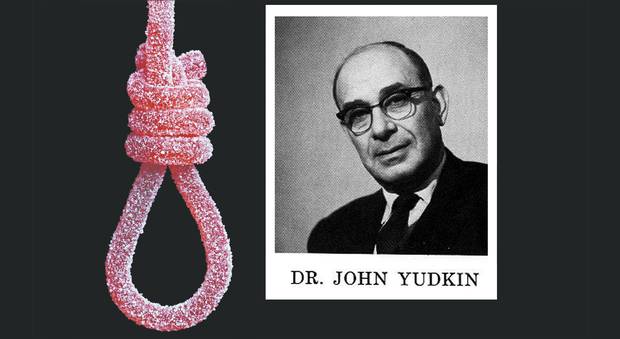
This article from the guardian gives the story of Professor John Yudin, who has eventually been proven to be correct about his research on sugar’s harmful effects.  More recently Dr Robert Lustig has publicised his opinions on the same subject thanks to YouTube. This article goes into considerable depth about the history of the “is it fat or is it sugar that is the main cause of heart disease?”.


http://www.theguardian.com/society/2016/apr/07/the-sugar-conspiracy-robert-lustig-john-yudkin


no-sugar-lustig1000a.jpg

Who is more likely to have poor glycaemic control?

maxresdefault (2)An analysis of the ACCORD trial has shown that African Amercans, insulin users, and patients who have episodes of severe hypoglycaemia are at considerably higher risk of running hba1cs over 8%.

The trial showed that middle aged and elderly patients with an increased cardiovascular risk had a lower total mortality rate if their HbA1c ran between 7 and 8%.  The patients enrolled were all getting free drugs and free medical care so that affordability did not impact on results. The idea was to intensify drug treatment if the patient did not get an A1c below 8% and they saw physicians every 4 months to track their progress. It was fully expected that the more normal the glycaemic results the better the outcomes for the patients would be. To the surprise of much of the medical profession, this turned out not to be the case, and near normal blood sugars have now been recognised as not suitable for everyone.

One of the populations that struggled were African Americans. Do they have more insulin resistance problems? Although drugs and medical care were free, we know that food, exercise, education, rest, and mental health affect diabetes control. How were these factors affected? Was poverty a factor?

Insulin users had poorer control too. Did they receive adequate training on how to precision match their meal to their blood sugar goals? Blood sugar control is much easier to achieve with a low carbohydrate diet, the seven unit rule, and using a specific insulin to cover dietary protein. It will be a lot more difficult, if not impossible for good blood sugars to be reached if a high carb diet is eaten or if fixed insulin regimes are used.

Patients who experience severe hypoglycaemia are usually on insulin, but sometimes can be using sulphonylurea drugs.  A severe hypo can be life threatening and it would not be surprising that great fear about approaching normal blood sugars could result. Thus patients may decide to circumvent the entire process by deliberately running blood sugars high. Of course frequent hypos tend to end up in frequent over indulgence in correcting blood sugars. This can cause the rollercoaster blood sugars which get people feeling quite hopeless.

Further research into why individuals can’t seem to control their blood sugars is a good idea. But if this is done, then surely the ADA should be looking at ways of fixing the problem? Should they not be putting their financial incentives from low fat food manufacturers aside, and recommend dietary and insulin strategies that enable people to have normal blood sugars with little risk of hypoglycaemia?

Based on an article in Diabetes in Control March 19th 2016

Researched and prepared by Devon Brooks, Doctor of Pharmacy Candidate from LECOM College of Pharmacy, reviewed by Dave Joffe, BSPharm, CDE

Drake TC, Hsu FC, Hire D, et al. “Factors associated with failure to achieve a glycated haemoglobin target of <8.0% in the Action to Control Cardiovascular Risk in Diabetes (ACCORD) trial.” Diabetes, Obesity and Metabolism. 18.1 (2016): 92-95. Print.


Dana Carpender’s new low carb recipe books


Insulin Resistance Solution ****

by Dr Rob Thompson and Dana Carpender


c22770de-2675-410a-971a-71eb64fc2c31zoom

This American based book explains the scientific basis of insulin resistance and the relationship between increased sugar and starch consumption and the development of obesity and the different features of metabolic syndrome. It gives information on the benefits of exercise particularly walking. It contains various charts that help you design your own low glycaemic load diet.  It explains how you can eat so that you will feel fuller faster and for longer. The second half of the book has many recipes that range from snacks, soups, main courses of all kinds and desserts. Some of these contain items that are only available in the USA.  This book is aimed for people who are overweight, have a big belly, hypertension, lipid abnormalities or have pre-diabetes. The dietary strategy is at the moderate range of a low carb diet and may contain some sugars and starch. Following the dietary and exercise strategies are doable and will improve the health of anyone on the insulin resistance spectrum.


Diabetes Solution *****

by Dr Eric Westman and Dana Carpender

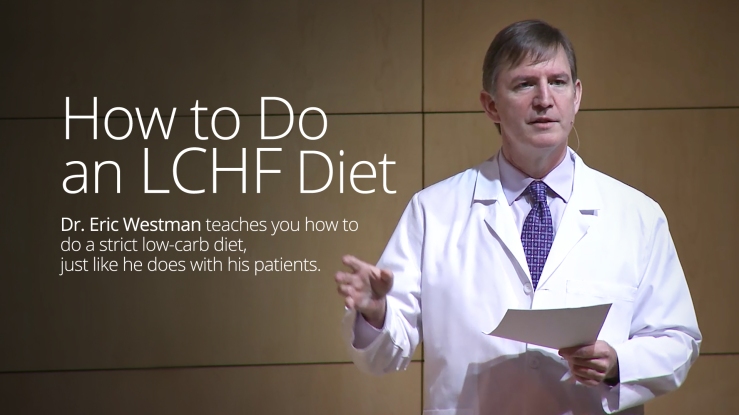
Eric-Westman-SouthAfrica-Presentation-NEW2

This book covers what you will need to know about following a low carb ketogenic diet for maximum control over type two diabetes. The scientific basis is explained by Dr Eric Westman and readers are strongly encouraged to involve their doctor in their plans to follow the diet due to the  marked improvement in blood sugars and blood pressure that you are likely to see with such a strict low carb diet. If you are on medications for diabetes or hypertension these will usually need to be cut back or discontinued because of the rapid reversal in the diabetic state that occurs.  Dana Carpender has provided a good range of classical low carb recipes from simple to more complex and all are a maximum of 5g carb per serving.


I preferred Diabetes Solution because the dietary strategy was more straightforward to follow and I liked the recipes more. It is a good idea to have both books because many people are so carb addicted that they can’t contemplate a world without a starch fix. I think Dr Thompson has given readers as many options as possible but although the flexibility is good it was not that easy to figure out what exactly to eat from the various charts. A fair number of the recipes also included condiments that are not available in the UK.

Our own book, Diabetes Diet,  covers a broader range of material than either of these books. We cover the issues for type ones, type twos and those on the obesity/metabolic syndrome. In addition we have presented the scientific material more directly, included meal plans, detailed information on precision meal to insulin matching and  adjustment of the medications for type twos. We also tackle some of the other health issues including contraception. What these books do have is many more recipes and this can be a big advantage for those who are starting out and needing to cook new types of meals from scratch.


Genteel claim first painless lancet device that takes accurate blood sugars from different sites

Genteel palm pic.pngThe USA company Genteel have developed a new lancet device that is reported to be painless and can be used successfully for blood sampling in a variety of sites.  It is only available in the USA but can be shipped from there.  It does cost $129 plus lancets and postage so it does not come cheap. The manufacturers explained how the new device has a role in diabetes management….

The common belief, presently held by many endocrinologists, is that test blood, drawn from the fingertips, gives a more current and accurate indication of blood glucose than blood drawn from alternate sites, such as the forearm, shoulder and stomach. Unfortunately, for many with diabetes, the fingertip areas are those most laden with pain nerves, causing the lancing process to be the most sensitive and uncomfortable as well as leaving the finger tips bruised, calloused and with reduced tactile sensation.

Fortunately, Genteel researchers have found four new test sites that appear to give the same response time and accuracy as finger tips, now affording the option of relief to these most common testing sites. These two sites are located on the fleshy area of the palms, on a line between where the thumb joins the palm and the center of the wrist (thenar), and fleshy area along a line connecting where the pinky joins the palm to the wrist (hypothenar).

To verify this assertion, the following tests were done at Genteel’s test facility. Test subjects fell into three categories: non-diabetic, pre-diabetic, and under-control diabetic. Tests consisted of simultaneously taking blood samples from alternate sites, such as the forearm, fingertips and from the thenar/hypothenar areas. The tests began at (t=0) after a prolonged period (at least 2 hours, and mostly after arising from a night’s sleep). This was considered the static blood glucose level, or baseline. Before first blood drawn all subjects sat for 15 minutes in a room at a temperature of between 68 and 73°F. At the start time (t=0), each test subject consumed the standard 15-gram load of fast-acting glucose. Thereafter, at 5-minute intervals, blood glucose levels were simultaneously measured in these same three test areas: alternate site, finger tips, and either the thenar or hypthenar areas. After testing at 5-minute intervals for 1 hour, test intervals were increased to 10 minutes, for another hour, or until blood glucose levels returned to at, or near, baseline levels, whichever came first.

Four Charts Using Typical Data, Out of the 24 Subjects Tested
Figure 1.1: Measuring Rate of Change Between Calf/Knee (Alternate Site), Finger Tip, Thenar and Hypothenar Eminence of Palm – #17

Figure 1.2: Measuring Rate of Change Between Calf/Knee (Alternate Site), Finger Tip, Thenar and Hypothenar Eminence of Palm – #31

Figure 1.3: Measuring Rate of Change Between Calf/Knee (Alternate Site), Finger Tip, Thenar and Hypothenar Eminence of Palm – #23

Figure 1.4: Measuring Rate of Change Between Calf/Knee (Alternate Site), Finger Tip, Thenar and Hypothenar Eminence of Palm – #27

Figure 1.5: Measuring Rate of Change Between Calf/Knee (Alternate Site), Finger Tip, Thenar and Hypothenar Eminence of Palm – DG

Conclusion:
Blood glucose levels on the thenar and hypothenar areas of both hands consistency matched those on the finger tips well within meter accuracy. Both areas had matching bell shaped curves reaching approximately (within meter accuracy) the same growth rates and peak levels at the same times. The alternate site not only lagged behind both the thenar and hypothenar areas by about 22 minutes, but only reached about 70% the rise from the static level to peak values.

Genteel’s test lab results indicate that the thenar and hypothenar areas are viable alternatives to finger sticks because they have less pain nerve density. However, blood does not rise easily or readily to the surface in these areas without using specific technology currently present in Genteel’s lancing instrument, and applied over the lancing site. With this technology, comfortable and extremely accurate blood draw is readily available, allowing finger tips to heal and regain sensation.

Contraindications:
All who now wish to test from these new sites should check with their doctor to be certain there are no special metabolic considerations that would preclude you from testing on these new areas.

Literature and laboratory research are continuing on the subject. If you would like to be informed of the latest results, go to support@mygenteel.com, provide your email and add the note, “Palm Research Results.”

Trends in standards of care for pregnant diabetes patients in the UK

4480552240_73c7d07f9c_b

Are care standards for diabetic pregnant patients being achieved?The short answer to the question is NO. The National Diabetes Audit indicates that while the diabetes epidemic continues to grow, medical care continues to fall way short of the standards devised to reduce the burden of complications both on individuals and the economy.

Women who are pregnant tend to get off to a bad start by not being on the right dose of folic acid before they embark on the pregnancy. They are advised to take 5mg of the vitamin a day in order to reduce the chance of their baby developing spina bifida. Of the type one diabetic women 45%  met this standard but only 24% of type two diabetic women did so.

In order to eliminate foetal abnormalities related to hyperglycaemia the HbA1c should be preferably below 6.0 in the first trimester and  yet only 8% of women with type one and 22% of those with type two managed a HbA1c of 6.1% (43 mmol/mol) or less. Pregnancy is advised to be avoided all together if the HbA1c  is over 10% (86) but 12% of type ones and 8% of type two women were over this. The women most adversely affected tended to be living in the greatest areas of deprivation, and also of Asian or Black ethnicity.

Oral glucose lowering drugs apart from metformin are advised for women trying for a baby and insulin should be used if necessary to achieve blood sugar targets. Statins, ACE inhibitors (prils), and ARBS (sartans) should be stopped prior to pregnancy as these can be teratogenic.  But 57% of type two diabetic women were on at least one of these drugs at the onset of pregnancy.

Hypoglycaemia, severe enough to need hospital treatment, was experienced by 9.3% of pregnant women with type one diabetes.

Currently 67% of type one women have a caesarean section compared with 52% of type twos. The rates of stillbirth for offspring are almost 12.8 per 1000 births compared to 4.7 for the general population. Neonatal deaths are 7.6 per 1000 compared to 2.6 for the general population. The rate of congenital abnormalities approximately double that for the general population at 44.2 per 1000 compared to 22.7.  Adverse pregnancy outcomes of all types are related to the HbA1c particularly in the first and third trimesters.

Despite the growth of specialist diabetic-obstetric teams there has been very little improvement in these outcomes over the last ten years. How can we help diabetic women prepare for their pregnancies? Why are so many women and babies not getting the medical care that could help them?

Some basic advice: see your GP well before you plan a pregnancy if you have diabetes and tell them that you are planning for having a baby.

Use effective contraception until your glycaemic goals have been met. For most women this means a Hba1c of 6.5% or under and ideally under 6.0%.

Start folic acid 5mg daily.

Stop statins, ACE inhibitors, ARBs and seek alternative blood pressure control drugs instead, if you have high blood pressure.

Get your weight down to normal if at all possible.

Start a gentle exercise regime if you haven’t already started.

If you have type two diabetes discuss moving onto insulin with your consultant diabetologist.

If you have type two diabetes you will usually continue metformin but stop other drugs on the advice of your consultant diabetologist or GP.


Based on Analysing newly-published diabetes audits: are care standards being achieved? Written by Steve Chaplin B Pharm MSc Medical Correspondent in Practical Diabetes March 2016

Aubergines with Parmesan and Tomato

tomato-soup-482403_960_720

Aubergines with Tomato and Parmesan

  • Servings: 6
  • Difficulty: easy
  • Print

  • 3 large aubergines
  • 250g (9oz) freshly grated parmesan
  • 3 large eggs, beaten
  • Small amount  of flour (if you can get away with it)
  • 15 fresh basil leaves

Sauce

  • 1 clove of garlic, chopped
  • 5 tblsp olive oil
  • 1 x 700g jar passata
  • 4-5 fresh basil leaves
  • salt

Method

  1. Cut aubergine lengthways into 1cm slices and immerse in cold water for 1 min, then drain and pat dry. Season the eggs with salt.
  2. Dust the aubergines with flour then dip in egg. Heat a film of olive oil in a large, non-stick frying pan and fry aubergines in batches until golden on each side, add more oil as necessary. Drain on kitchen paper and set aside. Heat oven to200C/180fan/gas6.
  3. Fry garlic in the olive oil over a low heat for a couple of minutes then add tomato passata and basil leaves. Simmer for 15-20 min then season to taste.
  4. Spread 2-3 tblsp of sauce over the base of a 10” x 8”  baking dish or tin. Cover with a layer of aubergine, more sauce, a few basil leaves and plenty of parmesan. Repeat until the ingredients are used up, finishing with tomato sauce and parmesan. Bake for 20 min until golden and bubbling. Leave to stand for 5 min or so, then serve as a starter or accompaniment.


North Americans veering towards Atkin’s

Atkins2

Credit Suisse have produced a report showing that North American consumers are buying foods rich in saturated and monounsaturated fat and cutting the amount of carbohydrate in their diets.  The point of the exercise is for the financial services company to provide guidance for its clients investing strategies.

Butter sales in 2014 were up 15% in the USA and 9% in the UK. Egg sales rose 2% in that year.

Durum pasta sales have fallen 6% in the USA, 13% in Western Europe and even 25% in Italy.

The report predicted that these trends would continue. ” We believe the winners will be eggs, dairy and meat, and the losers will be carbohydrates and particularly sugar”.

Although Dr Robert C Atkins is no longer with us, I’m sure he would have been pleased with this.


Is there any point in taking calcium supplements to reduce your fracture risk?

Legcast1


Mark J Bolland et al have studied whether increasing dietary and supplemental calcium can prevent fractures or not.

Calcium supplementation has long been standard practice and is usually included in vitamin D formulations for the elderly, those on long term steroids, and those who have established osteoporosis. Diabetics are also at increased risk of osteoporosis.

In this systematic review of randomised controlled trials and cohort studies dietary calcium had no effect on fracture risk at all. Calcium supplementation meanwhile only had a small and inconsistent effect on fracture prevention.

So probably not worth it then?

What could be more useful is supplementation with straight vitamin D3.

Dr Lee Wah Phin and Dr John Holden from North West England checked the vitamin D status of 302 GP patients. They took 75 mmol/l as the cut off point for low vitamin D and found that 90% of the adult population were deficient. This is in keeping with my own findings in GP in the West of Scotland.  They wonder if there should be some way of screening and supplementing  the population.

Based on BMJ 3 October 2015 and RCGP letter October 15.


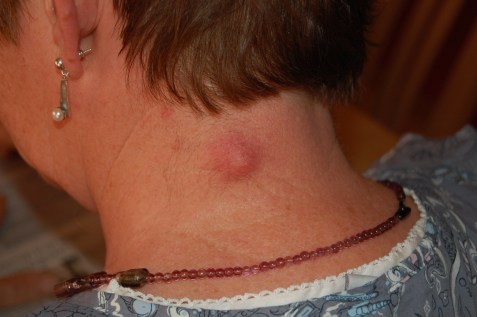
Who gets boils?

A London General Practice has studied all the people who came to see them over the course of a years with boils. As many of you know, diabetics are more commonly afflicted than their non diabetic friends. Is there anything you can do to reduce the chance of getting these blighters?

Well, according to the survey, not that much, if you are already pretty health conscious. Most of the factors associated with boils are not usually under your direct control. Some are, such as smoking, being overweight and having had an antibiotic prescription in the previous six months.

People who got them also tended to be from  socio-economically deprived groups. There were some gender differences but it is not well known whether this was due to true incidence or whether it was due to more tendency to consult a doctor.

Overall women attended more than men especially in younger age groups, but was this due to less tolerance for the boils?  Older men, over the age of 65 also attended more frequently, but was this because their wives made them?

There is a sharp increase in boils in adolescence onwards and then it tends to subside after men are 25 and women are 35, so hormonal factors have something to do with it. The bad news is that boils tend to recur and overall ten percent of those afflicted will be back to the doctor’s at least once in the year after they first attend.

Based on RCGP article by Laura J Shallcross October 2015.

Inflamed_epidermal_inclusion_cyst

Why can’t you get healthy food at a medical meeting?

The photograph of  lovely display of cakes you see here was taken by  a doctor at a medical conference the subject of which was….tackling obesity.

clubhouse-sandwich-13705898818XB

Similarly, the sandwiches and chips you see dished up is all to often the only sort of food you will see at medical seminars.  I recently attended a two day course on the subject of how to speak to patients so that they would be more motivated to change their unhealthy eating and non-existent exercise habits when dealing with their diabetes. The group consisted of psychologists, doctors, nurses and dieticians. The food was sandwiches, cut up vegetables with sugary/fatty dips, cakes and orange squash.  At other meetings there have been lots of pastries, vol au vents, potato salad and sausage rolls. It is rare to find lean meats, plain eggs, salad vegetables and fruit.

Some of this is down to cost. It is much cheaper to serve carby/fatty rubbish. But what sort of example is it to health professionals when they are at seminars to discuss the resolution of unhealthy lifestyles for their patients?

Not being able to eat anything at the lunch served, I went to the hospital staff canteen to see if I could do any better.  Potato and leek soup, battered chicken in sweet and sour sauce, vegetable stroganoff, boiled rice, baked potatoes, steak pie and a salad bar which contained some vegetables, boiled eggs but no lean meat. A deli counter made up sandwiches but the single meat filling was heavily covered in mayonnaise.

The chill cabinet contained lots of sandwiches, sweetened yoghurts and fruit juice.

Crisps, Pringles and Doritos were available. So were cakes, biscuits, scones and jelly.

At least if I was having a hypo I would have been easily able to satisfy my dietary requirements.