Book Review: Are you looking forward to Christmas… or just wanting to survive it?

Rick Phillips, one of our fellow bloggers, has enjoyed reading Lene Anderson’s book Chronic Christmas, which gives some tips for the less enthusiastic among us on how to make the best of Christmas.

happy-christmas

capture_313x480I was so excited to hear about Chronic Christmas Surviving the Holidays with a Chronic  Illness.  It came to me at exactly the right time of year, and I was in the mood for some fun and practical advice about the holiday season.  When this book arrived in the mail, I was excited to see what Lene might share to help me find that contentment and excitement about the holiday season.  As a person with choric conditions, I sometimes have difficulty getting into the season.  Lene’s words helped me discover some reasons I feel out of step with the rest of the world and gave me practical advice about how to overcome some of my barriers.

Lene shares such wonderful tips for slowing down and basking in the goodness of the holiday season.  Her writing style is easy; her essays are well conceived, and the result is a partial guide to managing the Christmas season with a good touch of fun.  She manages to capture the season in short bursts of narrative that can make even the grumpiest old man find his inner goodness.  Here are a few chapters that especially spoke to me.

December 2, Pace Yourself When Eating.

As a person with diabetes, I often feel left out of the annual celebrations because I see others enjoying food while I enjoy the Television.  In this chapter, Lene reinforces the well know notion that the holidays are not about the food.  Rather they are about who is eating the food.  Her chapter gives me permission to enjoy those who are at the gathering instead of the food at the gathering.   I think it is sometimes difficult for people with diabetes to know this and Lene approached the subject in a way that offers constructive tips.  For instance:

“Moderation is key, Instead of five pieces of Candy stick to one (okay, two).” (Andersen, 2016, p. 7).

“Instead of four glasses of eggnog, have one per occasion and drink sparkling water or tea for the rest of the evening. And so on. You won’t feel deprived. And you won’t stand out as that one person who’s nibbling on a lettuce leaf, making the other guests feel bad for scarfing down everything in sight.” (Andersen, 2016, pp. 7-8)

chronic-christmas-back_314x480December 8, Say Hello

Lene reminds us that we need not remain isolated because we have a chronic condition.  She suggests we try an experiment to break out of our shell.  She suggests that on December 8 we leave the book or earphones at home and practice looking up and out at the world.  She suggests we should look at and marvel in the crowds as they pass by.  She reminds me that people watching is both entertaining and a great way to connect to the world at large.  (Andersen, 2016).  This is great advice for the many times we feel isolated or somewhat alone in the world.  After all, connection is what the holiday season is all about.

For the person who cares about the person with a chronic condition Lene suggests that they offer a drive or a trip to a coffee shop to help people get out in the world.  She suggests:

“Chat with each other, but reach out to others as well. The people at the next table, the clerk, a security guard. Slow down, take the time, exchange a few words. You could very well make someone’s day and you might meet someone really interesting” (Andersen, 2016, p. 35).

These are terrific ideas for helping both ourselves and others.  In fact, opening up during the holidays might make everything brighter.  Lene’s advice gives us the reminder that we need not be isolated while others are engaged in the business of the season.

December 21 – Celebrate Disasters

For me, this was the best advice of the book.  When we celebrate disasters, we have a built in mechanism to make sure things go right.   I love how Lene starts this chapter:

“What do you remember from past Christmases — the times everything went according to plan or the moments when imperfection snuck into the celebrations? We work so hard to make the holidays perfect, but that’s not what makes for enduring family legends. You know the type — the ones that get told and retold, with everyone talking over each other, adding details, and laughing together. Those stories always originate in disasters” (Andersen, 2016, p. 93)

I totally agree with her observation.  The real stories of the season are the ones that revolve around disasters.  So I took this chapter as the best advice I received from Lene’s’ book.    This year, I vow to celebrate the many disasters in my life past, present and future. I will take time to celebrate this year: the time the lock was frozen on the storage barn where I stored the Christmas presents or the time the cat climbed/knocked over the Christmas tree because doing so can prolong the celebration of the season.

So how do I feel about Lene’s book?  I loved it.  You can pick it up on Amazon or Barnes and Noble along with some other retailers.   It is a great gift for those who love people with chronic conditions or those of us who live with chronic conditions.  I am glad I treated myself to this book, and I hope you will as well.   Reading it is way too much fun to miss.

References

 Andersen, L. (2016). Chronic Christmas Surviving the Holidays with a Chronic  Illness. Toronto Two North Books


13 Comments

Add a Comment

Cancel reply

Your email address will not be published. Required fields are marked *

Comment:*

Name:*

Website:

Notify me of follow-up comments by email.

Notify me of new posts by email.

– See more at: http://www.radiabetes.com/chronic-christmas/#sthash.gbWtn28A.dpuf

Over 60 with high LDL? : So what?

maxresdefault

If you are over the age of 60 it’s time to stop fretting about your total cholesterol and low density cholesterol levels. Unless perhaps the levels are on the low side. Indeed total mortality rates are at least the same and usually better if your cholesterol levels are high.  Many doctors now believe it is the PATTERN of different lipid levels that is much more important, particularly high triglycerides and low HDL.

This systematic review tells the story:

Lack of an association or an inverse association between low-density-lipoprotein cholesterol and mortality in the elderly: a systematic review — Ravnskov et al. 6 (6) — BMJ Open

BMJ Open 2016;6:e010401 doi:10.1136/bmjopen-2015-010401

Orthopaedic surgeon who wants to reduce amputations silenced by regulatory body

fb_BPhotography_Belinda-Fettke_No-Fructose_Gary-Fettke_LAFM_Fairsies-Fat-Busters.jpg

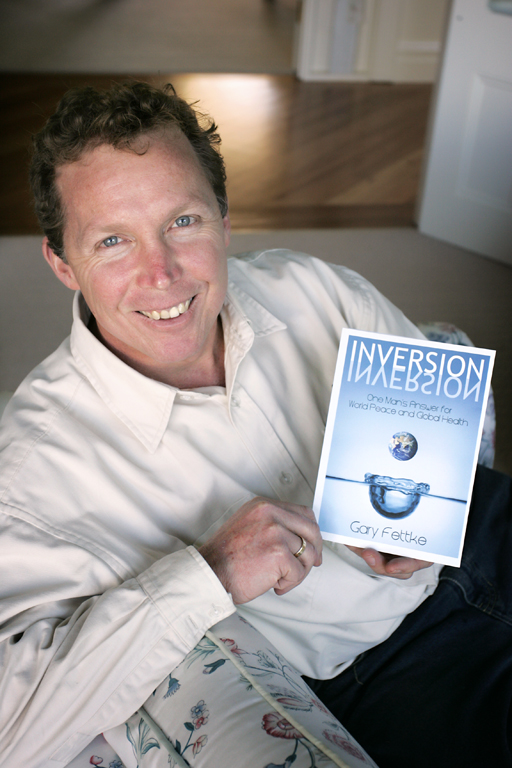
It would be funny if it wasn’t so tragic. Gary Fettke, a Tasmanian orthopaedic surgeon has been banned from talking to patients about the nutritional changes they can make to prevent amputations.

His wife, a nurse, tells his story here:


http://www.nofructose.com/gary-fettke/


Gary’s presentation on you tube is here:


Exercise Versus Activity: Walk About A Bit and Then Go Home

diabetes dietExercise. What does it mean? An interesting article in the Daily Telegraph* recently highlighted what exercise isn’t or what it shouldn’t be.

A London gym – I won’t name them because I don’t want to give them the publicity – recently issued a press release, where they boasted of a class so extreme that they had defibrillators on hand.

Exercise is vital for type 2 diabetics – and type 1s too, though there is less research on exercise and type 1s, as there are fewer of us. The health benefits of exercise for type 2s include:

  • It helps your body use insulin more effectively, which will give you better control over your diabetes
  • It burns extra body fat
  • It strengthens your muscles and bones
  • It improves your blood flow
  • It lowers your blood pressure, cuts LDL cholesterol levels and raises HDL cholesterol
  • It boosts your energy and mood, and it de-stresses you.**

Exercise: The Definition

But what is exercise? Is it the kind of class where they need defibrillators on hand because it’s so hard? As the exercise expert in the Telegraph pointed out, don’t bother paying for that class. Just do 500 burpees in a row as fast as you can.

For all the people who post that irritating, “go hard, or go home” meme, nine out of ten of their readers will think, “I’m off home”. Not, “Yeah! I’m gonna exercise till I puke”. Who wants to do that and more importantly, who can keep doing that?

Think in terms of activity instead. Instead of “go hard, or go home”, try “walk about a bit and then go home”.

Low levels of activity performed regularly throughout the day count. What sounds more do-able to you? Getting changed into your gym gear, walking or driving to said gym and doing an insanity class you pay for featuring lots of burpees and lunge jumps, or going for a 15 minutes’ walk two or three times a day?

Body Weight Exercises

Other activity ideas include housework, standing instead of sitting in front of a computer, walking up and down your stairs frequently and doing short bouts of body weight exercises while watching TV.

There is a place for hard exercise. If you’re an athlete, you need hard exercise so you can compete. The rest of us? Not so much. The occasional high-intensity interval exercise session can be practised once or twice a week (the 4-minute Tabatha method, for example) if you like. Insanity classes are not HIIT. They are just hard, exhausting, stressful exercise sessions that people use to punish themselves.

As you might have guessed from the angle of this post, I love walking. I do about two hours a day, split between walks to the shop/library/train station and then all the steps I perform in general. I used an online tracker for a while to count it up and then stopped once I knew what I needed to complete 10,000 steps a day. (And it’s not as much as two hours, more like one hour 15 minutes.) I am fitter, happier and healthier than I’ve ever been in my exercising life.

If you can increase the amount of time you are walking, stretching and lifting so that you minimise the amount of time you are sitting, you provide your body with the benefits it needs. For further reading and information, I recommend you check out the work of Katy Bowman, who promotes movement and activity over exercise, and suggests various ways you can add activity to your daily life.


*I can’t find the original article unfortunately.

**So long as you don’t do insanity classes!

How does mental distress show physically?


8558187594_65216d9621_bAlmost every patient with stress related mental health problems reports at least one somatic symptom and 45 per cent report six symptoms or more, according to a Swedish study of 228 patients suffering from what is termed as exhaustion disorder.

Here is the chart run down of the most common symptoms:

Almost all: Tiredness and low energy

67% Nausea, gas and indigestion

65% Headaches

57% Dizziness

Men and women reported the same number of symptoms.

Chest pain and sexual problems and pain during sex were more reported in men.

Pain in the arms, legs, joints, knees, hips reported more in the over 40s.

The more severe the mental health problem the higher the number of somatic symptoms.

From Human Givens Volume 21 No 1 2014


(BMC Psychiatry, 2014, 14, 118)

Although the causes of fibromyalgia are insufficiently understood at present and there is dubiety over whether the condition is due to stress or physical factors I have reproduced a chart which does show many psychosomatic symptoms in its presentation.


Symptoms_of_fibromyalgia.png


Health anxiety for diabetics is as bad as for neurological patients


girl_suffering_from_anxiety

A quarter of Canadian diabetics, with either type one or two diabetes suffer from a tendency to worry about their health and thus misinterpret bodily sensations as more serious and threatening than they actually are.

Neurological patients have the same degree of anxiety, judged the highest for all patient groups.

Health anxiety was worse in younger patients, females, those recently diagnosed and those who were unmarried.

They had anxiety, a fear of diabetes complications, poorer adherence to dietary and self care activities and a lower physical quality of life.

The researches add, “The cognitive behavioural theory of health anxiety suggests than health anxiety increases when patients feel more vulnerable, perceive the medical condition to be more distressing, feel they are unable to cope with the medical condition, and believe that resources for coping with the medical condition are inadequate.”

From Human Givens Volume 21. No 1 2014

(Janzen Claude JA Hadjistavropoulos, HD and Friesen, L (2014) Exploration of health anxiety among individuals with diabetes: prevalence and implications, Journal of Health Psychology, 19,2 312-22)

A meaningful life will help you live longer and be happier

Having  a sense of purpose in life helps us live longer, and the earlier we discover it, the sooner the protective effects occur. meaning-in-life

Researchers looked at data from over 6,000 participants, focusing on their self reported purpose in life. Over the 14 year follow up period 569 people died and all of those who died had reported less purpose in life and fewer positive relationships with others than did survivors.

Greater purpose in life consistently predicted lower mortality risk right across the lifespan, even when taking into account other markers for psychological and emotional well being.

(Reported in Human Givens Magazine Volume 21, No 1 2014 from a report in  Psychological Science, 2014, doi:10.1177/09567976145311799)

Eric Barker blogs weekly about what will improve your health, happiness and productivity.  Click on this blog post for further information on the same topic:

http://www.bakadesuyo.com/2016/10/meaning-in-life-2/?utm_source=%22Barking+Up+The+Wrong+Tree%22+Weekly+Newsletter&utm_campaign=8491fcb5d5-meaning_10_9_2016&utm_medium=email&utm_term=0_78d4c08a64-8491fcb5d5-57758173

Dr Sheri Colberg: Why insulin does not always work predictably


Migraine.jpgHead Scratching Days with Insulin Action Changes


From Diabetes in Control
August 6th, 2016

by Dr. Sheri Colberg, Ph.D., FACSM
The topic of insulin action (resistance and sensitivity) has come up multiple times over the years in my articles, but it is admittedly much more complex than I often make it out to be.

In a DIC article last summer, you can find a short list of all the factors that can potentially improve insulin action (basically insulin sensitivity). In reality, though, sometimes it is impossible to know exactly what is causing your reduced insulin action from day to day and how to easily and consistently manage it.
Recently, I spent the majority of two days traveling in a car and not exercising, and I reached the point where I could barely eat anything without my blood glucose rising over 200 mg/dl, even when giving twice or three times my usual insulin dose for the same food.

Just sitting in a car and not exercising resulted in full muscle glycogen stores, with no room to store more carbohydrate—hence the resulting muscular insulin resistance.

Although I have an extensive working knowledge of nutrition, exercise, and diabetes overall, even I was frustrated by dealing with my lack of immediate control, even though I knew that physical inactivity was the cause. It was hard to anticipate how large of an impact it would have and how much insulin it would take to overcome it.
Based on my personal experience, I want to take some of the burden of always being on top of blood glucose levels off of people with diabetes (PWD). You have to realize that sometimes you can do everything right and your insulin action can still less (or more) than expected. It’s not necessarily your fault, nor can you always anticipate how to best combat it.
Here is my short list of factors from my personal experience that can make people insulin resistant one day and insulin sensitive the next—and not always as you would expect. I call those the “head scratching days,” but sometimes it’s more like hair pulling!
If you’ve had a prior hypoglycemic event
Going too low and staying there for a while (such as during sleep) may increase insulin resistance more than just having a simple hypo event and treating it quickly. Morning insulin resistance is the most variable anyway (higher levels of cortisol then). It is admittedly my most frustrating time of day since often the same exact breakfast and starting blood glucose level will result in a different rise in blood glucose levels. Sometimes an overnight low explains it, but sometimes it doesn’t.
If your blood glucose has been running high
Hyperglycemia begets more hyperglycemia because it causes insulin resistance. That is why sometimes it takes way more insulin than you would expect just to get back to a normal level, and it may take hours. Try not to overdose on insulin in the meantime (especially at your bedtime) or you’ll end up low and back on the blood glucose rollercoaster.
If you’ve drastically changed your normal exercise patterns
Heightened insulin action due to your last workout is fleeting, and sitting in a car for two days is a dramatic change for me, particularly since my basal and other insulin doses are set for being active, not for being inactive. Even a week of detraining (due to injury, vacation, sickness, or other life event) can cause insulin resistance to rise rapidly in everyone, not just in people with diabetes. If you start working out more overall or just more regularly, your overall insulin needs (including basal) may also decrease. Just try to be as consistent as possible to make it easier for yourself to manage.
If you ate more calories, fat, or protein than you realized
Eating out at restaurants is really hard for me because no matter what I order, it seems like it takes two to three times my usual insulin doses to cover it. It is likely because protein and fat kick in and affect blood glucose levels later on (3-6 hours after a meal) and restaurant meals have more calories in them than most home-cooked meals. Fat, sugar, and salt keep people coming back to the restaurant for more! You can strategically use protein and fat intake overnight or after exercise to help prevent later-onset lows, though.
If you’re stressed, mentally or physically
It is truly amazing how much of an impact that stress has on blood glucose levels. Just try going to court (if you’re not an attorney) and keep your blood glucose in check while your adrenaline is pumping. Your cortisol levels also go up and raise blood glucose. So, just being stressed out during the day, or being exhausted or sick (physical stress), can cause insulin resistance. Try to take deep breaths and get some exercise during the day to combat both the stress and the resulting insulin resistance. Getting sick and running a fever or having an infection can also drive your blood glucose and insulin needs up.
If you’re lacking on sleep
Not getting enough sleep is physically (and often mentally) stressful. I knew an oceanography professor who had to harvest samples at sea, sometimes for days at a time, on no sleep.  The longer he went without sleeping, the higher his insulin resistance became. Lack of sleep may be causing some of your unexplained highs since more cortisol (a stress hormone) is released when you are sleep-deprived.
If you’ve had some alcohol to drink
Alcohol interferes with the normal function of the liver in making and releasing glucose. While it can lead to hypos, it can also be used strategically to relieve insulin resistance or to keep it in check—and luckily it does not take much alcohol to have an effect. An older guy called me on a diabetes hotline I was manning for a TV station once and explained that he usually had two shots of whiskey at night and woke up with good blood glucose levels, but that if he ever had to skip the whiskey, he would wake up too high.  He wanted to know what he should do.  I said, “Keep drinking the whiskey!” No more than one drink daily for women or two for men is recommended, though, so do not overdo it or you raise your risk of other health problems.
If it’s a certain time of the month (women only)
You may have everything else accounted for and your blood glucose levels are still skyrocketing for apparently no reason—except that you’re either ovulating (and releasing extra hormones that promote insulin resistance) or in the few days or week leading up to your period when insulin resistance is highest.  This has been a bigger issue for me later in life since my cycles seem to be more extreme, although I do not know if this is the case for all women. I helped a diabetes educator recently figure out that she was actually pregnant when she simply could not figure out why her blood glucose levels were so whacked out; it can be as simple an explanation as that (and hopefully a desired one, if you are pregnant).
Regardless of what is causing your (unexplained) insulin resistance, just try to control your blood glucose levels the best you can and lose the guilt over not knowing exactly why it is high and not being totally in control of your blood glucose levels 24/7. Even the most knowledgeable of us have our head scratching and/or hair pulling days trying to figure it out!

In addition to my educational web site, Diabetes Motion (www.diabetesmotion.com), I also recently founded an academy for fitness and other professionals seeking continuing education enabling them to effectively work with people with diabetes and exercise: Diabetes Motion Academy, accessible at http://www.dmacademy.com. Please visit those sites and my personal one (www.shericolberg.com) for more useful information about being active with diabetes.

Jovina cooks Italian: Swordfish Messina Style

swordfish messina.pngPesce Spada alla Messinese (Swordfish Messina style)

Ingredients (serves 4)

1 lb (600 gr) swordfish cut into palm-sized pieces slices
2 cloves of garlic, chopped
2 spring onions, chopped
20 capers (if salted, rinse well first)
10 black olives, chopped
4 anchovy fillets
1 cup white wine
2 cups tomato passata (sauce)
15 oz can chopped tomatoes
Extra virgin olive oil
Salt and pepper
A pinch of crushed dried chili pepper
Parsley, chopped

Directions

Brush the swordfish slices with olive oil and set aside.

In a skillet heat enough olive oil to cover the bottom of the pan. Add the spring onions, garlic, capers, olives, chili pepper and anchovy fillets and cook until the anchovies melt into the oil and the onion is soft.

Put the slices of swordfish in the skillet and add the white wine. Burn off the alcohol and then add the tomatoes. Mix well, cover and cook for 30 minutes on very low heat.

When ready to serve, sprinkle with parsley.

PUBLIC HEALTH COLLABORATION: WHAT TO LOOK OUT FOR WHEN STARTING A LOW CARBOHYDRATE DIET

PHC-Space-Top


FOR EVERYONE

As you start a low carbohydrate diet your kidneys get better at excreting salt thus you will usually find that you lose a lot of water from the tissues of the body.  This can make you instantly slimmer, particularly around the legs, but also can give some cramps in the muscles when you exert yourself.  Be aware of this and add extra salt to your food, and drink plenty of water.  When you are on a low carbohydrate natural foods diet you will be consuming considerably less sodium chloride, which is present in many processed foods including sweet ones.  Bread for instance has a lot of added salt that most people are completely unaware of, therefore feel free to be liberal with the salt cellar.


BLOOD PRESSURE

Blood pressure comes down, partly due to less water retention, but also due to lowered natural insulin levels in the body.  As the weight comes down as well, blood pressure tends to drop.  For most people who are not on any antihypertensive drugs they may feel slightly lightheaded from time-to-time.  This can be abolished by adding more salt to the diet.

For people who are on medication to reduce their blood pressure they should have their blood pressure measured by their general practitioner and cut back on medication on embarking on a low carbohydrate diet if their blood pressure is under 140/90.  After a few weeks on a low carbohydrate diet they will be adjusted to a lower level of blood pressure.  Thereafter blood pressure only requires to be checked on several occasions with each extra half stone of fat loss.

It is helpful to buy your own blood pressure monitor as measurements done when you are relaxed at home tend to be more accurate than those undertaken in a surgery.

As many blood pressure medications have more than one use, and different effects on the body, it is worth discussing with your general practitioner which ones would be better to cut out altogether or which ones could be reduced in dose.  This is because certain drugs such as ACE inhibitors and sartans have an extra protective effect on the kidney and this can be important for diabetic patients. They also help improve heart function in cardiac failure.

Beta-blockers are sometimes given to people with atrial fibrillation, or who have had a heart attack, or who suffer from angina, and continuing these may be a priority for some individuals.

BLOOD SUGAR REDUCTIONS

Blood sugar reductions happen rapidly with a low carbohydrate diet.  This is mainly due to the lack of sugar and starch being turned into blood glucose.  This has several effects.

The most pronounced and rapid effect could be on the eyesight.  The lens of the eye adjusts to a particular blood sugar and if the level goes suddenly up, or suddenly down, your vision can become blurry, particularly for reading print.  It is worthwhile avoiding getting new spectacles for about 6 months to give time for the lens of your eye to adjust otherwise you can end up having to get another pair of spectacles at a very short interval and this can be rather expensive.


INSULIN and ORAL HYPOGLYCAEMIC DRUG USERS NEED TO TAKE EXTRA PRECAUTIONS

Type 1 diabetics will have been using insulin from the time of diagnosis.  Increasing numbers of Type 2 patients are going on insulin as their pancreas needs more support as time goes on.  A rapid change in pattern of sugar and starch intake can give dangerously low levels of blood sugar unless the insulin dose is proportionately reduced from the outset of the diet.  The amount of reduction will depend on how high your blood sugars run normally, and how strict your low carbohydrate diet is.

For many people who are taking insulin, or sulphonylurea drugs which also have a marked blood sugar reduction effect, starting on a moderately low carb diet of 100g or so a day may cushion the effect somewhat.

Most diabetics will need to cut their insulin quite dramatically, particularly if they go on less than 50g of carbohydrate a day.  It is normal to have to cut insulin by a half or even two thirds in some individuals.

A close eye on blood sugar monitoring needs to be done and we would recommend that, for particularly people who are operating machinery or driving, they start a low carbohydrate diet over a period of holiday when there are other people around who can assist them should they have low blood sugars, and also people to undertake driving on their behalf.


Your own general practitioner or hospital endocrinologist is the best person with whom to discuss your planned reduction in insulin or sulphonylurea medications.

Many patients on sulphonylureas are able to stop these drugs completely prior to starting a low carbohydrate diet and thus remove the risk of low blood sugars completely.  People who use insulin however are not able to do this and must have a degree of background insulin to prevent them developing dangerously high blood sugars and ketoacidosis.

  The normal blood sugar ranges between 4 and 7 at most times.  Drivers must not drive unless their blood sugar is at least 5, and they should re-check their blood sugar after every 1-2 hours of driving.  To treat a hypo use 15-20g of glucose and do not drive till blood sugars are completely normal and you have fully recovered.

Setting an alarm to check blood sugars in the middle of the night, and taking blood sugars at 2½ hourly intervals through the day is advised in the first few days for insulin users.

The normal correction dose is one unit of rapid acting insulin for every 2.5 units of blood sugar elevation. This can be helpful to know if you have cut down your insulin doses a bit too much.

Aiming for blood sugars between 6 and 8 mmol can be a safe strategy in the first 2 weeks after starting a low carbohydrate diet.  Thereafter the blood sugars can be tightened up when insulin requirements are more predictable.  To prevent blood sugars going up and down unpredictably it is best to stick to 3 main meals a day and avoid snacking.

EDUCATIONAL COURSES

For insulin users and people on sulphonylureas it is best to fully understand the implications of a low carbohydrate diet and know how to control your blood sugars and insulin as well as having a good grasp of carb counting prior to undertaking a low carbohydrate diet.  There are many educational resources on the web to do this.  Some of these resources are Dr Bernstein’s Diabetes University on you tube, diabetes.co.uk website and Low Carbohydrate Course which is web based, and diabetesdietblog.com which has two written courses.

LONG TERM

Although it can be daunting to think about the initial difficulties that can occur with a low carbohydrate diet, the long term benefits of improved blood sugars, weight, blood pressure and lipids make the outlook for pre-diabetics, the overweight and people suffering from diabetes much brighter indeed.  It is worth educating yourself about your condition and how to effectively use a low carbohydrate diet to change your health destiny.  The extra planning that you need to do for meals, more frequent shopping for fresh ingredients and often increased expense are worth the long term health benefits.

ALCOHOL

Alcohol can be a pleasant part of life.  Many alcoholic drinks are high in sugar, such as beer and sweet wines, and also cocktails.  These need to be eliminated for success in a low carbohydrate diet.  Spirits such as whisky, gin and vodka have less impact on the blood sugar, and dry red and white wines are also suitable.

For insulin users, and particularly Type 1 insulin users however, alcohol can tip them into unexpected hypoglycaemia if they are consuming more than 1-2 units of alcohol without a corresponding increase in dietary carbohydrate.  This is because alcohol limits the ability of the liver to manufacture glucose, and also blood sugars tend to run much more towards the normal range, around 4.6, when diabetes undergoes an apparent reversal on a low carbohydrate diet.

EXERCISE

Exercise is a very beneficial and pleasant adjunct to a low carbohydrate diet for increased mood and health.  For insulin users and those on medication such as sulphonylureas, adding exercise into the regime early on in the stages of a low carbohydrate diet add an increasing layer of complexity to blood sugar management.  We therefore recommend that unaccustomed exercise is avoided for the first 2 weeks until blood sugar stability is achieved.


Dr Katharine Morrison