Rick: What Mary Tyler Moore meant to my mother

mary_tyler_moore_dick_van_dyke_1964

For me, Mary Tyler Moore represented what it meant to be both successful and a person with Type 1 diabetes.   My parents and I watched her program each week and I can recall my mother saying she has type 1 diabetes like I do.  Meaning like my mom did.  Her apparent health gave me hope and by extension the belief that my mom might be OK.  I can recall when I was diagnosed with diabetes that my mom said, you can do anything and Mom used Mary Tyler Moore as an example of a successful person with diabetes.

American feminism defined

Mary Tyler Moore represented American feminism in the 1970’s as America’s most successful middle aged working woman on TV who was not married.  The Mary Tyler Moore Show was about adults facing adult issues, in an adult and humorous way.  We often forget that the Mary Tyler Moore Show was about women making it in the world without a man to guide them and doing so successfully.  It was as much a revelation in sitcoms as was All in the Family, That Girl or the Jefferson’s to name a few.

Mary Tyler Moore was diagnosed with diabetes at age 33 and she embraced being a person with type 1 diabetes during her career.  For me, when I was diagnosed in 1974 I learned something about how to say I have diabetes from Mary Tyler Moore.  I can say that when I saw such a successful person with type 1 diabetes I related to her career and causes.

In later years I followed Mary Tyler Moore’s struggle with retinopathy and I always marveled at what a remarkable figure she was both for the diabetes community and as a woman who never let diabetes get in her way as an actress or human being.

More than diabetes

But she was about more than just diabetes.  She embraced animal rights organizations and commented that she wished to be remembered as an animal rights activist.  Most of us are content to be remembered for one thing, let alone two major causes.

Most of my readers know that my mother was very ill with complications from type 1 diabetes beginning in the 1960’s until 1986 when she passed at age 46.  When I was 13 and heard Mary Tyler Moore had diabetes it gave me hope that my mother might be ok, hope for my mother’s health was in short supply then.  When I heard that Mary Tyler Moore had retinopathy and was using laser treatments like my mother she gave me a belief that my mother might one day see again.    When my mother died, Mary Tyler Moore’s advocacy for diabetes causes gave me an example of what I, as a person with type 1 diabetes, should do for my community.    When Mary Tyler Moore died last week I cried and said thank you for her 50+ years of service to my community.

I know we have lost a friend of our community, but like many of us who loved her advocacy I feel like I have lost a friend of the family.

Rick Phillips.

Jovina Cooks Italian: Sage meatballs with Marsala wine sauce

real-sage-115351_640 From Cooking The Italian Provinces – Trapani | jovinacooksitalian

Sage Meatballs with Marsala Wine Sauce

4 servings

Ingredients

  • 1 pound ground beef
  • 2 tablespoons freshly grated Parmigiano-Reggiano cheese
  • 1/4 cup soft unsalted butter, divided
  • 1 1/2 tablespoons fresh sage leaves (about 20 leaves), very finely chopped
  • Salt to taste
  • All-purpose flour for dredging
  • 1/4 cup sweet Marsala wine

Directions

In a large bowl, combine the meat, Parmigiano, half the butter, the sage and salt until they are very well blended, using your hands. Form small meatballs about 1 1/2 inches in diameter using cold wet hands to keep the meat from sticking. Roll the meatballs in the flour and set aside.

In a large skillet, melt the remaining butter over medium heat, then cook the meatballs until brown, 7 to 8 minutes. Shake the skillet often so they don’t stick.

Remove the excess fat from the skillet with a spoon and discard. Once the meatballs are brown, pour in the Marsala wine and continue cooking until it is almost evaporated, about 2 minutes. Serve immediately.

Continuous glucose monitors may need human back up

F1296B52-44A8-4112-B60D-DBE7C65A3109


This story from Diabetes in Control Disasters Averted series describes why it is a good idea to check a finger prick sample of blood if there is a discrepancy between your recorded results and how you feel.

CGM? Still Perform the Fingerstick!

<!– Old ad tag

EHS_AD(“t”, “l”, “300×250”);

–>

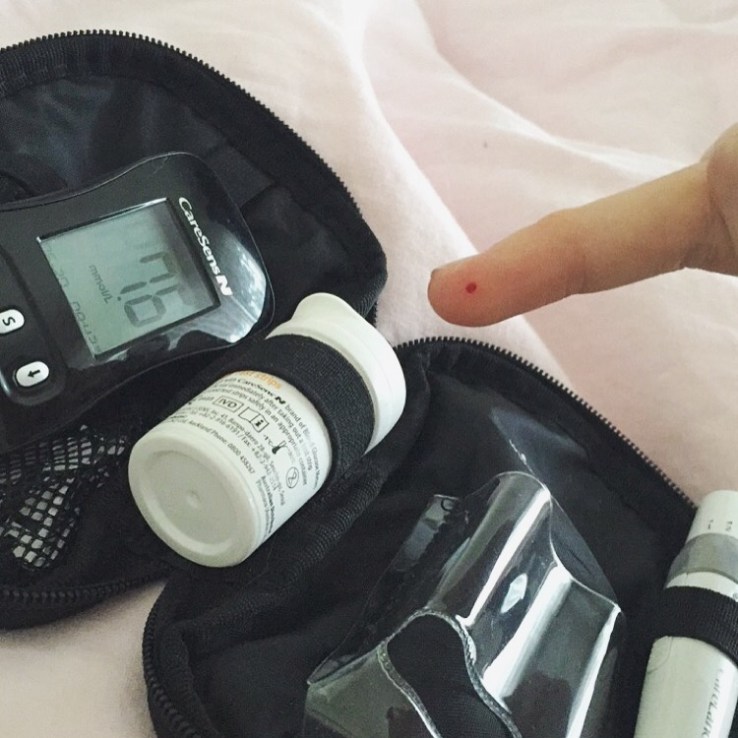
College student, type 1 diabetes, wears a pump and CGM. She has good family support. Several of her family members get her CGM readings on their phone. She received a call from her mother about 2:45 am waking her up. She told her to treat her low blood glucose, which patient reported to be 41. (UK 2.2)

Patient states her alarm had gone off, but she did not hear it. She performed a fingerstick because she didn’t feel like she was low. It was 149. (UK  8.2) (See report.) The CGM recalibrated. She did not treat because she did not need to.

DCMS310


She was always taught to check a fingerstick before treating. She was glad she was taught that. Had she not checked she may have had to deal with a high glucose level later.

Lessons Learned:

  • Technology helps, but it needs human input.
  • CGM’s accuracy may have proved to be accurate enough to treat from, but experience tells us each person responds differently, and accuracy can vary from person to person.
  • If symptoms don’t match readings, perform a fingerstick.
  • My recommendation is to continue to perform a fingerstick before treating, even though some say one does not have to.

Double diabetes: watch out for ketoacidosis with some drug combinations

download-1

The use of adjuvant drugs for obese, insulin resistant type ones is increasing. What can you expect from therapy with some of the newer add on drugs? This article in Diabetes in Control tells you.

Type I Diabetes Mellitus: A Triple Therapy Approach

Diabetes management strategies have evolved since the discovery of newer oral agents that provide glycemic control through various pathways. Type 1 diabetes mellitus treatment has changed from traditional insulin regimens to incorporating other agents for improving glycemic control.

Maintaining adequate glycemic control and preventing end-organ damage is of utmost importance when managing diabetes. Uncontrolled blood glucose levels can lead to retinopathy, neuropathy, and nephropathy, which affects overall quality of life in our patients.

Due to these effects and the increased rate of uncontrolled A1c levels in patients with type 1 diabetes, various researchers have devised various treatment approaches for these patients. Recent research efforts have looked into the benefits of SGLT-2 inhibitors and their effect on cardiovascular events and mortality.

Matteo Monami et al., have looked into the benefits of these agents in patients with type 2 diabetes in the EMPAREG OUTCOME study. The findings from this research study highlight the benefit from SGLT-2 inhibitor use.  Their use in T2DM was found to reduce the risk of all-cause mortality, cardiovascular mortality, and myocardial infarction, but there was no increase in the risk of stroke. These findings can also provide similar benefits in type 1 diabetes patients; however, more studies are needed to provide stronger evidence.

Previous studies with other SGLT-2 inhibitors (i.e. canagliflozin) showed an increased incidence of diabetic ketoacidosis (DKA) in T1D patients. The incidence of DKA is thought to be associated with an increase in glucagon and free fatty acids that induces insulin resistance, which can also predispose to renal complications.

Conversely, a recent study showed improvements in renal functions in patients taking dapagliflozin through reductions in ischemia and hypoperfusion. These findings are not seen in patients taking liraglutide due to suppression of ketogenesis.

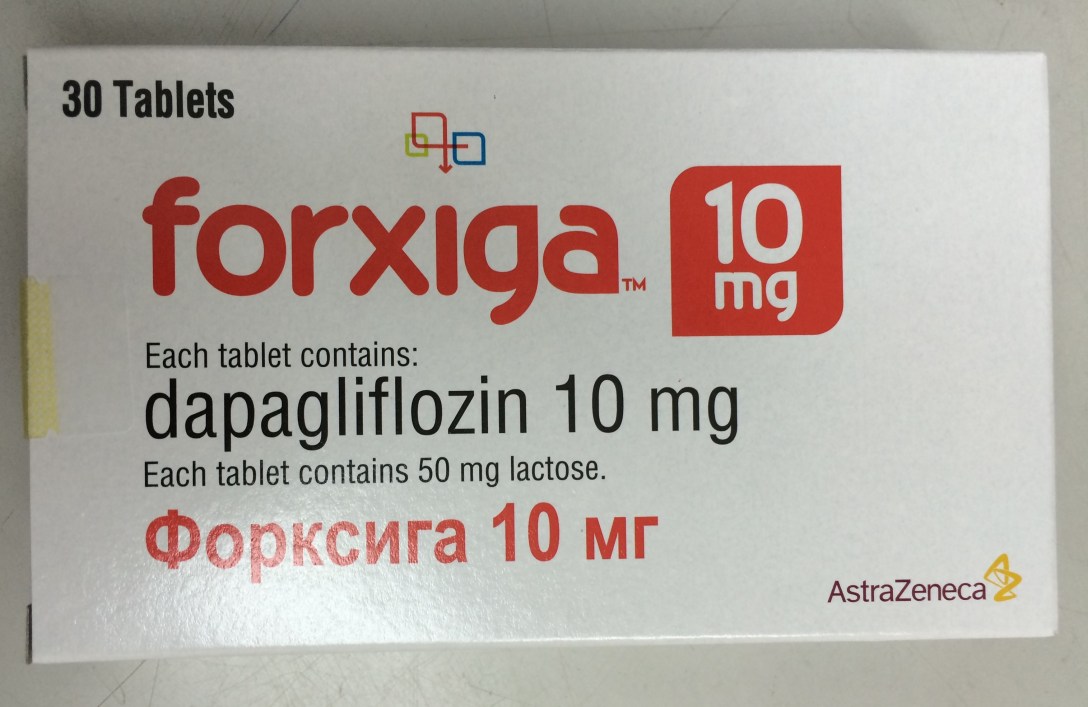
Recently, Nitesh Kuhadiya and colleagues expanded on the use of SGLT-2 inhibitors in type 1 diabetes patients. In this randomized clinical trial, researchers looked at the reduction in glycemia and body weight when adding dapagliflozin to an insulin and liraglutide regimen. Researchers hypothesized that the addition of dapagliflozin to an insulin and liraglutide regimen would provide improvements in glycemia without leading to increased concentrations of glucagon and other ketosis mediators.

Eligible patients were enrolled based on the following characteristics: 18-75 years of age with type 1 diabetes, fasting C-peptide of <0.1nmol/L, on any insulin regimen for more than 12 months with or without history of DKA. All patients had an A1c of <9.2% and were knowledgeable on carbohydrate counting. Additionally, patients needed to be on liraglutide therapy for at least 6 months prior to the start of the trial. 30 patients were assigned in a 2:1 ratio to receive either dapagliflozin 10 mg or placebo for 12 weeks. Consistency of carbohydrate content was documented by a dietitian.

The primary end-point of the study was a change in mean A1c after 12 weeks of dapagliflozin. Each patient’s body weight, systolic blood pressure, carbohydrate intake, and ketosis mediators were measured throughout the study as secondary endpoints. 26 patients completed the study, out of which only 17 were part of the intervention group. Those in the intervention group received dapagliflozin 5 mg daily for one week followed by 10 mg daily for 11 weeks. All insulin doses were targeted to 3.8-8.8 mmol/L.

At the end of the study it was found that triple therapy with liraglutide, insulin, and dapagliflozin decreased A1c by 0.66% when compared to placebo (~0.1%) (p <0.01 vs placebo). No severe hypoglycemic episodes were reported even when weekly glucose concentrations fell by 0.83 + 0.33 mmol/L in patients receiving triple therapy; no significant changes observed in the placebo group (P< 0.05 vs baseline; P=0.07 vs placebo).

When looking at the effects of this regimen and body weight, it was observed that body weight fell by 1.9 + 0.54 kg in the triple therapy group (P<0.05 vs placebo). Furthermore, there was a significant increase in ketosis mediators. It was also seen that total cholesterol and LDL-C level increased by 6% and 8%, respectively. Blood pressure readings remained unchanged in both groups.

In conclusion, a significant decrease in A1c and weight can be obtained by incorporating dapagliflozin for type 1 into an insulin and liraglutide regimen. However, special consideration should be taken when utilizing this approach due to an increase in ketosis mediators that can predispose patients to develop DKA.

Practice Pearls:

  • Triple therapy with dapagliflozin, insulin, and liraglutide reduces blood glucose levels without increasing the risk of hypoglycemia.
  • Weight reduction and A1c reduction can be obtained in type 1 diabetes patients while providing cardiovascular and renal protection properties, however closer monitoring is warranted due to increases in cholesterol and LDL-C.
  • Frequent monitoring should be implemented when utilizing this triple therapy approach due to an increase in glucagon, free fatty acids, and other mediators of ketosis predisposing to DKA.

Researched and prepared by Pablo A. Marrero-Núñez – USF College of Pharmacy Student Delegate – Doctor of Pharmacy Candidate 2017, reviewed by Dave Joffe, BSPharm, CDE

References:

Chang, Yoon-Kyung, Hyunsu Choi, Jin Young Jeong, Ki-Ryang Na, Kang Wook Lee, Beom Jin Lim, and Dae Eun Choi. “Dapagliflozin, SGLT2 Inhibitor, Attenuates Renal Ischemia-Reperfusion Injury.” PLOS ONE PLoS ONE 11.7 (2016). Web

Kuhadiya, Nitesh D., Husam Ghanim, Aditya Mehta, Manisha Garg, Salman Khan, Jeanne Hejna, Barrett Torre, Antoine Makdissi, Ajay Chaudhuri, Manav Batra, and Paresh Dandona. “Dapagliflozin as Additional Treatment to Liraglutide and Insulin in Patients With Type 1 Diabetes.” The Journal of Clinical Endocrinology & Metabolism (2016). Web.

Monami, Matteo, Ilaria Dicembrini, and Edoardo Mannucci. “Effects of SGLT-2 Inhibitors on Mortality and Cardiovascular Events: A Comprehensive Meta-analysis of Randomized Controlled Trials.” Acta Diabetol Acta Diabetologica (2016). Web.

Jovina Cooks Italian: Pork tenderloin in mushroom wine sauce

pork tenderloin.JPG

Fall Dinner

by Jovina Coughlin

This dinner serves four but can easily be doubled for a company dinner.

Pork Tenderloin in Mushroom Wine Sauce

Pork

·         1 pork tenderloin (about 1 lb)

·         1 cup fresh mushrooms, sliced

·         ¼ cup porcini dried mushrooms

·         ¾ cup boiling water

·         1 medium onion, chopped

·         1 garlic clove, minced

·         2 tablespoons olive oil

·         1 tablespoon fresh oregano leaves

·         1 tablespoon fresh thyme leaves

·         Salt and pepper to taste

Wine Sauce

·         1 cup dry red wine

·         Porcini broth

·         1 tablespoon butter

Directions

Preheat oven to 400 F degrees.

Combine the porcini and boiling water in a small mixing bowl. Set aside.

Heat 1 tablespoon of the olive oil in a large oven proof skillet. Add the chopped onion and saute until the onion is soft.

Add the garlic and fresh mushrooms and continue cooking for another 3 minutes.

Strain the porcini in a fine mesh colander and reserve the drained mushroom water. Add the porcini to the skillet with the fresh mushrooms.

Season with salt and pepper and stir in the oregano and thyme. Set aside.

Butterfly the pork, by cutting the pork down the center, without completely cutting through, so when the two halves are opened they resemble a butterfly.

Use a meat mallet to flatten the meat. Sprinkle with salt and pepper.

Spread the mushroom filling down the center of the pork and bring the 2 sides up. Use butcher string to tie around the roll at 1 inch intervals.

Season the stuffed pork with salt and pepper and in the same ovenproof skillet heat the remaining tablespoon of olive oil.

Sear the pork on all sides and place the skillet in the preheated oven.


Roast uncovered for about 20 minutes or until done to your preference.

Remove the skillet from the oven and place the pork on a platter.


Place the skillet back on the stovetop. Add the red wine and the strained porcini water and bring to a boil. Cook the sauce until it is reduced by half.

Remove the pan from the from the heat and stir in the butter.

Cut the strings off the pork and slice into thin rounds. Arrange the pork on a serving platter and pour the wine sauce over the slices.


Gut Changes and Type 1 Diabetes

How’s your tummy? We ask because a recent study has explored the link between type 1 diabetes and gut inflammation and changes to the microbiome.

It has been shown that people with type 1 diabetes have increased intestinal permeability – i.e. it is easier for undigested substances to enter the blood stream. This can result in symptoms such as persistent muscle or joint pain, poor concentration, indigestion, flatulence, rashes, recurrent bladder or yeast infections and more.

Type 1s also show changes in the microvilli. Microvilli are tiny projections that exist in, on or around cells that expand the cell surface area and enhance its ability to absorb nutrients. They are mostly found on the surface of the intestine.

Errant Gut Bacteria

While research can’t prove it, errant gut bacteria is thought to be the cause of the changes.

A new study published this week in the Journal of Clinical Endocrinology & Metabolism investigated the changes in the gut’s bacterial flora and levels of inflammation in type 1 diabetics.

Samples from the first section of the intestine were taken from 54 participants between 2009 and 2015. The researchers made sure the diets of those taking part were similar when the samples were taken.

More Signs of Inflammation

The results showed that people with type 1 diabetes had significantly more signs of inflammation than control participants and people with coeliac disease. Ten inflammation-related genes were expressed significantly more in type 1 diabetics. There were also reduced levels of proteobacteria – a major group of bacteria – and increased levels of firmicutes, a major category of disease-causing bacteria.

Studies in mouse models have seen similar changes to composition.

The next step is to see if changes in the gut are caused by type 1 diabetes or vice versa.

The report’s senior author Lorenzo Piemonti said exploring why type 1 diabetics get gut changes could enable scientists to find new ways to treat the disease by targeting diabetics’ unique gastro-intestinal characteristics.


Choosing medication in type two diabetes

26_universita_di_bari

Cardiovascular Mortality of Diabetes Medications from Diabetes in Control


What should be the proper treatment selection for patients with type 2 diabetes?

The incidence of diabetes has been growing and the complications arising from uncontrolled blood glucose has been increasing along with it. It is estimated that more than 80% of deaths in developing countries are associated with life-threatening complications associated with diabetes.

Various treatment approaches have been implemented to avoid these complications and deaths related to diabetes. The mainstay of therapy for diabetes has been diet and exercise in conjunction with glucose-lowering drugs. Each of these agents are implicated with a potential benefit in health outcomes and mortality.

Agents from metformin have proven to be the first-line treatment due to its long-term benefits and improved glycemic control, to thiazolidinediones, which were falling out of favor due to their effects on heart failure and now proves to be beneficial in stroke.

Ongoing research efforts have compared various treatment modalities in head-to-head trials in order to understand glycemic events in diabetes. In a recent meta-analysis conducted by Giovanni F.M. Strippoli, PhD at the University of Bari, it is explained that sometimes these trials fail to dive into the cardiovascular mortality of these medications due to its inability to compare all treatment modalities simultaneously.

Strippoli and colleagues wanted to estimate the relative efficacy and safety of glucose-lowering medications. They extracted data from 301 clinical trials, which took into account 1,417,367 patient-months. All of these trials were 24 weeks of duration or longer. They included biguanides, sulfonylureas, thiazolidinediones, DPP-4 inhibitors, SGLT-2 inhibitors, GLP-1 agonists, basal insulin, meglitinides, and alpha-glucosidase inhibitors.

All of those studies that looked at medication regimens no longer supported by treatment guidelines or that have been withdrawn from the market were excluded from the study.

The primary endpoint of the study was the association of drug treatments with cardiovascular mortality.

Secondary endpoints were stratified into two endpoints, individual safety and individual efficacy. Secondary efficacy endpoints included all-cause mortality, myocardial infarction, stroke, A1c levels, and treatment failure.

Secondary safety endpoints included serious adverse events, hypoglycemia, and body weight.(My comment: the  pros and cons that patients and doctors are most interested in)

After randomization, trials were separated into those where patients were given a monotherapy regimen, other drugs were added to metformin, or where other drugs added to metformin and sulfonylureas.

In those trials where drugs were used as monotherapy, there was no significant difference in the drugs used as monotherapy and the odds of death from cardiovascular complications. Nonetheless, these were associated with lower A1c levels. However, there was insufficient data to determine treatment rankings for these effects.

There was a greater risk of hypoglycemia with basal insulin (OR, 17.9 [95% CI, 1.97 to 162]; RD, 10% [95% CI, 0.08% to 20%]) or sulfonylureas (OR, 3.13 [95% CI, 2.39 to 4.12]; RD, 10% [95% CI, 7% to 13%]) as monotherapy. Furthermore, when analyzing those drugs added to metformin there was no significant association between any drug classes and the risk of death, despite 45 cardiovascular deaths reported in 26 trials. Similar findings were seen in all-cause mortality and myocardial infarction when adding other drugs to metformin therapy. However, there was lower risk of stroke in those regimens that included metformin and DPP-4 inhibitors when compared to metformin and sulfonylureas (OR, 0.47 [95% CI, 0.23 to 0.95]; RD, −0.2% [95% CI, −0.4% to −0.04%).

Treatment failure was noted less often in those patients receiving metformin and SGLT-2 inhibitors. In terms of weight and hypoglycemia, the use of metformin and sulfonylureas ranked worse when compared to all different treatment modalities. Furthermore, in the third set of trials that looked at drugs added to metformin and sulfonylureas, there was no association between any of drugs and the risk of cardiovascular death. This same trend was seen with all-cause mortality and serious adverse events; no significant association was observed.

Alpha-glucosidase inhibitors provided the least A1c reduction when added to metformin and sulfonylureas, when compared to the implementation of basal insulin or thiazolidinediones (SMD, 1.42 [95% CI, 0.57 to 2.26]). Treatment failure was more notable in patients receiving DPP-4 inhibitors when compared to those patients where basal insulin was added. Hypoglycemia was observed less in those patients receiving GLP-1 agonists than those receiving thiazolidinediones. All drug classes provided weight reductions except thiazolidinediones and basal insulin.

In conclusion, these findings highlight that the use of glucose lowering agents alone or in combination are not implicated with cardiovascular mortality, all-cause mortality, or serious adverse events. Significant reductions in A1c can be obtained with the use of individual glucose lowering) agents. When these agents are added to metformin, clinically significant reductions can be obtained.

Practice Pearls:

  • Sulfonylureas or basal insulin should be avoided in the setting where hypoglycemia is of great concern.
  • Weight reductions can be obtained with regimens utilizing SGLT-2 inhibitors and GLP-1 agonists.
  • There is no significant association between the use of various glucose-lowering medications (alone or in combination) and the risk of cardiovascular mortality.

References:

Palmer SC, Mavridis D, Nicolucci A, et al. Comparison of Clinical Outcomes and Adverse Events Associated With Glucose-Lowering Drugs in Patients With Type 2 Diabetes: A Meta-analysis. JAMA. 2016;316(3):313-324. doi:10.1001/jama.2016.9400.

American Diabetes Association. Standards of medical care in diabetes: Summary of revisions-2016, 7: approaches to glycemic treatment. Diabetes Care. 2016;38(suppl):S4-S5

Anna: Let’s talk about depression

Diabetes and Depression |

Diabetes and Depression

What a combo.  As if having diabetes wasn’t enough, out comes depression to make it complete.  Or was it the other way around?  This is reminiscent of an old chicken and egg dilemma. Remember, which came first?

Chicken hatches out of egg

People with diabetes (PWD) are more likely to have major depression compared to those who don’t have it.  Diabetes is a chronic condition that requires attention on a daily basis.  This can feel overwhelming at times and can take a toll on both physical and emotional health.

Diabetes affects emotions and emotions can affect BG level.  It isn’t clear whether depression somehow triggers diabetes or if having diabetes leads to being depressed.  In either case, there is obviously a connection.

The mere sound of the word DEPRESSION is reminiscent of a low mood, feeling worthless, having low energy, feeling sad and whatnot.  The blues.

9-sept-depression-cloud-pixabay

While everyone can occasionally get sad, clinical depression is far more than that.  Oftentimes it’s a lifelong challenge.  It can affect people of any age or gender or life situation; depression doesn’t discriminate.

Depression can affect our lives in so many ways.  It can range from work issues to relationships to drug & alcohol use or suicidal thoughts.

When you feel low and down in the dumps, a feeling of despair follows.  You might start thinking that no one can help you since they can’t change the circumstances.  Well, and you’re wrong.  What can be changed is the way you look at the events surrounding your depression; a different angle, so to speak.  I know this for a fact; been there, done that, right around the time of my divorce.  But I finally bounced back although this took quite some time.

The symptoms of depression can include feeling sad or unhappy especially in the morning; at times, irritable and angry.  Frustrated, having low energy, loss of interest in activity that you usually enjoy.  This can affect your sleeping pattern; you might feel anxious and restless.  You may experience guilty feelings and can’t concentrate.  Your eating pattern can change as well; you can eat much less or more than you usually do; you may develop unusual cravings.

5 Causes of Depression |

1.   Depression can be genetic, although the exact gene causing it is presently unknown. If you have a family member with depression, you’re more likely to experience it, too.  This however might be hard to tell as clinical depression was formally recognized in the U.S. around 1970s.  Prior to that, it was known as melancholy, therefore undiagnosed.  It could have been misdiagnosed for a multitude of other reasons, especially in the old days.

2.   Depression can be triggered by imbalance of certain neurotransmitters in the brain.  Why this is happening, remains a mystery and is not fully understood.  Antidepressant medications work to balance these neurotransmitters, mainly serotonin.

3.   Hormonal changes certainly play a role in developing depression.  Generally, depression is more common in women than in men, due to the changes in hormone levels throughout a woman’s life.  Pregnancy, giving birth or experiencing a miscarriage, PMS, menopause are just a few examples.  Thyroid problems can cause hormonal fluctuations as well because thyroid is an endocrine gland.

4.   Enter the change of seasons.  Seasonal Affective Disorder or SAD is a form of depression that can happen as daylight hours get shorter as the winter approaches.  Around this time of the year, some people experience feelings of tiredness, lethargy and loss of interest in everyday tasks.  This condition usually goes away once the days get longer.

5.   Then there is a situational depression that can happen due to a change in life circumstances or struggle.   Such as for example, losing a loved one, getting fired from work, financial troubles or other serious changes.  PTSD or post-traumatic stress disorders is often diagnosed in soldiers returning from war.  However, it can also happen as a result of a childhood trauma, abuse or assault, a car accident, or being diagnosed with a life-threatening condition.  Some sources classify these as anxiety disorders.

The treatment of depression is a long and bumpy road.  It may include medications, psychotherapy, or both.  It can go by trial and error and takes time to find a working combination of these.  Exercises can definitely help but oftentimes it’s easier said than done.  When you’re feeling sad, worthless and having low energy, exercises can seem next to impossible.  Perhaps you can start out slowly.  Try to stay busy with something you enjoy doing … if you draw a blank, turn to chores.  Generally, anything that helps to take your mind of whatever bothers you.  If you feel like writing, keeping a diary might help; blogging is even better.  You can find plenty of understanding folks here on WordPress.

NourishedPeach: Tomato and basil soup

Garden Fresh Tomato Basil Soup | NourishedPeach

Garden Fresh Tomato Basil Soup

SONY DSCWhat a weekend!  Along with some much needed, totally relaxed family time we had a quite a bit of rain around here and it was so cozy.  Turned out to be perfect weather for a light, fresh soup.  And a giant bowl of Garden Fresh Tomato Basil was just perfection.


If you’ve got tomatoes laying around this is the perfect way to use them up.  Fresh, homegrown are mandatory here.  You wont believe the flavor and sweetness they lend this soup.  Seriously.  Epic.

SONY DSC

It’s light and fresh but still so comforting.   And its full of nothing but flavor and nutrients, a very, VERY welcomed combo around here!

SONY DSC


Garden Fresh Tomato Basil Soup

Ingredients

2 Tablespoons Olive Oil

1 Cup Roughly Chopped White Onion

1 Cup Roughly Chopped Carrot

1 Teaspoon Kosher Salt + more

1/4 Teaspoon Black Pepper

5 Cloves Garlic, roughly chopped

2 Tablespoons Balsamic Vinegar

1 1/4 to 1 1/2 Pounds Homegrown Tomatoes, roughly chopped

3 Cups Chicken Stock

1/4 Cup Roughly Chopped Basil

2 Teaspoons Honey (improves the flavour but you can omit if you wish)

1/4 Cup Heavy Cream

Directions

Heat a large soup pot or dutch oven over medium heat.  Add the onion, carrot, salt and pepper and cook, stirring often, until vegetables begin to soften, about 8-10 minutes.  Add garlic and cook for 1 minute.  Turn the heat up to medium high and add balsamic vinegar and cook for 2 minutes, stirring often.  Stir in the tomatoes and chicken stock.  Bring to a light boil, turn the heat down to medium low, and simmer for 25 minutes, stirring occasionally.

Add soup to a blender with the basil and process until completely smooth.  Return the soup to the pot and stir in the honey and cream.  Simmer for two minutes, season with additional salt and serve.  Serves 4

Resources for diabetics with severe visual loss

national-federation-blind

This Diabetes in Control article gives some great USA based resources to help diabetics manage their condition even with severe visual loss.
 We Don’t All See the Same. See the World Through My Eyes
The patient lived alone with her Seeing Eye dog and was assisted by her brother. She lived a relatively normal life despite her blindness, working a clerical job and visiting the gym 2 days per week.
As an educator, I had never dealt with a truly sightless individual and was feeling ill-equipped to take on this challenge. The majority of the diabetes patients in our small rural clinic have sight enough to manage their disease. I started to think of all the things we take for granted when teaching our patients, such as lancing their fingers, reading a label, even simply putting the correct amount of food on their plate. All that was thrown out the window. How did I help this patient to see her diabetes care?

I accessed the National Federation of the Blind (https://nfb.org/literature-diabetes) and followed the path to gather information and tools to assist the blind patient who also has diabetes. Most of the resources through the National Federation of the Blind (NFB) are free, although I did purchase a braille edition of exchange lists for the patient in hopes that this would assist her and her brother as they shopped for meals. The NFB also provide an audio CD entitled Bridging the Gap: Living with Blindness and Diabetes. Our patient found this CD to be very helpful and empowering and included resources and articles from the Voice of the Diabetic, an out-of-print publication.

Challenges were many and required more effort on our part to make education visible to the patient. We used many hands-on items for the patient to touch to illustrate diabetes management.

The talking meter was an absolute necessity. Lancing fingers became hit and miss until we worked out a better method for the patient. We did use smart technology for her IPhone with apps that included Dragon Dictation, OMoby, and VizWiz that talked to her and assisted her in identifying items and package information. The app Evernote recorded all of our conversations to review and revisit later. Through the American Diabetes Association, we obtained a compartment plate to assist her with portion control.

Our staff spent a great deal of time making sure that our patient understood all the aspects of her care related to diabetes. Daily phone calls helped the patient to see her diabetes for what it is, a manageable disease.

We spent approximately 3 months working very closely with this patient to support her efforts at self-management.  In the end, her A1C dropped to 6%, 3 months after we began working with her. She was pleased with the outcome, had lost a little weight, and felt, overall, better equipped to manage her diabetes. Our primary goal was to allow the patient to maintain her independence and self-care ability by providing her the tools to manage her diabetes successfully.

Our staff walked away with a very valuable lesson regarding diabetes education and its need to be individualized. It is all about what the patient sees, or in this case, what they don’t see.

Lessons Learned:

  • Explore all resources possible when helping people with diabetes.
  • All patients have challenges, but each challenge is an opportunity to make a difference.
  • Assess each patients’ challenges. You may not feel equipped, but there are usually resources to help if you take the time to look for them.

Liz Whelan MSN RN CDE
Coordinator Health and Diabetes Education


And now… for something completely different:Guide cats for the blind.