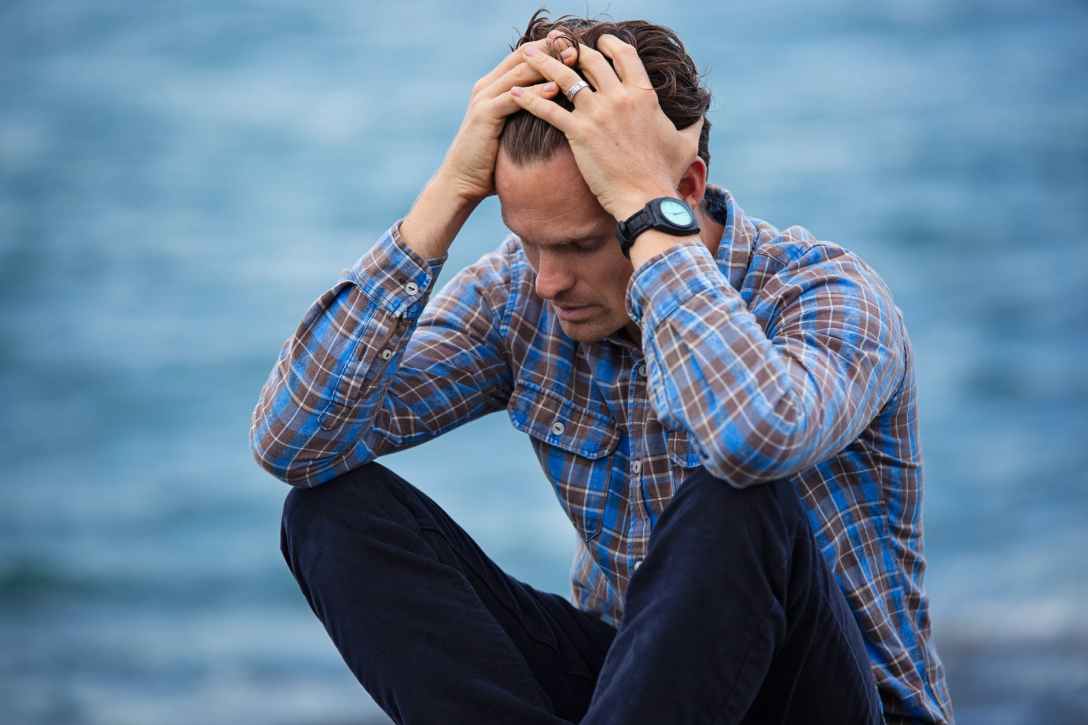
Stress may damage your immune response long term

Adapted from: Stress related disorders and physical health.  Song H. et al. BMJ 26 Oct 19.

This Swedish study of almost 145,000 brothers and sisters showed that any sort of anxiety or stress disorder was associated with an increased risk of life threatening infections, even when familial background, physical and psychiatric problems were adjusted for.

The study went on between 1987 and 2013. The stresses included post traumatic stress disorder, acute stress reaction, adjustment disorder and others. The patients were matched with healthy siblings when possible or matched comparative children from the general population.  They then looked for diagnosis of severe infection in the coming years such as sepsis, endocarditis, meningitis and other infections.

Severe infection rates per 1,000 person years were 2.9 for the stressed person, 1.7 for the healthy sibling, and 1.3 for the matched person in the general population.

They found that the effects were worse the earlier the age the diagnosis of the stress occurred.

Treatment with serotonin re-uptake inhibitors for PTSD seemed to reduce the negative effects on the immune system when given within a year of the stress diagnosis.

This research builds on information that PTSD produces more gastrointestinal, skin, musculoskeletal, neurological, heart and lung disorders.  Cardiac mortality has been found to be raised 27% and autoimmune disorder by 46%.

Why this happens could be due to the interplay between biological, psychological and social factors. Increased inflammatory response is considered by Song and colleagues to be a likely mechanism. Increased levels of interleukin 6, interleukin 1 beta, tumour necrosis factor alpha and interferon gamma have been found in those with PTSD.

PTSD has a heritability factor of 5-20% which is similar to what is found in families with depression.  It is likely to be polygenic.

Talking based therapies are generally even better for PTSD than drugs, so earlier intervention may have long term benefits not just on mental health, but physical health as well.

BMJ 2019;367:16036

Fitter, better, sooner

From BJGP May 2020 by Hilary Swales et al.

Having an operation is a major event in anyone’s life. There is a lot a patient can do to improve their physical and mental health before surgery that will improve their recovery and long term health.

Fitter, better, sooner is a toolkit was produced by the Royal College of Anaesthetists with input from GPs, surgeons and patients.

The toolkit has, an electronic leaflet, an explanatory animation and six operation specific leaflet for cataract surgery, hysteroscopy, cystoscopy, hernia, knee arthroscopy and total knee joint replacement.

These can be seen at: https://www.rcoa.ac.uk/patient-information/preparing-surgery-fitter-better-sooner

The colleges want more active participation with patients in planning for their care.

The most common complications after surgery include wound infection and chest infection. Poor cardiorespiratory fitness worsens post op complications. Even modest improvement in activity can improve chest and heart function to some extent.  Keeping alcohol intake low can improve wound healing. Stopping smoking is also important for almost all complications. Measures to reduce anaemia also reduce immediate and long term problems from surgery and also reduce the need for blood transfusion. Blood transfusion is associated with poorer outcomes particularly with cancer surgery. HbA1Cs over 8.5% or 65 mmol/mol causes more wound complications and infections.  Blood pressure needs to be controlled to reduce cardiovascular instability during the operation and cardiovascular and neurological events afterwards.

This toolkit is already being used in surgical pre-assessment clinics but access to the materials in GP practices will also help. After all, the GPs are the ones who are initially referring the patients for surgery, and improving participation early can only be helpful.

It is hoped that this initiative will result in patients having fewer complications, better outcomes from surgery but also from their improved lifestyle.


Jovina bakes low carb: Banana bread

Banana Bread
Ingredients
1 banana
1 and 1/2 cups + 1 tablespoon almond flour (ground almonds)
3 eggs
2 tablespoon unsalted butter, melted
2 teaspoons cinnamon
1 teaspoon baking powder
1/4 teaspoon salt
1 teaspoon vanilla extract
1/4 cup low carb sugar substitute
1/2 cup finely chopped walnuts plus 15 walnut halves
Directions
Preheat the oven to 350 degrees F.
Mash the banana with a fork.
Process the eggs together with the mashed banana and the melted butter with a hand
blender or hand mixer to a smooth dough.
Mix the dry ingredients in another bowl. Pour into the bowl with the egg and banana
mixture and stir well.
Add the chopped walnuts and fold into the batter.
Line an 8-inch bread/loaf pan with baking paper/parchment with the paper extending over the ends of the pan. Coat lightly with cooking spray. Pour in the bread dough into the pan and place the walnut halves in five rows across the top of the dough.
Bake the bread for 45 minutes or until an inserted knife comes out clean. Check the bread after 30 minutes. If the top is brown, cover it loosely with aluminum foil to prevent the low-carb banana bread from burning.
Let the banana bread cool and then lift out with the aid of the parchment paper. Cool completely before slicing.

Take your blood pressure pills at night

Adapted from BMJ Take anti-hypertensives at night says study. Susan Major 2 Nov 19

Taking your blood pressure medication at night gives you better blood pressure control and nearly halves cardiovascular events and deaths compared to taking them in the morning.

This study was done on nearly 20 thousand patients with an average age of 60 for six years. The reductions in events included cardiovascular death, heart attacks, coronary artery revascularisation, heart failure and stroke.

Professor of cardiovascular medicine at Sheffield, Tim Chico said, ” As taking medications at bedtime poses little risk there is enough evidence to recommend that patients consider taking their medication at bedtime.”

Bariatic surgery doubles congenital abnormalities in babies

From BMJ 30 Nov 19

A retrospective analysis from Quebec of 2 million pregnant women who had delivered between 1989 and 2016 showed that offspring of women who had become pregnant after bariatric surgery had roughly twice the risk of birth defects compared to women who were not obese or who were obese but had not had surgery.

The defects were mainly heart and musculoskeletal defects.

My comment: This short report does not go into possible causes for this. You would have thought that the risk would have been reduced to the level of the non obese women. I wonder if nutritional issues have a part to play as after bariatric surgery long term vitamin supplements need to be taken. 

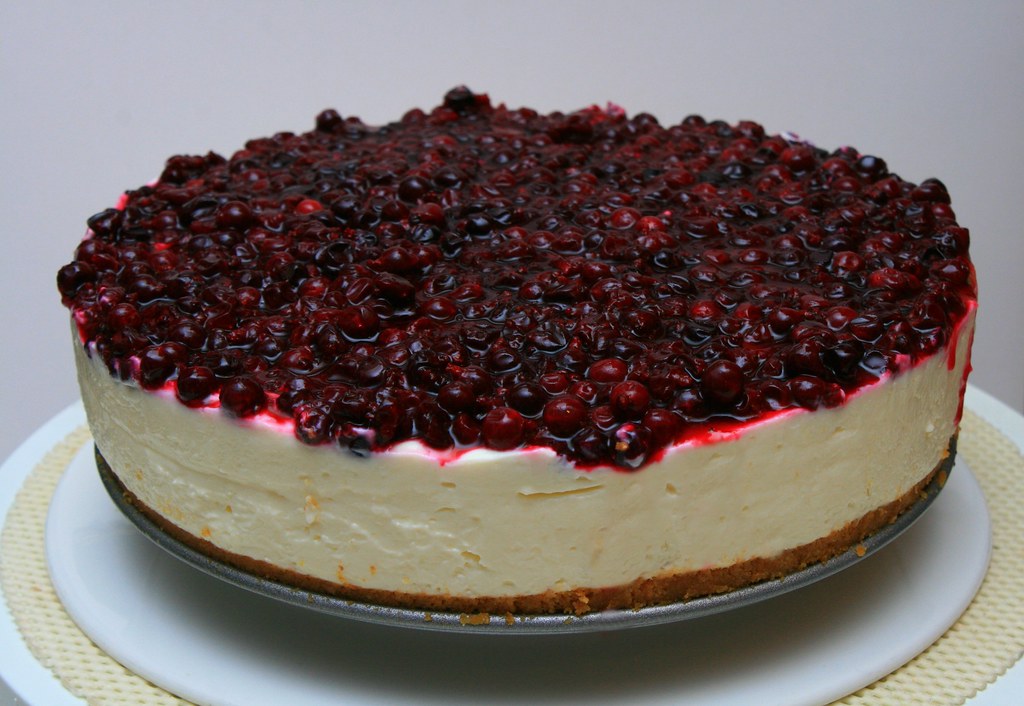
Jovina bakes low carb: Ricotta cheesecake

Ricotta Cheesecake
Makes one 8-inch square cheesecake, to serve 12
Cheesecake Ingredients
2 cups ricotta cheese
1 cup sugar substitute ( I use monk fruit)
1 teaspoon vanilla extract
6 eggs
Zest of 1 orange
Blueberry Topping
2 cups fresh or frozen blueberries (10 oz)
1/4 cup water
1 tablespoon lemon juice
3 tablespoons low carb sugar substitute
2 teaspoons cornstarch or arrowroot powder mixed with 2 teaspoons water
Directions

Preheat the oven to 375°F.
Grease an 8-inch square baking pan with butter or cooking spray.
In a medium bowl, stir together the ricotta and sugar. Add the eggs one at a time until well incorporated. Stir in the vanilla and orange zest. Pour the batter into the prepared pan.
Bake for 45 to 50 minutes, until set. Let cool in the pan on a wire rack for 20 minutes. Cover. Refrigerate overnight. Serve chilled with the blueberry topping.

Do you have a chronic disease or a long term condition?

Adapted from BMJ 23rd Nov 19. A chronic problem with language by Dr Helen Salisbury

Helen is a GP in Oxford she writes…..

Some years ago I was told the term “chronic disease” had been replaced by “long term condition”. When I asked my non medical friends about it, they thought that both “chronic” and “acute” both meant “severe”.  My comment: whereas they mean something more like “long lasting” and “short lasting” to a doctor.

So a chronic disease sounds like one likely to harm or kill you, whereas a long term condition sounds like something you live with but not die from. As doctors now copy patients into their letters, then perhaps we need to be more responsive to their beliefs?

Impaired renal function, from natural ageing is one of the problems that has arisen from the misunderstanding of the term “chronic kidney disease”.  It can cause people real worry because they imagine that they are a candidate for dialysis or death, yet they are unlikely to be affected symptomatically, nor is it likely to hasten death. Heart failure is another term that causes a lot of distress.

Sometimes doctors need to be precise in their speech and letters to each other so we can’t abandon all technical language.  Copying clinic letters to patients is good practice, even if patients sometimes struggle to understand them completely, because they have a record of the consultation and a chance to clarify the decisions made.

Sometimes we could use more lay terms to reduce confusion. Abandoning “chronic disease” is a good start.


Your brain needs 50g of glucose a day

Adapted from Richard Feinman’s Nutrition in Crisis 

We have all heard NHS dieticians and diabetologists telling us that we will die of brain failure or get severe brain damage when we go on low carb diets because the brain needs 130g of glucose a day.

We will typically remind them that the glucose does not need to be ingested since our livers are perfectly able to manufacture well over 130g of glucose a day, the process called gluconeogenesis.

Richard Feinman is a cell biologist and he has an even finer retort.

The 130g of glucose a day necessity was discovered by George Cahill. This was the amount of glucose that a brain uses in normal nutritional states. It is indeed the case that this glucose can be ingested or manufactured in the liver or both.

Under starvation conditions however, the brain will only use 50g of glucose a day.  In starvation, the utilisation of ketone bodies becomes more important for brain function.

Unfortunately, nutritionists picked up on the 130g of glucose a day message and have been repeating it ever since. Cahill is reported to have said that by the time he was aware of the simplified but inaccurate message, it was too late to stop it.

Thus, it is not always true that you need 130g of glucose a day for brain function and it is never true that this must be from dietary carbohydrate.

So, if you get the old chestnut thrown at you, you know what to say now!


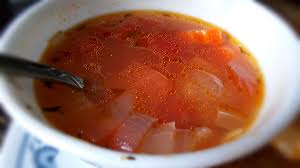
Jovina cooks: Tomato and vegetable soup

My comment: this dish needs some advanced preparation to make the tomatoes easy to peel or you could use tinned tomatoes if the summer glut is over.

Homemade Tomato Soup
Ingredients
1/4 cup extra virgin olive oil
2 leeks, white and light green parts, diced
2 carrots with green tops, diced including the tops
3 stalks celery with leaves, diced
The top of one fennel bulb with fronds, diced (save the bulb for another recipe)
4 cloves garlic, minced
5 lbs fresh plum tomatoes
4 cups  chicken stock

salt and freshly ground black pepper
2 teaspoons honey (or a teaspoon of sugar)
A few dashes of hot sauce eg Tabasco
Directions
I freeze the tomatoes and then defrost them overnight. The skins slip off easily. Or you can bring a large pot of salted water to a boil; add the tomatoes to the boiling water and cook 4-5 minutes, or until skins loosen. Carefully remove tomatoes from the water with a slotted spoon. Set aside until tomatoes are cool enough to handle; carefully slip off the skins and discard. Chop the tomatoes and set aside.

Heat the oil in a heavy Dutch Oven ( Le Creuset casserole dish or similar) over medium-high heat; add the garlic, leeks, carrots, fennel, celery and sauté 3-4 minutes, or until vegetables are soft. Season with salt and pepper to taste. Add the chopped tomatoes.

Add the broth and honey. Simmer for 15 minutes. Use a handheld stick blender and process until smooth and creamy. Add the hot sauce and serve.

Dr Chris Palmer: Ketogenic diet now being used in mental health

Dr Chris Palmer from Harvard has been using the low-carbohydrate and ketogenic diets in practice for over 15 years now mostly for weight loss. Recently, he has found an anti-psychotic and mood stabilizing effect from specific types of the ketogenic diet. Now he is pursuing clinical research in this area to better understand the topic. As a result, he has also been speaking at national and international conferences.

Here area few of his podcasts/interviews:

http://lowcarbmd.com/episode-49-dr-chris-palmer-treating-schizophrenia-with-lifestyle

https://www.chrispalmermd.com/ketogenic-diet-psychology…/ and keto putting schizophrenia into remission.

https://www.chrispalmermd.com/ketogenic-diet-remission…/

https://www.chrispalmermd.com/keto-naturopath-by-karl-goldcamp-interview-christopher-palmer/

My comment: It is a very good idea for those people with schizophrenia to be on a low carb diet, mainly due to the side effects of the anti-psychotics which give people metabolic syndrome and diabetes. It is even better to hear that there conditions are improved so they are less reliant on these drugs.