Don’t rush to hospital with a burn

It’s now barbeque season, and with this in mind, new research has shown that the best first aid for a burn is to run cool water over the affected skin for at least 20 minutes.This should be started as soon as possible after the event.

In a study of 2,500 children, those given the full 20 minutes treatment were less likely to need hospital admission and half as likely to need a skin graft.


My comment: In my childhood my mother put butter on burns. Don’t do this! It does not work. The area that I notice most people have burns is on their wrists on the thumb side. This is from removing hot dishes from the oven and brushing their arm against the hot door or oven sides. Of course you are carrying a hot, full dish of food, so can’t pull back as fast as you would like. Although many of us then run our arms under a tap, it would be a good idea to do this for longer than it takes for the immediate pain to subside. You can also use oven gauntlets in preference to gloves or folded up tea towels as these are longer in the arm. 

BMJ 2019; 367:1572

Public Health Collaboration conference online a great success

The Public Health collaboration online conference 2020  was very successful.  The videos are available on You Tube for free making the conference even more accessible for everyone who needs advice on what to eat to stay healthy.

If you are able to contribute to the PHC fund to keep up our good work please do so. Sam Feltham has suggested £2.00.  This is via the PHC site.

This year there were contributions from mainly the UK but also the USA.

Visitors to this site will be very pleased to know that keeping your weight in the normal range, keeping your blood sugars tightly controlled, keeping your vitamin D levels up, and keeping fit from activity and exercise, are all important factors in having a good result if you are unfortunate enough to be affected by Covid-19. We have been promoting these factors in our book and website for several years now, mainly with the view to making life more enjoyable, especially for people with diabetes, now and in the future. The reduction in the severity  to the effects of   coronavirus is a side effect of these healthy living practices.

Several talks went into the factors and reasons for this, but in a nutshell, if you are in a pro-inflammatory state already, you will have a much more pronounced cytokine inflammatory response to the virus than is useful for clearing the virus, and you end up with inflammed lung tissue which leaks fluid thereby impairing your blood oxygen levels.

A talk that I found particularly apt was the talk from a GP who had had a heart attack at the age of 44 despite a lack of risk factors except for massive stress. He gives a list of self care practices that helped him. I would also include playing with your animals. Emma and I are cat lovers and can vouch for this!

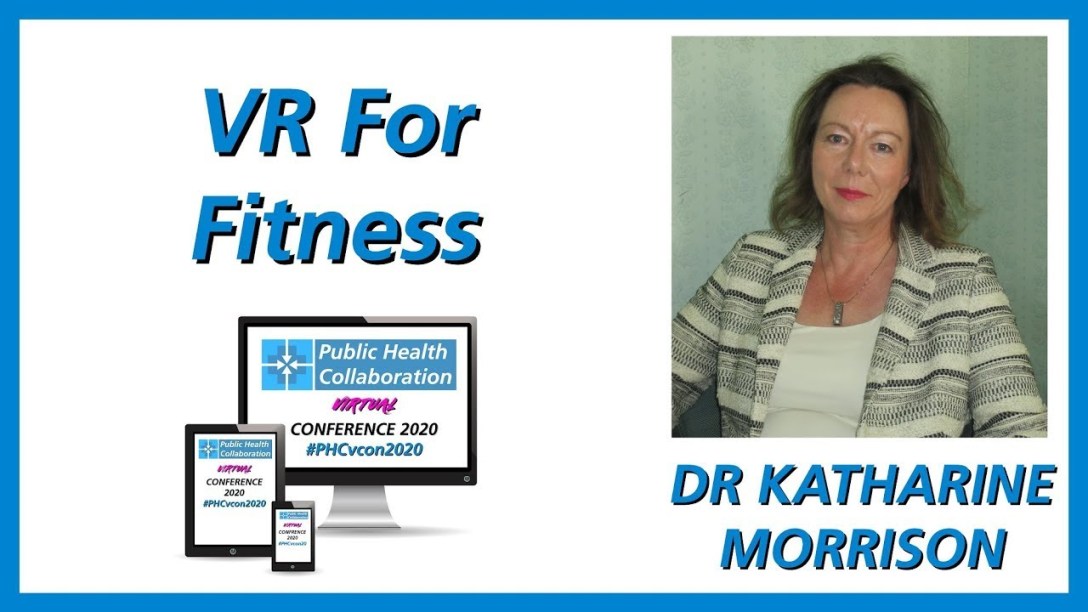
My talk is about VR Fitness, which was the only talk this year which was specifically exercise related. The Oculus Quest has only been out a year and has been sold out since shortly after New Year. I was fortunate enough to buy one in anticipation of my imminent retirement, and it has been great as an exercise tool over the long, cold, dark winter and more useful than I had ever anticipated over the lockdown as a social tool.

There were several very professional cooking and baking demonstrations on the conference this year, and indeed, this could not have otherwise happened on a traditional stage format.  We had low carb “rice”, bread, pancakes and pizza demonstrations which may well help you if you prefer to see how it is done step by step or if you want to broaden your repertoire.

I was particularly taken with the pizza base idea from Emma Porter and I will follow up with this in a later post.  The whole video is available from the PHC  site which takes you to all the videos on You Tube.


Self caring during illness

Adapted from online presentation by Beverly Bostock ANP 7 May 2020

If you have diabetes you are more at risk of serious complications from Covid-19 and should seek medical advice early in the illness.

Any febrile illness can raise your blood sugars, including the prodromal phase when you don’t otherwise have symptoms. Once you are aware that you are coming down with something there are some useful ways of remembering how to monitor yourself.

Particularly for insulin users:

S – SUGAR – check your blood sugar more frequently than usual. For instance, if you would normally check your blood sugar every 5 hours during the day, double this to every 2.5 hours.

I – INSULIN – Adjust your insulin according to your blood sugars to keep within your target blood sugar level.

C – CARBOHYDRATE – If your blood sugar is low eat or drink more glucose or sugar/starch food items. If your blood sugar is high, drink plain water or more diet drinks.

K – KETONES – Use blood ketone stix or urine ketone stix to monitor your ketones if you are a type one diabetic every 4 hours or so. This is particularly important if you feel very ill, are nauseated, vomiting or have abdominal pain. If your ketones are high consider extra insulin, keep well hydrated and alert medical staff sooner rather than later.

Particularly for type twos:

It is important to keep well hydrated when you experience any illness but particularly an illness where you are febrile, or have  vomiting, limited oral intake, or severe diarrhea.

Some drugs can worsen your response to dehydrating illness and you may need to seek advice from a doctor, nurse or pharmacist about stopping certain drugs and when it is appropriate to restart them.

You can remember what they are with the mnemonic: SADMAN

SGLT2 inhibitors, ACE inhibitors, Diuretics, Metformin, ARBs, and Non- steroidal anti-inflammatory drugs.


Life in lockdown

It has been over six weeks now since lockdown started in Britain. I understand why it is necessary but I’m fed up.

How are you bearing up?

I’m really glad I’m no longer a GP. Dealing with the corona issues on top of the 10 hour days is difficult enough, but coming home after this to clean your house every day, having difficulty buying food and toilet roll, with no social life and no holidays would be unbearable.  So that is a relief.

Due to my heavy workload, my social life was never that great, but I did usually have one or two things to look forward to each week, and this was enough to keep my batteries topped up. I have several holidays booked this year and the June one has been cancelled. Time will tell with the others, but even if hotels, cruise lines and airlines open for business, will the ones for my particular holidays get out of this intact? Will I ever see the money again?

The most important thing is that no one in my family or extended family has suffered ill effects from the virus.  I am reasonably sure that I got covid on 5th January this year, along with several police officers with whom I work. I am keen on getting the antibody test when it becomes available.

I do dread my son Steven getting the virus because of his type one diabetes. Diabetic ketoacidosis seems more of a threat than the respiratory issues.  So we work and shop carefully, isolate as best we can, and hope that when we get it, there is a ventilator and staff available if we need it.

I am fortunate to live in a lovely area of Scotland with access to country walks on my doorstep. I also have a garden and my four cats. I feel terribly sorry for people stuck in flats and people in nursing homes.

Digital technology has been marvellous. We have been playing quizzes on Alexa, watching Netflix and Amazon Prime films, and watching some of the National Theatre productions and playing games on the Oculus Quest. Steven and I have even been playing table tennis with each other even though I’m in Mauchline and he is in Leeds.

I hope you are all coping. I am worried for Rick, because he was going off to get his spinal surgery before the virus kicked in and I don’t know if he has come through it alright.

Best wishes to you all. This is a marathon, not a sprint.


Dr Ivor Cummings: Interview with Dr William Davis

In the last of our three part exploration of the cardiovascular disease epidemic, Irish doctor Ivor Cummings interviews Dr William Davis consultant cardiologist about what really prevents and reduces coronary artery atheroma. Also discussed is the most effective way to increase your magnesium intake which relaxes smooth muscle thereby reducing blood pressure.

Dr Cummings’s runs his blog  known as the Fat Emperor.


https://thefatemperor.com/ep37-william-davis-md-cardiologist-reveals-the-solutions-to-modern-chronic-disease/

Nutrition Coalition: Type Two rates are down in the USA

RATES OF TYPE 2 DIABETES ARE DOWN…!
The CDC reports that “New cases of diagnosed diabetes in the U.S. decreased by 35 percent since a peak in 2009 – the first sign that efforts to stop the nation’s diabetes epidemic are working…”

What are the reasons? One major change that we can see is that two nutritional approaches have been established by clinical trials to reverse T2 diabetes: (1) the keto diet or (2) a very-low calorie formula diet. Perhaps people are finding out about these options.

A third evidence-based option for reversing T2 diabetes is bariatric surgery.

60 today

Today I reach 60 years of age.  This is a milestone birthday mainly because I’m retiring from general practice. I’ve worked in Ballochmyle Medical Group since I was 27. Since then I’ve seen huge changes.

Lloyd George envelopes for records, which had been used since 1948,  were diligently assembled into A4 files in the late 80s, and then computerisation started in the mid 90s.  In the 80s days doctors had to guess the diagnosis or open someone up,  but today MRI and CAT scans and many more keyhole, radiological and diagnostic procedures make diagnosis faster and easier, at least for the doctor.

The single handed and small group  GP practice doing all their own surgeries, visits and on call, have thankfully been replaced by large practices with GPs and nurses specialising in different areas. They are supported by in house Pharmacists, Physios, Mental Health nurses and Podiatrists.  GPs work very long, intense days now, but they have appointment slots of 10-15 minutes instead of 7.5 which was standard. Many also have largely given up working out of hours and large health board run groups of doctors, nurses, paramedics and drivers do this now.

I used to have Ordinance Survey and Street Maps covering all Ayrshire in the car, and still have, but locating a house or farm is now so much easier with in car GPS systems. We relied on land line phones and answering machines and pages. Now we have mobile phones that are so smart we can watch TV on them and see as well as speak to patients via skype just like Captain Kirk and Dr Bones McCoy did in the 60s on Star Trek.

When I entered medical school in 1977, it was the first year that half of the students were women. Now there are about 3 or 4 women for every man.  It was normal to be a full time GP but now most GPs prefer to work part time. Maternity leave used to be 3 months and now it is a year.

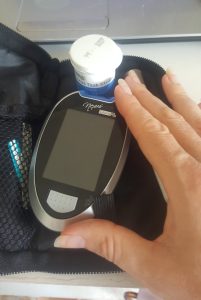
Diabetes monitoring was very primitive, with glucose sticks as the main way of monitoring  with venous blood samples when a patient was acutely ill when I was in medical school. In the 80s BM blood testing stix were a major advance acutely and the HbA1C test used for long term information. Personal blood glucose monitors were a major advance. These can give visual information on your computer or meter. In the last few years these have been trumped by the Freestyle Libre Flash system.

The outlook for diabetic patients is also much better. There is more accurate information about dietary choices, a lot of varied insulin regimes to choose from and better patient education and partnership.

I will be leaving my GP practice and my complementary therapy and private practice but will be continuing my police and prison work, legal work and diabetes education work via this blog.

Emma and I will continue to update you on all matters diabetic and I hope you all continue to enjoy visiting.


#WorldDiabetesDay

Happy #WorldDiabetesDay to you! This year’s theme is Family and Diabetes. While the day (and the month) is more aimed at raising awareness of the undiagnosed condition and family members looking out for the signs of diabetes in partners, parents, siblings etc., my day will reflect on my family and how thankful they make me.

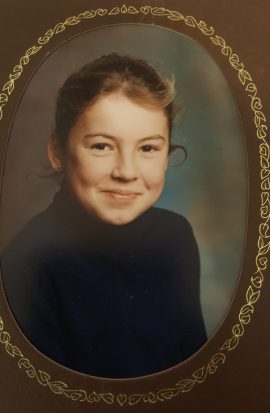
I was diagnosed with type 1 at the age of nine (there I am, just post-diagnosis on the right). Since then, diabetes care has come along in leaps and bounds. In those days, you used syringes made of glass, tested your urine and not your blood and relied heavily on your body and not a machine to tell you what was wrong. (Ah, the young yins! Don’t know they’re born…)

As a nine-year-old weeping copiously at the prospect of no sweeties or birthday cake again ever, I wasn’t 100 percent au fait with what was now going on with my body. I scared the living daylights out of my parents several times by fainting first thing in the morning. The most memorable time when I jumped up on the kitchen window ledge to let our pet cat in and fell off it. Onto a stone floor.

Bite me…

As biting my tongue often went along with fainting, my dad would try to stop me by inserting his own hand. I bit that instead.

Still, my parents were a game pair—happy to downplay the condition so I never felt disadvantaged. It took me until my 20s to realise I had a chronic illness. Duh, I know, but diabetes never felt that way to me growing up. My mum’s favourite cry was, “Have you got your Dextrosol?” whenever I left the house. (Again, the young yins. Not having to use Dextrosol for their hypos.) But other than that, they never mentioned it as a limiting factor or felt I could not do anything because of the diabetes. Fair enough, I announced no plans to be an athlete, truck driver or pilot, but they waved me off to a university in another country, a kibbutz, solo living and more without fuss.

Whenever I called home or visited, questions concentrated on my job, my personal life, what I was doing… diabetes never took centre stage.

Then, as I got older they generously funded a pump for me for a few years. When it gave up the ghost, I decided against further funding as I didn’t want to take any more of their money. They would have handed it over gladly. And still would, even though there are no longer two of them…

Ah, the mood swings…

Any family member of someone who has diabetes will raise a wry eyebrow if you talk about the mood swings. Figures, after all, that if you have a chronic illness tiredness is a frequent friend of the not very nice sort. It makes you sullen and snappy. Who better to take that out on than your nearest and dearest?

Then, there are the ‘hypo experts’; mums and partners who can tell you are hypo before it strikes you the excessive yawning is more to do with plunging blood sugar levels than a late night the day before. Grr. Double grr because they are almost always right.

I have my own little circle of mood bearers—once upon a time my mum, dad and sisters. (Still my poor old mum to some extent). Nowadays, my husband. He’s awfully good at spotting hypos. Awfully brilliant at lots of other things too. Running upstairs to bring me supplies when I run out of needles and other equipment. Keeping me in jelly baby supplies. Factoring in blood glucose checking stops whenever we are out and about. Finding me ice-cold water when high blood sugars kick in. Accepting that I am terrifically rubbish at late nights, which means we do not go out that much. (Tip—I organise a lot of things for a Sunday afternoon.) Checking restaurants to see if they offer low-carb options before booking them.

Diabetes does not come alone. Yes, it includes tiredness and a whole slew of other complications you do your best to avoid. But if it takes a village to raise a child, it takes warm, supportive, kind and patient folks to nurture a diabetic.

Here’s to them all—my family. Thank you thank you thank you.

Inventor awarded £2m for diabetes invention

This week’s diabetes-related news includes a story about an inventor finally awarded the compensation he deserved following a 13-year legal battle.

Professor Ian Shanks built the first prototype of the electrochemical capillary fill device (ECFD). The technology* eventually appeared in most blood glucose testing products—a huge boost to those of us with diabetes. Professor Shanks was working for Unilever at the time.

The registration of patents by Unilever earned the company £24 million, though Professor Shanks argued it could have earned royalties for as much as one billion US dollars, had his invention been “fully exploited”.

Patents Act

He told the BBC that when he first applied for compensation, not one employee had benefited from the introduction of the Patents Act introduced 30 years earlier. The Act entitles workers who invent something that gives their employer an “outstanding benefit”, a “fair share” of the benefits.

At the Supreme Court in London, the judges unanimously agreed Professor Shanks was entitled to compensation because he had provided his former employer with an “outstanding benefit”.

Professor Shanks said most of the compensation would be taken up by his legal costs, but that he was happy on behalf of future inventors. If something they make turns out to be significant and really profitable, then it was only right they stood the chance of a reward.

“Disappointed”

Unilever told the BBC they were “disappointed” because the company had already given Professor Shanks the “salary, bonuses and benefits” when he was employed to develop new products for its business.

My t’upporth—gotta love a David Goliath battle, right? Though it seems peculiar to me Professor Shanks needed to take his claim to the highest court in the land when those preceding courts knocked him back… (A comment on the legal expertise Unilever can afford as compared to an individual.) 

I am with Professor Shanks. I want brilliant people out there working on technology and medical care that will change the lives of millions of we diabetics. And those individuals should be rewarded for the outstanding benefits they bring.

Read the full story on the BBC.

*Confession. I can’t work out the exact nature of his invention.