African Lamb Stew

AubergineINGREDIENTS

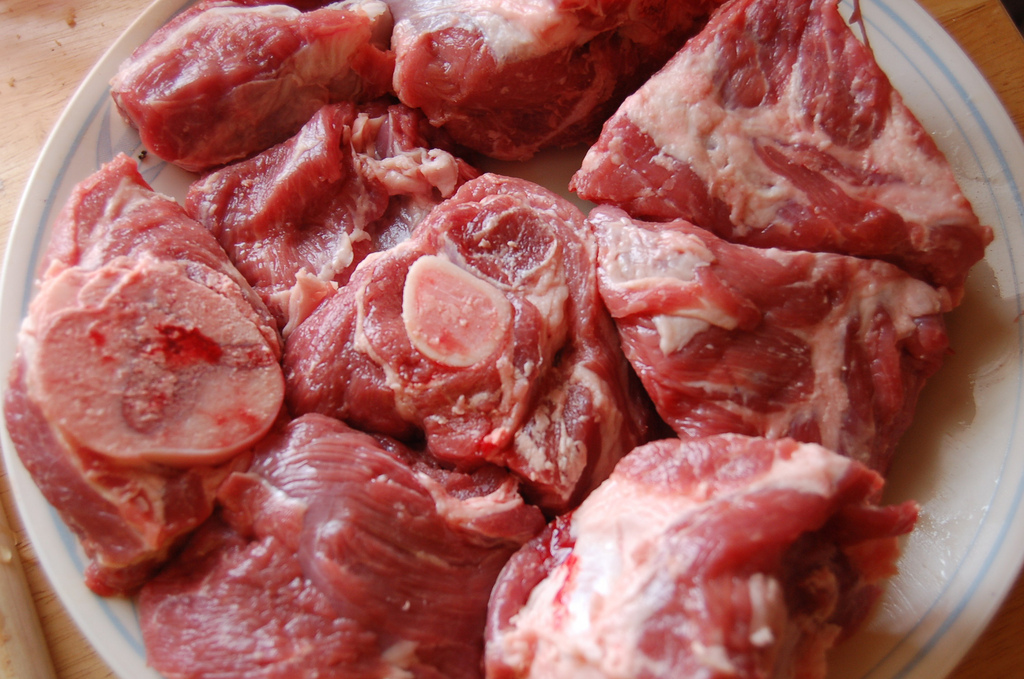
1.2 kg of lamb stew meat

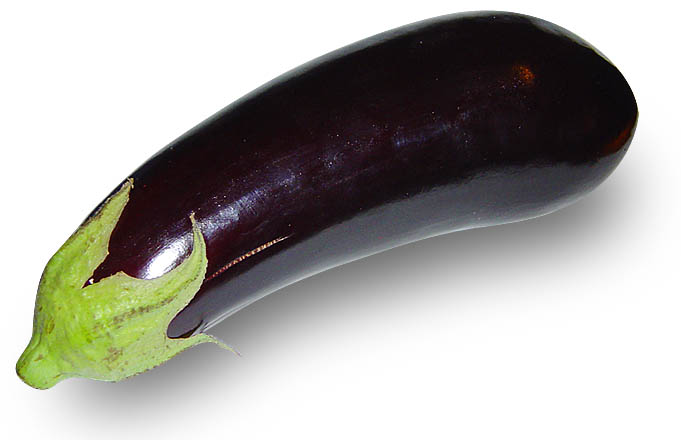
2 aubergines

1 ½ teaspoons sea salt

1 teaspoon freshly ground black pepper

2 tins of chopped tomatoes

1 tablespoon coriander seeds

½ tsp cumin seeds

2 tsp grated nutmeg

3 tablespoons oil

3 pcs red chilli finely chopped

2 tablespoons grated fresh ginger

5 cloves of garlic

1 teaspoon vinegar

1 stock cube

sour cream

2 tablespoons chopped flat-leaf parsley

1 tablespoon chopped coriander leaves


METHOD

Crush the coriander seeds and cumin seeds, using a mortar and pestle (or if you don’t own a mortar and pestle you can put seeds in a plastic food bag or cling film and use a rolling pin to crush the seeds.)

Mix crushed seeds with salt and nutmeg and rub spice mixture well into the meat.
Melt oil/butter (I always use both, gives a lovely flavour, the oil stops the butter from burning), add meat to the pan and brown on all sides. Cut the aubergine into cubes and fry with the meat for 2 minutes whilst stirring all the time.
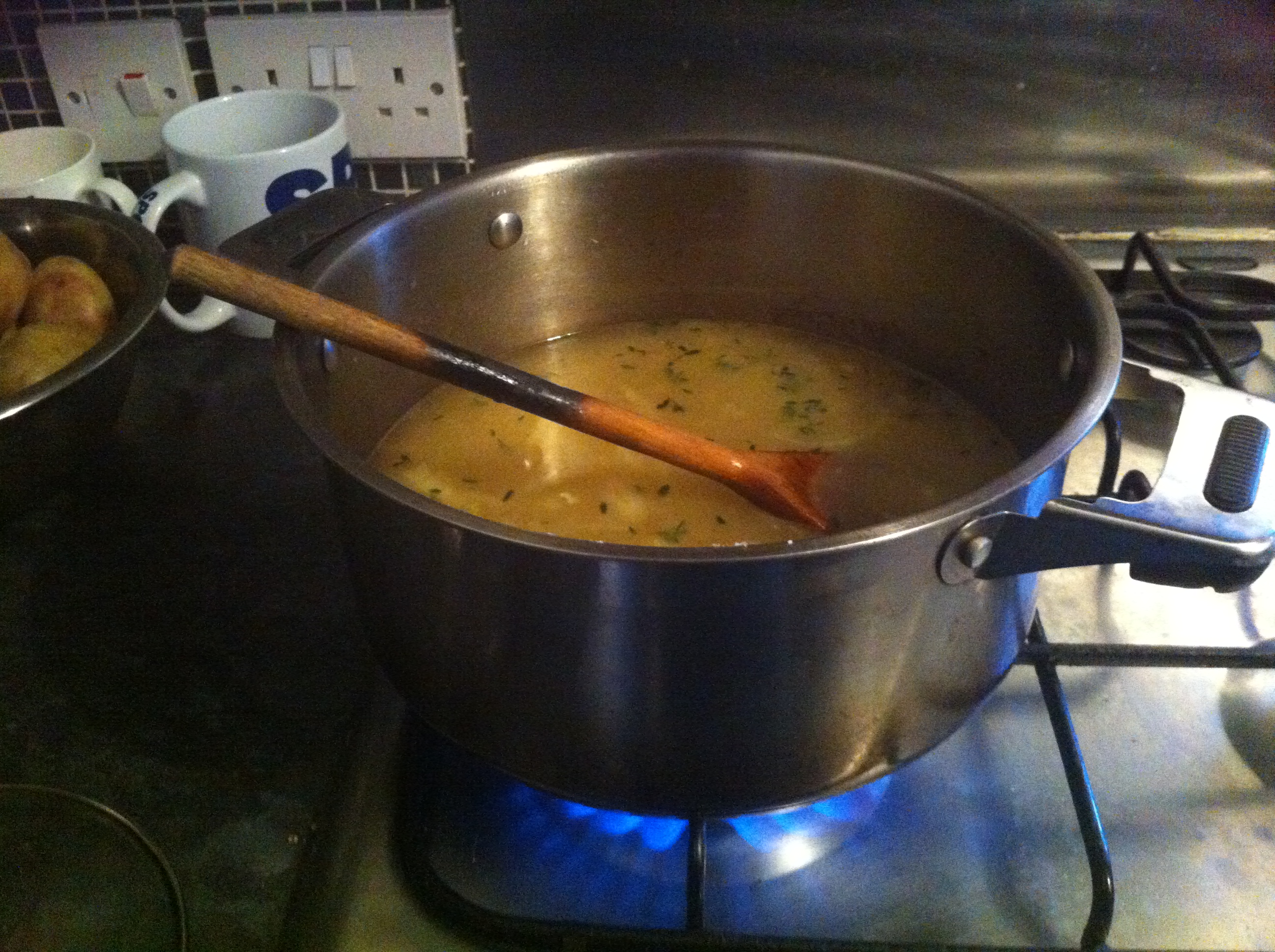
Add the ginger and chilli and let everything cook for a further 2 minutes, then add add the garlic, vinegar, stock cube and tomatoes. Cover and simmer for 1 hour.

Season with salt and pepper. Serve up in deep plates, place a big dollop of sour cream on top and sprinkle with the fresh finely chopped parsley and coriander to finish.

Happy Thanksgiving!

thanksgivingWe have a sizeable American audience so Happy Thanksgiving if you’re celebrating the occasion with your friends and family today.
Thanksgiving means… well, a lot of food of course and a lot of carb-laden options.

Candied yams, pumpkin pies and stuffings made with breadcrumbs etc.

Of course, you can’t be perfect all the time when trying to stick to a low-carbohydrate diet, but if you do want some low-carb versions of your favourites, here they are…

Butternut Squash Soup – a favourite starter made lower-carb by the good folks at Atkins.

On the same website, there’s a great recipe for green beans, which can be served as an accompaniment to the roast turkey.

Lowcarbdiets has a stuffing recipe which uses low-carb bread, vegetables and seasoning to create a lower-carb version of this roast turkey accompaniment.

Still with Lowcarbdiets, the site also includes a pumpkin pie recipe which has roughly 8g of carbohydrate per serving so you don’t need to miss out on this seasonal speciality.

Finally, Mark’s Daily Apple has a whole host of delicious sounding recipes – from wild mushroom soup with vegetable confetti, devilled eggs, zucchini (courgette) and squash gratin to scallops wrapped in bacon and crab bisque. Check out the full range here.

As it so happens the Thanksgiving meal isn’t a million miles away from the typical British Christmas menu, so hopefully our British readers will find some inspiration for their own Christmas cooking.

Venison Stew – Slow Cooker

After a sunny, dry and mild September and October, normal Scottish autumn weather has resumed… Rain, winds and dark, dreary days are once more upon us.

The consolation is a stew – warm, delicious and extremely comforting. I love stew so much I’d eat it in the height of summer anyway, but it does seem so fitting for this time of year. I’ve used venison here, but you could substitute this with beef or lamb instead (choose cuts that needs long, slow cooking).

I’ve suggested three to four servings – three is best for greed purposes. Serve this with steamed cauliflower and broccoli. You can also make fake mashed potatoes with steamed cauliflower – recipe here.

Venison Stew

  • Servings: 3-4
  • Difficulty: easy
  • Print

  • venison 2600g venison (choose the meat that needs long, slow cooking)
  • 2 small onions, very finely diced
  • Three medium-sized carrots, peeled and cut into big chunks
  • 4 cloves garlic, crushed
  • 2-3 sticks of celery, chopped
  • 100g streaky bacon
  • 1/2tbsp salt
  • 1tbsp freshly ground black pepper
  • 1tbsp Herbes de Provence
  • 1tbsp fresh rosemary, finely chopped
  • 11/2 tbsp cornflour


  1. Put the venison in a Ziplock or equivalent plastic bag with the salt, pepper, corn flour, and herbs and shake well so that all the meat is coated in the flour.
  2. Put the meat and the rest of the ingredients in a slow cooker and mix well. Cover the ingredients with water (remember, the vegetables will leak out water as they cook too, so you only need the water to just cover the ingredients.
  3. Set the slow cooker to low and leave for seven to eight hours. (Remember that taking the lid off a slow cooker adds another 20 minutes to the cooking time.)

Serve and enjoy.

(If you don’t have a slow cooker, then prepare the meat as in stage 1, then place in a large casserole dish with the rest of the ingredients and add water. You’ll need a little more than if you were using a slow cooker but basically add enough water to cover all the ingredients. Cover the dish with a lid and cook at 150 degrees C (130 fan) for three to four hours – until meltingly tender.)

This recipe has 21g of carbs per serving and 5g of fibre if serving three, and 15g of carbs and 3.75g of fibre for four. If you leave out the cornflour, you’ll reduce the carb count by a further 6-7g per serving – but a thick, juicy sauce is a marvellous thing…


Turkey Burgers – Low Carb

Turkey burgers and a cheeky wee glass of fizz...
Turkey burgers and a cheeky wee glass of fizz…

Fresh from the triumph of the turkey curry, the Diabetes Diet’s love affair with turkey mince continues… Step forward the turkey burger.

The secret of a good turkey burger (or any burger, come to think of it) is plenty of seasoning and this recipe certainly delivers. For added oomph, you could add in some dried chilli flakes but you will probably find you get a nice little kick from the ground black pepper.


Turkey Burgers

  • Servings: 2-4
  • Difficulty: easy
  • Print

  • 500g turkey mince
  • 1 small onion, very finely chopped
  • 2 cloves garlic, crushed
  • 1tbsp freshly grated ginger
  • 1tbsp Worcestershire Sauce
  • 2tbsp Soy or Tamari sauce
  • 2tbsp finely chopped parsley
  • 1tbsp freshly ground black pepper
  1. Pre-heat the oven to 180 degrees C.
  2. Put all the ingredients in a mixing bowl and mix well. It’s easiest to do this with your hands – cleaned of course. You’ll get a fairly wet mixture.
  3. Shape into four burgers and place on a baking tray. Cook in the oven for 20-25 minutes, turning the burgers over half-way through. You want them to be nicely browned.
  4. Serve with a big salad and some cooked vegetables. Fizz optional…

Each burger has roughly 6g of carbs and 2g of fibre. For a low-carb bun option for your burger, check out cavemanketo.

Turkey Curry – Low Carb

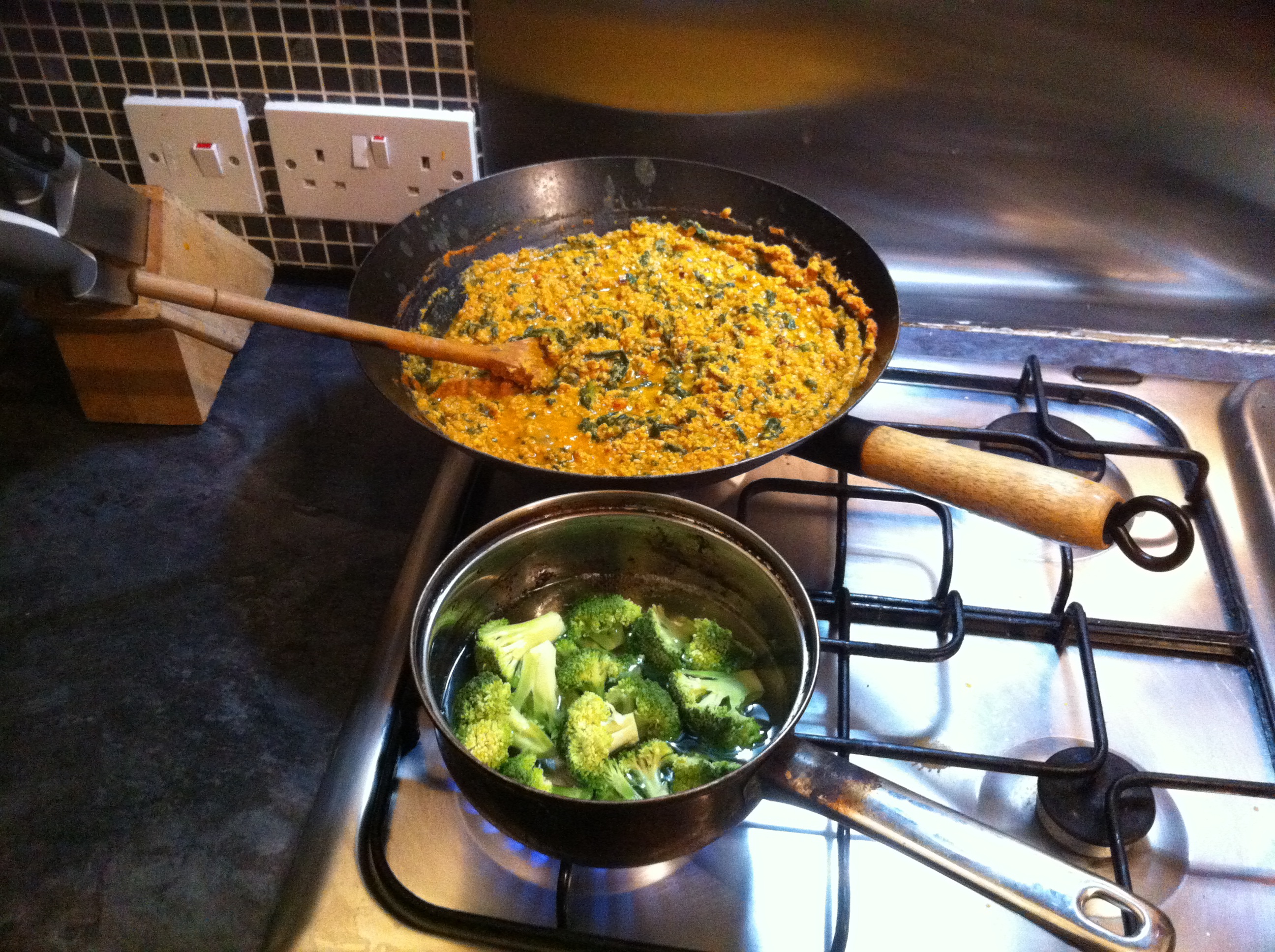
turkey curryBridget Jones jokes aside, turkey curry is now a current favourite of mine… It’s really easy to make, and relatively cheap too as turkey mince isn’t highly priced in supermarkets.

I like turkey curry served with broccoli or cauliflower (and if you really want a low-carb curry experience, you can make cauliflower rice, method here).

The quantity makes four servings with about 20g of carbs per portion, 15g not including the fibre.


Low-Carb Turkey Curry

  • Servings: 4
  • Difficulty: easy
  • Print

  • 500g turkey mince
  • 2 tbsp coconut oil
  • 600g tinned tomatoes (1½ tins
  • 100g frozen spinach
  • 40g creamed coconut
  • 2 onions, sliced
  • 2 cloves garlic, crushed
  • 2 tbsp grated fresh ginger
  • 1 tbsp ground coriander
  • 1 tbsp ground cumin
  • 1 tbsp turmeric
  • 1 tsp ground black pepper
  • 1-2 tbsp chilli powder (add more or less depending on your spice tolerance levels)
  1. Heat the coconut oil in a large saucepan or wok until hot. Add the onion and fry gently until translucent (about five minutes).
  2. Add the garlic and ginger, and cook for a minute or so before adding the tinned tomatoes and all of the spices.
  3. Chop the creamed coconut into small pieces and stir in. Mix well, bring to a simmer and leave to cook for 10 minutes, stirring from time to time.
  4. Using a hand blender, puree the sauce. (You can leave it chunky if you prefer and you can use the sauce as the base for any curry.)
  5. Now add the turkey mince and the frozen spinach and stir well to blend it all in. Mix well and bring back to a simmer. Allow to cook for 15 minutes.
  6. Serve with broccoli or cauliflower for added veggie goodness.

[/recipe]

If you have diabetes, you may well have fungal overgrowth problems (fungi loves a sugary atmosphere) and this dish has several anti-fungal ingredients – garlic, ginger and coconut oil.

Low-Carb Ribs Recipe

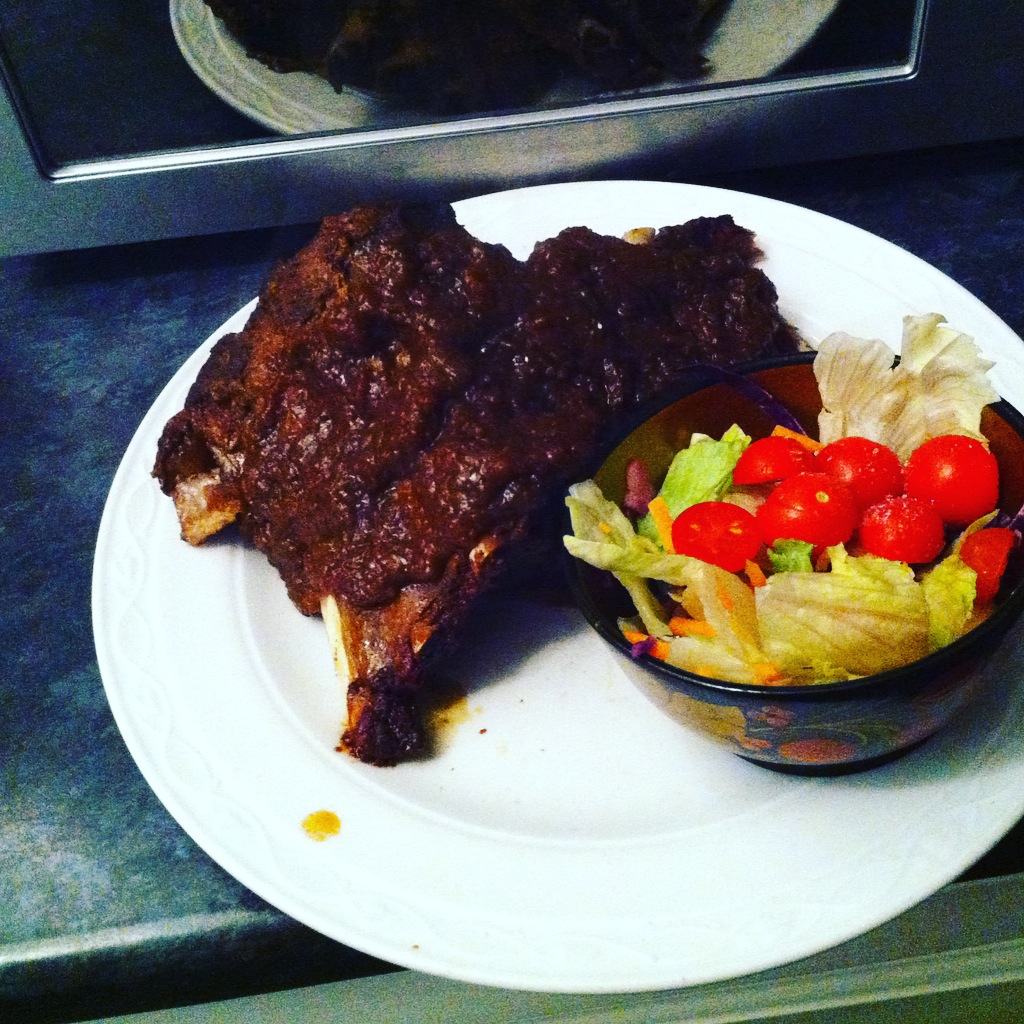
There’s nothing quite so primal as locking your gnashers round ribs… As an added bonus, ribs are dead cheap too – which is always a bonus when you’re following a low-carb diet.

Most ribs usually come accompanied by a really sticky sauce – which means it probably has a lot of added sugar. but then without that sauce they wouldn’t be so nice, hmm? Anyway, here’s an easy-peasy, low-carb version which also uses the slow cooker.

Low-Carb Ribs

  • Servings: 2-3
  • Difficulty: easy
  • Print

Ribs... it's a primal thing.
Ribs… it’s a primal thing.

  • Rack of pork ribs (about 600-800g)
  • 100ml water
  • 2tbsp cider vinegar
  • 2tbsp soy sauce
  • 2tsp Canderel
  • 1 onion
  • 200g passata

Mix together the water, vinegar, passata and soy sauce. Season the ribs with salt and pepper and place in the slow cooker. Pour over the sauce and top with the onions.

Cook on the low setting for seven hours. Remove from the slow cooker. Place the sauce in a saucepan with the onions and bring back to a simmer.

Liquidise to get a smooth-ish sauce and add the Canderel. Pour over the ribs to serve.

Allow about 8-10g carbs per serving.

Super Sides for Low-Carb Diets

Steak, chicken and fish – all nice ingredients by themselves, but all the more nicer when accompanied by a delicious side dish!

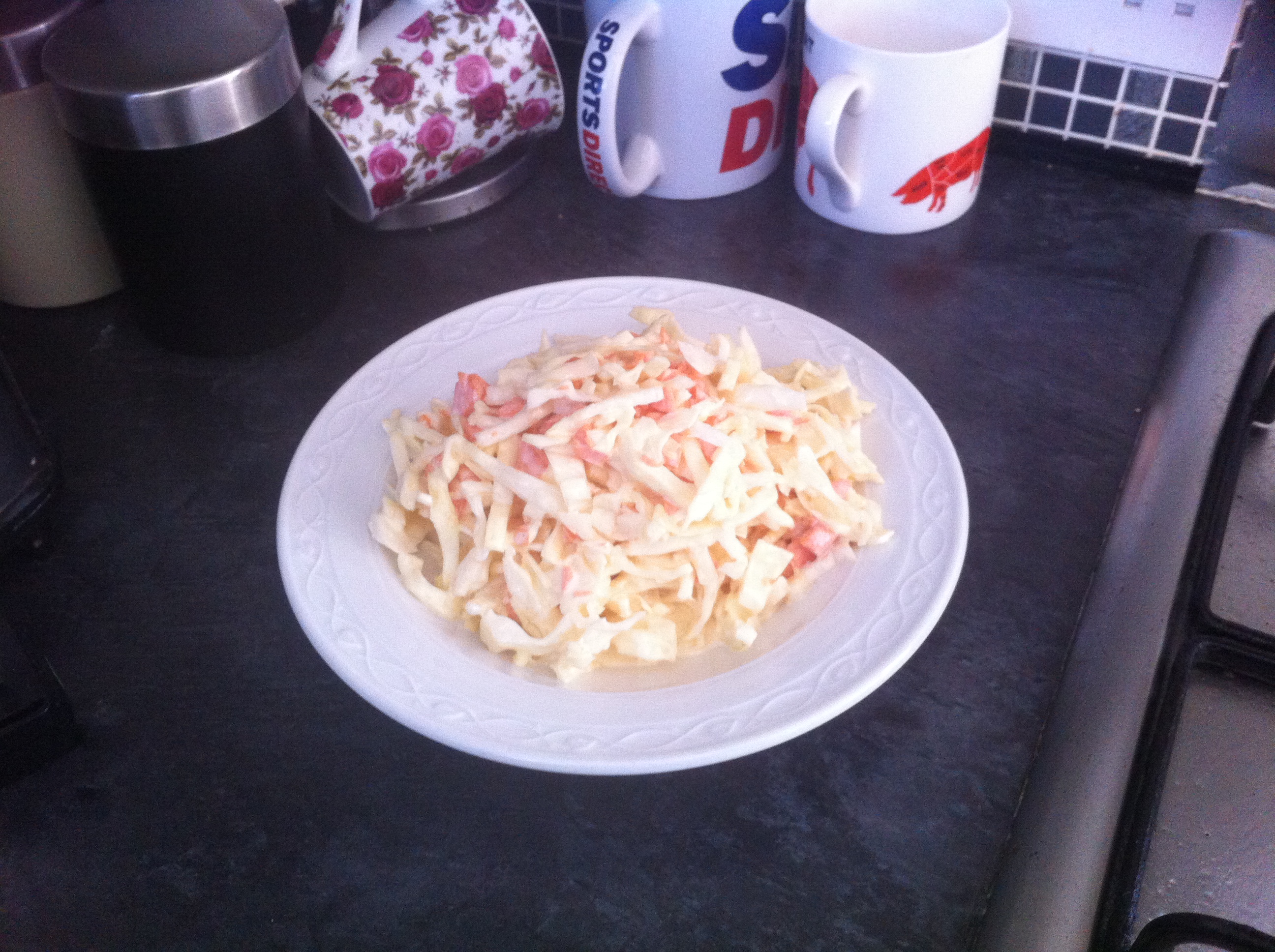
Side dishes are what will keep you on the straight and narrow on a low-carb diet as they prevent boredom. Sure, a lovely piece of steak accompanied by salad can be nice, but second time round it’s even better with home-made coleslaw. Strips of lamb fried with cumin and served with spiced onions are fantastic and roast chicken paired with cheesy leeks is unbelievably delicious.

Here are three super sides to be going on with.

Home-Made Coleslaw

  • Servings: 4-6
  • Difficulty: easy
  • Print

Leeks, cream and cheese pre-cooking.

  • 200g white cabbage
  • 2 medium-sized carrots, peeled
  • Two spring onions
  • 1 tbsp garlic chives
  • 3-4 tbsp mayonnaise

Finely slice the cabbage, and grate the carrots. Chop the spring onion and mix all the vegetables with the garlic chives. Add in the mayonnaise and allow to sit for 10 minutes to allow the flavours to mix.

Carbs: total about 32g, with about 8g fibre

Spiced Onions with Sumac

  • Servings: 4
  • Difficulty: easy
  • Print
spiced onions
1 large white onion

  • 1tbsp sumac
  • 1tbsp white wine vinegar
  • 1tbsp finely chopped parsley
  • 1tsp sea salt

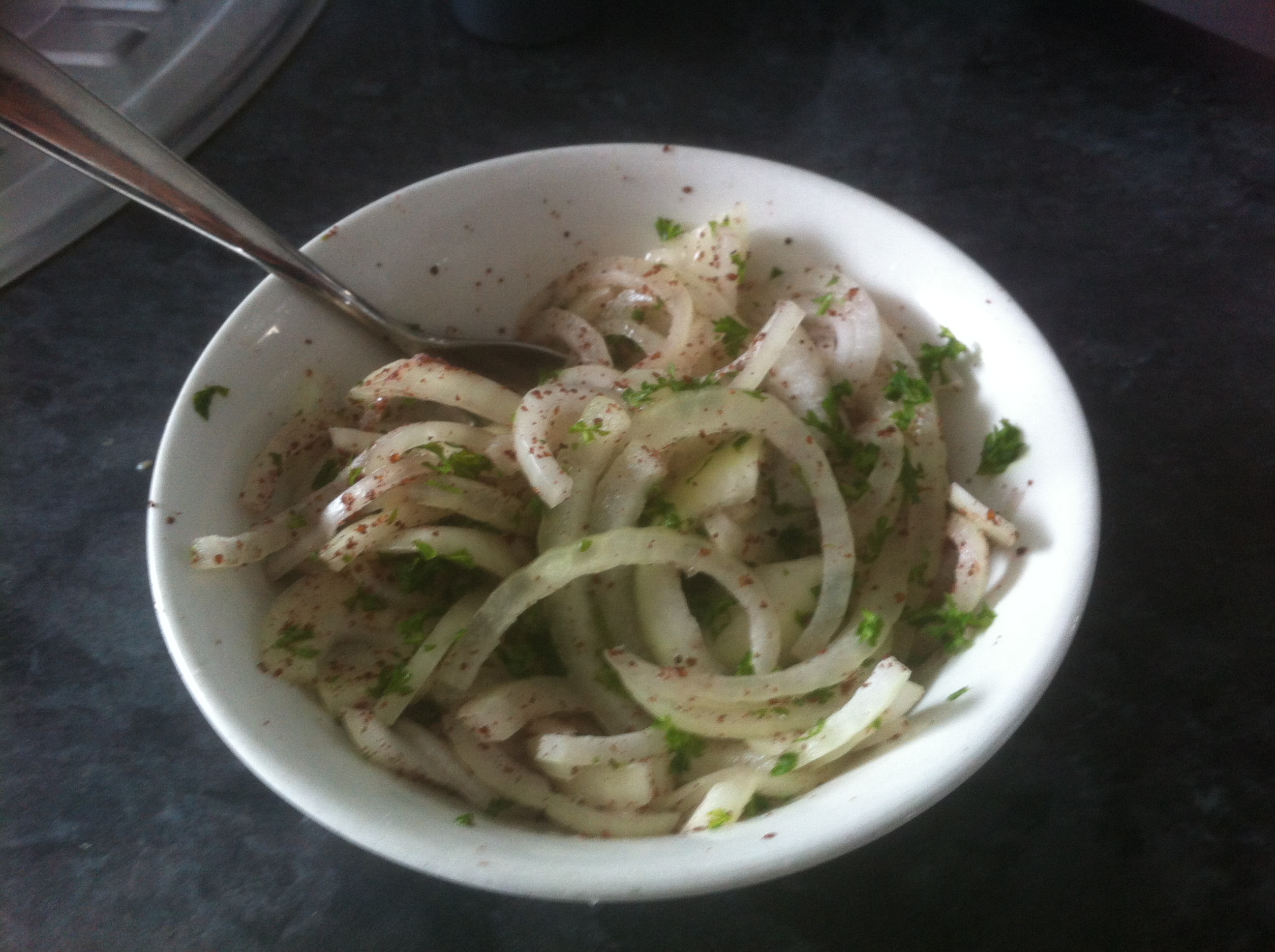
Peel the onion and cut it in half. Finely slice into half-moons. Mix with the salt, sumac, vinegar and parsley with the onions and leave to sit for 20 minutes. (This softens the onions and takes away that strong, bitter taste you get from raw onions.)

Carbs total: about 18g, with about 3g fibre

Cheesy Leeks

  • Servings: 6
  • Difficulty: easy
  • Print

Leeks, cream and cheese pre-cooking.

  • 800g leeks
  • 2 slices garlic
  • 25g butter
  • Olive oil
  • 1tbsp fresh thyme
  • 100g cheddar cheese, grated
  • 200ml double cream
  • Salt and freshly-ground pepper
  • Grated nutmeg

Take off the leeks’ outer leaves, split down the middle without cutting all the way through and wash. Dry well and slice into rings.

Melt the butter in a saucepan with the oil. Fry the leeks with the garlic and thyme for five minutes until softened. Season with salt and pepper.


Add three-quarters of the cheese to the double cream and mix well. Add the grated nutmeg.

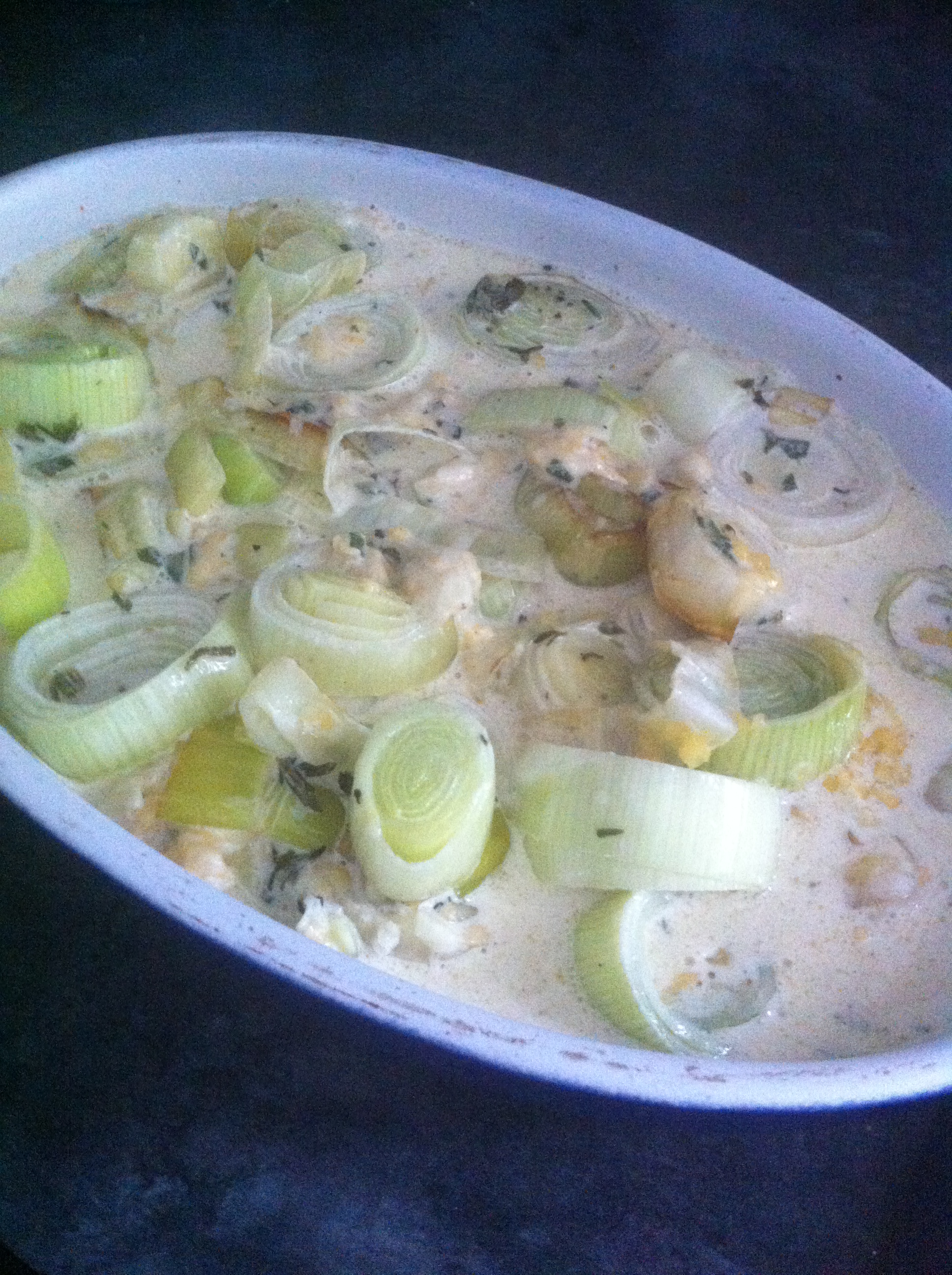
Place the leeks in a shallow, oven-proof dish and pour over the cream and cheese mix. Top with the rest of the grated cheese and add some more black pepper.

Cook for 20 minutes at 200 degrees C.

Carbs per serving: 18g, with 2.5g fibre

For more delicious low-carb recipes and menu plans, see The Diabetes Diet by Dr Katharine Morrison and Emma Baird

Broccoli and Stilton Soup

Green goodness!
Green goodness!

Got a glut of broccoli? OK, I wrote that sentence without irony but bear with me…

Broccoli isn’t at the top of most people’s preferred foods, but adding a tablespoon of butter to it helps a great deal, as does turning into a soup. Use home-made stock and the results improve immeasurably.

Soups are often associated more with winter than spring/summer – but why let tradition stop your enjoyment of warm, savoury deliciousness..?

Continue reading “Broccoli and Stilton Soup”

Low-Carb, Gluten-Free Moussaka

All you need (almost) for Greek moussaka.

This week I had a large pot of Greek yoghurt seeking a happy culinary ending so I decided to make a moussaka.

Lots of moussaka recipes use a béchamel sauce which obviously pushes up the carbohydrate content and make it unsuitable for coeliacs because of the flour in the sauce, and as I was going to be entertaining a coeliac then this version is ideal for the gluten-free AND the low-carber.

I like mince done in the slow cooker as I think you get a concentrated flavour (and it’s easier), but I’ve also given you the conventional method for cooking the mince part.

Gluten-Free Low Carb Moussaka

  • Servings: 4 generous portions
  • Difficulty: easy
  • Print

  • 500g lamb mince
  • 1 onion, finely sliced
  • 2 cloves garlic, crushed
  • 1tsp ground cinnamon
  • 1tbsp ground cumin
  • 400g tinned, chopped tomatoes
  • 1tbsp tomato puree
  • Fresh rosemary, finely chopped (about 1tsp)
  • 1 large aubergine, sliced
  • 2tbsp olive oil
  • 500g Greek yoghurt
  • 2 large eggs
  • 50g freshly grated Parmesan
  • Salt and freshly-ground black pepper

For the slow cooker method:

Place the mince, onion, garlic, tinned tomatoes, ground cinnamon, ground cumin, rosemary, tomato puree and 1tbsp olive oil in your slow cooker and mix very well. Top up with enough water to cover.

Cook on slow for 6-7 hours, or high for 4 hours.

For the conventional method:

Heat 1tbsp olive oil in a large sauce pan and brown the lamb mince, breaking up clumps with a wooden spoon as it cooks. (You might need to do this in two batches). Once the meat has browned and excess water boiled off (about 10 minutes, add the onions, garlic and herbs and cook, stirring, for another three or four minutes. Add the tomatoes and tomato puree, mix well and add in a little water – about 100-200mls. Bring to the boil.

Cover, turn down to a simmer and cook for 30 minutes. You might need to take the lid off for the last few minutes to condense the sauce. You are looking for a thick, concentrated sauce.

For both methods:

Season the lamb well with salt and pepper.

Meanwhile, cook the aubergine slices. Brush the slices with the remaining tbsp olive oil, sprinkle with a little salt and pepper and cook in a pre-heated oven (180 degrees C) for 15 minutes.

Beat the two eggs and mix with the yoghurt. Using a large rectangular, oven-proof casserole dish, layer up the lamb, then aubergine slices, then lamb, a final layer of aubergine and top the lot with the egg/yoghurt mixture, and the grated cheese.

Cook for 30 minutes in the pre-heated oven until the topping is golden-brown.

This moussaka has approximately 20g of carbs per serving.

French Onion Soup

onion soup 2Recently, I made a big pot of stock (or bone broth as it’s more fashionably known these days) using a chicken carcass, carrots, celery, onions and cider vinegar.

I wanted a recipe that would make the most of the flavour of the stock – or one where the stock was the star – so I opted for French onion soup sans croutons.

The internet abounds with recipes for stock or bone broth and you could also make this soup with stock made from beef bones, which is the more traditional version of French onion soup. The internet also abounds with people waxing lyrical on the many health benefits of stock – from better skin, to alleviated joint and gut pain, shinier hair and boosted immunity. Who knows? Continue reading “French Onion Soup”