Did you overeat this festive period?

 Sam Feltham is a personal trainer who likes to do experiments. On himself.

On a series of experiments he decided to overeat first fat, then carbs and then a vegan diet to see what would happen. Each experiment lasted three weeks, during which time he carefully monitored his calories in, his weight and his body fat.

As far as the physics goes and many people believe, a calorie is a calorie is a calorie. If so, the weight gain should be pretty uniform over each of the diets. Yet, we only start to obey the laws of physics once we die. Up till then we follow the laws of biochemistry. And the results are very different depending on where those calories come from.


Click on this link to see what happened: http://live.smashthefat.com/category/self-experiment-conclusions/


What helps and what doesn’t when type one diabetes is diagnosed in adolescence

Some young people cope very well with type one diabetes right from the start and others flounder. Sometimes a young person’s failure to get to grips with the condition has very serious and long lasting effects. So, what things help and what things hinder?

Dr Emily Robinson is a counselling psychologist based in Leicester Royal Infirmary. She interviewed eight type ones aged 28-36 years who had been diagnosed in adolescence and asked them about their experiences. They had been diagnosed between the ages of 11 and 17.

Previous research has shown that how people think about their illness impacts on how well they self-care, their degree of metabolic control and how happy and adjusted they are to diabetes.

Most participants went through a stage of shock and grief around the time of diagnosis. Laura stated, “At first I thought my world had caved in. I was thinking, why me? It is really unfair. I did kind of feel that my life was over”.

Yet, although in the minority, some young people just sort of “got it” right away. No fuss. No muss. Craig said, “I don’t remember there being a sudden change in the way I was personally. I wasn’t panicking for feeling like my life had ended.”

All participants described that their freedom had been at least temporarily curtailed and that they had missed out on things compared to their friends of the same age. Tony said, “I felt I lost my freedom and my ability to do things at the drop of a hat. I had always been a very active child and I was used to going out in the morning, walking and playing in the fields and not thinking of coming back home till I was hungry.”

There is a stage in adolescence where no one wants to be seen as different from anyone else in their peer group. Karen spoke about how this had serious effects. She stopped giving herself insulin injections and ended up in hospital with diabetic ketoacidosis several times.

Most participants described a sense of intense loneliness at the time of diagnosis.  Not knowing any other young diabetics was a problem and sitting in medical waiting rooms along with just grown-ups and elderly did not help.  One young woman, Laura, actually had severe depression. She put this down to not getting the help she needed from her parents.

Indeed parental involvement has been found to be the single most important predictor of positive adolescent outcomes. The less parental involvement and the more responsibility taken by the adolescent the worse the control.  The growth of teenage diabetic transition clinics and internet forums may have made a good difference for todays newly diagnosed type ones.

Parental anxiety had a knock on effect on how well adolescents coped emotionally with their diabetes. “My parents were terrified and in denial”, said Laura.  The reaction of friends had lesser but significant impact too.

Health care professionals need to be really careful about how they speak about diabetes to the newly diagnosed because everything they say is taken to heart.  Jannine spoke of being shown pictures of gangrenous feet and being in a ward of people who had diabetic complications. The “shock treatment approach” left her so frightening and helpless that she avoided checking her blood sugars. “I have never quite forgiven them for that”, she says, over a decade later.

The way in which diabetes was explained at diagnosis has been found to be the strongest predictor of emotional response even two years after diagnosis.

4276166167_e2cf9e2e47_o.jpg

Laura remembers, “I was having a really terrible time and I said something like, if this was a war, I would be surrendering. At the moment I feel that I am really losing. The doctor said to me, I bet you would just like a couple of weeks off, wouldn’t you? And that was one of the most understanding things a doctor has ever, ever, ever said to me.

Seeing the same clinician regularly was very important to about half of the participants. Having a nurse educate her in a supportive and encouraging way, being given choices, setting her own treatment goals and reducing her sense of isolation were particularly important to Jannine.

Over time, everyone with diabetes adjusted to having the condition in a much more positive way. Tony said, “I see myself as being normal. I’m me. I have diabetes but I don’t consider it to be a huge problem. I didn’t think like this when I was 16 or 20 years old.”

Support groups were a help to some participants. “It was astonishing to know that everyone else had problems too”.

Currently transition services for young people still tend to result in high dropout rates, poor attendance and sub-optimal control.  Psychological input may help some people who are struggling at this time.  More frequent appointments, active follow up, and seeing the same clinicians have been found to help.

Between the late 20s and early 30’s has been found a significant time in the lives of type one diabetics. After all, this is when parenthood is most commonly anticipated. A wish to tighten up control in preparation for a life time with diabetes is common. Emily thinks that refresher courses in diabetes management, which don’t currently exist in many areas, would be a good idea at this time.

(Of course, from my point of view, I think that diabetics of all ages would be a lot less demoralised if they were told the best ways to manage their diet and insulin regime.)

So in summary:

What helps:   

Doctor gives an optimistic view of diabetes at diagnosis.

Parents, let your offspring do as much as their friends are doing and usual pursuits as far as possible.

Join family/ adolescent support groups at diagnosis.

Hospital managers provide adolescent clinics at different times from adult/complication clinics.

Outpatient management of insulin initiation avoids admission which can be distressing.

Treat parents as possible patients if they are very distressed. Do they need counselling? Do they need to meet other parents who are more experienced and coping well?

Health care professionals should make an effort to understand the person and the family who has diabetes.

Try to have the same clinicians see the family and patient regularly.

Tailor education to the individual.

Give as much control over to the individual as possible.

Consider psychological input if control is poor or distress is evident.

Provide consolidation courses for the 25-30 age groups.


What hinders:

Doctor gives a catastrophic view of diabetes at diagnosis.

Parents keep their child under a tight rein from diagnosis and inadvertently make child feel that they and their lives are very different now.

Being exposed as a new diabetic to very sick older diabetics at clinics or in wards.

Doctors and nurses not talking to parents on their own to see what they may be struggling with.

Too many cooks.

Generic courses.

Courses provided too early in the disease process that don’t seem relevant or where the family/ patient are too stressed to learn usefully.

 Resources for young people with type one diabetes:

https://www.youtube.com/user/type1uncut

http://joes-diabetes.com/pages/joes-rough-guide

http://twitter.com/OurDiabetes


Resources for health care professionals:

www.successfuldiabetes.com/working-with-diabetes-workshops/diabetes-workshops/item/111-supporting-young-adults-with-diabetes-a-one-day-workshop

www.diabetescounselling.co.uk

www.diabetes.org.uk/Professionals/Training/–competencies/Courses/Supporting-Young-Adults-with-Diabetes/

Diabetes Australia Position Statement (2011). A new language for diabetes. http://static.diabetesaustralia.com.au/s/fileassets/diabetes-australia/9864613f-6bc0-4773-9337-751e953777cd.pdf

Based on an article by Dr Emily Robinson in Practical Diabetes Nov/Dec 2015


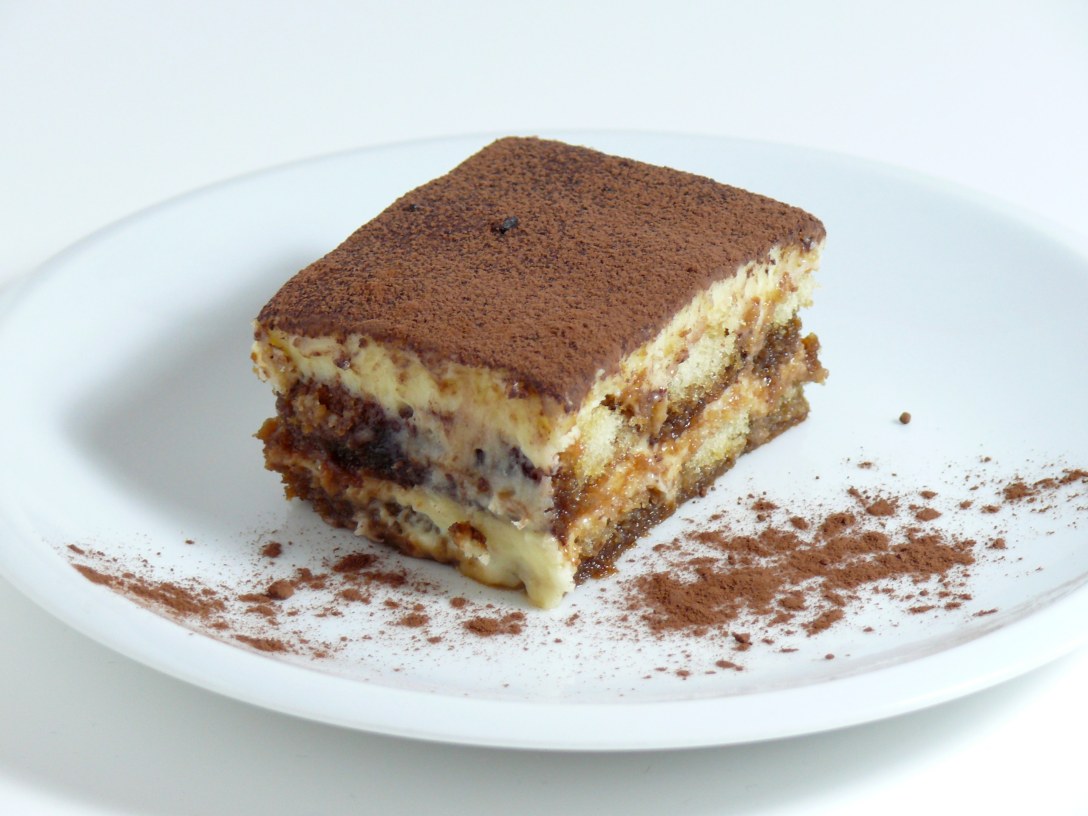
Tiramisu

You CAN have a marvellous dessert for Christmas or any other day you like! I’ve made  low carb tiramisu in many different versions over the years and here is just one. We will be having this for Christmas dinner, which we always have in the evening, because I usually work Christmas day. If you can keep your hands off of it, you can make this a day ahead of the event.

First of all make your sponge. You can use olive oil or coconut oil for the oil, and you can add cocoa powder, about two  rounded dessertspoons for each cake,  if you like a chocolate sponge on your tiramisu. Although this recipe makes one sponge, I strongly suggest you make two, because everyone wants seconds of this dessert.  You can use the second one for another batch of tiramisu or use it for a regular low carb sponge.P1030199.JPG
2 large eggs, separated
60ml double cream
2 tablespoons of granular sugar substitute of your choice
50g very soft or melted butter (or other oil)
pinch of salt
120mg ground almonds
1 teaspoon baking powder
Preheat oven to 170C/mk 4
In a large bowl, mix together yolks,  butter, cream, granular sugar substitute and salt. Add  in almonds and baking powder.
In a separate bowl, beat egg whites till in soft peaks, fold in a large spoonful to cake mix to loosen it, then gently fold in rest of egg whites as this adds lightness to the sponge.

Put the oven for 25 minutes approximately. The cake is done when a cocktail stick comes out almost dry or the top springs back when gently pressed.

Disaronno_Originale_2

Now for the filling.

Separate 6 eggs. Beat the yolks with about 3 heaped tablespoons of granular sugar substitute. ( My combination is 2 xylitol + 1 splenda )

Add 500g mascarpone and some Amaretto or Kahlua or Tia Maria. Whip.

In a jug put 250mls of cooled strong coffee (preferably real) and ¼ cup brandy or rum or Kahlua or Tia Maria.

Whip the egg whites and then when stiff fold them into the boozy/cheese mixture.

Now in a fancy bowl put in a layer of sponge cut up. Dribble over the coffee mixture till wet but not disintegrating.

Then add a good layer of boozy custard.

Keep on till you have a layer of boozy custard on top.

Put chocolate shavings (crushed up flake = 15g carb per flake )or cocoa powder on top(less carby)

Put it in the fridge for at least 2 hours before serving to chill.

This keeps for a few days, if you can keep your hands off of it.


Make your basil plants last longer


5185527669_93858d02c9_o.jpg

The Observer’s gardening correspondent James Wong has a great idea to keep your supermarket basil plant thrive.

As soon as you get it home, take the plant out of the container and divide the root ball into four. Cut away any weakling stems at soil level, leaving about 5 strong stems for each quarter plant. Plant each new clump in a good sized pot in John Innes number 2 compost or similar.

Water generously and place in a sunny sheltered spot on a windowsill or green house and let them grow.

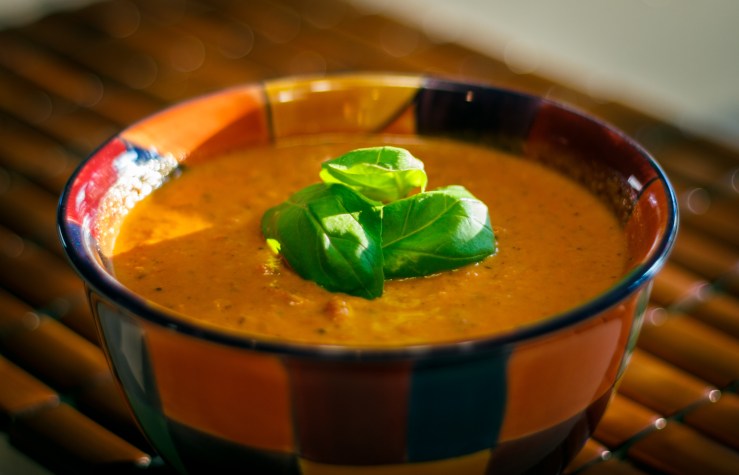
Two of my favourite basil recipes are Caprese Salad, with mozzarella, tomatoes, basil, olive oil and balsamic vinegar and tomato and basil soup. Do you have any others you would like to contribute?


Caprese-1 (1)

“A cross-party long-term strategy is needed to combat obesity in children” says Brian Whittle

553c9c59e22f98bc5d30fa62

Brian Whittle is a gold medallist runner who aims to introduce widespread after school childcare focussed on delivering high quality exercise and physical activities. This is a long term strategy which is fun for children yet could provide immense health benefits and even enhance academic performance.

There are studies which support the validity of Brian’s aims.  But do enough politicians have the long sightedness and will to ring fence funding that is needed?

In order to prevent obesity in our youngsters and the disorders associated with sedentary behaviour a culture change is needed. The unhealthy eating, snacking and reliance on screen based entertainment needs to be replaced by three good meals a day and movement to counteract the long hours sitting in the classroom. Many parents work long hours too, and would welcome group based physical activity for their children in a safe environment.

Brian is seeking support from leaders and health ministers from all parties.  Some headmasters are highly supportive and are delighted with the improved behaviour, reduced truancy and improved grades that they are seeing in pupils who have become more engaged as a result of fun activities after school.

More than 2.3 million children in the UK are overweight or obese and even the under 12s are showing signs of high blood pressure, cholesterol abnormalities, type two diabetes and liver disease.

Dr Tim Lobstein, director of the Childhood Obesity Programme says,  “ It will be tragic if it is not tackled. Chronic diseases are moving forward at an ever increasing rate. Our kids are eating themselves into an early grave. We will have the first generation to die at an earlier age than their parents. Britain along with some other southern European countries are at the top of the list. While soft drink and confectionery sales have rocketed, and TV watching, computer games, and other sedentary media have grown, exercise has fallen. Unless the obesity epidemic is brought under control we are facing the prospect of medicating kids at primary school and for the rest of their lives. If we can just find a way of encouraging healthy growth then we can avoid an enormous amount of grief in the future. Unless we start teaching our children in schools about raising children, feeding them properly, exercise and the difference between good and bad food, then we are just going to exacerbate the problem.”

Getting children to become more physically active and achieve normal weights has been found to improve attention, planning and thus have knock on effects on academic performance. ( Davis CL et al Pediatr Exerc Sci. August 6 2015)

Children who are more active in late childhood can demonstrate lower body weight and lower risk factors for cardiovascular disease and diabetes by their mid- teens.  This means an hour of moderate to vigorous exercise a day. A national approach involving the collaboration of various government agencies would be needed to produce widespread benefit. (Stamatakis E. Pediatrics Vol 135 No 6. 6 Jun 2015)

For younger children under the age of 6, three hours of activity, spread throughout the day is recommended by the US Institute of Medicine. They hope that such recommendations can help reduce overweight and obesity which is currently at 27% in this age group.

For adults at least 30 minutes of activity a day is recommended. The good news is that the earlier you get into exercise the more the habit is like to stick.  Swimming, dancing, walking, running, yoga, jogging, tennis, basketball and football are all suitable. The fitter you are in early adulthood, the lower your total mortality rate and cardiovascular disease rate. There is a clear dose response between exercise and fitness and fitness, well-being and mortality rates. (Shah et al. JAMA Internal Medicine 1-9)

Even if you have been sedentary for years or cannot tolerate 30 minutes a day, it is recommended by the American Heart Association that you start with walking.  Apart from benefits to the individual there is a benefit in health care costs in the future. ( AHA 6 Dec 15)

Emma and I are already into the exercise habit. It certainly is more of a challenge in Scotland with our awful weather and long, dark, winter nights. What good ways have you found to keep active and support your children to be active?


African Lamb Stew

AubergineINGREDIENTS

1.2 kg of lamb stew meat

2 aubergines

1 ½ teaspoons sea salt

1 teaspoon freshly ground black pepper

2 tins of chopped tomatoes

1 tablespoon coriander seeds

½ tsp cumin seeds

2 tsp grated nutmeg

3 tablespoons oil

3 pcs red chilli finely chopped

2 tablespoons grated fresh ginger

5 cloves of garlic

1 teaspoon vinegar

1 stock cube

sour cream

2 tablespoons chopped flat-leaf parsley

1 tablespoon chopped coriander leaves


METHOD

Crush the coriander seeds and cumin seeds, using a mortar and pestle (or if you don’t own a mortar and pestle you can put seeds in a plastic food bag or cling film and use a rolling pin to crush the seeds.)

Mix crushed seeds with salt and nutmeg and rub spice mixture well into the meat.
Melt oil/butter (I always use both, gives a lovely flavour, the oil stops the butter from burning), add meat to the pan and brown on all sides. Cut the aubergine into cubes and fry with the meat for 2 minutes whilst stirring all the time.
Add the ginger and chilli and let everything cook for a further 2 minutes, then add add the garlic, vinegar, stock cube and tomatoes. Cover and simmer for 1 hour.

Season with salt and pepper. Serve up in deep plates, place a big dollop of sour cream on top and sprinkle with the fresh finely chopped parsley and coriander to finish.

Obesity in children needs a whole family approach

Obesity in children is mainly determined by the parents.  Although single genes only account for 2% of childhood obesity, your chances of being obese are a massive 70% if both parents are affected, 50% if one is affected and only 10% if your parents are not obese.

Health care researchers have identified the most important messages for the whole family.

5 fruit and vegetable portions a day

3 structured meals a day

2 hours maximum screen time a day

1 hour minimum exercise a day

0 sweetened drinks a day

Success for the child depends on how successful their own parents are in losing weight and keeping it off. The parents must buy into a change in lifestyle or their child will not get a benefit. Eating healthy meals, mainly at home, and avoiding the fast food and snacking culture are important.

Pre-schoolers and their families are best helped by group classes but for adolescents individual therapy works best.

Based on BMJ Learning module. Most research is was based in Canada.

Can shared decision making thrive in the current medical culture?

According to a Cochrane review patients are much more satisfied and have better health outcomes when their health care decisions are made in the context of full information and free choice. Patients said that “being in control” was what they most cherished.

At the present time the NHS doesn’t really support true shared decision making and options are likely to become even more limited with a shortage of doctors and strain on budgets. There also is considerable conflict when it comes to following guidelines which are designed for populations rather than individuals. Should a doctor really let the patient take the consequences of their individual choice or would they just be putting themselves at risk from a General Medical Council hearing?

Yet, not all patients want the most expensive treatments. When given full options a fifth of patients decided to avoid or defer surgery for instance.

What is meant to happen is that patients get given option grids with all the risks, benefits and uncertainties of possible investigations and treatments.  They are then asked, “What is the most important thing to you?” and then the doctor is meant to guide the patient accordingly.

Take bowel cancer screening. Currently all 50 year olds get sent a pack for this along with their birthday cards. Nice that someone remembers eh? They then get given the usual barrage of one sided messages about how bowel screening is really easy and could save your life.

If you care to look at this in more depth bowel cancer screening gives a total mortality benefit of six days to the screened population. The main problem is bowel perforation which occurs in 1 in 800 procedures. This is more likely to happen when going round the bends of the bowel.  Diagnosis of this can be delayed. Presumably with the shared decision making model all this is taken into account and the patient gets a truly informed choice.

Breast screening and statins are similarly pushed with considerable information asymmetry in the NHS.  There is no total mortality benefit to women from breast screening or statins yet that does not stop them being promoted. Not much has changed regarding how health care information is put across to patients in decades. An authoritarian stance is taken by the health care promoter and the patient is treated like an idiot.

With shared decision making it is likely that less money would be spent on useless investigations and treatments. If someone particularly wanted to avoid breast cancer “at all costs” they may be happy to be able to have screening perhaps more frequently than occurs at present, or perhaps they may be offered bilateral mastectomy. Many women would however decline to have mammography and that would be a saving not only for the procedure but for the unnecessary surgery and treatments that follow.

Shared decision making certainly doesn’t occur in diabetic clinics. The high carb / low fat diet is a product of “politics based medicine” rather than “evidence based medicine”.  Shared decision making is not for everyone. There will always be people and situations were doing what a doctor thinks is best is the most appropriate option.

But for a lot of non-acute health issues it is appropriate.  I can only hope that shared decision making doesn’t wither on the vine but a large shift in medical culture will be needed before it becomes regular practice.

Based on BMJ Learning module by Alf Collins.

Eight Quick Dips

Tomato Base:

4 large, ripe tomatoes

1 heaped tsp of tom puree

½ tsp brown sugar

a few drops of sherry vinegar

olive oil

Method

Chop tomatoes until pulpy, add all ingredients escept oil, stir and then drizzle oil over.

Variations

Herby – add chopped oregano and basil to taste.

Spicy – add a large splash of tabasco, 1 tsp Worcestershire sauce and a good sprinkling of celery salt.

Sweet and chunky – stir in 2 heaped tbsp caramelised red onion relish, a chunk of diced cucumber and a few slices of green jalapeno.

Piquant pepper – chop 4 Peppadew peppers, a handful of black olives and add to the tomato base along with some chopped parsley.

Speedy salsa – add 1 chopped tomato, cut into chunks, along with 1 finely chopped red onion, the juice of 1 lime and a small bunch of chopped coriander.


Creamy base:

150g plain yoghurt

85g mayonnaise

salt and black pepper

Method

Mix all ingredients together thoroughly.


Sweet roasted garlic – roast the unpeeled cloves from ½ a garlic bulb with a drizzle of olive oil for 15 min at 190C/170c fan/gas 5. Peel, crush then stir into the base.

Blue Cheese – chop 50g Dolcelatte into small chunks, stir into base, making sure that cheese is well incorporated.

Thai – style – slice 2 spring onions into fine slivers, mix into base then swirl in 2 tbsp sweet chilli sauce.

What experts say about getting blood out of stones

Is getting blood out of you a trial for health care staff? If so, help is at hand, according to Associate professor Keith Dorrington and Clinical Pharmacologist Jeffrey Aronson from Oxford University.

They reckon, that perhaps taking blood in the opposite direction, could be the solution for someone for whom the regular tourniquets, hands and feet in hot water, hanging the arm or foot down and gently tapping and stroking veins has failed.

When you have a chronic condition like diabetes, but possibly more so with cancer treatments, someone is always after blood samples. Sometimes a lot. A good sized black pudding’s worth some days. Or at least that is how it seems. When the red stuff fails to flow, all sorts of tricks can be employed but sometimes all you get is tears on both sides. From my own experience I would say that sometimes the best thing to do is to leave it to someone else. Once you have tried two or three times, confidence is lost on both sides and it is best to jack it in.

William Harvey described the circulatory system in the 17th century. The blood flows from the heart to the periphery, that is the hands and feet, and then back up arms and legs via the veins to the lungs and then back into the heart. The Oxford due have discovered that if you put in a small venflon into the smallest vein it will gradually fill up with blood that was intended to go back to the lungs if you put it in facing the fingers.  Worth a try?

Based on BMJ Article 17 Jan 2015