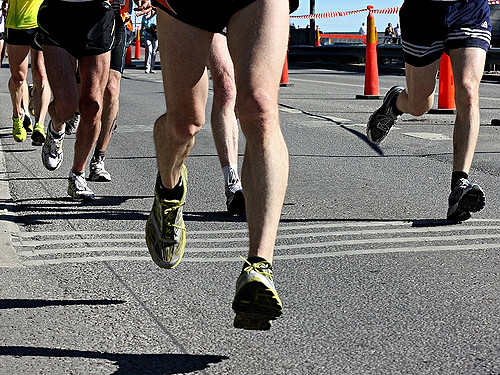
Exercise and a Low-Carb Diet

Some people claim that as a type 1 diabetic, you can’t follow a low-carb diet and exercise. Is this the case*?

For most type 2 diabetics, the advice doesn’t apply. If you don’t take insulin or any blood-glucose level lowering medication, you’re not going to suffer from hypos, where blood sugars dip too low. A low blood sugar is usually defined as below 4mmol (or 70mg/dl in the States). There are no problems following a low-carb diet and exercising.

What happens to you as a type 1 diabetic when you exercise?

Lower AND Raise

Exercise or activity can lower your blood sugar levels. It can also raise them too, just to make life extra complicated. Many people find that intense exercise, such as high-intensity interval training, will temporarily increase blood sugar levels. But the same thing can happen with any activity that makes you huff and puff—a perceived exertion level of hard (15-17 out of 20 on the Borg Scale).

What happens to blood glucose levels also depends on how long you exercise for. Shorter periods of exercise and activity (less than 45 minutes) will not have as much effect as an activity that lasts longer than an hour. Timing is also crucial. When I want to go on a long walk (90 minutes), I usually schedule it for the morning or just after lunch. If I do this, I’m less likely to experience low blood sugars. In the morning, my body is fighting the cortisol spike that raises blood sugar levels. If I go for a walk right after lunch, I don’t take any insulin with my low-carb meal. A long walk will have the same effect as insulin. This might not work if I ate a high-carb meal.

I’m more likely to experience low blood sugars if I exercise in the early evening when my insulin sensitivity is greater anyway.

Basal Rate Reductions

If you know you are going to exercise or be more active than usual, you can lower your basal rate to compensate. With a pump, you can also put on a temporary basal rate reduction an hour or so before you start, keep that on during exercise and for an hour or so afterwards. Or you can switch to a different basal programme for the day.

You will also need to keep an eye on blood sugar levels over the next 24 hours. High-intensity interval training, for example, can lead to a temporary increase, but then a drop in blood sugar levels the next day.

One final point is adaptability. When we first try out a new exercise or activity, it often feels really hard. If you keep it up for a few weeks, what felt difficult soon becomes okay as your body become more efficient. So, a 30-minute spin class, for example, that might have given you a dramatic blood sugar level drop the first time you did it, has minimal effects five weeks later.

There are so many variables to type 1 diabetes, blanket statements such as “you can’t exercise and eat low-carb” do not apply to everyone. It’s challenging, yes, but if you know your body, you’ll know what exercise and activity you can do, when you can do it and how much to do if you want to avoid hypos. Like everything else, personal experience and logging what happens to you during exercise will help.


*The usual disclaimer applies. My opinions don’t constitute advice for other people. If you want to exercise and follow a low-carb diet, you will need to experiment to find out what works for you. If you go to classes or use a gym, make sure the instructors are aware that you have type 1 diabetes and always carry your testing equipment and fast-acting carbs, such as jelly babies, with you.
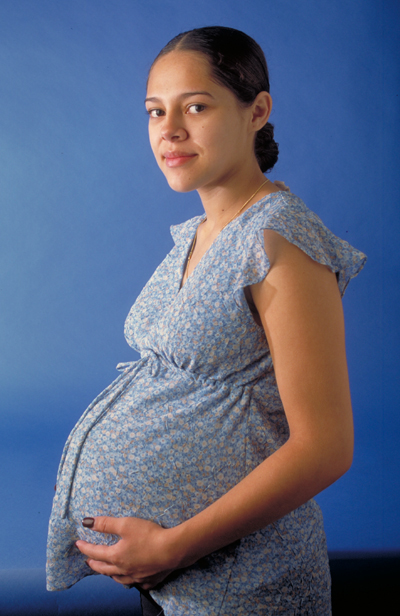
Planning a pregnancy: how tight does blood sugar control need to be?


At what level do pregnancy complications begin?7241780178_d6f12e91cd_o

    December 17th, 2016  Diabetes in Control


The results from a new study show that risk increased in women with an early HbA1c of at least 5.9% regardless of a gestational diabetes diagnosis later in pregnancy.

Risk of obstetric complications increases linearly with rising maternal glycemia. Testing HbA1c is an effective option to detect hyperglycemia, but its association with adverse pregnancy outcomes remains unclear. Emerging data sustains that an early HbA1c≥5.9% could act as a pregnancy risk marker.

The purpose of the study was to determine, in a multi-ethnic cohort, whether an early ≥5.9% HbA1c could be useful to identify women without diabetes mellitus at increased pregnancy risk. Primary outcome was macrosomia. Secondary outcomes were pre-eclampsia, preterm birth and Caesarean section rate.

1,228 pregnancies were included for outcome analysis. Women with HbA1c≥5.9% (n= 48) showed a higher rate of macrosomia (16.7% vs. 5.9%,p= 0.008) and a tendency towards a higher rate of preeclampsia (9.32% vs. 3.9% ,p= 0.092). There were no significant differences in other pregnancy outcomes. After adjusting for potential confounders, an HbA1c≥5.9% was independently associated with a three-fold increased risk of macrosomia (p= 0.028) and preeclampsia (p= 0.036).

They evaluated data on 1,228 pregnant women from April 2013 to September 2015 to determine whether an early HbA1c of at least 5.9% can identify women at increased risk for adverse pregnancy outcomes.

Participants were screened for gestational diabetes at 24 to 28 weeks’ gestation, and HbA1c measurement was added to first antenatal blood tests. The primary outcome of the study was macrosomia, and secondary outcomes included rates of preeclampsia, preterm birth and caesarean section.

Compared with participants with an HbA1c less than 5.9% (n = 48), participants with an HbA1c of at least 5.9% (n = 1,180) were more often members of ethnic minorities, had higher pre-pregnancy BMI, were more likely to have anemia and microcytosis, and were more likely to be diagnosed with gestational diabetes.

The rate of macrosomia was increased nearly threefold in participants with HbA1c of at least 5.9% compared with participants with HbA1c less than 5.9%; there also was an increased tendency toward preeclampsia. The rates of preterm birth and caesarean section did not differ significantly between the two groups.

Among participants with HbA1c of at least 5.9%, 22 were diagnosed and treated for gestational diabetes.

From the results of the study it was concluded that, in a multiethnic population, an early HbA1c ≥5.9% measurement identifies women at high risk for poorer pregnancy outcomes independently of GDM diagnosis later in pregnancy. Further studies are required to establish cutoff points adapted to each ethnic group and to assess whether early detection and treatment are of benefit.

In an earlier study published by the American Diabetes Association (Diabetes Care, 2014) they demonstrated that a simple A1c blood test can uncover hidden type 2 diabetes in expectant mothers. The study found that the A1c test can accurately detect undiagnosed type 2 and prediabetes in pregnant women.

The hemoglobin A1c done early in pregnancy may be a convenient and effective way to identify women with pre-existing type 2 diabetes or who are at greater risk of worse pregnancy outcomes.

In this study, researchers examined the use of an A1c measurement done during the first trimester as a screening tool for pre-existing diabetes. The test was performed on more than 16,000 pregnant women and compared with the results of a 2-hour oral glucose tolerance test (OGTT), which is performed after an overnight fast, and is the gold standard diagnostic test for type 2 diabetes.

The study found that the hemoglobin A1c test was able to identify all the women with pre-existing type 2 diabetes when an A1c cutoff point of 5.9 percent was used, said Dr. Florence Brown from Joslin Diabetes Center in Boston.  “In addition, even if women did not have pre-existing diabetes, the A1c cutoff point of 5.9 was able to identify a population of women at greater risk for adverse pregnancy outcomes, including some women with gestational diabetes.”

This is an important finding because 5.9 percent is considerably lower than the value of 6.5 percent currently used to diagnose patients with type 2 diabetes who are not pregnant, she adds. The 6.5 percent threshold would have missed almost half of these women and is therefore too high for screening purposes, the study authors conclude.

This study also found that an early pregnancy A1c of 5.9 percent to 6.4 percent was associated with a greater risk of worse pregnancy outcomes, including birth defects, preeclampsia and perinatal death.

Given that the prevalence of type 2 diabetes is increasing, the A1c test done as early as possible could identify women at high risk and improve pregnancy outcomes. “This study supports the use of an A1c test in the first trimester and ideally with the first prenatal visit as one possible screen for pregnant women,” said Dr. Brown.

Practice Pearls:

  • A1c test in the first trimester and ideally with the first prenatal visit is one possible screen for pregnant women.
  • An A1c test done as early as possible could identify women at high risk and improve pregnancy outcomes.
  • All pregnant women should undergo screening for diabetes and prediabetes at initial appointment and also later in their pregnancy.

Mañé L, et al. J Clin Endocrinol Metab. 2016;doi:10.1210/jc.2016-2581.

Hilda’s Fit to Serve: Blueberry cheesecake


 A Blueberry Low Carb Option!


low carb cheesecake for national cheesecake day


Today’s recipe is a lovely marriage between the seasonal blueberry and the creaminess of cheesecake.  Enjoy in good health!

Low Carb Blueberry Cheesecake

Almond Crust Ingredients

1 stick of butter

1 cup almond flour

½ cup of sugar substitute

¼ teaspoon of salt

Directions

In a large stand up mixer add the butter, sugar substitute and mix until fully incorporated. Next add the almond four, cocoa and salt.

Spread the low carb cookie crust in a cheesecake spring pan. Bake in a 350 degree oven for 20 to 25 minutes until crust is fully cooked. Allow to cool.

Low Carb Blueberry Cheesecake Batter

2  8 ounce packages of cream cheese (softened)

1 ½ cups of sugar substitute (I use Swerve)

4 eggs

1 teaspoon of vanilla extract

2 cups of fresh organic blueberries

Directions

Pre-heat oven 325

In a large standup mixer add the softened cream cheese to the sugar substitute and mix until light and fluffy. Next add the four eggs one at a time. Lastly, stir in the blueberries and vanilla extract.

Pour the cheesecake batter into the almond crust and bake for 1 hour at 325 degrees or until a tooth pick inserted comes out clean. (Note an important step that cannot be rushed is to allow your cheesecake to age for a full 24 hours before eating. This is the key to a great cheesecake)

Sour Cream Topping

Ingredients

½ cup of sour cream

1 tablespoon of sugar substitute

Directions

Combine the sour cream and sugar substitute and spread over top of the cheese cake once it has aged overnight in the fridge.

Blueberry Sauce

Ingredients

2 ½  cups of fresh blueberries

3 tablespoons of sugar substitute

¾ cup of water

½ teaspoon of lemon extract

1 tablespoon of butter

Directions

In a small saucepan add all the ingredients and cook on low-medium heat until the sauce reduces by half. Make sure to mix while cooking.

Allow sauce to cool completely and then store in the refrigerator.

Drizzle the blueberry sauce over the cheesecake before serving.


Heri’s health points: Great meal planning app for all sorts of food plans

screen-shot-2016-11-18-at-1-53-45-pm

This was my typical work day a year ago:

  • Grab a bowl of cereal or whatever there is in the fridge for breakfast.
  • Run to the subway and grab a coffee on my way to work.
  • A bagel with cream cheese, a shawarma, a muffin or whatever I could find at lunch. This would coincide with my third cup of coffee of the day. Other times, I went to a restaurant for a business meeting and this would be my main meal of the day.
  • Go to a networking evening event and eat whatever they have. Pretzels, beers, coffee, chips, you name it. If there is no event, I would otherwise pick up a hefty meal from a neighboring restaurant on my way home.

Repeat this five days a week and you have a recipe for disaster. It is a diet composed of processed foods, refined carbs and inflammatory foods that lead to obesity, Type 2 Diabetes, or worse.

The sad state of affairs prompted me to get Mealime, a free app available on Android and iPhone. It is also available on the web, but this 9 months review only covers the mobile app.

I find Mealime is an excellent meal and nutrition planner. Akin to having a training plan, meal planning allows you to have consistent nutrition that you can easily track, and improve later on. This is good for those with serious athletic goals, who want to have good health or those who have chronic diseases.

Without meal planning, you are more likely to improvise, eat out, and deviate from health goals. It also makes food tracking difficult. Who would wish to list all ingredients in their food if every meal was different? No one.

How it works

Mealime asks for your food preferences on setup. Classics is for most people. Low Carb means limited glucides and instead more healthy fats. Vegetarian is zero meat. There is also Paleo, Pesceterian and Flexitarian, options I didn’t know about.

My goal was to control blood sugar and insulin levels so I chose low carb.


Mealime also asks for allergies and ingredients you dislike. I dislike for example turnips.

After choosing a menu type, it then asks you how many meals you wish to prepare.


If you don’t like a dish, you can swipe left, until you have all the meals you want.

The app then shows a summary of ingredients. I find this very practical when doing groceries.


You know exactly what to get and what not to get. This reduces my stress, and I feel like a master chef 🙂

Hey, we are cooking!

Prior to Mealime, my cooking skills were limited to basic omelettes or making batches of kitchen breasts. Naturally, I was apprehensive. Disaster, anyone?

I was positively surprised to find that Mealime dishes are not difficult to make. They take on average 40 minutes to make and never require any special talent or instruments. It takes a good knife, a pan and an oven. And a smile 🙂


Since then, I changed to a better chef’s knife, a good skillet and more spices but you can always manage with what you have at home.

Easy Meal Planning for the week

I do groceries on weekends, then cook a Mealime dish in the evening. I have a delicious dinner and put the rest in containers. They usually last 3 days, and usually I cook again mid-week.

If we take the baseline of 40 minutes for meal preparation, that means every dish takes me 40 / 7 ~ 6 minutes to make. Surely beats going to a take-out restaurant!

If you favorite a dish, it is always available through a shortcut. For instance, I often make wild atlantic salmon with zucchini and carrots. You can then add the recipe in MyFitnessPal, which means food tracking takes only a few seconds. It’s a nice streamlined process to take control of your nutrition intake.

Dramatic Results

By following the low carb option, and commuting by bike, I lost a lot of weight in a few months (~7kgs). The loss was dramatic and many friends and acquittances could not believe it.

The biggest benefit I find however is great overall energy, eating more vegetables, and learning to appreciate good food cooked at home. This is a life skill I underestimated previously and I am glad Mealime helped.

It also makes my life easy, and lets me invest my time elsewhere.

A Perfect App?

I have not used other food apps so I can’t say on how it compares to other competitors. I can say however Mealime is great for those with limited time and want to cook healthy meals. It provides nutritious fuel for my running and daily work and can wholly recommend it. Download it and give it a go !