Beware of overly aggressive blood pressure lowering drugs-even in hospital

Photo by uhvozd on Pexels.com

Adapted from BMJ 7 Dec 2024

In older patients, lowering the blood pressure too aggressively can do more harm than good.

A retrospective study of over 1.33 million Us veterans, 91% men, mean age 71, showed that in those admitted to hospital for at least three days, who had a blood pressure medication added, did not do as well as their doctors expected.

70% of patients will have blood pressure measurements over 140 mm Hg systolic. Sometimes anti-hypertensive medication is added to their existing drug regime, but ischaemia can result, if this is done too rapidly, particularly in older patients.

None of the veterans needed intensive care or surgery. As you all know, admission to hospital is a stressful experience. This can raise the blood pressure on its own. When an extra blood pressure medication was added within 24 hours of admission, the treated group tended to have a rapid drop in blood pressure, acute kidney injury and a 1.69 higher chance of having a stroke, myocardial infarction or death, compared to those who were not given the extra medication.

Researchers say that this aspect of care needs further research to determine when acute blood pressure lowering is really of help.

JAMA Intern Med doi:10.1001/jamainternmed.2024.6213.

High doses of Statins tend to worsen osteoporosis, so more monitoring in susceptible patients will be required.

Photo by Anastasia Shuraeva on Pexels.com

Clinical science
Diagnosis of osteoporosis in statin-treated patients
is dose-dependent

Michael Leutner et al. Department of Internal Medicine. University of Vienna.
Ann Rheum Dis 2019;78:1706–1711.


Key messages


What is already known about this subject?

► There is a relationship between statins and
osteoporosis.


What does this study add?
► Osteoporosis is underrepresented in low-dose
statin treatment.
► There is an overrepresentation of osteoporosis
in high-dose statin treatment.


How might this impact on clinical practice or
future developments?

► In clinical practice, high-risk patients for
osteoporosis under high-dose statin treatment
should be monitored more frequently.


Abstract
Objective: Whether HMG-CoA-reductase inhibition,
the main mechanism of statins, plays a role in the
pathogenesis of osteoporosis, is not entirely known so
far. This study was set out to investigate
the relationship of different kinds and dosages of statins
with osteoporosis, hypothesising that the inhibition of
the synthesis of cholesterol could influence sex-hormones
and therefore the diagnosis of osteoporosis.
Methods Medical claims data of all Austrians from
2006 to 2007 was used to identify all patients treated
with statins to compute their daily defined dose averages
of six different types of statins. We applied multiple
logistic regression to analyse the dose-dependent risks
of being diagnosed with osteoporosis for each statin
individually.


Results: In the general study population, statin
treatment was associated with an overrepresentation
of diagnosed osteoporosis compared with controls (OR:
3.62, 95%CI 3.55 to 3.69, p<0.01). There was a highly
non-trivial dependence of statin dosage with the ORs
of osteoporosis. Osteoporosis was underrepresented
in low-dose statin treatment (0–10mg per day),
including lovastatin (OR: 0.39, CI 0.18 to 0.84, p<0.05),
pravastatin (OR: 0.68, 95%CI 0.52 to 0.89, p<0.01),
simvastatin (OR: 0.70, 95%CI 0.56 to 0.86, p<0.01) and
rosuvastatin (OR: 0.69, 95%CI 0.55 to 0.87, p<0.01).


However, the exceeding of the 40mg threshold for
simvastatin (OR: 1.64, 95%CI 1.31 to 2.07, p<0.01),
and the exceeding of a 20mg threshold for atorvastatin
(OR: 1.78, 95%CI 1.41 to 2.23, p<0.01) and for
rosuvastatin (OR: 2.04, 95%CI 1.31 to 3.18, p<0.01)
was related to an overrepresentation of osteoporosis.


Conclusion: Our results show that the diagnosis
of osteoporosis in statin-treated patients is dosedependent.

Thus, osteoporosis is underrepresented
in low-dose and overrepresented in high-dose statin
treatment, demonstrating the importance of future
studies’ taking dose-dependency into account when
investigating the relationship between statins and
osteoporosis.


BMJ: Statins increase the risk of type two diabetes. So how can patients and doctors manage this risk?

Photo by Skitterphoto on Pexels.com

Adapted from BMJ 20 May 2023 Risk of diabetes with statins by Ishak A Mansi et al.

Statin medications lower cholesterol and have an anti-inflammatory effect that shows benefits in cardiovascular morbidity and mortality, particularly for secondary prevention, when a heart attack or stroke has already occurred. Yet studies have shown a 46% relative risk increase for diabetes, possibly due to a direct toxic effect on mitochondrial pancreatic beta cells.

Based on some randomised controlled trials it is thought that for every 100 to 250 people who take statins for 2 to 5 years, on additional person will develop diabetes due to taking the statin. Studies also indicate that the risk is higher if the statin dose is higher. The risk is greatest in the first four months of treatment. People who already have diabetes may find that their blood sugar control worsens. If you already have impaired fasting blood glucose, metabolic syndrome, fatty liver, are over 65 in age, or have obesity, this can tip you into a diabetes diagnosis.

It is still thought that despite these problems, statin use is still more beneficial overall compared to not prescribing them, particularly for if you have already had a stroke or heart attack.

What can you do?

Exercise and adopt a low glycaemic diet. This will also reduce your cardiovascular risk independent of its beneficial effect on improving insulin resistance and lowering blood sugars.

What can your doctor do?

Consider prescribing Metformin or a glitazone if you are starting a statin and already have pre-diabetes.

Check blood glucose levels before starting a statin and at three months afterwards and then yearly.

Check Thyroid function as low thyroid levels can raise cholesterol levels.

Think twice about high intensity statins. Are they really necessary?

Change medications that already raise the risk of diabetes such as thiazide diuretics and beta blockers, particularly if there are no strong indications for these particular drugs.

Minimise drug interactions from other medications that raise the effects of statins in the body. These include: amiodarone, clarithromycin, diltiazem, grapefruit juice, itraconazole, ketoconazole, protease inhibitors as these increase the potency of simvastatin, atorvastatin and lovastatin.

Cyclosporin affects transport proteins and also raises the potency of statins.

Dr David Ludwig: Childhood obesity the the crossroads of science and social justice

Photo by Loren Castillo on Pexels.com

Adapted from paper by Dr David S Ludwig and Dr Jens J Holst published in JAMA May 1 2023

Treatment that focuses on the root cause of a disease has guided research and clinical practice for centuries. The American Academy of Pediatrics (AAP) published a clinical practice guideline for the evaluation and treatment of children with obesity earlier this year. This guideline emphasises the use of weight loss drugs and bariatic surgery. Diet received little attention apart from advising the USDA’s MyPlate recommendations and the limitation of sugar sweetened beverages.

The researchers are of course constrained by available evidence and the results on weight loss for drugs and surgery do seem superior to the changes achieved by diet. Yet, the physiological changes that occur on a carbohydrate restricted diet have many similarities to what occurs in the body with drugs such as GLP-1 receptor antagonists.

GLP-1 RAs improve beta cell sensitivity to glucose so that the same amount of insulin will be released at a lower glucose concentration. It also slows the rate that the stomach empties after eating food. Thus people feel fuller up after eating for longer, and the lower blood sugars released from the stomach over time result in lowering the total amount of insulin from the pancreas. The lower the rate that the stomach empties, the more weight is lost.

Slower digesting carbohydrate, for instance, must travel farther down the gut before being fully absorbed. This causes lower post meal blood sugars and insulin secretion. Protein and fat also digest more slowly and stimulate less insulin secretion than an equivalent amount of rapidly absorbed carbohydrate. Additional similarities between low glycaemic load diets and GLP-1 RAs include lower leptin levels, suggesting lower leptin resistance, lower ghrelin levels and higher adiponectin levels. This dietary strategy shares mechanisms with gastric bypass surgery which shifts nutrient absorption from a more proximal to a more distal location in the intestines. Of special relevance is that natural GLP-1 secretion is increased with a low glycaemic load diet, which slows gastric emptying thus improving satiety, and bariatric surgery.

Although in theory a low carb diet should be able to replicate the results of GLP-1 RAs (15% weight loss) results are usually disappointing, except where a ketogenic diet with intensive behavioural support (12% weight loss) is provided. In other words, the results can be almost replicated but the person must stick to the diet.

GLP-1 RAs cost $1,400 per adolescent per month. Treatment of all adults with obesity would cost $1 trillion and all adolescents $100 billion per year. Instead of spending this sort of money to solve the obesity crisis, it would be more worthwhile to enhance dietary quality and create environments that would encourage physical activities and outdoor play as an alternative to screen time and electronic gadgets. This would improve mental as well as physical health.

Unfortunately, once GLP-1 RAs are stopped, the weight is usually rapidly regained. Therefore we are really looking at potentially lifelong drug treatment for the obese population. We do not know the effects of prolonged drug treatment on other health factors. A low quality diet could still produce a raised lifetime risk of cardiovascular disease, cancer and other chronic conditions, independent of weight.

Perhaps low glycaemic load diets when given in conjunction with GLP-1 RAs would improve the therapeutic effect and thus allow drug use at lower dosages. This could reduce adverse effects.

To advance science and social justice we must fund research into new dietary treatments and overcome obstacles to the provision of intensive behavioural interventions. Especially for children, diet and lifestyle must remain at the forefront of obesity prevention and treatment.

Can you avoid that antibiotic for your baby?

Adapted from Early life antibiotic exposure linked to asthma, obesity and coeliac disease by Heather Mason Univadis Medical News 24 Nov 2020.

Antibiotic exposure in the first two years of life increased the lifetime risk of developing various immunological, metabolic and neurodevelopmental conditions. This is thought to occur from the effect of the antibiotics on the gut microbiome.

Aversa Z et al published their findings in the Mayo Clinic Proceedings this year. They looked at over 14 thousand children. Half were boys and half were girls. 70% of the children had received an antibiotic during the first two years of life. These children were compared to the ones that had not had any antibiotics. The follow up was for the next 9 years.

All children were at increased risk of asthma and allergic rhinitis with a strong dose-response relationship. There was also an increased risk for attention deficit hyperactivity disorder. Girls were particularly susceptible to atopic dermatitis and coeliac disease and boys were more susceptible to obesity.

Aversa Z et al. Association of infant antibiotic exposure with childhood health outcomes. Mayo Clinic Proceedings. 2020 Nov6:S0025-6196(20)30785-0.

My comment: I wonder how much effect prematurity may have affected these results? It is well known that these babies have markedly less robust immune systems and their parents may also be more anxious about their health. I was premature and was given copious doses of penicillin for the tonsillitis that I got every 2 months. I remember that missing school and listening to the Jimmy Young show on the radio while my mum did the housework as being much better than going to school. As an adult I am very adversely affected by wheat. Whatever is going on, this article does lend credence to the fact that our gut bacteria have a lot more influence on our health than we have ever imagined. I easily recall the extreme pressure put on doctors to prescribe antibiotics for the most trivial of complaints. The younger the child, the more difficult it is to resist the “just in case” half plea-half threat from the parents.

Canagliflozin reduces onset of cardiac failure compared to other anti-diabetic drugs


Adapted from BMJ 10 Feb 18

A large population based cohort study showed that patients who started canagliflozin had a markedly reduced risk of being admitted to hospital with cardiac failure compared to three other types of anti-diabetes drugs.  There was no increase in heart attacks or stroke.

The study was based in the USA and the comparative drugs were DPP-4 inhibitors such as Victoza and Byetta, Gliptans such as Linagliptan and Sitagliptan, and sulphonylureas such as Gliclazide.   There was a 30-49% decrease in hospitalisations for cardiac failure.

None of the patients had a history of cardiac failure or cardiovascular disease at the start of the study and the patients were compared to others with the same HbA1C to ensure a fair comparison.

The reduction in cardiac failure could be a class effect of the Flozin drugs but further studies would be needed to find out. No other Flozins were used in the study as comparators.

Between 17,354 and 20,539 pairs of patients were matched for each comparison making this a very large study indeed.

Is there a new “magic bullet” for type two diabetes?

SLGT-2 Inhibitors Gaining Traction as a Class in Preventing Cardiovascular Consequences
April 15th, 2017 Diabetes in Control

Chest pain

Are we experiencing the next “magic bullet” in type 2 diabetes?
Cardiovascular mortality has long been established as the primary cause of death in patients with type 2 diabetes (T2D).

Cardiovascular effects of oral antidiabetic medications came to the forefront in 2007 with the landmark article in the New England Journal of Medicine, written by Dr. Steven Nissen.  In this publication, Dr. Nissen showed a strong association between use of rosiglitazone and increased incidence of cardiovascular complications and deaths.  In the years following, the FDA placed strong restrictions on the prescribing of rosiglitazone, sharply decreasing the market for Avandia.  Subsequent studies showed no correlation between the use of thiazolidinediones and adverse cardiovascular events, causing the FDA to reverse its stance on Avandia.  This class of agents was of particular interest because it was among the first of the oral agents that did not display the hypoglycemia seen with the sulfonylureas.  More importantly, this event caused the FDA to re-examine its approval process, and enforce that cardiovascular studies be done in all new drug presentation trials.
Until recently, there were no groundbreaking studies that suggested any class of oral hypoglycemic could significantly reduce CV risks associated with diabetes.  In January 2016, the European Heart Journal reported the results of EMPA-REG OUTCOME, a randomized placebo-controlled trial with over 7,000 subjects looked at empagliflozin, a sodium-glucose cotransporter 2 (SGLT-2) inhibitor, which works by reducing glucose reabsorption at the renal tubule, thereby increasing glucose excretion. While a known effect is the reduction of hyperglycemia in T2D, there is also an increase in diuresis, weight loss, and reduction in blood pressure without associated tachycardia.  EMPA-REG OUTCOME showed that patients who received empagliflozin demonstrated significant declines in heart failure hospitalizations and cardiovascular deaths, without a rise in adverse effects, regardless of baseline heart failure state.  Based on these findings, Eli Lilly, the manufacturer of the Jardiance® brand of empagliflozin, saw a significant increase in their stock value, as their product was given preference over other available SGLT-2 inhibitors.
Earlier this month, the American College of Cardiology held the ACC.17, where the results of the CVD-REAL study were released .  CVD-REAL was a meta-analysis looking at over 364,000 patients from 6 different countries (United States, United Kingdom, Germany, Norway, Sweden, and Denmark), with T2D. Subjects were receiving either a SGLT-2 inhibitor or another glucose-lowering drug (oGLD) with even distribution across both arms in all six countries.  Of the patients studied, 3% had baseline heart failure, 13% had baseline cardiovascular disease, and 27% had baseline microvascular disease. The primary endpoint was hospitalization for heart failure, which showed a reduction strongly favoring the SGLT-2 inhibitors (hazard ratio [HR] 0.61; p < 0.001).  The secondary endpoints of all-cause mortality also favored the SGLT-2 inhibitors (HR, 0.49; p<0.001), as did heart failure hospitalizations and all-cause deaths in total (HR, 0.54; p<0.001).
Of important significance is the lack of population heterogeneity across the different countries, which suggests that the positive effects seen can be associated with the entire class of SGLT-2 inhibitors (which include dapagliflozin [Farxiga®] and canagliflozin [Invokana®]), and not just empagliflozin.

The investigators in CVD-REAL have come forth and stated that their findings do indeed line up with those from EMPA-REG OUTCOME.  The significance of this is there now exists an open market for SGLT-2 inhibitors, and that these once very costly medications may experience considerable cost reduction across the class, giving patients more affordable options.
As David Kliff, publisher of Diabetic Investor, recently stated, Dr. Nissen has received plenty of negative feedback from the community for his claims against rosiglitazone.  However, because of his initial findings and subsequent correction, the FDA has re-established its approach to the approval process for treatments of type 2 diabetes to include necessary studies of cardiovascular outcomes, much to the benefit of our patients, and that’s certainly a good thing.
Practice Pearls:
The significance of the fall and rise of rosiglitazone has had a tremendous impact on how type 2 diabetes treatments are evaluated.
EMPA-REG OUTCOME has demonstrated considerable positive effects on cardiovascular outcomes in T2D patients receiving empagliflozin, an SGLT-2 inhibitor.
The recent CVD-REAL study has strengthened the notion that all SGLT-2 inhibitors significantly reduce hospitalizations due to heart failure, as well as displaying a decline in cardiovascular deaths in the T2D population.
References:
Nissen SE, Wolski K. Effect of rosiglitazone on the risk of myocardial infarction and death from cardiovascular causes. N Engl J Med. 2007;356(24):2457-71.
FDA website. FDA significantly restricts access to the diabetes drug Avandia. Press release, September 23, 2010. http://www.fda.gov/ NewsEvents/Newsroom/PressAnnouncements/ ucm226975.htm Accessed March 24, 2017.  
FDA website. FDA panel votes narrowly to modify Avandia restrictions, June 6, 2013. http://www.reuters.com/
American College of Cardiology Website. CVD-REAL Study: Lower Rates of Hospitalization For HF in New Users of SGLT-2 Inhibitors, March 19, 2017. http://www.acc.org/latest-in-cardiology/articles/2017/03/13/17/58/sun-2pm-cvd-real-study-lower-rates-of-hospitalization-for-hf-in-new-users-of-sglt-2-inhibitors-vs-other-glucose-lowering-drugs-acc-2017#sthash.4dPCw3Zu.dpuf.

Mark T. Lawrence, RPh,PharmD Candidate, University of Colorado-Denver, School of Pharmacy NTPD

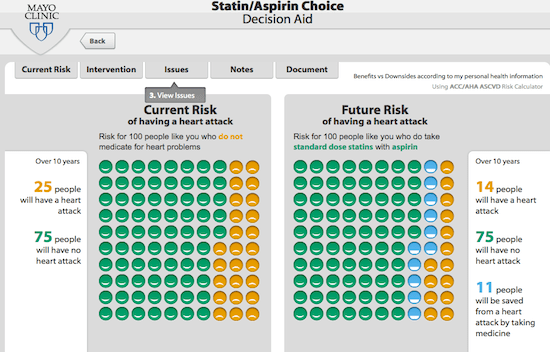
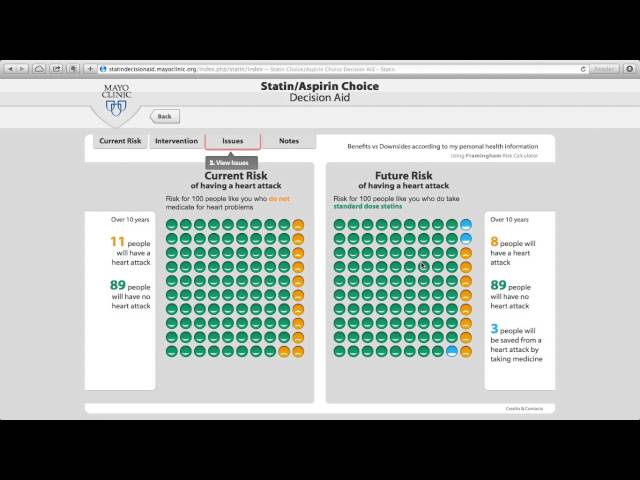
Mayo Clinic Statin decision aid

Mayo clinic statin decision aid


https://statindecisionaid.mayoclinic.org/index.php/statin/


The Mayo Clinic have a free online decision aid which will graphically represent the difference in heart attack risk that you face over the next ten years. You can choose three different calculation algorithms. Each varies a bit regarding factors that they consider important. The units section can transfer according to what system your lab uses for cholesterol results. In the UK they use the mmol/mol and in the US it is mg/dl.

Like other decision aids it has no facility to calculate the possible downside to statin use.

I put my measurements in and got a 3% risk on the AHA figures which would drop to a 2% risk on low dose statins. High dose statins would make no difference to this. Using the Framingham criteria my risk came in at 8% dropping to 6% on low dose statins. The Reynolds criteria uses high sensitivity CRP which we don’t measure in the UK. 


Double diabetes: watch out for ketoacidosis with some drug combinations

download-1

The use of adjuvant drugs for obese, insulin resistant type ones is increasing. What can you expect from therapy with some of the newer add on drugs? This article in Diabetes in Control tells you.

Type I Diabetes Mellitus: A Triple Therapy Approach

Diabetes management strategies have evolved since the discovery of newer oral agents that provide glycemic control through various pathways. Type 1 diabetes mellitus treatment has changed from traditional insulin regimens to incorporating other agents for improving glycemic control.

Maintaining adequate glycemic control and preventing end-organ damage is of utmost importance when managing diabetes. Uncontrolled blood glucose levels can lead to retinopathy, neuropathy, and nephropathy, which affects overall quality of life in our patients.

Due to these effects and the increased rate of uncontrolled A1c levels in patients with type 1 diabetes, various researchers have devised various treatment approaches for these patients. Recent research efforts have looked into the benefits of SGLT-2 inhibitors and their effect on cardiovascular events and mortality.

Matteo Monami et al., have looked into the benefits of these agents in patients with type 2 diabetes in the EMPAREG OUTCOME study. The findings from this research study highlight the benefit from SGLT-2 inhibitor use.  Their use in T2DM was found to reduce the risk of all-cause mortality, cardiovascular mortality, and myocardial infarction, but there was no increase in the risk of stroke. These findings can also provide similar benefits in type 1 diabetes patients; however, more studies are needed to provide stronger evidence.

Previous studies with other SGLT-2 inhibitors (i.e. canagliflozin) showed an increased incidence of diabetic ketoacidosis (DKA) in T1D patients. The incidence of DKA is thought to be associated with an increase in glucagon and free fatty acids that induces insulin resistance, which can also predispose to renal complications.

Conversely, a recent study showed improvements in renal functions in patients taking dapagliflozin through reductions in ischemia and hypoperfusion. These findings are not seen in patients taking liraglutide due to suppression of ketogenesis.

Recently, Nitesh Kuhadiya and colleagues expanded on the use of SGLT-2 inhibitors in type 1 diabetes patients. In this randomized clinical trial, researchers looked at the reduction in glycemia and body weight when adding dapagliflozin to an insulin and liraglutide regimen. Researchers hypothesized that the addition of dapagliflozin to an insulin and liraglutide regimen would provide improvements in glycemia without leading to increased concentrations of glucagon and other ketosis mediators.

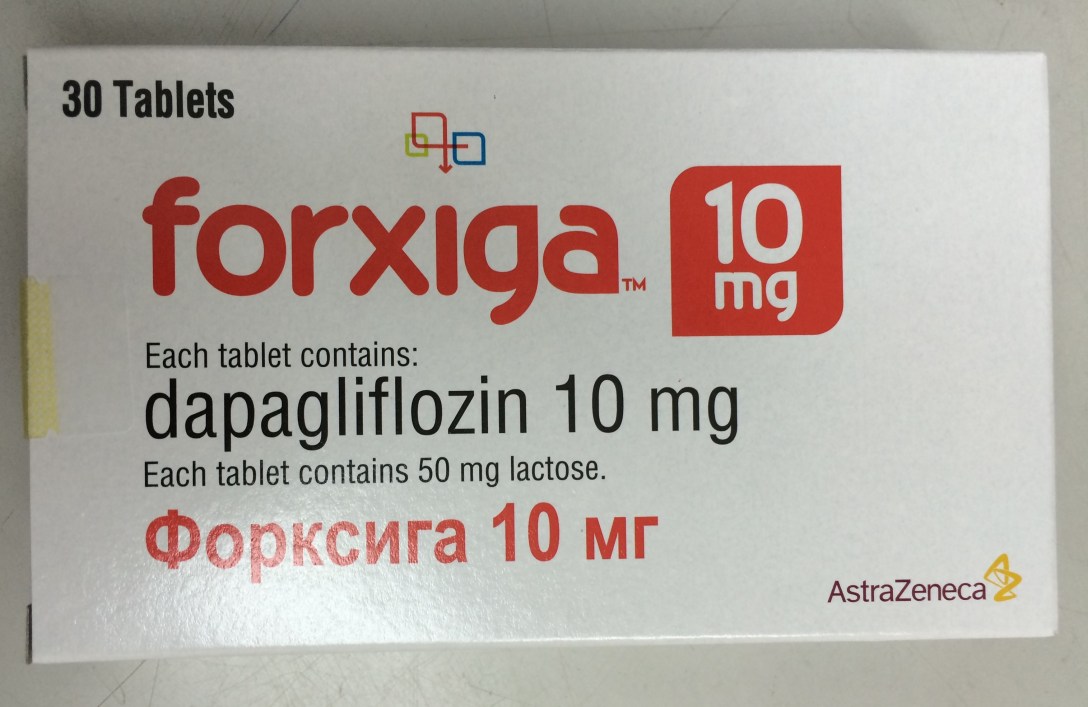
Eligible patients were enrolled based on the following characteristics: 18-75 years of age with type 1 diabetes, fasting C-peptide of <0.1nmol/L, on any insulin regimen for more than 12 months with or without history of DKA. All patients had an A1c of <9.2% and were knowledgeable on carbohydrate counting. Additionally, patients needed to be on liraglutide therapy for at least 6 months prior to the start of the trial. 30 patients were assigned in a 2:1 ratio to receive either dapagliflozin 10 mg or placebo for 12 weeks. Consistency of carbohydrate content was documented by a dietitian.

The primary end-point of the study was a change in mean A1c after 12 weeks of dapagliflozin. Each patient’s body weight, systolic blood pressure, carbohydrate intake, and ketosis mediators were measured throughout the study as secondary endpoints. 26 patients completed the study, out of which only 17 were part of the intervention group. Those in the intervention group received dapagliflozin 5 mg daily for one week followed by 10 mg daily for 11 weeks. All insulin doses were targeted to 3.8-8.8 mmol/L.

At the end of the study it was found that triple therapy with liraglutide, insulin, and dapagliflozin decreased A1c by 0.66% when compared to placebo (~0.1%) (p <0.01 vs placebo). No severe hypoglycemic episodes were reported even when weekly glucose concentrations fell by 0.83 + 0.33 mmol/L in patients receiving triple therapy; no significant changes observed in the placebo group (P< 0.05 vs baseline; P=0.07 vs placebo).

When looking at the effects of this regimen and body weight, it was observed that body weight fell by 1.9 + 0.54 kg in the triple therapy group (P<0.05 vs placebo). Furthermore, there was a significant increase in ketosis mediators. It was also seen that total cholesterol and LDL-C level increased by 6% and 8%, respectively. Blood pressure readings remained unchanged in both groups.

In conclusion, a significant decrease in A1c and weight can be obtained by incorporating dapagliflozin for type 1 into an insulin and liraglutide regimen. However, special consideration should be taken when utilizing this approach due to an increase in ketosis mediators that can predispose patients to develop DKA.

Practice Pearls:

  • Triple therapy with dapagliflozin, insulin, and liraglutide reduces blood glucose levels without increasing the risk of hypoglycemia.
  • Weight reduction and A1c reduction can be obtained in type 1 diabetes patients while providing cardiovascular and renal protection properties, however closer monitoring is warranted due to increases in cholesterol and LDL-C.
  • Frequent monitoring should be implemented when utilizing this triple therapy approach due to an increase in glucagon, free fatty acids, and other mediators of ketosis predisposing to DKA.

Researched and prepared by Pablo A. Marrero-Núñez – USF College of Pharmacy Student Delegate – Doctor of Pharmacy Candidate 2017, reviewed by Dave Joffe, BSPharm, CDE

References:

Chang, Yoon-Kyung, Hyunsu Choi, Jin Young Jeong, Ki-Ryang Na, Kang Wook Lee, Beom Jin Lim, and Dae Eun Choi. “Dapagliflozin, SGLT2 Inhibitor, Attenuates Renal Ischemia-Reperfusion Injury.” PLOS ONE PLoS ONE 11.7 (2016). Web

Kuhadiya, Nitesh D., Husam Ghanim, Aditya Mehta, Manisha Garg, Salman Khan, Jeanne Hejna, Barrett Torre, Antoine Makdissi, Ajay Chaudhuri, Manav Batra, and Paresh Dandona. “Dapagliflozin as Additional Treatment to Liraglutide and Insulin in Patients With Type 1 Diabetes.” The Journal of Clinical Endocrinology & Metabolism (2016). Web.

Monami, Matteo, Ilaria Dicembrini, and Edoardo Mannucci. “Effects of SGLT-2 Inhibitors on Mortality and Cardiovascular Events: A Comprehensive Meta-analysis of Randomized Controlled Trials.” Acta Diabetol Acta Diabetologica (2016). Web.


Choosing medication in type two diabetes

26_universita_di_bari

Cardiovascular Mortality of Diabetes Medications from Diabetes in Control


What should be the proper treatment selection for patients with type 2 diabetes?

The incidence of diabetes has been growing and the complications arising from uncontrolled blood glucose has been increasing along with it. It is estimated that more than 80% of deaths in developing countries are associated with life-threatening complications associated with diabetes.

Various treatment approaches have been implemented to avoid these complications and deaths related to diabetes. The mainstay of therapy for diabetes has been diet and exercise in conjunction with glucose-lowering drugs. Each of these agents are implicated with a potential benefit in health outcomes and mortality.

Agents from metformin have proven to be the first-line treatment due to its long-term benefits and improved glycemic control, to thiazolidinediones, which were falling out of favor due to their effects on heart failure and now proves to be beneficial in stroke.

Ongoing research efforts have compared various treatment modalities in head-to-head trials in order to understand glycemic events in diabetes. In a recent meta-analysis conducted by Giovanni F.M. Strippoli, PhD at the University of Bari, it is explained that sometimes these trials fail to dive into the cardiovascular mortality of these medications due to its inability to compare all treatment modalities simultaneously.

Strippoli and colleagues wanted to estimate the relative efficacy and safety of glucose-lowering medications. They extracted data from 301 clinical trials, which took into account 1,417,367 patient-months. All of these trials were 24 weeks of duration or longer. They included biguanides, sulfonylureas, thiazolidinediones, DPP-4 inhibitors, SGLT-2 inhibitors, GLP-1 agonists, basal insulin, meglitinides, and alpha-glucosidase inhibitors.

All of those studies that looked at medication regimens no longer supported by treatment guidelines or that have been withdrawn from the market were excluded from the study.

The primary endpoint of the study was the association of drug treatments with cardiovascular mortality.

Secondary endpoints were stratified into two endpoints, individual safety and individual efficacy. Secondary efficacy endpoints included all-cause mortality, myocardial infarction, stroke, A1c levels, and treatment failure.

Secondary safety endpoints included serious adverse events, hypoglycemia, and body weight.(My comment: the  pros and cons that patients and doctors are most interested in)

After randomization, trials were separated into those where patients were given a monotherapy regimen, other drugs were added to metformin, or where other drugs added to metformin and sulfonylureas.

In those trials where drugs were used as monotherapy, there was no significant difference in the drugs used as monotherapy and the odds of death from cardiovascular complications. Nonetheless, these were associated with lower A1c levels. However, there was insufficient data to determine treatment rankings for these effects.

There was a greater risk of hypoglycemia with basal insulin (OR, 17.9 [95% CI, 1.97 to 162]; RD, 10% [95% CI, 0.08% to 20%]) or sulfonylureas (OR, 3.13 [95% CI, 2.39 to 4.12]; RD, 10% [95% CI, 7% to 13%]) as monotherapy. Furthermore, when analyzing those drugs added to metformin there was no significant association between any drug classes and the risk of death, despite 45 cardiovascular deaths reported in 26 trials. Similar findings were seen in all-cause mortality and myocardial infarction when adding other drugs to metformin therapy. However, there was lower risk of stroke in those regimens that included metformin and DPP-4 inhibitors when compared to metformin and sulfonylureas (OR, 0.47 [95% CI, 0.23 to 0.95]; RD, −0.2% [95% CI, −0.4% to −0.04%).

Treatment failure was noted less often in those patients receiving metformin and SGLT-2 inhibitors. In terms of weight and hypoglycemia, the use of metformin and sulfonylureas ranked worse when compared to all different treatment modalities. Furthermore, in the third set of trials that looked at drugs added to metformin and sulfonylureas, there was no association between any of drugs and the risk of cardiovascular death. This same trend was seen with all-cause mortality and serious adverse events; no significant association was observed.

Alpha-glucosidase inhibitors provided the least A1c reduction when added to metformin and sulfonylureas, when compared to the implementation of basal insulin or thiazolidinediones (SMD, 1.42 [95% CI, 0.57 to 2.26]). Treatment failure was more notable in patients receiving DPP-4 inhibitors when compared to those patients where basal insulin was added. Hypoglycemia was observed less in those patients receiving GLP-1 agonists than those receiving thiazolidinediones. All drug classes provided weight reductions except thiazolidinediones and basal insulin.

In conclusion, these findings highlight that the use of glucose lowering agents alone or in combination are not implicated with cardiovascular mortality, all-cause mortality, or serious adverse events. Significant reductions in A1c can be obtained with the use of individual glucose lowering) agents. When these agents are added to metformin, clinically significant reductions can be obtained.

Practice Pearls:

  • Sulfonylureas or basal insulin should be avoided in the setting where hypoglycemia is of great concern.
  • Weight reductions can be obtained with regimens utilizing SGLT-2 inhibitors and GLP-1 agonists.
  • There is no significant association between the use of various glucose-lowering medications (alone or in combination) and the risk of cardiovascular mortality.

References:

Palmer SC, Mavridis D, Nicolucci A, et al. Comparison of Clinical Outcomes and Adverse Events Associated With Glucose-Lowering Drugs in Patients With Type 2 Diabetes: A Meta-analysis. JAMA. 2016;316(3):313-324. doi:10.1001/jama.2016.9400.

American Diabetes Association. Standards of medical care in diabetes: Summary of revisions-2016, 7: approaches to glycemic treatment. Diabetes Care. 2016;38(suppl):S4-S5