Drugs that change your weight

Researchers conducted a systematic review and meta-analysis  of 257 randomised controlled trials and  summarized the evidence about commonly prescribed drugs and their association with weight change.

They included 257 randomized trials (54 different drugs; 84,696 patients enrolled). Weight gain was associated with the use of: amitriptyline (1.8 kg), mirtazapine (1.5 kg), olanzapine (2.4 kg), quetiapine (1.1 kg), risperidone (0.8 kg), gabapentin ( 2.2 kg), tolbutamide (2.8 kg), pioglitazone (2.6 kg), glimepiride (2.1 kg), gliclazide (1.8 kg), glyburide (2.6 kg), glipizide (2.2 kg), sitagliptin (0.55 kg), and nateglinide (0.3 kg).

Weight loss was associated with the use of: metformin (1.1 kg), acarbose (0.4 kg), miglitol (0.7 kg), bupropion (1.3 kg), and fluoxetine (1.3 kg).

For many other remaining drugs (including antihypertensives and antihistamines), the weight change was either statistically nonsignificant or supported by very low-quality evidence.


JP Domecq. The Journal of Clinical Endocrinology and Metabolism Drugs Commonly Associated With Weight Change: J. Clin. Endocrinol. Metab. 2015 Jan 15;100(2)363–370, From MEDLINE®/PubMed®, a database of the U.S. National Library of Medicine.

Published in Diabetes in Control Feb 1Metformin_500mg_Tablets


Dr Bernstein’s Diabetes University on You Tube

Diabetes in Control Advisory Board member, Dr. Richard K. Bernstein, has recently created, “Dr. Bernstein’s Diabetes University,” a complete course of video classes geared towards patients, which is now available on Youtube. Dr. Bernstein’s Diabetes University Playlist includes these short videos: “Basic Science of Diabetes,” “Values and Methods of Exercise,” “How Much Protein,” plus much more. Just follow this link for more information: Dr. Bernstein’s Diabetes University Playlist
bernstein

Diabetes duration and control affects intellectual decline


324468854_8f9fd42793_z

People who have diabetes diagnosed in midlife have a higher risk of cognitive decline over the following 20 years compared to people with normal glucose levels. A prospective study done in the USA showed that there was a 19% increased risk of cognitive decline over the 20 years for those who had diabetes. This meant that having diabetes aged cognitive function by about five more years than normal.

The level of decline was associated with the degree of control of the diabetes. Those with HbA1cs over 7% were more at risk than those with a better degree of control.  Increased duration of diabetes also led to a higher risk.

The study reviewed 13,351 year olds who were aged 48-67 at the start of the study for 20 years. Associate professor of epidemiology Elizabeth Selvin of John Hopkins University said of her findings, ” The lesson is that to have a healthy brain when you are 70, you need to eat right and exercise when you are 50. Maintaining cognitive function is a critical aspect of successful ageing. Preventing diabetes and improving glucose control in people with diabetes offers important opportunities for preventing cognitive decline and delaying progression to dementia”.


Freestyle Libre: continuous blood sugar monitor available in the UK

Freestyle have released the first reasonably priced continuous blood sugar monitor in the UK. Unfortunately it is not yet available on the NHS. You can purchase it for £157 and get extra sensors which each last two weeks for just short of £60 each.

Most blood test strips cost between 30p and 50p each. Most type one diabetics will be using 5 or more test strips a day. This costs £9,125 per person based on 5 strips at 50p each. A years supply of sensors for the Freestyle Libre will cost £1,508 so you can see that it has been priced fairly reasonably.

The new system works by having a sensor, about the size of a ten pence piece, inserted in the triceps area of the upper arm for up to two weeks at time. The adhesive is strong enough to withstand daily baths, showers and swimming activities. After an hour the new sensor is good to go.

After initial programming with your personal blood sugar targets, the mobile phone sized monitor picks up not only your blood sugar but shows the trend in which it is directed by means of directional arrows. This is perhaps the most important feature of the new machine. It would be really helpful for most people to know this when they are about to drive for instance, or if they are trying to address rising blood sugars during an attack of flu.

The number of times you can check your blood sugar with the Freestyle Libre is limitless and there are well designed graphics to show you how your blood sugars have performed over time.

80% of the costs of diabetes on the NHS is related to the treatment of complications. It seems to me that it would be money well spent for the NHS to invest in this new technology that can help diabetics control hypoglycaemia better as well as helping them keep their blood sugars in range and avoid high blood sugars. DTR_Libre_6995.jpg


Bacteria that causes gum disease and arterial plaques identified

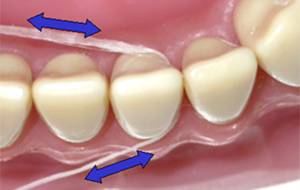
Floss4

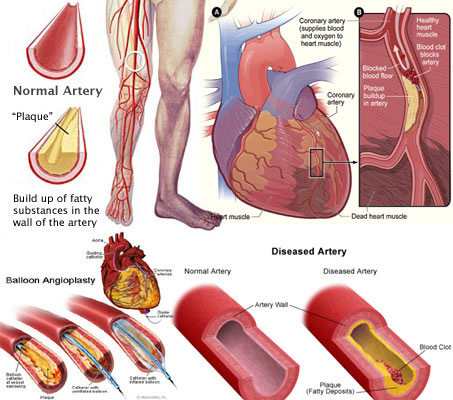
A study, published in Infection and Immunity, has clarified the mechanism behind a known link between gum disease and heart disease. Periodontitis, which results in an infection that damages the soft-tissue surrounding teeth and the bone supporting the teeth, is commonly caused by Porphyromonas gingivalis. P. gingivalis is a Gram-negative anaerobe that colonizes mouth tissues for lengthy periods of time after initial infection. It is commonly found within the arterial plaques common to heart disease patients.

The study authors discovered that the bacteria alters the gene expression of pro-inflammatory proteins that also promote coronary artery atherosclerosis. This was discovered by infecting cultured human aortic smooth muscle cells with P. gingivalis. Aortic smooth muscle cells were used because they contract the aorta after the pumping of the heart stretches it out.

After P. gingivalis was injected into the cells, the bacteria released gingipains. Gingipains are enzymes that change the ratio between different angiopoietins (inflammatory proteins) in such a way that inflammation is increased. The pro-inflammatory angiopoietin 2 had its expression increased by the gingipains, whereas the anti-inflammatory angiopoietin 1 had its expression reduced. P gingivalis was found to affect the levels of these proteins independent of tumor necrosis factor (TNF).

The study is significant because it helps to pinpoint the relationship between periodontitis and heart disease. Further research can help clarify potential targets for treatment of atherosclerosis.

Practice Pearls:
•Periodontitis and heart disease share a common pathogen, P. gingivitis.
•A study found that P. gingivitis alters gene expression to increase production of the pro-inflammatory protein angiopoietin 2 and decreases presence of the anti-inflammatory protein angiopoietin 1. This results in increased atherosclerosis.
•The study further clarifies the cardiovascular risk of poor oral health and hygiene.

Paddock C. Scientists uncover bacterial mechanism that links gum disease to heart disease. published in the journal Infection and Immunity. September 14, 2015.

Published in Diabetes in Control September 15

White, pure and deadly: the sugar conspiracy

app-sugar


This article from the guardian gives the story of Professor John Yudin, who has eventually been proven to be correct about his research on sugar’s harmful effects.  More recently Dr Robert Lustig has publicised his opinions on the same subject thanks to YouTube. This article goes into considerable depth about the history of the “is it fat or is it sugar that is the main cause of heart disease?”.


http://www.theguardian.com/society/2016/apr/07/the-sugar-conspiracy-robert-lustig-john-yudkin


no-sugar-lustig1000a.jpg

Trends in standards of care for pregnant diabetes patients in the UK

4480552240_73c7d07f9c_b

Are care standards for diabetic pregnant patients being achieved?The short answer to the question is NO. The National Diabetes Audit indicates that while the diabetes epidemic continues to grow, medical care continues to fall way short of the standards devised to reduce the burden of complications both on individuals and the economy.

Women who are pregnant tend to get off to a bad start by not being on the right dose of folic acid before they embark on the pregnancy. They are advised to take 5mg of the vitamin a day in order to reduce the chance of their baby developing spina bifida. Of the type one diabetic women 45%  met this standard but only 24% of type two diabetic women did so.

In order to eliminate foetal abnormalities related to hyperglycaemia the HbA1c should be preferably below 6.0 in the first trimester and  yet only 8% of women with type one and 22% of those with type two managed a HbA1c of 6.1% (43 mmol/mol) or less. Pregnancy is advised to be avoided all together if the HbA1c  is over 10% (86) but 12% of type ones and 8% of type two women were over this. The women most adversely affected tended to be living in the greatest areas of deprivation, and also of Asian or Black ethnicity.

Oral glucose lowering drugs apart from metformin are advised for women trying for a baby and insulin should be used if necessary to achieve blood sugar targets. Statins, ACE inhibitors (prils), and ARBS (sartans) should be stopped prior to pregnancy as these can be teratogenic.  But 57% of type two diabetic women were on at least one of these drugs at the onset of pregnancy.

Hypoglycaemia, severe enough to need hospital treatment, was experienced by 9.3% of pregnant women with type one diabetes.

Currently 67% of type one women have a caesarean section compared with 52% of type twos. The rates of stillbirth for offspring are almost 12.8 per 1000 births compared to 4.7 for the general population. Neonatal deaths are 7.6 per 1000 compared to 2.6 for the general population. The rate of congenital abnormalities approximately double that for the general population at 44.2 per 1000 compared to 22.7.  Adverse pregnancy outcomes of all types are related to the HbA1c particularly in the first and third trimesters.

Despite the growth of specialist diabetic-obstetric teams there has been very little improvement in these outcomes over the last ten years. How can we help diabetic women prepare for their pregnancies? Why are so many women and babies not getting the medical care that could help them?

Some basic advice: see your GP well before you plan a pregnancy if you have diabetes and tell them that you are planning for having a baby.

Use effective contraception until your glycaemic goals have been met. For most women this means a Hba1c of 6.5% or under and ideally under 6.0%.

Start folic acid 5mg daily.

Stop statins, ACE inhibitors, ARBs and seek alternative blood pressure control drugs instead, if you have high blood pressure.

Get your weight down to normal if at all possible.

Start a gentle exercise regime if you haven’t already started.

If you have type two diabetes discuss moving onto insulin with your consultant diabetologist.

If you have type two diabetes you will usually continue metformin but stop other drugs on the advice of your consultant diabetologist or GP.


Based on Analysing newly-published diabetes audits: are care standards being achieved? Written by Steve Chaplin B Pharm MSc Medical Correspondent in Practical Diabetes March 2016

Is there any point in taking calcium supplements to reduce your fracture risk?

Legcast1


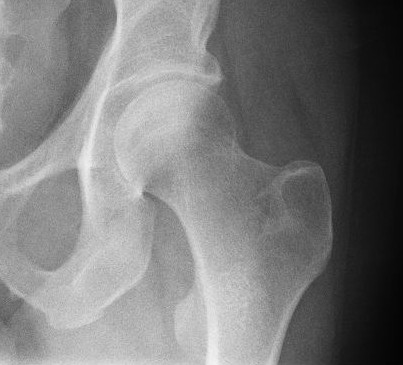
Mark J Bolland et al have studied whether increasing dietary and supplemental calcium can prevent fractures or not.

Calcium supplementation has long been standard practice and is usually included in vitamin D formulations for the elderly, those on long term steroids, and those who have established osteoporosis. Diabetics are also at increased risk of osteoporosis.

In this systematic review of randomised controlled trials and cohort studies dietary calcium had no effect on fracture risk at all. Calcium supplementation meanwhile only had a small and inconsistent effect on fracture prevention.

So probably not worth it then?

What could be more useful is supplementation with straight vitamin D3.

Dr Lee Wah Phin and Dr John Holden from North West England checked the vitamin D status of 302 GP patients. They took 75 mmol/l as the cut off point for low vitamin D and found that 90% of the adult population were deficient. This is in keeping with my own findings in GP in the West of Scotland.  They wonder if there should be some way of screening and supplementing  the population.

Based on BMJ 3 October 2015 and RCGP letter October 15.


Fat in the liver is a key sign for metabolic problems

Obesity does not always go hand in hand with metabolic changes in the body that can lead to diabetes, heart disease and stroke, according to a new published study…

In a study at Washington University School of Medicine, researchers found that a subset of obese people do not have common metabolic abnormalities associated with obesity, such as insulin resistance, abnormal blood lipids (high triglycerides and low HDL cholesterol), high blood pressure and excess liver fat.

In addition, obese people who didn’t have these metabolic problems when the study began did not develop them even after they gained more weight.

The study involved 20 obese participants who were asked to gain about 15 pounds over several months to determine how the extra pounds affected their metabolic functions.
First author Elisa Fabbrini, MD, PhD, assistant professor of medicine, added that, “Our goal was to have research participants consume 1,000 extra calories every day until each gained 6 percent of his or her body weight” “This was not easy to do. It is just as difficult to get people to gain weight as it is to get them to lose weight.”

All of the subjects gained weight by eating at fast-food restaurants, under the supervision of a dietitian. The researchers chose fast-food chain restaurants that provide rigorously regulated portion sizes and nutritional information.

Before and after weight gain, the researchers carefully evaluated each study subject’s body composition, insulin sensitivity and ability to regulate blood sugar, liver fat and other measures of metabolic health.

After gaining weight, the metabolic profiles of obese subjects remained normal if they were in the normal range when the study began. But the metabolic profiles significantly worsened after weight gain in obese subjects whose metabolic profiles already were abnormal when the study got underway.

Senior investigator Samuel Klein, MD, the Danforth Professor of Medicine and Nutritional demonstrated that some obese people are protected from the adverse metabolic effects of moderate weight gain, whereas others are predisposed to develop these problems.”

“This observation is important clinically because 352774705_bb36377f90_o.jpgabout 25 percent of obese people do not have metabolic complications,” he added. “Our data shows that these people remain metabolically normal even after they gain additional weight.”

As part of the study, the researchers then helped the subjects lose the weight they had gained.

The researchers identified some key measurements that distinguished metabolically normal obese subjects from those with problems. One was the presence of fat inside the liver. Those with abnormal metabolism accumulated fat there.

Another difference involved gene function in fat tissue. People with normal metabolism in spite of their obesity expressed more genes that regulate fat production and accumulation. And the activity of those genes increased even more when the metabolically normal people gained weight. That wasn’t true for people with abnormal metabolism.

“These results suggest that the ability of body fat to expand and increase in a healthy way may protect some people from the metabolic problems associated with obesity and weight gain.” He noted that obesity contributes to more than 60 different unhealthy conditions.

Practice Pearls:

  • Some obese people are protected from the adverse metabolic effects of moderate weight gain.
  • Some key measurements that distinguished metabolically normal obese subjects from those with problems. One was the presence of fat inside the liver. Those with abnormal metabolism accumulated fat there.
  • People with normal metabolism in spite of their obesity expressed more genes that regulate fat production and accumulation.

Elisa Fabbrini. Metabolically normal obese people are protected from adverse effects following weight gain, pub Jan. 2, 2014 in The Journal of Clinical Investigation.  (Published in Diabetes in Control Jan 15)

What can you do to improve erectile dysfunction?

Blood vessel problems and diabetes are the leading causes of not being able to get or sustain an erection in men. “ED” is a very common diagnosis, perhaps more so now than ever before, partly due to the increase in diabetes but also because there are more treatments available now and men are less likely to suffer in silence.

Diabetics tend to get the problem 10 to 15 years earlier than other men. The degree of glycaemic control over time is a significant factor as this determines the extent of microvascular and macrovascular complications. Neuropathy, insulin resistance, endothelial dysfunction, and atherosclerosis all affect the mechanisms behind erectile function.

Even men who are not diabetic but are aged over 50 and have features of metabolic syndrome are at almost a 50% more chance of getting ED. Indeed the severity of ED reflects the degree of blood pressure, waist fat, and abnormal blood fat pattern that a man may have. If a man with diabetes has ED he is at significant risk of coronary artery disease.  Low testosterone is a risk factor for ED by itself and makes metabolic syndrome and diabetes worse as well.

5814509608_e9d342b063

The main drugs to treat ED, such as Viagra and Cialis, rely on an intact neural response, so they don’t always work that well when this is impaired in diabetics.  Testosterone replacement therapy can reduce cardiovascular risk in men and also enhance the response to these sorts of drugs. When drugs are still not successful vacuum devices, penile injection drugs, and penile prostheses can be used.

Men can find that following a Mediterranean style of diet can improve erectile response as can exercise.

So in brief:

Keep to as normal a weight as you can.

Keep blood sugars control as good as you can for as long as you can.

Make exercise part of your daily routine.

Eat a low carbohydrate diet with plenty of olive oil, fresh vegetables and moderate amounts of fruit.

Don’t smoke.

Reduce stress.

Sleep well.

Keep your blood pressure under control.

Seek medical advice if you have abnormal blood lipids especially low HDL and high triglycerides.

Include a testosterone check if you notice your waistline creeping up or erectile problems when you have your other diabetic blood tests.

Maintain a normal blood pressure.

Ask your doctor’s advice if you are on medication because many anti- hypertensives and anti-depressants interfere with penile function.

If you do have ED and diabetes discuss cardiac assessment with your doctor.

Thermometer - Confidence Level
A thermometer with mercury bursting through the glass, and the words Confidence Level, symbolizing a positive attitude

Based on the article: Endothelial dysfunction is the link between ED, DM and CAD by  Sabair Pradhan, Doctor of Pharmacy Candidate USF College of Pharmacy. Published in Diabetes in Control February 2016.