What to do if your insulin isn’t working properly

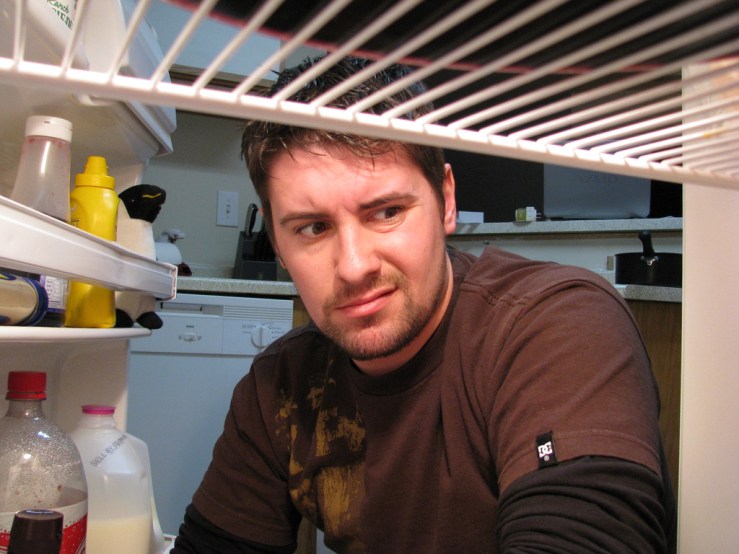
fridge man


Out of Insulin, Too Early to Renew — What To Do?
Disasters Averted Diabetes in Control August 30th, 2016


It is not unusual for people to have difficulty keeping insulin from freezing or getting overheated. A patient, with type 1 diabetes for 17 years, had glucose that did not respond to his rapid-acting insulin as it usually does.

He had two new vials in the refrigerator. He took a new vial out of his refrigerator earlier in the day, and started using it a few hours after he took it out. Had high post prandials that did not respond as usual to correcting. He had enough experience to wonder if perhaps something was wrong with his new insulin, so he thought he’d try another vial. He saw it was frozen. He had put the two vials at the back, where for many refrigerators it is colder. He thought back and wondered if the first vial looked any different, but remembered, he did not look closely at it.
He then went to get a new prescription filled at his pharmacy, but was told insurance would not cover it at this date; it was too early. It was cost prohibitive for him to pay out of pocket ~$300.00/vial. He contacted a diabetes health care provider (hcp) who offered him two sample vials to cover him until his prescription would once again be covered. He corrected and his glucose lowered. Disaster averted!  (Thank heavens we don’t have this problem in the UK!)
Not everyone has the luxury of having a hcp who has samples available in such a timely manner. If their hcp even had them, what if it were a weekend, or another time that the hcp did not have access to the samples? I reached out to certified diabetes educator, Laurie Klipfel, RN, MSN, BC-ANP, CDE, to see if she could offer any pearls of wisdom.
“This was a recent discussion on an AADE list serve with many good suggestions. The best suggestion was asking the healthcare provider if samples were available.  My next option would be to see if the insurance would make an exception under the circumstances (but this may take time).

Someone with type 1 needs their insulin and cannot wait a day or two. The next option is to see if a diabetes educator could contact a rep for samples (their prescribing healthcare provider would also need to be involved). My next option would be to see if there were coupons available online from websites like: http://www.rxpharmacycoupons.com, or other websites. As a last resort (but may be the fastest option in a pinch), if a patient was not able to afford the analog insulins such as Novolog, Humalog, or Apidra, I might suggest discussing with the healthcare provider if using regular insulin instead would be an option. Though the analogs match insulin need to insulin much better than regular insulin, taking regular insulin (especially when using a generic brand such as Walmart’s ReliOn brand) can be a much cheaper option and would be much better than not taking any meal dose insulin at all.

It would be beneficial to explain the differences in action times and suggest taking regular insulin 15-30 min. before the meal and beware of potential hypoglycemia 3-5 hours after injection due to longer action of regular. Of note, you do not need a prescription for regular, NPH or 70/30 insulin.
I would also agree with suggestions made on the list serve for keeping the insulin in the door of the refrigerator and using a thermometer in the refrigerator. If the temperature in the refrigerator is not stable, it may be helpful to have the thermostat of the refrigerator checked.“

Lessons Learned:
Teach patients:
People who have diabetes, especially type 1 diabetes, need to have and take insulin that is effective.
If you have type 1 diabetes, you are in danger of DKA. Know what it is, how to prevent, recognize, and get help for DKA.
A back-up plan for insulin gone bad or not available.
To double check insulin when taken out of the refrigerator for the “feel of the temperature” of the insulin. Do not use if hot, warm, or frozen.
To know what their insulin should look like, clear or cloudy. Avoid it if crystals, clumps or anything unusual is noted.
The onset, peak, and length of action of insulins they are taking, as well as replacements if needed.
If insulin is not available and can’t get insulin within hours, to visit the nearest ED or urgent care center.

Anonymous

Anonymous

Anna: How to figure out the problem with morning high blood sugars

girl puzzled
MY SELF STUDY OF MORNING HIGHS →
HOW TO HANDLE MORNING HIGHS and DON’T SKIP BREAKFAST
Posted on June 18, 2015
by Anna
I have posted about this issue on June 6 but now I’ve found a website that not only provides a better explanation but offers the solutions as well.  It’s Diabetes Forecast.  Boy, am I glad I stumbled upon it.
You wake up to blood sugar spike, as if you were eating cookies all night.  This is not uncommon in people with diabetes but there are ways to get those numbers down.   There are two possible things that can cause that: dawn phenomenon and waning insulin.  The third possibility is Somogyi effect but this one is controversial, Diabetes Forecast states.
Whatever the cause is, the source of the BG spike is your liver.  The liver is where glucose is produced and stored, and then hormones signal the liver to release glucose into the bloodstream for energy.  This usually happens between meals and overnight.
With diabetes however, there is a hormone imbalance because of either an impaired insulin production by pancreas or too much of the hormones that counteract insulin.  Either way, chances are that a wrong signal is sent to the liver that prompts it to pump out more glucose than it should, hence we’re having a case of an overproductive liver.
DAWN PHENOMENON or dawn effect
It takes place when your liver releases glucose in between 3 to 6am, in people with typical sleep schedule.  I found out that if I go to sleep at around 10 or 11pm, this happens to me at around 3am.  This is supposed to be counteracted by insulin produced by the pancreas.  People with diabetes however, might not have enough insulin or they’re having an insulin resistance so their blood sugar stays elevated and continues this way into the morning.
WHY YOU SHOULDN’T SKIP BREAKFAST
Eating breakfast helps to normalize blood glucose levels; it signals to the body that it is day and time to rein in the anti-insulin hormones.  It’s very important not to skip breakfast.
Some folks believe that it’s the dinner in the night before to blame for the morning spike but it’s actually a dawn effect.
WANING INSULIN
This applies to those who are taking insulin as a medication.  What happens is that an evening meal could lead to higher than normal blood glucose levels in the morning after.   I think by ‘evening meal’ they mean a bedtime snack.  The cause may be too little mealtime insulin, waning long-acting insulin from an evening injection, or not enough overnight basal insulin through a pump.  So the blood glucose levels may creep as you sleep.  With waning insulin, the rise in blood glucose is typically more gradual than with the dawn effect.
SOMOGYI EFFECT
Another name for this is “hypoglycemia rebound”.  It was named after a researcher who first described it.
The theory is that if a person with diabetes experiences hypo overnight, the body produces anti-insulin hormones to counteract this and bring blood glucose levels back up, the body can overdo it which leads to a morning high.  It is usually described as blood glucose level taking a dip (hypo) at around 3am, and then a morning high follows.
There is a split opinion as to the mere existence of this effect.  Diabetes Forecast states that it’s controversial and unproven.  However some other sites claim that it does exist and back it up with their personal experiences.
WHICH ONE IS IT?
This involves some ‘detective work’ as Diabetes Forecast puts it.  I personally did this for a few days. I would check my glucose at bedtime which was around 10 or 11pm, then wake up at 3am, check blood sugar, back to sleep and checked it again in the morning.  It’s important to sleep about 4 to 5 hours in between blood sugar checks.  Comparing the changes in blood sugar levels will help you to figure out which effect takes place.

bedtime blood sugar  3am blood sugar  morning blood sugar

normal                           normal                    high                       DAWN EFFECT

normal                           high                          high                       WANING INSULIN

normal                            low                            high                       REBOUND (Somogyi) 
WHAT ELSE YOU CAN DO
You need to discuss your morning highs with your doctor and see if he / she advises to adjust your diabetes medication or physical activity.   For those using insulin pumps, you can adjust your basal rates.  I don’t use a pump so can’t elaborate further.
Diabetes Forecast further states that to overcome Somogyi Effect, you should either eat a bedtime snack with some carbs and protein in it.  Also discuss your target blood glucose range with your doctor.
WHAT I DID
In my case it was none of the above but a DISORGANIZED LIFE that I will discuss in my next post.  After having adjusted my testing times, my morning numbers were doing fine for a while.  And then boom, a spike, 111 for absolutely no reason.  I figured maybe my bedtime snack was a culprit, and switched to the one with protein & low carbs.  I had half a cup each of ricotta cheese and cold milk that I love.  Comes next morning, my number is 103.  Yay.

BMJ: Why don’t we encourage and register the diabetics who achieve remission?

weight

Weighing up the benefits of registering those in remission from type two diabetes

Adapted from BMJ Louise McCombie et al 16 Sept 17

Type two diabetes now affects between 5 -10% of the UK population. This is 3.2 million people in the UK. 10% of the NHS budget is spent on treating diabetes and costs are between two and three times that of age matched individuals without diabetes. Life expectancy is six years less for people with type two diabetes.
Remission is attainable for some patients but is rarely achieved or recorded. (My comments: except in the low carbing community) The trend is for diabetes management to focus on reversible underlying disease mechanisms rather than treating symptoms and multisystem pathological consequences.
Lowering blood glucose remains the primary aim of management and drugs are the main method of doing this rather than diet and lifestyle advice. (My comment: because high carb/low fat dietary advice is counterproductive).
It has been found that weight loss of 15kg often produces biochemical remission of type two diabetes, restoring beta cell function. The accumulation of fat in the liver and pancreas impairs organ function to cause type two diabetes but is potentially reversible. If remission is achieved, the person no longer requires diabetes drugs.
The American Diabetes Association describe a partial remission as below the threshold for diabetes diagnosis. This is a hba1c of less than 6.5%/48 mmol/mol and a fasting blood sugar less than 6.9 without diabetes drugs. A full remission is described as the elimination of the criteria for impaired glucose tolerance. This means a hba1c less than 6%/42 and a fasting blood sugar under 5.6 again without the use of diabetes drugs.
A full remission will completely remove the cardiovascular risk associated with diabetes but partial remission removes a great deal of the risk and is still very much worthwhile.
We suggest that whether hba1c or fasting blood sugars are used to detect remission that these are repeated twice at two month intervals. Once in remission, a patient should be tested annually.
No study has yet been done that has reported the outcomes for diabetics in remission, but you would expect their outcomes to be much better than it otherwise would.
If a patient achieves remission, and if the Read code C10P is applied to them, they would still be scheduled for annual reviews and retinal screening programmes but would be considered non-diabetic for matters such as insurance, driving, and employment. But so far, in Scotland, only 0.1% of diabetics have been coded as being in remission.
Perhaps there are coding errors, but the possibility that type two diabetes can be reversed may not be fully understood by both doctors and patients. If patients achieve either a 10% body weight loss or 15kg, then 75-80% of them can expect to go into diabetes remission.
Physical and social environments, emotional states and self- regulatory skills are important factors affecting adherence to a weight management intervention.
It costs around £5,000 for the medical care of a person with type two diabetes but this almost doubles over the age of 65. The patient also has increasing holiday insurance costs. This is around double the usual rate for type twos and more for insulin users. Could knowledge of the advantages of weight loss act as an incentive for patients?


Better quality of life reported for young type one diabetics with lower HbA1c levels

nutritional scale

Better quality of life reported for young type one diabetics with lower HbA1c levels

Summarised from Independent Diabetes Trust Newsletter Sept 17

An international study of almost 6,000 young people showed that lower HbA1c levels were associated with a higher quality of life scores between the study age range of 8 to 25 years.
Those who reported the lowest quality of life scores were aged 19 to 25 and females had lower scores than the males across every age range.
The study showed that advanced ways to measure food intake, more frequent blood sugar testing, and taking exercise for 30 minutes a day, were all associated with higher satisfaction scores.
The researchers concluded that if young people have trouble controlling their diabetes, they should focus on the three factors that they can potentially control to make life easier.
Measure your food accurately
Test your blood sugar frequently
Exercise for at least 30 minutes a day

(Diabetes Care May 26 2017)

BMJ: Continuous glucose monitoring in pregnant women halves adverse birth effects

Freestyle libre

Adapted from the BMJ article by Susan Mayor 23 Sept 17

A study has shown beneficial effects in type one pregnant patients. One in two babies born to such women have complications such as prematurity, stillbirth, congenital anomalies, and being too big. These are due to high blood sugar levels in the womb and there has been no reduction in these in the last 40 years.
Denise Feig, the author of the study, based at the University of Toronto, says, “Keeping blood sugar levels in the normal range during pregnancy for women with type one diabetes is crucial to reduce risks for the mother and child. As insulin sensitivity varies through the pregnancy adjusting insulin accurately is complex. Since our results have come through we think that continuous blood sugar monitoring should be available to all type one women.”
In the international study 325 women who were planning a pregnancy or pregnant took part. Two thirds were randomised to get the monitors and the rest had standard treatment. Large newborns were halved and so was neonatal intensive care admissions and hypoglycaemia. Women had a small but significant reduction in HbA1c. They had more time in the normal blood sugar range and hypoglycaemia was not increased.
The extra cost of the monitors could be offset to some extent by the reduced cost of medical care after the birth.

Diabetes Diet Book – Updated & Given a Make-over

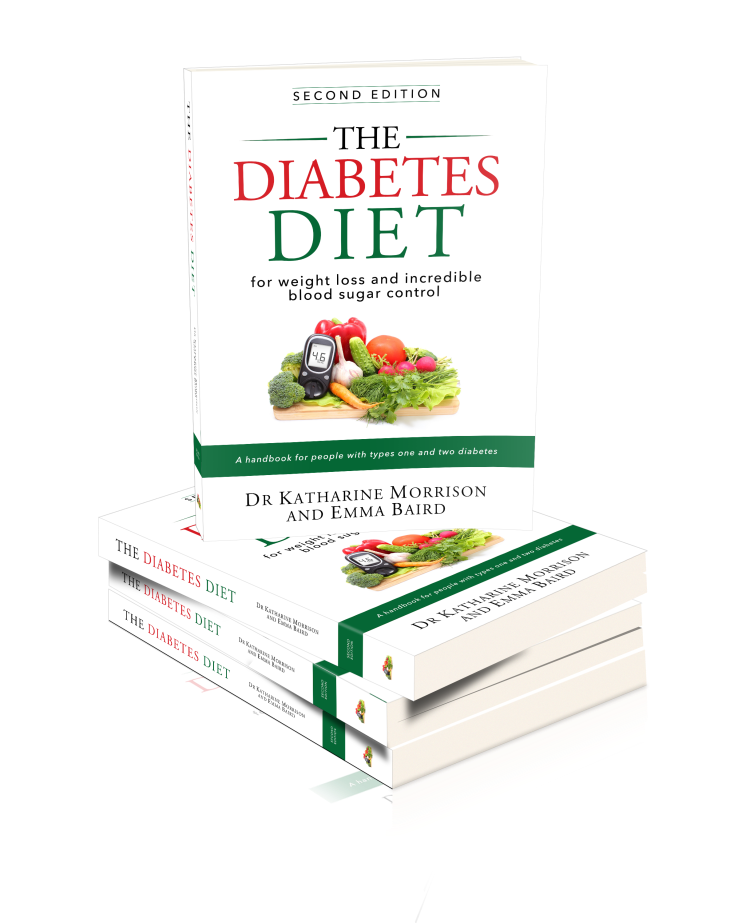
We’ve been doing a little work in the background here at the Diabetes Diet. We decided to go for a print version via CreateSpace, and we’ve updated our book and uploaded it onto Kindle.

This is the new cover. What do you think?

diabetes diet
The Diabetes Diet is now on Amazon.

The Diabetes Diet explores what people affected with type one diabetes and type two diabetes, pre-diabetes and obesity need to do to get mastery over their blood sugars, metabolism and weight.

The scientific reasoning behind the low carbohydrate dietary approach is fully referenced and made easy by menu plans and low-carb recipes. You will be introduced to information and case studies that help you decide what level of blood sugar control, carbohydrate restriction and monitoring is most appropriate for your individual needs.

This book can help those with type 1 diabetes AND type 2 diabetes. It won’t cure diabetes, but it will make living with the condition so much easier.

The print version is going though some final checks, but should be ready in a few weeks’ time and we’ll update you.

You can buy the Diabetes Diet on Amazon.com here, and Amazon.co.uk here.

Which medicines work most effectively for diabetic neuropathy?

What treatments can improve pain and quality of life?

This comprehensive report was first published in April 2017 by Diabetes in Control and discusses what old and new medicines work for diabetic neuropathy and importantly which ones don’t.

Pharmaceutical Products and Drugs
Diabetic neuropathy is a nerve disorder that the National Institute of Diabetes and Digestive and Kidney disease estimates affects about 60 to 70% of diabetic patients in some form, with the highest rates of neuropathy occurring in patients who have had diabetes for over 25 years.

Although diabetic neuropathy can affect almost any organ in the body, the most common type of diabetic neuropathy is peripheral neuropathy. Peripheral neuropathy, which is often worse at night, results in tingling, numbness, and pain occurring in the hands, arms, fingers, legs, feet, and toes.

The best way to prevent diabetic neuropathy is keeping glucose under control and maintaining a healthy weight, but for those who experience this painful condition, finding the best relief can often be difficult and confusing.
Building upon a previously published study from 2014, a new systemic review was conducted to “systemically assess the effect of pharmacological treatments of diabetic peripheral neuropathy (DPN) on pain and quality of life” plus a search of PubMed and Cochrane Database of systemic reviews (reviews from 2011 – March 2016).
A total of 106 randomized controlled trials were used in the final systemic review, including trials analyzed by the previously published study. Only two medications, duloxetine and venlafaxine, had a moderate strength of evidence (SOE) compared to the low strength of evidence found with the remaining 12 study medications. As a class, serotonin-norepinephrine reuptake inhibitors (SNRIs) was found to be an effective treatment for diabetic neuropathy with the most commonly reported adverse effects of dizziness, nausea, and somnolence. Venlafaxine and tricyclic antidepressants were also determine to be effective at relieving pain compared to placebo using the previous analysis’ data.

Pregabalin was determined to be effective at reducing pain compared to placebo but found to have a low SOE due to the inclusion of four unpublished studies causing potential bias. Pregabalin, as well as the other anticonvulsants included, had adverse effects of dizziness, nausea, and somnolence.

Oxcarbazepine was also found to be an effective neuropathy pain reliever compared to placebo.
Atypical opioids have a dual mechanism of action, norepinephrine reuptake inhibition and mu antagonism, which aids in a class wide effective pain relief compared to placebo, and more specifically tramadol and tapentadol were found to be effective vs placebo. The most common adverse effects reported for opioids were constipation, somnolence, and nausea.

The last medication that was determined to be an effective pain reliever of diabetic neuropathy compared to placebo was botulinum toxin

Gabapentin, using five randomized controlled trials, was determined at two different doses to be ineffective at treating pain when compared to placebo. Other agents that were determined to be ineffective treatments for diabetic neuropathy were typical opioids (oxycodone), topical capsaicin 0.075%, dextromethorphan, and mexiletine.

Practice Pearls:
Pregabalin, oxcarbazepine, and tapentadol have shown to be effective vs placebo at relieving pain due to diabetic neuropathy and are also FDA approved for this indication.
Serotonin-norepinephrine reuptake inhibitors may be a good choice for relief of diabetic neuropathy pain and have the additional benefit of relieving depression that is commonly associated with diabetic neuropathy
Additional studies are needed to assess long-term pain relief effectiveness.

References:
“Nerve Damage (Diabetic Neuropathies) | NIDDK.” National Institutes of Health. U.S. Department of Health and Human Services. Web 05 April 2017
Julie M. Waldfogel, Suzanne Amato Nesbit, Sydney M. Dy, Ritu Sharma, Allen Zhang, Lisa M. Wilson, Wendy L. Bennett, Hsin-Chieh Yeh, Yohalakshmi Chelladurai, Dorianne Feldman, Karen A. Robinson. “Pharmacotherapy for diabetic peripheral neuropathy pain and quality of life”. Neurology, 2017; 10.1212/WNL.0000000000003882 DOI: 10.1212/WNL.0000000000003882
 
Mark T. Lawrence, RPh, PharmD Candidate, University of Colorado-Denver, School of Pharmacy NTPD


BMJ: Continuity and individualised care matter more to patients than guidelines

old woman walking

By Martin Rowland and Charlotte Paddison
Adapted from article in BMJ 18 May 2013
As the population rises more people are living with multiple medical conditions. These can be diabetes, rheumatoid arthritis, macular degeneration, depression, cancer, coronary heart disease and dementia among others.

These cause complex health, emotional and social problems which make their management difficult, especially in socioeconomically deprived areas. A new model of care is needed to manage patients optimally in these circumstances.
Although this seems obvious, care seems to be moving in the wrong direction for these patients.
Evidence based guidelines are really geared to patients with single conditions. They don’t cater to someone who has multiple conditions. Over treatment, and overly complex surveillance and assessment routines result. Older, less well educated and less affluent patients cope particularly poorly with these regimes. Guidelines also fail to recognise that patients get more frail as they age. The burdens of illness and treatment are different for a 100 year old compared to a 50 year old.
An individualised regime for each patient needs to be developed to focus on what matters most to each one.
Unfortunately doctors often feel that they can’t deviate from a guideline for fear of criticism and litigation. Perhaps guidelines should only be applied when they are clearly being used in the patient’s best interests, instead of the doctor’s? Exception reporting is a mechanism that allows doctors to deviate from guidelines and maybe should be used more.
Medical training does not as yet focus on this sort of individualised care. Medicine of old age comes the closest.
Listening to patients is the key thing that can help a doctor understand what their needs and goals are. The most appropriate care can then be built around that. The biggest barrier to this seems to be the over emphasis on single conditions.  This prevents rather than enhances goal oriented care.
Longer consultations are needed to help guide patients talk about their needs and think through complex decisions.
Satisfaction and outcomes are improved if this can be achieved. Despite this patients still often complain that they never see the same doctor twice both in hospital and primary care. It is also particularly difficult to provide a good quality of care when a doctor does not  know the patient and does not see the patient for follow up.
Young adults say they want to see the same doctor 52% of the time, but this increases to over 80% in those aged over 75.  More than a quarter of patients however say they struggle to see the doctor of their choice. This seems to be getting worse over time rather than better. Perhaps this is due to nurses taking over a lot of the care regarding chronic illness. Doctors are also increasingly working part time and may be involved in other tasks other than direct patient care. Shift systems in hospitals limit continuity a great deal.
In primary care, advanced access schemes give faster access but at the expense of continuity of care.
Older patients are particularly keen on waiting a few days longer to see the GP of their choice. Booking systems need to allow for both access and continuity.
This can be improved by receptionists attempting to book patients with their “own” doctor rather than simply the first available. Two or three doctors can share lists and try to see each other’s patients if one is not available.  E-mail booking of doctors directly can help. E-mail consultations can help.  Time for these must be built into the working day. The number of doctors who deal with  particularly complex needs may need to be restricted. Monitoring continuity of care can help. What gets monitored tends to get done more often after all.
As guidelines need to become less important for patients with multi-morbidity, a doctor’s clinical judgement becomes more critical.  There can be squads of other health care professionals involved in a patient’s care and deciding what ones are necessary and what ones are not is a useful task.  As the need for the traditional UK General Practitioner is increasing, sadly, their availability and time commitments to patient care seem to be decreasing.

The link between hypoglycaemia, cardiac arrythmia, and dead in bed syndrome

ecg


Arrhythmia incidents differ in nocturnal and diurnal hypoglycemic patients.

In young adults with type 1 diabetes (T1D), severe hypoglycemia may increase the risk of all-cause mortality and cardiovascular diseases.

According to Peter Novodvorsky, from the University of Sheffield in the United Kingdom, and his colleagues, there are differences in arrhythmic risk and cardiac repolarization during nocturnal versus daytime hypoglycemia. Hypoglycemia may exert proarrhythmogenic effects on the heart by sympathoadrenal stimulation and hypokalemia. The dysrhythmias induced by hypoglycemia have been associated with the “dead-in-bed syndrome,” a devastating condition that is rarely heard of. In this study, the effects of nocturnal and daytime clinical hypoglycemia are examined through electrocardiogram (ECG) in young people with T1D.

In an observational study, 37 participants were recruited from Sheffield Teaching Hospitals outpatient clinics with a median age of 34 years with T1D for at least four years. The purpose of this study was to examine the effect of clinical hypoglycemia in T1D patients age 50 or less and compare it with matched euglycemia on the frequency of cardiac arrhythmias, HRV, and cardiac repolarization.

Participants were told to avoid vigorous exercise, caffeine, and smoking 12 h prior to monitoring. Hypoglycemia awareness was assessed using a visual analog scale of 1 to 7. All subjects underwent 96 h of simultaneous  ECG and blinded continuous interstitial glucose monitoring (CGM) while continuing daily activities and symptomatic hypoglycemia were recorded.

The researchers obtained 2,395 hours of simultaneous ECG and CGM recordings with 159 and 1,355 hours designated hypoglycemia and euglycemia respectively. The median duration of hypoglycemia was longer during the night (60 min) than daytime (44 min) [P =0.020]. Overall, there were 24.1% of nocturnal and 51% of daytime symptomatic episodes respectively.

Bradycardia (low heart rate ) was more frequent during nocturnal hypoglycemia in comparison to matched euglycemia with an incidence rate ratio [IRR] 6.44 [95% CI, 6.26-6.66; P <0.001].

During daytime hypoglycemia, bradycardia was less frequent with an IRR 0.023 [95% CI, 0.002-0.26; P =0.002], while atrial ectopic was more frequent (IRR: 2.29; 95% CI, 1.19-4.39; P =.013). Moreover, during nocturnal and daytime hypoglycemia there was decreased T-wave symmetry, but prolonged QTc and T-peak to T-end interval duration.

The study confirmed that asymptomatic hypoglycemia commonly occurs in T1D. This causes abnormal heart rhythms and these are more abnormal at night, more frequent  and last longer.


Practice Pearls:

  • Hypoglycemia is pro-arrhythmogenic.
  • The study confirmed that there is high frequency of hypoglycemia, particularly of nocturnal asymptomatic episodes among young people with type 1 diabetes.
  • Hypoglycemia-induced mechanism is independent of the type of diabetes, age, or cardiovascular risk profile.

References:

  1. American Diabetes Association. 5. Glycemic targets. Diabetes Care. 2016;39 (Suppl. 1):S39–S46
  2. Nordin C. The case for hypoglycaemia as a proarrhythmic event: basic and clinical evidence. Diabetologia. 2010;53:1552–1561
  3. Novodvorsky P, bernjak A, Chow E, Iqbal A, Sellors L, Williams S, et al. Diurnal differences in risk of cardiac arrhythmias during spontaneous hypoglycemia in young people with type 1 diabetes. Diabetes Care. 2017, Feb 17.

From Diabetes in Control  18th March 2017


Lost to follow up diabetic patients do badly


DNA_Daily_News_and_Analysis_New_Logo.svg


People with diabetes who had annual diabetes checks in the previous seven years had half the mortality rate of those who did not attend. 

This study  in England and Wales for the National Diabetes Audit 2015-16 also revealed that type ones have a mortality rate 127.8% more than the general population and those with type two diabetes are 28.45 more likely to succumb earlier than they otherwise would.

My comment: These seem very disturbing figures especially for type ones. Of course type ones are still not being guided about having normal blood sugars. There could be a reverse causality here going on as well, with the least fit people, perhaps housebound or with amputations or with visual problems less able to attend clinics. In my area there is a good deal of effort put into tracking down children who don’t attend clinics, but once they move to the adolescent and adult clincs there does not seem to be the provision of liaison nurses to do outreach work. 


Adapted from news article BMJ 22 July 17