Continuous glucose monitors may need human back up

F1296B52-44A8-4112-B60D-DBE7C65A3109


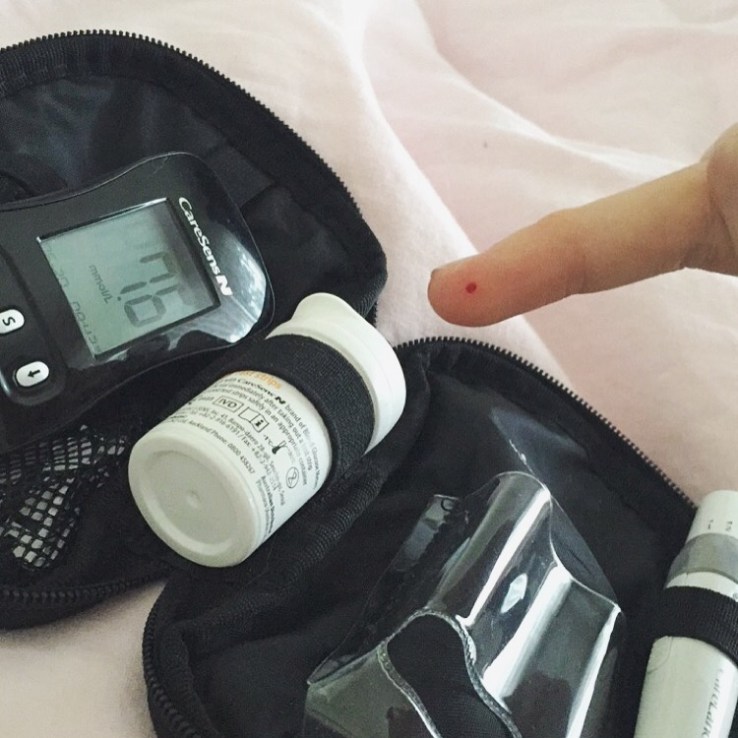
This story from Diabetes in Control Disasters Averted series describes why it is a good idea to check a finger prick sample of blood if there is a discrepancy between your recorded results and how you feel.

CGM? Still Perform the Fingerstick!

<!– Old ad tag

EHS_AD(“t”, “l”, “300×250”);

–>

College student, type 1 diabetes, wears a pump and CGM. She has good family support. Several of her family members get her CGM readings on their phone. She received a call from her mother about 2:45 am waking her up. She told her to treat her low blood glucose, which patient reported to be 41. (UK 2.2)

Patient states her alarm had gone off, but she did not hear it. She performed a fingerstick because she didn’t feel like she was low. It was 149. (UK  8.2) (See report.) The CGM recalibrated. She did not treat because she did not need to.

DCMS310


She was always taught to check a fingerstick before treating. She was glad she was taught that. Had she not checked she may have had to deal with a high glucose level later.

Lessons Learned:

  • Technology helps, but it needs human input.
  • CGM’s accuracy may have proved to be accurate enough to treat from, but experience tells us each person responds differently, and accuracy can vary from person to person.
  • If symptoms don’t match readings, perform a fingerstick.
  • My recommendation is to continue to perform a fingerstick before treating, even though some say one does not have to.

Anna: Let’s talk about depression

Diabetes and Depression |

Diabetes and Depression

What a combo.  As if having diabetes wasn’t enough, out comes depression to make it complete.  Or was it the other way around?  This is reminiscent of an old chicken and egg dilemma. Remember, which came first?

Chicken hatches out of egg

People with diabetes (PWD) are more likely to have major depression compared to those who don’t have it.  Diabetes is a chronic condition that requires attention on a daily basis.  This can feel overwhelming at times and can take a toll on both physical and emotional health.

Diabetes affects emotions and emotions can affect BG level.  It isn’t clear whether depression somehow triggers diabetes or if having diabetes leads to being depressed.  In either case, there is obviously a connection.

The mere sound of the word DEPRESSION is reminiscent of a low mood, feeling worthless, having low energy, feeling sad and whatnot.  The blues.

9-sept-depression-cloud-pixabay

While everyone can occasionally get sad, clinical depression is far more than that.  Oftentimes it’s a lifelong challenge.  It can affect people of any age or gender or life situation; depression doesn’t discriminate.

Depression can affect our lives in so many ways.  It can range from work issues to relationships to drug & alcohol use or suicidal thoughts.

When you feel low and down in the dumps, a feeling of despair follows.  You might start thinking that no one can help you since they can’t change the circumstances.  Well, and you’re wrong.  What can be changed is the way you look at the events surrounding your depression; a different angle, so to speak.  I know this for a fact; been there, done that, right around the time of my divorce.  But I finally bounced back although this took quite some time.

The symptoms of depression can include feeling sad or unhappy especially in the morning; at times, irritable and angry.  Frustrated, having low energy, loss of interest in activity that you usually enjoy.  This can affect your sleeping pattern; you might feel anxious and restless.  You may experience guilty feelings and can’t concentrate.  Your eating pattern can change as well; you can eat much less or more than you usually do; you may develop unusual cravings.

5 Causes of Depression |

1.   Depression can be genetic, although the exact gene causing it is presently unknown. If you have a family member with depression, you’re more likely to experience it, too.  This however might be hard to tell as clinical depression was formally recognized in the U.S. around 1970s.  Prior to that, it was known as melancholy, therefore undiagnosed.  It could have been misdiagnosed for a multitude of other reasons, especially in the old days.

2.   Depression can be triggered by imbalance of certain neurotransmitters in the brain.  Why this is happening, remains a mystery and is not fully understood.  Antidepressant medications work to balance these neurotransmitters, mainly serotonin.

3.   Hormonal changes certainly play a role in developing depression.  Generally, depression is more common in women than in men, due to the changes in hormone levels throughout a woman’s life.  Pregnancy, giving birth or experiencing a miscarriage, PMS, menopause are just a few examples.  Thyroid problems can cause hormonal fluctuations as well because thyroid is an endocrine gland.

4.   Enter the change of seasons.  Seasonal Affective Disorder or SAD is a form of depression that can happen as daylight hours get shorter as the winter approaches.  Around this time of the year, some people experience feelings of tiredness, lethargy and loss of interest in everyday tasks.  This condition usually goes away once the days get longer.

5.   Then there is a situational depression that can happen due to a change in life circumstances or struggle.   Such as for example, losing a loved one, getting fired from work, financial troubles or other serious changes.  PTSD or post-traumatic stress disorders is often diagnosed in soldiers returning from war.  However, it can also happen as a result of a childhood trauma, abuse or assault, a car accident, or being diagnosed with a life-threatening condition.  Some sources classify these as anxiety disorders.

The treatment of depression is a long and bumpy road.  It may include medications, psychotherapy, or both.  It can go by trial and error and takes time to find a working combination of these.  Exercises can definitely help but oftentimes it’s easier said than done.  When you’re feeling sad, worthless and having low energy, exercises can seem next to impossible.  Perhaps you can start out slowly.  Try to stay busy with something you enjoy doing … if you draw a blank, turn to chores.  Generally, anything that helps to take your mind of whatever bothers you.  If you feel like writing, keeping a diary might help; blogging is even better.  You can find plenty of understanding folks here on WordPress.

Resources for diabetics with severe visual loss

national-federation-blind

This Diabetes in Control article gives some great USA based resources to help diabetics manage their condition even with severe visual loss.
 We Don’t All See the Same. See the World Through My Eyes
The patient lived alone with her Seeing Eye dog and was assisted by her brother. She lived a relatively normal life despite her blindness, working a clerical job and visiting the gym 2 days per week.
As an educator, I had never dealt with a truly sightless individual and was feeling ill-equipped to take on this challenge. The majority of the diabetes patients in our small rural clinic have sight enough to manage their disease. I started to think of all the things we take for granted when teaching our patients, such as lancing their fingers, reading a label, even simply putting the correct amount of food on their plate. All that was thrown out the window. How did I help this patient to see her diabetes care?

I accessed the National Federation of the Blind (https://nfb.org/literature-diabetes) and followed the path to gather information and tools to assist the blind patient who also has diabetes. Most of the resources through the National Federation of the Blind (NFB) are free, although I did purchase a braille edition of exchange lists for the patient in hopes that this would assist her and her brother as they shopped for meals. The NFB also provide an audio CD entitled Bridging the Gap: Living with Blindness and Diabetes. Our patient found this CD to be very helpful and empowering and included resources and articles from the Voice of the Diabetic, an out-of-print publication.

Challenges were many and required more effort on our part to make education visible to the patient. We used many hands-on items for the patient to touch to illustrate diabetes management.

The talking meter was an absolute necessity. Lancing fingers became hit and miss until we worked out a better method for the patient. We did use smart technology for her IPhone with apps that included Dragon Dictation, OMoby, and VizWiz that talked to her and assisted her in identifying items and package information. The app Evernote recorded all of our conversations to review and revisit later. Through the American Diabetes Association, we obtained a compartment plate to assist her with portion control.

Our staff spent a great deal of time making sure that our patient understood all the aspects of her care related to diabetes. Daily phone calls helped the patient to see her diabetes for what it is, a manageable disease.

We spent approximately 3 months working very closely with this patient to support her efforts at self-management.  In the end, her A1C dropped to 6%, 3 months after we began working with her. She was pleased with the outcome, had lost a little weight, and felt, overall, better equipped to manage her diabetes. Our primary goal was to allow the patient to maintain her independence and self-care ability by providing her the tools to manage her diabetes successfully.

Our staff walked away with a very valuable lesson regarding diabetes education and its need to be individualized. It is all about what the patient sees, or in this case, what they don’t see.

Lessons Learned:

  • Explore all resources possible when helping people with diabetes.
  • All patients have challenges, but each challenge is an opportunity to make a difference.
  • Assess each patients’ challenges. You may not feel equipped, but there are usually resources to help if you take the time to look for them.

Liz Whelan MSN RN CDE
Coordinator Health and Diabetes Education


And now… for something completely different:Guide cats for the blind.


What do you do if you run out of insulin?

type 1 diabetes medical equipment

time-699965_960_720
The predicament of having difficulty getting insulin if it runs out for any reason, shouldn’t be a disaster in the UK. We have the NHS and you can go to your regular Pharmacist, ANY Pharmacist, your own GP, ANY GP or ANY Accident and Emergency Department and get a prescription free of charge.  
This is NOT the situation in the USA and here is a “Disasters Averted” story published o  16 August 20016 which discusses the situation and possible options you can take if you live there or ever face problems in the country in which you live.
As always with diabetes it helps to know about your possible options before the worst happens. When travelling always carry double what you think you will need. Insulin MUST be taken on carry on luggage so it doesn’t freeze in the hold of a plane. Also split your medications and gear with a pal so that if one of you is robbed you have spares.
 
 Out  of Insulin, Too Early to Renew — What To Do?

<!– Old ad tag

EHS_AD(“t”, “l”, “300×250”);

–>

It is not unusual for people to have difficulty keeping insulin from freezing or getting overheated. A patient, with type 1 diabetes for 17 years, had glucose that did not respond to his rapid-acting insulin as it usually does. He had two new vials in the refrigerator. He took a new vial out of his refrigerator earlier in the day, and started using it a few hours after he took it out. Had high post prandials that did not respond as usual to correcting. He had enough experience to wonder if perhaps something was wrong with his new insulin, so he thought he’d try another vial. He saw it was frozen. He had put the two vials at the back, where for many refrigerators it is colder. He thought back and wondered if the first vial looked any different, but remembered, he did not look closely at it.

He then went to get a new prescription filled at his pharmacy, but was told insurance would not cover it at this date; it was too early. It was cost prohibitive for him to pay out of pocket ~$300.00/vial. He contacted a diabetes health care provider (hcp) who offered him two sample vials to cover him until his prescription would once again be covered. He corrected and his glucose lowered. Disaster averted!

Not everyone has the luxury of having a hcp who has samples available in such a timely manner. If their hcp even had them, what if it were a weekend, or another time that the hcp did not have access to the samples? I reached out to certified diabetes educator, Laurie Klipfel, RN, MSN, BC-ANP, CDE, to see if she could offer any pearls of wisdom:

“This was a recent discussion on an AADE list serve with many good suggestions. The best suggestion was asking the healthcare provider if samples were available.  My next option would be to see if the insurance would make an exception under the circumstances (but this may take time). Someone with type 1 needs their insulin and cannot wait a day or two. The next option is to see if a diabetes educator could contact a rep for samples (their prescribing healthcare provider would also need to be involved). My next option would be to see if there were coupons available online from websites like: www.rxpharmacycoupons.com, or other websites. As a last resort (but may be the fastest option in a pinch), if a patient was not able to afford the analog insulins such as Novolog, Humalog, or Apidra, I might suggest discussing with the healthcare provider if using regular insulin instead would be an option. Though the analogs match insulin need to insulin much better than regular insulin, taking regular insulin (especially when using a generic brand such as Walmart’s ReliOn brand) can be a much cheaper option and would be much better than not taking any meal dose insulin at all.  It would be beneficial to explain the differences in action times and suggest taking regular insulin 15-30 min. before the meal and beware of potential hypoglycemia 3-5 hours after injection due to longer action of regular. Of note, you do not need a prescription for regular, NPH or 70/30 insulin.

“I would also agree with suggestions made on the list serve for keeping the insulin in the door of the refrigerator and using a thermometer in the refrigerator. If the temperature in the refrigerator is not stable, it may be helpful to have the thermostat of the refrigerator checked.“

Lessons Learned:


    • People who have diabetes, especially type 1 diabetes, need to have and take insulin that is effective.
    • If you have type 1 diabetes, you are in danger of DKA. Know what it is, how to prevent, recognize, and get help for DKA.
    • A back-up plan for insulin gone bad or not available.
    • To double check insulin when taken out of the refrigerator for the “feel of the temperature” of the insulin. Do not use if hot, warm, or frozen.
    • To know what their insulin should look like, clear or cloudy. Avoid it if crystals, clumps or anything unusual is noted.
    • The onset, peak, and length of action of insulins they are taking, as well as replacements if needed.
    • If insulin is not available and can’t get insulin within hours, to visit the nearest ED or urgent care center.

Health anxiety for diabetics is as bad as for neurological patients


girl_suffering_from_anxiety

A quarter of Canadian diabetics, with either type one or two diabetes suffer from a tendency to worry about their health and thus misinterpret bodily sensations as more serious and threatening than they actually are.

Neurological patients have the same degree of anxiety, judged the highest for all patient groups.

Health anxiety was worse in younger patients, females, those recently diagnosed and those who were unmarried.

They had anxiety, a fear of diabetes complications, poorer adherence to dietary and self care activities and a lower physical quality of life.

The researches add, “The cognitive behavioural theory of health anxiety suggests than health anxiety increases when patients feel more vulnerable, perceive the medical condition to be more distressing, feel they are unable to cope with the medical condition, and believe that resources for coping with the medical condition are inadequate.”

From Human Givens Volume 21. No 1 2014

(Janzen Claude JA Hadjistavropoulos, HD and Friesen, L (2014) Exploration of health anxiety among individuals with diabetes: prevalence and implications, Journal of Health Psychology, 19,2 312-22)

Dr Sheri Colberg: Why insulin does not always work predictably


Migraine.jpgHead Scratching Days with Insulin Action Changes

From Diabetes in Control
August 6th, 2016

by Dr. Sheri Colberg, Ph.D., FACSM
The topic of insulin action (resistance and sensitivity) has come up multiple times over the years in my articles, but it is admittedly much more complex than I often make it out to be.

In a DIC article last summer, you can find a short list of all the factors that can potentially improve insulin action (basically insulin sensitivity). In reality, though, sometimes it is impossible to know exactly what is causing your reduced insulin action from day to day and how to easily and consistently manage it.
Recently, I spent the majority of two days traveling in a car and not exercising, and I reached the point where I could barely eat anything without my blood glucose rising over 200 mg/dl, even when giving twice or three times my usual insulin dose for the same food.

Just sitting in a car and not exercising resulted in full muscle glycogen stores, with no room to store more carbohydrate—hence the resulting muscular insulin resistance.

Although I have an extensive working knowledge of nutrition, exercise, and diabetes overall, even I was frustrated by dealing with my lack of immediate control, even though I knew that physical inactivity was the cause. It was hard to anticipate how large of an impact it would have and how much insulin it would take to overcome it.
Based on my personal experience, I want to take some of the burden of always being on top of blood glucose levels off of people with diabetes (PWD). You have to realize that sometimes you can do everything right and your insulin action can still less (or more) than expected. It’s not necessarily your fault, nor can you always anticipate how to best combat it.
Here is my short list of factors from my personal experience that can make people insulin resistant one day and insulin sensitive the next—and not always as you would expect. I call those the “head scratching days,” but sometimes it’s more like hair pulling!
If you’ve had a prior hypoglycemic event
Going too low and staying there for a while (such as during sleep) may increase insulin resistance more than just having a simple hypo event and treating it quickly. Morning insulin resistance is the most variable anyway (higher levels of cortisol then). It is admittedly my most frustrating time of day since often the same exact breakfast and starting blood glucose level will result in a different rise in blood glucose levels. Sometimes an overnight low explains it, but sometimes it doesn’t.
If your blood glucose has been running high
Hyperglycemia begets more hyperglycemia because it causes insulin resistance. That is why sometimes it takes way more insulin than you would expect just to get back to a normal level, and it may take hours. Try not to overdose on insulin in the meantime (especially at your bedtime) or you’ll end up low and back on the blood glucose rollercoaster.
If you’ve drastically changed your normal exercise patterns
Heightened insulin action due to your last workout is fleeting, and sitting in a car for two days is a dramatic change for me, particularly since my basal and other insulin doses are set for being active, not for being inactive. Even a week of detraining (due to injury, vacation, sickness, or other life event) can cause insulin resistance to rise rapidly in everyone, not just in people with diabetes. If you start working out more overall or just more regularly, your overall insulin needs (including basal) may also decrease. Just try to be as consistent as possible to make it easier for yourself to manage.
If you ate more calories, fat, or protein than you realized
Eating out at restaurants is really hard for me because no matter what I order, it seems like it takes two to three times my usual insulin doses to cover it. It is likely because protein and fat kick in and affect blood glucose levels later on (3-6 hours after a meal) and restaurant meals have more calories in them than most home-cooked meals. Fat, sugar, and salt keep people coming back to the restaurant for more! You can strategically use protein and fat intake overnight or after exercise to help prevent later-onset lows, though.
If you’re stressed, mentally or physically
It is truly amazing how much of an impact that stress has on blood glucose levels. Just try going to court (if you’re not an attorney) and keep your blood glucose in check while your adrenaline is pumping. Your cortisol levels also go up and raise blood glucose. So, just being stressed out during the day, or being exhausted or sick (physical stress), can cause insulin resistance. Try to take deep breaths and get some exercise during the day to combat both the stress and the resulting insulin resistance. Getting sick and running a fever or having an infection can also drive your blood glucose and insulin needs up.
If you’re lacking on sleep
Not getting enough sleep is physically (and often mentally) stressful. I knew an oceanography professor who had to harvest samples at sea, sometimes for days at a time, on no sleep.  The longer he went without sleeping, the higher his insulin resistance became. Lack of sleep may be causing some of your unexplained highs since more cortisol (a stress hormone) is released when you are sleep-deprived.
If you’ve had some alcohol to drink
Alcohol interferes with the normal function of the liver in making and releasing glucose. While it can lead to hypos, it can also be used strategically to relieve insulin resistance or to keep it in check—and luckily it does not take much alcohol to have an effect. An older guy called me on a diabetes hotline I was manning for a TV station once and explained that he usually had two shots of whiskey at night and woke up with good blood glucose levels, but that if he ever had to skip the whiskey, he would wake up too high.  He wanted to know what he should do.  I said, “Keep drinking the whiskey!” No more than one drink daily for women or two for men is recommended, though, so do not overdo it or you raise your risk of other health problems.
If it’s a certain time of the month (women only)
You may have everything else accounted for and your blood glucose levels are still skyrocketing for apparently no reason—except that you’re either ovulating (and releasing extra hormones that promote insulin resistance) or in the few days or week leading up to your period when insulin resistance is highest.  This has been a bigger issue for me later in life since my cycles seem to be more extreme, although I do not know if this is the case for all women. I helped a diabetes educator recently figure out that she was actually pregnant when she simply could not figure out why her blood glucose levels were so whacked out; it can be as simple an explanation as that (and hopefully a desired one, if you are pregnant).
Regardless of what is causing your (unexplained) insulin resistance, just try to control your blood glucose levels the best you can and lose the guilt over not knowing exactly why it is high and not being totally in control of your blood glucose levels 24/7. Even the most knowledgeable of us have our head scratching and/or hair pulling days trying to figure it out!

In addition to my educational web site, Diabetes Motion (www.diabetesmotion.com), I also recently founded an academy for fitness and other professionals seeking continuing education enabling them to effectively work with people with diabetes and exercise: Diabetes Motion Academy, accessible at http://www.dmacademy.com. Please visit those sites and my personal one (www.shericolberg.com) for more useful information about being active with diabetes.

PUBLIC HEALTH COLLABORATION: WHAT TO LOOK OUT FOR WHEN STARTING A LOW CARBOHYDRATE DIET

PHC-Space-Top


FOR EVERYONE

As you start a low carbohydrate diet your kidneys get better at excreting salt thus you will usually find that you lose a lot of water from the tissues of the body.  This can make you instantly slimmer, particularly around the legs, but also can give some cramps in the muscles when you exert yourself.  Be aware of this and add extra salt to your food, and drink plenty of water.  When you are on a low carbohydrate natural foods diet you will be consuming considerably less sodium chloride, which is present in many processed foods including sweet ones.  Bread for instance has a lot of added salt that most people are completely unaware of, therefore feel free to be liberal with the salt cellar.


BLOOD PRESSURE

Blood pressure comes down, partly due to less water retention, but also due to lowered natural insulin levels in the body.  As the weight comes down as well, blood pressure tends to drop.  For most people who are not on any antihypertensive drugs they may feel slightly lightheaded from time-to-time.  This can be abolished by adding more salt to the diet.

For people who are on medication to reduce their blood pressure they should have their blood pressure measured by their general practitioner and cut back on medication on embarking on a low carbohydrate diet if their blood pressure is under 140/90.  After a few weeks on a low carbohydrate diet they will be adjusted to a lower level of blood pressure.  Thereafter blood pressure only requires to be checked on several occasions with each extra half stone of fat loss.

It is helpful to buy your own blood pressure monitor as measurements done when you are relaxed at home tend to be more accurate than those undertaken in a surgery.

As many blood pressure medications have more than one use, and different effects on the body, it is worth discussing with your general practitioner which ones would be better to cut out altogether or which ones could be reduced in dose.  This is because certain drugs such as ACE inhibitors and sartans have an extra protective effect on the kidney and this can be important for diabetic patients. They also help improve heart function in cardiac failure.

Beta-blockers are sometimes given to people with atrial fibrillation, or who have had a heart attack, or who suffer from angina, and continuing these may be a priority for some individuals.

BLOOD SUGAR REDUCTIONS

Blood sugar reductions happen rapidly with a low carbohydrate diet.  This is mainly due to the lack of sugar and starch being turned into blood glucose.  This has several effects.

The most pronounced and rapid effect could be on the eyesight.  The lens of the eye adjusts to a particular blood sugar and if the level goes suddenly up, or suddenly down, your vision can become blurry, particularly for reading print.  It is worthwhile avoiding getting new spectacles for about 6 months to give time for the lens of your eye to adjust otherwise you can end up having to get another pair of spectacles at a very short interval and this can be rather expensive.


INSULIN and ORAL HYPOGLYCAEMIC DRUG USERS NEED TO TAKE EXTRA PRECAUTIONS

Type 1 diabetics will have been using insulin from the time of diagnosis.  Increasing numbers of Type 2 patients are going on insulin as their pancreas needs more support as time goes on.  A rapid change in pattern of sugar and starch intake can give dangerously low levels of blood sugar unless the insulin dose is proportionately reduced from the outset of the diet.  The amount of reduction will depend on how high your blood sugars run normally, and how strict your low carbohydrate diet is.

For many people who are taking insulin, or sulphonylurea drugs which also have a marked blood sugar reduction effect, starting on a moderately low carb diet of 100g or so a day may cushion the effect somewhat.

Most diabetics will need to cut their insulin quite dramatically, particularly if they go on less than 50g of carbohydrate a day.  It is normal to have to cut insulin by a half or even two thirds in some individuals.

A close eye on blood sugar monitoring needs to be done and we would recommend that, for particularly people who are operating machinery or driving, they start a low carbohydrate diet over a period of holiday when there are other people around who can assist them should they have low blood sugars, and also people to undertake driving on their behalf.


Your own general practitioner or hospital endocrinologist is the best person with whom to discuss your planned reduction in insulin or sulphonylurea medications.

Many patients on sulphonylureas are able to stop these drugs completely prior to starting a low carbohydrate diet and thus remove the risk of low blood sugars completely.  People who use insulin however are not able to do this and must have a degree of background insulin to prevent them developing dangerously high blood sugars and ketoacidosis.

  The normal blood sugar ranges between 4 and 7 at most times.  Drivers must not drive unless their blood sugar is at least 5, and they should re-check their blood sugar after every 1-2 hours of driving.  To treat a hypo use 15-20g of glucose and do not drive till blood sugars are completely normal and you have fully recovered.

Setting an alarm to check blood sugars in the middle of the night, and taking blood sugars at 2½ hourly intervals through the day is advised in the first few days for insulin users.

The normal correction dose is one unit of rapid acting insulin for every 2.5 units of blood sugar elevation. This can be helpful to know if you have cut down your insulin doses a bit too much.

Aiming for blood sugars between 6 and 8 mmol can be a safe strategy in the first 2 weeks after starting a low carbohydrate diet.  Thereafter the blood sugars can be tightened up when insulin requirements are more predictable.  To prevent blood sugars going up and down unpredictably it is best to stick to 3 main meals a day and avoid snacking.

EDUCATIONAL COURSES

For insulin users and people on sulphonylureas it is best to fully understand the implications of a low carbohydrate diet and know how to control your blood sugars and insulin as well as having a good grasp of carb counting prior to undertaking a low carbohydrate diet.  There are many educational resources on the web to do this.  Some of these resources are Dr Bernstein’s Diabetes University on you tube, diabetes.co.uk website and Low Carbohydrate Course which is web based, and diabetesdietblog.com which has two written courses.

LONG TERM

Although it can be daunting to think about the initial difficulties that can occur with a low carbohydrate diet, the long term benefits of improved blood sugars, weight, blood pressure and lipids make the outlook for pre-diabetics, the overweight and people suffering from diabetes much brighter indeed.  It is worth educating yourself about your condition and how to effectively use a low carbohydrate diet to change your health destiny.  The extra planning that you need to do for meals, more frequent shopping for fresh ingredients and often increased expense are worth the long term health benefits.

ALCOHOL

Alcohol can be a pleasant part of life.  Many alcoholic drinks are high in sugar, such as beer and sweet wines, and also cocktails.  These need to be eliminated for success in a low carbohydrate diet.  Spirits such as whisky, gin and vodka have less impact on the blood sugar, and dry red and white wines are also suitable.

For insulin users, and particularly Type 1 insulin users however, alcohol can tip them into unexpected hypoglycaemia if they are consuming more than 1-2 units of alcohol without a corresponding increase in dietary carbohydrate.  This is because alcohol limits the ability of the liver to manufacture glucose, and also blood sugars tend to run much more towards the normal range, around 4.6, when diabetes undergoes an apparent reversal on a low carbohydrate diet.

EXERCISE

Exercise is a very beneficial and pleasant adjunct to a low carbohydrate diet for increased mood and health.  For insulin users and those on medication such as sulphonylureas, adding exercise into the regime early on in the stages of a low carbohydrate diet add an increasing layer of complexity to blood sugar management.  We therefore recommend that unaccustomed exercise is avoided for the first 2 weeks until blood sugar stability is achieved.


Dr Katharine Morrison


Public Health Collaboration: Free booklets


LA2-vx06-konsthallen-skulpturThis is the link to the Public Health Collaboration site where you can download for free or order print versions, at a modest cost, of illustrated health booklets that will help you:


know what to eat for a wide variety of good health outcomes

plan your meals

count your carbohydrates

lose fat

https://www.PHCuk.org/booklets/


Hopefully you will end up somewhere between the extremes of our sisters up there!

Influenza vaccine reduces total mortality in diabetics

flu_shot_advertising


From Diabetes in Control

Could Influenza Vaccination Prevent More Than Just the Flu?


Currently, only low-quality evidence exists to support efficacy of influenza vaccination to prevent seasonal influenza in patients with diabetes. There is even less information regarding the impact of influenza vaccination on cardiovascular events or all-cause mortality in this population. A recent study published in the Canadian Medical Association Journal was designed to evaluate the impact of seasonal influenza vaccination on admission to the hospital for acute myocardial infarction, stroke, heart failure, or pneumonia, and all-cause mortality in patients with type 2 diabetes.

Conducted over a 7-year time period from 2003 – 2009, the study analyzed retrospective patient data from the Clinical Practice Research Datalink in England. The analysis included 124,503 adult patients diagnosed with type 2 diabetes. At baseline, characteristics such as age, sex, smoking status, BMI, cholesterol labs, HbA1c, blood pressure, medications, and comorbidities were compared between patient groups. Vaccination rates of the included participants ranged from 63.1% to 69.0% per year. In general, unvaccinated participants were younger, had lower rates of pre-existing comorbidities, and were taking fewer medications.

The baseline characteristics of subjects enrolled in this retrospective analysis showed that sicker subjects received the flu vaccination more frequently. Given this observation, and seasonal confounding of flu outbreaks, data adjustments favored fewer cardiovascular events and lower rates of all-cause mortality during the influenza season spanning 7 years of data.  While other studies have shown that influenza vaccination can reduce the risk of cardiovascular events in high-risk patients, this study is the first to demonstrate a reduction in cardiovascular events associated with influenza vaccination in patients with diabetes. This study is notable for its large sample size and long duration. However, given the retrospective nature of the study, further trials are warranted to offer conclusive evidence about the benefits of influenza vaccination in patients with diabetes.

Practice Pearls:

  • Previous clinical trials aimed at studying the effectiveness of the flu vaccine in patients with diabetes are often small, inconclusive, and have not investigated cardiovascular outcomes.
  • When data was adjusted for baseline covariates and seasonal residual confounding, patients who received the influenza vaccination had significantly reduced rates of hospital admissions for stroke, heart failure, pneumonia or influenza, and all-cause mortality.
  • Large experimental or quasi-experimental trials are needed to establish a causal link between influenza vaccination and clinical endpoints in patients with diabetes.

References:

Vamos EP, Pape UJ, Curcin V, Harris DPhil MJ, Valabhji J, Majeed A, et al.  Effectiveness of the Influenza vaccine in preventing admission to hospital and death in people with type 2 diabetes.  CMAJ. 2016 July 25.

Remschmidt C, Wichmann O, Harder T. Vaccines for the prevention of seasonal influenza in patients with diabetes: systematic review and meta-analysis. BMC Med 2015;13:53.

Researched and prepared by Alysa Redlich, Pharm.D. Candidate, University of Rhode Island, reviewed by Michelle Caetano, Pharm.D., BCPS, BCACP, CDOE, CVDOE

Ghost pills: has it happened to you?


Metformin_500mg_TabletsFrom Diabetes in Control: Disasters averted series
August 2nd, 2016


When it comes to metformin, when appropriate, I recommend the extended release version.

Last week my patient, female, 56 years of age, type 2 diabetes, visited. A1C was elevated, and she gained 5 pounds.  She had been on metformin ER for the last 6 months and doing well. She said she recently noticed a bean-looking/pill-looking thing in her stools that seemed to be related to her metformin. (She hadn’t looked before this).

She stopped her metformin and said she didn’t see it after that. “If it was coming out of me, it must not have been working, so I stopped it.” She refuses to check her glucose or weigh herself, therefore she did not notice the increase in her glucose levels. She did mention noticing her pants being tighter around her waist.
I informed her that the bean-looking/pill-looking thing in her stool was the metformin, but that did not mean it wasn’t working, it was. It was just a different method of delivery to be a slower release than other medications she takes or has taken. Some call the remains…ghost pills.
She resumed her metformin. Sure enough, she saw them again, but she did not stop taking her metformin.  Three months later, her A1C and weight returned to the levels before stopping.
Lessons Learned:
Understand that some controlled or extended release medications may look like they haven’t been “digested,” but that’s the formulation of the medication. The active ingredient has been released.
When starting your patients on medications that seem to not be “digested” such as extended release metformin, teach they may see this.
Learn more at: http://www.ncbi.nlm.nih.gov/pmc/articles/PMC2847989/ and http://www.ncbi.nlm.nih.gov/pmc/articles/PMC4110830/


My comment:  As a GP I have come across this. At least I know what to say about it  now.