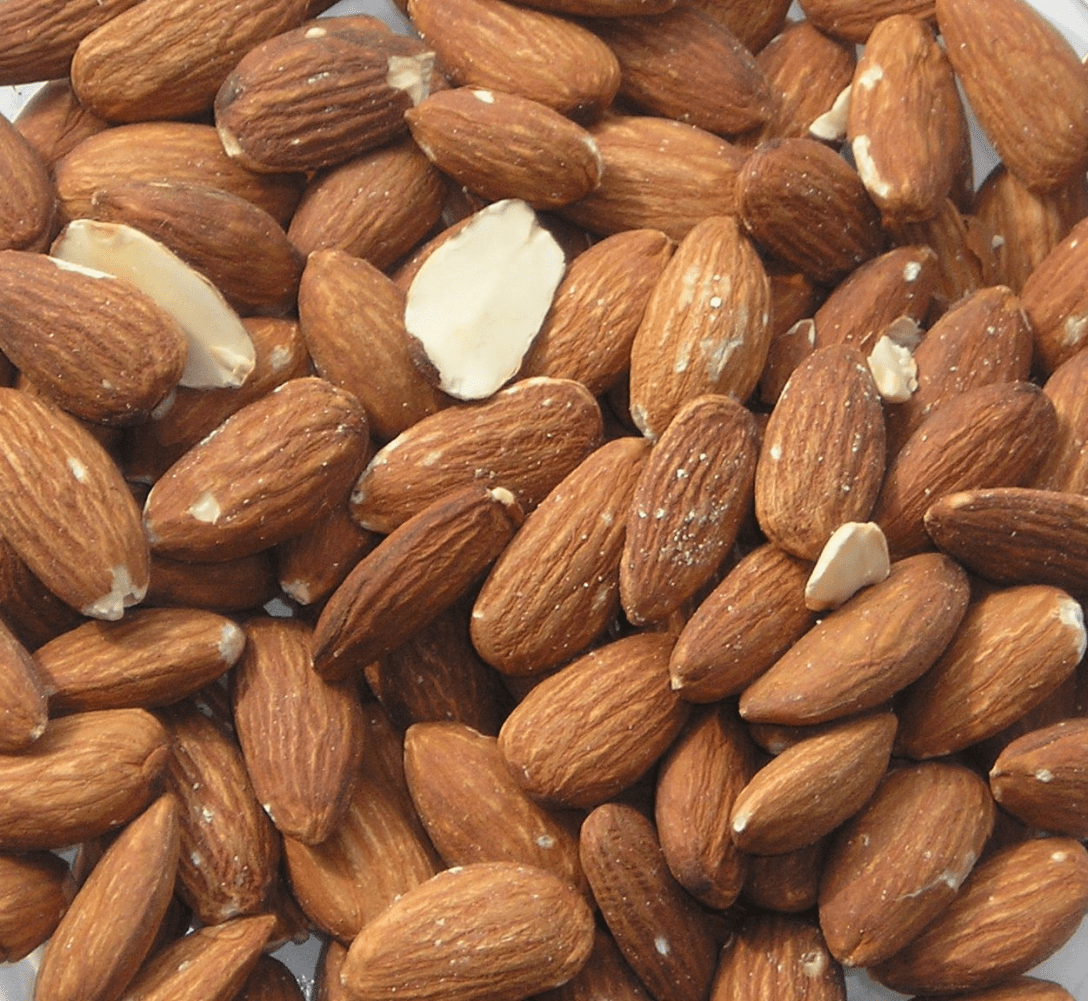
Low-Carb Bread Recipe (Number 2)

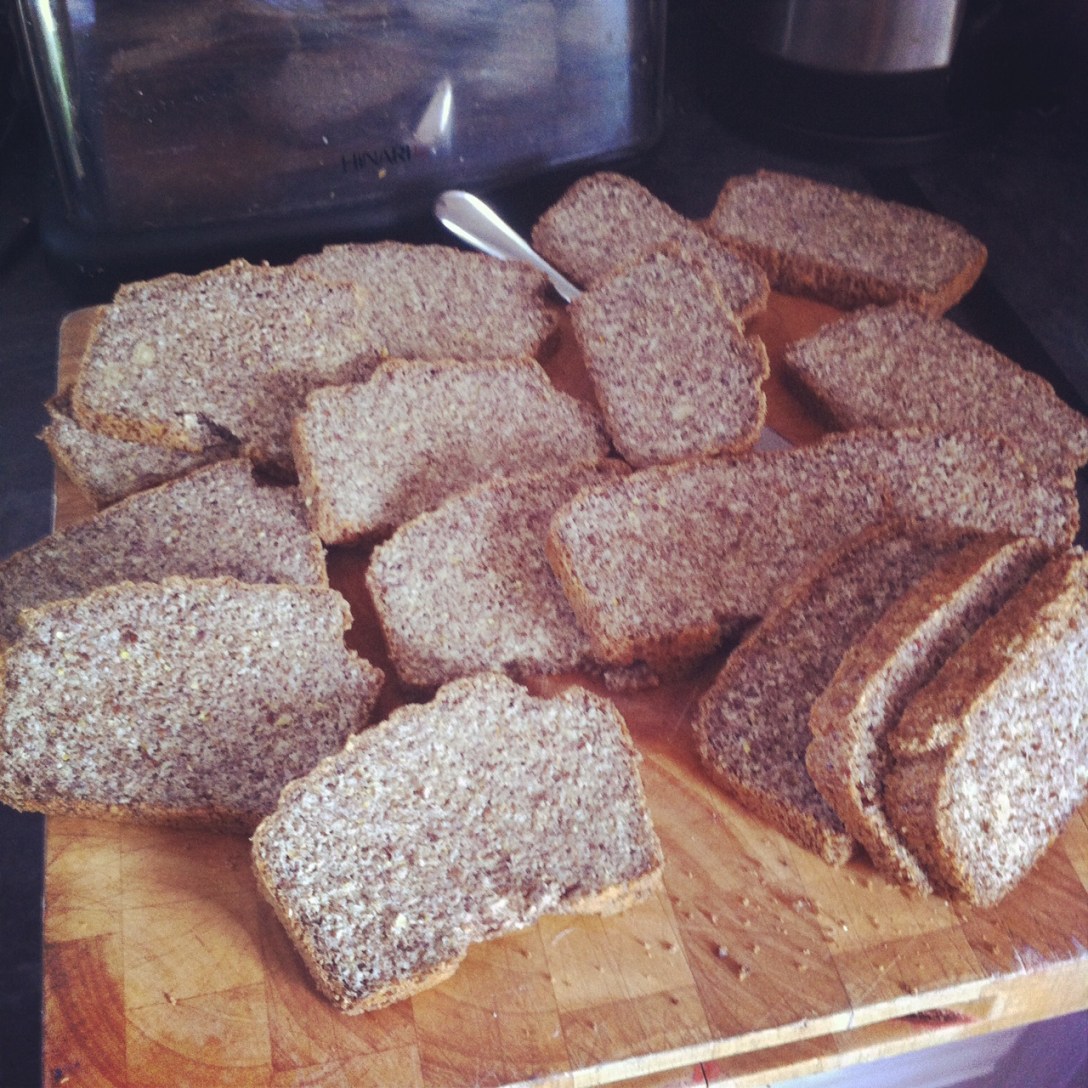
Here is another recipe for low-carb bread. As we’ve said before, we reckon bread is one of the things people really miss when they embark on a low-carb lifestyle so having some replacement recipes up your sleeve is really handy…

One of the other bonuses about low-carb bread is that it lasts longer than ordinary, home-made bread. You can keep it in the fridge or bread bin, or slice it up and freeze it.

For two loaves:

  • 6 cups ground almonds (600g)
  • 125g unsalted butter at room temperature
  • 500g mascarpone cheese
  • 1 teaspoon almond essence (can be left out)
  • 2 teaspoons baking soda
  • 2 teaspoons baking powder
  • 1/2 teaspoon salt
  • 6 eggs
  1. Preheat oven to 350 degrees F, or 180 C
  2. In a mixer, cream together the butter and marscapone. Add the almond essence if using.
  3. In a large bowl, mix the ground almonds, baking soda and powder and salt. Add the eggs to the wet ingredients, then add the ground almonds a large spoonful at a time with the mixer going.
  4. Grease two loaf pans (about 4 x 8 inches) generously with butter or spray with non-stick cooking oil . Spoon the batter into the pans, smoothing the top.
  5. Bake at 350 F or 180C for 50-60 min until lightly browned on top.
  6. Remove from the oven and allow to cool. Run a spatula around the sides of the pan, pressing gently against the loaf to loosen at the corners and bottom of the pan.
  7. Wrap in tin foil. You can freeze these for weeks. Take out the night before you intend to use it. This bread is particularly good toasted.
  8. Each loaf yields 6 thick slices.

CHO per slice – 6g
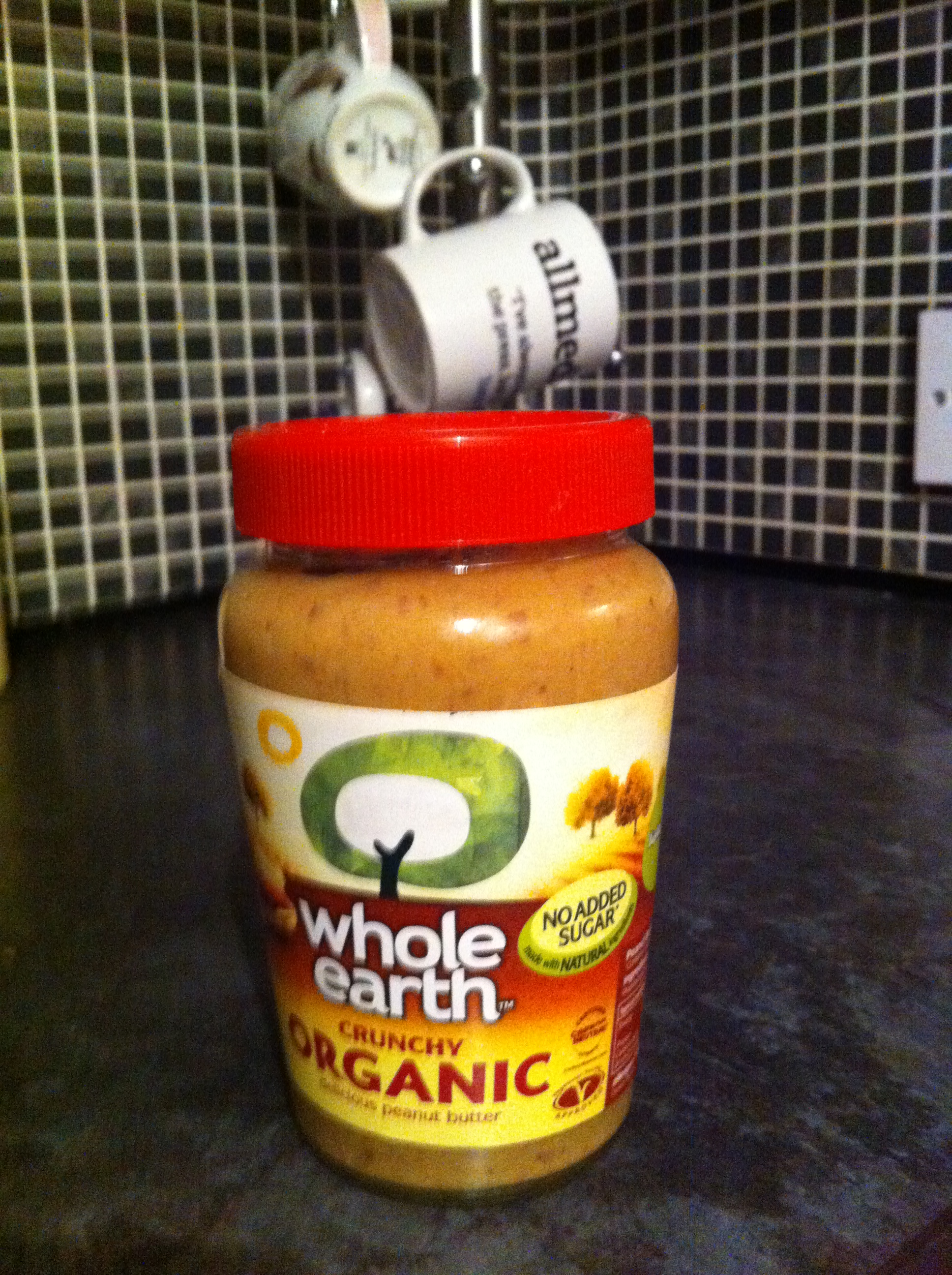
 

Sugar-free peanut butter keeps the carb count down.

Most people have their own favourite bread or toast toppings, but here are some ideas…

  • Half a ripe avocado, mashed up with a little lemon juice, salt and chilli.
  • Cream cheese topped with smoked salmon.
  • Peanut butter and sliced cucumber (it sounds weird, but the cucumber cuts through the richness and mouth-claggy feel of the peanut butter).
  • Butter and reduced sugar fruit spread.
  • Cheese spread and chopped ham.
  • A little smoked mackerel mashed up with cream cheese and a little horseradish sauce for bite.

Check out the Diabetes Diet for lots more low-carb recipes to help you achieve good health and good blood sugar control. Almond picture thanks to Wikipedia


Fergus’s Story – low-carb success!

There’s nothing like a success story, don’t you reckon? The Diabetes Diet features quite a few success stories. Here’s an abbreviated version of one of them…

Fergus’s Story

I’m now 49 and I’ve had diabetes for 31 years, since I was 18. My last HbA1C result was 4.8% (29 mmol).

When I was first diagnosed I was thirsty and emaciated. When I was diagnosed I was on essentially, a ‘healthy’ (by an NHS definition) diet. At the time I was vegetarian and so followed a diet naturally low in saturated fat, and based predominantly around starchy carbohydrate foods.

Typical daily fare would include breakfast cereal, sandwiches, fruit, pasta, cheese, yoghurt etc. The diabetes clinic had never mentioned a low carbohydrate diet.

I decided to follow a low carb diet because I needed to lose some weight and reduce my HbA1c (at the time around 7-8%) but had little or no understanding of the mechanisms at work.

Insulin and Weight Gain

Once I realised that insulin levels were fundamentally linked to my body’s ability to gain weight, it seemed obvious that reducing my weight would depend on reducing my insulin dose. In turn, the only way to do that without going hungry would be to eat the foods that demanded less insulin.

After some experimentation, my insulin intake fell to around 25% of my previous needs, without giving much regard to my calorie intake! Within a year, my excess weight had gone, my BMI was 22 and, the ultimate bonus, my HbA was below 5.0%. I’ve been on a low carb diet for 14 years now.

I eat 20-30 grams of carbohydrate daily, occasionally less. A typical day might include a cheese and mushroom omelette at breakfast, chicken or mackerel for lunch with a salad or some vegetables and dressing or mayonnaise, for dinner meat or fish with any number of vegetable choices, home- made low carbohydrate bread, cheeses, red wine, and 85% cocoa chocolate. Black tea or coffee with cream throughout the day.

Feeling Great

I feel great on a low carb diet.  I cycle every day, sometimes long distances when the weather permits. One of the pervasive myths that has attached itself to low carb diets is that carbs are essential for physical exercise but that has never been my experience. Quite the reverse in actual fact…

I have no diabetic complications at all, despite having the condition for almost a third of a century. My HbA1c has remained between 4.5 and 5% at every visit to my diabetic clinic for over a decade.

Picture thanks to Flickr.

How to Avoid Hypos

All over the internet, there are folks whining about their low blood sugar levels and how rough it feels.

My heart bleeds for them. As a type 1 diabetic, my gang likes to feel we have the monopoly on low blood sugar and the rough response we have to its horridness. Can the wanna-be diabetics go off and experience a hypo good and proper and then come back to us and start whingeing?!

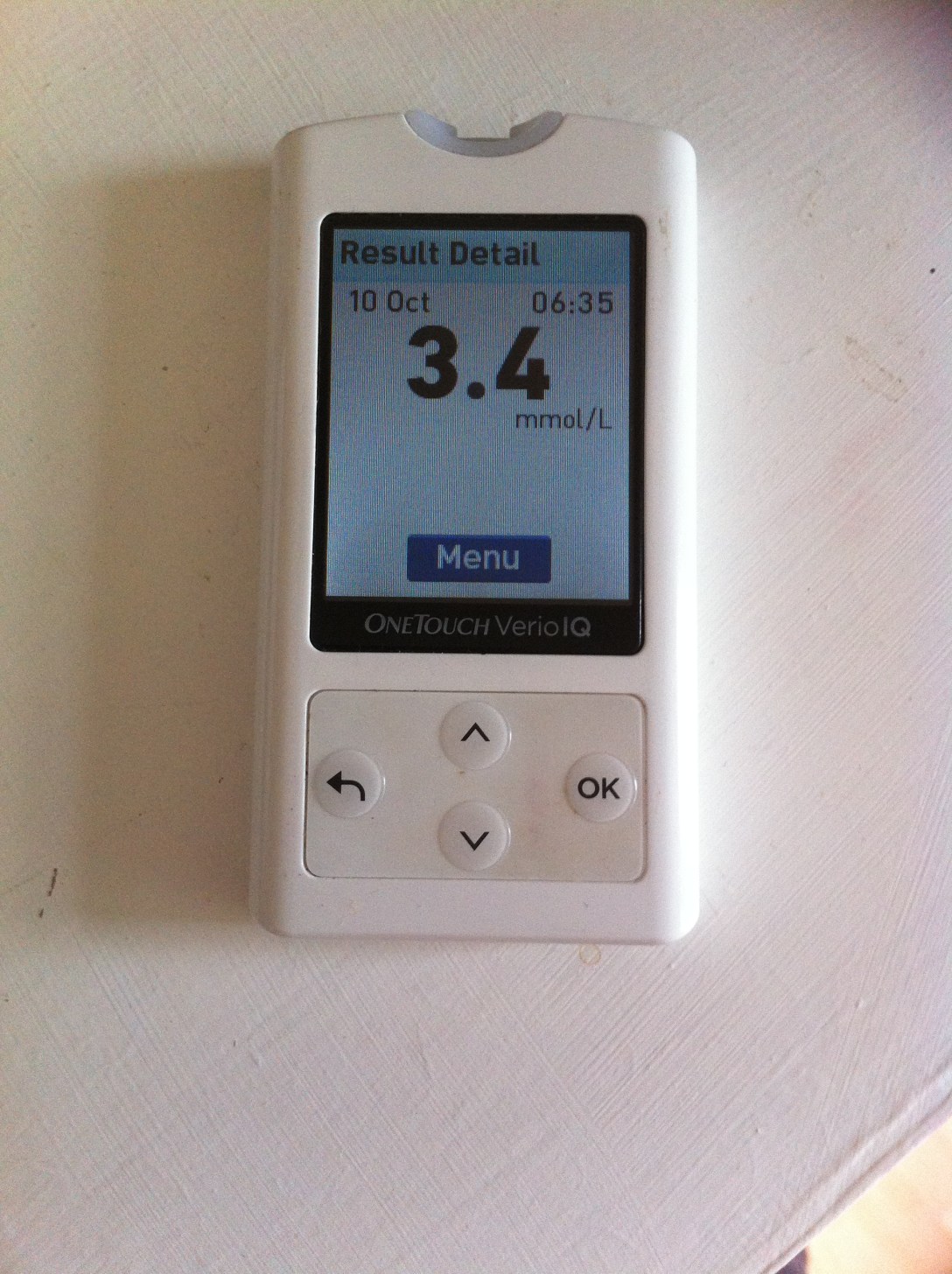
What is a hypo? It’s where your blood sugar drops too low (generally below 3.9 mmol) and you start to feel ill. You might shake, start sweating, feel really hungry and your brain won’t work properly. Untreated, it can be very dangerous because you can faint, start fitting – or even fall into a coma, and eventually die, which is why it’s important to treat it quickly.

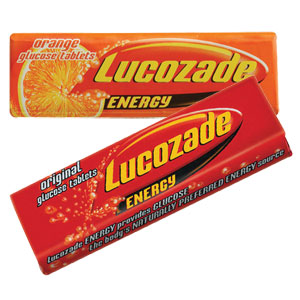
You can treat it with:lucozade tablets

  • Glucose tablets (about three or four)
  • Jelly babies (about three or four)
  • Lucozade, normal variety and about 50mls
  • Normal coke or lemonade (not the diet stuff), about 100mls
  • Glucogel

Anyway, type 1 diabetics and type 2 diabetics on blood sugar lowering medications can avoid hypos by:

Following a low-carb diet, such as the Diabetes Diet! Well, you knew I was going to say that didn’t you?! But why does following a low-carb diet make you less prone to hypos because you will need less insulin in general, and less insulin means less likelihood of hypos.

Doing regular blood tests, as this gives you a clear picture of what your blood sugar levels do during the day.

Knowing your insulin requirements for meals (and you can read about how to do this in the Diabetes Diet).

Taking carbohydrates before exercise – again, you will need to use trial and error to see how many carbs you need to eat before exercising (if indeed you do need them).

Eating at roughly the same time every day.

Not leaving it too long until you eat a meal after injecting rapid acting insulin.

What do you use to treat a hypo? We’d love to know! Leave us a comment below…

Living with a Carb Addict

Y’know that perfectly sensible advice they give you when embarking on any kind of diet; the suggestion that you clear out all temptation from your house?

Willpower is finite. See, most of us associate willpower with the kinds of steel-willed folks who force themselves out of bed at five am for that brutal bootcamp class before going to work, or the kind of person who always, always says no to cake, or never drinks more than one small glass of wine.

Willpower is much, much more than that, however. You need willpower for a lot of things in life. Getting up on a cold, winter morning to go to work (instead of phoning in sick, say), or managing to keep your mouth zipped shut when your annoying work colleague begins her daily litany of woes.

These everyday things require willpower so it is no wonder it runs out quickly – and no wonder that here at the Diabetes Diet we advise you to keep your house carb-clear if possible, so you don’t have to waste willpower on battling with the bread bin.

But then, I live with a carb addict.

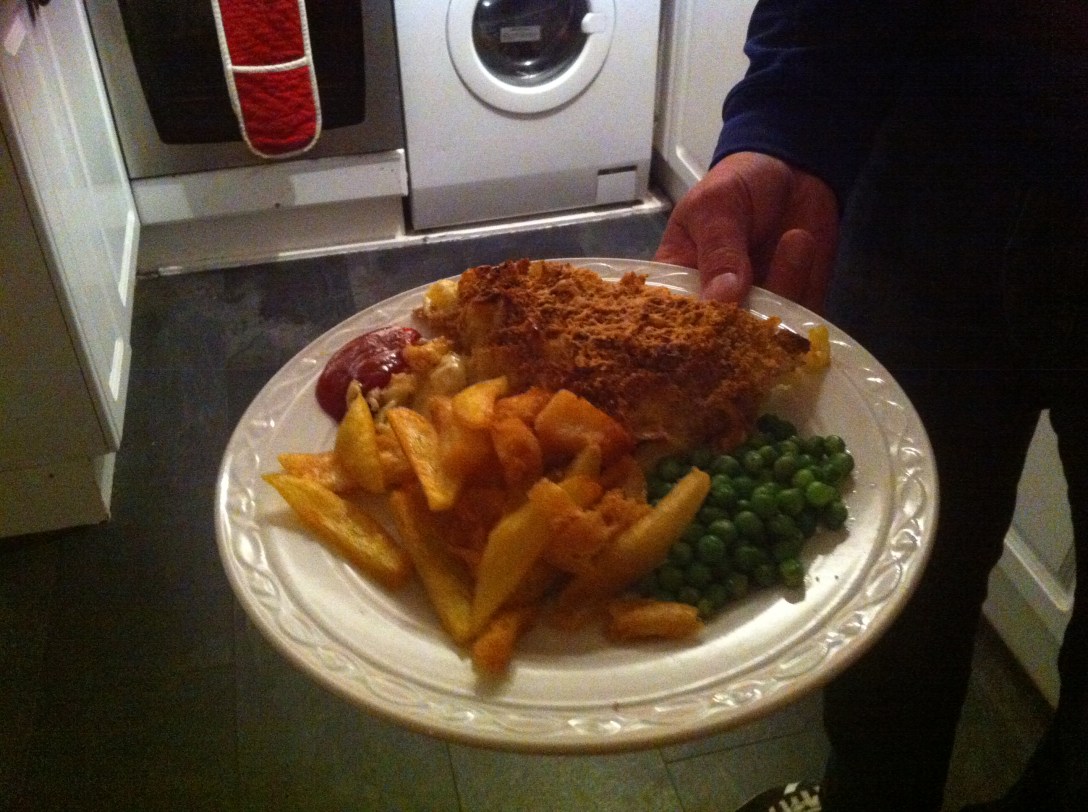
He’s a West of Scotland man. Normal practice for him is to eat lasagne with chips (eeks, I exclaim, double carbs!). In fact, he tells me, in an ideal world, it would be lasagne, chips AND garlic bread.

(And presumably a nap afterwards.)

There is no way on earth this gent is going to put up with a house that contains no bread, no potatoes and no pasta.

Bread, potatoes and pasta aren’t tempting foods to eat in themselves. Heck no, plain bread without butter? Potatoes that aren’t fried, or also adorned with the glorious goldeness that is butter? Boiled pasta and nothing else? A big bowl of steamed rice? Not so nice and not nearly as tempting and easy to over-devour as a family-size packet of crisps.

So we compromise by keeping the house free from cakes, biscuits and chocolates – and most of the time, we don’t keep crisps or sweets in it either. (And certainly nothing that comes in a purple wrapper…).

Other than that, I cope by serving up my food without the accompanying potatoes or rice, and muttering from time to time about the folly of double carbs. Diet is a personal thing, and your health your own responsibility to a certain extent.

My West of Scotland carb addict must make his own decisions!


Easy Low Carb Bread

Let’s start off with a recipe for low-carb bread. Ask most people what they miss when they limit carbs and the chances are that most of them say “bread”.

But normal bread is very high in carbs – a single, mingy-whingy slice of it comes in at roughly 16-18 carbs – more if you’re going for home-made or artisan bread – and who eats one slice of bread?! So here’s a great recipe for low-carb bread from the fabulous thelondonerme blog

I’ve used cup measurements (as per the original recipe) because cup measurements are usually easier for baking. Most supermarket home sections and cookery shops stock cups and you can pick up a set relatively cheaply.

As an added bonus, a low-carb loaf takes much less time to make than normal bread because you don’t need to knead it or prove it.

  • 2 cups ground linseed (you’ll find this in health food shops, such as Holland & Barrett)
  • 1 cup ground almonds
  • 8 eggs
  • 2tsp baking powder
  • 1tsp salt
  • 6tbsp water
  1. Heat your oven to 200 degrees C and grease and line a 2lb/900g loaf tin (you do need to line tins when it comes to low-carb baking).
  2. Mix together the eggs and water (beat well) in one bowl, and the dry ingredients in another. Combine the two and mix well.
  3. Pour the mix into the prepared tin (I’m afraid it looks pretty unappetising at this stage…) and cook for 25-30 minutes. Leave to cool for a few minutes in the tin and tip out onto a wire rack to cool thoroughly.
  4. You can store either in the bread bin or the fridge.
  5. Now top with everything you haven’t been including in your low-carb diet because you’ve been avoiding bread. My favourite topping is butter and Marmite (might be a British thing), or cheese melted on top under the grill.

What’s your favourite low-carb bread topping? We’d love it if you let us know!


Hello and Welcome to the Diabetes Diet!

Hello and welcome to the Diabetes Diet blog…

Thanks for visiting and we hope you find something useful on this site. We are two Scottish ladies who are very interested in diabetes – on a personal and professional level.

I make a point of always wearing fascinators...
I make a point of always wearing fascinators……

I am Emma Baird, a type 1 diabetic (diagnosed 32 years ago) and a writer with a keen interest in health…


katharine… And I am Dr Katharine Morrison, a senior practising GP and a senior partner in a medical practice. My son was diagnosed with type 1 diabetes 10 years ago, and since then I have worked extensively with diabetics (both type 1 and type 2) to help them achieve good blood sugar control – a vital component in good health and longevity.

We wrote a book about diabetes and good blood sugar control and we set up this website to complement the book.  We’re going to update with it lots of topical articles, recipes and guest posts from others interested in diabetes.

And if you have experience in diabetes, low-carb dieting and recipes, and exercising with diabetes, we would love to hear from you. Use the comments sections to keep in touch, or email us at: lowcarbdiabetesdiet@gmail.com