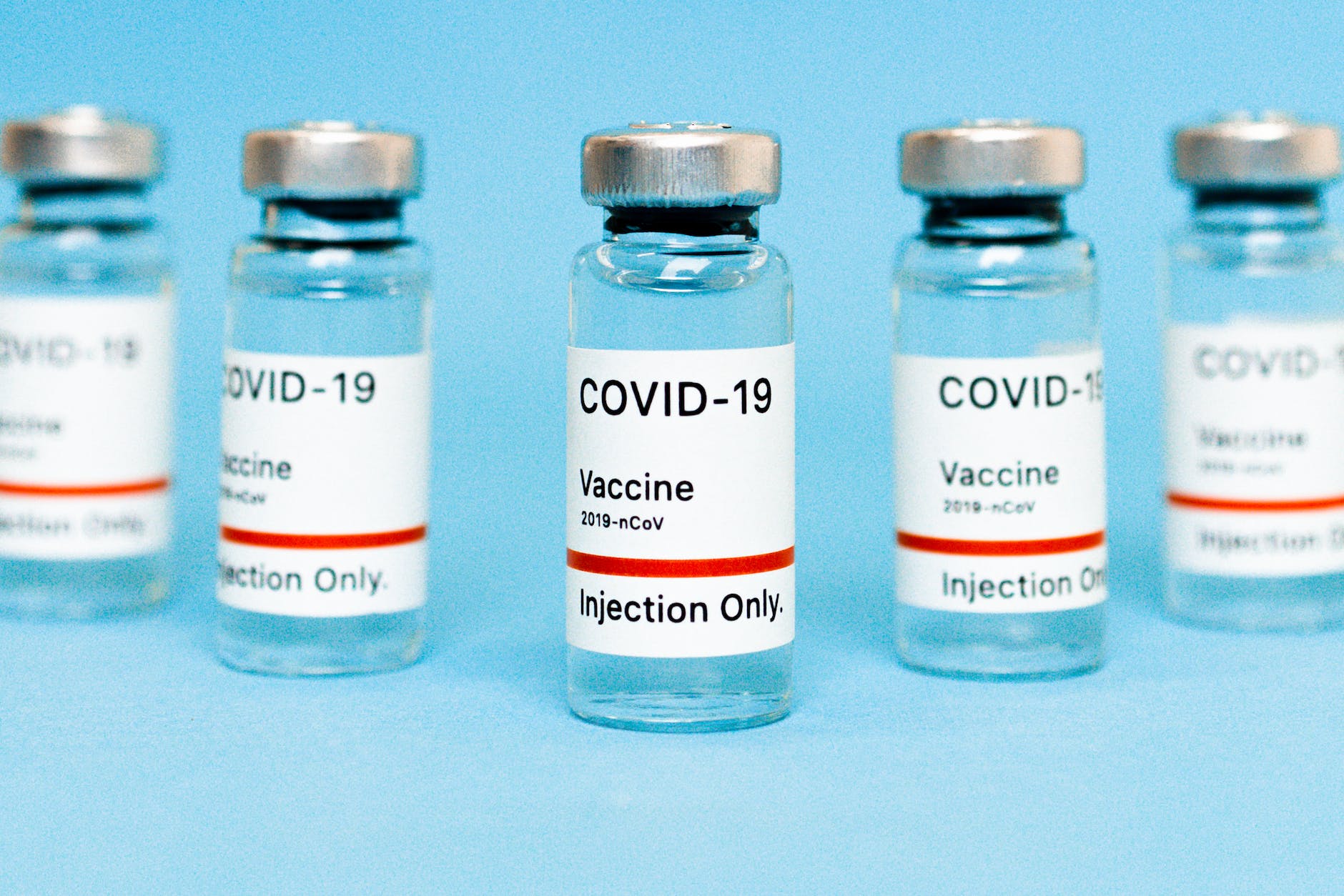
There are side effects of weight loss injections than need to be considered

Photo by SHVETS production on Pexels.com

Adapted from BMJ 9 August 2025

Glucagon like peptide-1 receptor antagonists such as Mounjaro, Wegovy, Trulicity and Ozempic, have truly changed the outlook for people who live with obesity or type two diabetes.

There are now one billion people who have obesity and 800 million with diabetes in the world. Many of them could benefit from these drugs there are side effects to the drugs, not all of which are publicised.

Up to 40% of people on these drugs will get gastro-intestinal side effects such as nausea, vomiting, constipation, and diarrhea. More than one in ten patients will stop treatment due to these side effects.

Some people will also lose their sense of taste. Many will also lose their desire for alcohol which is a good thing.

Acute pancreatitis is less common but is a much more serious side effect.

Non arterial anterior ischaemic optic neuropathy (NAION) is emerging as a possible side effect of these drugs. It is the second most frequent cause of optical neuropathy and is a cause of blindness in adults. It is estimated that the risk could be four times as common in those using GLP-1 receptor antagonists.

The large weight losses associated with these drugs is due to both fat loss and skeletal muscle loss. Studies indicate that up to 39% of the weight loss is due to muscle loss. To put this into context, it is like losing 20 years of muscularity compared to normal aging muscle loss. As these drugs are new, we don’t know what the longer term consequences will be but those who already have sarcopenia, falls, are frail or who are older, are more at risk of serious problems.

If people have decided to go on these drugs, supervision from a clinician will help them understand and modify treatment to deal with side effects. Resistance exercise could counteract the muscle loss.

50% of people are known to regain weight after stopping the drugs, so education on lifestyle and the adoption of exercise routines while on the drug may help.

More research on rare side effects such as NAION and ways to identify vulnerable people are needed.


Most people took three weeks to recover from Covid infection

Photo by Anna Shvets on Pexels.com

Adapted from BMJ 13 July 2024

Columbia University asked 5,000 participants about their personal factors and recovery time after Covid infection.

Median recovery time was 20 days, but more than one in 5 were still having symptoms at 90 days.

People who took a long time to recover tended to be women or to have pre-existing cardiovascular disease.

Those who had been vaccinated against covid-19 or who had been affected by the omicron variant were more likely to recover faster.

Speed of recovery was not linked to age, educational attainment, smoking history, obesity, diabetes, chronic kidney disease, asthma, chronic obstructive pulmonary disease or depressive symptoms.

Reported in JAMA 2024.

Shock wave treatment shows promise in cardiac and wound treatment

Photo by Rodrigo Souza on Pexels.com

Adapted from BMJ 29 June 2024

Localised shock wave treatment has been used to treat patients with tendinitis, non-healing bone fractures, chronic leg ulcers, soft tissue wounds, post-stroke spasticity and spinal cord injury.

Now, Austrian researchers have found a small, but definite effect, in heart muscle regeneration in patients who have coronary artery bypass surgery.

An electric current is applied to electrodes in water, not the patient, so they get a sonic shock rather than an electrical shock. The sonic wave cannot be heard by humans. They say that this, “activates the innate immune system of treated cells, leading to increased DNA accessibility and cellular plasticity, together with the secretion of angiogenic cytokines and growth factors. This induces angiogenesis in the hibernating myocardium. Newly formed vessels then support the recruitment of chronically under-supplied myocardium.”

In a trial of 63 patients undergoing CABG surgery, some had the sonic treatment and others had sham treatment. After a year, left ventricular ejection fraction in the shockwave group increased by 11.3% compared to 6.3% in the control group. The treated group could walk further in six minutes compared to the untreated group and also reported a better quality of life.

Lead researcher Johannes Holfield said, ” for the first time, we are seeing the heart muscle regenerate in a clinical setting, which could help millions of people.” Larger trials are now planned for chronic ischaemia patients.

Musculoskeletal problems and arthritis have large effects on UK health

Photo by Towfiqu barbhuiya on Pexels.com

Adapted from The State of Musculoskeletal Health Report 2023 by Versus Arthritis

Over ten million people in the UK have arthritis.

Health inequalities are defined as “unfair and avoidable differences in health across the population, and between different groups in society”.

One health inequality is deprivation. For example hip and knee osteoarthritis is commoner in the most deprived compared to the least deprived. Some ethnic groups are also affected considerably more than others. As a reference point, White British people have a 16.8% prevalence of a long term musculoskeletal problem (MSK). UK Chinese people have a 7.4% prevalence and UK Pakistani people have a 20.8% prevalence.

People with a MSK problem are 20% less likely to be in work compared with those who don’t have such a condition. In 2021 23.3 million working days were lost due to these conditions making it the third most common reason for working days lost.

I in 3 current UK employees have a long term health condition. 1 in 10 have a MSK condition. I in 3 of these employees with a long term MSK condition have not discussed it with their employer.

Of people who have no long term health condition 82.1% are in employment but this drops to 62.4% of those with a MSK condition. Of those with no long term health condition 15.2% are economically inactive. This rises to 34.9% of those with MSK conditions.

MSK conditions account for the third largest area of NHS spending at £4.7 billion in 2013-14 and are estimated to have cost £6.3 billion in 2022-23. The cost due to just Osteoarthritis and Rheumatoid arthritis will be £3.43 billion by 2030.

For many people, joint replacement surgery is the most effective treatment for their MSK condition. But many operations were not carried out over the Covid period. The conditions have not got better, the waiting lists have just got a lot longer. Approximately half of the operations done in 2019 were carried out in 2020 and the figures were still lagging in 2021.

Rheumatoid Arthritis affects 27,000 new patients each year. 30% of those with the Rh A develop osteoporosis. One in ten will develop interstitial lung disease over their lifetime. 60% of people with Rh A are physically inactive. One third of them have a mental health problem such as anxiety or depression. About a third of diagnosed people will stop work within five years of diagnosis.

Risk factors for getting the condition include age. It comes on most commonly between the ages of 40 and 70. It is 2 to 3 times more common in women compared to men. Being overweight increases the risk. There are hereditary factors involved. The gut microbiome is thought to play a part. Smoking increases the risk, worsens the disease and weakens treatment response.

My comment: As a GP I had hoped that new therapies and operations would revolutionise the outlook for musculoskeletal conditions and indeed there has been a lot of positive change. There is still some way to go. There isn’t much you can do about your heredity or gut microbiome but you can be a non smoker, keep slim and keep active. Meanwhile I wonder if anyone is researching how people of Chinese extraction have much fewer MSK conditions than any other group.

Low carb diets have almost all the nutrients you need

Photo by Lina Kivaka on Pexels.com

Adapted from BMJ Open Access: Assessing the nutrient intake of a low carb high fat diet: a hypothetical case study design.

Abstract
Objective: The low-carbohydrate, high-fat (LCHF) diet
is becoming increasingly employed in clinical dietetic
practice as a means to manage many health-related
conditions. Yet, it continues to remain contentious in
nutrition circles due to a belief that the diet is devoid of
nutrients and concern around its saturated fat content.


This work aimed to assess the micronutrient intake of the
LCHF diet under two conditions of saturated fat thresholds.


Design: In this descriptive study, two LCHF meal plans
were designed for two hypothetical cases representing the
average Australian male and female weight-stable adult.


National documented heights, a body mass index of 22.5
to establish weight and a 1.6 activity factor were used to
estimate total energy intake using the Schofield equation.


Carbohydrate was limited to <130 g, protein was set at
15%–25% of total energy and fat supplied the remaining
calories.

One version of the diet aligned with the national
saturated fat guideline threshold of <10% of total energy
and the other included saturated fat ad libitum.


Primary outcomes: The primary outcomes included all
micronutrients, which were assessed using FoodWorks
dietary analysis software against national Australian/New
Zealand nutrient reference value (NRV) thresholds.


Results: All of the meal plans exceeded the minimum NRV
thresholds, apart from iron in the female meal plans, which
achieved 86%–98% of the threshold.

Saturated fat intake was logistically unable to be reduced below the 10%
threshold for the male plan but exceeded the threshold by
2 g (0.6%).


Conclusion: Despite macronutrient proportions not
aligning with current national dietary guidelines, a wellplanned LCHF meal plan can be considered micronutrient replete.

This is an important finding for health
professionals, consumers and critics of LCHF nutrition, as
it dispels the myth that these diets are suboptimal in their
micronutrient supply. As with any diet, for optimal nutrient
achievement, meals need to be well formulated.

My comments: Achieving nutritional completeness is almost impossible on a high carb, low fat, low protein diet. Despite the nutritional superiority of a well formulated low carb diet, there are some take home notes from the dieticians involved. 1. Your requirements for Vitamin D cannot be met solely by diet. You either need year round sun exposure or nutritional supplementation with a Vitamin D/K2 supplement. 2. In women of childbearing age, they may need extra iron in the diet, even if they eat red meat regularly. This is due to the effects of menstruation and pregnancy. This may involve eating red meat with fruit juice, avoiding tea with meals, and taking extra iron supplements. Latest thinking is that iron supplementation on alternate days or even less often reduces the bowel problems such as constipation that are usually caused.

Good glycaemic control improves school grades in type one diabetes

Photo by Pavel Danilyuk on Pexels.com

Adapted from Medscape article by Peter Russell 6 Dec 2022

Children with type one diabetes have more school absences than classmates who do not have the condition, but difficulties with blood sugar control were linked to the most absences.

Despite lower attendances many children with type one diabetes achieve good exam grades and go on to higher education. But those with higher HbA1c levels were more likely to get poorer grades and found it harder to get a place at college level.

Cardiff researchers think that children who struggle with their glycaemic control could benefit from more clinical and educational support.

Researchers looked at over a quarter of a million children aged 6 to 18 and over a thousand children with type one diabetes who attended schools and colleges in Wales between 2009 and 2016. Factors such as the child’s household socioeconomic status, neighbourhood deprivation, sex and age were taken into account.

The results showed that type one children were absent for 8.8 sessions per year more than children without diabetes. Those with the best glycaemic control missed 6.7 sessions per year and children with the poorest levels of control missed 14.8 sessions.

Children in the quintile with the best glycaemic control got results 4 grades higher than those without diabetes at the age of 16. However for those in the lowest quintile of HbA1c control attainment was 5 grades lower than their classmates who did not have the condition.

Those with the best glycaemic management were 1.7 times more likely to gain a place in higher education than the general population whereas those in the lowest quintile for glycaemic management were 0.4 times as likely to go onto higher education than those who did not have type one diabetes. In essense those in the highest quintile were almost three times more likely to attend higher education than in the least optimal quintile.

Dr Robert French, one of the researchers was impressed that children with diabetes under adequate control were as likely to progress to higher education as their non diabetic peers even though they lost more school days to diabetes.

Overachievement for children with type one diabetes who effectively managed their glycaemic control could be due to factors unrelated to glucose levels and could reflect socioeconomic conditions, family support and effective self management.

Robert French et al. Educational attainment and childhood onset type one diabetes. Diabetes Care 1 Dec 2022 45(12) 2852-2851.

My comment: I know from my own experience of being a parent of a child with type one diabetes that the formulation of strictly kept routines around blood sugar testing, meals, homework, activity, and sleep made a big difference to my son’s blood sugar control and educational attainment. By my son’s diagnosis it had been already discovered that 9 out of 10 diabetic children had worse school attainment than average for their peers and that high blood sugars affected concentration, mood and memory. It would seem that for most diabetic children the educational gap has been greatly improved in the 20 years since. The overachievement affect is understandable when a child or young adult is given more family support, and this is usually maternal support, during their adolescent years, than is perhaps the case for non diabetic children. The adoption of a low carb diet makes glycaemic control much easier for all diabetics and this is even more important when the hormonal surges of puberty are causing glycaemic uproar, and the need to perform in exams can determine future career paths.

Glucosamine supplements related to lower cancer mortality

Photo by Nataliya Vaitkevich on Pexels.com

Adapted from Medscape 5 Dec 2022 by Vinod Rane BS Pharm

Glucosamine, popularly used for osteoarthritis, has previously been found to have anti-inflammatory properties and regular use has now been shown to reduce cancers overall and particularly kidney, lung and rectal cancer.

This was a large prospective study that included 453,645 participants aged 38 to 73 who did not have cancer at the start of the study.

19.4% were taking glucosamine regularly and 80.6% were not. The patients were followed up for a median of 12 years.

Cancer was reduced in cancer overall 0.95, kidney cancer 0.68, lung cancer 0.84 and rectal cancer 0.76.

The study did not include the dose, form and duration of supplement use and there could be a risk that the people who took glucosamine also followed other healthier behaviours than those who didn’t.

My comment: I have been taking glucosamine for 23 years now and it has been a great benefit to my joints. I can see that confounding could be a problem. Non smokers greatly reduce lung cancer, vitamin D users are less likely to get rectal cancer, and slim people are less likely to get kidney cancer.

Zhou J et al Associaton between glucosamine use and cancer mortality. A large prospective cohort study. Front Nutr. 2022;9:947818.

Covid infection as good as two vaccinations in prevention of future attacks

Photo by Maksim Goncharenok on Pexels.com

BMJ 18 March 2023

The Lancet has published research concerning the effect of clinical Covid 19 infection protection against further infections.

Looking at 65 research studies, the conclusion is that alpha, beta and delta variants strongly protected against future infection. There was 78% protection at 40 weeks post covid. The Omicron variant however was less protective, immunity only being 36% at 40 weeks.

Any infective agent however was highly likely to protect against hospital admission or death. The effectiveness was 90% at 40 weeks.

This was considered as useful has having had two mRNA vaccines.

Good news for those who have had Covid infection.

Total mortality rates are improved when type two diabetics follow a low carb diet

Photo by Jess Bailey Designs on Pexels.com

Adapted from Diabetes in Control March 24 2023

Mortality Reduced With Adherence to Low-Carb Diet in Type 2 Diabetes

Mar 24, 2023

Lower mortality seen with increases in total, vegetable, and healthy low-carbohydrate diet score

By Elana Gotkine HealthDay Reporter

×

FRIDAY, March 24, 2023 (HealthDay News) — For individuals with incident type 2 diabetes (T2D), a greater adherence to low-carbohydrate diet (LCD) patterns is associated with lower mortality, according to a study published online Feb. 14 in Diabetes Care.

Yang Hu, Ph.D., from the Harvard T.H. Chan School of Public Health in Boston, and colleagues calculated an overall total LCD score (TLCDS) among participants with incident diabetes identified in the Nurses’ Health Study and Health Professionals Follow-up Study. Vegetable (VLCDS), animal (ALCDS), healthy (HLCDS), and unhealthy LCDS (ULCDS) were also derived.

The researchers documented 4,595 deaths, of which 1,389 cases were attributable to cardiovascular disease (CVD) and 881 to cancer among 10,101 incident T2D cases, contributing 139,407 person-years of follow-up. Per each 10-point increment of postdiagnosis LCDS, the pooled multivariable-adjusted hazard ratios for total mortality were 0.87, 0.76, and 0.78 for TLCDS, VLCDS, and HLCDS, respectively. Significantly lower CVD and cancer mortality was seen in association with VLCDS and HLCDS. From the prediagnosis to postdiagnosis period, each 10-point increase in TLCDS, VLCDS, and HLCDS correlated with 12, 25, and 25 percent lower total mortality, respectively. For ALCDS and ULCDS, no significant associations were seen.

Our findings provide support for the current recommendations of carbohydrate restrictions for T2D management and highlight the importance of the quality and food sources of macronutrients when assessing the health benefits of LCD,” the authors write.

Worsening obesity in children can be reversed with a ketogenic diet

Photo by Alexander Dummer on Pexels.com

Adapted from Independent Diabetes Trust Newsletter March 2023

The National Child Measurement Programme 16 March 2022

In the western world obesity rates continue to climb in children. In the UK when children start primary school at the age of 4-5 14.4% are obese and a further 13.3% are overweight. In Primary 6, at the age of 10-11 25.5% are obese and 15.4% are overweight.

My comment: from my own schooldays, there was only one overweight child in my primary class and she was on steroids and had a heart complaint that stopped her from participating in any exercise. In primary 7, there was one girl who was overweight and she had started puberty earlier than the rest of us.

In the USA in 2019 more than 30% of children were overweight or obese, similar to the UK figures. Physicians are reporting that since the Covid epidemic children are usually between 5 and 10 pounds heavier than they were at any given age, so these figures are likely to worsen even more.

Since 2006 Duke University has treated more than 15,000 children with a restricted carbohydrate diet which encourages the eating of vegetables, fatty fish, nuts and other features of the Mediterranean diet.

Meghan Pauley and colleagues from the Marshall University School of Medicine in Huntington West Virginia have cut the carbohydrate intake for children further to 30g or less a day and have been effective in short term weight loss in severely obese children and teenagers.

The ages of the subjects ranged from 5 years to 18 years. The study lasted 3-4 months. The children were otherwise told to eat as much fat and protein as desired with no limit on calories.

Two groups of analyses were done of different intakes into the programme in 2017 and 2018.

 In Group A, 310 participants began the diet, 130 (42%) returned after 3-4 months. Group B had 14 enrollees who began the diet, and 8 followed up at 3-4 months (57%).

Girls compared with boys were more likely to complete the diet. Participants less than 12 years age were almost twice as likely to complete the diet compared with those 12-18 years, however, the older group subjects who completed the diet had the same percentage of weight loss compared with those under 12 years. Group A had reductions in weight of 5.1 kg , body mass index (BMI) 2.5 kg/m2 , and percentage weight loss 6.9% .

Group B had reductions in weight 9.6 kg , BMI 4 kg/m2 , and percentage weight loss 9% . In addition, participants had significant reductions of fasting serum insulin and triglycerides.

This study demonstrated that a carbohydrate-restricted diet, utilized short term, effectively reduced weight in a large percentage of severely obese youth, and can be replicated in a busy primary care office.