Braised Celeriac

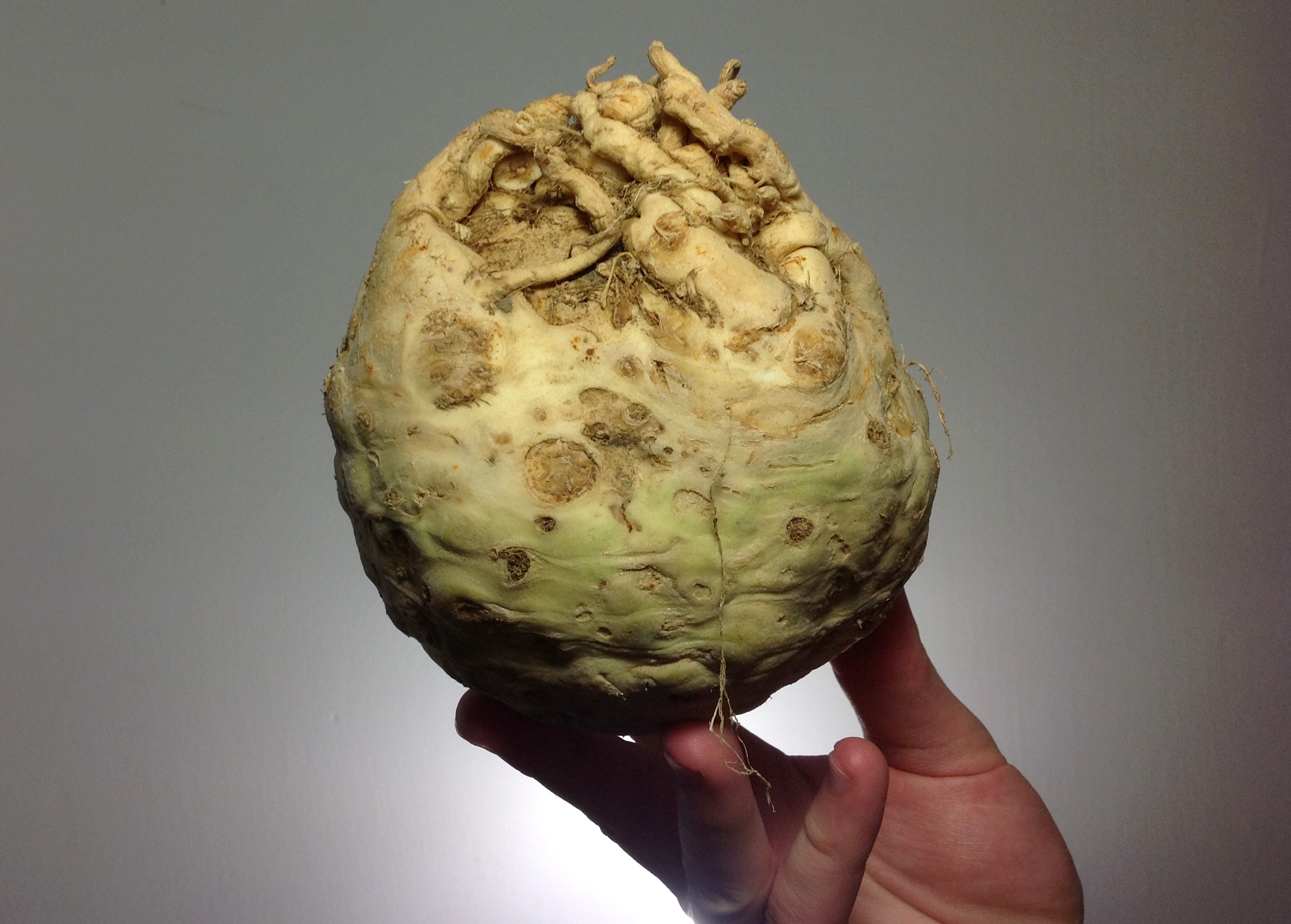
The far from pretty celeriac. Darn tasty though...
The far from pretty celeriac. Darn tasty though…

Lately, I have been eating A LOT of celeriac, sometimes called celery root…

It’s delicious and it’s low carb, and there are a number of ways to prepare it. Mostly, you can use it as a potato substitute – roast celeriac instead of roast potatoes, mashed celeriac instead of mashed potatoes etc.

If you’re not familiar with celeriac (and I wasn’t until very recently) the taste is similar to celery, but the texture is very different. It has a really savoury taste and you might end up preferring it to potato.

100g of celeriac contains roughly 9g of carbs (with 2g of fibre) and it is a good source of Vitamin C, potassium and magnesium.

Here is a very simple recipe for braised celeriac, which goes well with roast chicken.

Braised Celeriac

  • Servings: 4-6
  • Difficulty: easy
  • Print

  • 1 celeriac
  • 2tbsp olive oil or butter
  • 1tbsp dried thyme
  • Salt and pepper
  • 2 cloves garlic, crushed.
  1. Peel the celeriac and cut it into two-inch cubes. Heat the olive oil or butter in a large saucepan and add the cubes.
  2. Brown the cubes for a few minutes, add the garlic and cook briefly (make sure the garlic doesn’t burn) and then add 100ml or about five tablespoons of water.
  3. Put a lid on the saucepan, turn the heat down the lowest setting and cook for 25 minutes – or until the celeriac is soft. Add salt and pepper to taste.

Here’s another great recipe for celeriac, and one for a celeriac salad, and let us know if you have a great use for what is arguably the world’s ugliest vegetable.

Pic thanks to Wikipedia.
Spicy Fish Soup – A Low-Carb Super Healthy Recipe

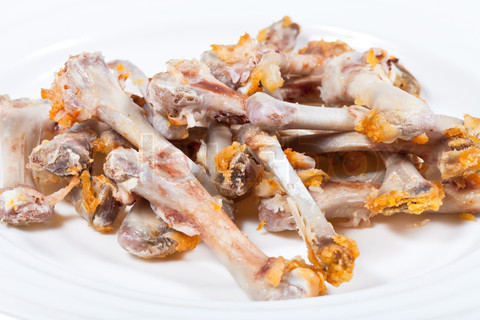
Dem bones, dem bones, demo bones make damn fine stock.

Ever since abandoning vegetarianism (it was fun while it lasted, but not the best option for my health), I have been obsessed with home-made stock…

When I first added it to recipes, I couldn’t believe how much flavour it adds to a dish. And it’s so good for you because you get the vitamins and minerals from the bones and vegetables if you have cooked your stock for long enough.

Home-made stock is what makes home-made soup really special – and the reason why you can never buy a factory-made soup that tastes anywhere near as good. Nope, even those expensive cartons can’t measure up to good, home-made soup.

A new recipe I tried recently was a spin on another dish I make for myself frequently – spicy prawn curry. If I add this, instead of this and I up the quantity of this, I’ll get… You know the kind of thing keen cooks like to do. The result is this lovely soup, which is perfect for this time of year.

The obvious point to make is that I have used chicken and not fish stock for this recipe. I think of chicken stock as a universal stock – you can use it for any dish and you are more likely to have the basis of chicken rather than fish stock. Allow roughly 5g of carbs per serving.

Spicy Fish Soup

  • Servings: 3-4
  • Difficulty: easy
  • Print

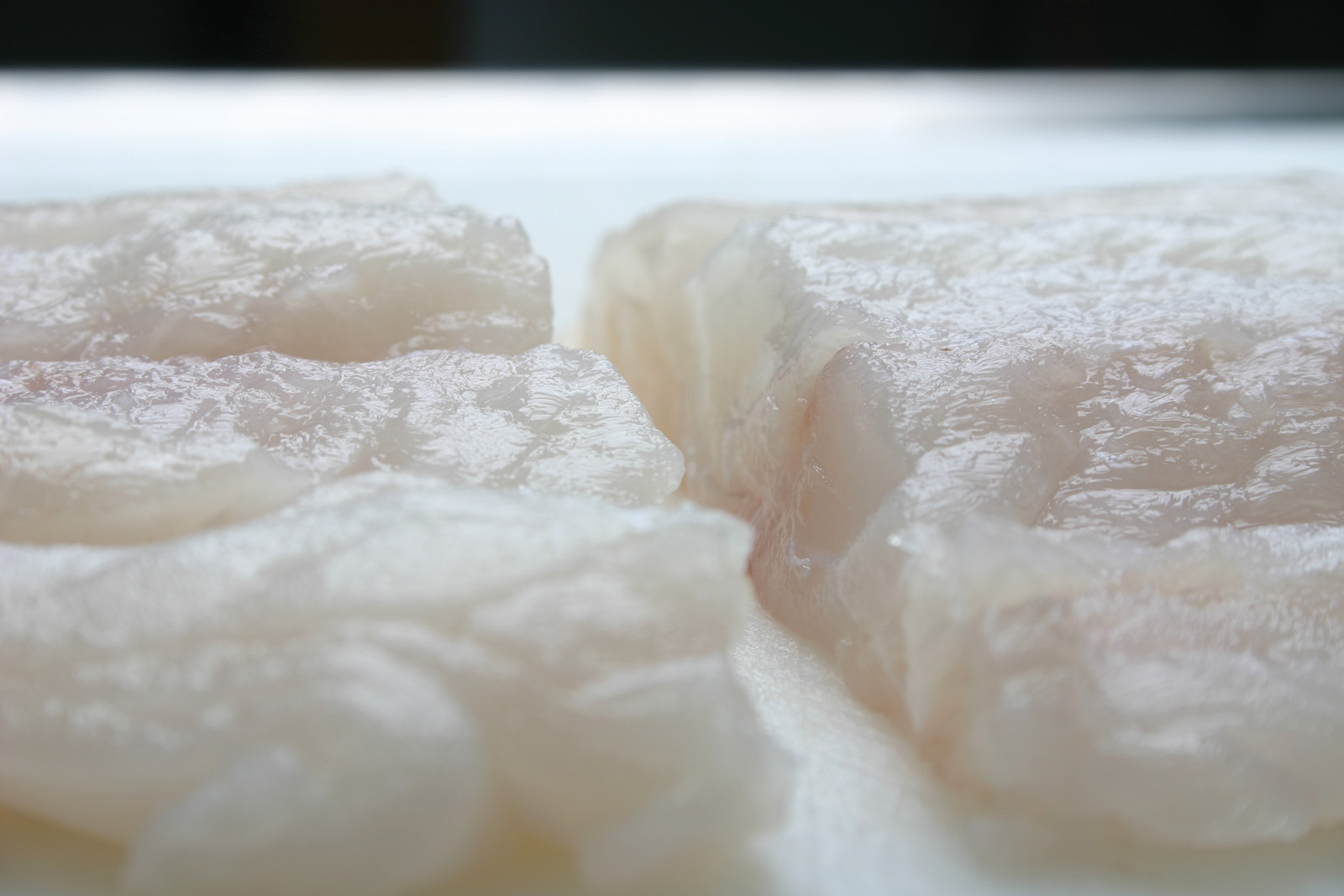
  • 300g white fish fillets (I used haddock)Whitefish_Fillet
  • 50g creamed coconut
  • 400g tinned chopped tomatoes
  • 200ml home-made chicken stock
  • 1tbsp coconut oil
  • 2 sticks celery, chopped
  • 1tsp crushed dried chillies
  • 1rtsp turmeric
  • 2 cloves garlic, crushed
  • 1tbsp grated ginger
  • Salt and pepper

Chop the creamed coconut into small pieces.

Melt the coconut oil in large saucepan and add the celery. Cook gently for five minutes until softened.

Add the tinned tomatoes, stock, dried chillies, turmeric, ginger and chopped creamed coconut and bring the mixture to the boil. Turn down the heat and leave to simmer for 10-15 minutes. The mixture should reduce somewhat and you’ll be left with a spicy, fragrant and thickened liquid.

Chop the fish fillets into big, even-sized chunks (about 2ins chunks) and add to the soup. Leave the heat on for a minute or so and then turn off the heat and cover the saucepan for a lid. Leave for five minutes – this should be enough to cook the fish through.


Fish pic thanks to My Friend in Food.


A Low-Carb Boxing Day Recipe to Perk You Up

Dazed, confused, missing your teeth..? Oh dear...
Dazed, confused, missing your teeth..? Oh dear…

Morning – is anyone feeling a little fragile this a.m. thanks to too much seasonal indulgence yesterday..?!

The Diabetes Diet has the perfect solution for you – a low-carb breakfast packed with vitamins and minerals, and very delicious too. With its kick of spice, this dish will help blow away the cobwebs and have you firing on all cylinders once more.

This recipe serves one, but can obviously be doubled up.

Huevos Rancheros

  • Servings: 1
  • Difficulty: easy
  • Print

  • eggs2 large, free range eggs
  • 1 green pepper, diced
  • 1tbsp butter
  • 1 clove garlic, crushed
  • Pinch dried chilli flakes (add more or less, according to how spicy you like your food
  • ½ tin chopped tomatoes (roughly 200g)
  • 2tbsp grated strong cheese (Parmesan or a mature cheddar)
  • Salt and freshly ground black pepper

Melt the butter in a small frying/omelette pan and add the diced peppers. Cook, stirring occasionally until softened (about five minutes).

Add the tomatoes, garlic and chilli flakes. Bring to the boil then turn down to a simmer and leave, stirring occasionally, for five minutes. You should be left with a thick sauce. Make two indentations in the mixture and crack the eggs in. Leave until the whites are set – about five minutes. (You may need to move the whites around a little to cook.)

Add a little salt and pepper and top with the grated cheese. Place under a pre-heated grill until the cheese is melted.

This is delicious with some salad on the side or on top of steamed broccoli. Allow roughly 10-15g carbs per serving.


Hangover picture courtesy of Static Square Space and eggs picture thanks to Pixabay.

Low-Carb Recipes Around the Web

cookingIf you are anything like me, you’re probably pretty happy to stick to some tried-and-tested low-carb recipes, but what if you want variation or want to try out low-carb versions of your favourite dishes to keep you on the straight and narrow low-carb life?

Luckily, we live in the information super age (sometimes a bad thing – step forward Google self-diagnosis…) and low-carb recipes are really easy to find.

So, if I’m in the mood to experiment in the kitchen, here is where I look…

BBC Good Food has a great selection of tried and tested low-carb recipes. I particularly like the prawn and chorizo frittata and the seafood curry.

The website uses easy-to-find ingredients and users often rate the recipes and make comments about additions they made, or substitutions, which can be very useful. And the measurements are UK ones, which you don’t often get in a low-carb recipe search.

Allrecipes.co.uk (you can also check out allrecipes.com if you want American measurements) is another site offering a great selection. I like the Cobb Salad and the lasagne recipe that uses courgette strips instead of pasta to make this popular classic.

The Food Network website has an extensive collection, as you might expect. There aren’t carbohydrate counts included for recipes, though, and look out for sometimes liberal interpretations of “low-carb”. I love spicy food, so the sound of this chicken satay definitely appeals.

If Christmas is on your mind (yikes, how am I going to resist roast potatoes/stuffing/mince pies/chocolate – insert your carb of choice), then lowcarbdiet.co.uk has a whole section with lots of ideas – from indulgent breakfasts to dips, starters, main courses and puddings. There’s a very helpful carb count for each recipe too.

There are numerous bloggers offering wonderful low-carb recipes, as you might expect. Here are links to just a few of them…

Where do you go to find low-carb recipes? We’d love to know…


Pic thanks to Nemo on Pixabay.


Venison Burgers

Our local butcher was running a special offer on venison recently – venison sausages, venison mince and diced venison for £10 – so we stocked up. It seemed like a seasonal thing to do and venison is local to Scotland, abundant and good for you (high in protein and stacked full of vitamins and iron).

You pick up loads of ideas from reading food blogs (and there are so many good ones out there!) so I had spotted a seasoning mix for burgers on The Migrant Chef’s Blog. It was for beef burgers, but no reason for the mix not to be used for a venison version I reckoned. This is my adapted version.

Venison Burgers

  • Servings: 4
  • Difficulty: easy
  • Print

Venison Burgers – makes four

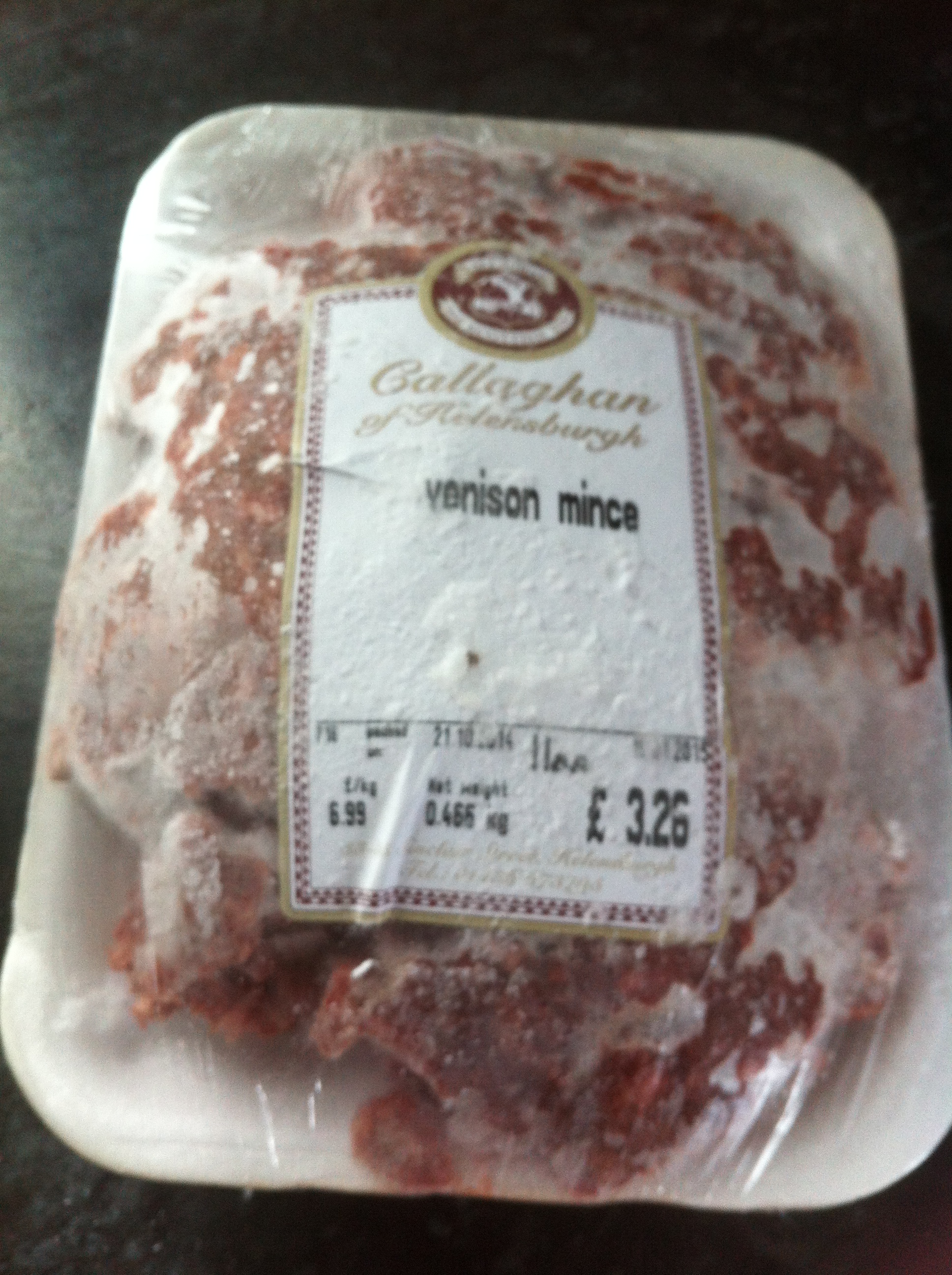
Frozen venison mince (de-frost fist obviously...)
Frozen venison mince (de-frost first obviously…)
  • 454g (1lb) minced venison
  • 1½ tbsp hot paprika
  • 1tsp Liquid Smoke (or 1tsp sugar)
  • 1 tsp salt
  • 1 tsp freshly grounded black pepper
  • 1 tsp garlic powder
  • 1 tsp onion powder
  • 1/2 tsp dried thyme, or mixed dried Italian herbs
  • ½ tsp cumin

Measure out all of the seasonings and place the venison in a bowl. Mix with the seasonings (the easiest way to do this is by hand) so that everything is combined well. Shape the mix into four burgers (if you make burgers on a regular basis, it is worth investing in a burger press which can be bought at Lakeland and other kitchen stores).

Chill the burgers for half an hour in the fridge.

Heat a griddle pan on the hob until very hot (spray lightly with oil to stop the burgers sticking). Cook each burger for three-to four minutes on each side – I find it best not to repeatedly turn the burgers as that makes them stick and disintegrate. Less cooking time means a rarer burger, so this is up to your personal preference.

Serve your burgers topped with guacamole or finely sliced onions fried in butter, and a hearty salad

burger pressWhy is venison good for you?

  • It has more protein than any other red meat (so it’s satiating)
  • It is richer in iron than beef, so it is good for your energy levels
  • It has lots of B vitamins – B2 (riboflavin) and B3 (niacin), which help to regulate metabolism; and vitamin B6 and B12, which might lower homocysteine build-up in the blood, therefore lowering the risk of heart attacks and strokes.


The Top 10 Best Things About a Low-Carb Diet

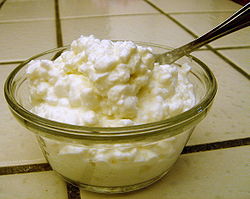
  1. You don’t need to eat low-fat cottage cheese again. Seriously, that watery crap doesn’t need to find itself in your fridge ever again.
  2. Broccoli and butter. Think you don’t like broccoli? Try it steamed with a tablespoon of butter melting over the top. Om nom nom.
  3. Steak. Lamb. Burgers. Sausages. (And this from a reformed vegetarian too…)
  4. You can eat chicken skin. And crackling. Turn up the oven to hot, hot, hot and make yourself your own pork scratchings.
  5. You will fart less. Seriously.
  6. Smoked salmon and scallops (on a rich day, obvs).
  7. Your appetite will feel as if it is under control, because your blood sugar levels will stay steadier and protein is more satiating.
  8. You get to try out lots of lovely recipes, thanks to the world wide web! Obviously, we feature great recipes here at Diabetes Diet, but check out BBC Good Food, Authority Nutrition and the Atkins website for more.
  9. You can go longer without eating because of the natural satiety effects.
  10. Finally, you will feel healthier, more energetic and happier – again, because of steady blood sugar control.

What do you love about eating low-carb? We’d love to know… And if you would like to try out a low-carb diet, with expert advice on medication management for going low-carb, try out the Diabetes DietPic thanks to Wikipedia

Low Carb Cookies

Here at the Diabetes Diet, we recommend you try out low-carb baking. Those who embark on a low-carb diet often feel they miss out on the sweet stuff, so low-carb baking can fill that gap – plus it comes with the added bonus that you won’t be eating the nasties that go into commercial baking.

Here’s a recipe for peanut choc chip cookies.

Peanut choc chip cookies

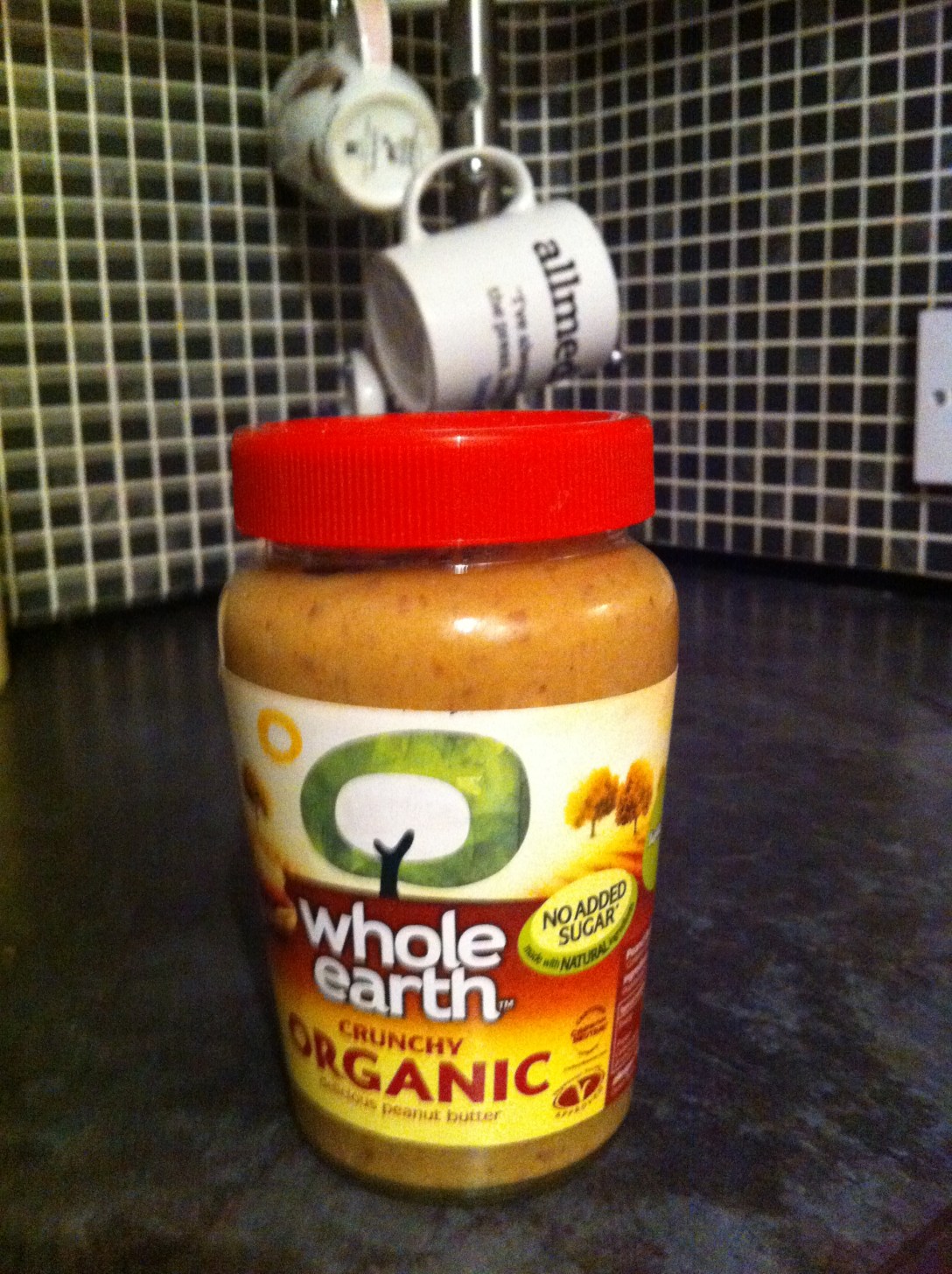
  • plain choc125g/4.5oz of chunky peanut butter
  • 185mls/6fl oz of double cream
  • 75g/2oz chopped pecans or peanuts
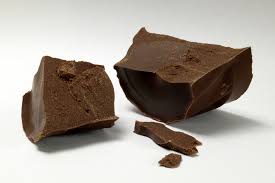
  • 35g/1oz plain chocolate drops (70% cocoa solids is best) or chunks
  • 2 teaspoons vanilla essence
  • 2 tablespoons of granular sugar substitute (see notes below)
  • 2 tablespoons soy flour or coconut flour
  • 1 teaspoon baking powder
  1. Pre-heat the oven to 190 deg/375deg/gas 5 and grease a baking tray or use a silicon liner on a baking tray.
  2. Mix all the ingredients together in a mixer or by hand in a bowl, but put the nuts and choc chips in last.
  3. Put teaspoons of the cookie mixture on the tray and bake for 10 minutes.
  4. These biscuits are very crumbly. Store them in a biscuit tin in the fridge and place layers of kitchen towel between each layer of biscuits. Like a lot of low carb baking, they will last a long time in the fridge, 2-3 weeks.
  5. If you double the recipe up, the amount of peanut butter is just short of a jar, so just use up the whole jar.

You can either use straight Splenda or in place of one tablespoon of Splenda ¼ tablespoon Splenda and ½ tablespoon of xylitol or erythritol.  Another substitute is 1/3 tablespoon of Truvia.

Makes about 8 – with a carb count of 5g per biscuit.


What’s your favourite low-carb cookie recipe? We’d love to know… Tell us in the comments, or email us a pic of your cookies and the recipe and we’ll feature it on our website.

 Chocolate picture thanks to Wikipedia.

How to Calculate Carbs

It’s all very well embarking on a low-carb diet, but how do you work out how many carbs are in the food you eat?

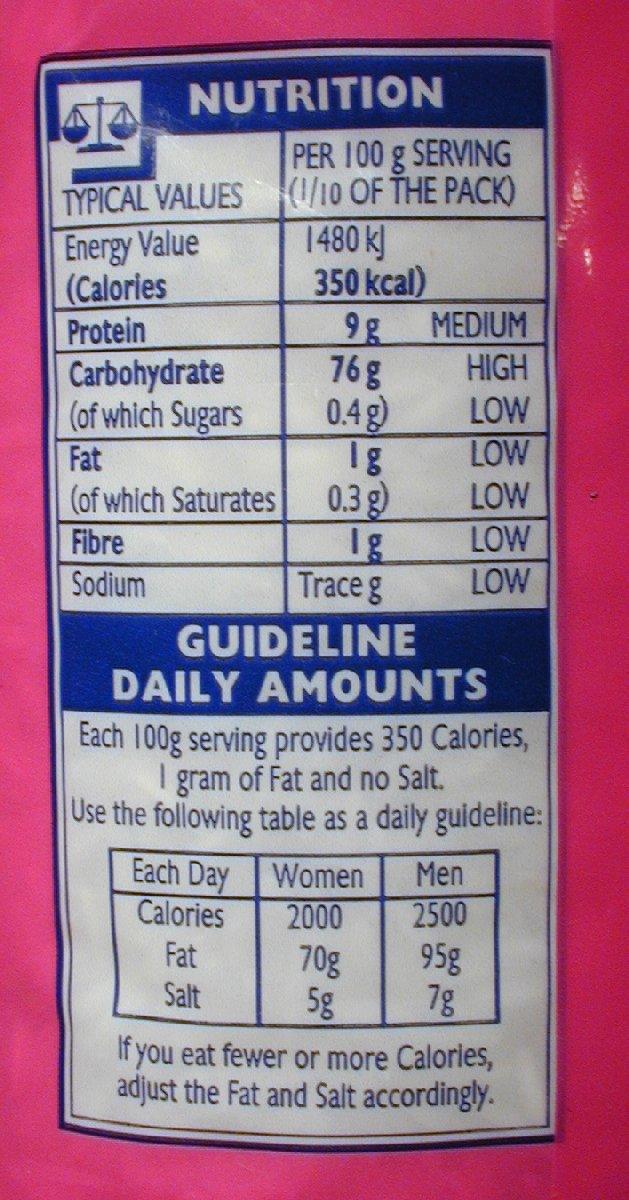
Here at the Diabetes Diet we encourage people to cook for themselves as it’s the best way to eat a good diet, but home cooking comes without the handy labels you get on ready-made food complete with their nutritional breakdown.

Meat, fish, eggs, cheese, nuts and fat have few or no carbohydrates, but vegetables and seasonings and ingredients used for thickening stews and sauces do have carbs. If you made a chilli con carne, for example, there would be carbohydrates in that from the onions, tomato sauce and kidney beans.

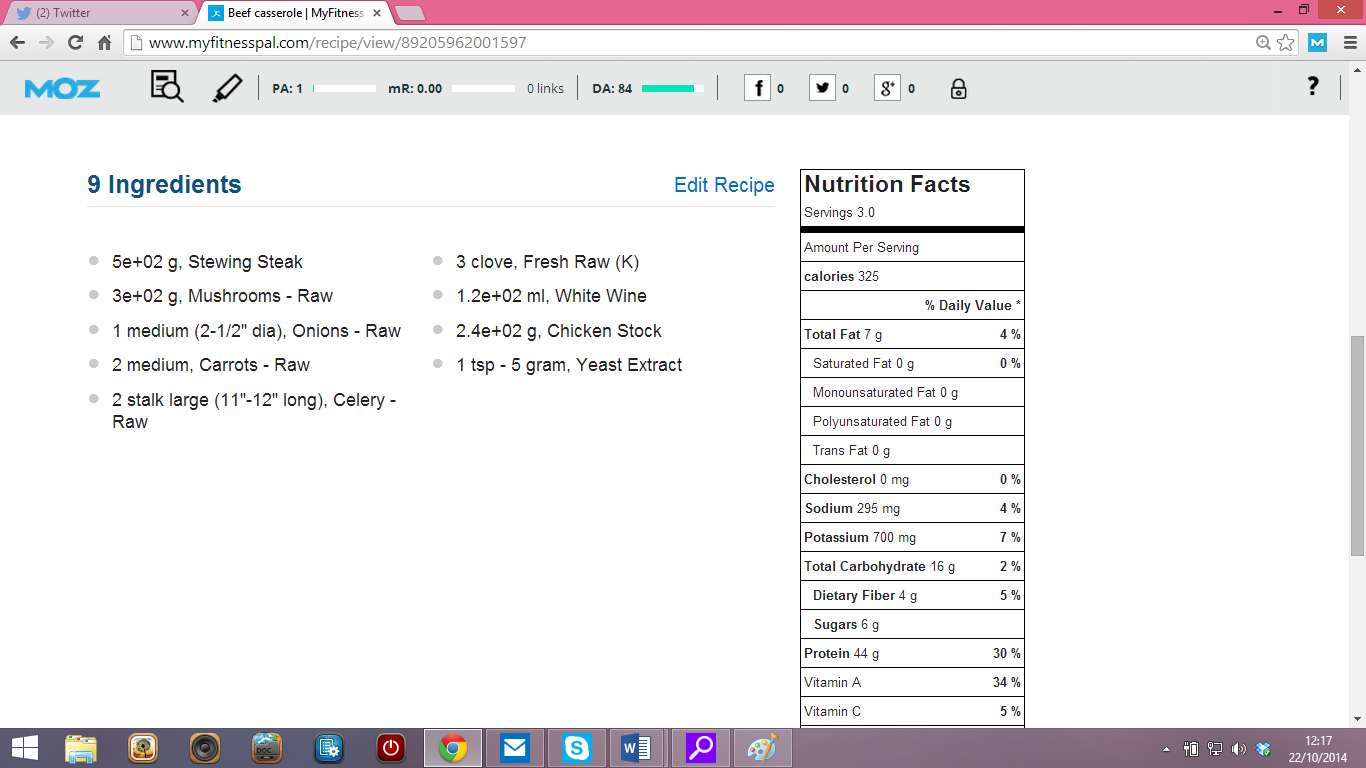
Myfitnesspal recipe calculations.
Myfitnesspal recipe calculations. Click on image to expand.

One easy way to work out carbohydrates in the dishes you make is to use a carb and calorie counting app or website. One example is myfitnesspal, where you can enter your recipes and the app will give you a nutritional break-down of what’s in your recipe – calories, carbs, protein content, fibre content and fat content.

If you don’t want to use an online tool, you can also use resources such as the Collins Gem carb counter. Bear in mind, for both ideas you’ll need to be weighing and measuring everything going into your recipe.

It does sound obvious, but many people have recipes and dishes they make where they don’t bother weighing or measuring anything simply because it is a dish they have been making for years. I prefer digital scales for their exact measurements and because you can weigh food in bowls or saucepans by setting the scale to nil.

If you have set a daily carbohydrate limit for yourself (we explore carbohydrate limits in the Diabetes Diet and what limits are suitable for different people, according to their health goals), then it is probably easiest to take that total and divide up by your meals.

In theory, if you were on a limit of 50-60g, then that equates to roughly 20g a meal, but you might want to stick to very low carbohydrate breakfasts and lunches and keep back a bit more for dinner.

And vice versa of course. You need to find a way of eating that you like, that fits in with your life and that you can keep up.


Pic thanks to Wikipedia.
Low Carb Dips

At the moment, I’ve got a thing about guacamole… Traditionally, this Mexican style dip is eaten with tortilla chips, but you can skip the chips when you are eating low-carb and use it for much more.

  • Use it as topping for chilli, for example.
  • Or cut up red peppers into strips for an easy starter.
  • And then there is my all-time favourite – a thick dollop topping a good burger…

I can’t claim authenticity for my recipe, but it is pretty delicious and full of good-for-you ingredients – raw garlic and avocado. Try not to eat it all at once.

Guacamole – makes roughly one cup/container

  • 1 large, ripe avocado*
  • 1 clove garlic, crushed
  • 1 medium tomato, finely chopped
  • 1tsp fresh lemon juice
  • ½ to 1 chilli, chopped finely**
  • 1-2tbsp mayonnaise or Greek yoghurt
  • Salt and pepper
  1. Cut the avocado in half and remove the stone. Place in large bowl and sprinkle with the lemon juice. Add the garlic, tomato, chilli and mayonnaise or yoghurt. Mash well with a fork until the whole mix is combined.
  2. For a smoother dip, use a hand blender to process. If you used mayonnaise, you probably won’t need to add salt, but you will need salt to season if you have used yoghurt.
  3. The dip doesn’t last very long so use it up within one to two days.


*To ripen an avocado quickly, place it in a brown paper bag with an apple or a banana, or ripen it in the microwave. Prick it and cook it for 20-second bursts on high until it softens.

**Chilli is an individual preference. I love strong spices so I would add the whole chilli, seeds and all. For a milder taste, de-seed the chilli and use a mild one.

Pic thanks to Wikipedia.