Rowan Hillson:Diabetes and fracture risk

fractures.png

Adapted from:


Fractures and Diabetes

Rowan Hillson MBE

National Clinical Director for Diabetes England 2008-18


Practical Diabetes Jan/Feb 17

Summary

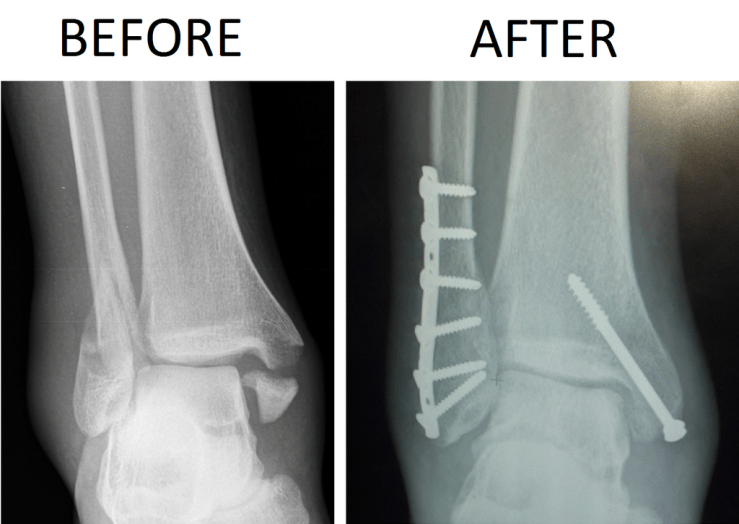
Fractures are more likely in diabetics compared to non- diabetics. Metabolic factors, an increased risk of falls, complications, infection, medications and the effects of low blood sugars all contribute. Neuropathy is a particular problem. This can cause an abnormal gait, stumbling, and a lack of awareness of actually sustaining injury. Even fractures may not cause anything like the expected pain. Charcot’s foot can cause lifelong disability. Visual problems also cause falls as does the effects of stroke and amputation.

It can help if someone goes round the house to check for trip hazards. Vitamin D supplements and increasing dietary calcium can help. Be aware that sulphonylureas can cause low blood sugars as well as insulin.

If a diabetic, particularly one who has neuropathy, presents with an injury they need careful evaluation to avoid missing fractures.

Fracture risk

Type one women  are six times more likely and type twos are twice as likely to sustain a fracture of the hip than a non diabetic. The longer the diabetes, the more the risk.

Low blood sugars

Low blood sugars are probably under reported by diabetics due to fears about losing their driving licences.


charcot-foot

Charcot Foot

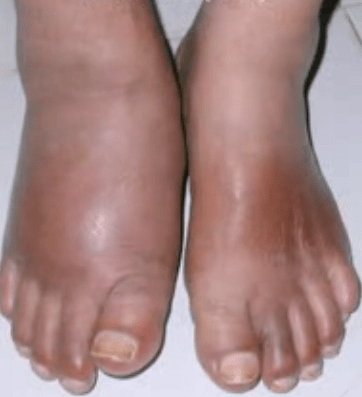
Charcot foot presents as a swollen, red foot. There can be an underlying fracture. Because the person does not realise they have a fracture, they continue to weight bear, and this produces deformity of the foot. Best advice is that if a diabetic with neuropathy gets an unexplained inflammation of a foot that they stay off of it and get an urgent assessment by a multi disciplinary team at a diabetic foot clinic. Trouble is, that these are not available for all patients in the UK.

Drugs

Glitazones, eg Pioglitazone, doubles the risk of upper limb fracture in women.  Flozins such as Canaglifozin is suspected of increasing fracture rates and Sulphonyureas definitely do, but probably due to the hypoglycaemic effect.

Falls

Diabetics fall more than their non-diabetic counterparts. 18% of women over the age of 67 with diabetes fell at least once a year. The rate is higher in insulin users, neuropathy,  renal impairment, poor vision and low Hba1cs.


Learning and Diabetes: A vicious circle

Learning and Diabetes

Rowan Hillsoncalculator

Practical Diabetes Nov/Dec 16

Only 32% of type one diabetics and 78% of type two diabetics are currently offered structural education in England. Even then, not all will attend. Will it have any positive long term effects for those who do? Many issues affect learning. This article discusses some of them.

Literacy and numeracy

In England in 2011, 15% of the population aged 16-65 had the learning that is expected of an eleven year old child. This is considered “functionally illiterate” by the National Literacy Trust.  Although they would not be able to pass an English GCE, they can read simple texts on familiar topics. More than 50,000 UK diabetics are at this basic level of reading ability.

Numeracy problems are higher with 24% of adults function at the same level as your average eleven year old. Testing diabetics shows that numeracy and literacy are linked and that blood sugar control is better in those with better numeracy and literacy. This is not surprising since so many tasks need these skills.

Weighing foods and estimating portion sizes

Addition

Converting between metric and imperial systems

Multiplying and dividing

Using decimals

Recognising and understanding fractions

Working with ratios, proportions and percentages

Readability

Arial 12 point font, upper and lower case, on white or off white backgrounds, using short words, short sentences and short paragraphs all improve readability.

Health Literacy

Health literacy includes reading, writing, numeracy, listening, speaking and understanding.

In the type two diabetes population, lower health literacy was significantly associated with less knowledge of diabetes, poorer glucose self- management, less exercise and more smoking.

In the USA people understood food labels better if they had higher income and education.  Overall 31% gave the wrong answer to food label questions. Many diabetics have problems with misinterpreting glucose meter readings, miscalculating carbohydrate intake and medication doses.

Lower scores were associated with being older, non-white, fewer years in education, lower income and lower literacy and numeracy scores.

When an internet based patient system was offered, those with limited health literacy were less likely to sign in and had more difficulty navigating the system.

Cognitive impairment

Alzheimer’s disease, vascular dementia and other cognitive impairments are more likely in diabetics particularly those with type two diabetes. A longer duration of diabetes and a younger age of onset were associated with cognitive impairment.

Hyperglycaemia

High blood sugars can cause poor concentration, tension, irritability, restlessness and agitation. In experiments, high blood sugar induced delayed information processing, poorer working memory, and impaired attention.

In five to eighteen year olds with new type one diabetes most neuropsychological tests showed considerable impairment.  One year post diagnosis, dominant hand reaction time was worse in those with poor glycaemic control.

Long term, type ones diagnosed before the age of 18 had five times the risk of cognitive impairment compared to their non- diabetic counterparts. Chronic hyperglycaemia increased the risk.

Hypoglycaemia

Most friends and relatives can recognise if someone well known to them has a low blood sugar, often faster than the individual. Cognitive performance drops at blood sugars of 2.6-3 in non- diabetic subjects.  In type one children, those who had recurrent severe hypoglycaemia had more impaired memory and learning.

Psychological issues

Both depression and anxiety can impair test performance. Both of these and other mental illnesses are more common in diabetics.

Sensory and motor problems

Visual impairment and deafness can make some learning methods difficult.

Conclusion

We all learn in different ways. A substantial proportion of the population has low literacy and numeracy. This impairs health literacy which impairs diabetes knowledge for self -care. Poor numeracy may worsen blood sugar control. Clearly written, easily readable information helps everyone. Having diabetes increases the risk of cognitive impairment both at diagnosis and long term. Both high and low blood sugars affect current ability to learn and may have long term adverse effects on cognition.

Before teaching diabetics it is worth having a think about any difficulties your patient could be having assimilating the learning. If so, how can you tailor your teaching to their needs?

The BBC has adult learning resources at http://www.bbc.co.uk/learning/adults/


Diabetes structural education for children and their families: labour intensive, poorly attended, and no improvement in blood sugars


familyNICE want to see structural education for all new diabetics but particularly children and their families. Sadly the end results sometimes doesn’t seem to justify the effort put in. The wrong focus on eating lots of starch we wonder? Here is the abstract of one teams considerable efforts with the full paper here: :http://drc.bmj.com/content/3/1/e000065.full?sid=90e5f16a-f3de-4a5d-94dc-c57e973c4587

Implementing a structured education program for children with diabetes: lessons learnt from an integrated process evaluation | BMJ Open Diabetes Research & Care <!– [if lt IE 10]>http://drc.bmj.com/sites/all/themes/highwire/axon/js/media.match.min.js<![endif]–>

Abstract

Background There is recognition of an urgent need for clinic-based interventions for young people with type 1 diabetes mellitus that improve glycemic control and quality of life.

The Child and Adolescent Structured Competencies Approach to Diabetes Education (CASCADE) is a structured educational group program, using psychological techniques, delivered primarily by diabetes nurses.

Composed of four modules, it is designed for children with poor diabetic control and their parents. A mixed methods process evaluation, embedded within a cluster randomized control trial, aimed to assess the feasibility, acceptability, fidelity, and perceived impact of CASCADE.


Methods 28 pediatric diabetes clinics across England participated and 362 children aged 8–16 years, with type 1 diabetes and a mean glycosylated hemoglobin (HbA1c) of 8.5 or above, took part. The process evaluation used a wide range of research methods.


Results Of the 180 families in the intervention group, only 55 (30%) received the full program with 53% attending at least one module. Only 68% of possible groups were run.

Staff found organizing the groups burdensome in terms of arranging suitable dates/times and satisfactory group composition. Some staff also reported difficulties in mastering the psychological techniques.

Uptake, by families, was influenced by the number of groups run and by school, work and other commitments. Attendees described improved: family relationships; knowledge and understanding; confidence; motivation to manage the disease. The results of the trial showed that the intervention did not significantly improve HbA1c at 12 or 24 months.


Conclusions Clinic-based structured group education delivered by staff using psychological techniques had perceived benefits for parents and young people. Staff and families considered it a valuable intervention, yet uptake was poor and the burden on staff was high. Recommendations are made to inform issues related to organization, design, and delivery in order to potentially enhance the impact of CASCADE and future programs.

Current Controlled Trials ISRCTN52537669.

Key messages

  • The Child and Adolescent Structured Competencies Approach to Diabetes Education (CASCADE) structured education program is perceived by young people and parents who attend as having benefits but practical challenges associated with attendance result in low uptake.

  • Staff are positive about the potential of the program but organizational aspects are unacceptably burdensome.

  • CASCADE is potentially deliverable to families as part of routine care and could be a useful intervention. However, improvements in clinical and administrative support, staff training, program content, and service structures are required to ensure fidelity to the program and feasibility and acceptability to key stakeholders.

    1. Mary Sawtell1,
    2. Liz Jamieson2,
    3. Meg Wiggins3,
    4. Felicity Smith2,
    5. Anne Ingold3,
    6. Katrina Hargreaves3,
    7. Meena Khatwa3,
    8. Lucy Brooks4,
    9. Rebecca Thompson5,
    10. Deborah Christie5

    Author affiliations


    1. 1Social Science Research Unit, UCL Institute of Education, London, UK

    2. 2Department of Practice and Policy, UCL School of Pharmacy, London, UK

    3. 3Social Science Research Unit, Institute of Education, London, UK

    4. 4Medical Statistics Department, London School of Hygiene and Tropical Medicine, London, UK

    5. 5University College London Hospitals NHS Foundation Trust, London, UK
    1. Correspondence to Mary Sawtell; m.sawtell@ioe.ac.uk

Detecting hypoglycaemia: a dog is a girl’s best friend

cute-dog

 Best Plan for Patient May Not Be The Recommended Plan

 Diabetes in Control July 26th, 2015

There are some mornings she realizes she must have been low during the night because her sheets are wet from perspiration, and she remembers having had vivid dreams. She wants to know what she can do. Although we have tweaked her plan, she continues to have these unexpected events about once a week. Besides the readjustments, we once again recommended CGM. She once again refused, therefore we recommended she get another dog, which she did.

She called us a month later to let us know how well she, her husband, and her new dog are getting along. Her new dog is now waking her up by licking her face when her glucose levels are falling. She is able to wake up and treat her low. She’s so pleased and thanked us.

Lessons Learned:

  • Sometimes you and your patients do all you know and is recommended to prevent hypo- and hyperglycemic events, but they may continue to occur.
  • Not all patients agree with their health care professionals’ recommendations.
  • Work with patients to design an individualized plan for each patient.

Dr Claude Lardinois: New insights about cardiovascular disease

This is a two part interview with Professor of Internal Medicine Dr Claude Lardinois given to Diabetes in Control. We learn new things from him that are not emphasised enough  in the medical community.

Continued smoking is THE factor that causes the most amputations in diabetics.

Feet should be examined EVERY time a diabetic sees a health care professional.

Diabetes = cardiovascular disease due to insulin resistance + high blood sugars

Apart from blood pressure and cholesterol, urinary albumin and genetic tests can help individualise the advice and treatment that is given to patients.

P E N T A D is a memory aid for doctors when they see a diabetic: protein in the urine, eyes, e, necklace, toes, A1C, document.


The Impact of Genetics in Cardiovascular Disease

Claude-K-LardinoisIn part 1 of this exclusive interview from AACE 2016, Dr. Claude Lardinois discusses amputations and SGLT-2s, and genetic risk factors for cardiovascular issues in diabetes patients.


I think smoking is a huge factor in amputations. In fact, I personally think that in my practice anyway, 90% of the patients that have amputations are the ones that continue to smoke.

Joy Pape: So, how do you teach your patients about foot care and preventing amputations?

Dr. Lardinois: We have a policy that you have to get your shoes and socks off immediately when you get in the room.So we inspect the feet every time we see the patients. When I have patients that are smokers, I look at their leg and I’m checking for sensory and that and I say, do you like your legs?

Well of course, Dr. Lardinois, I like my legs. Well if you keep smoking, you’re not going to have your legs. I say, do you know what a black and decker is? Well yeah. We might as well do a black and decker right now. Because that’s what’s going to end up happening if you keep smoking.

I’m amazed because I’ve actually had patients that have quit smoking. I just saw one of my patients not too long ago, and the nurse said your black and decker’s here today. She laughed, she said you got me to quit smoking, because you emphasized to me the importance of my legs.

Joy Pape: This could be very interesting. You might come up with some very interesting ways of getting people motivated to manage their diabetes better. Something else we were talking about earlier [was] about cardiovascular disease. Or just managing diabetes and the topic of genetics. Tell me more.

Dr. Lardinois: Let’s talk about diabetes and cardiovascular disease, because if you look at patients with diabetes and patients without diabetes, the only difference is one has an elevated blood sugar, the other does not.

So, intuitively, the thought process was, particularly from the ADA, is if you lower the glucose to normal, your heart disease will go away. Doesn’t happen. You still have heart disease, because it turns out it’s not the glucose, it’s that you have insulin resistance.

I’ve been accused by my colleagues that I’m really not an endocrinologist, I’m a cardiologist disguised as an endocrinologist, because I really don’t get too hung up about the blood sugar. I don’t have to have it 6.5 or 7. I tell my patients, you are going to die of heart disease.

So what are the factors that make the most difference in cardiovascular disease?

Blood pressure. I’m a very big believer in blood pressure control. Lower is better. Again, you have to be careful in some elderly patients.

But cholesterol is very important, measuring albumin in your urine is very important. So these are all factors, but even after we do that, we’re still evaluating people as a group, not as an individual. That’s where the genetics come in.

There are certain genetic tests that everybody should have done, whether you have diabetes or not. Some of those are Apo-E [tests].

Apo-E is a very important gene that really determines what type of nutritional recommendations you’re going to make for your patient. If you’re a 2-2 or a 2-3, or if you’re a 3-3 or a 3-4, it’s going to vary on what the nutritional recommendations are.

Another thing is, we always talk about alcohol as being good for you — modest alcohol consumption. If you’re an Apo-E 4 and 25% of the population has either 3-4 or 4-4, alcohol actually makes your cholesterol worse and it increases cancer, particularly breast cancer in women. Some of my colleagues say I’m not going to measure my Apo-E 4, because I like alcohol. You’re going to tell me I can’t drink anymore. But we have to explain to those patients that they really have to limit their alcohol to one drink a day. So that’s very important nutritional information, right from the start, that you would never get by just following the standard guidelines.

There’s other genetic markers. There’s actually a statin marker — a lot of controversy behind it. But I stand firm that there’s a certain gene that we have called KIF6, and if you don’t have the variant, the studies with two of the cholesterol drugs weren’t very compelling, that they lowered LDL, but they didn’t reduce heart disease. So I tell a lot, if you don’t know what your KIF6 variant is, which most doctors don’t (I know mine), you have to be very discretionary in which statin you prescribe.

Then there’s other genes that you could also look at. One is haptoglobin; haptoglobin is how we carry our oxygen around. It turns out that there’s three different haptoglobins, 1-1, 1-2, and 2-2. Well, patients with type 2 diabetes who have 2-2, have a 45 percent increased cardiovascular event rate.

So again, that’s why I think with cardiology, we have these studies, even if we aggressively treat their lipids, we still have this 30% residual. Well, I don’t think that residual is cholesterol. I think it’s haptoglobin, APO-E, maybe the statin that you’re prescribing; other factors, albumin in the urine.

I think albumin in the urine is a powerful risk factor for heart disease. But unfortunately the FDA doesn’t see it as a good primary endpoint. I think until they do that, and actually establish a primary endpoint for that, we will never get a valuable answer. There’s no question about albumin in the urine. People think it’s just the kidney, albumin in the urine is the kidney telling you, you have endothelial disease. That you are leaking albumin throughout your entire body. That albumin drives cardiovascular disease. Big time.

Joy Pape: So, do you refer your patients for genetic counseling? If this is the way you practice, how do you learn more about their profile?

Dr. Lardinois: Right now it’s been kind of challenging. The diabetes [practice] I was in, they were not all that receptive. Change is always hard to do. So I actually worked with two of my former medical students, who are now practicing physicians in Reno. There’s a concierge service. I helped them set-up a genetic thing, so if patients do want to come in, they pay cash now. It’s only $1000 for the genetic testing. You do a treadmill which is $1100, and that doesn’t tell me anything. I think treadmills are kind of useless. I went 16 minutes on the treadmill, and I’ve got heart disease. I went 16 minutes. Well they’d tell me I’m just fine. Well, I’d be dead now. That’s what happened to the guy on Meet the Press. He had a treadmill [test] and three days later he was dead. What was his name? I’ll think of it in a second. [ed. note: Tim Russert.] Right now, it’s been hard to get it implemented, and I’m moving to a different position in a different hospital and maybe I can get involved with a cardiologist and get this up and running. I do think there’s basic genetic testing that should be implemented in the management of everybody with any disease, and it’s not that expensive.

Joy Pape: So we talk about patient education and people making changes. Behavior change. So how did it work? How does it work if your patients find they have this certain gene and they need to cut down on their drinking? Have you had any experience with that?

Dr. Lardinois: Oh yeah, some of them aren’t really happy with that. But I say, I provide you a service. I’m not your mom or your dad and I provide you a service and I say based on this information, you should reduce your alcohol consumption to one drink a week.

Joy Pape: Is it effective?

Dr. Lardinois: In some people it is. I think 70% of patients will follow along with you, but I think 30% no matter what you do [won’t]. There’s patients that I say [to], I feel sorry, I feel bad today. They say why? You came in, I gave you these recommendations three months ago, you didn’t do any of them. Your A1C, your blood pressure, your cholesterol, your kidney test is all the same. I’m going to have to charge you $75 for this. We live in Nevada, you could go to a nice big buffet with your whole family for $75. So I feel kind of bad, I’m taking their money away because why did they even bother to come? They didn’t do anything.

Joy Pape: Well, I’m sure glad you came today. I think it’s obvious why you got this award that you’ll be getting tonight. So congratulations and thank you.

Dr. Lardinois: Just one other point I’d like to share that I think is important. One of the things I try to do is, I work with the VA to try to set up ways to get doctors to better manage their [patients’] diabetes. I actually came up with this thing called PENTAD. I published it in Archives of Family Medicine. It was very short. Just a little card, a pocket card. The P stood for Proteinuria, which would be albumin. The E stood for Eyes. Make sure you have your patients get their eye exam. N was necklace or bracelet. Make sure they have a bracelet. T was toes, check the toes. The A was A1C. And then you say well it’s PENTAD, you have the D, so what’s the D? I said that you Document in the chart that you did the PENTA. I was very successful. It worked very well. I was going through some old papers of mine and I came up and had a few of my PENTAD cards left that I did. I did camps for kids with diabetes for 18 years and I think Lilly or somebody nicely made these PENTAD cards, so we just gave them out to everybody.

Joy Pape: It’s great to have those memory tags, something to remember.

Dr. Lardinois: We actually had a stamp. We had a stamp at the VA where we just stamped the PENTAD in and you could just write it in. That improved compliance tremendously, because it’s a reminder.

Joy Pape: I know it’s something I’ll use. Thank you so much.

Read part 2.

Planning a pregnancy: how tight does blood sugar control need to be?


At what level do pregnancy complications begin?7241780178_d6f12e91cd_o

    December 17th, 2016  Diabetes in Control


The results from a new study show that risk increased in women with an early HbA1c of at least 5.9% regardless of a gestational diabetes diagnosis later in pregnancy.

Risk of obstetric complications increases linearly with rising maternal glycemia. Testing HbA1c is an effective option to detect hyperglycemia, but its association with adverse pregnancy outcomes remains unclear. Emerging data sustains that an early HbA1c≥5.9% could act as a pregnancy risk marker.

The purpose of the study was to determine, in a multi-ethnic cohort, whether an early ≥5.9% HbA1c could be useful to identify women without diabetes mellitus at increased pregnancy risk. Primary outcome was macrosomia. Secondary outcomes were pre-eclampsia, preterm birth and Caesarean section rate.

1,228 pregnancies were included for outcome analysis. Women with HbA1c≥5.9% (n= 48) showed a higher rate of macrosomia (16.7% vs. 5.9%,p= 0.008) and a tendency towards a higher rate of preeclampsia (9.32% vs. 3.9% ,p= 0.092). There were no significant differences in other pregnancy outcomes. After adjusting for potential confounders, an HbA1c≥5.9% was independently associated with a three-fold increased risk of macrosomia (p= 0.028) and preeclampsia (p= 0.036).

They evaluated data on 1,228 pregnant women from April 2013 to September 2015 to determine whether an early HbA1c of at least 5.9% can identify women at increased risk for adverse pregnancy outcomes.

Participants were screened for gestational diabetes at 24 to 28 weeks’ gestation, and HbA1c measurement was added to first antenatal blood tests. The primary outcome of the study was macrosomia, and secondary outcomes included rates of preeclampsia, preterm birth and caesarean section.

Compared with participants with an HbA1c less than 5.9% (n = 48), participants with an HbA1c of at least 5.9% (n = 1,180) were more often members of ethnic minorities, had higher pre-pregnancy BMI, were more likely to have anemia and microcytosis, and were more likely to be diagnosed with gestational diabetes.

The rate of macrosomia was increased nearly threefold in participants with HbA1c of at least 5.9% compared with participants with HbA1c less than 5.9%; there also was an increased tendency toward preeclampsia. The rates of preterm birth and caesarean section did not differ significantly between the two groups.

Among participants with HbA1c of at least 5.9%, 22 were diagnosed and treated for gestational diabetes.

From the results of the study it was concluded that, in a multiethnic population, an early HbA1c ≥5.9% measurement identifies women at high risk for poorer pregnancy outcomes independently of GDM diagnosis later in pregnancy. Further studies are required to establish cutoff points adapted to each ethnic group and to assess whether early detection and treatment are of benefit.

In an earlier study published by the American Diabetes Association (Diabetes Care, 2014) they demonstrated that a simple A1c blood test can uncover hidden type 2 diabetes in expectant mothers. The study found that the A1c test can accurately detect undiagnosed type 2 and prediabetes in pregnant women.

The hemoglobin A1c done early in pregnancy may be a convenient and effective way to identify women with pre-existing type 2 diabetes or who are at greater risk of worse pregnancy outcomes.

In this study, researchers examined the use of an A1c measurement done during the first trimester as a screening tool for pre-existing diabetes. The test was performed on more than 16,000 pregnant women and compared with the results of a 2-hour oral glucose tolerance test (OGTT), which is performed after an overnight fast, and is the gold standard diagnostic test for type 2 diabetes.

The study found that the hemoglobin A1c test was able to identify all the women with pre-existing type 2 diabetes when an A1c cutoff point of 5.9 percent was used, said Dr. Florence Brown from Joslin Diabetes Center in Boston.  “In addition, even if women did not have pre-existing diabetes, the A1c cutoff point of 5.9 was able to identify a population of women at greater risk for adverse pregnancy outcomes, including some women with gestational diabetes.”

This is an important finding because 5.9 percent is considerably lower than the value of 6.5 percent currently used to diagnose patients with type 2 diabetes who are not pregnant, she adds. The 6.5 percent threshold would have missed almost half of these women and is therefore too high for screening purposes, the study authors conclude.

This study also found that an early pregnancy A1c of 5.9 percent to 6.4 percent was associated with a greater risk of worse pregnancy outcomes, including birth defects, preeclampsia and perinatal death.

Given that the prevalence of type 2 diabetes is increasing, the A1c test done as early as possible could identify women at high risk and improve pregnancy outcomes. “This study supports the use of an A1c test in the first trimester and ideally with the first prenatal visit as one possible screen for pregnant women,” said Dr. Brown.

Practice Pearls:

  • A1c test in the first trimester and ideally with the first prenatal visit is one possible screen for pregnant women.
  • An A1c test done as early as possible could identify women at high risk and improve pregnancy outcomes.
  • All pregnant women should undergo screening for diabetes and prediabetes at initial appointment and also later in their pregnancy.

Mañé L, et al. J Clin Endocrinol Metab. 2016;doi:10.1210/jc.2016-2581.

Weight plateaus are a normal, but frustrating, feature of your weight loss journey

frustration

 Here are some words of wisdom and encouragement from a health care professional who knows how discouraging weight loss plateaus can be. Don’t let weight stabilisation lead you to jack in your efforts.
When Losing Weight, Warn ‘em!

Diabetes in Control November 8th 2016

I work in obesity medicine. As many of us know, losing weight isn’t the problem for most, but weight regain is.

As the saying goes for many, you can’t be rich enough or thin enough. Many of our patients come in with unrealistic goals regarding their weight loss, and don’t give themselves enough credit for the weight they have lost. Many, for many reasons, regain.
Woman, 58 years of age, class II obesity, prediabetes (A1C 6.0%), HO depression, on antidepressants, weight of 188, BMI 38. Started on metformin and lower carb meal plan.
Warned her early on it’s not just about losing weight, but what’s important is keeping it off. We need plans for both.
Her treatment plan does not end when she loses weight.  Over 6 months she lost 22 pounds. This is a 12% weight loss. BMI 33.5 now.  No further weight loss since the 6-month period, but no weight gain.
Patient frustrated. She has upped her exercise. No longer wants to continue metformin. Encouraged her to continue her meal plan, metformin and bump up her exercise plan. Praised her for her weight loss and not regaining.  And, reminded her this is what we discussed from the start. She remembered and said she’ll stay with the plan.
Lessons Learned:
  • Keeping weight off is a different stage of the weight loss journey.
  • Reminder that losing 3-5% total body weight can improve health outcomes.
  • 5-7% weight loss was shown in the DPP to prevent or delay type 2 diabetes.
  • From the beginning, let patients know there are stages to losing weight. First is to lose, then it’s to keep off the weight lost. Make a plan for both.
  • Regarding weight loss, put more emphasis on the food side.
  • Regarding weight maintenance, put more emphasis on exercise.
  • Remind patient of discussion and encourage patient to embrace the weight loss they have been able to achieve and keep off.

Anonymous

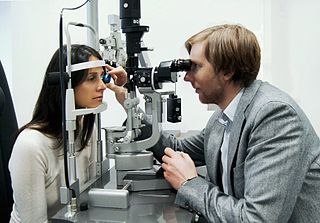
Can supplements help diabetes related visual problems?

slit_lamp_examination
Are supplements a waste of money? This article from Diabetes in Control describes and experiment to find out…..
 Do Supplements Help Diabetes Vision?

June 26th, 2015


This was a 6-month randomized, controlled clinical trial of patients with type 1 and type 2 diabetes with no retinopathy or mild to moderate non-proliferative retinopathy assigned to twice-daily consumption of placebo or a novel, multi-component formula containing xanthophyll pigments, antioxidants and selected botanical extracts.

Measurement of contrast sensitivity, macular pigment optical density, color discrimination, 5-2 macular threshold perimetry, Diabetic Peripheral Neuropathy Symptoms, foveal and retinal nerve fiber layer thickness, glycohemoglobin (HbA1c), serum lipids, 25-OH-vitamin D, tumor necrosis factor α (TNF-α) and high-sensitivity C reactive protein (hsCRP) were taken at baseline and 6 months. Outcomes were assessed by differences between and within groups at baseline and at study conclusion using mean ± SDs and t tests (p<0.05) for continuous variables.


The results showed that there were no significant intergroup differences at baseline. At 6 months, subjects on active supplement compared with placebo had significantly better visual function on all measures (p values ranging from 0.008 to <0.0001), significant improvements in most serum lipids (p values ranging from 0.01 to 0.0004), hsCRP (p=0.01) and diabetic peripheral neuropathy (Fisher’s exact test, p=0.0024). No significant changes in retinal thickness, HbA1c, total cholesterol or TNF-α were found between the groups.
The researchers concluded that this study provides strong evidence of clinically meaningful improvements in visual function, hsCRP and peripheral neuropathy in patients with diabetes, both with and without retinopathy, and without affecting glycemic control.

A. Paul Chous. The Diabetes Visual Function Supplement Study (DiVFuSS). Br J Ophthalmol doi:10.1136/bjophthalmol-2014-306534.

Do you take a pair of “old faithfuls” on holiday?

21650330543_cf5198641b_b

 Many of us bring our best and newest footwear on holiday. But is it a good idea? This article from Diabetes in Control discusses the matter.

A Lot to Learn from Your Patients

I teach patients how to care for their feet, how to prevent foot problems, and how to treat them if they should have problems.

I have had so many patients return from vacation with foot wounds due to the particular shoes they were wearing. Some didn’t bring enough shoes or bought and wore brand new shoes, while some wore the type of shoes we don’t recommend and some didn’t wear shoes at all.

As I write this, I am on vacation. Before leaving, I thought about the above. I needed new shoes for the trip, so I bought 2 pair of the same shoes, one normal width and one wide. I didn’t have much time before leaving, but I did practice wearing them before leaving. “Something” told me to also bring a pair of old faithfuls…shoes I have worn a lot and had no problem with.

I’m so glad I heeded my own teaching. The first day, in one of the new pair of shoes, it went pretty well, no pain or redness. After wearing them all daytime, I changed to old faithful that evening. The next morning I noted a little redness and soreness on an area of my foot. I took no chances. I wore the pair with the wide width that day. No problems.

I thought about the wisdom we teach our patients. Glad to have feeling and sight to prevent a problem I’m sure would have occurred…more personal ammunition to teach my patients.

Lessons Learned:

  • When helping your patients prepare for travel, always teach to take more than one pair of shoes. If they are taking new shoes, this is especially important. And…always take a pair of “old faithfuls.”
  • Whether traveling or not, teach your patients to “listen” to any sign of redness, soreness, or pain that is telling them to wear different shoes.
  • Always teach the importance of looking at feet at least daily for changes and treat them early.
  • Remember, what’s good for people who have diabetes is most likely good for everyone.
  • Heed your own knowledge and practice what you teach.

Joy Pape, FNP-C, CDE, CFCN, FAADE
Associate Editor, DiabetesInControl

(My comment: personally I always bring Compeed Plasters on holiday and I put them on at the first sign of skin irritation. If you wait till the end of a walk its too late! I’ve become very fond of Sketcher’s Go Walk 2 shoes as well)


Rick: What Mary Tyler Moore meant to my mother

mary_tyler_moore_dick_van_dyke_1964

For me, Mary Tyler Moore represented what it meant to be both successful and a person with Type 1 diabetes.   My parents and I watched her program each week and I can recall my mother saying she has type 1 diabetes like I do.  Meaning like my mom did.  Her apparent health gave me hope and by extension the belief that my mom might be OK.  I can recall when I was diagnosed with diabetes that my mom said, you can do anything and Mom used Mary Tyler Moore as an example of a successful person with diabetes.

American feminism defined

Mary Tyler Moore represented American feminism in the 1970’s as America’s most successful middle aged working woman on TV who was not married.  The Mary Tyler Moore Show was about adults facing adult issues, in an adult and humorous way.  We often forget that the Mary Tyler Moore Show was about women making it in the world without a man to guide them and doing so successfully.  It was as much a revelation in sitcoms as was All in the Family, That Girl or the Jefferson’s to name a few.

Mary Tyler Moore was diagnosed with diabetes at age 33 and she embraced being a person with type 1 diabetes during her career.  For me, when I was diagnosed in 1974 I learned something about how to say I have diabetes from Mary Tyler Moore.  I can say that when I saw such a successful person with type 1 diabetes I related to her career and causes.

In later years I followed Mary Tyler Moore’s struggle with retinopathy and I always marveled at what a remarkable figure she was both for the diabetes community and as a woman who never let diabetes get in her way as an actress or human being.

More than diabetes

But she was about more than just diabetes.  She embraced animal rights organizations and commented that she wished to be remembered as an animal rights activist.  Most of us are content to be remembered for one thing, let alone two major causes.

Most of my readers know that my mother was very ill with complications from type 1 diabetes beginning in the 1960’s until 1986 when she passed at age 46.  When I was 13 and heard Mary Tyler Moore had diabetes it gave me hope that my mother might be ok, hope for my mother’s health was in short supply then.  When I heard that Mary Tyler Moore had retinopathy and was using laser treatments like my mother she gave me a belief that my mother might one day see again.    When my mother died, Mary Tyler Moore’s advocacy for diabetes causes gave me an example of what I, as a person with type 1 diabetes, should do for my community.    When Mary Tyler Moore died last week I cried and said thank you for her 50+ years of service to my community.

I know we have lost a friend of our community, but like many of us who loved her advocacy I feel like I have lost a friend of the family.

Rick Phillips.