Adapted from Medscape 5 Dec 2022 by Vinod Rane BS Pharm
Glucosamine, popularly used for osteoarthritis, has previously been found to have anti-inflammatory properties and regular use has now been shown to reduce cancers overall and particularly kidney, lung and rectal cancer.
This was a large prospective study that included 453,645 participants aged 38 to 73 who did not have cancer at the start of the study.
19.4% were taking glucosamine regularly and 80.6% were not. The patients were followed up for a median of 12 years.
Cancer was reduced in cancer overall 0.95, kidney cancer 0.68, lung cancer 0.84 and rectal cancer 0.76.
The study did not include the dose, form and duration of supplement use and there could be a risk that the people who took glucosamine also followed other healthier behaviours than those who didn’t.
My comment: I have been taking glucosamine for 23 years now and it has been a great benefit to my joints. I can see that confounding could be a problem. Non smokers greatly reduce lung cancer, vitamin D users are less likely to get rectal cancer, and slim people are less likely to get kidney cancer.
Zhou J et al Associaton between glucosamine use and cancer mortality. A large prospective cohort study. Front Nutr. 2022;9:947818.
Adapted from Medscape The Male Biological Clock- How to Tell the Time by Mark Trolice MD
Most women know that their fertility declines from the age of 30 onwards. From then on it will become more difficult to become pregnant and there will be an increase in the rate of miscarriage and in infants with chromosomal abnormalities. Yet, due to our modern lifestyles, the availability of contraception and the economic situation, first births in women aged 35 to 39 has increased six fold. To give an increased chance of conception women are increasingly freezing their eggs in their late twenties and early thirties.
Men are also becoming fathers for the first time at later ages. Over the last 40 years this has increased by 3.5 years.
Men over 45 years need five times longer to achieve a pregnancy than men under 25 after their female partner’s age is adjusted for. Sperm counts start to decline from the age of 41 and sperm motility decreases. Chromosomal abnormalities in sperm also increase.
At all ages, being overweight, alcohol consumption, cigarette and e cigarette smoking, can lead to impaired semen production.
The first treatment will be to correct lifestyle factors and then consider ovulation induction and intrauterine insemination. Men over 45 have lower pregnancy rates and higher miscarriage rates with Intrauterine Insemination Treatment.
During IVF cycles injecting the sperm into the egg can improve fertilization rates but in men over 45 there is still reduced fertilization rates and decreased embryo development to the blastocyst stage.
The offspring of older men have higher rates of stillbirth, low birth weight, preterm birth and birth defects. Men older than 40 to 45 have twice the risk of having an autistic child and three times the rate of schizophrenia.
A consideration is that men consider sperm freezing at younger ages, similar to what women do. Another way to tackle the problem is pre-implantation genetic testing of embryos from older men.
Adapted from Independent Diabetes Trust Newsletter March 2023
The National Child Measurement Programme 16 March 2022
In the western world obesity rates continue to climb in children. In the UK when children start primary school at the age of 4-5 14.4% are obese and a further 13.3% are overweight. In Primary 6, at the age of 10-11 25.5% are obese and 15.4% are overweight.
My comment: from my own schooldays, there was only one overweight child in my primary class and she was on steroids and had a heart complaint that stopped her from participating in any exercise. In primary 7, there was one girl who was overweight and she had started puberty earlier than the rest of us.
In the USA in 2019 more than 30% of children were overweight or obese, similar to the UK figures. Physicians are reporting that since the Covid epidemic children are usually between 5 and 10 pounds heavier than they were at any given age, so these figures are likely to worsen even more.
Since 2006 Duke University has treated more than 15,000 children with a restricted carbohydrate diet which encourages the eating of vegetables, fatty fish, nuts and other features of the Mediterranean diet.
Meghan Pauley and colleagues from the Marshall University School of Medicine in Huntington West Virginia have cut the carbohydrate intake for children further to 30g or less a day and have been effective in short term weight loss in severely obese children and teenagers.
The ages of the subjects ranged from 5 years to 18 years. The study lasted 3-4 months. The children were otherwise told to eat as much fat and protein as desired with no limit on calories.
Two groups of analyses were done of different intakes into the programme in 2017 and 2018.
In Group A, 310 participants began the diet, 130 (42%) returned after 3-4 months. Group B had 14 enrollees who began the diet, and 8 followed up at 3-4 months (57%).
Girls compared with boys were more likely to complete the diet. Participants less than 12 years age were almost twice as likely to complete the diet compared with those 12-18 years, however, the older group subjects who completed the diet had the same percentage of weight loss compared with those under 12 years. Group A had reductions in weight of 5.1 kg , body mass index (BMI) 2.5 kg/m2 , and percentage weight loss 6.9% .
Group B had reductions in weight 9.6 kg , BMI 4 kg/m2 , and percentage weight loss 9% . In addition, participants had significant reductions of fasting serum insulin and triglycerides.
This study demonstrated that a carbohydrate-restricted diet, utilized short term, effectively reduced weight in a large percentage of severely obese youth, and can be replicated in a busy primary care office.
Adapted from Medscape, What do we know about intermittent fasting by Carla Martinez Nov 28 2022
A session was dedicated to intermittent fasting at the 63rd Congress of the Spanish Society of Endocrinology.
In animal studies it has been shown that the same number of calories consumed in the morning result in greater weight loss/less fat deposition compared to when the same number of calories are consumed in the late afternoon or evening. Results in humans are less consistent though. My comment: perhaps because they watch television and have well stocked cupboards and fridges!
In humans who ate late, they reported twice as much hunger as the early eaters and energy expenditure and body temperature both reduced by 5%. Thus early eating seems to be more favourable.
Intermittent fasting regimes can very greatly in the window of opportunity allowed for feeding. Researchers found that being consistent with whatever schedule they followed resulted in reduced body weight, an improvement in metabolic efficiency, sleep duration and sleep quality, cardiovascular health, level of mood and quality of life. My comment: so many of us work variable shifts or have different wake and sleep times, feeding times and exercise patternson work days compared to off days.
Caloric restriction with a generous ten hour eating window resulted in weight, blood pressure and lipid improvements in people who had metabolic syndrome. Even in healthy subjects such as firemen who worked 24 hour shifts, limiting food intake to ten hours resulted in a reduction in HbA1c, LDL and diastolic blood pressure.
Dr Labayen is working on the Extreme Project which is testing obese people from Navarra and Grenada in Spain. There are 200 subjects, evenly spread between men and women, and they are advised to follow a Mediterranean diet and consume all their food within an 8 hour eating window. They are divided into early eaters, late eaters and free choice of eating window eaters. How easy the diet is to maintain and its effectiveness on body measurements and any side effects are being measured.
So far there have been fewer side effects than expected with night time hypoglycaemia more pronounced in the early eating group. There is more fat and muscle loss in the time restricted eating subjects compared to a control group who are not restricting their eating time, and the window time has not made any difference. Cardiovascular factor improvement seems to be the most noticeable effects.
Rafael de Cabo PhD, on the other hand primarily works with animals, particularly monkeys and mice. Perhaps, as these animals are not free to cheat on their diet, the effects have shown to be much better than in humans. Fasting has been shown in animals to improve cardiovascular disease, diabetes, cancer, and neurodegenerative disorders. A smaller eating window produces more positive effects than a larger window. Circadian rhythms improve, they eat fewer calories overall, weight and body fat reduces, blood pressure, oxidative stress, inflammation, and arteriosclerosis all are reduced. Hunger is also reduced. These effects occur whether the animals are obese or not. The difficulty is transferring these results to the general public. Currently there are at least 50 human trials underway with increasingly larger cohorts and different forms of intermittent fasting are tried out.
Adapted from Nutrients and exercise affect tumour development by Carla Martinez May 27 2022 and
Three pronged approach may reduce cancer risk in the elderly by Nadine Ekert June 7 2022 Medscape
In a Madrid Oncology conference researchers discussed an update on lifestyle factors and cancer.
Diet and lifestyle can have an influence on each of the successive stages that occur in the development of cancer: initiation, promotion and progression.
A deficit of certain nutrients is one of the factors involved in the initiation stage. Various deficiencies affect different parts of cell metabolism adversely. Such nutrients include folate, B12, B6 and B3, Vitamin C, Selenium, Zinc, Magnesium and Vitamin D.
Aflatoxins from foods of vegetable origin are detrimental. The foods include cassava, pepper, corn, millet, rice, sorghum, wheat, sunflower seeds and peanuts, but the effect very much depends on how these foodstuffs are stored.
Added nitrates to foods such as processed meats and sausages because they become nitrosamines which affect cancer development. Natural nitrates in food however do not cause cancer.
Smoking causes 72% of lung cancer and 15% of all cancers. Eating processed meat causes 13% of intestinal cancers and 1.5% of all cancers. The most problematic foods for nitrosamines are cured meat, and smoked meat and fish. Cooking meats also causes polycyclic aromatic hydrocarbons especially chicken.
Various cooking strategies will reduce the formation or dilute the effects of polycyclic aromatic hydrocarbons.
Marinate mean in an acid solution for more than one hour.
Season meats and fish before grilling them. Good spices to use are: pepper, paprika, garlic, onion, ginger, turmeric, cumin, cinnamon, clove, fennel, and star anise.
Cook at a low temperature eg boiling.
Eat meats with lots of brassicas such as broccoli, cabbage, kale, turnip, brussel sprouts and mustard.
Grilled foods contain benzopyrene which can cause a mutation in DNA and thus cause cancer. Brassicas are rich in sulforphane which works on genes that produce glutathione s-transferase which promotes the elimination of benzopyrene.
Other factors that promote cancer include psychological stress, circadian disruption such as shift work, physical inactivity, obesity, hyperglycaemia, hyperinsulinaemia, gut bacteria disruption, and vitamin D deficiency.
The common factor here is increased inflammation. Some nutrients act as anti-inflammatories including the omega 3 oils EPA and DHA. Ginger, green tea, turmeric and broccoli all help too.
Daily rituals determine our health, so think about how you can optimise your routines.
The influence of exercise on cancer has only been studied in the last ten years.
Hypoxia is one of the main triggers of tumour aggression. Exercise has been shown to improve oxygenation and reduce hypoxia. Physical exercise in combination with chemotherapy has been proven to reduce tumour volume and progression. The best exercises in this regard are those that build up lactate in the muscle such as resistance exercise and cycling.
In the DO-HEALTH study, more than 2,000 healthy elderly people over the age of 70, were observed over three years. A combination of high dose vitamin D, omega 3 fatty acids and a simple home training programme reduced the risk of cancer by 61% compared to placebo.
The risk of getting cancer increases as you get older. Apart from not smoking and sun protection, getting appropriate vaccines and screening, there is not that much left to do. As Vitamin D, omega 3 fatty acids and physical exercise are all promising factors in cancer reduction, various combinations of them were tried. Blood pressure, physical performance, cognition, fractures and infections were looked at. They were divided into 8 groups looking at placebo, training only, and then various combinations and single interventions.
Most groups showed no difference from placebo but the combination of vitamin D, omega 3s and training did. The number needed to treat to prevent one cancer over the three years was 53 which is considered pretty good. Researchers thought the outcome was good enough to recommend this to any one over 70 who was looking to improve their health.
Adapted from: BMJ 3 Sept 22 People need nourishing food that promotes health, not the opposite by Carlos Monteiro et al.
Everybody needs food, but nobody needs ultra- processed food with the exception of infants who are not being breast fed and need infant formula.
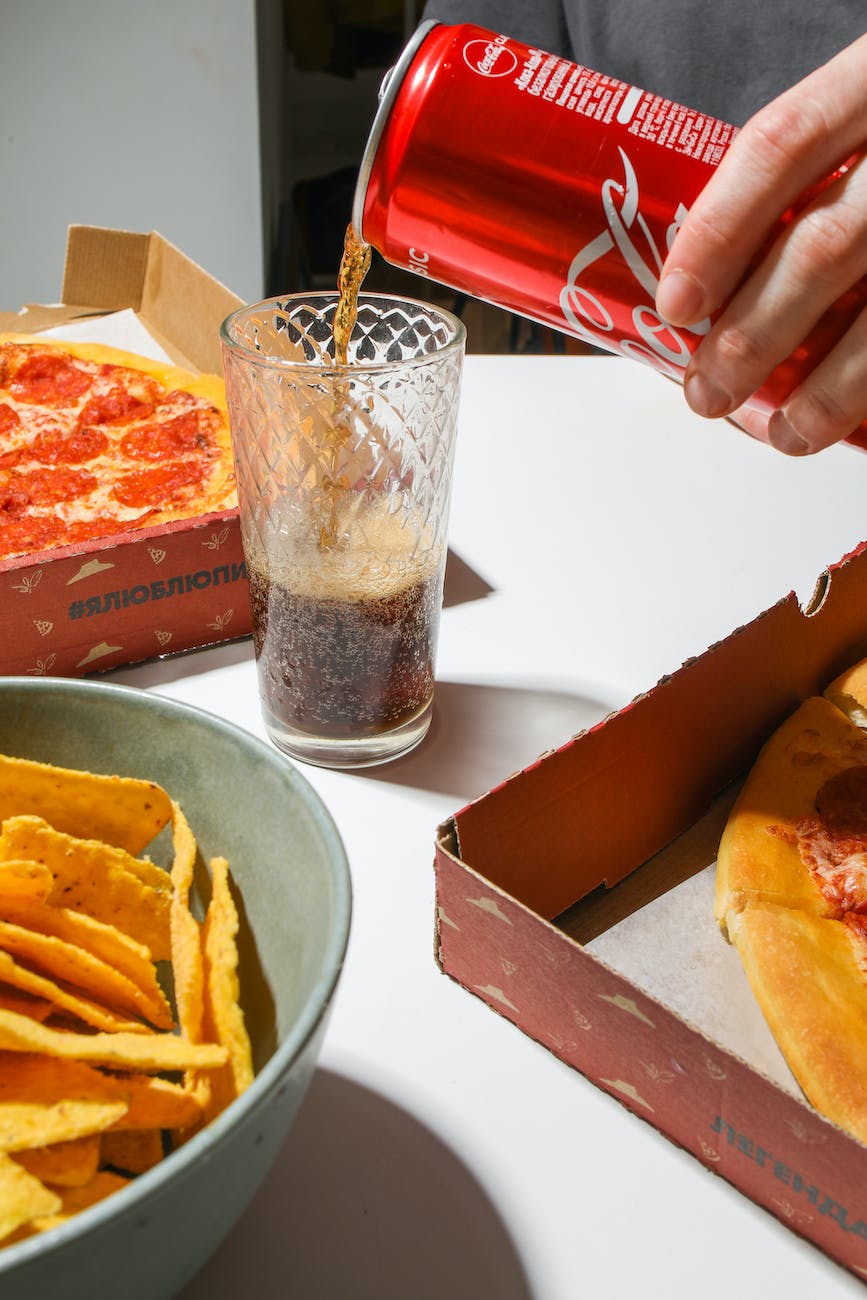
The foods that are “ultra- processed” include: soft drinks, packaged snacks, commercial breads, cakes and biscuits, confectionery, sweetened breakfast cereals, sugared milk based and fruit drinks, margarine and pre-processed ready to eat or heat products such as burgers, pastas and pizzas.
These foods are industrial formulations made by deconstructing whole foods into chemical constituents, altering them and recombining them with additives into products that are alternatives to fresh and minimally processed foods and freshly prepared meals.
In low amounts, they wouldn’t necessarily be a problem. But most ultra- processed foods are made, sold and promoted by corporations, typically transnational, that formulate them to be convenient, ready to eat, affordable, due to low -cost ingredients, and hyperpalatable. These foods are liable to displace other foods and also to be overconsumed.
Systemic reviews of large well -designed cohort studies worldwide have shown that consumption of ultra-processed foods increase: obesity, type two diabetes, hypertension, cardiovascular and cerebrovascular diseases, depression, and all- cause mortality.
Other prospectively associated conditions include dyslipidaemias, gout, renal function decline, non-alcoholic liver disease, Crohn’s disease, breast cancer and in men colorectal cancer. They also cause multiple nutrient imbalances.
It is calculated that ingestion of these foods compared to fresh ingredients, matched for macronutients, sugar, sodium and fibre adds a typical 500kcal daily, which leads to the inevitable fat accumulation.
US investigators have found that dietary emulsifiers and some artificial sweeteners alter the gut bacteria causing greater inflammatory potential, so replacing sugar with these isn’t a good idea either.
In the UK policies to limit promotion and consumption of ultra-processed food have recently been rejected, mainly because of the belief that in our current economic situation people need access to cheap food. As no one really wants to support foods that cause illness, the obvious solution is to promote foods that are fresh and minimally processed, available, attractive and affordable. Such a strategy would improve family life, public health, the economy and environment.
Adapted from Medscape, Why our brains wear out at the end of the day, F Perry Wilson Aug 15 2022
We can all recognise from our own experience that as a long day goes on, our performance on mental tasks gets worse. In chess players for example, as the game goes on over several hours, they take longer to make decisions, and they make more mistakes. This is known as cognitive fatigue.
It has been found that the cognitive control centre in the brain is in the left, lateral, prefrontal cortex.(LLFC).
The LLFC is responsible for higher level thinking. It is what causes you to be inhibited. It shuts down with alcohol and leads to impulsive behaviours. It has reduced activity in functional MRI studies as you become more and more cognitively fatigued. The LLFC helps you think through choices. So how does cognitive fatigue happen? As a matter of interest the role of glucose has already been studied and it has been found that this does NOT vary in non- diabetic subjects.
Researchers did experiments with people to induce cognitive fatigue. They had to look at letters and indicate whether the letter was if it was a consonant or a vowel if it was red or if it was upper or lower case if it was green.
Both groups did this for six hours, but one group had much less switching around than the other, so that there was an “easy” group and a “hard” group. They all sounded terribly tedious to me!
The hard group made more mistakes than the easy group, but of course the task was harder to start with. The hard group got a little bit more tired at the end, but both groups were pretty fatigued. The hard group took longer to respond all through the testing hours, but they didn’t take longer by the end of the task. So, overall, there was no clear indicator that could determine who had done the easy tasks or the hard tasks.
The researchers then started adding a new game after the six hours. The subjects were told that they would now play a “reward game”. For instance:
Would you rather have a 25% chance of earning $50 or a 95% chance of earning $17.30?
Would you rather earn $50 but your next task session will be hard or earn $40 and your next task session will be easy?
It has been previously shown that as people become more fatigued they will tend to pick the low- cost choice over the high- win choice. Perhaps we all recognise that after a difficult workday we may be more likely to go with the flow and do something easy rather than the “best” thing. We often don’t feel we have much decision- making power left. I know this is a factor for prescribing more antibiotics on a Friday afternoon.
Interestingly pupil dilatation is a physiologic measure that demonstrates when your brain is “full up”.
When you are interested in something your pupils dilate a little. In the hard group, as time went on, pupil dilatation stopped and constricted in some people. In the easy group however, the dilatation continued through the tasks.
By doing a very fancy labelled hydrogen MRI on the subjects they looked at differences in brain metabolites in the LLPC area of the brain during the tasks.
They found that the level of glutamate and glutamic acid rose in the LLPC but not other metabolites and not in other parts of the brain. They also found that the glutamate leaked from inside the cells to outside the cells.
It is statistically significant that the higher the levels of glutamate in the LLPC, the more likely you are to just make the easy decision as opposed to really think things through.
Perhaps a good night’s sleep is clearing out the excess glutamate in the LLPC and allowing you to perform well the next day.
My comment: The hours pilots and air traffic controllers work are highly regulated because of the effect of fatigue on decisions and performance. Yet, this does not extend to GPs and hospital doctors to anything like the same extent. It is considered important for lorry drivers. For all drivers and for all students, particularly before exams, it is a good idea to recognise that we are all human. Tiredness isn’t something that you can really overcome with will power.
Over two thirds of university students don’t get enough sleep and this has knock on adverse effects on cognitive function and mental health.
Students have been found to get very stressed and blame themselves for poor academic performance. This leads to anxiety, depression and poor sleep quality. Researchers wanted to find out if treating yourself with kindness and understanding when you are having difficulties improves sleep quality.
Almost 200 students in the University of Manitoba completed questionnaires measuring self- compassion, sleep quality, and emotional regulation.
The researchers found that self- blame was the most important factor which affected low- self compassion. This also affected sleep quality the most. Students who avoided self- blame were also less likely to resort to other unhelpful cognitive strategies when under stress, such as denial, rumination, not making an action plan, catastrophising and assigning negative judgements.
Adapted from BMJ 20 Nov 21 Vegan diets have mixed effects on children’s health
Dr Malgorzata Desmond from Great Ormond Street Institute of Child Health has studied the effects of a vegan diet in children.
The positive side is that children on vegan diets had less body fat and had a healthier cardiovascular profile but there were also disadvantages.
The vegan children were on average 3cm shorter, had around 5% less bone mineral content and were three times as likely to be deficient in vitamin B12 than meat and dairy eating children.
The findings were from a study of 187 healthy 5 to 10 year olds in Poland. The groups were 63 vegetarians, 52 vegans and 72 meat eaters.
Dr Desmond said that she was also surprised to find that much of the vegan children’s diet came from processed food. She suggests that vegan parents consider giving B12 and Vitamin D supplements to their children.
Adapted from Chang K JAMA Pediatr 14 Jun 2021
Researchers from the Avon Longitudinal Study of Parents and Children Birth Cohort studied children born in the early 1990s from age 7 to 24 years. Three day food and beverage diaries were completed when the children were 7, 10 and 12. Over 17 years BMI, weight, waist circumference and body fat were measured. This is the first study to look at longitudinal associations between ultra processed food intake and health outcomes.
The foods they were looking at included for example: frozen pizzas, mass produced bread, fizzy drinks and ready meals. The groups were split into quintiles for analysis.
The lowest quintile ate 23% of their diet from ultra processed foods and the highest 68%.
The children in the higher consumption groups got fatter quicker. By the age of 24, compared to the lowest ultra processed group, they had a higher BMI by 1.2 kg/m2, higher body fat by 1.5%, were 3.7 kg heavier and had a waist circumference 3.1 cm bigger.
Author Professor Christopher Millet said: We often wonder why obesity rates as so high among UK children and this study gives information why. One in five children are consuming 78% of their calories from ultra processed food.
He suggests that measures to reduce the promotion of these foods and to encourage the eating of normal foods are urgently needed in the UK and globally.
Adapted from Medscape ECO 2021 Parental emotional distress linked to excess weight and fat in offspring 14 May 2021
So are the parents who supply ultra processed food to their children just too overwhelmed to home cook?
Around a third of children in the UK live with at least once parent who experiences significant emotional distress. More than a third of UK children also become overweight or obese by the age of then years.
In the UK Millenium Cohort Study, 19 thousand families born between 2000 to 2002 were tracked. Only two parent households were included in the analysis into parental distress.
Distress in mothers was associated with higher BMIs in girls from the ages of 5 to 14. Distress in fathers was associated with higher BMIs in both girls and boys, compared to undistressed parents.








 Diabetes Diet