What can diabetic women expect when they are expecting?

NICE have come up with some sensible improvements for the management of diabetic pregnancies that should reduce complications for mothers and babies in the future. None of these changes are radical and indeed they are already considered best practice, but what is different is that they want to see if best practice can be made routine.

Frequency

Approximately 700,000 women give birth in England and Wales each year, and up to 5% of these women have either pre‑existing diabetes or gestational diabetes. Of women who have diabetes during pregnancy, it is estimated that approximately 87.5% have gestational diabetes (which may or may not resolve after pregnancy), 7.5% have type 1 diabetes and the remaining 5% have type 2 diabetes. The prevalence of all 3 types of diabetes is increasing. The incidence of gestational diabetes is also increasing as a result of higher rates of obesity in the general population and more pregnancies in older women.

Risks

Diabetes in pregnancy is associated with risks to the woman and to the developing fetus. Miscarriage, pre‑eclampsia and preterm labour are more common in women with pre‑existing diabetes. In addition, diabetic retinopathy can worsen rapidly during pregnancy. Stillbirth, congenital malformations, macrosomia, birth injury, perinatal mortality and postnatal adaptation problems (such as hypoglycaemia) are more common in babies born to women with pre-existing diabetes. For women diagnosed with gestational diabetes, hyperglycaemia usually resolves after pregnancy, but a proportion of these women will have type 2 diabetes after the birth. Therefore, before a woman is discharged to the care of her GP, her blood glucose levels should be tested to ensure that they have returned to normal.  Women with pre-existing diabetes will be managed in general adult diabetes services after the birth.

List of recommendations

  1. Women with diabetes planning a pregnancy are prescribed 5mg/day folic acid until 12 weeks gestation.

High-dose folic acid supplements should be prescribed for women with diabetes from at least 3 months before conception until 12 weeks of gestation, because they are at greater risk of having a baby with a neural tube defect. The benefits of high-dose folic acid supplementation should be discussed with the woman during preconception counselling as part of her preparation for pregnancy. If a woman with diabetes has an unplanned pregnancy, she should be prescribed high-dose folic acid as soon as the pregnancy is confirmed.

  1. Pregnant women with diabetes are supported to self-monitor their blood glucose levels during pregnancy.

Women with diabetes need to be able to self-monitor their blood glucose levels at an increased frequency during pregnancy. This will help them to maintain good blood glucose control throughout pregnancy, which in turn will reduce the risk of adverse outcomes such as fetal macrosomia, trauma during birth, induction of labour and/or caesarean section, neonatal hypoglycaemia and perinatal death. Support should be provided to ensure that women have access to blood glucose monitors and enough testing strips, and know how to use them.

  1. Women with pre-existing diabetes are seen at the joint diabetes and antenatal care clinic within 1 week of their pregnancy being confirmed.

Women with diabetes who become pregnant need additional care in addition to routine antenatal care. A joint diabetes and antenatal clinic is able to ensure that specialist care is delivered in order to minimise adverse pregnancy outcomes. Immediate access to a joint diabetes and antenatal clinic within 1 week will help to ensure that a woman’s diabetes is controlled during early pregnancy, when there in an increased risk of fetal loss and anomalies. It will also help to ensure that the woman’s care is planned appropriately throughout her pregnancy.

  1. Pregnant women with pre-existing diabetes have their HbA1c levels measured at their booking appointment.

A woman’s HbA1c levels can be used to determine the level of risk for her pregnancy. Women who had diabetes before they became pregnant should have their HbA1c levels measured during early pregnancy to identify the risk of potential adverse pregnancy outcomes and to ensure that any identified risks are managed.

  1. Pregnant women with pre-existing diabetes are referred for retinal assessment at their booking appointment.

Pregnant women with diabetes can have an increased risk of progression of diabetic retinopathy. Pregnant women should therefore be screened more often for diabetic retinopathy. Retinal assessment should be offered at the booking appointment unless the woman has had an assessment in the last 3 months.

  1. Pregnant women diagnosed with gestational diabetes are reviewed at the joint diabetes and antenatal care clinic within 1 week of diagnosis.

Pregnant women diagnosed with gestational diabetes should have specialist advice and treatment in a timely manner, and should be reviewed by members of the joint diabetes and antenatal care team within 1 week of being diagnosed. The joint clinic should provide the woman with advice, including why gestational diabetes occurs, potential risks and complications, and treatments aimed at reducing those risks.

  1. Women who have had gestational diabetes have annual HbA1c testing

Women who have had gestational diabetes are at increased risk of getting it again in future pregnancies. They are also at higher risk of type 2 diabetes: if they are not diagnosed with type 2 diabetes in the immediate postnatal period (up to 13 weeks after the birth), they are still at high risk of developing it in the future. Early detection of type 2 diabetes by annual HbA1c testing in primary care can delay disease progression and reduce the risk of complications. Annual testing can also reduce the risk of uncontrolled or undetected diabetes in future pregnancies.

Readers of our book can find information of the blood sugar targets that are optimal in pre-pregnancy and pregnancy and of course the type of food and menus that will help them achieve these targets. Detailed insulin administration tips are also described to optimise insulin to meal matching.


Forthcoming Drug Recommendations for Type 2 Diabetics from NICE

NICE have some drug recommendations to make for diabetics in their forthcoming guidelines later this year. It can be seen that NICE are heavily influenced by drug costs. So what could these new guidelines mean for you?

The blood pressure recommendations have scarcely changed but the use of Repaglinide first or second line for blood sugar control is a change from previously. Blood sugar targets have tightened up a bit and structured education is expected for insulin users. Cheaper, older insulins are favoured. Blood sugar testing is being rationed considerably. Aspirin is out of favour but drugs for erectile dysfunction are in. Erythromycin is being adopted for the very difficult to manage problem of gastroparesis.

The medications you will need to take to improve your life with diabetes will depend on many factors. Primarily, what do you want a medication to do for you?

The answer to this will depend on how well you are managing lifestyle changes, how long you have had the condition, the presence of any complications, and how tight you want glycaemic control, blood pressure and lipids to be. The targets need to be individualised to you, and this can be done by becoming more informed about your condition and discussing it with other health care providers and people with diabetes. We discuss these factors in our book, the Diabetes Diet, and I will be updating you on some of the new recommendations in further articles.

This article covers the changes to blood pressure medications, glycaemic targets and drugs to control blood sugar, self-monitoring of blood sugar, insulin initiation and the management of complications.

Blood pressure

For diabetics the BP target is 140/80 if there are no blood vessel complications such as kidney, eye or cerebrovascular disorders. If these are present the target is 130/80. BP lowering can improve peripheral neuropathy as well as stroke, MI, blindness and renal failure. 25% of those with type 2 diabetes develop nephropathy within 20 years of diagnosis.

Because ACE inhibitors and sartans reduce progression to renal disease better than other classes of anti-hypertensive agent they should be used first in diabetics unless they are a woman who could get pregnant as this class of drug is teratogenic. First line for women in this situation is a Calcium channel blocker CCB instead.

For Afro-Caribbean use ACE + diuretic or ACE + Calcium channel blocker. This is because this group respond less well to ACEs and sartans so should have add on drugs right from the start.

For those who can’t tolerate an ACE use a sartan unless there is renal deterioration or hyperkalaemia.

If BP is still not controlled add a CCB or thiazide diuretic.

If still not controlled use any of an alpha blocker e.g. Doxasozin or a beta blocker e.g. Bisoprolol or potassium sparing diuretic e.g. Spironolactone.

If someone has already had a heart attack or heart failure they will probably be on a beta blocker anyway. Carvedilol was superior to metoprolol in metabolic terms for renal protection in one study.

Use spironolactone with caution if someone is already on a sartan or ACE because they all can raise potassium.

Glycaemic control


All-cause mortality rises as hbaic rises and decreases as hbaic reduces. The risk of microvascular complications increase over hba1c of 6.5% (48 mmol/mol) or 7% (53) for macrovascular complications. Fasting blood glucose levels influence MI but not stroke or angina.  Amputation rates rise over the age of 60 for any given hbaic. Therefore it can be seen that to improve life expectancy and the quality of life that in general the tighter the blood sugar control the better.  At the same time doctors are asked to adopt an individualised approach to blood sugar targets and consider life expectancy, personal preferences, co-morbidities, risks of polypharmacy and they should consider stopping ineffective drugs.

Targets:

NICE felt they could not comment on hba1c under 6% because only one study they looked at achieved this. Hba1cs in the 4s or 5s are not uncommon in low carbing diabetics however so don’t let this put you off your stride. NICE do say that if adults reach a lower blood sugar target than they were expecting and are not having hypoglycaemia the doctor should encourage them to maintain it.

They suggest:

6.5% for non-drug using diabetics or on drugs that don’t cause hypos e.g. metformin, pioglitazone, gliptins, victoza.

7% for the rest e.g. repaglinide, sulphonylureas, insulin.

7.5% intensify treatment, but individual circumstances e.g. life expectancy, co-morbidities, hypos need to be taken into account.

Drug step-laddering:

The first step for most diabetics is to offer metformin as the initial drug treatment.  But don’t give or stop metformin if the kidney test, the egfr is below 30 and use with caution if under 45. Regular metformin can give diarrhoea and if this is a problem the long acting version can be used.

If there is symptomatic hyperglycaemia, such as thirst and weight loss consider a sulphonylurea or insulin first. Other drugs may be considered once the blood sugars have stabilised. .

Next they suggest Repaglinide on its own or with metformin. Repaglinide is not licenced with other drugs. For people who could not tolerate metformin and repaglinide are the most cost effective treatment option.

If repaglinide was not suitable or is not achieving the desired blood sugar target any of pioglitazone, a sulphonylurea or a gliptin can be used.  The choice can be tailored to the patient.

Sulphonylureas had the most hypos and gliptins the least. Metformin had the best weight loss. Sulphonylurea and Pioglitazone had the most weight gain. NICE prefer doctors to use the lowest cost gliptin because they are relatively expensive.

Reducing hypoglycaemia should be a particular aim for those on insulin or a sulphonylurea. As blood sugar monitoring is necessary for these drugs, this factor can increase the cost considerably over and above the costs of the medication.

Consider GLP1 mimetic i.e. Byetta or Victoza if the BMI is over 35.  Only continue it if hba1c goes down by 1% and weight goes down by 3% over six months.

Insulin is considered to be the “last option”. There is currently research being carried out on the effects of early use of insulin in type two diabetes and this may change practice in the future.

Only offer insulin + Victoza in specialist care setting.

Insulin initiation

When starting insulin use support from an appropriately trained health professional and give:

Structured education

Telephone support

Frequent self monitoring

Dose titration to target

Dietary understanding

Hypoglycaemia management

Management of acute rises in blood sugar

Continue metformin

The usual first choice insulin is NPH insulin at bedtime or twice daily.

The more expensive Lantus or Levemir may be considered if a carer would be able to cut to once daily injections or if hypoglycaemia is a problem or otherwise the patient would need twice daily NPH and oral drugs or they can’t use the NPH device.

If hbaic is 9% (75) consider twice daily pre-mixed bi-phasic insulin.

Blood sugar testing

NICE recommends that self- monitoring of blood sugars is to be avoided unless a person is on insulin, has symptomatic hypoglycaemia, or oral medication that causes hypos or driving or operating machinery, pregnant or trying for a baby.  It may be worth considering if a patient is on oral or intravenous steroids.

Doctors or nurses should reassess the need for self monitoring annually to see if it remains worthwhile.

Self monitoring produced only a 0.22% reduction in hbaic. It was considered by NICE to be not helpful for most people with type two diabetes though more hypos were detected with it.


Anti-platelet therapy for cardiovascular protection

There is no overall benefit to taking aspirin or clopidogrel in type 2 diabetes unless they already have cardiovascular disease.

Managing complications

Autonomic neuropathy symptoms are: gastroparesis, diarrhoea, faecal incontinence, erectile dysfunction, bladder disturbance, orthostatic hypotension, gustatory and other sweating disorders, dry feet and ankle oedema.

Treatments for gastroparesis are metoclopramide, domperidone and erythromycin.

Refer to a specialist if severe or persistent vomiting occurs or the diagnosis is in doubt.

Nocturnal diarrhoea may indicate autonomic neuropathy.

Tricyclics are often given for neuropathic pain but can increase postural hypotension.

Erectile dysfunction

Offer men the chance to speak about this at their annual review. Offer Viagra, Cialis and similar and refer if these don’t work.

Eye damage

Diabetic eye damage is the single largest cause of blindness before old age.

Refer to the emergency ophthalmologist if:

Sudden loss of vision

Rubeus’s Iridis

Pre-retinal or vitreous haemorrhage

Retinal detachment

Send for rapid review if there is new vessel formation.

So what do you think of the new NICE recommendations?  Do you think these changes will affect your medications?

Crab cakes paleo style

If you love a great crab cake, then you know that finding one isn’t is not easy…

Most are severely lacking in the “crab” department. They are fried to oblivion in unhealthy vegetable oil. And they are loaded with breading (to make up for the lack of, well… crab).

The perfect crab cake is packed with chunks of lump crab, boasts a perfectly golden-brown exterior, and is just barely held together with creamy mayonnaise, egg and a little breading. This is a delicacy that will have you pining for more.

Since removing gluten and grains from my diet, I’ve missed indulging in the occasional crab cake. And despite a number of attempts to recreate this seaside favorite, my Paleo substitutes of coconut flour and almond flour just weren’t creating the same texture as a genuine crab cake.

That is, until…

The Happy Accident with Cauliflower: My Crab-Less Crab Cakes

Not long ago, I was making cauliflower fritters from leftovers in the fridge. A simple recipe of steamed and “riced” cauliflower, seasoning, eggs and a little coconut flour, formed into patties and then pan-fried in a healthy heat-stable oil.

My husband, Jon, came in and said with a smile “Wow, you made crab cakes!” As he took a bite, I waited for his response. “These are GREAT… but where’s the crab“.

I laughed. “They’re crab-less!”

And then I got to thinking. Steamed cauliflower just might be the missing link to creating the perfect gluten-free, grain-free Paleo Crab Cake. And so a new recipe was born…

But it is not just the cauliflower that makes these crab cakes so delicious and unique. Do you see the perfect golden crust in the image below? That’s created by the addition of coconut flour – another “secret” ingredient in this recipe.

I hope you love these crab cakes as much as we do at our house. To reduce your exposure to PCBs (endocrine disruptors and carcinogens) from blue crab, consider using low-contaminant snow crab meat which is also more sustainable and eco-friendly.

​To your health!

Kelley Herring
Healing Gourmet

Paleo Crab Cakes

Yield: 8 crab cakes
Active Time: 15 minutes
Total Time: 30 minutes

Ingredients

  • 1 lb. crab meat, cooked
  • 1 cup cauliflower florets, steamed well
  • 2 pastured eggs
  • 3 Tbsp. coconut flour
  • 3 Tbsp. Paleo mayonnaise (homemade or Wilderness Family Naturals)
  • 2 Tbsp. fresh parsley, chopped
  • 1/2 tsp. sea salt
  • 1/2 tsp. Old Bay seasoning
  • 2 Tbsp. avocado or coconut oil

Preparation

  1. In a medium bowl, add the steamed cauliflower. Gently break up into small pieces, mashing some. Leave some pieces intact for texture.
  2. Add the crab meat and parsley. Gently fold the mixture to distribute the ingredients evenly without breaking up the crab too much.
  3. In a small bowl, whisk together the eggs, mayonnaise, Old Bay and salt.  Pour over the crab meat mixture and gently fold.
  4. Now sift the coconut flour over the crab and gently fold the mixture until everything is uniform. The coconut flour is what helps give these cakes that crispy-golden crust.
  5. Transfer to the fridge to chill and firm up – about 10 minutes. Preheat oven to 350 F.
  6. Remove crab mixture from fridge and form into patties. I made mine about 2 inches thick and 3 inches in diameter.
  7. Heat oil in a cast iron pan over medium-high heat. When oil is shimmering, add the crab cakes, being careful to not overcrowd the pan (this will cause steaming, not searing). Cook about 3 minutes to golden brown, then flip and cook another 3 minutes.
  8. Place pan-fried crab cakes on a baking sheet and transfer to the preheated oven to cook through (12 to 15 minutes)
  9. Serve with fresh lemon wedges and Paleo mayo.

Nutrition Information Per Serving
145 calories, 10 g fat, 2 g saturated fat, 7 g monounsaturated fat, 0.4 g polyunsaturated fat, 100 mg cholesterol, 3 g carbohydrate, 1 g fiber, 12 g protein

Excellent Source of: Protein, Selenium, Vitamin B12, Vitamin K, EPA/DHA Omega-3

Good Source of:  Zinc, Vitamin C, Phosphorous

Find more paleo and low carb recipes at  www.HealingGourmet.com

Kelley has also written several e books with very good low carb baking recipes that are delicious and easy to follow.  These can be accessed from her site.

Katharine.

You only need one arrow: Dr Unwin proves it again

Dr David Unwin has completed another study in his practice patients showing that a low carb diet greatly reduces fatty liver, weight and blood sugar. The knock on effects on the prescribing budget, secondary care referrals and complications can only be a good thing for the struggling NHS. His practice alone, compared to those in his area, is making savings when it comes to diabetes care.  Currently 66-70% of the adult UK population is overweight or obese, 20-30% have non alcoholic fatty liver disease and 10% have diabetes. The low carbing community remains mystified as to how such a rational, safe and effective treatment option is still side-lined by most diabetology clinics, NICE, and Diabetes UK.

Dr Unwin estimates that between £15,000-£30,000 a year has been knocked off his prescribing budget for a single practice in which the low carb diet was routinely offered to patients. While the drug spend continues to rise in adjacent practices, his budget has not risen in the last three years. His patients are now officially thinner than in neighbouring practices and below the national average. In two years the average blood sugar has come down 10% and is now below the national average of 61.5 mmol/mol.

Here is the abstract which we are proud to present ahead of publication in Diabesity in Practice in September 15.

  • Unwin DJ1, Cuthertson DJ2, Feinman R3, Sprung VS2 (2015) A pilot study to explore the role of a low-carbohydrate intervention to improve GGT levels and HbA1c. Diabesity in Practice 4 [in press]

     1Norwood Surgery, Norwood Ave, Southport. 2Department of Obesity and Endocrinology, Institute of Ageing & Chronic Disease, University of Liverpool, UK. 3Professor of biochemistry and medical researcher at State University of New York Health Science Center at Brooklyn, USA.

    Working title: Raised GGT levels, Diabetes and NAFLD: Is dietary carbohydrate a link?  Primary care pilot of a low carbohydrate diet

    Abnormal liver function tests are often attributed to excessive alcohol consumption and/or medication without further investigation. However they may be secondary to non-alcoholic fatty liver disease (NAFLD). Considering the increased cardiovascular and metabolic risk of NAFLD, identification and effective risk factor management of these patients is critical. NAFLD is now prevalent in 20-30% of adults in the Western World

    Background Excess dietary glucose leads progressively to hepatocyte triglyceride accumulation (non-alcoholic fatty liver disease-NAFLD), insulin resistance and T2DM. Considering the increased cardiovascular risks of NAFLD and T2DM, effective risk-factor management of these patients is critical. Weight loss can improve abnormal liver biochemistry, the histological progression of NAFLD, and diabetic control. However, the most effective diet remains controversial.

    Aim We implemented a low-carbohydrate (CHO) diet in a primary health setting, assessing the effect on serum GGT, HbA1c levels (as proxies for suspected NAFLD and diabetic control), and weight.

    Design  69 patients with a mean  GGT of 77 iu/L (NR 0-50) and an average BMI of 34.4Kg/m2 were recruited opportunistically and advised on reducing total glucose intake (including starch), while increasing intake of  natural fats, vegetables and protein.

    Method Baseline blood samples were assessed for GGT levels, lipid profile, and HbA1c. Anthropometrics were assessed and repeated at monthly intervals. The patients were provided monthly support by their general practitioner or practice nurse, either individually or as a group.

    Results After an average of 13 months on a low-CHO diet there was a 46% mean reduction in GGT of 29.9 iu/L (95% CI= -43.7, -16.2; P<0.001), accompanied by average reductions in weight [-8.8Kg (95% CI= -10.0, -7.5; P<0.001)],and HbA1c [10.0mmol/mol (95% CI= -13.9, -6.2; P<0.001)].

    Conclusions We provide evidence that low-carbohydrate, dietary management of patients with T2DM and/or suspected NAFLD in primary care is feasible and improves abnormal liver biochemistry and other cardio-metabolic risk factors. This raises the question as to whether dietary carbohydrate plays a role in the etiology of diabetes and NAFLD, as well as obesity

Dr Wendy explains how knowledge is power

Dr Wendy Pogozelski is a type one diabetic biochemistry professor in New York who has found that a low carb diet normalised her blood sugars. She gives a 15 minute TED talk which you can see on the link below.
https://www.youtube.com/watch?v=WIebxoTx408

During her brief talk, she explains how following the advice of the American Diabetes Association would not be best for blood sugar control and how knowing about metabolism and the effect that carbohydrate and insulin have on it have changed her prognosis as a diabetic.

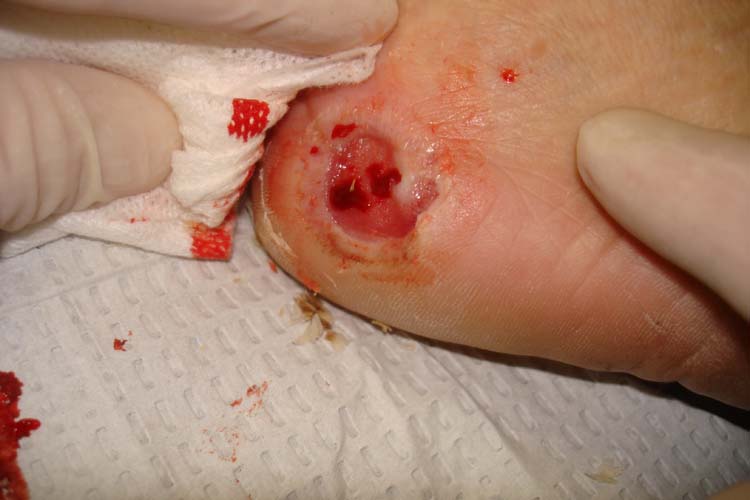
NICE puts its best foot forward with evidence based improvements to prevent amputations

The 2015 Footcare guidelines are forward thinking, evidenced based and if implemented widely should help reduce amputations in diabetics.  The problem is that at the moment best possible practice is not happening in many areas including my own.

For instance, NICE states that diabetic patients should get information that includes: a clear explanation of their problem, pictures of diabetic foot problems, care of the other foot or leg, foot emergencies and who to contact, footwear advice, wound care, and last but not least, information about diabetes and the importance of blood sugar control. (4.2)

They need this because life expectancy for diabetics is up to 15 years shorter than for their non-diabetic counterparts and 75% of them will die of macrovascular complications. 10% of diabetics will get a foot ulcer at some point in their lives.(1.1)

For every £150 spent on total NHS expenditure £1 is spent dealing with ulcers and amputations. (1.2 2012). Diabetes is the most common cause of non-traumatic amputations and ulcers precede 80% of these. 70% of people die within 5 years of amputation.

The number of amputations for diabetics ranges 4 fold for various reasons across the UK.(1.3) With evidence for best practice available the 2015 guidelines hope to bring poorer performing areas into line.  Preventing ulcers and amputations would be very worthwhile not just for the individuals concerned but for the sheer cost of them.

To enable the best possible care NICE recommends that a diabetic foot protection and treatment service is available in the community and in hospitals. (2.3)

The team should include:

Diabetology

Podiatry

Diabetes specialist nurses

Vascular surgery

Microbiology

Orthopaedic surgery

Othotics/biomechanics

Interventional radiology

Casting

Tissue viability

NICE recommends that those with active diabetic foot problems are referred to the foot protection service and that referrals within 24 hours be made for grangrene, suspicion of Charcot’s arthropathy, ulceration with limb ischaemia, clinical concern that there is a deep seated soft tissue or bone infection, ulceration with fever or any signs of bone sepsis. (2.2)

NICE recognises that special arrangements for the housebound, those in nursing homes or in care may need to be made. (2.3)

They also warn that ankle/ brachial pressure index results may need to be interpreted carefully in diabetics because calcified arteries may falsely elevate results and so give falsely reassuring readings. (2.3)

Health care professionals should also know that there is a raised cardiac risk in those with diabetic foot problems. (4.2)

Once a diabetic foot problem is recognised clinically X rays and MRIs may be needed for further investigation. (6.1)

For mild infections antibiotics that cover gram positive organisms should be given. (6.2) This could be for instance flucloxacillin.  For severe infections both gram positive and negative organisms should be covered. This would require the addition of eg metronidazole. For severe infections they recommend that IV antibiotics are started first and the switch to oral antibiotics should be based on the clinical response. For those with bone infection the course should be for six weeks.

Charcot’s arthropathy occurs more commonly in those with neuropathy and renal failure. (7.1).  Suspect this if there is a red, warm, swollen foot with deformity, even if pain is not reported. Refer this condition urgently and keep the person off the foot. X ray first of all and if no abnormalities are seen do an MRI.

When making a decision on the frequency of follow up for patients with diabetic foot problems, take into account their overall health, how healing has progressed  or any deterioration.  (4.8). Ensure that the monitoring interval is maintained in the community or in the hospital.

I know that in Ayrshire where I practise there is no such entity as a diabetic foot protection or treatment service although the services are available separately,  and I would be interested to know how it is in your areas.  The information to diabetics is certainly not as comprehensive as NICE would like.  I can see the importance of this because of the need for urgent assessment and treatment of minor problems so that they don’t become limb threatening.

As a GP the main thing I need to do is to recognise diabetic foot problems. If the problem is mild I would treat and review promptly but for severe problems hospital admission is needed. After all most cases will require X rays, MRIs and intravenous antibiotics. There is not the seamless service for diabetics inside and outside of hospital that NICE has found makes such a difference to amputation rates.

For the best advice on caring for your feet if you have diabetes I would recommend Dr Bernstein’s Diabetes Solution. At the present time I don’t know of any good photographic sites that would provide the pictures that would help diabetics understand their foot issues. Any suggestions from our readers?

NICE 20015 Diabetes guidelines reveal magical thinking for our diabetic youngsters (again)

NICE have done a major diabetes review over all areas and the new guidelines went out to consultation recently.   I was lucky enough to be sent them by the Royal College of General Practitioners but only given 2 weeks to respond to them. So far I have only managed to study the children and young people’s guideline but my critique of the others will follow.

The new guideline gets some things correct in my view. The target hbaic for one. It is now 6.5%  or 48 mmol, because the group have finally realised that tight blood sugar control is the actual key to preventing complications from diabetes. (7.2)  Okay, it took a long while, but at least they got there in the end. Previously target hbaic levels have been set too high at 7.5%.

Even NICE however are concerned that children and young people will find this terribly hard to attain. They certainly will, especially, if they attempt to follow the unchanged and still illogical, non-evidence based, consensus plans which are to eat lots of carbohydrate and make sure you avoid saturated fat. Yet they have a sense of humour about themselves and state that children and parents “should develop a good working knowledge of nutrition and how it affects diabetes”. (3.4)

Obviously Emma and I think you should too, and this is why you should read our book and not pay too much attention to what an NHS dietician or diabetologist tells you about what to eat.

There was only 0.3% improvement in hbaic after learning about carbohydrate counting. Not a single low GI study showed a 0.5% improvement in hbaic. Unless you specifically understand  to greatly limit carbohydrate intake, no significant improvements in blood sugar control will be made.

The entire report is littered with study after study which show that our diabetic youngsters have very high hbaic levels indeed. Mean levels of 8.5 to 11.5% are common in diabetic children and adolescents no matter what parameters are under scrutiny.  Meanwhile, although structured education is increasingly popular, and costs £683 per person, it too fails to make any changes to hbaic over 6 months or 12 months. (20) None of the structured education programmes could produce even a 0.5 % reduction in hbaic though one study did show a reduction in severe hypoglycaemia.  Could it be the lousy rubbish they teach about what constitutes a healthy diet perhaps?

There is no longer a consensus view that diabetics should “eat the same healthy diet as everyone else”.  The American Association of Clinical Endocrinologists has been the first major group to tell diabetics to limit carbohydrate to 90-120g per day and to adjust this if they are not reaching target blood sugars.  Consensus opinion in this context is just another word for a bunch of bullies and failure to remove these appalling dietary recommendations is in my opinion reprehensible, immoral and disgusting. They don’t have to keep consensus opinions. SIGN got rid of them. So can NICE.

Meanwhile, NICE, seem to let diabetologists off the hook and explain that the avoidance of undue hypoglycaemia, is a barrier to attaining decent hbaic levels. (5.7) They have again refused to see that a low carb diet can be a straightforward way of minimising blood sugar variability and that it has been proven by Dr Bernstein and Dr Neilsen. Why? Because they did not look at this sort of evidence. Indeed no new dietary evidence was looked for at all, before they embarked in a hugely expensive operation into researching the current guidelines.

They notice that even kids realise that their blood sugars are not under control and that young though they may be, this affects them poorly psychologically.( 7.7)  It must be very disheartening to be doing everything you are told yet not achieving single figures on your meter.  You feel tired and out of sorts when your blood sugars are high, but at least it doesn’t “show”. Low blood sugars single you out as different from your friends, and continually remind you that you are a patient. Indeed NICE have the proof that depression can result from poor glycaemic control. (10.3)

Albuminuria is correctly recognised by NICE as the first sign that the kidneys are being damaged by high blood sugars. Yet the recommend a low protein diet to “prevent” it. (11.43)  Why? High blood sugars from high carbohydrate diets are the major cause of the kidney damage in the first place. Again, the recommendation is neither evidence based or thought out at all. They again have ignored research by eg Facchini and Saylor who showed that high protein, high polyphenol, low carb diets improved kidney disease in diabetics.

One of the useful things this review stated was that there was no harm found in injecting insulin through clothes. I know this can sometimes facilitate insulin injections in public places.

Another is the unusual but serious issue of Diabetic Ketoacidosis. It can occur even when diabetic kids on insulin have normal blood sugars. (18 recommendation 177). DKA should be suspected if there is nausea or vomiting, abdominal pain, fast breathing, dehydration and a reduced level of consciousness. Blood ketone testing is preferable to urine testing.

After an episode of DKA, NICE recommends that the factors that could have led to the episode are explored with the diabetes team. (18) Non adherence to therapy needs to be considered especially if DKA is recurrent. Diabetics should get advice on how to reduce future episodes and the management of intercurrent illness is particularly important. We cover some of these aspect in our book but for the best possible advice on this I recommend Dr Bernstein’s Diabetes Solution. I also recommend that you become familiar with this well before you get ill.

When it comes to the increasing numbers of children and adolescents with type two diabetes, the blood sugar targets have been similarly set for a hbaic of 6.6% or 48 mmol/mol. (14).

The dietary advice is the same rubbish as for type ones. NICE states that “healthy eating” ie high carb, low protein, low fat diets, “can reduce hyperglycaemia, reduce cardiovascular risk, and promote weight loss”.  They don’t produce any evidence to back this up of course, it’s neatly packaged as “consensus”. (13.17)

Albuminuria was present in 29% of this young population independent of the duration of the diabetes. First morning samples are preferred for testing. (17).

The age of transfer to adult clinics is discussed in the new document. As an example of typical blood sugar levels, in Finland the mean age of transfer to adult clinics was 17.5 years. Average hbaics one year before transfer ie at age 16.5 was 11.2% + or – 2.2% and at age 17.5 the average hbaic was 9.9% + or – 1.71%.  These kinds of averages litter the report and indicate that diabetic complications are inevitable for our young diabetics unless they radically change what they are doing regarding diet and blood sugar management.

Health economists have been busy bees regarding diabetes expenditure and costs. For your typical person on multiple daily injections the cost is £2,155 per year. (20) This includes initial instruction and seeing consultant diabetologists and nurses at typical hospital clinics in the NHS. For those who inject 2 or 3 times a day the cost is £1,500.  The MDI was shown however to be cost effective compared to the less frequent injections, which use mixed insulins, due to the long term reduction in complications. The typical baseline hbaic was 11.4% in 10-14 year olds in England and Wales.  Scary, isn’t it! (Adhikari 2009). All sorts of cost for complications are listed  and these make interesting  if somewhat gruesome reading. An amputation with the provision of a prosthesis for example costs £15,000.

Reduction in complications occurs with every reduction in hbaic.  Similarly lifetime complication costs are reduced with adequate monitoring. Five times a day seems to be the optimal, minimal  testing frequency.

NICE have been very good at telling us what is going on in the UK with diabetes management of children and young people. They have a lot  of new,  sensible and research based recommendations. Unfortunately they chose NOT to review dietary recommendations and until they do this, hbaics of 6.5% will remain pie in the sky. Unless you just ignore them and eat low carb of course!

Chocolate orange muffins: how to de-carb a standard recipe

I found this recipe in this weeks Observer magazine. Of course the recipe was neither low carb or gluten free or even for muffins, but with a few tweaks I managed to produce these lovely muffins.

dark chocolate 85g

unsalted butter 120g

granulated sugar 120g ( I substituted 4 rounded dessertspoons of a mixture of splenda, z-sweet and truvia )

ground cinnamon 2 pinches ( this recipe could use a bit more than this)

ground all spice 2 pinches ( again, a bit more wouldn’t hurt)

vanilla extract one teaspoon ( and add chocolate essence one teaspoon if you have this)

zest of half an orange ( I used zest of one whole orange for very full orange flavour )

3 eggs

milk 2 tablespoons ( or use double cream )

ground almonds 150g

plain flour 60g ( I used wheat free white flour but think you would easily get away with more almonds here or you could use whey protein powder instead, either plain, chocolate or vanilla)

baking powder 1/2 teaspoon

Pre-heat the oven to 180 degrees. Gas mark 4.

Melt the chocolate in the microwave and use a wooden chop stick to stir or melt in a bowl over simmering water on the hob.

Mix the butter, sugar substitute, spice, essences, zest together until light and fluffy.

Beat in the eggs and the almonds and chocolate till fully incorporated. This is most easily done one egg/ a few spoons of almonds at a time.

Add the flour or extra almonds and baking powder.

Mix thoroughly.

Either cook as a cake in a buttered/cake released springform cake tin or put into muffin cases for muffins.

The muffins took 25 minutes and the recipe says the cake takes 30 minutes.

Either way it is best to check your muffins at 20 minutes. Use a cocktail stick, special heat conduction stick (Lakeland Ltd) or your finger to check doneness. Sticks will come out dryish, the top will spring back when pressed with your finger when done).

Serve with whipped double cream with a little vanilla essence.

Cauliflower Cheese

This is my very easy take on cauliflower cheese making the most of pre-prepared supermarket ingredients.

Easy Cauliflower Cheese

  • Servings: 4-6
  • Difficulty: easy
  • Print

  • Frozen cauliflower florets (or prepare from fresh) equivalent of one cauliflower
  • Frozen chopped onions (or prepare from fresh) one handful
  • Lazy garlic (or prepare from fresh) one teaspoon
  • 250mls double (heavy) cream
  • Pre-grated mature cheddar cheese (or grate yourself) 3/4 of a bag
  • English mustard (or use French if preferred for a milder flavour) one teaspoon
  • White pepper ground one teaspoon
  • 1-2 oz unsalted butter
  1. Put on the oven at 190 degrees.
  2. Put cauliflower in the microwave to cook. Add some water to a microwavable pot and seal with lid or cling film.
  3. Cook as directed or around 7-9 minutes. Check for firmness. Cook as you like either firm or sloppy or somewhere in between.
  4. Meanwhile melt butter in a saucepan. Add the onions and garlic and brown.
  5. Take off the heat and add the double cream.
  6. Add the pepper and mustard and stir.
  7. Add the grated cheese and stir (leave some cheese over).
  8. Drain the cooked cauliflower and put in a Pyrex bowl or similar oven-proof dish. Pour over the cheese sauce.
  9. Sprinkle on the remaining grated cheese and put in the oven for 20 minutes.
  10. Remove and serve immediately.

Goes well with sliced meats, especially ham.

Chinese Duck Breast

Chinese Duck Breasts

  • Servings: 2
  • Difficulty: easy
  • Print

  • Two duck breasts with skin on
  • Coarse sea salt
  • Chinese Five Spice seasoning
  1. Put on the oven at 180 degrees.
  2. Score your duck breasts with a sharp knife and rub in the coarse sea salt, followed by the five spice powder.
  3. To a COLD frying pan add the duck breasts skin down and cook for 4-5 minutes till there is a good amount of fat in the pan from the melting duck fat.
  4. Turn the duck breasts over and cook for 2-3 minutes till seared.
  5. Put in tin foil and cook for a further 15-20 minutes in the oven.
  6. Take out and rest for 10 minutes.

Serve.