Dr Sheri Colberg: exercise and diabetes part 2

Photo by Li Sun on Pexels.com

Diabetes in Control

Dec 4, 2021

Author: Sheri R. Colberg, PhD, FACSM

  • Part 2 of this Q&A with our diabetes exercise expert covers pre-exercise glucose checks, exercise-induced hypoglycemia, and more.

Q: Please mention blood sugar level before as well as fluid and hydration intake before ANY exercise is crucial to predict glycemic response…. regular blood glucose checks are essential until you know how they respond.

A: The guidelines are that you should not begin the exercise with blood glucose >250 mg/dL (13.9 mmol/L) with moderate or high levels of blood or urinary ketones. If you don’t usually test for ketones, make sure you have enough insulin “on board” to counterbalance the glucose-raising hormones that get released during physical activity. The more complex the exercise is, the more of these hormones get released.

The guidelines also suggest that people should use caution during activities when starting with a blood glucose >300 mg/ dL (16.7 mmol/L) without excessive ketones, stay hydrated, and only begin if feeling well. For instance, if you take insulin and just ate a big meal, exercising right after when you may be experiencing a spike is usually okay because you have enough insulin in your body to bring the glucose levels down with activity.

As for hydration, drink adequate fluids before, during, and after exercise and avoid exercising during the peak heat of the day or in direct sunlight to prevent overheating. These precautions are essential when experiencing hyperglycemia (elevated blood glucose levels), leading to dehydration or autonomic (central) nerve damage that can impair normal heat dissipation during exercise.

Q: What are your recommendations for glucose testing before, after, or during exercise?

A: It depends on the individual. Adults with type 2 diabetes not taking insulin or oral sulfonylurea medications may not need to check because their blood glucose is unlikely to drop too low during activities—but they may want to check to be motivated by its ability to lower blood glucose, especially during post-meal spikes.

If you use insulin, it is essential to check before, occasionally during, and even at varying intervals after activities to prevent lows and highs and treat them more quickly. Frequent monitoring also helps establish usual patterns, trends, and responses that make it easier to predict what insulin regimen or food changes may be needed to balance blood glucose levels, especially if you are prone to developing late-onset hypoglycemia following an activity that is particularly long or intense. 

Q: To avoid exercise-induced hypoglycemia, what are the normal glucose monitoring values before starting exercise? Is there a target glycemic range that you would recommend for those with Type 1 diabetes to begin exercise to prevent hypo during activity? Also, how can people recognize and respond to hypoglycemic reactions?

A: A good starting blood glucose level can vary with the activity, time of day, and expected responses. Most people like to start in the range of 70 to 180 mg/dL (3.9 to 10.0 mmol/L), but it depends. For example, if you’re going to do early morning exercise (before insulin or food), your blood glucose may rise due to the higher levels of insulin resistance at that time of day. Many people choose to exercise then so that their risk of going low is minimal. However, others prefer to exercise with slightly more insulin on board (but not too much) later in the day to avoid exercise-related highs, especially when doing more intense workouts. Some people give small amounts of insulin before doing intense early morning workouts to prevent going too high.

As for hypoglycemia, it can have various symptoms, including shakiness, visual spots, lethargy, extreme fatigue, and more. The symptoms can vary by person and the activity or time of day to make it more challenging. Learn to recognize your symptoms by confirming your blood glucose levels whenever any symptoms arise. Anything with glucose works fastest to treat a low, but you can use various carbohydrate sources and follow up with snacks with a balance of carbs, protein, and fat if lows tend to persist or recur over time.

Q: What resources would you recommend for additional information regarding clinical exercise programming concerning common diabetes medications?

A: There are two position/consensus statements with compiled information about being physically active with diabetes that would be particularly useful for diabetes medications and their impact on physical activity. One is an American Diabetes Association position statement from 2016 (PMID: 27926890), and the other is a consensus statement on type 1 diabetes from 2017 (PMID: 28126459).

Particularly for anyone using insulin or taking sulfonylureas (and possibly meglitinides within 2-3 hours of physical activity), it is essential to carry rapid-acting carbohydrate sources during activities to treat hypoglycemia and have glucagon available to treat severe hypoglycemia (if you are prone to developing it).

Q: Diabetes type 2 has been related to intramyocellular lipid accumulation. As fat oxidation is optimized at a low exercise intensity, would you recommend low exercise intensity over high-intensity exercise for patients with diabetes?

A: No. Any intensity of exercise that someone with type 2 diabetes can do is acceptable. While it is true that slightly more fat is used during lower intensities compared to higher ones, the primary fuel used by the body during most moderate or higher-intensity work is carbohydrates. Fat is the primary fuel during all recovery periods. Intramyocellular lipids, therefore, are the primary fuel used during rest periods, which is most of the time. Just try to maximize your total calorie expenditure from the physical activity without worrying about exercise intensity. (In other words, completely ignore anything that tells you that you are in a “fat-burning range” as it is incorrect and irrelevant.)

Q: What precautions need to be taken if there is peripheral neuropathy?

A: It is generally recommended that people with moderate to severe peripheral neuropathy (loss of sensation in the feet) limit or avoid activities that may cause foot trauma, such as prolonged hiking, jogging, or walking on uneven surfaces. It may be more appropriate for them to engage in non-weight-bearing exercises (e.g., cycling, chair exercises, swimming); however, they should avoid aquatic exercise with unhealed plantar surface (bottom of the foot) ulcers. It is also important to check feet daily for signs of trauma and redness. Other precautions include choosing shoes and socks carefully for proper fit and wearing socks that keep feet dry, such as some of the newer athletic socks that are polyester-cotton blends. Finally, neuropathy can affect both gait and balance, so they should avoid activities requiring excessive balance ability.

Q: I work with many folks who have kidney failure due to diabetes. Are there any precautions even though the client has been medically cleared?

A: Yes, the main precautions for these individuals revolve around avoiding exercise that causes excessive increases in blood pressure, such as heavy weight lifting, high-intensity aerobic exercise, and anything that causes breath-holding. For most, high blood pressure is common, and lower intensity exercise may be necessary to manage blood pressure responses and fatigue. The good news is that light to moderate exercise is possible during dialysis treatments if electrolytes are managed properly. A recent study showed that people on dialysis could safely engage in aerobic, resistance, or combined training with good outcomes on fitness, blood pressure, and metabolic function (PMID: 31865607).

Q: One of the complications you mentioned was peripheral arterial disease. The exercise pattern is less in these individuals. What do you think in that aspect when we can’t do higher intensity exercise? What pattern should we focus on?

A: Peripheral artery disease occurs when significant amounts of plaque are present in the blood vessels supplying the legs and feet. This blockage can cause pain and leg cramps, particularly during more strenuous exercise, due to reduced circulation and supply of blood and oxygen to those peripheral areas. While exercise may make things worse, the opposite is true, given the pain often associated with it. In addition, it can improve circulation with the formation of new, collateral blood vessels.

In general, the intensity of activity mainly impacts the recruitment of additional muscle fibers, specifically faster twitch fibers that are more anaerobic in nature than aerobic. Although fitness gains may be lesser with lower-intensity activities, doing anything at a low or moderate intensity still confers many health benefits, including increasing blood flow to areas with some artery blockage and enhancing oxygen consumption in engaged muscles (PMID: 28385410). Therefore, doing activities at any possible intensity should be encouraged, and walking is fine for most people to engage. People should be encouraged to try alternate activities when pain in their legs is more severe or intolerable during a given activity. 

Q: Which fitness trackers monitor blood glucose levels, and how does this work?

A: If discussing only FDA-approved glucose monitors, at the current time, a person has to wear a separate continuous glucose monitoring (CGM) device like the latest ones from Dexcom that can transmit its readings to a fitness monitor, such as select Apple or Fitbit smartwatches, or apps like the one associated with Fitbit or other trackers. A compatible smartphone is required to display data on an Apple Watch, and the Freestyle Libre CGMs work through a linked phone app as well. This connectivity is currently being updated and enhanced, so check the latest devices for specifics on which ones connect and how to set them up.

Q: Do you have any apps you recommend to track exercise?

A: There are so many different apps, and most of the latest smartphones have accelerometers that can track steps or distances traveled. I use one called “Map My Walk” that tracks most types of activity (not just walks) and gives distance, time, and more. Many others also estimate calorie use. So it depends on what data sets are most important to you.

Check back to last month’s Part 1 of this webinar-related Q&A!

Sheri R. Colberg, PhD, is the author of The Athlete’s Guide to Diabetes: Expert Advice for 165 Sports and Activities (the newest edition of Diabetic Athlete’s Handbook). She is also the author of Diabetes & Keeping Fit for Dummies, co-published by Wiley and the ADA. A professor emerita of exercise science from Old Dominion University and an internationally recognized diabetes motion expert, she is the author of 12 books, 30 book chapters, and over 420 articles. She was honored with the 2016 American Diabetes Association Outstanding Educator in Diabetes Award. Contact her via her websites (SheriColberg.com and DiabetesMotion.com).


Exercise & Diabetes – short spurts or endurance stuff?

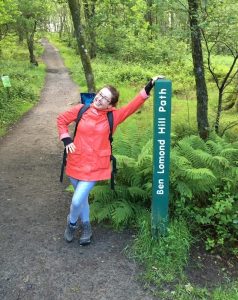
Emma Baird  at the start of Ben Lomond
At the start and cheery…

Exercise, as we folks with diabetes are often told, is essential for good management of diabetes. ‘Good’ doesn’t mean easy. The usual disclaimer applies; my experiences are unique to me, but this week’s blog post is inspired by last week’s climb of Ben Lomond.

Ben Lomond is a munro—i.e. a mountain this is higher than 3,000 feet or 914.4 metres. Munro-bagging is the activity where you climb them, stand on the top for a while taking pictures (if it’s not on social media, it never happened, right?) and then telling everyone you know for weeks afterwards.

As Ben Lomond is the munro nearest to where I live, it’s been on my bucket list for ages. My sister in law is a keen walker/hill climber so the two of us set off to tackle the mountain last Monday.

I am fitter than average. My FitBit tells me I’m in the top percentage of people my age and gender when it comes to the VO2 measurement. (If you can explain exactly what this is to me, I’d be grateful.) But climbing a munro? Boy, a different kettle of fish entirely. I didn’t prepare properly and I suffered.

So, here are the lessons I learned…

Prepare, prepare, prepare

Endurance exercise needs far more before-hand and after preparation than short spurts of exercise. I can do half an hour to an hour’s exercise without needing to take extra carbs or adjust my insulin. A mountain is something else entirely.

Stretch, stretch, stretch

Stretch out your calves, quads and glutes thoroughly afterwards. No, do. Mine ached for five days afterwards, particularly my calves which I put down to going up on the balls of my feet as I clambered over the rocks. When I got out of bed on Sunday morning and limped downstairs to the toilet, I went so slowly my FitBit didn’t register the steps.

Eat, you diddy

Eat beforehand. I know, duh. I had food with me but my sister-in-law and I did it first thing so I hadn’t bothered with breakfast.

Test, test, test

Blood sugar at the start – 9.8. One hour in, 13.4. I took half a unit of rapid acting insulin—3.2 half an hour later. In a panic, I shoved in too many jelly babies. At the top I ate a banana and took no insulin. By the time I got to the bottom, my blood sugar had hit the heady heights (appropriate analogy, huh?) of 19. I took too much insulin and by the time I got home, I’d crashed once more.

Oh for the Abbot Free Style Libre, which would have made testing blood sugar levels so much easier and adjustments more likely to be accurate. Some day my star will come and the good people of Greater Glasgow and Clyde NHS health board will see fit to prescribe it.

Enjoy the views

Except, this being Scotland, count on getting to the top and seeing nothing thanks to the thick layer of grey cloud that hovers there. Still, twenty metres down and the views were glorious.
Afterwards, we realised we’d climbed Ben Lomond on World Naked Hiking Day… sadly, everyone else who climbed it on that day hadn’t got the memo either.

All of which brings me neatly to—can you do endurance exercise when you have type 1 diabetes to deal with? People do. There’s the Novo Nordisk team of cyclists for a start. On the other hand, they’ve got a team of dedicated professionals behind them to help with diet and working out what they take insulin-wise. I’m willing to bet too, that they have access to all the latest gear—the continuous glucose monitoring, the pumps and sophisticated feedback they can interpret to work out how to cope with long bike rides.

Our ascent of Ben Lomond took just over two hours and ten minutes (844 calories on the FitBit), and the descent about an hour and forty minutes. It counts as the hardest fitness challenge I’ve ever undertaken, far more difficult than running a half-marathon.

[Talking of running, we were overtaken by two trail runners at one point. Lordy. In awe.]

I don’t know if I would do it again. I’d rather do short bursts of exercise interspersed throughout the day as I know what I’m doing and how it will affect me. I’m a mesomorph body type too. My body favours that kind of exercise as opposed to the endurance stuff. I can walk long distances and often do, but most of the time that’s on flat ground or its hills do not last more than 45 minutes. Hauling yourself up mountains is hard as heck.

With exercise it is easy to forget that there is a level above which there is no point in doing extra unless you are training for a big event or you’re a professional sports man or woman or athlete. I do Pilates for the flexibility benefits, I walk or run for cardio and otherwise I try to move a little throughout the day. That, I think, is enough for me.

What do you prefer—endurance exercise or doing short, intense bursts of it?


*Photos courtesy of Jacqui Birnie.

#Type1Runs… or Plods


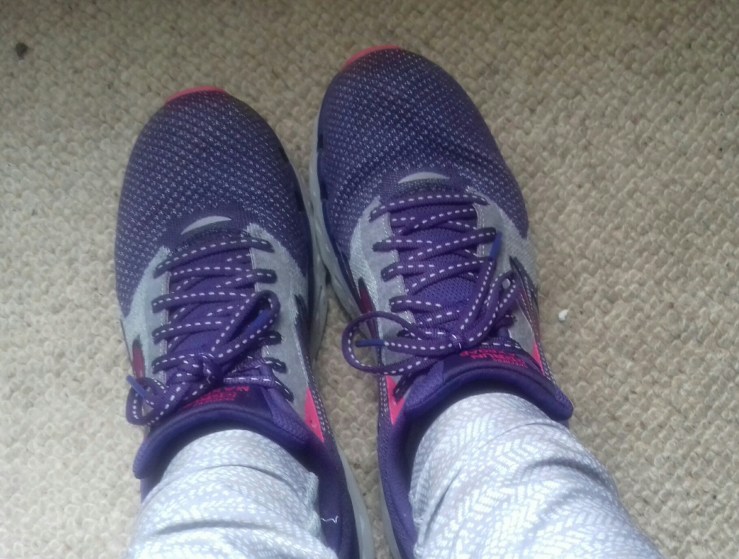
my feet in Sketchers


The half-marathon training continues… limps on, more like. My body repeatedly tells my brain this was not wise. Sheer stubbornness forces me on.

It heartened me to read of another type 1 saying her training veered between 20-mile runs that went well and three-mile runs that floored her. We juggle not only the effort of running with balancing blood glucose levels.

Too high and running turns into an activity that resembles wading through waist high treacle. Too low, and your calves seize up as your body goes on a glycogen hunt. Either way, both states bring you to a grinding halt.

Magic formula

The magic formula that is running with diabetes is akin to Google’s most complicated search algorithm. Factor in sleep, the previous few days’ average blood glucose levels, where you are in your cycle (if you’re a woman), what you’ve eaten, how much insulin you have on board, how much food you need before running, what foods provide the best fuel sources, how far your blood glucose levels drop and by what time spent running…

If you can work it out, you’re better at this lark than I am.

Exercise affects us not just at the time but for up to 24 hours afterwards. And if you’re exercising for more than an hour at a time, it becomes trickier to work out what you need to do with insulin and food.

Pilates and yoga

Bouts of activity that last half an hour to 45 minutes are relatively easy to manage. If you want to do more exercise than this, you can break your activities up—a walk in the morning and an easy jog in the evening, say. And plenty of Pilates and yoga thrown in for those nice stretch and flexibility benefits.

My vow is post September 30, I’m never doing a run longer than a 10k and my weekly runs won’t add up to more than nine miles, if that. Dear reader, I make myself accountable here.

Meanwhile, September 30 (the half-marathon date) hurtles ever nearer. Yikes!


Thrity-One-Year-Old Claims Cure for Type 1 Diabetes

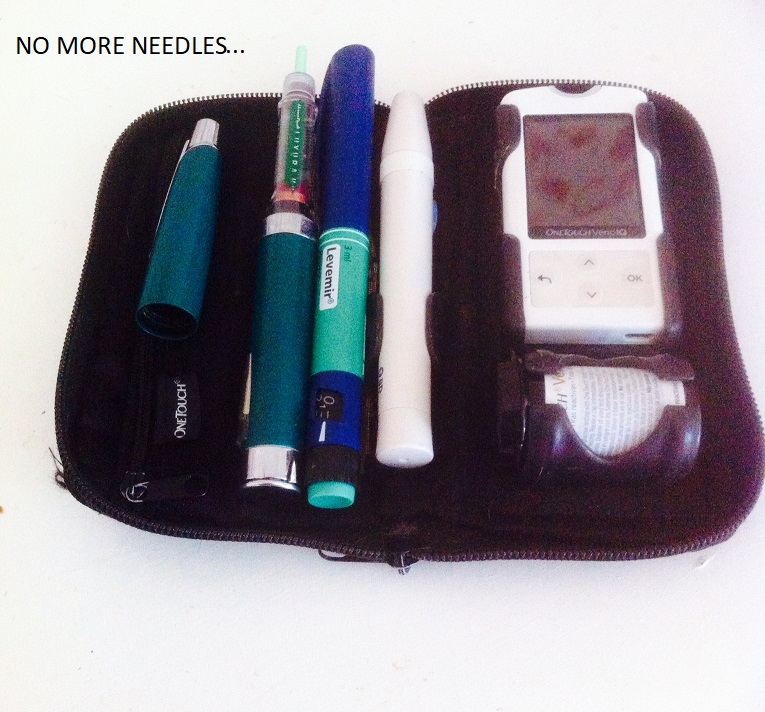
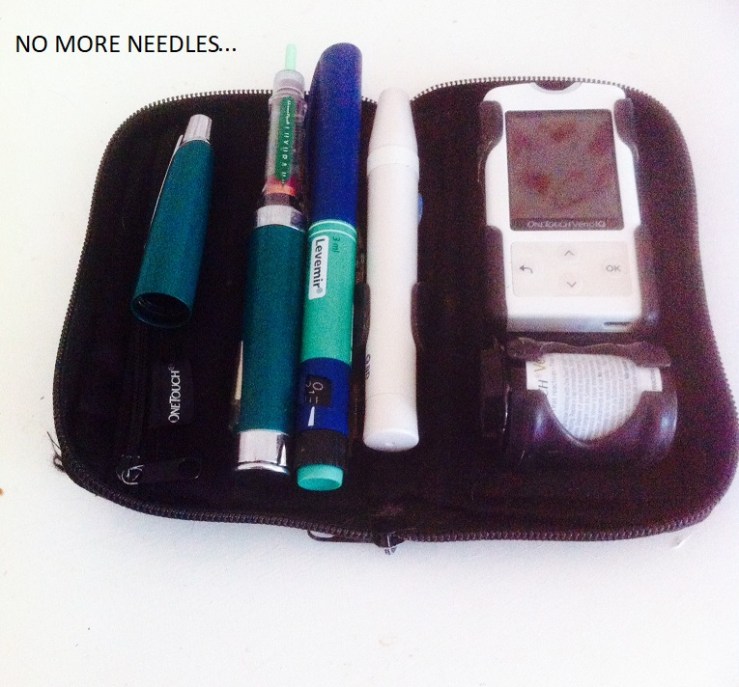
A PICTURE OF BLOOD TESTING EQUIPMENT AND NEEDLES

A PICTURE OF BLOOD TESTING EQUIPMENT AND NEEDLESGoogle alerts frequently pairs ‘diabetes’ and ‘cure’ together, but most of the time the words don’t capture my attention. Even when ‘type 1 diabetes’ and ‘cure’ make the same sub-heading, I’m not jumping up and down.

Yeah, yeah, heard it, bought the tee shirt, and no impact on my life so far…

But The Sun newspaper carried a story this week about a 31-year-old who claims to have cured his type 1 diabetes with diet and exercise alone. Again, that approach can achieve results with type 2 diabetes but it’s the first time I’ve seen it accredited to a cure for type 1.

Exercise and diet

Daniel Darkes’ regime isn’t for the faint-hearted. He eats a diet high in zinc (nuts, oily fish and veg) and runs more than sixty miles a week.

But before you dig out your trainers and start stock-piling the Brazil nuts, Daniel’s type 1 diabetes has some qualifications. He has a rare, abnormal gene, which doctors believe might have restarted his pancreas.

The 31-year-old from Daventry in Northants developed diabetes eight years ago and stopped giving himself insulin last January (2017)*. He started cutting down on insulin after experiencing hypos in 2016. He travelled to the US in March 2017 to find out more. Doctors ran further tests to find out what we happening to his body.

Brain sending messages to pancreas

He was put on a fasting diet and exercised at the same time. The medical staff noted his brain had begun sending new signals to his pancreas, and he hasn’t injected himself with insulin ever since.

Daniel told The Sun that doctors believed his abnormal gene combined with exercise is the reason he’s been able to cure himself—it’s as if the gene acts as a back-up immune system and has recharged his pancreas.

He is still being monitored at Northamptonshire General Hospital.

Abnormal genes

I’m fascinated by this story—as I suspect most type 1s will be. I’m no medical expert so my opinions are qualified, but I suspect that Daniel’s abnormal gene plays a huge part in his ‘cure’ (and this won’t be regarded as such until he reaches the two-years-without-insulin mark). It’s also interesting that the description of his diet (scant as it is) sounds like a low-carb diet.

The article said that Daniel’s case “could provide a revolutionary new approach to treating type 1 diabetes”, while Diabetes UK said it couldn’t speculate on whether Daniel had ‘cured’ his diabetes or not, and that there was “no clear cure for type 1 or type 2 diabetes”.


*DISCLAIMER – please, for the love of all things injectable, do not skip your insulin injections if you have type 1 diabetes…


A Day of Type 1 Diabetes

wp-image-1961591207jpg.jpgWhat’s it like having type 1 diabetes? Like having a part-time job on top of everything else…

I’m like most people – sometimes I manage great control. Sometimes, through no fault of my own, I don’t. And sometimes the fault is my own. My blood sugars go haywire, and I spend the day yawning, wishing people wouldn’t talk to me because it’s too much effort to talk back.

Sorry if you’ve met me when I’m like that.

Anyway, here’s what a day of living with diabetes looks like…

8am. Up and at ‘em! Or something like that. I’m self-employed, and I work from home, so I don’t have to commute. Or go to an office – thanks be to all the stars above. My cat likes to sleep on top of me, so sometimes it takes me ten minutes to get up because I don’t like to shift him…

Blood sugar – 6.6mmol. Oh no, is this going to be one of those terrible goodie two-shoes posts where people show off about their brilliant control?

I take my long-term insulin when I get up – 13 units of Levemir. I give the dose in two injections because I think it works better that way. Being an impatient sort, I need to count to 20 to stop me removing the needle too quickly. (You might not get the full dose if you take the needle out too soon.)

I don’t bother with breakfast. Up and at ‘em feels more do-able when I don’t. I’m accidentally doing the trendy 16-8 thing, where you only eat within an eight-hour window.

I work from 9am to 1 pm. I’m a freelance writer, so I write blogs, website contents, video scripts and more for clients, mainly small businesses that are trying to improve their SEO. Some years ago, my husband built me a standing desk. Once you get used to standing for work, it feels much more comfortable than sitting all day.


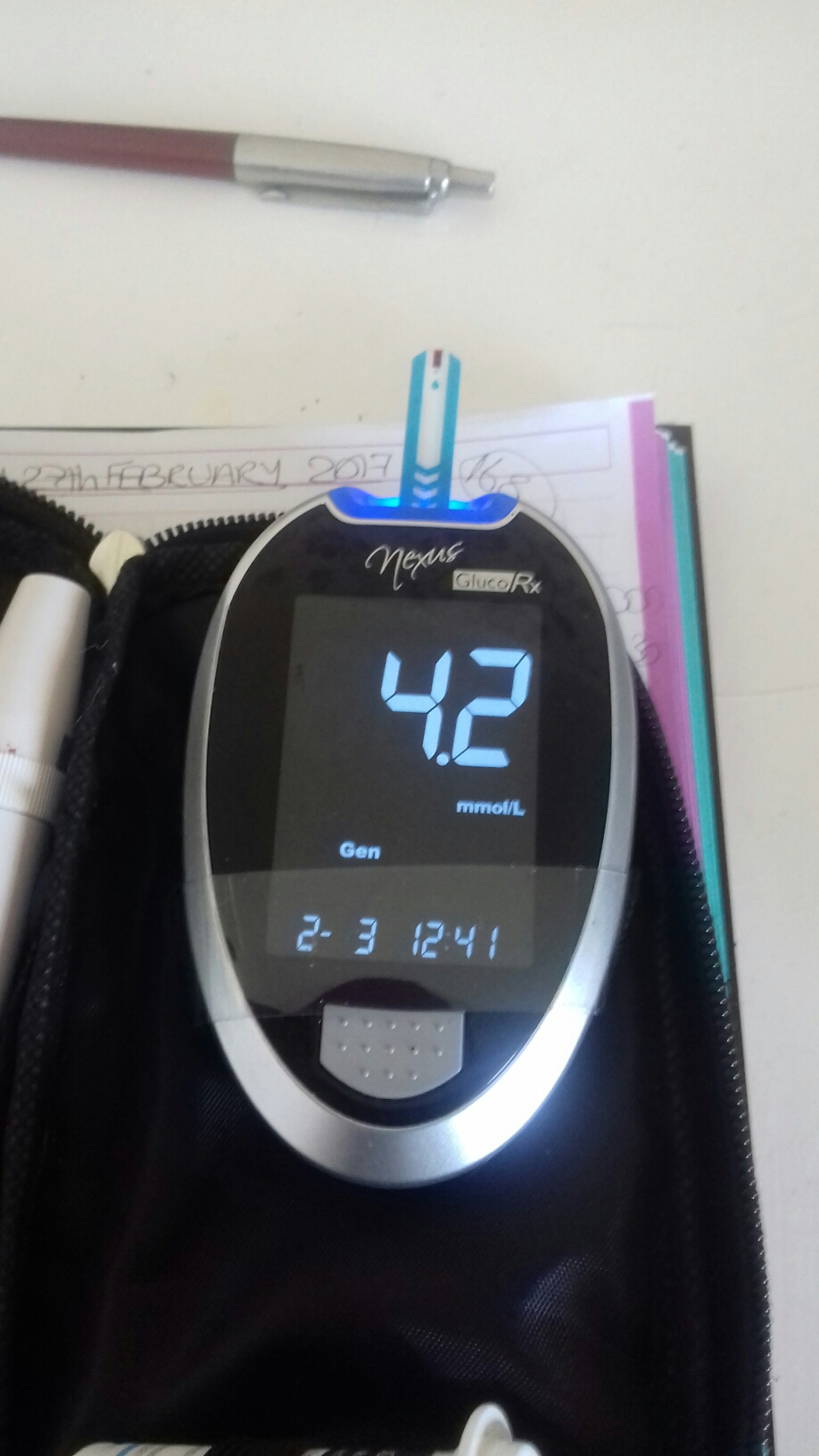
wp-image-282956511jpg.jpgBlood sugar – 4.2mmol
. Oh, no! It IS going to be a humble-brag blog.

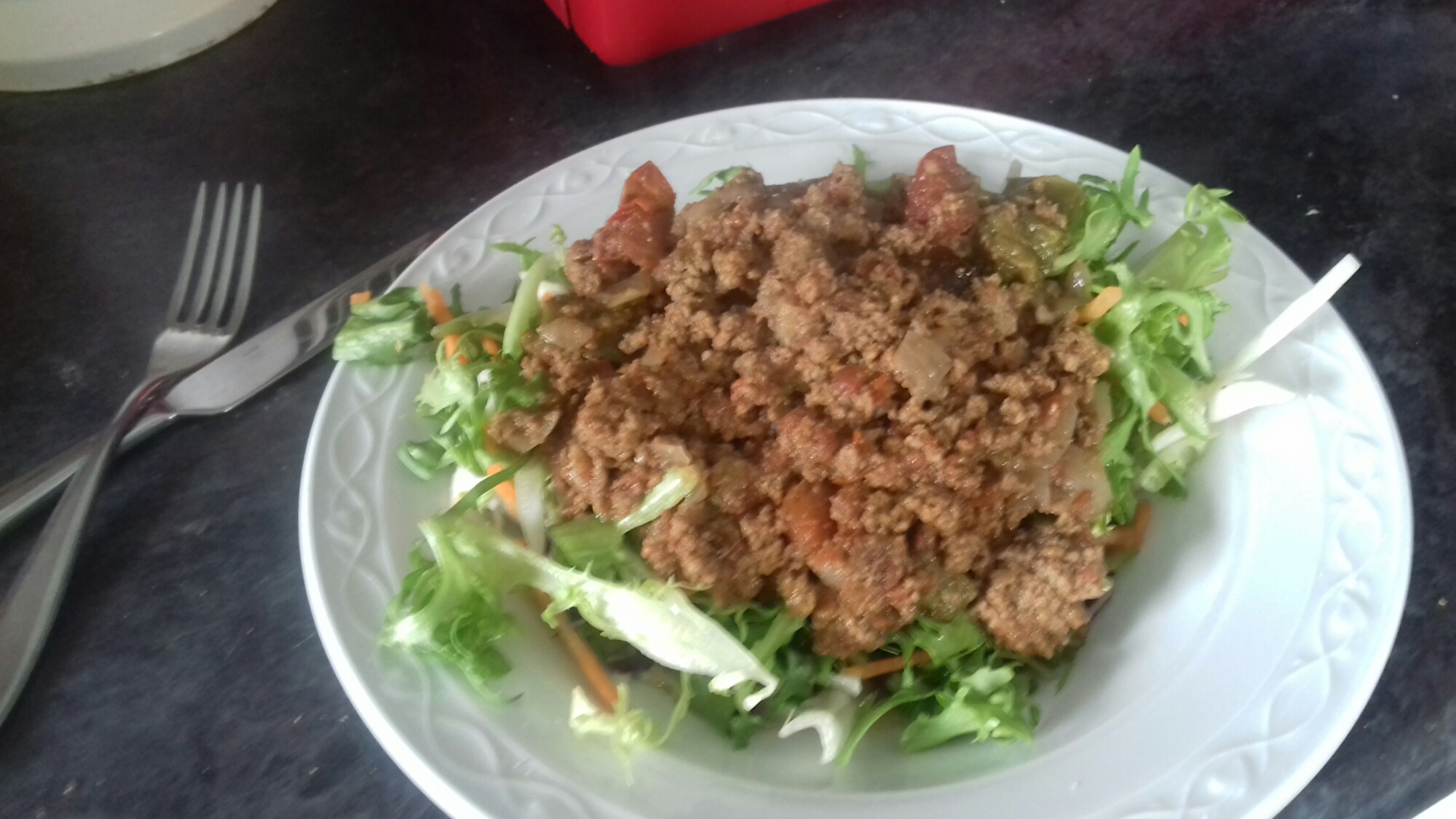
1.30pm-2pm. Lunchtime. Today, I had chilli, salad and some green beans on the side and I finished with some peanuts. I took half a unit of Humalog to cover roughly 20g net carbs. I didn’t take it until after the meal because my blood was low beforehand and because I was planning a walk afterwards.

2pm. I usually go for a walk. I use a Jawbone app to track my sleep and activity. About an hour of walking a day takes you to 10,000 steps.

3.30pm – a bit more work. I write dog blogs for a client, and as I love animals these are my favourite ones to do.

5.30pm – 3.9. I had a banana to cover the low blood sugar, and then I went to a spin class. The instructor LOVES Lady Gaga. I’m beginning to hate her, as I associate the poor woman with nasty hill climbs.

7.30pm. Blood sugar, 11.1. Not so goodie two-shoes now, eh?! Huffing and puffing exercise sometimes does that to me – sends my body into a panic. ARGH, this is hard! Find sugar! Walking doesn’t do this.

I made myself a cheese and onion omelette. Other omelettes are available, but why would you bother?! It was more like cheese, with a bit of onion and egg on the side. I had one unit of Humalog to cover the net carbs.

wp-image-990815369jpg.jpg8pm – oops, how did that get in there? A cheeky little glass of pink fizz… It was so nice, I had another one. And er… maybe another one after that. I reckoned it would help lower blood sugars ;)*

10pm – second dose of Levemir, 6 units. I try to find a spot on my abdomen that doesn’t look too punctured. Medical staff stress the importance of changing injection sites regularly. I’ve got a lump on my belly that’s been there 20 years because I overused the same spot. I don’t go near it now.

10.30pm. I had an Atkins fudge bar. I didn’t take any insulin with it because I’d had a few glasses of wine. Atkins chocolate bars aren’t as carb-free as they boast – but they do contain fewer carbs than a standard chocolate bar.

Bed time. And that was my Friday.


*Usual rules apply – as a condition, type 1 diabetes will vary widely between individuals. What I do isn’t a recommendation or prescription for anyone else.