Dr Unwin’s patient diet sheet: ignore the box of chocolates they got as a prize!

7100

So what should I eat to control my weight? A typical diet sheet for diabetes, as provided to Dr Unwin’s patients.

Reduce starchy carbs a lot (remember they are just concentrated sugar). If possible cut out the‘White Stuff’ like bread, pasta, rice – though porridge, new potatoes and oat cakes in moderation may be fine.

Sugar – cut it out altogether, although it will be in the blueberries, strawberries and raspberries you are allowed to eat freely.

Cakes and biscuits are a mixture of sugar and starch that make it almost impossible to avoid food cravings; they just make you hungrier!!

All green veg/salads are fine – eat as much as you can. So that you still eat a good big dinner try substituting veg such as broccoli, courgettes or green beans for your mash, pasta or rice – still covering them with your gravy, Bolognese or curry!

Try home-made soup – it can be taken to work for lunch and microwaved. Mushrooms, tomatoes, and onions can be included in this.

Fruit is trickier; some have too much sugar in and can set those carb cravings off. All berries are great and can be eaten freely; blueberries, raspberries, strawberries, apples and pears too, but not tropical fruits like bananas, oranges, grapes, mangoes or pineapples.

Proteins such as in meat, eggs, fish – particularly oily fish such as salmon, mackerel or tuna –are fine and can be eaten freely. Plain, full-fat yoghurt makes a good breakfast with the berries. Processed meats such as bacon, ham, sausages or salami are not as healthy and should only be eaten in moderation.

Fats (yes, fats can be fine in moderation): olive oil is very useful, butter may be tastier than margarine and could be better for you! Coconut oil is great for stir fries. Four essential vitamins A, D, E and K are only found in some fats or oils. Please avoid margarine, corn oil and vegetable oil.

Beware ‘low fat’ foods. They often have sugar or sweeteners added to make them palatable. Full fat mayonnaise and pesto are definitely on!!

Cheese:  in moderation – it’s a very calorific mixture of fat, and protein.

Snacks: avoid. But un-salted nuts such as almonds or walnuts are great to stave off hunger. The occasional treat of strong dark chocolate 70% or more in small quantity is allowed.

EATING LOTS OF VEG WITH PROTEIN AND FATS LEAVES YOU PROPERLY FULL in a way that lasts.

Finally, about sweeteners and what to drink – sweeteners have been proven to tease your brain into being even more hungry, making weight loss almost impossible – drink tea, coffee, and water or herb teas. I’m afraid alcoholic drinks are full of carbohydrate – for example, beer is almost ‘liquid toast’ hence the term “beer belly”! Perhaps the odd glass of red wine wouldn’t be too bad if it doesn’t make you get hungry afterwards – or just plain water with a slice of lemon.

Remember – always check with your doctor or healthcare professional before embarking on a new diet. 

Dr David Unwin FRCGP

Dr Unwin’s winning formula for fitness and health

Dr Unwin
Proof that you can eat low-carb AND run…

Hello, I am David Unwin, another GP interested in the low-carb approach to helping my patients with type two diabetes.

My work formed the basis of an article published in the March 2014 edition of Practical Diabetes. ‘Low carbohydrate diet to achieve weight loss and improve HbA1c in type 2 diabetes and pre-diabetes: experience from one general practice’.

I am not a diabetic, but have been on the diet for about two years now. I started it as a gesture of support for my patients but find I am more alert and need less sleep on it. Surprisingly it seems to help me run faster too! I recently finished a 10 K road run in less than 46 minutes, my best time for years.

Since writing the article in March, my practice has been given a small grant which means we have now helped 37 people with type two diabetes. Interestingly, the results are very similar to our original cohort including improvements to cholesterol, despite a diet higher in fat which makes one wonder…

Abstract

Diabetics have long been exhorted to give up sugar and encouraged to take in complex carbohydrate in the form of the starch found in bread and pasta (especially if ‘wholemeal’). In fact, bread should be seen as concentrated sugar which explains why it has a higher glycaemic index than table sugar itself.

As there are no essential nutrients in starchy foods and diabetics struggle to deal with the glycaemic load they bring, we question why they need form a major part of their diet at all.

The recent increase in screening in general practice along with epidemic of ‘central obesity’ is revealing large numbers of pre-diabetics and diabetics (diabesity). At a time when there are questions about drug safety, which diet is best is of particular importance.

Many patients are already experimenting with the ‘low carb’ approach as it is so widely advocated on the internet. We wanted to see how effective and well tolerated it was.

A series of 19 type 2 diabetics and pre-diabetics volunteered to go on a low carbohydrate diet backed up with ten-minute one to one sessions with a GP or practice nurse, and regular group education.

After seven months only one had dropped out, of the rest all had significant weight loss (average 8.63 Kg) and the average HbA1c was down from 50.68 to 39.9 mmol/mol (6.7% to 5.7%).

Despite the higher fat intake on this diet the cholesterol dropped and liver function improved for nearly all participants.

We conclude this approach is easy to implement, brings rapid weight loss and improvement in HbA1c using a diet that the great majority of patients find easy to live with.

You can find the full article at Practical Diabetes.

Low-Carb Bread Recipe (Number 2)

Here is another recipe for low-carb bread. As we’ve said before, we reckon bread is one of the things people really miss when they embark on a low-carb lifestyle so having some replacement recipes up your sleeve is really handy…

One of the other bonuses about low-carb bread is that it lasts longer than ordinary, home-made bread. You can keep it in the fridge or bread bin, or slice it up and freeze it.

For two loaves:

  • 6 cups ground almonds (600g)
  • 125g unsalted butter at room temperature
  • 500g mascarpone cheese
  • 1 teaspoon almond essence (can be left out)
  • 2 teaspoons baking soda
  • 2 teaspoons baking powder
  • 1/2 teaspoon salt
  • 6 eggs
  1. Preheat oven to 350 degrees F, or 180 C
  2. In a mixer, cream together the butter and marscapone. Add the almond essence if using.
  3. In a large bowl, mix the ground almonds, baking soda and powder and salt. Add the eggs to the wet ingredients, then add the ground almonds a large spoonful at a time with the mixer going.
  4. Grease two loaf pans (about 4 x 8 inches) generously with butter or spray with non-stick cooking oil . Spoon the batter into the pans, smoothing the top.
  5. Bake at 350 F or 180C for 50-60 min until lightly browned on top.
  6. Remove from the oven and allow to cool. Run a spatula around the sides of the pan, pressing gently against the loaf to loosen at the corners and bottom of the pan.
  7. Wrap in tin foil. You can freeze these for weeks. Take out the night before you intend to use it. This bread is particularly good toasted.
  8. Each loaf yields 6 thick slices.

CHO per slice – 6g


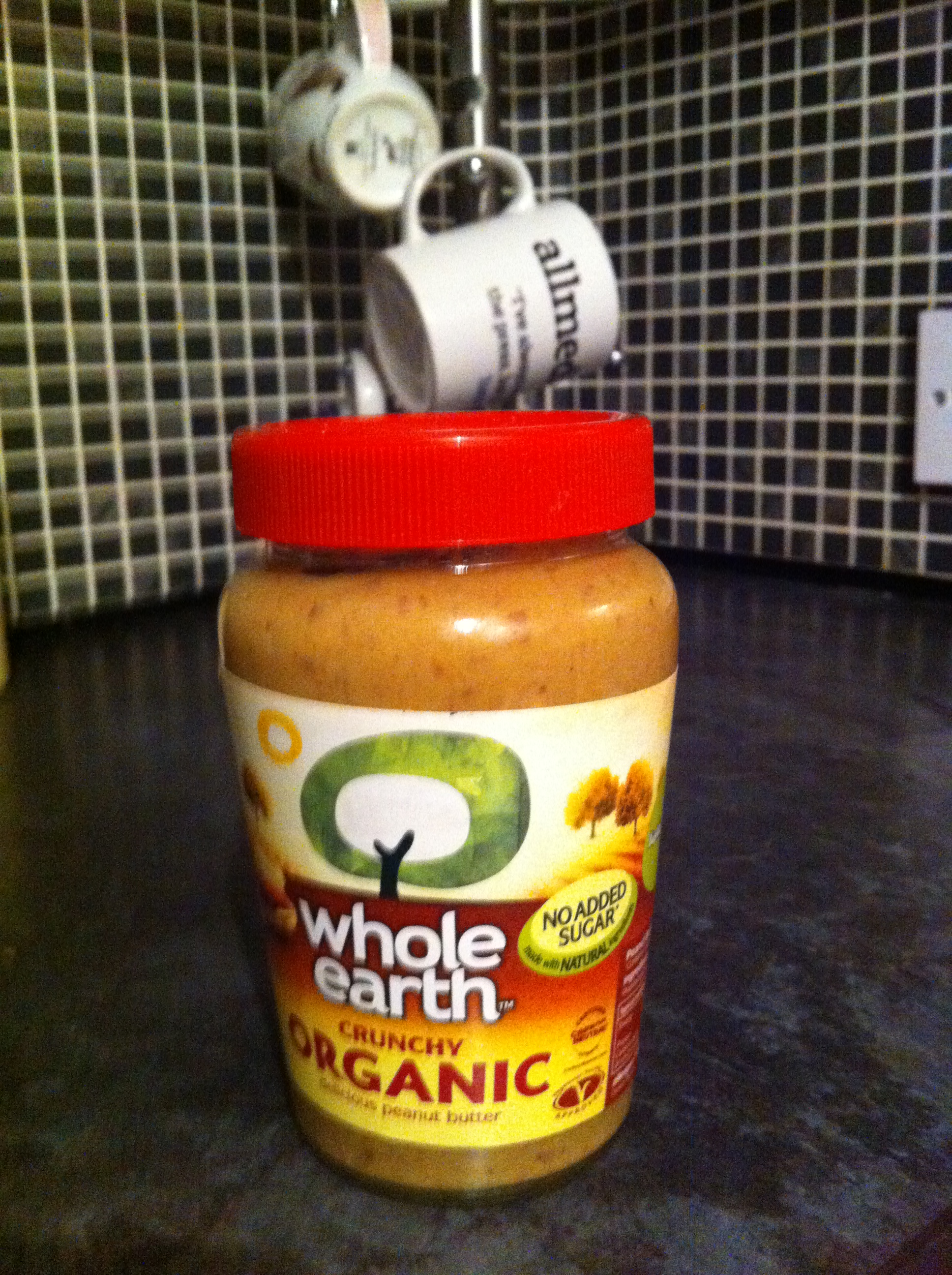
Sugar-free peanut butter keeps the carb count down.

Most people have their own favourite bread or toast toppings, but here are some ideas…

  • Half a ripe avocado, mashed up with a little lemon juice, salt and chilli.
  • Cream cheese topped with smoked salmon.
  • Peanut butter and sliced cucumber (it sounds weird, but the cucumber cuts through the richness and mouth-claggy feel of the peanut butter).
  • Butter and reduced sugar fruit spread.
  • Cheese spread and chopped ham.
  • A little smoked mackerel mashed up with cream cheese and a little horseradish sauce for bite.

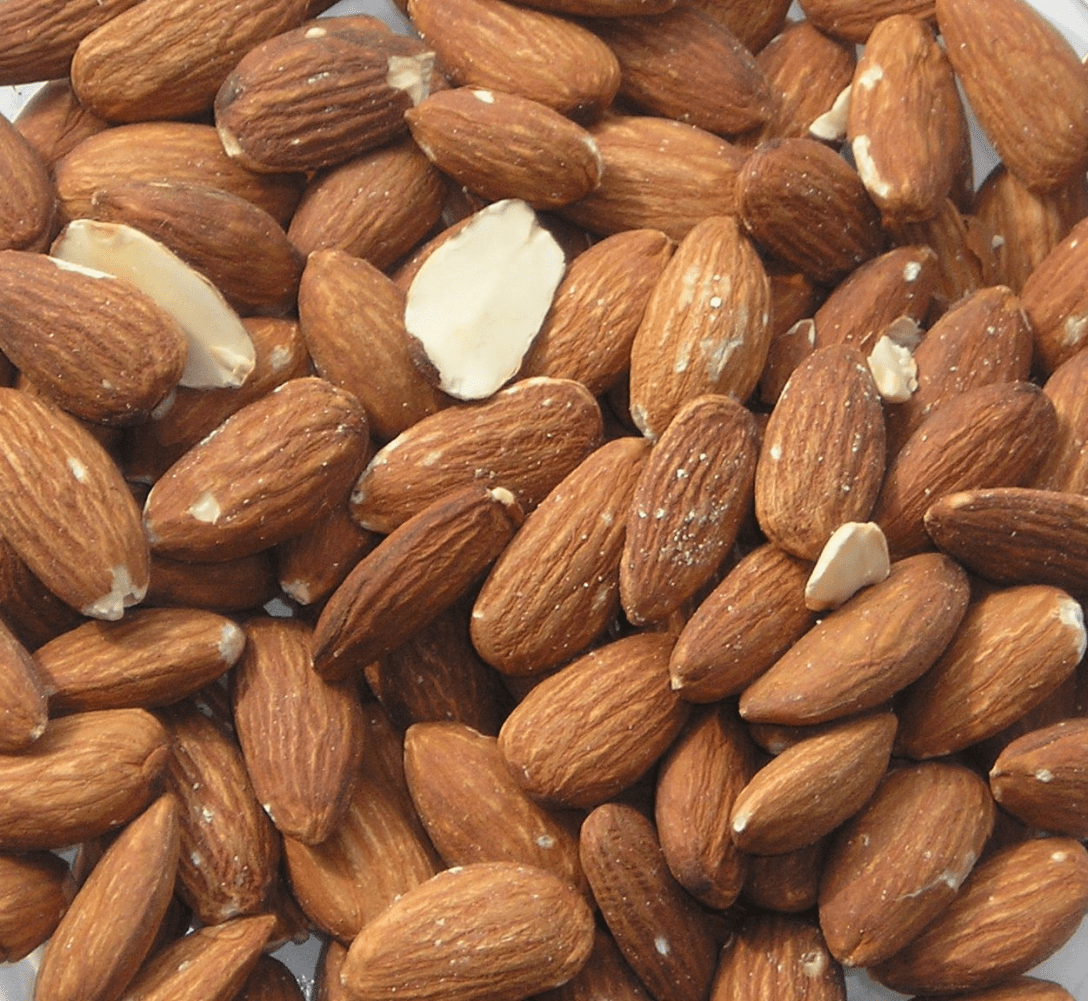
Check out the Diabetes Diet for lots more low-carb recipes to help you achieve good health and good blood sugar control. Almond picture thanks to Wikipedia


Hello and Welcome to the Diabetes Diet!

Hello and welcome to the Diabetes Diet blog…

Thanks for visiting and we hope you find something useful on this site. We are two Scottish ladies who are very interested in diabetes – on a personal and professional level.

I make a point of always wearing fascinators...
I make a point of always wearing fascinators……

I am Emma Baird, a type 1 diabetic (diagnosed 32 years ago) and a writer with a keen interest in health…


katharine… And I am Dr Katharine Morrison, a senior practising GP and a senior partner in a medical practice. My son was diagnosed with type 1 diabetes 10 years ago, and since then I have worked extensively with diabetics (both type 1 and type 2) to help them achieve good blood sugar control – a vital component in good health and longevity.

We wrote a book about diabetes and good blood sugar control and we set up this website to complement the book.  We’re going to update with it lots of topical articles, recipes and guest posts from others interested in diabetes.

And if you have experience in diabetes, low-carb dieting and recipes, and exercising with diabetes, we would love to hear from you. Use the comments sections to keep in touch, or email us at: lowcarbdiabetesdiet@gmail.com