Low-Carb, Gluten-Free Moussaka

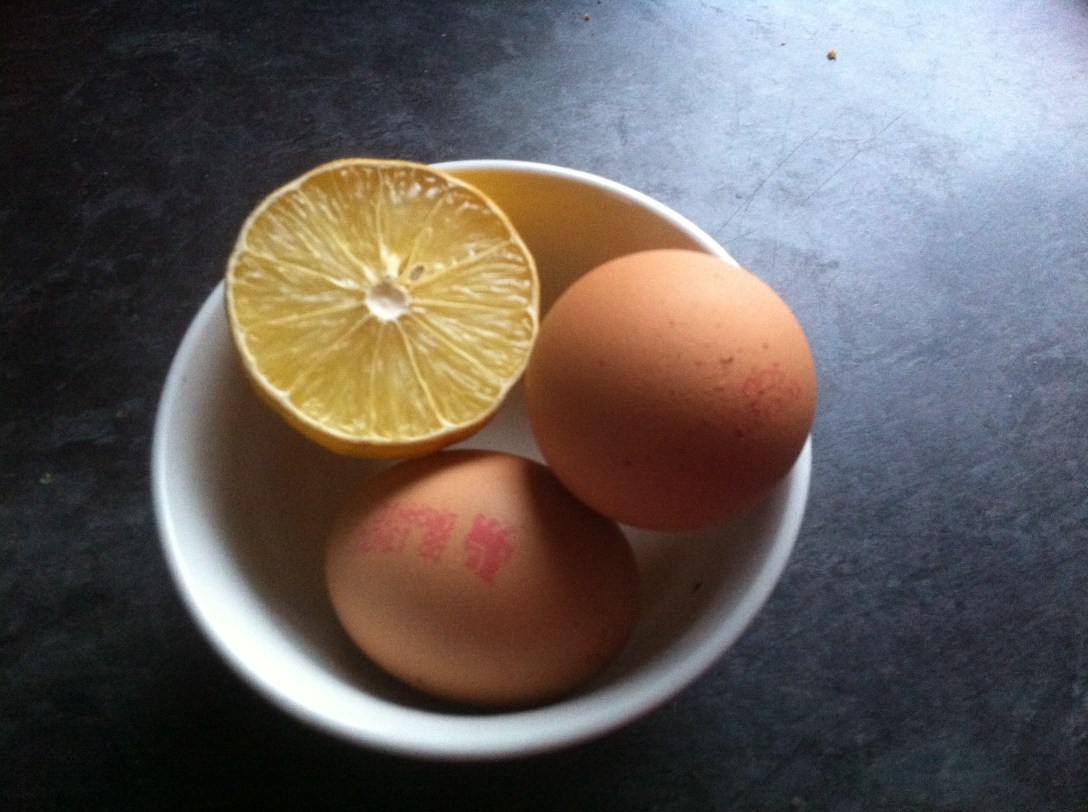
All you need (almost) for Greek moussaka.

This week I had a large pot of Greek yoghurt seeking a happy culinary ending so I decided to make a moussaka.

Lots of moussaka recipes use a béchamel sauce which obviously pushes up the carbohydrate content and make it unsuitable for coeliacs because of the flour in the sauce, and as I was going to be entertaining a coeliac then this version is ideal for the gluten-free AND the low-carber.

I like mince done in the slow cooker as I think you get a concentrated flavour (and it’s easier), but I’ve also given you the conventional method for cooking the mince part.

Gluten-Free Low Carb Moussaka

  • Servings: 4 generous portions
  • Difficulty: easy
  • Print

  • 500g lamb mince
  • 1 onion, finely sliced
  • 2 cloves garlic, crushed
  • 1tsp ground cinnamon
  • 1tbsp ground cumin
  • 400g tinned, chopped tomatoes
  • 1tbsp tomato puree
  • Fresh rosemary, finely chopped (about 1tsp)
  • 1 large aubergine, sliced
  • 2tbsp olive oil
  • 500g Greek yoghurt
  • 2 large eggs
  • 50g freshly grated Parmesan
  • Salt and freshly-ground black pepper

For the slow cooker method:

Place the mince, onion, garlic, tinned tomatoes, ground cinnamon, ground cumin, rosemary, tomato puree and 1tbsp olive oil in your slow cooker and mix very well. Top up with enough water to cover.

Cook on slow for 6-7 hours, or high for 4 hours.

For the conventional method:

Heat 1tbsp olive oil in a large sauce pan and brown the lamb mince, breaking up clumps with a wooden spoon as it cooks. (You might need to do this in two batches). Once the meat has browned and excess water boiled off (about 10 minutes, add the onions, garlic and herbs and cook, stirring, for another three or four minutes. Add the tomatoes and tomato puree, mix well and add in a little water – about 100-200mls. Bring to the boil.

Cover, turn down to a simmer and cook for 30 minutes. You might need to take the lid off for the last few minutes to condense the sauce. You are looking for a thick, concentrated sauce.

For both methods:

Season the lamb well with salt and pepper.

Meanwhile, cook the aubergine slices. Brush the slices with the remaining tbsp olive oil, sprinkle with a little salt and pepper and cook in a pre-heated oven (180 degrees C) for 15 minutes.

Beat the two eggs and mix with the yoghurt. Using a large rectangular, oven-proof casserole dish, layer up the lamb, then aubergine slices, then lamb, a final layer of aubergine and top the lot with the egg/yoghurt mixture, and the grated cheese.

Cook for 30 minutes in the pre-heated oven until the topping is golden-brown.

This moussaka has approximately 20g of carbs per serving.

Happy New Year from the Diabetes Diet!

Cheers to you all!
Cheers to you all!

Happy New Year!

Here at the Diabetes Diet we’d like to take this opportunity to wish you all the very best in 2015.

Is this your year for committing to a low-carb lifestyle to help you manage your blood sugar levels? If so, you’ll find plenty of resources on this website to help you, but there is also detailed advice and guidance (including how to manage your medications when low-carbing) in the Diabetes Diet book.

(Forgive our little plug…)

In the meantime, we hope the New Year brings you a whole lot of good health and happiness.


Pic thanks to Flickr.

Sugar and Disease – Coincidence or Reality? By Ruth Buttigieg

17616-sugar-lips-pvOver the past few year, sugar has been a main focus of media outlets. There have been TV programmes dedicated to debating the positives and negatives of sugar. However, rather than shedding some light on the topic, they have added to the confusion.

So, how does sugar impact our overall health?

Unfortunately, the terms sugar and carbohydrates are often used interchangeably and thus create more confusion than needs be. To clarify, in food science, sugars can be either simple (examples such as glucose and fructose) or complex (such as lactose, starch & dietary fibre) carbohydrates.

Granulated sugar on the other hand, is made up of sucrose – a complex carbohydrate molecule consisting of glucose and fructose in a 1:1 ratio).

Carbohydrate Metabolism

Carbohydrate digestion starts in the mouth through salivary action, however, the majority of digestion happens in the intestine through the action of a series of enzymes.  This degradation is needed as it allows for carbohydrates to be absorbed easily through the intestinal lining.

The main digestive difference between simple and complex carbohydrates is that simple carbohydrates do not need further digestion and thus are absorbed in their entirety.

Continue reading “Sugar and Disease – Coincidence or Reality? By Ruth Buttigieg”

Carbohydrates & Cardiovascular Disease – A Response, by Ruth Buttigeig

CVD 2014 so far has been a rocky road for carbohydrates. The media has come out voicing  concerns against the consumption of carbohydrates, especially sugar, in the diet.

However, there is still much opposition to the issue of reducing carbohydrates in the diet,  such as this article published in the Proceedings of the Nutrition Society by Ian  Macdonald, a member of the European Scientific Advisory Council for Coca Cola Europe,  The Nutrition Advisory Board for Mars Europe and the Mars Scientific Advisory Council  for Mars, Inc.

In this article, the author begins by stating that carbohydrates are necessary as a fuel  due to the body’s dependence on glucose to supply the brain, red blood cells and other tissues with energy. By making such a statement, the author is deliberately neglecting the biochemical fact that the human body is able to run on other dietary fuels such as protein and fat.

Non-Carbohydrate Precursors

In light of this statement I refer you to the Biochemistry textbook written by Berg, Tymoczko & Stryer 2012(1). In particular I refer you to Chapter 16.3 “Glucose can be synthesised from non-carbohydrate precursors”; Chapter 21 “Glycogen Metabolism”; Chapter 22 “Fatty Acid Metabolism”. This textbook is on the required reading list for the majority of university modules that deal with biochemistry and the human body.

Continue reading “Carbohydrates & Cardiovascular Disease – A Response, by Ruth Buttigeig”

How to Cope with Carb Cravings

You know you want me, you do you do you do...
You know you want me, you do you do you do…

So I think we are all agreed that eating the low-carbohydrate way is the best diet for health and wellbeing if you have diabetes (type 1 or type 2)..?

Inevitably, however, there will be times when the dreaded carb cravings strike. And as we have Christmas ahead of us, there will certainly be temptations a-plenty calling our name.

It is very easy to over-eat carbohydrates. They don’t have the same satiating effects that protein has on the body, and the soaring blood sugars you get afterwards are horrible (and it can take a long time to get them under control again).

So, general advice given to beat cravings often mentions general avoidance tactics such as going for a walk, or phoning a friend. That’s the kind of advice, I suspect, written by people who don’t suffer from cravings. If you get them, you’ll know they can be very, very powerful indeed.

Trigger Foods

The first thing to do is to work out your trigger foods* – bread, crisps, chocolate or perhaps all three – and don’t keep them in your house, if possible. Cravings often strike in the evening (will power fatigue has set in) so having to go out of the house to buy your temptation of choice adds obstacles to the path. Continue reading “How to Cope with Carb Cravings”

Was Winnie the Pooh the Ultimate Caveman? By Ruth Buttigieg

The world's favourite bear...
The world’s favourite bear…

“Well,” said Pooh, “what I like best,” and then he had to stop and think. Because although Eating Honey was a very good thing to do, there was a moment just before you began to eat it which was better than when you were, but he didn’t know what it was called.”

A.A. Milne, Winnie-the-Pooh

We all have fond memories of Winnie the Pooh and his adventures in The Hundred Acre Wood, not to mention his constant appetite for honey.

Honey is frequently hailed as a superfood, not to mention other health uses such as an antiviral and as an anti-fungal. Whilst these latter claims are well substantiated and have strong scientific claims behind them, the use of honey as a “healthy” sugar substitute or as a superfood are less-than glorious.

The micro-nutrient content of honey consists mainly of vitamin B6, thiamine, riboflavin and niacin. However, from a nutrition perspective, that’s all – 5% of the total honey content. The other 95 percent is made up of a variety of carbohydrates, the main one being fructose. Continue reading “Was Winnie the Pooh the Ultimate Caveman? By Ruth Buttigieg”

Venison Burgers

Our local butcher was running a special offer on venison recently – venison sausages, venison mince and diced venison for £10 – so we stocked up. It seemed like a seasonal thing to do and venison is local to Scotland, abundant and good for you (high in protein and stacked full of vitamins and iron).

You pick up loads of ideas from reading food blogs (and there are so many good ones out there!) so I had spotted a seasoning mix for burgers on The Migrant Chef’s Blog. It was for beef burgers, but no reason for the mix not to be used for a venison version I reckoned. This is my adapted version.

Venison Burgers

  • Servings: 4
  • Difficulty: easy
  • Print

Venison Burgers – makes four

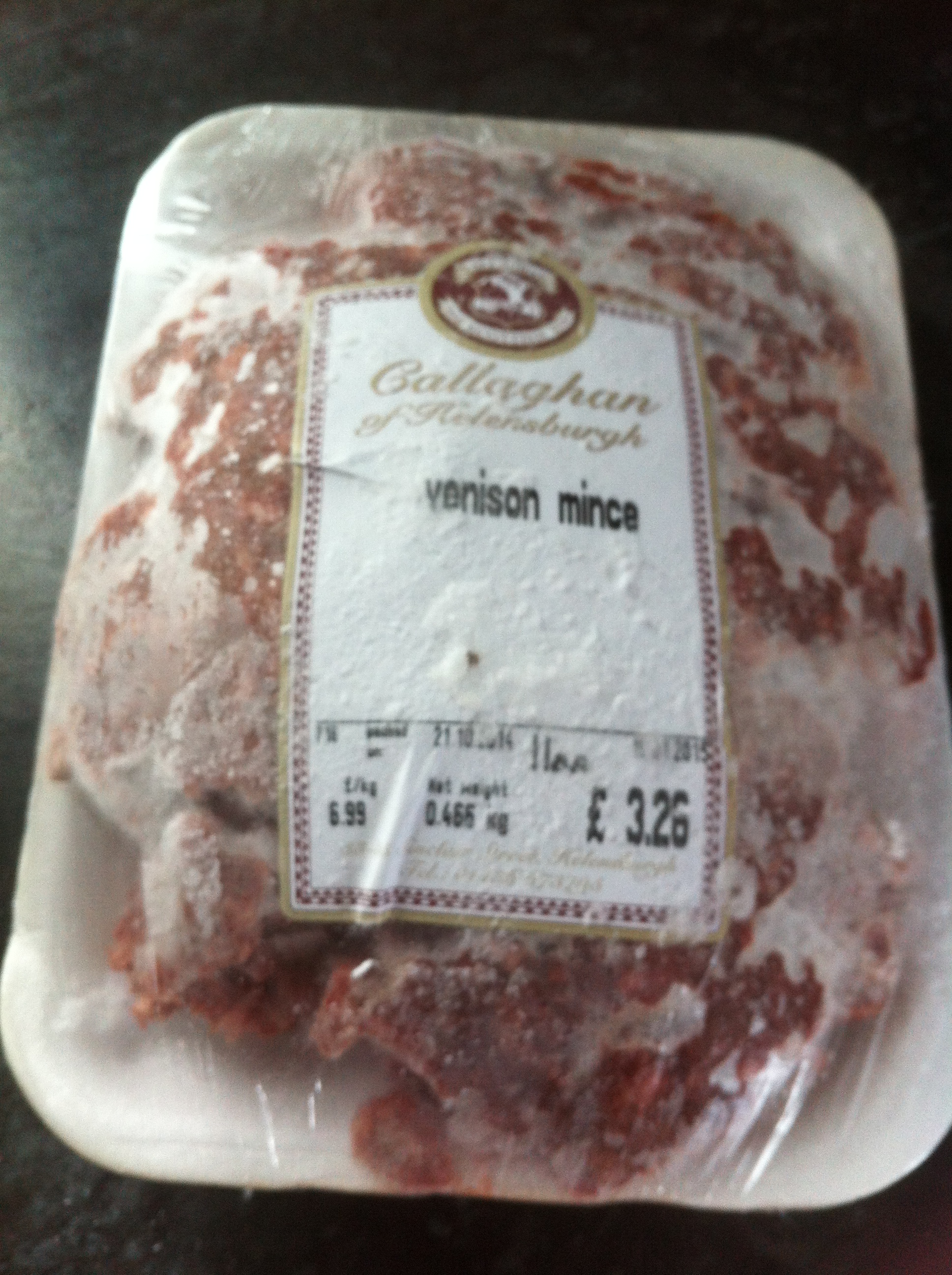
Frozen venison mince (de-frost fist obviously...)
Frozen venison mince (de-frost first obviously…)
  • 454g (1lb) minced venison
  • 1½ tbsp hot paprika
  • 1tsp Liquid Smoke (or 1tsp sugar)
  • 1 tsp salt
  • 1 tsp freshly grounded black pepper
  • 1 tsp garlic powder
  • 1 tsp onion powder
  • 1/2 tsp dried thyme, or mixed dried Italian herbs
  • ½ tsp cumin

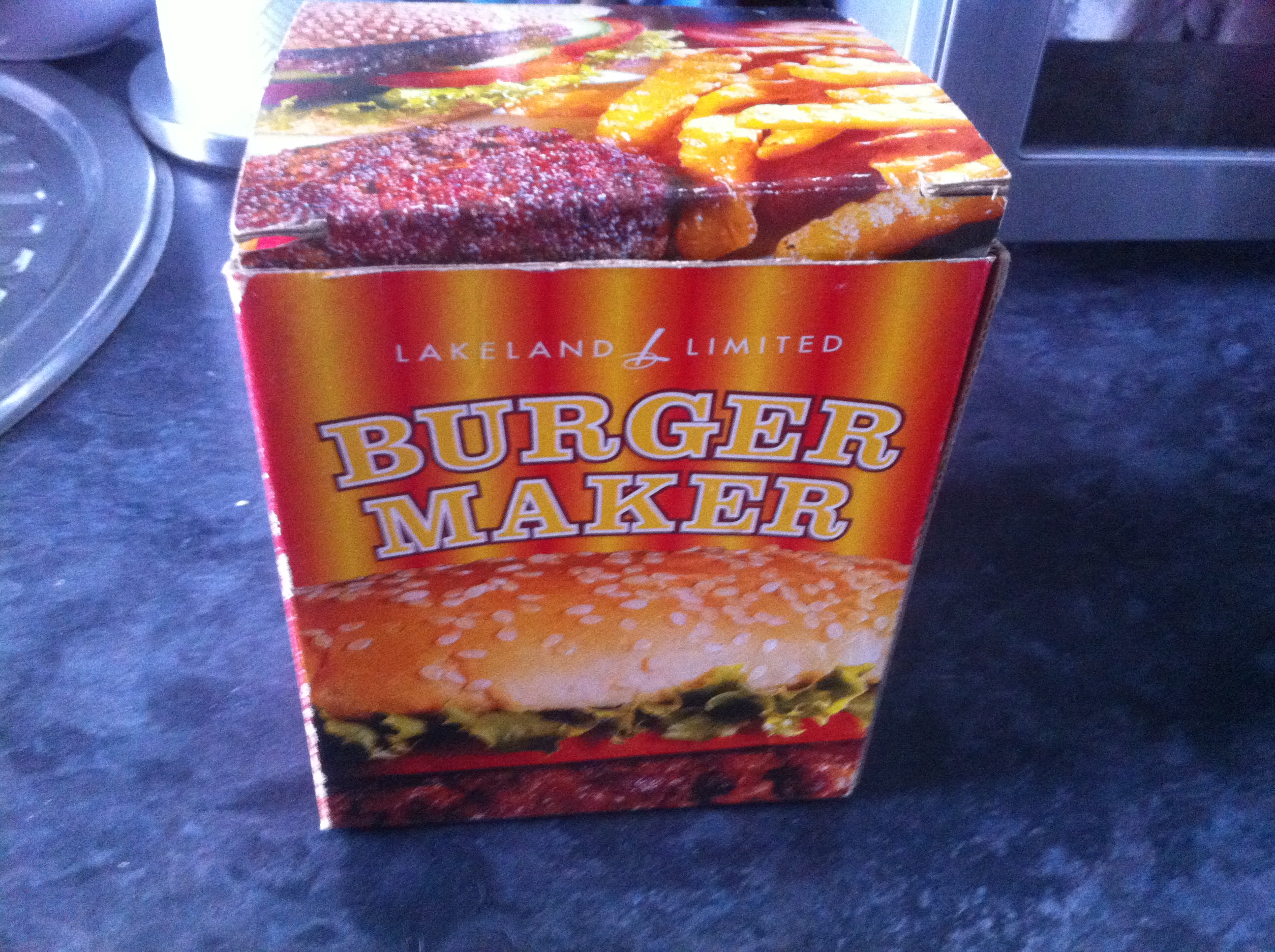
Measure out all of the seasonings and place the venison in a bowl. Mix with the seasonings (the easiest way to do this is by hand) so that everything is combined well. Shape the mix into four burgers (if you make burgers on a regular basis, it is worth investing in a burger press which can be bought at Lakeland and other kitchen stores).

Chill the burgers for half an hour in the fridge.

Heat a griddle pan on the hob until very hot (spray lightly with oil to stop the burgers sticking). Cook each burger for three-to four minutes on each side – I find it best not to repeatedly turn the burgers as that makes them stick and disintegrate. Less cooking time means a rarer burger, so this is up to your personal preference.

Serve your burgers topped with guacamole or finely sliced onions fried in butter, and a hearty salad

burger pressWhy is venison good for you?

  • It has more protein than any other red meat (so it’s satiating)
  • It is richer in iron than beef, so it is good for your energy levels
  • It has lots of B vitamins – B2 (riboflavin) and B3 (niacin), which help to regulate metabolism; and vitamin B6 and B12, which might lower homocysteine build-up in the blood, therefore lowering the risk of heart attacks and strokes.


Home-Made Salad Cream

I was on an extended train journey the other day (ten and a half hours…) and beforehand I’d nipped into the supermarket to buy some food to take with me, reasoning correctly as it turned out, that sandwiches, crisps, cakes and sweets would be the only foods available to buy on board,

Anyway, I bought a ham and egg salad which came complete with a small sachet of salad cream. As a girl, I loved salad cream, but as I got older it lost its appeal to what is often thought of as the much more sophisticated dressing – mayonnaise.

Ah but the creamy yellow tangy yet sweet taste of salad cream is delicious! Make your own and you miss out the chemical nasties that often go into commercially-produced sauces and dressings AND you get to make it sugar-free.

I adapted this recipe from a James Martin original on BBC Good Food.

Home-Made Salad Cream

  • Difficulty: easy
  • Print

2 large eggs, hard boiled – yolks only

2tbsp English mustard

½ lemon (juice only)

1tsp granulated sweetener

3tbsp cider vinegar

150ml crème fraiche

150ml light olive oil

Salt

Place all of the ingredients, except for the oil and seasoning into a blender. Blend until the mixture starts to thicken and then gradually add the oil (in a thin trickle). You should end up with a smooth, thick sauce. Season to taste and serve.

Store this in the fridge and use within a week or so. One tablespoon has approximately 1g of carbs.


Spicy Chicken Stew – Low-Carb and Slow Cooker Friendly

Is there a word for someone who eats the same meals day in/day out? Is it a new diet trend about to be reported in the Huffington Post a la mono eating?

Not yet – well, not yet, according to my crude Google searches, but I’d like to promote it. I’m the kind of person who will happily eat the same meal for dinner four nights in a row. It’s nice and easy (you only prepare food the one night and then that’s dinner sorted for the next four evenings), it means no waste and less shopping.

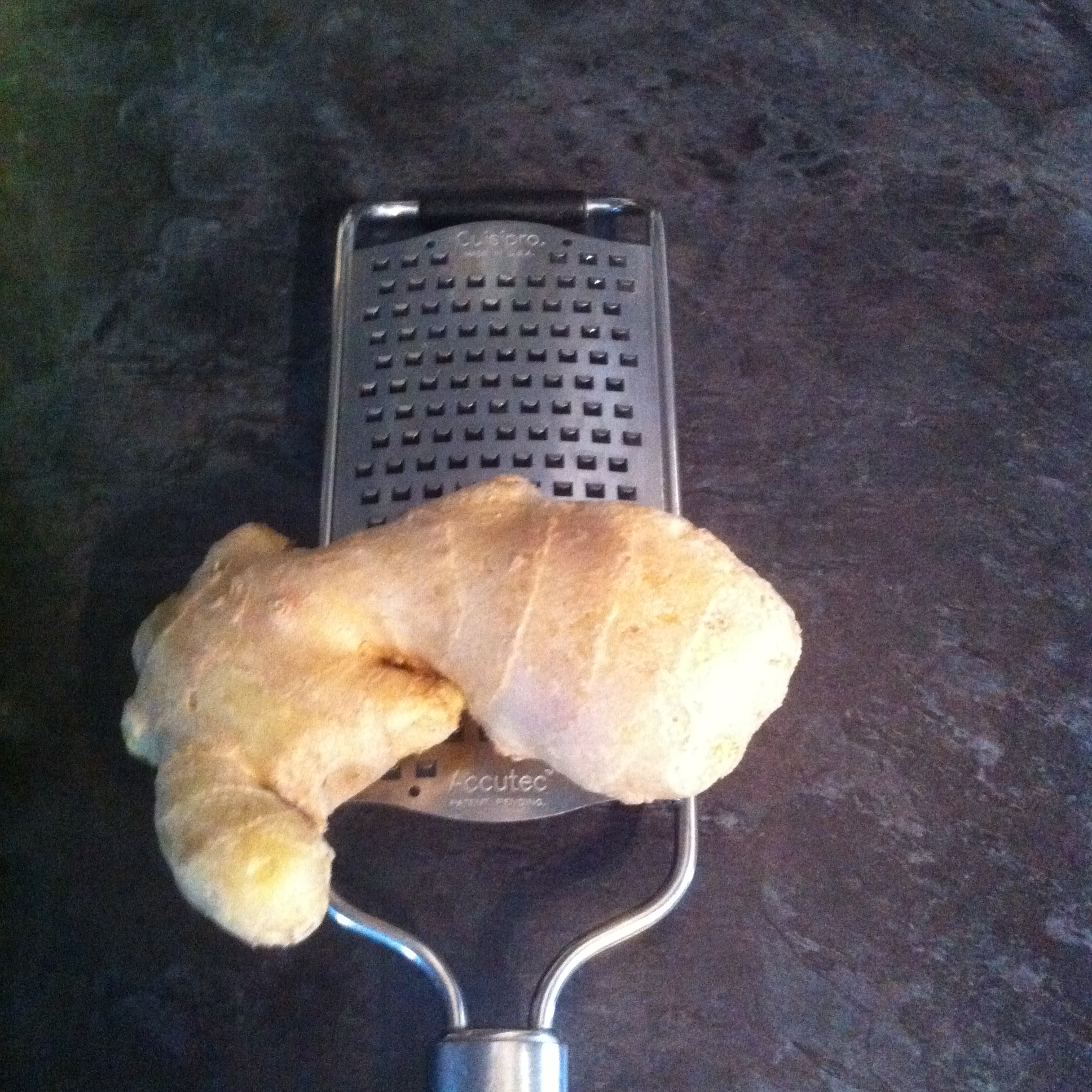
A good grater makes grating ginger easy-peasy.

Nobrainermuscle.com puts forward some very good reasons for eating the same meals day in/day out because it’s low maintenance, easier and good for tracking. My version is perhaps slightly different – eat the same meal for four or five days and then change to another option for the next few days.

Anyway, that was a long and round-about introduction to another great, low-carb recipe. I first spotted this recipe on the rather fabulous eatdrinkpaleo website. The urge to tweak is always there with me, so I made the dish my own with a few substitutions and turning it into a one-pot slow cooker version. No browning and one dish only.


Spicy Chicken Stew – Serves 4

  • 1tbsp coconut oil
  • 6 skinless, boneless chicken thighs
  • 1 medium onion, finely sliced
  • 4 cloves garlic, finely crushed
  • 2-3tbsp freshly grated ginger
  • 1tbsp ground cumin
  • 1tbsp turmeric
  • 1tbps hot paprika
  • 2-3 fresh chillies (omit seeds for a milder flavour)
  • 4 cloves
  • 500g passata
  • 3tbsp tahini paste
  1. Place all the ingredients in your slow cooker, mix well to combine. You might need to add a little water – just make sure all the chicken is covered with liquid. Cook on a slow setting for seven hours. Remove the cloves, then use forks to shred the chicken and season well with salt and pepper.
  2. This is good served over steamed cauliflower or broccoli.
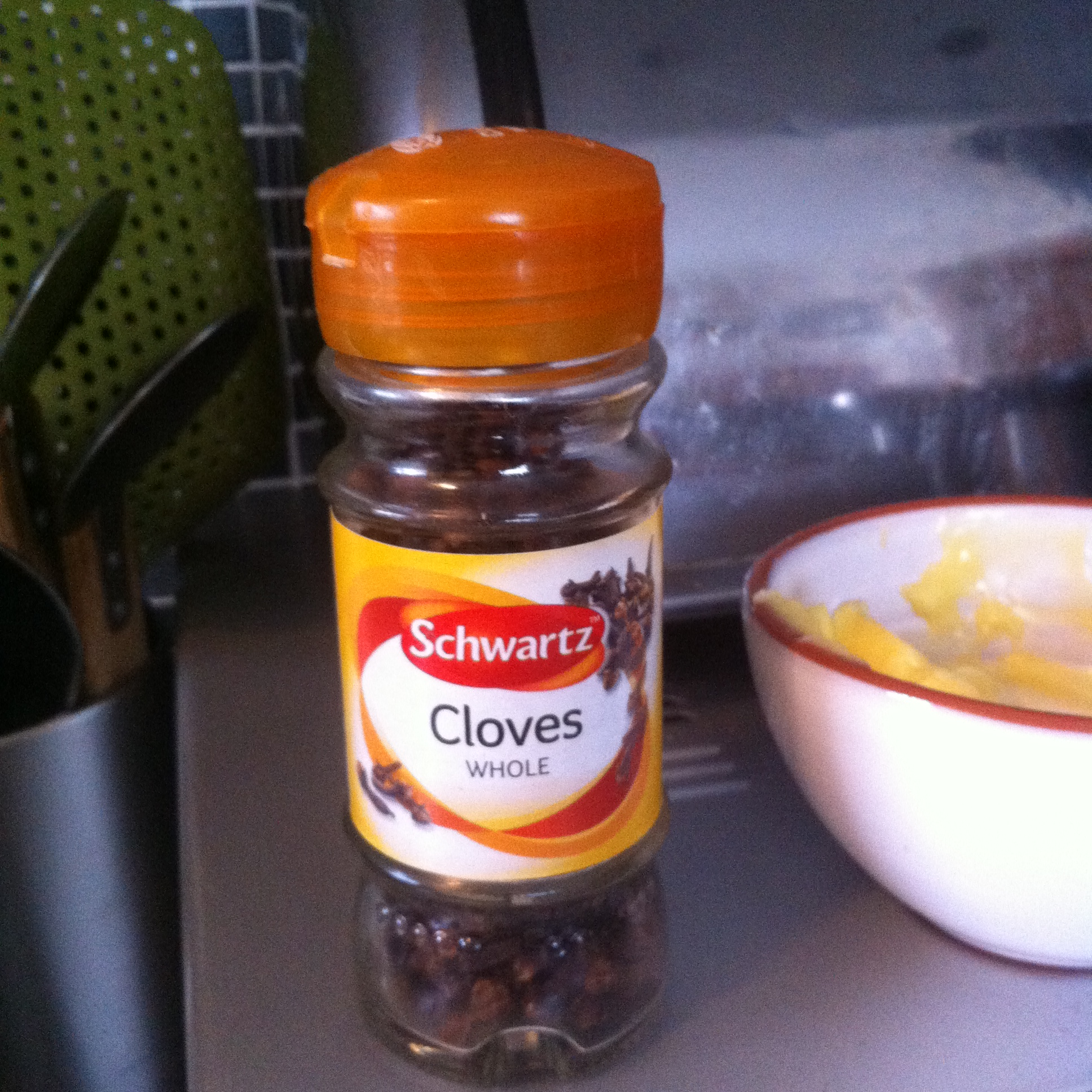
Kudos to anyone who can suggest what to do with the rest of the cloves...
Kudos to anyone who can suggest what to do with the rest of the cloves…