National Obesity Forum promote low carb/high fat diet at last

The National Obesity forum has published a report supporting the high fat, low carb diet for tackling the obesity and diabetes epidemic.  In response, the usual chorus of disapproval has been wheeled out to counter the report.

As supporters of the high fat, moderate protein, low carb diet we present both sides of the argument as given in today’s BBC online news, just for a bit of fun and entertainment.

The Public Health Coalition will be publishing an almost identical report when it goes live in three weeks time, not surprising since Dr Aseem Malhotra has strong links with both organisations, which have the same aims, and now are backing the same strategy.

LA2-vx06-konsthallen-skulptur

Advice to eat more fat is irresponsible and potentially deadly, Public Health England’s chief nutritionist has said.

Dr Alison Tedstone was responding to a report by the National Obesity Forum, which suggests eating fat could help cut obesity and type 2 diabetes.

The charity said promoting low-fat food had had “disastrous health consequences” and should be reversed.

Other experts have also criticised the report saying it cherry-picked and misquoted evidence.


Dr Aseem Malhotra, a senior adviser to the National Obesity Forum, said: “The change in dietary advice to promote low fat foods is perhaps the biggest mistake in modern medical history.

“We must urgently change the message to the public to reverse obesity and type 2 diabetes. Eat fat to get slim, don’t fear fat, fat is your friend.”

Risk

Dr Tedstone responded by saying: “In the face of all the evidence, calling for people to eat more fat, cut out carbs and ignore calories is irresponsible.”

She said thousands of scientific studies were considered as part of the official guidance adopted throughout the UK, whereas the National Obesity Forum quoted just 43 studies, some of which were comment pieces.

She added: “It’s a risk to the nation’s health when potentially influential voices suggest people should eat a high fat diet, especially saturated fat. Too much saturated fat in the diet increases the risk of raised cholesterol, a route to heart disease and possible death.”

 

Butter_curls.jpg

The report argues:

  • Eating fat does not make you fat
  • Saturated fat does not cause heart disease and full-fat dairy is probably protective
  • Processed foods labelled “low fat”, “lite”, “low cholesterol” or “proven to lower cholesterol” should be avoided
  • Starchy and refined carbohydrates should be limited to prevent and reverse type 2 diabetes
  • Optimum sugar consumption for health is zero
  • Industrial vegetable oils should be avoided
  • People should stop counting calories
  • You cannot outrun a bad diet
  • Snacking will make you fat
  • Evidence-based nutrition should be incorporated into education curricula for all healthcare professionals

The report also said humans had evolved to be a “healthy well-nourished species with a long life expectancy”, but this had gone wrong in the past 30 years.

It said there was too much focus on calories when “it is highly irrelevant how many calories a portion of food on a plate contains” and it was “untrue” that excessive calories caused obesity.

Naveed Sattar, a professor of metabolic medicine at the University of Glasgow, said the report was “good, bad and ugly”.

He backed calls to cut snacking, but said eating more fat as a cure for obesity and type 2 diabetes was “not warranted” by the evidence and would have “adverse” consequences.

He said the authors had been selective in their choice of evidence and had ignored “an abundant literature which goes against their conclusions”.

The government’s obesity adviser Prof Susan Jebb said the “current dietary advice is based on the best evidence we have”.

She said the debate should be widened from a focus on fat. “We’re eating too many calories – if we want to tackle obesity people do need to eat fewer calories [and] that means less fat and less sugar.”


The Faculty of Public Health’s Prof Simon Capewell said the focus on nutritional guidelines was “a huge distraction from the real causes of obesity” such as advertising cheap junk food to children.

And he said he was worried that the National Obesity Forum report “is not peer reviewed and does not indicate who wrote it or how it was funded”.

The National Obesity Forum says it is an independent organisation that receives professional and financial support from the food industry, pharmaceutical companies and medical bodies.

Dr Nita Forouhi, says the contains some important omissions and some references had been misrepresented such as the recommendations around vegetable oils.

The scientist, at the MRC epidemiology unit at the University of Cambridge, told the BBC: “This is a highly selective review, it is not a systematic appraisal of the evidence and in places opinions are expressed that are not backed up by a body of evidence.”

She praised the call to lower refined carbohydrates, but said the overall message to cut carbs ignored the issue of quality as “we do need wholegrain carbs and fibre in out diet”.

Prof Tom Sanders from King’s College London said: “It is not helpful to slag off the sensible dietary advice.

“The harsh criticism of current dietary guidelines meted out in this report is not justified as few people adhere to these guidelines anyway.

“There is good evidence that those that do follow the guidelines have less weight gain and better health outcomes.”


 

Freestyle Libre: continuous blood sugar monitor available in the UK

Freestyle have released the first reasonably priced continuous blood sugar monitor in the UK. Unfortunately it is not yet available on the NHS. You can purchase it for £157 and get extra sensors which each last two weeks for just short of £60 each.

Most blood test strips cost between 30p and 50p each. Most type one diabetics will be using 5 or more test strips a day. This costs £9,125 per person based on 5 strips at 50p each. A years supply of sensors for the Freestyle Libre will cost £1,508 so you can see that it has been priced fairly reasonably.

The new system works by having a sensor, about the size of a ten pence piece, inserted in the triceps area of the upper arm for up to two weeks at time. The adhesive is strong enough to withstand daily baths, showers and swimming activities. After an hour the new sensor is good to go.

After initial programming with your personal blood sugar targets, the mobile phone sized monitor picks up not only your blood sugar but shows the trend in which it is directed by means of directional arrows. This is perhaps the most important feature of the new machine. It would be really helpful for most people to know this when they are about to drive for instance, or if they are trying to address rising blood sugars during an attack of flu.

The number of times you can check your blood sugar with the Freestyle Libre is limitless and there are well designed graphics to show you how your blood sugars have performed over time.

80% of the costs of diabetes on the NHS is related to the treatment of complications. It seems to me that it would be money well spent for the NHS to invest in this new technology that can help diabetics control hypoglycaemia better as well as helping them keep their blood sugars in range and avoid high blood sugars. DTR_Libre_6995.jpg


Tomato Basil Cream Chicken

Lots of basil and tomatoes in season right now, enjoy!

nourishedpeach's avatar

SONY DSC

This is something I make fairly often and realized just this week that I have yet to share the recipe with you.  You’ll have it on the table in the blink of an eye and it may be devoured just as quickly, too.

This Tomato Basil Cream Chicken is the perfect dish for those times when you are wanting yummy tomato flavor but are unable to get your hands on delicious, home-grown varieties.  Store-purchased roma tomatoes are all you need-sounds blah, no?  But let me just tell you how this whole deal works…I’m sure I can convince you to get the “blah” out of your brain…

View original post 492 more words

Eggs make a good start to the day


Eggs have been shown to improve satiety and increase circulating HDL. They contain nutrients that may reduce the risk of T2D and CVD. Current guidelines regarding egg consumption and dietary cholesterol intake differ among countries: Australia recommends a max of 6 egg/wk for people with T2D. The US recommends that patients with T2D limit dietary cholesterol to <300 mg/d and <4 eggs/wk; and the UK has no suggested limit, but they do emphasize a dietary reduction of saturated fatty acids. Previous studies regarding the effect of a high-egg diet had confounding factors and/or limitations with respect to data. Australian researchers decided to address those limitations by analyzing the health effects of a high-egg diet.

In a 3-month prospective RCT, 140 patients with BMI >25 kg/m2, and either prediabetes or T2D, were randomly assigned to 2 diet groups. Patients in the high-egg group consumed 2 eggs/day for 6 days/wk, while the low-egg diet group consumed <2 eggs/wk with 10 g lean protein for breakfast. The primary outcome was change in HDL cholesterol at 3 months, while changes in anthropometric measurements, vital signs, nutritional analysis, and satisfaction were all doneeggs secondarily. Blood samples were collected for FBG, HbA1c, lipid panel, C-reative protein, apolipoprotein B, CBC, thyroid function, liver and renal function. Height and waist circumference was measured and a patient food diary was collected at baseline and 3-months. Questionnaires were used to obtain food, physical activity and quality of life information from the patients.


The study results showed that there were no significant differences in HDL from screening to 3 months between the two groups. There were also no significant differences in total cholesterol, LDL, TGs, or apolipoprotein B. Both groups had no significant differences in FBG or HbA1c. Waist circumference, total body fat, fat free mass, BP, and HR did not show any significant differences. Both group had an increase in overall satisfaction with the diets they were on. However, the high-egg group showed a higher enjoyment with the food they were eating and were less bored with food options. The high-egg group also trended toward being more satisfied with a high-egg diet compared to a low-egg diet with a significantly greater satiety and less hunger reported after breakfast.

Previous studies and current guidelines do not provide a clear message as to the whether eggs are safe and suitable as a dietary protein source for people with T2D with a high risk for CVD complications. This study showed there were no significant differences in circulating HDL, LDL, TC, or TGs between the high- and low-egg diet groups. The high-egg diet group also showed a significantly greater food-acceptability score and scored their diet with less hunger and greater satiety after breakfast; this suggest that a high-egg diet does not result in boredom and may likely improve nutritional management in patients with T2D.

Practice Pearls:
•This study compared the health effects of a high-egg diet (2 eggs/day for 6 days/wk) with a low-egg diet (<2 eggs/wjk).
•The high-egg diet group showed no significant difference in their lipid panel at 3 months, compared to the low-egg diet group.
•Test patients showed a greater satiety after breakfast and greater food-acceptability in the high-egg diet, suggesting that a high-egg diet can be used to help improve nutritional management.

NR Fuller. The effect of a high-egg diet on cardiovascular risk factors in people with type 2 diabetes: the Diabetes and Egg (DIABEGG) study –a 3-mo randomized controlled trial. Am J Clin Nutr. 2015; 101: 705-713.


Based on an article in Diabetes in Control April 2016

Dr Peter Attia’s advice on dodging death

Do you want to live to a good old age? Researcher Dr Peter Attia discussed his top tips with paleo diet enthusiast Chris Kresser in March 16. This is summary of what he had to say.

Henny Nonne (geb. Heye), Max Nonne
Professor Max Nonne und Frau [Henny Nonne], geb. Heye
There are a few obvious big things that we can all do to dodge death at a prematurely.

  1. Choose to be a non- smoker.
  2. Don’t die by suicide.
  3. Avoid accidental deaths.  Most of these are caused by three things, Road Traffic Accidents, accidental poisoning, including the wrong use of prescription medication, and falls. You can minimise these by using a seatbelt, driving carefully, particularly at junctions, not using the phone when driving and avoiding any alcohol use at all when driving.  When you are a pedestrian be wary of drivers, cross the road in safe places and be very careful regarding alcohol intake.
  4. About 80% of all deaths in the over 40s are caused by the diseases of civilisation: atheromatous disease causing heart attacks and strokes, cancer and neurodegenerative disease such as Alzheimer’s and Parkinson’s disease.  Some of these have a genetic basis that we can do nothing about, but there are lifestyle measures you can take to delay or avoid them.
  5. Keep your blood glucose and therefore blood insulin levels low and with a low level of variability. A high fat, moderate to low protein and low carbohydrate diet is best for this. Dr Attia’s opinion is that 20% carb 20% protein 60% fat is about right.
  6. Avoid stress. There are two components to this. To feel fulfilled and happy you need meaning in your life. You will be happier if you can give support to others and receive it from them too. Minimise stress if you can. Consider meditation practice.
  7. Get a good sleep every night. Sleep deprivation causes severe insulin resistance. Keep the bedroom completely dark. Keep it cool to even cold. Avoid blue light from computers, phones or lights for several hours before sleep. Consider using melatonin, phosphatidylserine, magnesium, L-threonate and vitamin D to enhance your sleep if you are not sleeping well.
  8. Exercise. This has stress benefits of its own and also improves glucose uptake into the muscles if the right exercises are done. For best increase in muscle insulin sensitivity Peter advises squats and deadlifts done with good form and with very heavy weights.
  9. Decide what you are going to do for your optimum benefit and then change your habits so that they become second nature. Repetition is the key.
  10. 151985627_f76043167b_b.jpg

Bacteria that causes gum disease and arterial plaques identified

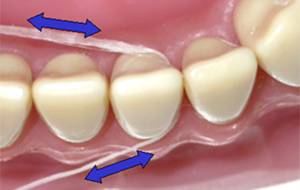
Floss4

A study, published in Infection and Immunity, has clarified the mechanism behind a known link between gum disease and heart disease. Periodontitis, which results in an infection that damages the soft-tissue surrounding teeth and the bone supporting the teeth, is commonly caused by Porphyromonas gingivalis. P. gingivalis is a Gram-negative anaerobe that colonizes mouth tissues for lengthy periods of time after initial infection. It is commonly found within the arterial plaques common to heart disease patients.

The study authors discovered that the bacteria alters the gene expression of pro-inflammatory proteins that also promote coronary artery atherosclerosis. This was discovered by infecting cultured human aortic smooth muscle cells with P. gingivalis. Aortic smooth muscle cells were used because they contract the aorta after the pumping of the heart stretches it out.

After P. gingivalis was injected into the cells, the bacteria released gingipains. Gingipains are enzymes that change the ratio between different angiopoietins (inflammatory proteins) in such a way that inflammation is increased. The pro-inflammatory angiopoietin 2 had its expression increased by the gingipains, whereas the anti-inflammatory angiopoietin 1 had its expression reduced. P gingivalis was found to affect the levels of these proteins independent of tumor necrosis factor (TNF).

The study is significant because it helps to pinpoint the relationship between periodontitis and heart disease. Further research can help clarify potential targets for treatment of atherosclerosis.

Practice Pearls:
•Periodontitis and heart disease share a common pathogen, P. gingivitis.
•A study found that P. gingivitis alters gene expression to increase production of the pro-inflammatory protein angiopoietin 2 and decreases presence of the anti-inflammatory protein angiopoietin 1. This results in increased atherosclerosis.
•The study further clarifies the cardiovascular risk of poor oral health and hygiene.

Paddock C. Scientists uncover bacterial mechanism that links gum disease to heart disease. published in the journal Infection and Immunity. September 14, 2015.

Published in Diabetes in Control September 15

Diabetics benefit from moderate red wine with meals

hqdefault (1)

Red wine consumption has been linked with improved cardiovascular outcomes in patients. The results of a new study published in the Annals of Internal Medicine suggest that these benefits extend to diabetic patients as well. In addition, moderate consumption did not cause liver damage.

The study was a two-year randomized clinical trial that took place in Israel. The study included 224 randomly assigned subjects who were all following the Mediterranean diet without caloric restriction. All subjects were alcohol-abstaining and had well-controlled type 2 diabetes. The subjects were randomly assigned to drink 150 mL of mineral water, white wine, or red wine with dinner for the duration of the trial.

The study authors looked at two primary outcomes: lipid profiles and glycemic control. Patients in the red wine group saw their HDL cholesterol levels significantly increased by 2.0 mg/dL (95% CI, 1.6 to 2.2 mg/dL; P < 0.001) and their apolipoprotein(a)1 levels increased significantly by 0.03 g/L (95% CI, 0.01 to 0.06 g/L; P = 0.05). Furthermore, their total cholesterol to HDL cholesterol ratio decreased by an average of 0.27 (95% CI, -0.52 to -0.01; P = 0.039). Red wine also reduced the number of components of metabolic syndrome by 0.34 more than the mineral water group (95% CI, -0.68 to -0.001; P = 0.049).

Red and white wine patients who were slow ethanol metabolizers (carriers of the ADH1B*1 alcohol dehydrogenase allele) had significant improvements in fasting plasma glucose, insulin resistance, and hemoglobin A1c. Fast ethanol metabolizers (patients homozygous for ADH1B*2) did not see these benefits.

There were no changes among the groups for blood pressure, adiposity, drug therapy, symptoms, or liver function. This suggests that moderate wine with dinner will not cause liver damage. There was one quality of life improvement that patients in both wine groups saw over the mineral water drinkers: increased sleep quality (P = 0.040). Overall, this study suggests that moderate red wine intake in well-controlled diabetics in conjunction with a healthy diet is safe and improves lipid profiles. Patients who are slow ethanol metabolizers may also have glycemic control benefits.

This trial did have several flaws though. Patients and researchers both knew which group consumed what beverage. This could potentially have influenced the increased sleep quality reported in both wine groups. Perhaps more importantly, all the patients in this study were already adhering to a healthy Mediterranean diet, which is suspected to improve heart health itself and had well-controlled diabetes. Further studies are needed to elucidate the mechanisms and extent of ethanol’s benefits, especially in patients who are not well-controlled or consuming ideal diets. Patients should be cautioned that red wine consumption is not a substitute for heart or diabetes medicine.

Practice Pearls:
•In a study of well-controlled diabetes patients adhering to the Mediterranean diet, 150 mL of red wine with dinner improved lipid profiles.
•Patients who were slow ethanol metabolizers had improvements in glycemic control in both the red wine and white wine groups.
•The red wine and white wine groups did not have differences in liver function with the mineral water group.

Gepnyer Y, Golan R, Harma-Boehm I, et al. Effects of Initiating Moderate Alcohol Intake on Cardiometabolic Risk in Adults With Type 2 Diabetes: A 2-Year Randomized, Controlled Trial. Ann Intern Med. 2015 Oct 13. Epublished ahead of print. doi: 10.7326/M14-1650.

From Diabetes in Control October 15