Who is more likely to have poor glycaemic control?

maxresdefault (2)An analysis of the ACCORD trial has shown that African Amercans, insulin users, and patients who have episodes of severe hypoglycaemia are at considerably higher risk of running hba1cs over 8%.

The trial showed that middle aged and elderly patients with an increased cardiovascular risk had a lower total mortality rate if their HbA1c ran between 7 and 8%.  The patients enrolled were all getting free drugs and free medical care so that affordability did not impact on results. The idea was to intensify drug treatment if the patient did not get an A1c below 8% and they saw physicians every 4 months to track their progress. It was fully expected that the more normal the glycaemic results the better the outcomes for the patients would be. To the surprise of much of the medical profession, this turned out not to be the case, and near normal blood sugars have now been recognised as not suitable for everyone.

One of the populations that struggled were African Americans. Do they have more insulin resistance problems? Although drugs and medical care were free, we know that food, exercise, education, rest, and mental health affect diabetes control. How were these factors affected? Was poverty a factor?

Insulin users had poorer control too. Did they receive adequate training on how to precision match their meal to their blood sugar goals? Blood sugar control is much easier to achieve with a low carbohydrate diet, the seven unit rule, and using a specific insulin to cover dietary protein. It will be a lot more difficult, if not impossible for good blood sugars to be reached if a high carb diet is eaten or if fixed insulin regimes are used.

Patients who experience severe hypoglycaemia are usually on insulin, but sometimes can be using sulphonylurea drugs.  A severe hypo can be life threatening and it would not be surprising that great fear about approaching normal blood sugars could result. Thus patients may decide to circumvent the entire process by deliberately running blood sugars high. Of course frequent hypos tend to end up in frequent over indulgence in correcting blood sugars. This can cause the rollercoaster blood sugars which get people feeling quite hopeless.

Further research into why individuals can’t seem to control their blood sugars is a good idea. But if this is done, then surely the ADA should be looking at ways of fixing the problem? Should they not be putting their financial incentives from low fat food manufacturers aside, and recommend dietary and insulin strategies that enable people to have normal blood sugars with little risk of hypoglycaemia?

Based on an article in Diabetes in Control March 19th 2016

Researched and prepared by Devon Brooks, Doctor of Pharmacy Candidate from LECOM College of Pharmacy, reviewed by Dave Joffe, BSPharm, CDE

Drake TC, Hsu FC, Hire D, et al. “Factors associated with failure to achieve a glycated haemoglobin target of <8.0% in the Action to Control Cardiovascular Risk in Diabetes (ACCORD) trial.” Diabetes, Obesity and Metabolism. 18.1 (2016): 92-95. Print.


Research Findings Could Help Prevent Type 1 Diabetes

type 1 diabetes medical equipmentAccording to a BBC News article this week, “the final piece of the diabetes puzzle” has been solved, as scientists revealed the fifth and final target the immune system attacks, causing type 1 diabetes.

The team from the University of Lincoln believe the findings might help in the development of new ways to prevent and treat type 1 diabetes.

Studies have been done that look at the unique antibodies made by patients with type 1 diabetes. They had shown that there were five key targets the immune system attacks erroneously. While some of those targets have been known for some time, the fifth and final one has taken two decades to work out.

Dr Mike Christie and his team at the University of Lincoln successfully identified the fifth molecule as Tetraspanin 7, which could make tests to predict who is at risk of type 1 diabetes more accurate.

The research was funded by Diabetes UK and the Society of Endocrinology.

Dr Christie said: “Being able to detect circulating autoantibodies and identify their molecular targets has allowed scientists to develop tests for the clinical diagnosis of Type 1 diabetes, and for the identification of individuals at high risk of developing the disease.

“Evidence from both animal studies and human trials indicate that Type 1 diabetes may be prevented in individuals at risk, and a number of therapies to interfere with immune responses have proved effective in preventing disease development in animals and in slowing the loss of insulin-secreting cell function in human patients.

“There is now a focus on the development of procedures to interfere specifically in immune responses that cause Type 1 diabetes, and it is therefore absolutely essential that we gather as much information as possible about the major targets of autoimmune responses.”

The other targets for the immune system are:

  • Insulin
  • Glutamate decarboxylase
  • IA-2
  • Zinc transporter-8.

Screening for antibodies against the four targets found in the pancreas is currently used to assess a someone’s risk of type 1 diabetes. Tetraspanin-7 antibodies could now be included in this process.


Is there any point in taking calcium supplements to reduce your fracture risk?

Legcast1


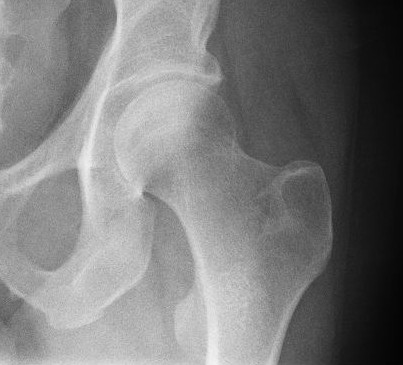
Mark J Bolland et al have studied whether increasing dietary and supplemental calcium can prevent fractures or not.

Calcium supplementation has long been standard practice and is usually included in vitamin D formulations for the elderly, those on long term steroids, and those who have established osteoporosis. Diabetics are also at increased risk of osteoporosis.

In this systematic review of randomised controlled trials and cohort studies dietary calcium had no effect on fracture risk at all. Calcium supplementation meanwhile only had a small and inconsistent effect on fracture prevention.

So probably not worth it then?

What could be more useful is supplementation with straight vitamin D3.

Dr Lee Wah Phin and Dr John Holden from North West England checked the vitamin D status of 302 GP patients. They took 75 mmol/l as the cut off point for low vitamin D and found that 90% of the adult population were deficient. This is in keeping with my own findings in GP in the West of Scotland.  They wonder if there should be some way of screening and supplementing  the population.

Based on BMJ 3 October 2015 and RCGP letter October 15.


Who gets boils?

A London General Practice has studied all the people who came to see them over the course of a years with boils. As many of you know, diabetics are more commonly afflicted than their non diabetic friends. Is there anything you can do to reduce the chance of getting these blighters?

Well, according to the survey, not that much, if you are already pretty health conscious. Most of the factors associated with boils are not usually under your direct control. Some are, such as smoking, being overweight and having had an antibiotic prescription in the previous six months.

People who got them also tended to be from  socio-economically deprived groups. There were some gender differences but it is not well known whether this was due to true incidence or whether it was due to more tendency to consult a doctor.

Overall women attended more than men especially in younger age groups, but was this due to less tolerance for the boils?  Older men, over the age of 65 also attended more frequently, but was this because their wives made them?

There is a sharp increase in boils in adolescence onwards and then it tends to subside after men are 25 and women are 35, so hormonal factors have something to do with it. The bad news is that boils tend to recur and overall ten percent of those afflicted will be back to the doctor’s at least once in the year after they first attend.

Based on RCGP article by Laura J Shallcross October 2015.

Inflamed_epidermal_inclusion_cyst

Taste matters more than labels when making food choices


Despite a recent trend toward healthy eating behaviors, many consumers still tend to overconsume unhealthy foods because of two facts that work in combination. Unhealthy food is widely associated with being tasty, and taste is the main driver of food decisions.

In a study done to see what affected choice of food  participants were presented with a variety of yogurts, each with different levels of sugar and fat. Even when given information about the ingredients, the participants were not more likely to select a healthier yogurt.

Unhealthy eaters were least likely to use information about ingredients when deciding which yogurt to choose, the investigators found. However, both unhealthy and healthy eaters said taste was the main factor in their decision about which yogurt to select, and it could not be overcome by providing them with nutritional information, according to the published study.

“Policy planners must instead find ways to make healthy foods more appealing, by improving the actual taste as well as the packaging and marketing,” researchers said.
“Social campaigns that promote the sense that healthy eating is “cool” would also help”.

17616-sugar-lips-pv  “A holistic approach is urgently needed in which food companies, consumers and policy makers, instead of working against one another, manage to find mutually beneficial strategies to combat the world’s alarming obesity epidemic,” the researchers concluded.

Practice Pearls:
•Taste exerts the biggest influence on people’s food choices and many believe that healthy foods don’t taste good.
•Unhealthy eaters were least likely to use information about ingredients.
•Taste is the main driver of food decisions.

Journal of Public Policy & Marketing, news release, Jan. 21, 2015. Robert Mai and Stefan Hoffmann How to Combat the Unhealthy = Tasty Intuition: The Influencing Role of Health Consciousness. Journal of Public Policy & Marketing In-Press, doi: http://dx.doi.org/10.1509/jppm.14.006  (Published in Diabetes in Control Jan 2015)


At Diabetes Diet Blog, we think that encouraging people to eat real food that doesn’t come in packets would come a long way to address the obesity epidemic too. Salt, spices and fats such as butter, coconut oil and olive oil can greatly enhance the flavour of food, particularly vegetables, that otherwise can be left on the plate. Demonising salt and naturally saturated fats does not help. A parent can prepare tasty soups at home but if salt and fat is left out it is understandable when children prefer tinned versions with added sugar. 

Potatoes may give you gestational diabetes: but eat lots of them and base your meals around starch say Diabetes UK

BakedPotatoWithButter

Potato-rich diet ‘may increase pregnancy diabetes risk’

  • Eating potatoes or chips on most days of the week may increase a woman’s risk of diabetes during pregnancy, say US researchers.

This is probably because starch in spuds can trigger a sharp rise in blood sugar levels, they say.

Their study in the BMJ tracked more than 21,000 pregnancies.

But UK experts say proof is lacking and lots of people need to eat more starchy foods for fibre, as well as fresh fruit and veg.

The BMJ study linked high potato consumption to a higher diabetes risk.

Swapping a couple of servings a week for other vegetables should counter this, say the authors.

UK dietary advice says starchy foods (carbohydrates) such as potatoes should make up about a third of the food people eat.

There is no official limit on how much carbohydrate people should consume each week.

Starchy carbs

Foods that contain carbohydrates affect blood sugar.

Some – high Glycaemic Index (GI) foods – release the sugar quickly into the bloodstream.

Others – low GI foods – release them more steadily.

Research suggests eating a low GI diet can help manage diabetes.

Pregnancy puts extra demands on the body, and some women develop diabetes at this time.

Gestational diabetes, as it is called, usually goes away after the birth but can pose long-term health risks for the mother and baby.

The BMJ study set out investigate what might make some women more prone to pregnancy diabetes.

The study followed nurses who became pregnant between 1991 and 2001. None of them had any chronic diseases before pregnancy.

What is gestational diabetes mellitus?


  • It is a condition where there is too much glucose (sugar) in the blood
  • About three in every 100 pregnancies are affected in the UK
  • Symptoms include a dry mouth, tiredness and urinating frequently
  • Gestational diabetes can be controlled with diet and exercise, but some women will need medication to keep their blood glucose levels under control
  • If not managed properly, it could lead to premature birth or miscarriage

Every four years, the women were asked to provide information on how often potatoes featured in their diets, and any cases of gestational diabetes were noted.

Over the 10-year period, there were 21,693 pregnancies and 854 of these were affected by gestational diabetes.

The study took into account other risk factors, such as:

  • age
  • a family history of diabetes
  • overall diet
  • physical activity
  • obesity

It found a 27% increased risk of diabetes during pregnancy in the nurses who typically ate two to four 100g (3.5oz) servings of boiled, mashed, baked potatoes or chips a week.

In those who ate more than five portions of potatoes or chips a week, the risk went up by 50%.

The researchers estimate that if women swap their potatoes for vegetables or whole grains at least twice a week, they would lower their diabetes risk by 9-12%.

Cuilin Zhang, lead study author, from the National Institutes of Health in Maryland, US, said the findings were important.

“Gestational diabetes can mean women develop pre-eclampsia during pregnancy and hypertension,” she said.

“This can adversely affect the foetus, and in the long term the mother may be at high risk of type-2 diabetes.”

But UK experts stressed there was not enough evidence to warn women off eating lots of potatoes.

Simple swaps that can lower GI

Switch baked or mashed potato for sweet potato or boiled new potatoes

  • Instead of white and wholemeal bread, choose granary, pumpernickel or rye bread
  • Swap frozen microwaveable French fries for pasta or noodles
  • Try porridge, natural muesli or wholegrain breakfast cereals

Dr Emily Burns, of Diabetes UK, said: “This study does not prove that eating potatoes before pregnancy will increase a woman’s risk developing gestational diabetes, but it does highlight a potential association between the two.

“However, as the researchers acknowledge, these results need to be investigated in a controlled trial setting before we can know more.

“What we do know is that women can significantly reduce their risk of developing gestational diabetes by managing their weight through eating a healthy, balanced diet and keeping active.”

Dr Louis Levy, head of nutrition science at Public Health England, said: “As the authors acknowledge, it is not possible to show cause and effect from this study.

“The evidence tells us that we need to eat more starchy foods, such as potatoes, bread, pasta and rice, as well as fruit and vegetables to increase fibre consumption and protect bowel health.

“Our advice remains the same: base meals around a variety of starchy foods, including potatoes with the skin on, and choose wholegrain varieties where possible.”

This is an article published today  BBC News


Gestational diabetes – NHS Choices


BMJ – British Medical Journal


Diabetes UK


Do you want to know your complication risk?

Researchers in the United Kingdom have developed a validated risk assessment equation to show the 10-year risk of blindness and lower limb amputation in diabetes patients. Such tools have already been developed for the general population to assess heart attack, stroke and diabetes risk, and now the QDiabetes tool is the first  tool for diabetics that  gives  an accurate assessment of their risk of these most feared complications.

Data has been collected from English  General Practitioners  since 1998 from over 400,000 patients. The algorithms are based on variables that patients are likely to know or that can be found from asking your GP. Knowing your risk could be worthwhile so you would know  to intensify your control and monitor your condition more stringently.

For clinicians, complication risk  could enable screening programs to be tailored to an individual’s need for support  and the more rational use of scarce resources. Retinopathy could be done more frequently than once a year for those who need it and less frequently than once a year for those who do not.  Those at higher risk of amputation might benefit from a proactive targeted program to prevent lower extremity amputation (including more frequent checks, tailored patient education, specially designed protective footwear, and early reporting of foot injuries), as this has been shown to substantially reduce the risk of emergency admissions, use of antibiotics, foot operations, and lower limb amputation compared with usual practice.

Arakawa_Kazuyoshi_-_Dragon_Supporting_a_Crystal_Ball_-_Walters_571188.jpg


To see what your risk factors are click here:  QDiabetes® (Amputation and blindness) equations.

Based on an online article at Diabetes in Control.

Hippisley-cox J, Coupland C. “Development and validation of risk prediction equations to estimate future risk of blindness and lower limb amputation in patients with diabetes: cohort study.” BMJ. 2015;351:h5441.


Did you overeat this festive period?

 Sam Feltham is a personal trainer who likes to do experiments. On himself.

On a series of experiments he decided to overeat first fat, then carbs and then a vegan diet to see what would happen. Each experiment lasted three weeks, during which time he carefully monitored his calories in, his weight and his body fat.

As far as the physics goes and many people believe, a calorie is a calorie is a calorie. If so, the weight gain should be pretty uniform over each of the diets. Yet, we only start to obey the laws of physics once we die. Up till then we follow the laws of biochemistry. And the results are very different depending on where those calories come from.


Click on this link to see what happened: http://live.smashthefat.com/category/self-experiment-conclusions/


When you are a food addict, what can you do to re-claim your body?

Susan Pierce Thompson PhD is a neuroscientist who used to be pretty hefty in her teens and twenties till she went on a 12 step programme along the lines of alcoholics anonymous but dealing with the issue of food addiction.  She has stayed very slim for the last 12 years and reckons she knows what keeps us from losing weight and keeping it off long term. Indeed she teaches about this subject at university and has recently started online classes with team support to help the food addicts get “happy, thin and free”. She calls her programme Bright Line Eating.

The basics of this is that the “everything in moderation” mantra does not work with the seriously addicted food addict. Flour, sugar and anything that even tastes sweet gets the heave-ho permanently. Could you do this? Of course you could, if you want to get thin and stay thin. But Susan recognises that breaking your intentions happens and that the most important thing is to resume your plan immediately rather than beat yourself up about it, or use a minor deviation as an excuse to binge with a vow to start on Monday again.

Rats as well as humans seem to fall into three groups. The ones who seem able to resist temptation without a problem, the ones who can resist it for a while but then will give in, particularly if under some sort of stress, and the highly addicted who just can’t leave sugar, sweet stuff, refined flour products and white potatoes in all their forms alone. Susan says that modern foods and patterns of eating have hijacked the brain and sap willpower, induce cravings and set up feelings of hunger. Indeed she has found that rats rate sugar water as more pleasurable than cocaine even when they had been made into serious cocaine addicts by researchers.

The taste of anything sweet seems to be a problem. Saccharine, and all artificial sweeteners have the ability to induce cravings, even stevia. Although fat and salt make food more palatable, and humans eat more of it when laced with butter, cream, olive oil and salt for instance, they don’t set up the same addiction circuits. It is the flour/sugar items such as chocolate, ice cream and pizza that are the top addictive foods for most westernised humans, with potatoes and potato products coming in fourth.

When you get a craving for something, parts of your brain are being affected by chemicals that you have no control over. Cravings and hunger are controlled by the hypothalamus. This is your body’s thermostat that controls all sorts of complex processes through the release of hormones.

Your willpower centre is in the anterior cingulate cortex and behaviour is controlled here. The problem is that behaviour gets more difficult to control if you have to withstand temptation for just 15 minutes. It gets even harder to control behaviour when the blood sugar is low or you are already tired, have already had your temptation tested, are feeling emotional or have been focussing on tasks. Susan calls this the “willpower gap”. You know what you are meant to do but you just can’t seem to help yourself from doing something else. Like opening that packet of biscuits.

Your brainstem is where leptin is active. Your brainstem is the most primitive part of the brain and the most basic functions that keep you alive such as breathing reside here.  The trouble is that insulin resistance leads to leptin resistance, and although your brain stem may be flooded with leptin, telling you that you are full, the leptin resistance means that the message doesn’t get through, and your brain stem thinks you are starving. Mindless eating ensues just as mindless breathing continues.

A major step in resolving this impasse is that insulin levels need to be lowered. And what raises insulin the most? Yes, sugar and starch.  This is why a low carb diet, as we describe in our book, can help you lose weight and get your appetite under control. It is all down to physiology.

Susan goes a bit further than we do, however, in that all sweet stuff, with the exception of sweet fruit, is banned. Also all flour products are completely banned. This is because those people who have very serious food issues are more susceptible to dopamine, the reward hormone.

Dopamine is active in the nucleus accumbens. It goes up in response not only to food stimuli but also to sex stimuli for example. Indeed Susan describes sugar as the pornography equivalent of sex. I have to agree with her here.

In large magazine shops you often see rows of women’s magazines on one side and men’s magazines on the other.  The men’s magazines seem to be mainly all about becoming more competent in something eg music, muscle building, computer know-how, with some soft pornography thrown in. Women’s magazines have “how to be more nurturing” magazines with pets, home decorating and crafts taking about a quarter of the space. The rest seems evenly split between “how to make lovely food” often featuring beautifully iced sponge cakes with lashings of cream on the one hand, and “how to get thin from not eating beautifully ices sponge cakes with lashings of cream on them”. I’ve often thought of food articles and particularly photographs as being porn for women.

So, back to dopamine. What a great hormone. You have lots of it and you feel like you rule the world. The downside is that your reward feeling gets worn down by the never ending waves of  dopamine and you tend to need a bigger fix for the same wonderful feelings over time. Also if dopamine becomes depleted you can feel pretty unhappy and also can need another fix to bring it up.  This is a reason why Zyban, the anti-smoking drug can induce suicidal depression.

Zyban, also known as varenicicline,  makes the craving for cigarettes stop by blocking dopamine. When you smoke, you don’t get the hit. Instead you think, “This fag is lousy, why the hell am I smoking it?” This makes it somewhat easier to break the smoking habit. The downside is that you can feel lousy about everything. And sometimes the effect is unpredictably tragic.

Despite the common belief  that we are in control of our behaviour rather than our brain chemicals, Susan is so convinced of the chemical superiority over willpower, that she builds methods of how to resist the hijack into her diet plan.

Dr Thompson knows that a chemically affected brain really has the belief that the body is starving and that flour and sugar are even more powerfully addictive than heroin or cocaine for about a third of the population. She knows you can’t reason with your brain stem. Instead it reasons with you.

That little voice says, “I deserve that”. “It’s only one time”. “It’s only a little bit.”  As more and more exceptions to our dietary plan creep in, we watch ourselves breaking rules, and the belief that we are incapable and lacking in some way, especially compared to thin people, reduces our feelings of competency. Our self-esteem goes down the plug hole. As I have said before, a prominent bariatric surgeon told me that the drop out rate with bariatric patients was particularly high because of the very low self- esteem that this group of people have.

Susan says that very clear boundaries are necessary to get back on track. A lot of planning, daily preparation, long term habit change and support is necessary to overcome addictive eating. Emergency action plans and support are needed for the inevitable breaks in willpower.  But, she says that dopamine receptors recover in time and that as insulin resistance disappears, the insatiable hunger goes with it. She says that reliance on willpower is the single biggest mistake dieters make. Instead you need a whole system to deal with false hunger, addiction and social pressures to eat flour and sugar.

Restorative behaviours such as meditation are important. So is getting out in nature. Anything other than food that boosts your willpower battery is good. Exercise is not part of the plan for most people because it can be a step too far when good eating habits are in the process of being embedded. She thinks exercise can be too much a sap on a person’s willpower unless it is already an entrenched habit.

The path to being slim and healthy is not easy so a different way of looking at the problem is welcome. In particular simple calorie measuring is no good for some people if sugar and flour are part of the calories. Also low carbing may not be extreme enough for some people and cutting out all sweeteners and sugar rather than keeping to small amounts of sugar and starch may be necessary.

Based on an online webinar by Susan Pierce Thompson PhD. October 14 2015.

Nina’s challenge to the USA food guideline team

Nina Teicholz’s article How dietary guidelines are out of step with science has provoked online furore since it made front page headlines on the BMJ 26 September 2015.

Nina, a journalist who took ten years to research and write her bestselling and highly acclaimed book Big Fat Surprise, has been attacked for having the temerity to explain how bias on the part of the expert panel who decide what should be published in this year’s Dietary Guidelines for Americans, is making people fatter and  sicker, instead of improving their health.

Her opponents claim that as a mere journalist she has no business criticising scientists and doctors who know what is good for patients. They claim that their guidelines are scientifically sound and just because they have missed out studies on low carbohydrate diets that show improvements in weight, diabetes control and cardiovascular risk factors, and also failed to evaluate  studies that show that saturated fat does not cause any health related problem, does not mean that their recommendations are unsound.

Nina is concerned that anything that goes against the low fat/high carbohydrate “healthy eating” advice of the last 35 years is being systematically suppressed.  The committee comprises of only 11-15 “experts” yet the recommendations have ramifications for millions of people, not only in the USA, but worldwide.  A congressional hearing will be set in October to discuss the guidelines, hence the importance of signing Professor Jeff Volek’s petition for clarity over the scientific basis for the guidelines.

The USA government set up the Nutrition Evidence Library in 2010 in order that systematic reviews on nutrition could be comprehensive and standardised. Yet, the current expert team did not use this resource for over 70% of the topics on their review, instead choosing to rely in the opinions of the American Heart Association and American College of Cardiology, both of whom have significant funding by food and drug companies.

Among other inconsistencies Nina points out that the Women’s Health Initiative, in which 49,000 women took part, that the lower saturated fat intervention group had no benefit in heart attacks or strokes. Three meta-analyses concluded that saturated fat did not increase cardiovascular mortality, and yet the recommendation of the group has been to limit saturated fat to less than 10% of calories, saying that the evidence basis for this is “strong”…..Stretching the truth a bit?

Low carbohydrate diet research was also not systematically reviewed.  A meta-analysis and critical review concluded that a low carb diet was the best type of diet to control type two diabetes. Two other meta-analyses showed that low carbing was the best diet for weight loss, and improving cardiovascular risk factors. Despite the evidence that would have been revealed, had it been actually looked for, the guidelines went ahead without it. About the only positive message to come out of the guidelines are that a cap on dietary sugar is being proposed.

The three diets that are endorsed by the new guidelines are the “healthy vegetarian diet”, the “healthy US diet” and the “healthy Mediteranean diet”.  Systematic NEL reviews were done on these diets and the evidence base was given as “limited” which means that the evidence quality was low. Despite this the committee decided to boost the evidence rank to “moderate”. Despite at least three National Institutes of Health funded trials on 50,000 people that show that a low fat and low saturated fat diet is ineffective in combating heart disease, obesity, diabetes or cancer, this is the main thrust of the 2015 guidelines, just like all the other guidelines published in the last 35 years.

Nina thinks that many experts, institutions and industries have an interest in keeping the status quo and that these interests create bias. The potential conflicts of interest in some of the committee members is discussed. This subject has also been discussed regarding our UK guidelines by Hannah Sutter in her book Big Fat Lie.

Nina concludes: Given the ever increasing toll of obesity, diabetes and heart disease, and the failure of existing strategies to make inroads in fighting these diseases, there is an urgent need to provide nutritional advice based on sound science. It may be time to convene an unbiased and balanced panel of scientists to undertake a comprehensive review. There needs to be transparency, disclosure of conflicts of interest, and rigorous scientific evidence that is reliably analysed to produce the best possible nutrition policy.

Well…..Nina, you are quite right, and since Jeff Volek’s petition was launched 4 days ago, at least 4,000 people agree with you. So just how important is having a good food guideline for diabetics?

Take the NICE 2015 type two guideline. A main trust is the promotion of structured education for all types of diabetics. “This should be evidence based ….nutritional advice should be given by a health care professional with specific expertise and competencies in nutrition…emphasise “healthy eating” (also known as the high carb / low fat diet)…limit saturated and trans fats to 5-10% of calories…..reducing hypoglycaemia should be a particular aim for those on insulin or a sulphonylurea…Type two diabetes consists of insulin resistance and insulin deficiency…. Insulin resistance is characterised by increased body weight and is worsened by overeating and lack of exercise…commonly associated with high blood pressure, lipid disturbance and a tendency to thrombosis, fatty liver and abdominal adiposity.”

Surely NICE are kidding? Despite also having a distinct lack in worthwhile evidence for their dietary guidelines, they are pushing all diabetics into nutrition classes led by NHS dieticians. They want them to continue teaching a diet that is well known to increase insulin resistance, burn out the pancreatic beta cells that produce insulin and make hypoglycaemia more likely if you are an injected insulin user who aims for good blood sugar control.

NICE conclude their impossible wish list, ”Aims of education are to improve outcomes by addressing health beliefs, optimising metabolic control, addressing cardiovascular risk factors, facilitating behaviour change, reducing complications,  improving quality of life and reducing depression. The relationship between the person with diabetes and healthcare professionals should be enhanced thereby providing the basis of true partnership in diabetes management.”

Hypocritical or what?