Placenta derived diabetic foot ulcer treatment effective: but only available in the USA

Neuropathic_heel_ulcerDiabetic foot ulcers that don’t respond to usual care can respond very well to a new membranous patch that is available to patients in the USA.

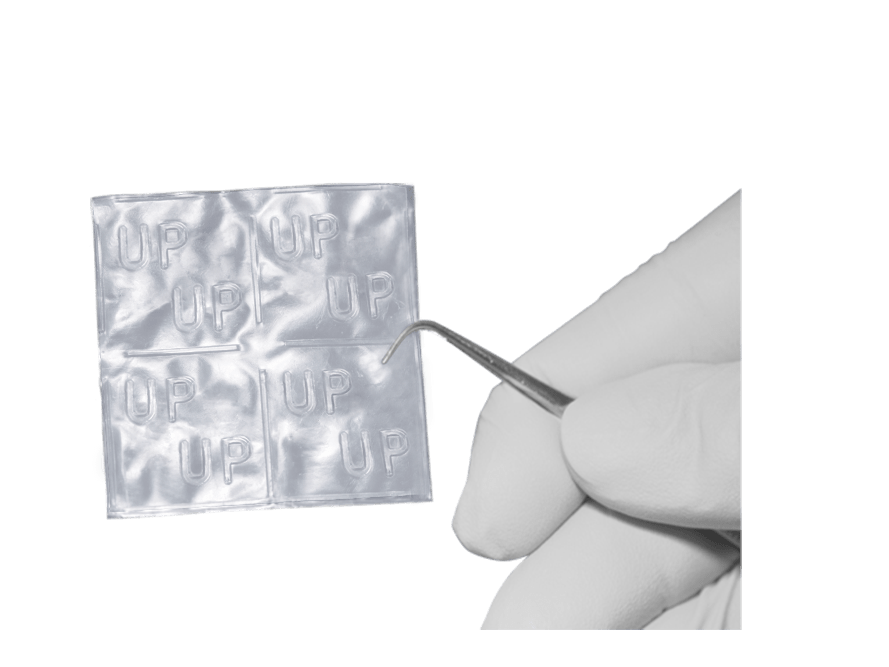
Dr Dan Fetterolf, head physician at the MiMedx Corporation,  gave an interview to Diabetes in Control this month and described how this treatment fits into therapy for foot ulcers.  The Epifix patches are derived from the amniotic membranes of women who have been screened for blood borne viruses and who are to be delivered by caesarean section. At delivery the placenta is put in a sterile container and sent to the USA production site.

Cord_&_Placenta

Diabetic foot ulcers are bad news for patients. In the USA the cost of ulcer treatment or amputation has to be borne between the patient and health maintenance organisation.  Thus there tends to be more interest in preventative treatments even when these are expensive. When an ulcer has not responded to the usual debridement, moist dressings and anti-microbial efforts after a month, these ulcers have a relatively poor prognosis and the use of amniotic membrane treatments make financial good sense.

Diabetics have a lifetime risk of getting a foot ulcer of 25%. Around a fifth of these people will go onto having an amputation. Many of these will have additional factors that increase the risk such as neuropathy that prevents people from feeling trauma to the feet, peripheral vascular disease that delays healing and obesity that adds to the pressure on the feet.  Once an amputation occurs that person’s life expectation reduces and their ability to earn decreases. They need much more in the way of social and medical support. These factors all affect the person’s family as well as the economy of the countries concerned.

Prevention of diabetic foot ulcers involves good glycaemic control, daily shoe and foot examination by the person with diabetes and regular foot examination and testing by health care professionals. If an ulcer does develop then tighter adherence to preventative measures becomes essential. Weekly follow up of patients is required.

To allow maximal healing it is important to offload weight on the affected foot as much as possible. Dressings should not be allowed to dry out or else the layer of protective epithelium can be removed at the same time the dry dressing comes off.

Chronic ulcers come with a whole collection of adverse healing factors. Most people will have neuropathy and at least a degree of peripheral vascular disease. The healing ability of the skin is reduced as inflammatory cytokines reduce the healing process. In addition the immune system is rendered less effective by the glycation of immunoglobulins and other factors.

Diabetes now affects 7-10% of the USA population and in certain countries it is higher. The Pima Indians have worldwide the highest proportion of adult diabetes at 50% partly due to genetics and partly due to their very high sugared drinks ingestion.  In the affluent areas of the Middle -East such as Dubai and Saudi Arabia levels are also very high. There is a genetic issue here but also a very high sugar intake.  Scotland is remarkably dreadful too. A lot of this is due to deprivation and our characteristically poor diet. Many families eat no fruit and vegetables at all.  Well, if we can’t beat England at football, we can certainly be winners when it comes to obesity- diabetes prevalence.


From our point of view on diabetesdietblog.com we welcome a strategic approach to reducing the number of people who develop diabetes, and improving the outlook for those who do develop the condition. Proper dietary education and provision in the public domain are essential. Only by doing this can glycaemic control be tackled in a robust manner. When a patient does develop an ulcer, resources to heal this effectively and reduce the progression to amputation is key. If this new treatment could become available in the UK it would be very much welcomed as a way to improve patient’s lives as well as cut back the nursing and medical costs associated with the prolonged treatment of ulcers.



Potatoes may give you gestational diabetes: but eat lots of them and base your meals around starch say Diabetes UK

BakedPotatoWithButter

Potato-rich diet ‘may increase pregnancy diabetes risk’

  • Eating potatoes or chips on most days of the week may increase a woman’s risk of diabetes during pregnancy, say US researchers.

This is probably because starch in spuds can trigger a sharp rise in blood sugar levels, they say.

Their study in the BMJ tracked more than 21,000 pregnancies.

But UK experts say proof is lacking and lots of people need to eat more starchy foods for fibre, as well as fresh fruit and veg.

The BMJ study linked high potato consumption to a higher diabetes risk.

Swapping a couple of servings a week for other vegetables should counter this, say the authors.

UK dietary advice says starchy foods (carbohydrates) such as potatoes should make up about a third of the food people eat.

There is no official limit on how much carbohydrate people should consume each week.

Starchy carbs

Foods that contain carbohydrates affect blood sugar.

Some – high Glycaemic Index (GI) foods – release the sugar quickly into the bloodstream.

Others – low GI foods – release them more steadily.

Research suggests eating a low GI diet can help manage diabetes.

Pregnancy puts extra demands on the body, and some women develop diabetes at this time.

Gestational diabetes, as it is called, usually goes away after the birth but can pose long-term health risks for the mother and baby.

The BMJ study set out investigate what might make some women more prone to pregnancy diabetes.

The study followed nurses who became pregnant between 1991 and 2001. None of them had any chronic diseases before pregnancy.

What is gestational diabetes mellitus?


  • It is a condition where there is too much glucose (sugar) in the blood
  • About three in every 100 pregnancies are affected in the UK
  • Symptoms include a dry mouth, tiredness and urinating frequently
  • Gestational diabetes can be controlled with diet and exercise, but some women will need medication to keep their blood glucose levels under control
  • If not managed properly, it could lead to premature birth or miscarriage

Every four years, the women were asked to provide information on how often potatoes featured in their diets, and any cases of gestational diabetes were noted.

Over the 10-year period, there were 21,693 pregnancies and 854 of these were affected by gestational diabetes.

The study took into account other risk factors, such as:

  • age
  • a family history of diabetes
  • overall diet
  • physical activity
  • obesity

It found a 27% increased risk of diabetes during pregnancy in the nurses who typically ate two to four 100g (3.5oz) servings of boiled, mashed, baked potatoes or chips a week.

In those who ate more than five portions of potatoes or chips a week, the risk went up by 50%.

The researchers estimate that if women swap their potatoes for vegetables or whole grains at least twice a week, they would lower their diabetes risk by 9-12%.

Cuilin Zhang, lead study author, from the National Institutes of Health in Maryland, US, said the findings were important.

“Gestational diabetes can mean women develop pre-eclampsia during pregnancy and hypertension,” she said.

“This can adversely affect the foetus, and in the long term the mother may be at high risk of type-2 diabetes.”

But UK experts stressed there was not enough evidence to warn women off eating lots of potatoes.

Simple swaps that can lower GI

Switch baked or mashed potato for sweet potato or boiled new potatoes

  • Instead of white and wholemeal bread, choose granary, pumpernickel or rye bread
  • Swap frozen microwaveable French fries for pasta or noodles
  • Try porridge, natural muesli or wholegrain breakfast cereals

Dr Emily Burns, of Diabetes UK, said: “This study does not prove that eating potatoes before pregnancy will increase a woman’s risk developing gestational diabetes, but it does highlight a potential association between the two.

“However, as the researchers acknowledge, these results need to be investigated in a controlled trial setting before we can know more.

“What we do know is that women can significantly reduce their risk of developing gestational diabetes by managing their weight through eating a healthy, balanced diet and keeping active.”

Dr Louis Levy, head of nutrition science at Public Health England, said: “As the authors acknowledge, it is not possible to show cause and effect from this study.

“The evidence tells us that we need to eat more starchy foods, such as potatoes, bread, pasta and rice, as well as fruit and vegetables to increase fibre consumption and protect bowel health.

“Our advice remains the same: base meals around a variety of starchy foods, including potatoes with the skin on, and choose wholegrain varieties where possible.”

This is an article published today  BBC News


Gestational diabetes – NHS Choices


BMJ – British Medical Journal


Diabetes UK


Do you want to know your complication risk?

Researchers in the United Kingdom have developed a validated risk assessment equation to show the 10-year risk of blindness and lower limb amputation in diabetes patients. Such tools have already been developed for the general population to assess heart attack, stroke and diabetes risk, and now the QDiabetes tool is the first  tool for diabetics that  gives  an accurate assessment of their risk of these most feared complications.

Data has been collected from English  General Practitioners  since 1998 from over 400,000 patients. The algorithms are based on variables that patients are likely to know or that can be found from asking your GP. Knowing your risk could be worthwhile so you would know  to intensify your control and monitor your condition more stringently.

For clinicians, complication risk  could enable screening programs to be tailored to an individual’s need for support  and the more rational use of scarce resources. Retinopathy could be done more frequently than once a year for those who need it and less frequently than once a year for those who do not.  Those at higher risk of amputation might benefit from a proactive targeted program to prevent lower extremity amputation (including more frequent checks, tailored patient education, specially designed protective footwear, and early reporting of foot injuries), as this has been shown to substantially reduce the risk of emergency admissions, use of antibiotics, foot operations, and lower limb amputation compared with usual practice.

Arakawa_Kazuyoshi_-_Dragon_Supporting_a_Crystal_Ball_-_Walters_571188.jpg


To see what your risk factors are click here:  QDiabetes® (Amputation and blindness) equations.

Based on an online article at Diabetes in Control.

Hippisley-cox J, Coupland C. “Development and validation of risk prediction equations to estimate future risk of blindness and lower limb amputation in patients with diabetes: cohort study.” BMJ. 2015;351:h5441.


Beanz Meanz #&!<Z! What are FODMAPS anyway?

For many of us gastric distress is just intermittent but for others it is a constant source of discomfort, embarrassment and sometimes even pain. There are fermentable sugars released from various foodstuffs that increase the amount of wind generated in the gut. It is the distention of the gut by the wind that sometimes causes the bloating, discomfort and pain. And of course the gas has to go somewhere. 

When it comes to gassy foods there is a variation depending on the type and amount of fermentable oligosaccharides, disaccharides, monosaccharides, and polyols in the food. You can cut down on high FODMAP food and eat low FODMAP food instead to see if this settles your guts down.

Vegetables, beans, pulses and legumes are probably the most well- known culprits.  

vegetables-991764_960_720

Of the vegetables artichokes, asparagus, beetroot, broccoli, Brussel sprouts, cabbage, cauliflower, fennel, green beans, garlic, mushrooms, okra, onions, peppers, snow peas and squash top the list. This is a pity because many of these feature highly in low carb diets and also improve the taste of many dishes. 

For vegetables that are better tolerated try,  bean sprouts, bok choy, peppers with the skin removed (by searing and them removing), carrots, celery, cucumber, corn, aubergines, lettuce, leafy greens, pumkin, potatoes, tomatoes, courgettes and all fresh herbs. ( eat very sparingly or not at all on a low carb diet)

Some people don’t deal with lactose very well and for these people ice cream, milk, soft cheeses, yoghurt and cream may cause problems. Lactose free dairy products and hard cheeses don’t cause difficulty.

 Of the cereal group wheat products and rye may cause problems whereas spelt, gluten free bread products, rice, rice based breakfast cereals, quinoa and gluten free pasta may not.

Fruit tends not to aggravate the guts as much as vegetables but for some people avocado, apples, apricots, cherries, dates, dried fruits, figs, mango, nectarines, papaya, peaches, pears, plums, prunes and watermelon may give problems.  The lower FODMAP items in this class are bananas, berries, cantaloupe melon, grapes, grapefruit, honeydew melon, kiwi, lime, passion fruit, pineapple, rhubarb and citrus fruits.

9908513383_2f811176dc

Food additives end to upset people especially the polyols in artificial sweeteners and foods with high fructose corn syrup or agave syrup.  Chutneys, pickles, coconut, honey and jams can also cause problems. Thankfully most spices and herbs, mayonnaise, olives, onion powder, olive oil, pepper, salt, maple syrup, mustard, wheat free soy sauce, chilli sauce, sugar and vinegars are better tolerated.

I found that my guts under went a great improvement from stopping wheat and adopting a low carb diet. I do bake and use polyols to sweeten baking products in preference to sugars. The main thing to remember is that many of the effects are dose dependent, so limit your intake accordingly.


Based in Irritable Bowel Syndrome: new and emerging treatments. BMJ 27 June 2015.

What helps and what doesn’t when type one diabetes is diagnosed in adolescence

Some young people cope very well with type one diabetes right from the start and others flounder. Sometimes a young person’s failure to get to grips with the condition has very serious and long lasting effects. So, what things help and what things hinder?

Dr Emily Robinson is a counselling psychologist based in Leicester Royal Infirmary. She interviewed eight type ones aged 28-36 years who had been diagnosed in adolescence and asked them about their experiences. They had been diagnosed between the ages of 11 and 17.

Previous research has shown that how people think about their illness impacts on how well they self-care, their degree of metabolic control and how happy and adjusted they are to diabetes.

Most participants went through a stage of shock and grief around the time of diagnosis. Laura stated, “At first I thought my world had caved in. I was thinking, why me? It is really unfair. I did kind of feel that my life was over”.

Yet, although in the minority, some young people just sort of “got it” right away. No fuss. No muss. Craig said, “I don’t remember there being a sudden change in the way I was personally. I wasn’t panicking for feeling like my life had ended.”

All participants described that their freedom had been at least temporarily curtailed and that they had missed out on things compared to their friends of the same age. Tony said, “I felt I lost my freedom and my ability to do things at the drop of a hat. I had always been a very active child and I was used to going out in the morning, walking and playing in the fields and not thinking of coming back home till I was hungry.”

There is a stage in adolescence where no one wants to be seen as different from anyone else in their peer group. Karen spoke about how this had serious effects. She stopped giving herself insulin injections and ended up in hospital with diabetic ketoacidosis several times.

Most participants described a sense of intense loneliness at the time of diagnosis.  Not knowing any other young diabetics was a problem and sitting in medical waiting rooms along with just grown-ups and elderly did not help.  One young woman, Laura, actually had severe depression. She put this down to not getting the help she needed from her parents.

Indeed parental involvement has been found to be the single most important predictor of positive adolescent outcomes. The less parental involvement and the more responsibility taken by the adolescent the worse the control.  The growth of teenage diabetic transition clinics and internet forums may have made a good difference for todays newly diagnosed type ones.

Parental anxiety had a knock on effect on how well adolescents coped emotionally with their diabetes. “My parents were terrified and in denial”, said Laura.  The reaction of friends had lesser but significant impact too.

Health care professionals need to be really careful about how they speak about diabetes to the newly diagnosed because everything they say is taken to heart.  Jannine spoke of being shown pictures of gangrenous feet and being in a ward of people who had diabetic complications. The “shock treatment approach” left her so frightening and helpless that she avoided checking her blood sugars. “I have never quite forgiven them for that”, she says, over a decade later.

The way in which diabetes was explained at diagnosis has been found to be the strongest predictor of emotional response even two years after diagnosis.

4276166167_e2cf9e2e47_o.jpg

Laura remembers, “I was having a really terrible time and I said something like, if this was a war, I would be surrendering. At the moment I feel that I am really losing. The doctor said to me, I bet you would just like a couple of weeks off, wouldn’t you? And that was one of the most understanding things a doctor has ever, ever, ever said to me.

Seeing the same clinician regularly was very important to about half of the participants. Having a nurse educate her in a supportive and encouraging way, being given choices, setting her own treatment goals and reducing her sense of isolation were particularly important to Jannine.

Over time, everyone with diabetes adjusted to having the condition in a much more positive way. Tony said, “I see myself as being normal. I’m me. I have diabetes but I don’t consider it to be a huge problem. I didn’t think like this when I was 16 or 20 years old.”

Support groups were a help to some participants. “It was astonishing to know that everyone else had problems too”.

Currently transition services for young people still tend to result in high dropout rates, poor attendance and sub-optimal control.  Psychological input may help some people who are struggling at this time.  More frequent appointments, active follow up, and seeing the same clinicians have been found to help.

Between the late 20s and early 30’s has been found a significant time in the lives of type one diabetics. After all, this is when parenthood is most commonly anticipated. A wish to tighten up control in preparation for a life time with diabetes is common. Emily thinks that refresher courses in diabetes management, which don’t currently exist in many areas, would be a good idea at this time.

(Of course, from my point of view, I think that diabetics of all ages would be a lot less demoralised if they were told the best ways to manage their diet and insulin regime.)

So in summary:

What helps:   

Doctor gives an optimistic view of diabetes at diagnosis.

Parents, let your offspring do as much as their friends are doing and usual pursuits as far as possible.

Join family/ adolescent support groups at diagnosis.

Hospital managers provide adolescent clinics at different times from adult/complication clinics.

Outpatient management of insulin initiation avoids admission which can be distressing.

Treat parents as possible patients if they are very distressed. Do they need counselling? Do they need to meet other parents who are more experienced and coping well?

Health care professionals should make an effort to understand the person and the family who has diabetes.

Try to have the same clinicians see the family and patient regularly.

Tailor education to the individual.

Give as much control over to the individual as possible.

Consider psychological input if control is poor or distress is evident.

Provide consolidation courses for the 25-30 age groups.


What hinders:

Doctor gives a catastrophic view of diabetes at diagnosis.

Parents keep their child under a tight rein from diagnosis and inadvertently make child feel that they and their lives are very different now.

Being exposed as a new diabetic to very sick older diabetics at clinics or in wards.

Doctors and nurses not talking to parents on their own to see what they may be struggling with.

Too many cooks.

Generic courses.

Courses provided too early in the disease process that don’t seem relevant or where the family/ patient are too stressed to learn usefully.

 Resources for young people with type one diabetes:

https://www.youtube.com/user/type1uncut

http://joes-diabetes.com/pages/joes-rough-guide

http://twitter.com/OurDiabetes


Resources for health care professionals:

www.successfuldiabetes.com/working-with-diabetes-workshops/diabetes-workshops/item/111-supporting-young-adults-with-diabetes-a-one-day-workshop

www.diabetescounselling.co.uk

www.diabetes.org.uk/Professionals/Training/–competencies/Courses/Supporting-Young-Adults-with-Diabetes/

Diabetes Australia Position Statement (2011). A new language for diabetes. http://static.diabetesaustralia.com.au/s/fileassets/diabetes-australia/9864613f-6bc0-4773-9337-751e953777cd.pdf

Based on an article by Dr Emily Robinson in Practical Diabetes Nov/Dec 2015


What experts say about getting blood out of stones

Is getting blood out of you a trial for health care staff? If so, help is at hand, according to Associate professor Keith Dorrington and Clinical Pharmacologist Jeffrey Aronson from Oxford University.

They reckon, that perhaps taking blood in the opposite direction, could be the solution for someone for whom the regular tourniquets, hands and feet in hot water, hanging the arm or foot down and gently tapping and stroking veins has failed.

When you have a chronic condition like diabetes, but possibly more so with cancer treatments, someone is always after blood samples. Sometimes a lot. A good sized black pudding’s worth some days. Or at least that is how it seems. When the red stuff fails to flow, all sorts of tricks can be employed but sometimes all you get is tears on both sides. From my own experience I would say that sometimes the best thing to do is to leave it to someone else. Once you have tried two or three times, confidence is lost on both sides and it is best to jack it in.

William Harvey described the circulatory system in the 17th century. The blood flows from the heart to the periphery, that is the hands and feet, and then back up arms and legs via the veins to the lungs and then back into the heart. The Oxford due have discovered that if you put in a small venflon into the smallest vein it will gradually fill up with blood that was intended to go back to the lungs if you put it in facing the fingers.  Worth a try?

Based on BMJ Article 17 Jan 2015

When you are a food addict, what can you do to re-claim your body?

Susan Pierce Thompson PhD is a neuroscientist who used to be pretty hefty in her teens and twenties till she went on a 12 step programme along the lines of alcoholics anonymous but dealing with the issue of food addiction.  She has stayed very slim for the last 12 years and reckons she knows what keeps us from losing weight and keeping it off long term. Indeed she teaches about this subject at university and has recently started online classes with team support to help the food addicts get “happy, thin and free”. She calls her programme Bright Line Eating.

The basics of this is that the “everything in moderation” mantra does not work with the seriously addicted food addict. Flour, sugar and anything that even tastes sweet gets the heave-ho permanently. Could you do this? Of course you could, if you want to get thin and stay thin. But Susan recognises that breaking your intentions happens and that the most important thing is to resume your plan immediately rather than beat yourself up about it, or use a minor deviation as an excuse to binge with a vow to start on Monday again.

Rats as well as humans seem to fall into three groups. The ones who seem able to resist temptation without a problem, the ones who can resist it for a while but then will give in, particularly if under some sort of stress, and the highly addicted who just can’t leave sugar, sweet stuff, refined flour products and white potatoes in all their forms alone. Susan says that modern foods and patterns of eating have hijacked the brain and sap willpower, induce cravings and set up feelings of hunger. Indeed she has found that rats rate sugar water as more pleasurable than cocaine even when they had been made into serious cocaine addicts by researchers.

The taste of anything sweet seems to be a problem. Saccharine, and all artificial sweeteners have the ability to induce cravings, even stevia. Although fat and salt make food more palatable, and humans eat more of it when laced with butter, cream, olive oil and salt for instance, they don’t set up the same addiction circuits. It is the flour/sugar items such as chocolate, ice cream and pizza that are the top addictive foods for most westernised humans, with potatoes and potato products coming in fourth.

When you get a craving for something, parts of your brain are being affected by chemicals that you have no control over. Cravings and hunger are controlled by the hypothalamus. This is your body’s thermostat that controls all sorts of complex processes through the release of hormones.

Your willpower centre is in the anterior cingulate cortex and behaviour is controlled here. The problem is that behaviour gets more difficult to control if you have to withstand temptation for just 15 minutes. It gets even harder to control behaviour when the blood sugar is low or you are already tired, have already had your temptation tested, are feeling emotional or have been focussing on tasks. Susan calls this the “willpower gap”. You know what you are meant to do but you just can’t seem to help yourself from doing something else. Like opening that packet of biscuits.

Your brainstem is where leptin is active. Your brainstem is the most primitive part of the brain and the most basic functions that keep you alive such as breathing reside here.  The trouble is that insulin resistance leads to leptin resistance, and although your brain stem may be flooded with leptin, telling you that you are full, the leptin resistance means that the message doesn’t get through, and your brain stem thinks you are starving. Mindless eating ensues just as mindless breathing continues.

A major step in resolving this impasse is that insulin levels need to be lowered. And what raises insulin the most? Yes, sugar and starch.  This is why a low carb diet, as we describe in our book, can help you lose weight and get your appetite under control. It is all down to physiology.

Susan goes a bit further than we do, however, in that all sweet stuff, with the exception of sweet fruit, is banned. Also all flour products are completely banned. This is because those people who have very serious food issues are more susceptible to dopamine, the reward hormone.

Dopamine is active in the nucleus accumbens. It goes up in response not only to food stimuli but also to sex stimuli for example. Indeed Susan describes sugar as the pornography equivalent of sex. I have to agree with her here.

In large magazine shops you often see rows of women’s magazines on one side and men’s magazines on the other.  The men’s magazines seem to be mainly all about becoming more competent in something eg music, muscle building, computer know-how, with some soft pornography thrown in. Women’s magazines have “how to be more nurturing” magazines with pets, home decorating and crafts taking about a quarter of the space. The rest seems evenly split between “how to make lovely food” often featuring beautifully iced sponge cakes with lashings of cream on the one hand, and “how to get thin from not eating beautifully ices sponge cakes with lashings of cream on them”. I’ve often thought of food articles and particularly photographs as being porn for women.

So, back to dopamine. What a great hormone. You have lots of it and you feel like you rule the world. The downside is that your reward feeling gets worn down by the never ending waves of  dopamine and you tend to need a bigger fix for the same wonderful feelings over time. Also if dopamine becomes depleted you can feel pretty unhappy and also can need another fix to bring it up.  This is a reason why Zyban, the anti-smoking drug can induce suicidal depression.

Zyban, also known as varenicicline,  makes the craving for cigarettes stop by blocking dopamine. When you smoke, you don’t get the hit. Instead you think, “This fag is lousy, why the hell am I smoking it?” This makes it somewhat easier to break the smoking habit. The downside is that you can feel lousy about everything. And sometimes the effect is unpredictably tragic.

Despite the common belief  that we are in control of our behaviour rather than our brain chemicals, Susan is so convinced of the chemical superiority over willpower, that she builds methods of how to resist the hijack into her diet plan.

Dr Thompson knows that a chemically affected brain really has the belief that the body is starving and that flour and sugar are even more powerfully addictive than heroin or cocaine for about a third of the population. She knows you can’t reason with your brain stem. Instead it reasons with you.

That little voice says, “I deserve that”. “It’s only one time”. “It’s only a little bit.”  As more and more exceptions to our dietary plan creep in, we watch ourselves breaking rules, and the belief that we are incapable and lacking in some way, especially compared to thin people, reduces our feelings of competency. Our self-esteem goes down the plug hole. As I have said before, a prominent bariatric surgeon told me that the drop out rate with bariatric patients was particularly high because of the very low self- esteem that this group of people have.

Susan says that very clear boundaries are necessary to get back on track. A lot of planning, daily preparation, long term habit change and support is necessary to overcome addictive eating. Emergency action plans and support are needed for the inevitable breaks in willpower.  But, she says that dopamine receptors recover in time and that as insulin resistance disappears, the insatiable hunger goes with it. She says that reliance on willpower is the single biggest mistake dieters make. Instead you need a whole system to deal with false hunger, addiction and social pressures to eat flour and sugar.

Restorative behaviours such as meditation are important. So is getting out in nature. Anything other than food that boosts your willpower battery is good. Exercise is not part of the plan for most people because it can be a step too far when good eating habits are in the process of being embedded. She thinks exercise can be too much a sap on a person’s willpower unless it is already an entrenched habit.

The path to being slim and healthy is not easy so a different way of looking at the problem is welcome. In particular simple calorie measuring is no good for some people if sugar and flour are part of the calories. Also low carbing may not be extreme enough for some people and cutting out all sweeteners and sugar rather than keeping to small amounts of sugar and starch may be necessary.

Based on an online webinar by Susan Pierce Thompson PhD. October 14 2015.

What if that amputation wasn’t necessary?

Expert advisers thought that 7.3% of the cases they reviewed had had unnecessary amputations. Revascularisation or conservative management was thought to have been more appropriate.

The National Confidential Enquiry in to Patient Outcome and Death looked at 479 cases in England and Wales in 2014.  They considered that only 44% of patients who had amputations for vascular or diabetes had received care in accordance with recommended standards published in the Vascular Society’s Quality Improvement Framework for Major Amputation Surgery.

Amputations can become necessary for a variety of reasons: severe trauma, sudden artery blockage, or sudden overwhelming infection for instance.  But for many diabetic and vascular patients the damage is insidious, and treatment to reverse damage can be effective if done early enough.  At the end of months or years of unsuccessful interventions sometimes amputation gives relief from unrelenting pain or infection, mobility can be restored, and a better quality of life can begin again.

The UK mortality rates for people undergoing the operations was 12.4% compared to the USA’s 9.6% for a similar group of patients.

A major problem was that the co-ordinated multi-disciplinary care that is needed to divert patients away from amputation and for successful rehabilitation after amputation is not always in place. A Leeds vascular consultant, Michael Gough said, “patients need treatment of diabetes and heart problems, physiotherapy, rehabilitation and a properly planned discharge”.

In my own area, the multi-disciplinary teams are not in place to reliably prevent amputations nor to give smooth discharge home and rehabilitation afterwards. It is bad enough to struggle at home after an amputation but truly devastating to think that something far less final could have been attempted.

Based on BMJ article by Susan Mayor 15 Nov 2014.

Hba1c: when the diagnosis of diabetes can be wrong

Many doctors are now using the hba1c on its own  to diagnose type two diabetes. It means that there is no need to fast overnight, and that you don’t have to spend hours in the GP surgery. But the test relies on having an average turnover time of your red blood cells and this can lead to an incorrect diagnosis if certain conditions are not taken into account.

For some people they DO have diabetes but the blood sugar changes have been so rapid that the red cells have not had time to accumulate enough sugar on them. Therefore children and young people,  women who are pregnant, or who has been pregnant in the last two months,  and anyone in whom type one diabetes is suspected, who tend to have a short duration of symptoms, should still get glucose measurements to determine the diagnosis. Testing for blood or urinary ketones would also be good practice in this group of people.

In people who are anaemic or whose haemoglobin is fragile and gets destroyed earlier than the usual 120 days, blood sugars will be higher than they look for any given hba1c value. Therefore if the hba1c is relied on a diagnosis of diabetes could be missed. Those with haemoglobinopathies, renal failure or HIV infection will be in this group.

If someone is acutely ill, their blood cortisol rises, and effectively blocks the action of a person’s own insulin. Thus the blood sugar rises. This can make it look like someone has developed diabetes but blood sugars will settle back to normal once the person is over the illness.

Certain drugs such as corticosteroids and anti-psychotics also rapidly raise the blood sugar. If a person is acutely ill it is best to rely on blood glucose measurements but after two months of continued drug use the hba1c can be used as long as the person is not acutely unwell.

People with pancreatic damage or who have just had pancreatic surgery also may have a deficient insulin response. This may or may not recover sufficiently over time. Blood glucose measurements are again more reliable in this group.

One of the major reasons that hba1c testing was introduced was to facilitate the diagnosis of type two diabetes. Currently about one in 4 type two diabetics in the UK is thought to be undiagnosed. It is certainly easier to do a hba1c than a glucose tolerance test, but the oral glucose tolerance test still has its place.

Although I’m a doctor I wasn’t fully aware of all the types of people and situations in which the hba1c could be misleading.

Based on an article by Professor Andrew Farmer of Oxford BMJ 10th November 2012.

Bariatric surgery better than diets for sustained weight loss

Bariatric surgery has been shown to be the most effective treatment for substantial and sustained weight loss with a significant reduction in obesity related conditions and long term mortality according to the National Confidential Enquiry into Patient Outcome and Death 2014. Bariatric surgery operations are likely to become more popular as a result.

Bariatric surgery is particularly helpful for diabetics because it can greatly improve blood sugar control and even induce complete remission of type two diabetes. NICE recommends that those with a body mass index over 30 who have had diabetes for under ten years are considered for the operation. Asians may be considered at even lower BMIs.  Simple observation will demonstrate that there are many more people eligible for these operations than can currently be dealt with on the NHS. Indeed currently just under a third of patients pay for the operations themselves.

There are various types of surgery. Some reduce the area of the stomach like the laparoscopic adjustable band,  and some reduce absorption of nutrients like the sleeve gastrectomy. Some are a mixture of the two like the Roux-en-Y gastric band which is the commonest procedure that also produces the greatest weight loss.

Excess weight loss can be as high as 58% with patients’ weight levelling off after two years. Weight gain can recur and this can be due to not following the diet or a surgical failure than needs adjustment.

Once referred to a bariatric clinic the advantages and disadvantages of the various types of surgery is discussed. Psychological support and dietetic support is given. I recall that a bariatric surgeon told me that people referred to his clinic had very marked self- esteem issues and often defaulted from the clinic.

The short term problems after surgery include wound infections, vomiting, intolerance to pureed meals, problems swallowing and leaks at the staple lines for some operations.

Long term patients will need to continue to restrict calories and take multivitamins.  Acid suppression therapy is often required and patients should avoid non- steroidal anti-inflammatories. Gall stones may occur and may require surgical removal.  Hair loss may occur but is temporary.

After a Roux-en-Y operation calories are restricted to less than a thousand a day.  Patients have to take a protein rich diet so they do not become deficient. Iron supplement are particularly needed by women. Most people require vitamin B12 injections every 3 to 6 months. B vitamins, calcium and vitamin D, and the fat soluble vitamins A, D, E and K may be needed.  Annual checks of full blood count, electrolytes, liver function, glucose, iron, ferritin, vitamin D, B 12, calcium, parathyroid hormone, thiamine, folate and selenium are required.

The good news for diabetic  is that blood sugars often improve a great deal and for many  return to normal. Thus insulin and drug requirements will lessen or even stop.  Blood pressure, lipid problems and obstructive sleep- apnea also improve or resolve.

Women may find that they are able to conceive after bariatric surgery but this is discouraged for about 18 months after surgery because of the rapid weight loss and nutritional deficiencies that are common at this time. There is more risk of pre-term and small for age births in women post- surgery.

It can be seen that should the number of surgeries be increased to anything like what is required to deal with the obesity/diabetes epidemic, that resources for long term follow up of these patients will also need to be improved. Support for General Practitioners  will be needed, particularly as there is not sufficient structured follow up, particularly for those who have had operations out with the NHS and even abroad.

Based on article by Vamshi P Jagadesham and Marion Sloan from Sheffield in British Journal of General Practice August 2014.