Nina Teicholz’s article How dietary guidelines are out of step with science has provoked online furore since it made front page headlines on the BMJ 26 September 2015.
Nina, a journalist who took ten years to research and write her bestselling and highly acclaimed book Big Fat Surprise, has been attacked for having the temerity to explain how bias on the part of the expert panel who decide what should be published in this year’s Dietary Guidelines for Americans, is making people fatter and sicker, instead of improving their health.
Her opponents claim that as a mere journalist she has no business criticising scientists and doctors who know what is good for patients. They claim that their guidelines are scientifically sound and just because they have missed out studies on low carbohydrate diets that show improvements in weight, diabetes control and cardiovascular risk factors, and also failed to evaluate studies that show that saturated fat does not cause any health related problem, does not mean that their recommendations are unsound.
Nina is concerned that anything that goes against the low fat/high carbohydrate “healthy eating” advice of the last 35 years is being systematically suppressed. The committee comprises of only 11-15 “experts” yet the recommendations have ramifications for millions of people, not only in the USA, but worldwide. A congressional hearing will be set in October to discuss the guidelines, hence the importance of signing Professor Jeff Volek’s petition for clarity over the scientific basis for the guidelines.
The USA government set up the Nutrition Evidence Library in 2010 in order that systematic reviews on nutrition could be comprehensive and standardised. Yet, the current expert team did not use this resource for over 70% of the topics on their review, instead choosing to rely in the opinions of the American Heart Association and American College of Cardiology, both of whom have significant funding by food and drug companies.
Among other inconsistencies Nina points out that the Women’s Health Initiative, in which 49,000 women took part, that the lower saturated fat intervention group had no benefit in heart attacks or strokes. Three meta-analyses concluded that saturated fat did not increase cardiovascular mortality, and yet the recommendation of the group has been to limit saturated fat to less than 10% of calories, saying that the evidence basis for this is “strong”…..Stretching the truth a bit?
Low carbohydrate diet research was also not systematically reviewed. A meta-analysis and critical review concluded that a low carb diet was the best type of diet to control type two diabetes. Two other meta-analyses showed that low carbing was the best diet for weight loss, and improving cardiovascular risk factors. Despite the evidence that would have been revealed, had it been actually looked for, the guidelines went ahead without it. About the only positive message to come out of the guidelines are that a cap on dietary sugar is being proposed.
The three diets that are endorsed by the new guidelines are the “healthy vegetarian diet”, the “healthy US diet” and the “healthy Mediteranean diet”. Systematic NEL reviews were done on these diets and the evidence base was given as “limited” which means that the evidence quality was low. Despite this the committee decided to boost the evidence rank to “moderate”. Despite at least three National Institutes of Health funded trials on 50,000 people that show that a low fat and low saturated fat diet is ineffective in combating heart disease, obesity, diabetes or cancer, this is the main thrust of the 2015 guidelines, just like all the other guidelines published in the last 35 years.
Nina thinks that many experts, institutions and industries have an interest in keeping the status quo and that these interests create bias. The potential conflicts of interest in some of the committee members is discussed. This subject has also been discussed regarding our UK guidelines by Hannah Sutter in her book Big Fat Lie.
Nina concludes: Given the ever increasing toll of obesity, diabetes and heart disease, and the failure of existing strategies to make inroads in fighting these diseases, there is an urgent need to provide nutritional advice based on sound science. It may be time to convene an unbiased and balanced panel of scientists to undertake a comprehensive review. There needs to be transparency, disclosure of conflicts of interest, and rigorous scientific evidence that is reliably analysed to produce the best possible nutrition policy.
Well…..Nina, you are quite right, and since Jeff Volek’s petition was launched 4 days ago, at least 4,000 people agree with you. So just how important is having a good food guideline for diabetics?
Take the NICE 2015 type two guideline. A main trust is the promotion of structured education for all types of diabetics. “This should be evidence based ….nutritional advice should be given by a health care professional with specific expertise and competencies in nutrition…emphasise “healthy eating” (also known as the high carb / low fat diet)…limit saturated and trans fats to 5-10% of calories…..reducing hypoglycaemia should be a particular aim for those on insulin or a sulphonylurea…Type two diabetes consists of insulin resistance and insulin deficiency…. Insulin resistance is characterised by increased body weight and is worsened by overeating and lack of exercise…commonly associated with high blood pressure, lipid disturbance and a tendency to thrombosis, fatty liver and abdominal adiposity.”
Surely NICE are kidding? Despite also having a distinct lack in worthwhile evidence for their dietary guidelines, they are pushing all diabetics into nutrition classes led by NHS dieticians. They want them to continue teaching a diet that is well known to increase insulin resistance, burn out the pancreatic beta cells that produce insulin and make hypoglycaemia more likely if you are an injected insulin user who aims for good blood sugar control.
NICE conclude their impossible wish list, ”Aims of education are to improve outcomes by addressing health beliefs, optimising metabolic control, addressing cardiovascular risk factors, facilitating behaviour change, reducing complications, improving quality of life and reducing depression. The relationship between the person with diabetes and healthcare professionals should be enhanced thereby providing the basis of true partnership in diabetes management.”
Hypocritical or what?
 Bridget Jones jokes aside, turkey curry is now a current favourite of mine… It’s really easy to make, and relatively cheap too as turkey mince isn’t highly priced in supermarkets.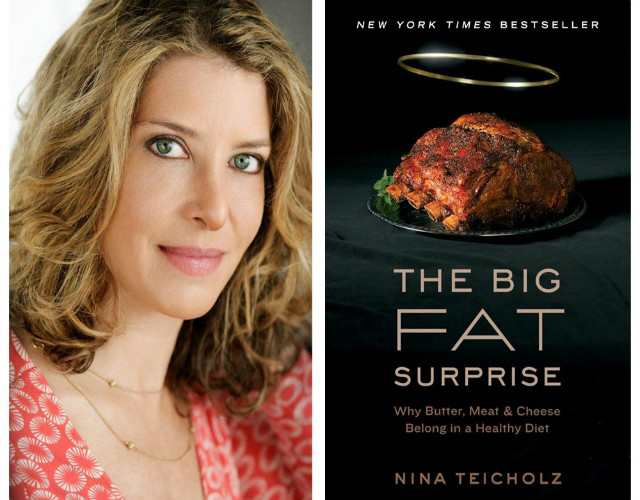

 Diabetes Diet