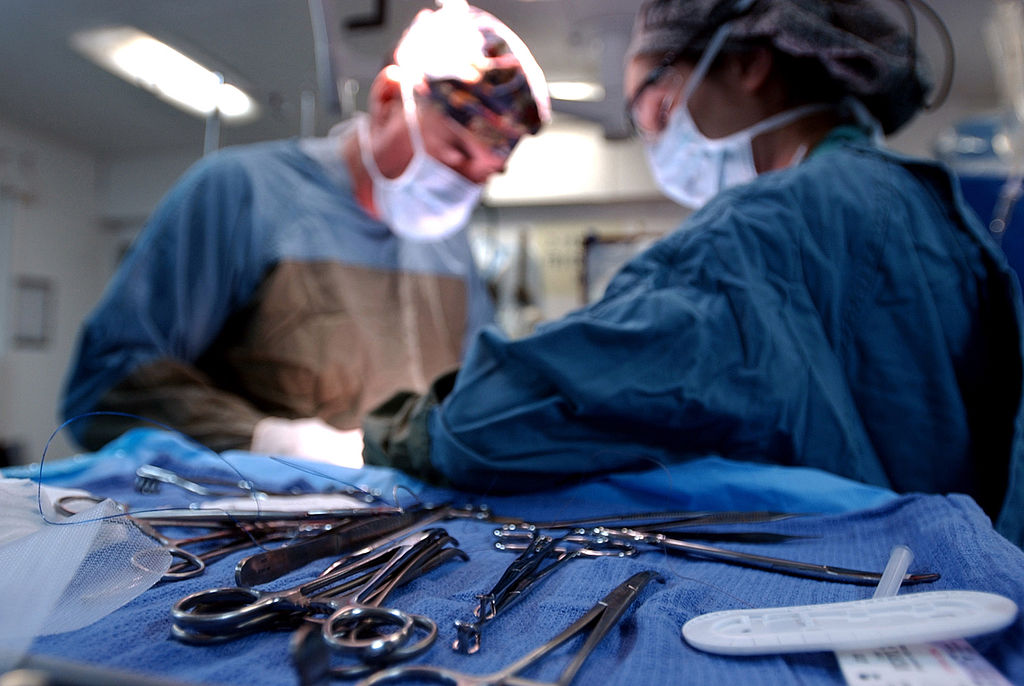
What if that amputation wasn’t necessary?

Expert advisers thought that 7.3% of the cases they reviewed had had unnecessary amputations. Revascularisation or conservative management was thought to have been more appropriate.

The National Confidential Enquiry in to Patient Outcome and Death looked at 479 cases in England and Wales in 2014.  They considered that only 44% of patients who had amputations for vascular or diabetes had received care in accordance with recommended standards published in the Vascular Society’s Quality Improvement Framework for Major Amputation Surgery.

Amputations can become necessary for a variety of reasons: severe trauma, sudden artery blockage, or sudden overwhelming infection for instance.  But for many diabetic and vascular patients the damage is insidious, and treatment to reverse damage can be effective if done early enough.  At the end of months or years of unsuccessful interventions sometimes amputation gives relief from unrelenting pain or infection, mobility can be restored, and a better quality of life can begin again.

The UK mortality rates for people undergoing the operations was 12.4% compared to the USA’s 9.6% for a similar group of patients.

A major problem was that the co-ordinated multi-disciplinary care that is needed to divert patients away from amputation and for successful rehabilitation after amputation is not always in place. A Leeds vascular consultant, Michael Gough said, “patients need treatment of diabetes and heart problems, physiotherapy, rehabilitation and a properly planned discharge”.

In my own area, the multi-disciplinary teams are not in place to reliably prevent amputations nor to give smooth discharge home and rehabilitation afterwards. It is bad enough to struggle at home after an amputation but truly devastating to think that something far less final could have been attempted.

Based on BMJ article by Susan Mayor 15 Nov 2014.

Can your job cause type two diabetes?

A  study of English civil servants has shown that those who earn the least are almost twice as likely to get type two diabetes than those who earn the most.

The ones who earn the least are also over one and a half times more likely to be obese and also one and a half times more likely to pursue an unhealthy lifestyle. This lifestyle includes a group of factors including smoking, drinking excessively, having a poor diet and being physically inactive.

The group comprised of over 7000 adults and equal numbers of men and women and measurements were repeated over an average of 14 years. The authors of the Whitehall II study, do not discuss what the reasons may be for the associations but I can think of a few possibilities.

Healthy food such as meat, fish, eggs, cheese, butter, olive oil, fruit and vegetables cost a lot more than unhealthy food such as sausages, sausage rolls,  bread, pasta, pizza, chips, burgers,  vegetable oil and margarine. As you will know from our book, the cornerstone to preventing weight gain and controlling diabetes is a low carbohydrate diet that is plentiful in protein, vegetables, some fruit and naturally saturated and mono-unsaturated fats.

I’m not sure if the studied civil servants all worked in central London or not. If they did, it would be logical for those who earned more to be able to afford housing nearer their place of work, thereby having to spend less time commuting.

Spending more time travelling to work each day certainly can eat into time that could otherwise be spend on planning meals, shopping and undertaking planned exercise. Being able to have flexible working hours can also help people spend less time commuting and undergo less stress while they do so.

As employees rise higher in the civil service the annual leave time allowed tends to rise as well as the pay. This could also affect the time that could be spent on exercise as well as enjoyable pursuits.  As we know, many exercise options are free, but some are not, and with poor weather outside, exercise plans can slide.  Being able to go to a gym, tennis club or golf course can provide a social outlet as well as an opportunity to exercise. Exercise helps improve mood and relief stress as well as being an opportunity to gain muscle and being able to eat more calories a day and get away with it.

What about smoking and drinking then? Why are these behaviours more common in those who are paid less?

It has been known for a long while that those with less money tend to smoke more.  As for drink, the more affluent can certainly put away plenty of drink too, particularly the more affluent, executive middle class woman, compared to her shop assistant or factory working sister. Greater workplace stress and difficulty with the elusive work/life balance are thought to be factors for the higher earning woman.

What about mental health factors? It has been found that the lower choice someone has about their job role the higher their stress and the greater their chances are of becoming depressed. Perhaps the lower the job status the less autonomy civil servants have at work?  From my work in the police force and the NHS I have seen the opposite scenario as well. I have seen very able people refuse promotion because of the necessity to do a lot of unscheduled extra work and take on responsibility that seems relatively poorly rewarded financially as people rise up the hierarchy.

Television watching also tends to increase the amount of sugary food and drink consumed across all age groups according to a study. Do the more affluent watch less telly? Perhaps having a dining table and using it for family meals can be a factor in reducing our waistlines?

The reasons for the socio-economic differences in the causation of type two diabetes are up for discussion. But also up for discussion is what can we do to lessen the chances of being affected?

Being aware that your job could be putting you are more risk of type two diabetes is a first step. How can you get more control over how you do your job? Can you get flexi-time so as to make home arrangements and commuting less stressful?  Can you eat in a more healthful way? Can you make more time for exercise or incorporate physical activity into your working day? Are those self- soothing habits such as smoking, drinking and watching the telly stealing years from your life?

Sadly it looks like the workplace subsidised canteen and gym perks are becoming less likely rather than more likely. I would not be surprised to see these socio-economic differences between civil servants greatly amplified between people who are unemployed and those workers who are just scraping a living wage compared to  more affluent workers. And where type two diabetes goes so does the increased rates of complications, cardiovascular disease and cancer.

Based on Contribution of modifiable risk factors to social inequalities in type 2 diabetes: prospective Whitehall II cohort study. Silvia Stringhini et all. BMJ Sept 12 and BMJ learning module: The effect of television watching on dietary intake.

Hba1c: when the diagnosis of diabetes can be wrong

Many doctors are now using the hba1c on its own  to diagnose type two diabetes. It means that there is no need to fast overnight, and that you don’t have to spend hours in the GP surgery. But the test relies on having an average turnover time of your red blood cells and this can lead to an incorrect diagnosis if certain conditions are not taken into account.

For some people they DO have diabetes but the blood sugar changes have been so rapid that the red cells have not had time to accumulate enough sugar on them. Therefore children and young people,  women who are pregnant, or who has been pregnant in the last two months,  and anyone in whom type one diabetes is suspected, who tend to have a short duration of symptoms, should still get glucose measurements to determine the diagnosis. Testing for blood or urinary ketones would also be good practice in this group of people.

In people who are anaemic or whose haemoglobin is fragile and gets destroyed earlier than the usual 120 days, blood sugars will be higher than they look for any given hba1c value. Therefore if the hba1c is relied on a diagnosis of diabetes could be missed. Those with haemoglobinopathies, renal failure or HIV infection will be in this group.

If someone is acutely ill, their blood cortisol rises, and effectively blocks the action of a person’s own insulin. Thus the blood sugar rises. This can make it look like someone has developed diabetes but blood sugars will settle back to normal once the person is over the illness.

Certain drugs such as corticosteroids and anti-psychotics also rapidly raise the blood sugar. If a person is acutely ill it is best to rely on blood glucose measurements but after two months of continued drug use the hba1c can be used as long as the person is not acutely unwell.

People with pancreatic damage or who have just had pancreatic surgery also may have a deficient insulin response. This may or may not recover sufficiently over time. Blood glucose measurements are again more reliable in this group.

One of the major reasons that hba1c testing was introduced was to facilitate the diagnosis of type two diabetes. Currently about one in 4 type two diabetics in the UK is thought to be undiagnosed. It is certainly easier to do a hba1c than a glucose tolerance test, but the oral glucose tolerance test still has its place.

Although I’m a doctor I wasn’t fully aware of all the types of people and situations in which the hba1c could be misleading.

Based on an article by Professor Andrew Farmer of Oxford BMJ 10th November 2012.

Bariatric surgery better than diets for sustained weight loss

Bariatric surgery has been shown to be the most effective treatment for substantial and sustained weight loss with a significant reduction in obesity related conditions and long term mortality according to the National Confidential Enquiry into Patient Outcome and Death 2014. Bariatric surgery operations are likely to become more popular as a result.

Bariatric surgery is particularly helpful for diabetics because it can greatly improve blood sugar control and even induce complete remission of type two diabetes. NICE recommends that those with a body mass index over 30 who have had diabetes for under ten years are considered for the operation. Asians may be considered at even lower BMIs.  Simple observation will demonstrate that there are many more people eligible for these operations than can currently be dealt with on the NHS. Indeed currently just under a third of patients pay for the operations themselves.

There are various types of surgery. Some reduce the area of the stomach like the laparoscopic adjustable band,  and some reduce absorption of nutrients like the sleeve gastrectomy. Some are a mixture of the two like the Roux-en-Y gastric band which is the commonest procedure that also produces the greatest weight loss.

Excess weight loss can be as high as 58% with patients’ weight levelling off after two years. Weight gain can recur and this can be due to not following the diet or a surgical failure than needs adjustment.

Once referred to a bariatric clinic the advantages and disadvantages of the various types of surgery is discussed. Psychological support and dietetic support is given. I recall that a bariatric surgeon told me that people referred to his clinic had very marked self- esteem issues and often defaulted from the clinic.

The short term problems after surgery include wound infections, vomiting, intolerance to pureed meals, problems swallowing and leaks at the staple lines for some operations.

Long term patients will need to continue to restrict calories and take multivitamins.  Acid suppression therapy is often required and patients should avoid non- steroidal anti-inflammatories. Gall stones may occur and may require surgical removal.  Hair loss may occur but is temporary.

After a Roux-en-Y operation calories are restricted to less than a thousand a day.  Patients have to take a protein rich diet so they do not become deficient. Iron supplement are particularly needed by women. Most people require vitamin B12 injections every 3 to 6 months. B vitamins, calcium and vitamin D, and the fat soluble vitamins A, D, E and K may be needed.  Annual checks of full blood count, electrolytes, liver function, glucose, iron, ferritin, vitamin D, B 12, calcium, parathyroid hormone, thiamine, folate and selenium are required.

The good news for diabetic  is that blood sugars often improve a great deal and for many  return to normal. Thus insulin and drug requirements will lessen or even stop.  Blood pressure, lipid problems and obstructive sleep- apnea also improve or resolve.

Women may find that they are able to conceive after bariatric surgery but this is discouraged for about 18 months after surgery because of the rapid weight loss and nutritional deficiencies that are common at this time. There is more risk of pre-term and small for age births in women post- surgery.

It can be seen that should the number of surgeries be increased to anything like what is required to deal with the obesity/diabetes epidemic, that resources for long term follow up of these patients will also need to be improved. Support for General Practitioners  will be needed, particularly as there is not sufficient structured follow up, particularly for those who have had operations out with the NHS and even abroad.

Based on article by Vamshi P Jagadesham and Marion Sloan from Sheffield in British Journal of General Practice August 2014.

Nina’s challenge to the USA food guideline team

Nina Teicholz’s article How dietary guidelines are out of step with science has provoked online furore since it made front page headlines on the BMJ 26 September 2015.

Nina, a journalist who took ten years to research and write her bestselling and highly acclaimed book Big Fat Surprise, has been attacked for having the temerity to explain how bias on the part of the expert panel who decide what should be published in this year’s Dietary Guidelines for Americans, is making people fatter and  sicker, instead of improving their health.

Her opponents claim that as a mere journalist she has no business criticising scientists and doctors who know what is good for patients. They claim that their guidelines are scientifically sound and just because they have missed out studies on low carbohydrate diets that show improvements in weight, diabetes control and cardiovascular risk factors, and also failed to evaluate  studies that show that saturated fat does not cause any health related problem, does not mean that their recommendations are unsound.

Nina is concerned that anything that goes against the low fat/high carbohydrate “healthy eating” advice of the last 35 years is being systematically suppressed.  The committee comprises of only 11-15 “experts” yet the recommendations have ramifications for millions of people, not only in the USA, but worldwide.  A congressional hearing will be set in October to discuss the guidelines, hence the importance of signing Professor Jeff Volek’s petition for clarity over the scientific basis for the guidelines.

The USA government set up the Nutrition Evidence Library in 2010 in order that systematic reviews on nutrition could be comprehensive and standardised. Yet, the current expert team did not use this resource for over 70% of the topics on their review, instead choosing to rely in the opinions of the American Heart Association and American College of Cardiology, both of whom have significant funding by food and drug companies.

Among other inconsistencies Nina points out that the Women’s Health Initiative, in which 49,000 women took part, that the lower saturated fat intervention group had no benefit in heart attacks or strokes. Three meta-analyses concluded that saturated fat did not increase cardiovascular mortality, and yet the recommendation of the group has been to limit saturated fat to less than 10% of calories, saying that the evidence basis for this is “strong”…..Stretching the truth a bit?

Low carbohydrate diet research was also not systematically reviewed.  A meta-analysis and critical review concluded that a low carb diet was the best type of diet to control type two diabetes. Two other meta-analyses showed that low carbing was the best diet for weight loss, and improving cardiovascular risk factors. Despite the evidence that would have been revealed, had it been actually looked for, the guidelines went ahead without it. About the only positive message to come out of the guidelines are that a cap on dietary sugar is being proposed.

The three diets that are endorsed by the new guidelines are the “healthy vegetarian diet”, the “healthy US diet” and the “healthy Mediteranean diet”.  Systematic NEL reviews were done on these diets and the evidence base was given as “limited” which means that the evidence quality was low. Despite this the committee decided to boost the evidence rank to “moderate”. Despite at least three National Institutes of Health funded trials on 50,000 people that show that a low fat and low saturated fat diet is ineffective in combating heart disease, obesity, diabetes or cancer, this is the main thrust of the 2015 guidelines, just like all the other guidelines published in the last 35 years.

Nina thinks that many experts, institutions and industries have an interest in keeping the status quo and that these interests create bias. The potential conflicts of interest in some of the committee members is discussed. This subject has also been discussed regarding our UK guidelines by Hannah Sutter in her book Big Fat Lie.

Nina concludes: Given the ever increasing toll of obesity, diabetes and heart disease, and the failure of existing strategies to make inroads in fighting these diseases, there is an urgent need to provide nutritional advice based on sound science. It may be time to convene an unbiased and balanced panel of scientists to undertake a comprehensive review. There needs to be transparency, disclosure of conflicts of interest, and rigorous scientific evidence that is reliably analysed to produce the best possible nutrition policy.

Well…..Nina, you are quite right, and since Jeff Volek’s petition was launched 4 days ago, at least 4,000 people agree with you. So just how important is having a good food guideline for diabetics?

Take the NICE 2015 type two guideline. A main trust is the promotion of structured education for all types of diabetics. “This should be evidence based ….nutritional advice should be given by a health care professional with specific expertise and competencies in nutrition…emphasise “healthy eating” (also known as the high carb / low fat diet)…limit saturated and trans fats to 5-10% of calories…..reducing hypoglycaemia should be a particular aim for those on insulin or a sulphonylurea…Type two diabetes consists of insulin resistance and insulin deficiency…. Insulin resistance is characterised by increased body weight and is worsened by overeating and lack of exercise…commonly associated with high blood pressure, lipid disturbance and a tendency to thrombosis, fatty liver and abdominal adiposity.”

Surely NICE are kidding? Despite also having a distinct lack in worthwhile evidence for their dietary guidelines, they are pushing all diabetics into nutrition classes led by NHS dieticians. They want them to continue teaching a diet that is well known to increase insulin resistance, burn out the pancreatic beta cells that produce insulin and make hypoglycaemia more likely if you are an injected insulin user who aims for good blood sugar control.

NICE conclude their impossible wish list, ”Aims of education are to improve outcomes by addressing health beliefs, optimising metabolic control, addressing cardiovascular risk factors, facilitating behaviour change, reducing complications,  improving quality of life and reducing depression. The relationship between the person with diabetes and healthcare professionals should be enhanced thereby providing the basis of true partnership in diabetes management.”

Hypocritical or what?

What can diabetic women expect when they are expecting?

NICE have come up with some sensible improvements for the management of diabetic pregnancies that should reduce complications for mothers and babies in the future. None of these changes are radical and indeed they are already considered best practice, but what is different is that they want to see if best practice can be made routine.

Frequency

Approximately 700,000 women give birth in England and Wales each year, and up to 5% of these women have either pre‑existing diabetes or gestational diabetes. Of women who have diabetes during pregnancy, it is estimated that approximately 87.5% have gestational diabetes (which may or may not resolve after pregnancy), 7.5% have type 1 diabetes and the remaining 5% have type 2 diabetes. The prevalence of all 3 types of diabetes is increasing. The incidence of gestational diabetes is also increasing as a result of higher rates of obesity in the general population and more pregnancies in older women.

Risks

Diabetes in pregnancy is associated with risks to the woman and to the developing fetus. Miscarriage, pre‑eclampsia and preterm labour are more common in women with pre‑existing diabetes. In addition, diabetic retinopathy can worsen rapidly during pregnancy. Stillbirth, congenital malformations, macrosomia, birth injury, perinatal mortality and postnatal adaptation problems (such as hypoglycaemia) are more common in babies born to women with pre-existing diabetes. For women diagnosed with gestational diabetes, hyperglycaemia usually resolves after pregnancy, but a proportion of these women will have type 2 diabetes after the birth. Therefore, before a woman is discharged to the care of her GP, her blood glucose levels should be tested to ensure that they have returned to normal.  Women with pre-existing diabetes will be managed in general adult diabetes services after the birth.

List of recommendations

  1. Women with diabetes planning a pregnancy are prescribed 5mg/day folic acid until 12 weeks gestation.

High-dose folic acid supplements should be prescribed for women with diabetes from at least 3 months before conception until 12 weeks of gestation, because they are at greater risk of having a baby with a neural tube defect. The benefits of high-dose folic acid supplementation should be discussed with the woman during preconception counselling as part of her preparation for pregnancy. If a woman with diabetes has an unplanned pregnancy, she should be prescribed high-dose folic acid as soon as the pregnancy is confirmed.

  1. Pregnant women with diabetes are supported to self-monitor their blood glucose levels during pregnancy.

Women with diabetes need to be able to self-monitor their blood glucose levels at an increased frequency during pregnancy. This will help them to maintain good blood glucose control throughout pregnancy, which in turn will reduce the risk of adverse outcomes such as fetal macrosomia, trauma during birth, induction of labour and/or caesarean section, neonatal hypoglycaemia and perinatal death. Support should be provided to ensure that women have access to blood glucose monitors and enough testing strips, and know how to use them.

  1. Women with pre-existing diabetes are seen at the joint diabetes and antenatal care clinic within 1 week of their pregnancy being confirmed.

Women with diabetes who become pregnant need additional care in addition to routine antenatal care. A joint diabetes and antenatal clinic is able to ensure that specialist care is delivered in order to minimise adverse pregnancy outcomes. Immediate access to a joint diabetes and antenatal clinic within 1 week will help to ensure that a woman’s diabetes is controlled during early pregnancy, when there in an increased risk of fetal loss and anomalies. It will also help to ensure that the woman’s care is planned appropriately throughout her pregnancy.

  1. Pregnant women with pre-existing diabetes have their HbA1c levels measured at their booking appointment.

A woman’s HbA1c levels can be used to determine the level of risk for her pregnancy. Women who had diabetes before they became pregnant should have their HbA1c levels measured during early pregnancy to identify the risk of potential adverse pregnancy outcomes and to ensure that any identified risks are managed.

  1. Pregnant women with pre-existing diabetes are referred for retinal assessment at their booking appointment.

Pregnant women with diabetes can have an increased risk of progression of diabetic retinopathy. Pregnant women should therefore be screened more often for diabetic retinopathy. Retinal assessment should be offered at the booking appointment unless the woman has had an assessment in the last 3 months.

  1. Pregnant women diagnosed with gestational diabetes are reviewed at the joint diabetes and antenatal care clinic within 1 week of diagnosis.

Pregnant women diagnosed with gestational diabetes should have specialist advice and treatment in a timely manner, and should be reviewed by members of the joint diabetes and antenatal care team within 1 week of being diagnosed. The joint clinic should provide the woman with advice, including why gestational diabetes occurs, potential risks and complications, and treatments aimed at reducing those risks.

  1. Women who have had gestational diabetes have annual HbA1c testing

Women who have had gestational diabetes are at increased risk of getting it again in future pregnancies. They are also at higher risk of type 2 diabetes: if they are not diagnosed with type 2 diabetes in the immediate postnatal period (up to 13 weeks after the birth), they are still at high risk of developing it in the future. Early detection of type 2 diabetes by annual HbA1c testing in primary care can delay disease progression and reduce the risk of complications. Annual testing can also reduce the risk of uncontrolled or undetected diabetes in future pregnancies.

Readers of our book can find information of the blood sugar targets that are optimal in pre-pregnancy and pregnancy and of course the type of food and menus that will help them achieve these targets. Detailed insulin administration tips are also described to optimise insulin to meal matching.

Forthcoming Drug Recommendations for Type 2 Diabetics from NICE

NICE have some drug recommendations to make for diabetics in their forthcoming guidelines later this year. It can be seen that NICE are heavily influenced by drug costs. So what could these new guidelines mean for you?

The blood pressure recommendations have scarcely changed but the use of Repaglinide first or second line for blood sugar control is a change from previously. Blood sugar targets have tightened up a bit and structured education is expected for insulin users. Cheaper, older insulins are favoured. Blood sugar testing is being rationed considerably. Aspirin is out of favour but drugs for erectile dysfunction are in. Erythromycin is being adopted for the very difficult to manage problem of gastroparesis.

The medications you will need to take to improve your life with diabetes will depend on many factors. Primarily, what do you want a medication to do for you?

The answer to this will depend on how well you are managing lifestyle changes, how long you have had the condition, the presence of any complications, and how tight you want glycaemic control, blood pressure and lipids to be. The targets need to be individualised to you, and this can be done by becoming more informed about your condition and discussing it with other health care providers and people with diabetes. We discuss these factors in our book, the Diabetes Diet, and I will be updating you on some of the new recommendations in further articles.

This article covers the changes to blood pressure medications, glycaemic targets and drugs to control blood sugar, self-monitoring of blood sugar, insulin initiation and the management of complications.

Blood pressure

For diabetics the BP target is 140/80 if there are no blood vessel complications such as kidney, eye or cerebrovascular disorders. If these are present the target is 130/80. BP lowering can improve peripheral neuropathy as well as stroke, MI, blindness and renal failure. 25% of those with type 2 diabetes develop nephropathy within 20 years of diagnosis.

Because ACE inhibitors and sartans reduce progression to renal disease better than other classes of anti-hypertensive agent they should be used first in diabetics unless they are a woman who could get pregnant as this class of drug is teratogenic. First line for women in this situation is a Calcium channel blocker CCB instead.

For Afro-Caribbean use ACE + diuretic or ACE + Calcium channel blocker. This is because this group respond less well to ACEs and sartans so should have add on drugs right from the start.

For those who can’t tolerate an ACE use a sartan unless there is renal deterioration or hyperkalaemia.

If BP is still not controlled add a CCB or thiazide diuretic.

If still not controlled use any of an alpha blocker e.g. Doxasozin or a beta blocker e.g. Bisoprolol or potassium sparing diuretic e.g. Spironolactone.

If someone has already had a heart attack or heart failure they will probably be on a beta blocker anyway. Carvedilol was superior to metoprolol in metabolic terms for renal protection in one study.

Use spironolactone with caution if someone is already on a sartan or ACE because they all can raise potassium.

Glycaemic control


All-cause mortality rises as hbaic rises and decreases as hbaic reduces. The risk of microvascular complications increase over hba1c of 6.5% (48 mmol/mol) or 7% (53) for macrovascular complications. Fasting blood glucose levels influence MI but not stroke or angina.  Amputation rates rise over the age of 60 for any given hbaic. Therefore it can be seen that to improve life expectancy and the quality of life that in general the tighter the blood sugar control the better.  At the same time doctors are asked to adopt an individualised approach to blood sugar targets and consider life expectancy, personal preferences, co-morbidities, risks of polypharmacy and they should consider stopping ineffective drugs.

Targets:

NICE felt they could not comment on hba1c under 6% because only one study they looked at achieved this. Hba1cs in the 4s or 5s are not uncommon in low carbing diabetics however so don’t let this put you off your stride. NICE do say that if adults reach a lower blood sugar target than they were expecting and are not having hypoglycaemia the doctor should encourage them to maintain it.

They suggest:

6.5% for non-drug using diabetics or on drugs that don’t cause hypos e.g. metformin, pioglitazone, gliptins, victoza.

7% for the rest e.g. repaglinide, sulphonylureas, insulin.

7.5% intensify treatment, but individual circumstances e.g. life expectancy, co-morbidities, hypos need to be taken into account.

Drug step-laddering:

The first step for most diabetics is to offer metformin as the initial drug treatment.  But don’t give or stop metformin if the kidney test, the egfr is below 30 and use with caution if under 45. Regular metformin can give diarrhoea and if this is a problem the long acting version can be used.

If there is symptomatic hyperglycaemia, such as thirst and weight loss consider a sulphonylurea or insulin first. Other drugs may be considered once the blood sugars have stabilised. .

Next they suggest Repaglinide on its own or with metformin. Repaglinide is not licenced with other drugs. For people who could not tolerate metformin and repaglinide are the most cost effective treatment option.

If repaglinide was not suitable or is not achieving the desired blood sugar target any of pioglitazone, a sulphonylurea or a gliptin can be used.  The choice can be tailored to the patient.

Sulphonylureas had the most hypos and gliptins the least. Metformin had the best weight loss. Sulphonylurea and Pioglitazone had the most weight gain. NICE prefer doctors to use the lowest cost gliptin because they are relatively expensive.

Reducing hypoglycaemia should be a particular aim for those on insulin or a sulphonylurea. As blood sugar monitoring is necessary for these drugs, this factor can increase the cost considerably over and above the costs of the medication.

Consider GLP1 mimetic i.e. Byetta or Victoza if the BMI is over 35.  Only continue it if hba1c goes down by 1% and weight goes down by 3% over six months.

Insulin is considered to be the “last option”. There is currently research being carried out on the effects of early use of insulin in type two diabetes and this may change practice in the future.

Only offer insulin + Victoza in specialist care setting.

Insulin initiation

When starting insulin use support from an appropriately trained health professional and give:

Structured education

Telephone support

Frequent self monitoring

Dose titration to target

Dietary understanding

Hypoglycaemia management

Management of acute rises in blood sugar

Continue metformin

The usual first choice insulin is NPH insulin at bedtime or twice daily.

The more expensive Lantus or Levemir may be considered if a carer would be able to cut to once daily injections or if hypoglycaemia is a problem or otherwise the patient would need twice daily NPH and oral drugs or they can’t use the NPH device.

If hbaic is 9% (75) consider twice daily pre-mixed bi-phasic insulin.

Blood sugar testing

NICE recommends that self- monitoring of blood sugars is to be avoided unless a person is on insulin, has symptomatic hypoglycaemia, or oral medication that causes hypos or driving or operating machinery, pregnant or trying for a baby.  It may be worth considering if a patient is on oral or intravenous steroids.

Doctors or nurses should reassess the need for self monitoring annually to see if it remains worthwhile.

Self monitoring produced only a 0.22% reduction in hbaic. It was considered by NICE to be not helpful for most people with type two diabetes though more hypos were detected with it.


Anti-platelet therapy for cardiovascular protection

There is no overall benefit to taking aspirin or clopidogrel in type 2 diabetes unless they already have cardiovascular disease.

Managing complications

Autonomic neuropathy symptoms are: gastroparesis, diarrhoea, faecal incontinence, erectile dysfunction, bladder disturbance, orthostatic hypotension, gustatory and other sweating disorders, dry feet and ankle oedema.

Treatments for gastroparesis are metoclopramide, domperidone and erythromycin.

Refer to a specialist if severe or persistent vomiting occurs or the diagnosis is in doubt.

Nocturnal diarrhoea may indicate autonomic neuropathy.

Tricyclics are often given for neuropathic pain but can increase postural hypotension.

Erectile dysfunction

Offer men the chance to speak about this at their annual review. Offer Viagra, Cialis and similar and refer if these don’t work.

Eye damage

Diabetic eye damage is the single largest cause of blindness before old age.

Refer to the emergency ophthalmologist if:

Sudden loss of vision

Rubeus’s Iridis

Pre-retinal or vitreous haemorrhage

Retinal detachment

Send for rapid review if there is new vessel formation.

So what do you think of the new NICE recommendations?  Do you think these changes will affect your medications?

Crab cakes paleo style

If you love a great crab cake, then you know that finding one isn’t is not easy…

Most are severely lacking in the “crab” department. They are fried to oblivion in unhealthy vegetable oil. And they are loaded with breading (to make up for the lack of, well… crab).

The perfect crab cake is packed with chunks of lump crab, boasts a perfectly golden-brown exterior, and is just barely held together with creamy mayonnaise, egg and a little breading. This is a delicacy that will have you pining for more.

Since removing gluten and grains from my diet, I’ve missed indulging in the occasional crab cake. And despite a number of attempts to recreate this seaside favorite, my Paleo substitutes of coconut flour and almond flour just weren’t creating the same texture as a genuine crab cake.

That is, until…

The Happy Accident with Cauliflower: My Crab-Less Crab Cakes

Not long ago, I was making cauliflower fritters from leftovers in the fridge. A simple recipe of steamed and “riced” cauliflower, seasoning, eggs and a little coconut flour, formed into patties and then pan-fried in a healthy heat-stable oil.

My husband, Jon, came in and said with a smile “Wow, you made crab cakes!” As he took a bite, I waited for his response. “These are GREAT… but where’s the crab“.

I laughed. “They’re crab-less!”

And then I got to thinking. Steamed cauliflower just might be the missing link to creating the perfect gluten-free, grain-free Paleo Crab Cake. And so a new recipe was born…

But it is not just the cauliflower that makes these crab cakes so delicious and unique. Do you see the perfect golden crust in the image below? That’s created by the addition of coconut flour – another “secret” ingredient in this recipe.

I hope you love these crab cakes as much as we do at our house. To reduce your exposure to PCBs (endocrine disruptors and carcinogens) from blue crab, consider using low-contaminant snow crab meat which is also more sustainable and eco-friendly.

To your health!

Kelley Herring
Healing Gourmet

Paleo Crab Cakes

Yield: 8 crab cakes
Active Time: 15 minutes
Total Time: 30 minutes

Ingredients

  • 1 lb. crab meat, cooked
  • 1 cup cauliflower florets, steamed well
  • 2 pastured eggs
  • 3 Tbsp. coconut flour
  • 3 Tbsp. Paleo mayonnaise (homemade or Wilderness Family Naturals)
  • 2 Tbsp. fresh parsley, chopped
  • 1/2 tsp. sea salt
  • 1/2 tsp. Old Bay seasoning
  • 2 Tbsp. avocado or coconut oil

Preparation

  1. In a medium bowl, add the steamed cauliflower. Gently break up into small pieces, mashing some. Leave some pieces intact for texture.
  2. Add the crab meat and parsley. Gently fold the mixture to distribute the ingredients evenly without breaking up the crab too much.
  3. In a small bowl, whisk together the eggs, mayonnaise, Old Bay and salt.  Pour over the crab meat mixture and gently fold.
  4. Now sift the coconut flour over the crab and gently fold the mixture until everything is uniform. The coconut flour is what helps give these cakes that crispy-golden crust.
  5. Transfer to the fridge to chill and firm up – about 10 minutes. Preheat oven to 350 F.
  6. Remove crab mixture from fridge and form into patties. I made mine about 2 inches thick and 3 inches in diameter.
  7. Heat oil in a cast iron pan over medium-high heat. When oil is shimmering, add the crab cakes, being careful to not overcrowd the pan (this will cause steaming, not searing). Cook about 3 minutes to golden brown, then flip and cook another 3 minutes.
  8. Place pan-fried crab cakes on a baking sheet and transfer to the preheated oven to cook through (12 to 15 minutes)
  9. Serve with fresh lemon wedges and Paleo mayo.

Nutrition Information Per Serving
145 calories, 10 g fat, 2 g saturated fat, 7 g monounsaturated fat, 0.4 g polyunsaturated fat, 100 mg cholesterol, 3 g carbohydrate, 1 g fiber, 12 g protein

Excellent Source of: Protein, Selenium, Vitamin B12, Vitamin K, EPA/DHA Omega-3

Good Source of:  Zinc, Vitamin C, Phosphorous

Find more paleo and low carb recipes at  www.HealingGourmet.com

Kelley has also written several e books with very good low carb baking recipes that are delicious and easy to follow.  These can be accessed from her site.

Katharine.

You only need one arrow: Dr Unwin proves it again

Dr David Unwin has completed another study in his practice patients showing that a low carb diet greatly reduces fatty liver, weight and blood sugar. The knock on effects on the prescribing budget, secondary care referrals and complications can only be a good thing for the struggling NHS. His practice alone, compared to those in his area, is making savings when it comes to diabetes care.  Currently 66-70% of the adult UK population is overweight or obese, 20-30% have non alcoholic fatty liver disease and 10% have diabetes. The low carbing community remains mystified as to how such a rational, safe and effective treatment option is still side-lined by most diabetology clinics, NICE, and Diabetes UK.

Dr Unwin estimates that between £15,000-£30,000 a year has been knocked off his prescribing budget for a single practice in which the low carb diet was routinely offered to patients. While the drug spend continues to rise in adjacent practices, his budget has not risen in the last three years. His patients are now officially thinner than in neighbouring practices and below the national average. In two years the average blood sugar has come down 10% and is now below the national average of 61.5 mmol/mol.

Here is the abstract which we are proud to present ahead of publication in Diabesity in Practice in September 15.

  • Unwin DJ1, Cuthertson DJ2, Feinman R3, Sprung VS2 (2015) A pilot study to explore the role of a low-carbohydrate intervention to improve GGT levels and HbA1c. Diabesity in Practice 4 [in press]

     1Norwood Surgery, Norwood Ave, Southport. 2Department of Obesity and Endocrinology, Institute of Ageing & Chronic Disease, University of Liverpool, UK. 3Professor of biochemistry and medical researcher at State University of New York Health Science Center at Brooklyn, USA.

    Working title: Raised GGT levels, Diabetes and NAFLD: Is dietary carbohydrate a link?  Primary care pilot of a low carbohydrate diet

    Abnormal liver function tests are often attributed to excessive alcohol consumption and/or medication without further investigation. However they may be secondary to non-alcoholic fatty liver disease (NAFLD). Considering the increased cardiovascular and metabolic risk of NAFLD, identification and effective risk factor management of these patients is critical. NAFLD is now prevalent in 20-30% of adults in the Western World

    Background Excess dietary glucose leads progressively to hepatocyte triglyceride accumulation (non-alcoholic fatty liver disease-NAFLD), insulin resistance and T2DM. Considering the increased cardiovascular risks of NAFLD and T2DM, effective risk-factor management of these patients is critical. Weight loss can improve abnormal liver biochemistry, the histological progression of NAFLD, and diabetic control. However, the most effective diet remains controversial.

    Aim We implemented a low-carbohydrate (CHO) diet in a primary health setting, assessing the effect on serum GGT, HbA1c levels (as proxies for suspected NAFLD and diabetic control), and weight.

    Design  69 patients with a mean  GGT of 77 iu/L (NR 0-50) and an average BMI of 34.4Kg/m2 were recruited opportunistically and advised on reducing total glucose intake (including starch), while increasing intake of  natural fats, vegetables and protein.

    Method Baseline blood samples were assessed for GGT levels, lipid profile, and HbA1c. Anthropometrics were assessed and repeated at monthly intervals. The patients were provided monthly support by their general practitioner or practice nurse, either individually or as a group.

    Results After an average of 13 months on a low-CHO diet there was a 46% mean reduction in GGT of 29.9 iu/L (95% CI= -43.7, -16.2; P<0.001), accompanied by average reductions in weight [-8.8Kg (95% CI= -10.0, -7.5; P<0.001)],and HbA1c [10.0mmol/mol (95% CI= -13.9, -6.2; P<0.001)].

    Conclusions We provide evidence that low-carbohydrate, dietary management of patients with T2DM and/or suspected NAFLD in primary care is feasible and improves abnormal liver biochemistry and other cardio-metabolic risk factors. This raises the question as to whether dietary carbohydrate plays a role in the etiology of diabetes and NAFLD, as well as obesity

Dr Wendy explains how knowledge is power

Dr Wendy Pogozelski is a type one diabetic biochemistry professor in New York who has found that a low carb diet normalised her blood sugars. She gives a 15 minute TED talk which you can see on the link below.
https://www.youtube.com/watch?v=WIebxoTx408

During her brief talk, she explains how following the advice of the American Diabetes Association would not be best for blood sugar control and how knowing about metabolism and the effect that carbohydrate and insulin have on it have changed her prognosis as a diabetic.