Freestyle Libre: continuous blood sugar monitor available in the UK

Freestyle have released the first reasonably priced continuous blood sugar monitor in the UK. Unfortunately it is not yet available on the NHS. You can purchase it for £157 and get extra sensors which each last two weeks for just short of £60 each.

Most blood test strips cost between 30p and 50p each. Most type one diabetics will be using 5 or more test strips a day. This costs £9,125 per person based on 5 strips at 50p each. A years supply of sensors for the Freestyle Libre will cost £1,508 so you can see that it has been priced fairly reasonably.

The new system works by having a sensor, about the size of a ten pence piece, inserted in the triceps area of the upper arm for up to two weeks at time. The adhesive is strong enough to withstand daily baths, showers and swimming activities. After an hour the new sensor is good to go.

After initial programming with your personal blood sugar targets, the mobile phone sized monitor picks up not only your blood sugar but shows the trend in which it is directed by means of directional arrows. This is perhaps the most important feature of the new machine. It would be really helpful for most people to know this when they are about to drive for instance, or if they are trying to address rising blood sugars during an attack of flu.

The number of times you can check your blood sugar with the Freestyle Libre is limitless and there are well designed graphics to show you how your blood sugars have performed over time.

80% of the costs of diabetes on the NHS is related to the treatment of complications. It seems to me that it would be money well spent for the NHS to invest in this new technology that can help diabetics control hypoglycaemia better as well as helping them keep their blood sugars in range and avoid high blood sugars. DTR_Libre_6995.jpg


Tomato Basil Cream Chicken

Lots of basil and tomatoes in season right now, enjoy!

nourishedpeach's avatar

SONY DSC

This is something I make fairly often and realized just this week that I have yet to share the recipe with you.  You’ll have it on the table in the blink of an eye and it may be devoured just as quickly, too.

This Tomato Basil Cream Chicken is the perfect dish for those times when you are wanting yummy tomato flavor but are unable to get your hands on delicious, home-grown varieties.  Store-purchased roma tomatoes are all you need-sounds blah, no?  But let me just tell you how this whole deal works…I’m sure I can convince you to get the “blah” out of your brain…

View original post 492 more words

Eggs make a good start to the day


Eggs have been shown to improve satiety and increase circulating HDL. They contain nutrients that may reduce the risk of T2D and CVD. Current guidelines regarding egg consumption and dietary cholesterol intake differ among countries: Australia recommends a max of 6 egg/wk for people with T2D. The US recommends that patients with T2D limit dietary cholesterol to <300 mg/d and <4 eggs/wk; and the UK has no suggested limit, but they do emphasize a dietary reduction of saturated fatty acids. Previous studies regarding the effect of a high-egg diet had confounding factors and/or limitations with respect to data. Australian researchers decided to address those limitations by analyzing the health effects of a high-egg diet.

In a 3-month prospective RCT, 140 patients with BMI >25 kg/m2, and either prediabetes or T2D, were randomly assigned to 2 diet groups. Patients in the high-egg group consumed 2 eggs/day for 6 days/wk, while the low-egg diet group consumed <2 eggs/wk with 10 g lean protein for breakfast. The primary outcome was change in HDL cholesterol at 3 months, while changes in anthropometric measurements, vital signs, nutritional analysis, and satisfaction were all doneeggs secondarily. Blood samples were collected for FBG, HbA1c, lipid panel, C-reative protein, apolipoprotein B, CBC, thyroid function, liver and renal function. Height and waist circumference was measured and a patient food diary was collected at baseline and 3-months. Questionnaires were used to obtain food, physical activity and quality of life information from the patients.

The study results showed that there were no significant differences in HDL from screening to 3 months between the two groups. There were also no significant differences in total cholesterol, LDL, TGs, or apolipoprotein B. Both groups had no significant differences in FBG or HbA1c. Waist circumference, total body fat, fat free mass, BP, and HR did not show any significant differences. Both group had an increase in overall satisfaction with the diets they were on. However, the high-egg group showed a higher enjoyment with the food they were eating and were less bored with food options. The high-egg group also trended toward being more satisfied with a high-egg diet compared to a low-egg diet with a significantly greater satiety and less hunger reported after breakfast.

Previous studies and current guidelines do not provide a clear message as to the whether eggs are safe and suitable as a dietary protein source for people with T2D with a high risk for CVD complications. This study showed there were no significant differences in circulating HDL, LDL, TC, or TGs between the high- and low-egg diet groups. The high-egg diet group also showed a significantly greater food-acceptability score and scored their diet with less hunger and greater satiety after breakfast; this suggest that a high-egg diet does not result in boredom and may likely improve nutritional management in patients with T2D.

Practice Pearls:
•This study compared the health effects of a high-egg diet (2 eggs/day for 6 days/wk) with a low-egg diet (<2 eggs/wjk).
•The high-egg diet group showed no significant difference in their lipid panel at 3 months, compared to the low-egg diet group.
•Test patients showed a greater satiety after breakfast and greater food-acceptability in the high-egg diet, suggesting that a high-egg diet can be used to help improve nutritional management.

NR Fuller. The effect of a high-egg diet on cardiovascular risk factors in people with type 2 diabetes: the Diabetes and Egg (DIABEGG) study –a 3-mo randomized controlled trial. Am J Clin Nutr. 2015; 101: 705-713.


Based on an article in Diabetes in Control April 2016

Dr Peter Attia’s advice on dodging death

Do you want to live to a good old age? Researcher Dr Peter Attia discussed his top tips with paleo diet enthusiast Chris Kresser in March 16. This is summary of what he had to say.

Henny Nonne (geb. Heye), Max Nonne
Professor Max Nonne und Frau [Henny Nonne], geb. Heye
There are a few obvious big things that we can all do to dodge death at a prematurely.

  1. Choose to be a non- smoker.
  2. Don’t die by suicide.
  3. Avoid accidental deaths.  Most of these are caused by three things, Road Traffic Accidents, accidental poisoning, including the wrong use of prescription medication, and falls. You can minimise these by using a seatbelt, driving carefully, particularly at junctions, not using the phone when driving and avoiding any alcohol use at all when driving.  When you are a pedestrian be wary of drivers, cross the road in safe places and be very careful regarding alcohol intake.
  4. About 80% of all deaths in the over 40s are caused by the diseases of civilisation: atheromatous disease causing heart attacks and strokes, cancer and neurodegenerative disease such as Alzheimer’s and Parkinson’s disease.  Some of these have a genetic basis that we can do nothing about, but there are lifestyle measures you can take to delay or avoid them.
  5. Keep your blood glucose and therefore blood insulin levels low and with a low level of variability. A high fat, moderate to low protein and low carbohydrate diet is best for this. Dr Attia’s opinion is that 20% carb 20% protein 60% fat is about right.
  6. Avoid stress. There are two components to this. To feel fulfilled and happy you need meaning in your life. You will be happier if you can give support to others and receive it from them too. Minimise stress if you can. Consider meditation practice.
  7. Get a good sleep every night. Sleep deprivation causes severe insulin resistance. Keep the bedroom completely dark. Keep it cool to even cold. Avoid blue light from computers, phones or lights for several hours before sleep. Consider using melatonin, phosphatidylserine, magnesium, L-threonate and vitamin D to enhance your sleep if you are not sleeping well.
  8. Exercise. This has stress benefits of its own and also improves glucose uptake into the muscles if the right exercises are done. For best increase in muscle insulin sensitivity Peter advises squats and deadlifts done with good form and with very heavy weights.
  9. Decide what you are going to do for your optimum benefit and then change your habits so that they become second nature. Repetition is the key.
  10. 151985627_f76043167b_b.jpg

Bacteria that causes gum disease and arterial plaques identified

Floss4

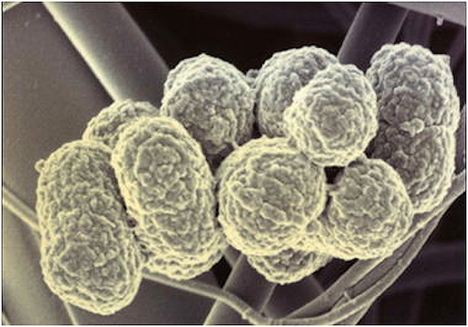
A study, published in Infection and Immunity, has clarified the mechanism behind a known link between gum disease and heart disease. Periodontitis, which results in an infection that damages the soft-tissue surrounding teeth and the bone supporting the teeth, is commonly caused by Porphyromonas gingivalis. P. gingivalis is a Gram-negative anaerobe that colonizes mouth tissues for lengthy periods of time after initial infection. It is commonly found within the arterial plaques common to heart disease patients.

The study authors discovered that the bacteria alters the gene expression of pro-inflammatory proteins that also promote coronary artery atherosclerosis. This was discovered by infecting cultured human aortic smooth muscle cells with P. gingivalis. Aortic smooth muscle cells were used because they contract the aorta after the pumping of the heart stretches it out.

After P. gingivalis was injected into the cells, the bacteria released gingipains. Gingipains are enzymes that change the ratio between different angiopoietins (inflammatory proteins) in such a way that inflammation is increased. The pro-inflammatory angiopoietin 2 had its expression increased by the gingipains, whereas the anti-inflammatory angiopoietin 1 had its expression reduced. P gingivalis was found to affect the levels of these proteins independent of tumor necrosis factor (TNF).

The study is significant because it helps to pinpoint the relationship between periodontitis and heart disease. Further research can help clarify potential targets for treatment of atherosclerosis.

Practice Pearls:
•Periodontitis and heart disease share a common pathogen, P. gingivitis.
•A study found that P. gingivitis alters gene expression to increase production of the pro-inflammatory protein angiopoietin 2 and decreases presence of the anti-inflammatory protein angiopoietin 1. This results in increased atherosclerosis.
•The study further clarifies the cardiovascular risk of poor oral health and hygiene.

Paddock C. Scientists uncover bacterial mechanism that links gum disease to heart disease. published in the journal Infection and Immunity. September 14, 2015.

Published in Diabetes in Control September 15

Diabetics benefit from moderate red wine with meals

hqdefault (1)

Red wine consumption has been linked with improved cardiovascular outcomes in patients. The results of a new study published in the Annals of Internal Medicine suggest that these benefits extend to diabetic patients as well. In addition, moderate consumption did not cause liver damage.

The study was a two-year randomized clinical trial that took place in Israel. The study included 224 randomly assigned subjects who were all following the Mediterranean diet without caloric restriction. All subjects were alcohol-abstaining and had well-controlled type 2 diabetes. The subjects were randomly assigned to drink 150 mL of mineral water, white wine, or red wine with dinner for the duration of the trial.

The study authors looked at two primary outcomes: lipid profiles and glycemic control. Patients in the red wine group saw their HDL cholesterol levels significantly increased by 2.0 mg/dL (95% CI, 1.6 to 2.2 mg/dL; P < 0.001) and their apolipoprotein(a)1 levels increased significantly by 0.03 g/L (95% CI, 0.01 to 0.06 g/L; P = 0.05). Furthermore, their total cholesterol to HDL cholesterol ratio decreased by an average of 0.27 (95% CI, -0.52 to -0.01; P = 0.039). Red wine also reduced the number of components of metabolic syndrome by 0.34 more than the mineral water group (95% CI, -0.68 to -0.001; P = 0.049).

Red and white wine patients who were slow ethanol metabolizers (carriers of the ADH1B*1 alcohol dehydrogenase allele) had significant improvements in fasting plasma glucose, insulin resistance, and hemoglobin A1c. Fast ethanol metabolizers (patients homozygous for ADH1B*2) did not see these benefits.

There were no changes among the groups for blood pressure, adiposity, drug therapy, symptoms, or liver function. This suggests that moderate wine with dinner will not cause liver damage. There was one quality of life improvement that patients in both wine groups saw over the mineral water drinkers: increased sleep quality (P = 0.040). Overall, this study suggests that moderate red wine intake in well-controlled diabetics in conjunction with a healthy diet is safe and improves lipid profiles. Patients who are slow ethanol metabolizers may also have glycemic control benefits.

This trial did have several flaws though. Patients and researchers both knew which group consumed what beverage. This could potentially have influenced the increased sleep quality reported in both wine groups. Perhaps more importantly, all the patients in this study were already adhering to a healthy Mediterranean diet, which is suspected to improve heart health itself and had well-controlled diabetes. Further studies are needed to elucidate the mechanisms and extent of ethanol’s benefits, especially in patients who are not well-controlled or consuming ideal diets. Patients should be cautioned that red wine consumption is not a substitute for heart or diabetes medicine.

Practice Pearls:
•In a study of well-controlled diabetes patients adhering to the Mediterranean diet, 150 mL of red wine with dinner improved lipid profiles.
•Patients who were slow ethanol metabolizers had improvements in glycemic control in both the red wine and white wine groups.
•The red wine and white wine groups did not have differences in liver function with the mineral water group.

Gepnyer Y, Golan R, Harma-Boehm I, et al. Effects of Initiating Moderate Alcohol Intake on Cardiometabolic Risk in Adults With Type 2 Diabetes: A 2-Year Randomized, Controlled Trial. Ann Intern Med. 2015 Oct 13. Epublished ahead of print. doi: 10.7326/M14-1650.

From Diabetes in Control October 15

White, pure and deadly: the sugar conspiracy

app-sugar


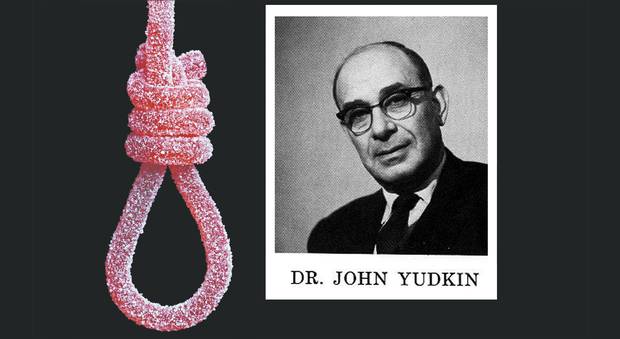
This article from the guardian gives the story of Professor John Yudin, who has eventually been proven to be correct about his research on sugar’s harmful effects.  More recently Dr Robert Lustig has publicised his opinions on the same subject thanks to YouTube. This article goes into considerable depth about the history of the “is it fat or is it sugar that is the main cause of heart disease?”.


http://www.theguardian.com/society/2016/apr/07/the-sugar-conspiracy-robert-lustig-john-yudkin


no-sugar-lustig1000a.jpg

Who is more likely to have poor glycaemic control?

maxresdefault (2)An analysis of the ACCORD trial has shown that African Amercans, insulin users, and patients who have episodes of severe hypoglycaemia are at considerably higher risk of running hba1cs over 8%.

The trial showed that middle aged and elderly patients with an increased cardiovascular risk had a lower total mortality rate if their HbA1c ran between 7 and 8%.  The patients enrolled were all getting free drugs and free medical care so that affordability did not impact on results. The idea was to intensify drug treatment if the patient did not get an A1c below 8% and they saw physicians every 4 months to track their progress. It was fully expected that the more normal the glycaemic results the better the outcomes for the patients would be. To the surprise of much of the medical profession, this turned out not to be the case, and near normal blood sugars have now been recognised as not suitable for everyone.

One of the populations that struggled were African Americans. Do they have more insulin resistance problems? Although drugs and medical care were free, we know that food, exercise, education, rest, and mental health affect diabetes control. How were these factors affected? Was poverty a factor?

Insulin users had poorer control too. Did they receive adequate training on how to precision match their meal to their blood sugar goals? Blood sugar control is much easier to achieve with a low carbohydrate diet, the seven unit rule, and using a specific insulin to cover dietary protein. It will be a lot more difficult, if not impossible for good blood sugars to be reached if a high carb diet is eaten or if fixed insulin regimes are used.

Patients who experience severe hypoglycaemia are usually on insulin, but sometimes can be using sulphonylurea drugs.  A severe hypo can be life threatening and it would not be surprising that great fear about approaching normal blood sugars could result. Thus patients may decide to circumvent the entire process by deliberately running blood sugars high. Of course frequent hypos tend to end up in frequent over indulgence in correcting blood sugars. This can cause the rollercoaster blood sugars which get people feeling quite hopeless.

Further research into why individuals can’t seem to control their blood sugars is a good idea. But if this is done, then surely the ADA should be looking at ways of fixing the problem? Should they not be putting their financial incentives from low fat food manufacturers aside, and recommend dietary and insulin strategies that enable people to have normal blood sugars with little risk of hypoglycaemia?

Based on an article in Diabetes in Control March 19th 2016

Researched and prepared by Devon Brooks, Doctor of Pharmacy Candidate from LECOM College of Pharmacy, reviewed by Dave Joffe, BSPharm, CDE

Drake TC, Hsu FC, Hire D, et al. “Factors associated with failure to achieve a glycated haemoglobin target of <8.0% in the Action to Control Cardiovascular Risk in Diabetes (ACCORD) trial.” Diabetes, Obesity and Metabolism. 18.1 (2016): 92-95. Print.


Dana Carpender’s new low carb recipe books


Insulin Resistance Solution ****

by Dr Rob Thompson and Dana Carpender


c22770de-2675-410a-971a-71eb64fc2c31zoom

This American based book explains the scientific basis of insulin resistance and the relationship between increased sugar and starch consumption and the development of obesity and the different features of metabolic syndrome. It gives information on the benefits of exercise particularly walking. It contains various charts that help you design your own low glycaemic load diet.  It explains how you can eat so that you will feel fuller faster and for longer. The second half of the book has many recipes that range from snacks, soups, main courses of all kinds and desserts. Some of these contain items that are only available in the USA.  This book is aimed for people who are overweight, have a big belly, hypertension, lipid abnormalities or have pre-diabetes. The dietary strategy is at the moderate range of a low carb diet and may contain some sugars and starch. Following the dietary and exercise strategies are doable and will improve the health of anyone on the insulin resistance spectrum.


Diabetes Solution *****

by Dr Eric Westman and Dana Carpender

Eric-Westman-SouthAfrica-Presentation-NEW2

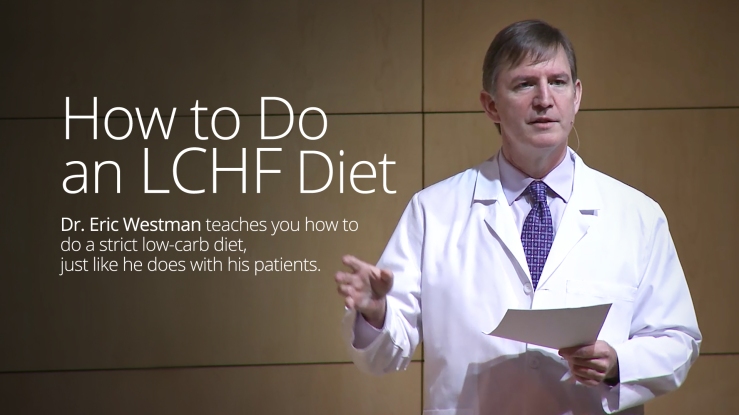
This book covers what you will need to know about following a low carb ketogenic diet for maximum control over type two diabetes. The scientific basis is explained by Dr Eric Westman and readers are strongly encouraged to involve their doctor in their plans to follow the diet due to the  marked improvement in blood sugars and blood pressure that you are likely to see with such a strict low carb diet. If you are on medications for diabetes or hypertension these will usually need to be cut back or discontinued because of the rapid reversal in the diabetic state that occurs.  Dana Carpender has provided a good range of classical low carb recipes from simple to more complex and all are a maximum of 5g carb per serving.


I preferred Diabetes Solution because the dietary strategy was more straightforward to follow and I liked the recipes more. It is a good idea to have both books because many people are so carb addicted that they can’t contemplate a world without a starch fix. I think Dr Thompson has given readers as many options as possible but although the flexibility is good it was not that easy to figure out what exactly to eat from the various charts. A fair number of the recipes also included condiments that are not available in the UK.

Our own book, Diabetes Diet,  covers a broader range of material than either of these books. We cover the issues for type ones, type twos and those on the obesity/metabolic syndrome. In addition we have presented the scientific material more directly, included meal plans, detailed information on precision meal to insulin matching and  adjustment of the medications for type twos. We also tackle some of the other health issues including contraception. What these books do have is many more recipes and this can be a big advantage for those who are starting out and needing to cook new types of meals from scratch.