Sulphonylureas increase cardiac deaths but are still recommended for use after Metformin in type two diabetics in Scotland


heart attackFrom Diabetes in Control May 2017. Cheapest treatment associated with increased risks of cardiovascular events and death.
After the cardiovascular issues with rosiglitazone, cardiovascular safety trials had to be conducted for all new anti-hyperglycemic agents. However, approval for older medications was based simply on evidence of a reduction in glucose parameters; cardiovascular safety was not a concern back then. But, data from the UKPDS trial shows that metformin reduces CV events, so, it was never in doubt. The ORIGIN trial has shown no increased harm with early initiation of insulin. However, some questions linger regarding the cardiovascular safety profile of sulfonylureas.

Data exist on the weight gain and risk of hypoglycemia associated with sulfonylureas, but the associated cardiovascular events have not been well-quantified. Sulfonylureas are used commonly across the world and are very effective in lowering HbA1C, but often the effect wears off, as shown in the ADOPT study.
Recent randomized trials have compared the newer antidiabetic agents to treatments involving sulfonylureas, drugs associated with increased cardiovascular risks and mortality in some observational studies with conflicting results. They reviewed the methodology of these observational studies by searching MEDLINE from inception to December 2015 for all studies of the association between sulfonylureas and cardiovascular events or mortality.
Sulfonylureas were associated with an increased risk of cardiovascular events and mortality in five of these studies (relative risks 1.16–1.55). Overall, the 19 studies resulted in 36 relative risks as some studies assessed multiple outcomes or comparators. Of the 36 analyses, metformin was the comparator in 27 (75%) and death was the outcome in 24 (67%). The relative risk was higher by 13% when the comparator was metformin, by 20% when death was the outcome, and by 7% when the studies had design-related biases.
The lowest predicted relative risk was for studies with no major bias, comparator other than metformin, and cardiovascular outcome (1.06 [95% CI 0.92–1.23]), whereas the highest was for studies with bias, metformin comparator, and mortality outcome.
In summary, sulfonylureas were associated with an increased risk of cardiovascular events and mortality in the majority of studies with no major design-related biases. Among studies with important biases, the association varied significantly with respect to the comparator, the outcome, and the type of bias. With the introduction of new antidiabetic drugs, the use of appropriate design and analytical tools will provide their more accurate cardiovascular safety assessment in the real-world setting.
So this study reviewed over 19 trials looking at sulfonylureas, specifically studying cardiovascular events and mortality. The problem with some studies is that they don’t take into account the duration of diabetes et cetera; so, they may end up comparing sicker patients with those who aren’t as sick. This group looked at potential biases such as exposure misclassification, time-lag bias, and selection bias, and, of the 19 studies, 6 did not have any of these biases. Of those 6 studies, 5 showed that sulfonylureas were associated with an increased risk of cardiovascular events and mortality, with relative risks ranging from 1.16 to 1.55.
It is not possible to tease out what the cause of the increase in events is based on this type of analysis. Is it hypoglycemia? Is it a direct drug effect? However, regardless of the mechanism, the consistent finding of increased cardiovascular risk may have an impact on selection of agents for our patients. Newer agents have been shown not to increase events, and recently some have even shown reduction in events. So, perhaps our algorithm of selecting medications for our patients may have to change to focus on the cardiovascular effects first and then the glycemic benefits because, in the end, our goal is preventing cardiovascular events from happening in our patients with diabetes.
Practice Pearls:
Sulfonylureas are associated with increased risks of cardiovascular events and death.
Sulfonylureas also associated with hypoglycemia events.
Data exist on the weight gain and risk of hypoglycemia associated with sulfonylureas.
UK Prospective Diabetes Study (UKPDS) Group. Intensive blood-glucose control with sulphonylureas or insulin compared with conventional treatment and risk of complications in patients with type 2 diabetes (UKPDS 33). Lancet. 1998;352(9131):837-853.
http://www.thelancet.com/journals/lancet/article/PIIS0140-6736(98)07019-6/fulltext
The ORIGIN Trial Investigators. Basal Insulin and Cardiovascular and Other Outcomes in Dysglycemia. N Engl J Med. 2012;367(4):319-328. http://www.nejm.org/doi/full/10.1056/NEJMoa1203858
Sulfonylureas and the Risks of Cardiovascular Events and Death: A Methodological Meta-Regression Analysis of the Observational Studies. Diabetes Care 2017 May; 40(5): 706-714. http://care.diabetesjournals.org/content/40/5/706
Sulfonylureas and the Risks of Cardiovascular Events and Death: A Methodological Meta-Regression Analysis of the Observational Studies. Diabetes Care. 2017 May;40(5):706-714. doi: 10.2337/dc16-1943. https://www.ncbi.nlm.nih.gov/pubmed/28428321

My comments: The health issues of sulphonylureas have been known about for at least a decade or two, but because they are cheap and effective in blood sugar lowering they continue to be promoted as the next drug to use after Metformin for type twos.  The Scottish Government have produced a paper which I reviewed a few weeks ago. It is their “new” strategy to deal with diabetes. Mainly, they wanted to limit the expenditure on the newer gliptans eg Linagliptan, Sitagliptan, the flozins eg Empagliflozin  and the injectibles such as Victoza and Byetta. These are a lot more expensive than metformin and gliclazide. They propose that lifestyle measures are first line. This means promoting exercise and “Healthy Eating” first. Yes, this means  a high carb, low fat diet, with lots of starch, limited sugar, salt, and whatever fat you eat should be the good monounsaturated type and also the inflammatory vegetable oil/margarines.  As we know this actually increases obesity for most people and worsens diabetes control. You then get put on metformin and then before you get put on drugs that actually lower your weight, blood sugar and blood pressure and cardiovascular risk, you get put on a sulphonylurea which wears out your pancreas, makes you fatter, makes you more prone to hypos and increases your cardiovascular risk. In my view sulphonylureas should be AFTER the newer drugs and given as a choice if someone does not want to use insulin.  I put in my comments regarding diet to the editorial board but they have done nothing saying that the remit of the paper was really about drugs, not diet. Yet, without the right diet, diabetes management is doomed to failure.

What to do if your insulin isn’t working properly

fridge man


Out of Insulin, Too Early to Renew — What To Do?
Disasters Averted Diabetes in Control August 30th, 2016


It is not unusual for people to have difficulty keeping insulin from freezing or getting overheated. A patient, with type 1 diabetes for 17 years, had glucose that did not respond to his rapid-acting insulin as it usually does.

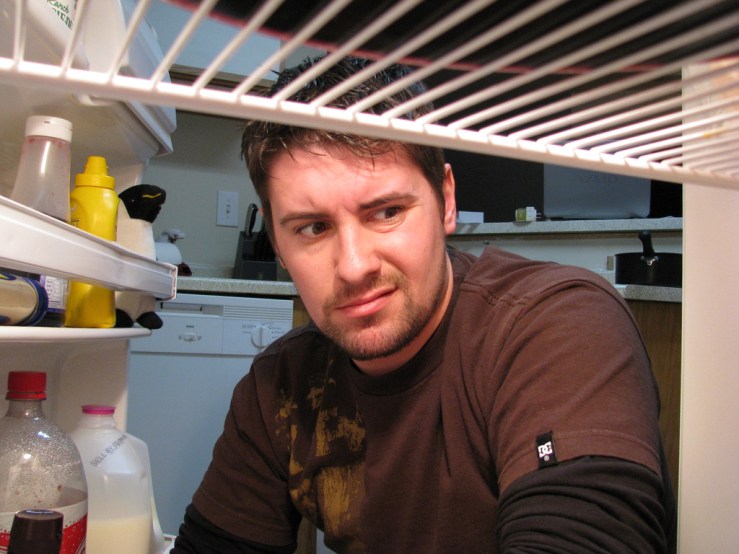
He had two new vials in the refrigerator. He took a new vial out of his refrigerator earlier in the day, and started using it a few hours after he took it out. Had high post prandials that did not respond as usual to correcting. He had enough experience to wonder if perhaps something was wrong with his new insulin, so he thought he’d try another vial. He saw it was frozen. He had put the two vials at the back, where for many refrigerators it is colder. He thought back and wondered if the first vial looked any different, but remembered, he did not look closely at it.
He then went to get a new prescription filled at his pharmacy, but was told insurance would not cover it at this date; it was too early. It was cost prohibitive for him to pay out of pocket ~$300.00/vial. He contacted a diabetes health care provider (hcp) who offered him two sample vials to cover him until his prescription would once again be covered. He corrected and his glucose lowered. Disaster averted!  (Thank heavens we don’t have this problem in the UK!)
Not everyone has the luxury of having a hcp who has samples available in such a timely manner. If their hcp even had them, what if it were a weekend, or another time that the hcp did not have access to the samples? I reached out to certified diabetes educator, Laurie Klipfel, RN, MSN, BC-ANP, CDE, to see if she could offer any pearls of wisdom.
“This was a recent discussion on an AADE list serve with many good suggestions. The best suggestion was asking the healthcare provider if samples were available.  My next option would be to see if the insurance would make an exception under the circumstances (but this may take time).

Someone with type 1 needs their insulin and cannot wait a day or two. The next option is to see if a diabetes educator could contact a rep for samples (their prescribing healthcare provider would also need to be involved). My next option would be to see if there were coupons available online from websites like: http://www.rxpharmacycoupons.com, or other websites. As a last resort (but may be the fastest option in a pinch), if a patient was not able to afford the analog insulins such as Novolog, Humalog, or Apidra, I might suggest discussing with the healthcare provider if using regular insulin instead would be an option. Though the analogs match insulin need to insulin much better than regular insulin, taking regular insulin (especially when using a generic brand such as Walmart’s ReliOn brand) can be a much cheaper option and would be much better than not taking any meal dose insulin at all.

It would be beneficial to explain the differences in action times and suggest taking regular insulin 15-30 min. before the meal and beware of potential hypoglycemia 3-5 hours after injection due to longer action of regular. Of note, you do not need a prescription for regular, NPH or 70/30 insulin.
I would also agree with suggestions made on the list serve for keeping the insulin in the door of the refrigerator and using a thermometer in the refrigerator. If the temperature in the refrigerator is not stable, it may be helpful to have the thermostat of the refrigerator checked.“

Lessons Learned:
Teach patients:
People who have diabetes, especially type 1 diabetes, need to have and take insulin that is effective.
If you have type 1 diabetes, you are in danger of DKA. Know what it is, how to prevent, recognize, and get help for DKA.
A back-up plan for insulin gone bad or not available.
To double check insulin when taken out of the refrigerator for the “feel of the temperature” of the insulin. Do not use if hot, warm, or frozen.
To know what their insulin should look like, clear or cloudy. Avoid it if crystals, clumps or anything unusual is noted.
The onset, peak, and length of action of insulins they are taking, as well as replacements if needed.
If insulin is not available and can’t get insulin within hours, to visit the nearest ED or urgent care center.

Anonymous

Anonymous

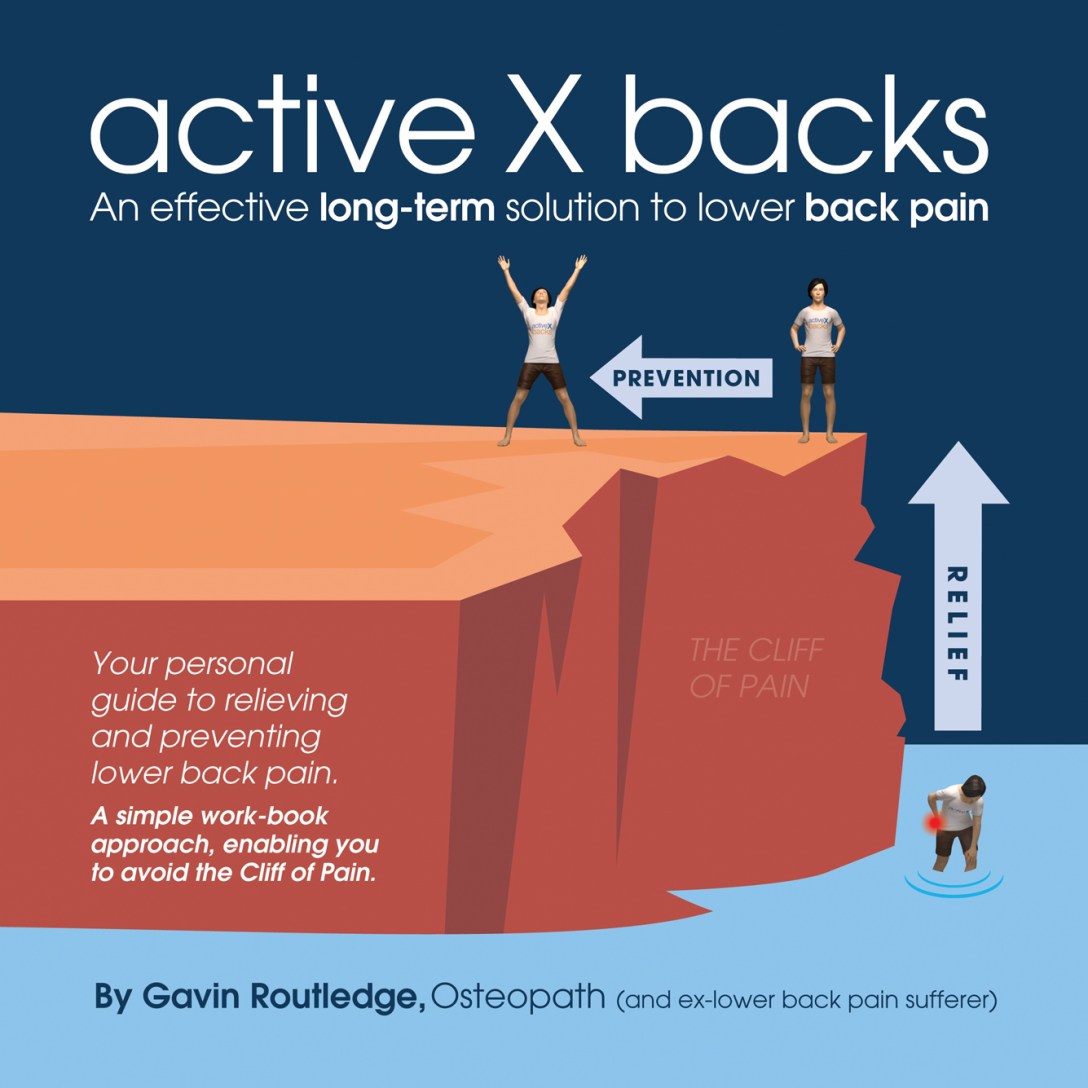
Book review: Active X backs: an effective long-term solution to lower back pain by Gavin Routledge


Front CoverGavin Routledge is an osteopath from Edinburgh who seeks to raise awareness of health issues in the general population. He treats all kinds of musculo-skeletal problems but particularly low back pain. Most of us will have this at some point in our lives and for many it makes their life miserable for long periods of time.


Gavin recognises that a lot of illness is lifestyle related and that includes low back pain. If you can tackle these aspects you are less likely to get a multitude of illnesses. We understand the importance of lifestyle in the development of obesity and many cases of type two diabetes but as a GP I agree with him that back pain isn’t thought of in those terms to any degree.

By the time most people are calling on a doctor or osteopath with acute back pain, they have been sweeping a lot of issues under the carpet for a long while. Usually there is some last straw that breaks the camel’s back. Often bending down and rotating at once, often first thing in the morning is the trigger for severe pain that can take weeks to settle.

The book, Active X backs describes how your back works, how tissues respond to injury and how pain works. He describes many factors that you may need to address in your life and helps to tailor an action plan to deal with acute pain and more importantly sort out the problems that make you more likely to experience pain in the first place.
Although physical factors such as trauma, burden overload, and poor levels of physical fitness make perfect sense, many of us are oblivious about the effects of low mood, work related stress and smoking on our backs. He gives structured advice and exercises to deal with all of these and more.
The book is spiral bound so you can access the relevant exercises which are photographed and the book ends with advice on best postures to adopt for sitting, standing, sleeping and bending.

The book is £20 and the online course £39.

Anna: How to figure out the problem with morning high blood sugars

girl puzzled
MY SELF STUDY OF MORNING HIGHS →
HOW TO HANDLE MORNING HIGHS and DON’T SKIP BREAKFAST
Posted on June 18, 2015
by Anna
I have posted about this issue on June 6 but now I’ve found a website that not only provides a better explanation but offers the solutions as well.  It’s Diabetes Forecast.  Boy, am I glad I stumbled upon it.
You wake up to blood sugar spike, as if you were eating cookies all night.  This is not uncommon in people with diabetes but there are ways to get those numbers down.   There are two possible things that can cause that: dawn phenomenon and waning insulin.  The third possibility is Somogyi effect but this one is controversial, Diabetes Forecast states.
Whatever the cause is, the source of the BG spike is your liver.  The liver is where glucose is produced and stored, and then hormones signal the liver to release glucose into the bloodstream for energy.  This usually happens between meals and overnight.
With diabetes however, there is a hormone imbalance because of either an impaired insulin production by pancreas or too much of the hormones that counteract insulin.  Either way, chances are that a wrong signal is sent to the liver that prompts it to pump out more glucose than it should, hence we’re having a case of an overproductive liver.
DAWN PHENOMENON or dawn effect
It takes place when your liver releases glucose in between 3 to 6am, in people with typical sleep schedule.  I found out that if I go to sleep at around 10 or 11pm, this happens to me at around 3am.  This is supposed to be counteracted by insulin produced by the pancreas.  People with diabetes however, might not have enough insulin or they’re having an insulin resistance so their blood sugar stays elevated and continues this way into the morning.
WHY YOU SHOULDN’T SKIP BREAKFAST
Eating breakfast helps to normalize blood glucose levels; it signals to the body that it is day and time to rein in the anti-insulin hormones.  It’s very important not to skip breakfast.
Some folks believe that it’s the dinner in the night before to blame for the morning spike but it’s actually a dawn effect.
WANING INSULIN
This applies to those who are taking insulin as a medication.  What happens is that an evening meal could lead to higher than normal blood glucose levels in the morning after.   I think by ‘evening meal’ they mean a bedtime snack.  The cause may be too little mealtime insulin, waning long-acting insulin from an evening injection, or not enough overnight basal insulin through a pump.  So the blood glucose levels may creep as you sleep.  With waning insulin, the rise in blood glucose is typically more gradual than with the dawn effect.
SOMOGYI EFFECT
Another name for this is “hypoglycemia rebound”.  It was named after a researcher who first described it.
The theory is that if a person with diabetes experiences hypo overnight, the body produces anti-insulin hormones to counteract this and bring blood glucose levels back up, the body can overdo it which leads to a morning high.  It is usually described as blood glucose level taking a dip (hypo) at around 3am, and then a morning high follows.
There is a split opinion as to the mere existence of this effect.  Diabetes Forecast states that it’s controversial and unproven.  However some other sites claim that it does exist and back it up with their personal experiences.
WHICH ONE IS IT?
This involves some ‘detective work’ as Diabetes Forecast puts it.  I personally did this for a few days. I would check my glucose at bedtime which was around 10 or 11pm, then wake up at 3am, check blood sugar, back to sleep and checked it again in the morning.  It’s important to sleep about 4 to 5 hours in between blood sugar checks.  Comparing the changes in blood sugar levels will help you to figure out which effect takes place.

bedtime blood sugar  3am blood sugar  morning blood sugar

normal                           normal                    high                       DAWN EFFECT

normal                           high                          high                       WANING INSULIN

normal                            low                            high                       REBOUND (Somogyi) 
WHAT ELSE YOU CAN DO
You need to discuss your morning highs with your doctor and see if he / she advises to adjust your diabetes medication or physical activity.   For those using insulin pumps, you can adjust your basal rates.  I don’t use a pump so can’t elaborate further.
Diabetes Forecast further states that to overcome Somogyi Effect, you should either eat a bedtime snack with some carbs and protein in it.  Also discuss your target blood glucose range with your doctor.
WHAT I DID
In my case it was none of the above but a DISORGANIZED LIFE that I will discuss in my next post.  After having adjusted my testing times, my morning numbers were doing fine for a while.  And then boom, a spike, 111 for absolutely no reason.  I figured maybe my bedtime snack was a culprit, and switched to the one with protein & low carbs.  I had half a cup each of ricotta cheese and cold milk that I love.  Comes next morning, my number is 103.  Yay.

Obituary: Gian Franco Bottazzo who discovered that type one diabetes was an auto-immune disease

Gian Franco Bottazzo was born in Venice in 1946. He died there on 15 September 2017.

After graduating at the University of Padua he moved to London in 1973 to study immunology with Deborah Doniach. A year later they published their paper in the Lancet proving that type one diabetes is associated with the development of antibodies to the insulin producing pancreatic beta cells. This paper stimulated a wave of research into the immunological basis of thyroid and pituitary diseases.

Bottazzo enjoyed speaking about his research, and gave his talk the title, ” Death of a beta cell: homicide or suicide?”

As a young man, Bottazzo, nearly missed out on his medical career as he was a promising football player and came close to signing for Venezia, which was in the Premier League at the time. Fortunately he completed his studies.

For many years Bottazzo held professorial appointments in London and published on the HLA antibodies. In 1998 he returned to Italy to work as scientific director to the Baby Jesus Hospital in Rome.  He leaves a wife and daughter.


BMJ 9 December 2017

Jovina cooks: Spinach stuffed salmon

spinach

Stuffed Roasted Salmon Rolls
For 2 servings – this recipe is easily doubled.
Ingredients
12 oz center-cut boneless, skinless salmon fillet, cut lengthwise into 2 strips
4 cups fresh raw spinach leaves, stems removed, cooked and squeezed dry
1/4 cup cream cheese with onion and chives, if available, or regular cream cheese
1 garlic clove, minced
Salt and pepper, to taste
1 tablespoon lemon juice
Extra virgin olive oil
Directions
Preheat oven to 400°F. Coat a baking dish with olive oil.
Mix together the cream cheese, garlic and spinach until well blended then season with salt and pepper.
The mixture will be firm.

Season the salmon strips with salt and pepper and spread each fillet strip with the spinach filling.
Starting at one end, roll the salmon up tightly, tucking in any loose filling as you go.

Insert a toothpick through the end to keep the pinwheel from unrolling. Place the rolls in the prepared dish.

Repeat with the remaining salmon strip. Sprinkle the rolls with the lemon juice.
Bake the salmon rolls until just cooked through, 15 to 20 minutes. Remove the toothpicks before serving.


BMJ: Why don’t we encourage and register the diabetics who achieve remission?

weight

Weighing up the benefits of registering those in remission from type two diabetes

Adapted from BMJ Louise McCombie et al 16 Sept 17

Type two diabetes now affects between 5 -10% of the UK population. This is 3.2 million people in the UK. 10% of the NHS budget is spent on treating diabetes and costs are between two and three times that of age matched individuals without diabetes. Life expectancy is six years less for people with type two diabetes.
Remission is attainable for some patients but is rarely achieved or recorded. (My comments: except in the low carbing community) The trend is for diabetes management to focus on reversible underlying disease mechanisms rather than treating symptoms and multisystem pathological consequences.
Lowering blood glucose remains the primary aim of management and drugs are the main method of doing this rather than diet and lifestyle advice. (My comment: because high carb/low fat dietary advice is counterproductive).
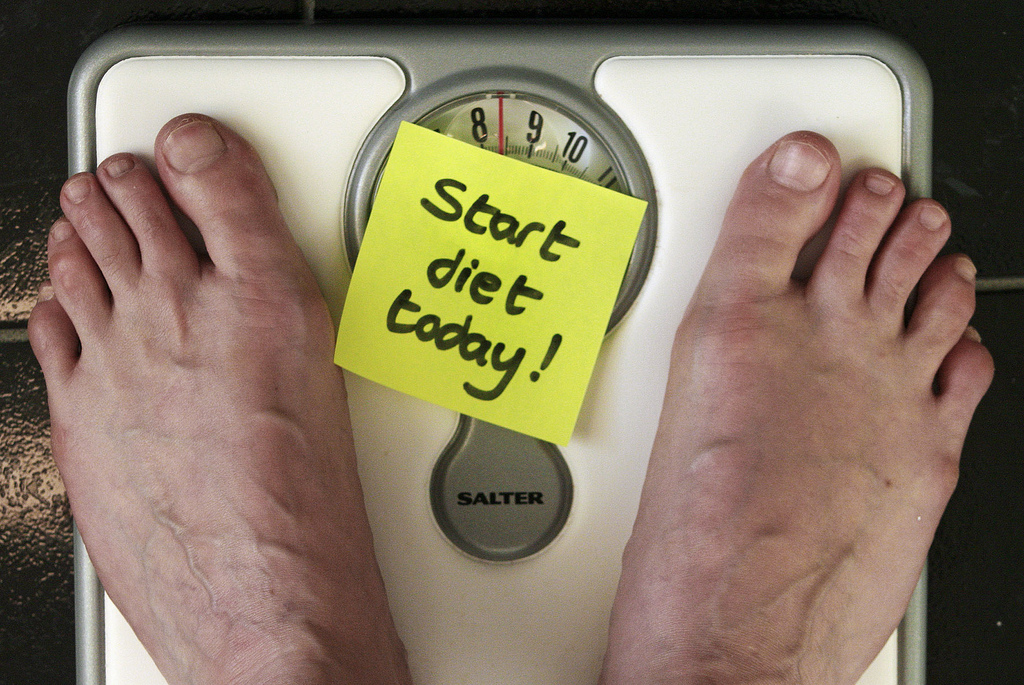
It has been found that weight loss of 15kg often produces biochemical remission of type two diabetes, restoring beta cell function. The accumulation of fat in the liver and pancreas impairs organ function to cause type two diabetes but is potentially reversible. If remission is achieved, the person no longer requires diabetes drugs.
The American Diabetes Association describe a partial remission as below the threshold for diabetes diagnosis. This is a hba1c of less than 6.5%/48 mmol/mol and a fasting blood sugar less than 6.9 without diabetes drugs. A full remission is described as the elimination of the criteria for impaired glucose tolerance. This means a hba1c less than 6%/42 and a fasting blood sugar under 5.6 again without the use of diabetes drugs.
A full remission will completely remove the cardiovascular risk associated with diabetes but partial remission removes a great deal of the risk and is still very much worthwhile.
We suggest that whether hba1c or fasting blood sugars are used to detect remission that these are repeated twice at two month intervals. Once in remission, a patient should be tested annually.
No study has yet been done that has reported the outcomes for diabetics in remission, but you would expect their outcomes to be much better than it otherwise would.
If a patient achieves remission, and if the Read code C10P is applied to them, they would still be scheduled for annual reviews and retinal screening programmes but would be considered non-diabetic for matters such as insurance, driving, and employment. But so far, in Scotland, only 0.1% of diabetics have been coded as being in remission.
Perhaps there are coding errors, but the possibility that type two diabetes can be reversed may not be fully understood by both doctors and patients. If patients achieve either a 10% body weight loss or 15kg, then 75-80% of them can expect to go into diabetes remission.
Physical and social environments, emotional states and self- regulatory skills are important factors affecting adherence to a weight management intervention.
It costs around £5,000 for the medical care of a person with type two diabetes but this almost doubles over the age of 65. The patient also has increasing holiday insurance costs. This is around double the usual rate for type twos and more for insulin users. Could knowledge of the advantages of weight loss act as an incentive for patients?


Better quality of life reported for young type one diabetics with lower HbA1c levels

nutritional scale

Better quality of life reported for young type one diabetics with lower HbA1c levels

Summarised from Independent Diabetes Trust Newsletter Sept 17

An international study of almost 6,000 young people showed that lower HbA1c levels were associated with a higher quality of life scores between the study age range of 8 to 25 years.
Those who reported the lowest quality of life scores were aged 19 to 25 and females had lower scores than the males across every age range.
The study showed that advanced ways to measure food intake, more frequent blood sugar testing, and taking exercise for 30 minutes a day, were all associated with higher satisfaction scores.
The researchers concluded that if young people have trouble controlling their diabetes, they should focus on the three factors that they can potentially control to make life easier.
Measure your food accurately
Test your blood sugar frequently
Exercise for at least 30 minutes a day

(Diabetes Care May 26 2017)

Jovina cooks: a magnificent Mexican feast

Planning a Mexican themed party is a great way to entertain. Much of the organization can be done in advance and guests can serve themselves. Offer options for toppings and sides that you think will appeal to your guests. If you know someone is vegetarian, then plan a vegetable filling along with fish and meat fillings. Don’t forget the margaritas and ice cream is great as a dessert for this type of meal.  You can provide tacos and tortillas for friends and family who are not low carbers. Plan on 2-3 tacos or tortillas per person. The beans are also a high carb item so eat sparingly or not at all if you are low carbing. As you can see there are some great options for you in this selection.
For the lime-cilantro sour cream sauce
1 cup sour cream
1/2 cup mayonnaise
1 scallion, minced
3 tablespoons minced fresh cilantro
Grated zest of 1 lime
1 tablespoon fresh lime juice

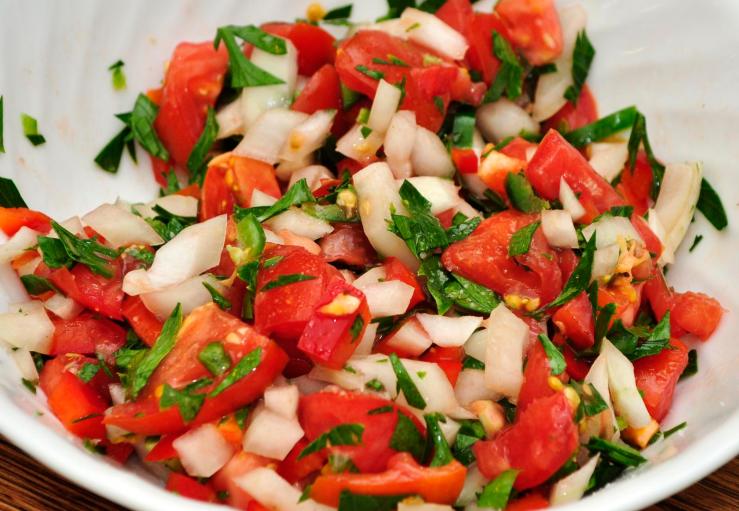
pico de gallo.jpg
For the Pico de Gallo
2 large plum tomatoes, chopped
1/4 cup chopped scallions
1 jalapeno, chopped
1 small clove garlic, grated
2 tablespoons fresh cilantro, chopped
1/2 teaspoon chopped fresh oregano
2 tablespoons freshly squeezed lime juice
Salt and pepper to taste
For the shrimp marinade
2 teaspoons ground Ancho chili powder
1/2 teaspoon ground cumin
3 cloves garlic, minced
1/2 teaspoon kosher salt
1/4 teaspoon freshly ground black pepper
2 tablespoons olive oil
1 pound large shrimp (about 24), shelled and deveined
For the swordfish marinade
1 teaspoon Ancho chili powder
1 teaspoon Chipotle chili powder
1/2 teaspoon dried oregano
1/2 teaspoon ground coriander
2 garlic cloves, minced
1 tablespoon olive oil
12 oz swordfish fillet
For the steak marinade
1 garlic clove, minced
1/4 teaspoon finely grated lime zest
1 tablespoon fresh lime juice
Kosher salt to taste
1 teaspoon smoked paprika
1 teaspoon ground cumin
1 teaspoons Chipotle chili powder
Two 12-ounce, 1-inch thick, boneless Ribeye or New York strip steaks
For the tacos (optional) 
12 6-inch corn tortillas or more depending on the number of guests

if not using tacos put these items out on the buffet table:
2 cups finely shredded green cabbage
Grated Cheddar cheese
4 limes, quartered
Directions
To make the lime-cilantro sour cream sauce:
Combine all the ingredients in a 2-cup serving bowl and whisk until smooth. Refrigerate, covered, up to 4 hours until ready to use.
To make the Pico de Gallo:
In a medium bowl, mix together tomatoes, scallions, jalapeno, garlic, cilantro, oregano and lime juice; season with salt and pepper. Let sit at room temperature, covered, until serving time.
To prepare the shrimp:
In a small bowl, combine the Ancho powder, cumin, garlic, salt and pepper and stir to mix. Add the oil and whisk until a loose paste is formed. Add the shrimp and mix well to cover the shrimp in the spices. Let marinate in the refrigerator for at least 30 minutes and up to 4 hours.
To prepare the swordfish:
In a small bowl, combine the chili powders, oregano, coriander and garlic. Stir in the oil to make a paste. Rub on all sides of the swordfish and set on a plate. Marinate in the refrigerator for at least 30 minutes.
To prepare the steak:
Combine all the ingredients for the steak rub in a small bowl and rub over the steaks. Place the steaks on a plate and refrigerate for at least 30 minutes.
To grill the shrimp, swordfish and steak:
Light a charcoal fire or preheat a gas grill on high. Oil the grill’s cooking surface. Let the coals burn down to a medium-hot fire or adjust the gas grill burners to medium.
Place the swordfish on a section of the grill and cook for about 10 minutes, turning the fish half way through the cooking time. Let rest on a plate.
Place the steaks on another section of the grill and cook for about 10 minutes, turning the steaks half way through the cooking time. Let rest on a plate.
Thread the shrimp on skewers. Grill over direct heat, turning once, until lightly charred and cooked through, about 4 minutes. Remove the shrimp from the skewers and transfer to a serving platter.
Cut the swordfish and steak into thin slices. Transfer to the serving platter with the shrimp.
Divide the tortillas into 2 stacks and wrap each in aluminum foil. Place on the grill until heated through, about 5 minutes.
To assemble the tacos:
In each tortilla place 3 grilled shrimp or swordfish slices or steak slices, a tablespoon of the sour cream sauce, a tablespoon of the Pico de Gallo and some of the cabbage and cheese. Squeeze a wedge of lime over the filling and fold the tortilla.
Guacamole Salad
Ingredients
1/2 pint grape tomatoes, quartered
Salt and pepper
4 scallions, sliced thin
1 small garlic clove, minced
½ tablespoon grated lime zest
2 tablespoons fresh lime juice
2 tablespoons olive oil
2 jalapeno chilies, seeded and finely minced
1 ripe avocados, pitted, skinned, and cut into 1/2-inch pieces
2 tablespoons finely chopped fresh cilantro
Lettuce leaves
Directions
Mix together the tomatoes and 1/4 teaspoon salt in medium bowl. Transfer to paper towel-lined baking sheet and let drain 15 minutes.
Combine the scallions, garlic, lime zest, lime juice, 1/4 teaspoon salt, and 1/4 teaspoon pepper in large bowl. Let sit 5 minutes, then slowly whisk in oil.
Add the jalapeno chilies, avocados, cilantro and drained tomatoes to the bowl with the dressing and toss to combine. Season with salt and pepper. Serve in lettuce cups.

Beans On The Side (optional as also high in carbs)
The beans taste better if made the day before serving.
Ingredients
To cook the beans:
1 ½ cups orca beans (white and black colorings), washed
1 onion, quartered
3 cloves garlic
1 teaspoon kosher salt
1/4 cup chopped cilantro
To finish the bean dish:
½ cup finely diced onion
½ cup finely diced celery
½ cup finely diced red bell pepper
1 garlic clove, minced
1 tablespoon olive oil
½ teaspoon chili powder
Directions
Place the beans in a medium-sized saucepan and cover with cold water by two inches high. Cover and soak overnight.
The next day, add the onion, garlic and salt to the soaking liquid and bring to a boil. Lower the heat to a simmer and cook for about 1 ½ hours until tender.
Chill the beans overnight in the refrigerator in their cooking liquid.
The next day, drain the beans. Stir in the cilantro and set aside.
Heat the oil in a large skillet. Add the onion, celery, bell pepper, garlic and chili powder. Saute until tender, about 10 minutes. Add the beans and heat. Serve as a side dish.


Virtual reality has changed my attitude to computer games

virtual-reality-

I was never into computer games. My sons certainly are and since X box first made an appearance they have drove numerous vehicles, shot armies of opponents, and have died a thousand times.
This year, Steven brought his new super powerful computer, the headset and hand controls to match, back home for ten days over the winter holidays so that the rest of us could marvel at the worlds you can explore from your living room or bedroom.
I am now hooked.
Although I am as clumsy as a two year old with the hand controls there are plenty of games where you can get involved without needing to use your hands much. So far I’ve been on roller coasters, flown various aircraft around futuristic towns badly, and entered Mexican fiestas. I’ve been killed a great many times over the last week but have also dished it out. When it comes to dexterity and the ability to figure out what button or fingers I should be pressing I’m even less good. I’ve broken nearly all my toys, set fire to my office, and fallen off a few mountains. I now understand why two year olds should never handle small animals no matter how well intentioned they may be. I’m a two year old again.
I can see why kids don’t come out their bedrooms for days now.
As if this wasn’t enough to blow my mind, Steven gave me an Amazon Echo dot for Christmas. Surprisingly it was easy to programme since we have home wi fi set up already. Very soon we were asking Alexa all sorts of questions. She comes in handy for playing music, telling stories, telling you the news and weather and setting timers and alarms. This backfired a bit. I had told Alexa to get me up at 8am. I was already up getting my breakfast by this time. She woke up my husband on the dot, but for some reason he couldn’t remember her name to get her to shut up! He had to open his tablet and find the amazon site to get her name. Of course, he could have come down stairs and asked me….same issue as the directions!
So how will this help the people with diabetes who read our posts? A little bit perhaps. There are apps that can tell you the nutrient content of various foods including the carb count per 100g. There are some exercise apps. There are meditation and relaxation apps. Have you found out any apps for Alexa that you have found helpful?