Dr Mark Cucuzella: Online resources for low carbing for patients and doctors

Adapting Medication for Type 2 Diabetes to a Low Carbohydrate Diet- Frontiers 2021

https://www.frontiersin.org/articles/10.3389/fnut.2021.688540/full

The above link gives the full paper from Dr Cucuzella about the medication adaptations, including insulin adaptations that need to be done if you are transitioning to a low carb diet. There is a helpful traffic light summary. Some medications do not need altered and these are discussed too.

Diet Doctor video on article “Why deprescription should be your new favorite word”

What your new diet will consist of and how to avoid unnecessary expense or complicated recipes is fully discussed in the following links. They are the same booklet but in different formats.

Our new “Low Carb on any Budget  – A Low-carb Shopping and Recipe Starter Begin a Life Free of Dieting and Indulge Yourself in Health” patient guide- Print and share with your patients

Pdf version

www.tinyurl.com/lowcarbanybudget

online flipbook

www.tinyurl.com/lowcarbanybudgetebook

For clinicians through guideline central

These booklets are quite complex and are for doctors who want to know more about low carb diets and fine tuning of medication and insulin. The first is in USA units and the second is the UK format. It does no harm for any diabetic or their carers to read these too but bear in mind that they do go into some depth.

-Guideline Central: Low-Carbohydrate Nutrition Approaches in Patients with Obesity, Prediabetes and  Type 2 Diabetes

http://eguideline.guidelinecentral.com/i/1180534-low-carb-nutritional-approaches-guidelines-advisory/0?

UK version – http://eguideline.guidelinecentral.com/i/1183584-low-carb-nutrition-queens-units/0? 
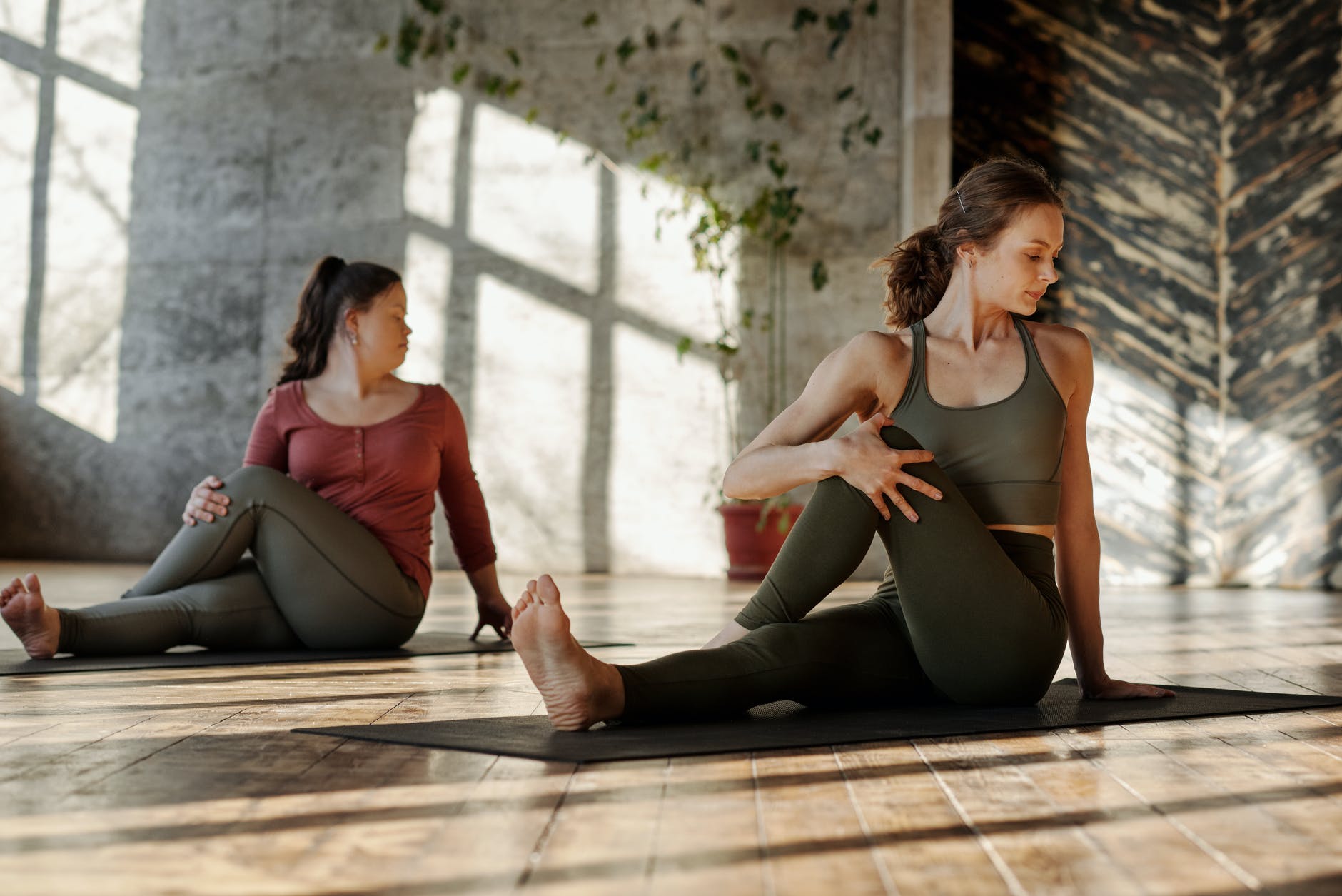
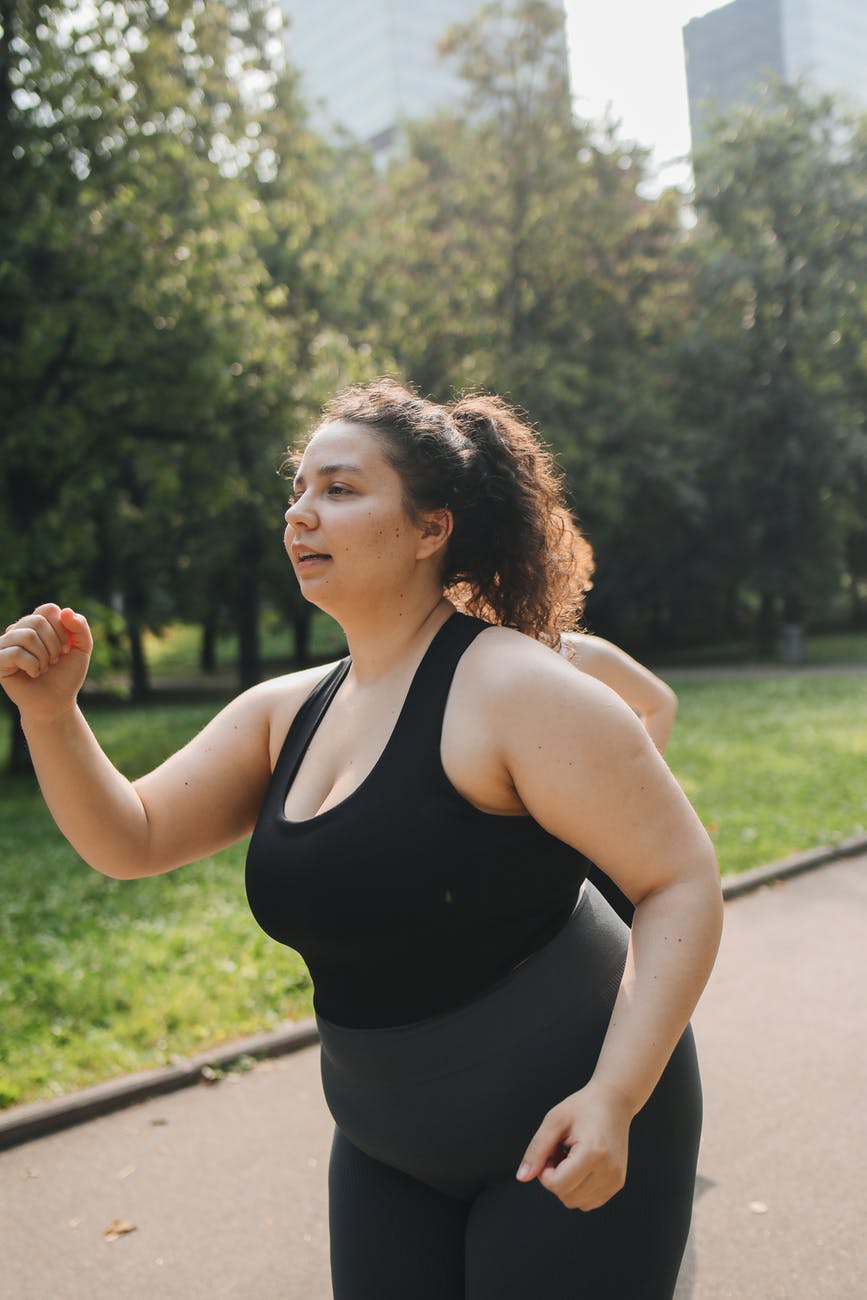
Sheri Colberg: Key exercises to help you age well

Photo by Cliff Booth on Pexels.com

Adapted from Diabetes In Control Jun5 2021

Exercises can help maintain your physical abilities and independence during the aging process.

Aging successfully needs a lot of work. If you don’t use it, you lose it! Our body system peaks at 25 and declines thereafter. Even if you exercise diligently you will lose aerobic capacity as you age.

Balance also worsens from the age of 40. Bones also thin, particularly for women post menopausally. Muscles get smaller and weaker, reflexes get slower and recovery from workouts takes longer.

Although you can’t do that much about neurological decline but by regular physical training, nutrition, enough sleep, and stress management you can delay or prevent a lot of normal aging and even sometimes reverse damage done from inactivity.

These are my top tips for exercises to reduce aging:

Cardio workouts with faster training intervals. Apart from walking, cycling and swimming add in faster intervals lasting 10 to 60 seconds at a time. You can walk up hills deliberately or do a hill programme on a cardio machine. High intensity interval training can be done up to once a week but start low and build up.

Resistance exercises covering your upper body, core and lower body will help your muscles. Do 8 to 10 exercises covering these groups two to three days a week. You can use your body weight, dumbells, kettlebells, resistance bands. You should be able to get in and out of a chair without using your arms at the very least.

Standing on one leg at a time helps balance. My comment: one of my friends says doing this helped her not feel dizzy when riding on the London Underground.

Stretches for all of your joints helps your joint mobility and cartilage health. Do this two or three days a week. Diabetics are particularly prone to stiffness from glycation. Hold the stretch for up to a minute for each one.

Hopping up and down on one leg helps bone mineral density and so does carrying shopping in both hands. Press ups, against a door or kitchen counter are a good start.

Pelvic floor exercises are good for the prevention of stress incontinence.

Physical activity can improve cognitive function if you have type two diabetes

Photo by Polina Tankilevitch on Pexels.com

Adapted from Diabetes in Control Aug 10 2021 by Macrina Ghali, Pharm D candidate, Florida.

Hyperglycaemia has been linked to reduced cognitive function and can impair life through impairing memory and language. Mistakes with medication are more likely. Some studies have shown that exercise can reduce the risk of dementia on the long term.

The meta-analysis sought to answer the question, does cognitive ability change from baseline, while on the exercise programme compared to the non-exercising controls? Just over 2,500 patients with diabetes were analysed, almost evenly split to control groups and exercise groups.

The exercise group did aerobic exercise, resistance exercise and non aerobic exercise. The control groups did monthly telephone calls, stretching, gentle movement and education. The interventions ranged in time from 12 months to 9.8 years and sample sizes ranged from 47 to over a thousand.

Standard tests such as the mini-mental state examination, mental state examination and global cognitive score were undertaken.

Surprisingly the study found that the greatest change in cognitive scores between both groups was in the studies done for 12 months rather than longer periods. They were not sure if this was due to patient drop out or the development of dementia. They think that more studies would need to be done to clarify the issue.

Meanwhile they think that physical activity programmes should be started soon after diagnosis of type two diabetes to prevent a worsening of cognitive functioning as time goes on.

Vitamin D supplementation has been shown to reduce the development of autoimmune disease

Photo by Pavel Danilyuk on Pexels.com

Adapted from BMJ 29 Jan 2022

This USA study looked at what happened after 5 years of vitamin D 3, omega 3 fatty acids and placebo to a group of over 12 thousand men and 13 thousand women. The men were at least 50 and the women 55 at the time of the start of the trial.

The groups were randomised to test out different combinations on the incidence of autoimmune diseases including rheumatoid arthritis, polymyalgia rheumatica, autoimmune thyroid disease, and psoriasis.

The results show that the vitamin D supplement group had the only statistically significant finding. This was a 22% reduction in autoimmune disease whether or not they took the vitamin D with omega three fatty acids or a placebo.

Although the doses are probably stated in the main paper, the summary from the BMJ did not contain this information.

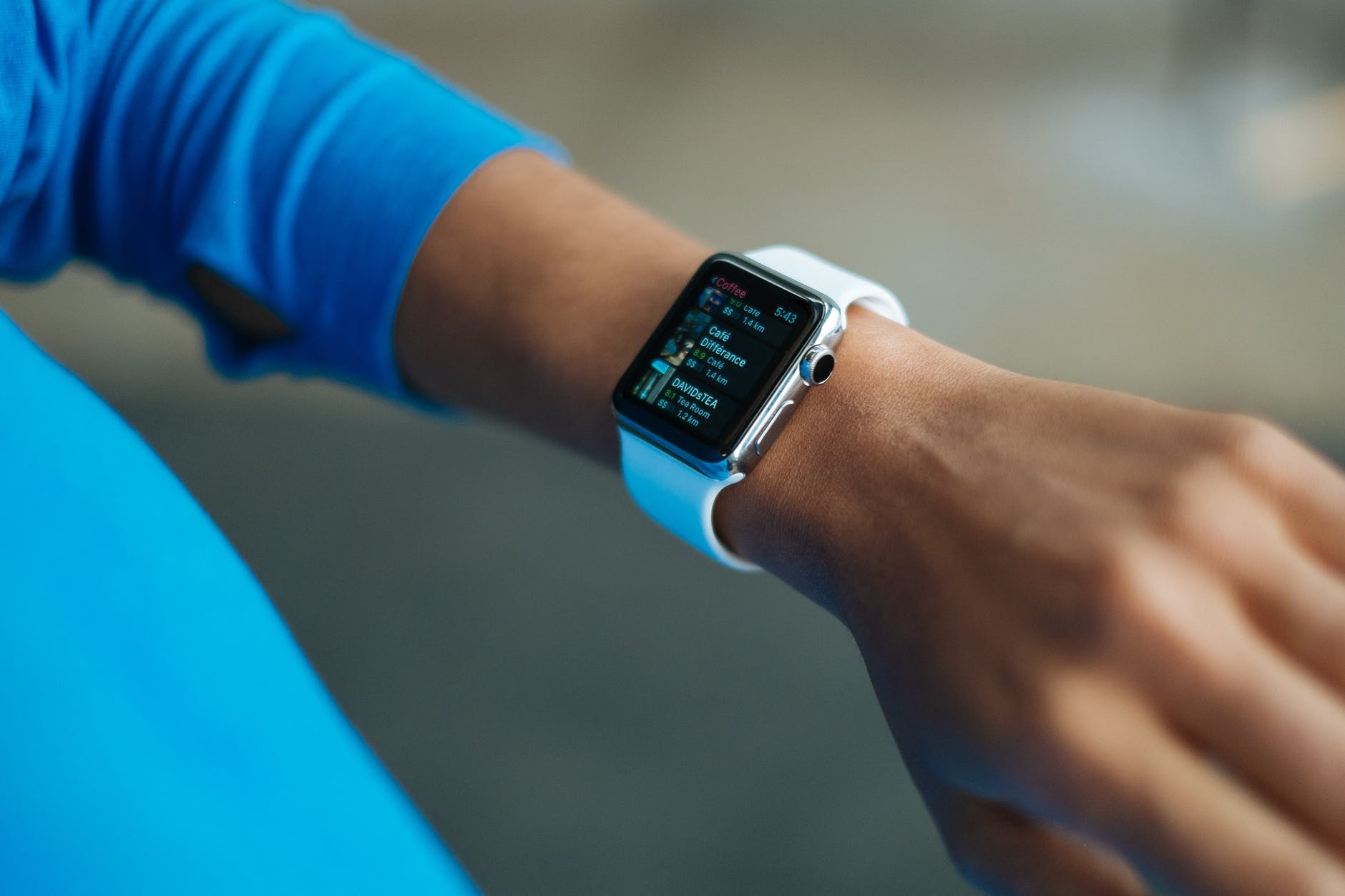
Physical activity monitors have some role in increasing activity by 10 minutes a day

Photo by Pixabay on Pexels.com

Adapted from BMJ 29 Jan 2022

Like many other people I eventually bought a smart watch. I was a late adopter of this but after visiting my son in London, and seeing what a benefit it would be to scan in and out of the tube with a device, I got one just over a year ago. Many people had already been tracking their steps, heart rate and sleep schedules with these. So, are they of any use?

This was a systematic review which looked at 121 RCTs (so many!) covering 16,743 participants.

They found that there was a small but definite improvement in physical activity when people wore the trackers.

Physical activity increased by ten minutes a day. This was equivalent to 1,235 daily steps and works out at an additional 48.5 minutes a week.

To put this into context, I work out in different modalities for about this time every day, so it is like the equivalent of working out 8 days a week instead of 7.

Although this level of increased activity is unlikely to make much difference to your weight, what may do is a broadening of referral sources to the UK NHS online weight management programme. Community Pharmacists are now allowed to refer patients to the programme, instead of just GPs.

The course is 12 weeks long. You can join if you are in the obese category (BMI 30 or over), or if you are overweight (BMI 25 and over) and have hypertension, or type 2 diabetes. If you are of ethnic minority you can join if your BMI is 27.5 or over because you are more likely to develop type 2 diabetes.

Entrants to the scheme are currently 5 pounds heavier on average compared to pre-covid pandemic weights.

If you need to communicate that you are in pain to a health care professional you need to show it in your facial expression

Photo by Andrea Piacquadio on Pexels.com

Adapted from Human Givens Vol1 2013 Journal of Health Psychology 2013.

Facial expression is the best way to communicate to health care professionals if you are in pain and how severe the pain is.

Patient vignettes were assessed by health care professionals. Sometimes they were told that the pain source was due to arthritis or cancer and sometimes that the pain source was unknown.

When asked to assess pain levels from facial expression, what the person said and how they said it, avoidance of movement and posture, and interpersonal contact, doctors, nurses and health care assistants all paid much more attention to the patient’s facial expression than to the other factors, particularly if the pain source was unknown.

My comment: I have come across this situation myself as a patient. Being very factual and stoical doesn’t seem to work!

If you can avoid competitive eating as a child you will be thinner

Photo by Andrea Piacquadio on Pexels.com

Adapted from Independent Diabetes Trust Newsletter Dec 2021 and BMJ 29 Jan 2022

In the journal of Clinical Obesity researchers have shown that people who eat faster tend to gain more weight and are at higher risk of obesity than slow eaters. This is because it takes at least 20 minutes for stomach hormones to tell your brain that your hunger is satisfied.

They also found that only children didn’t tend to eat as fast as children who had siblings. The fast eating habit tends to persist in to adulthood and thus weight gain compared to only children.

My comments: I was one of four children and we certainly ate fast. If you didn’t grab the food quick enough it disappeared! This stood me in good stead as a doctor when there was very little time for eating on the job. My husband was one of three and is great at competitive eating too! He said it helped when working off shore when meals were slotted in during less busy periods. I had forgotten most of the childhood meal behaviours till I went to one of my friends houses with her husband and noticed that he carefully guarded his plate with his arm. I recalled that this was common practice in our house but that I had stopped doing it since leaving home. He was one of four children again. He had simply never changed his eating posture since leaving home!

In the American College of Cardiology 2021 they report that teenagers who have high BMIs have a 9% greater risk of getting type 2 diabetes, and an 0.8% greater risk of having a heart attack in their 30s and 40s than normal weight teens. Regardless of their adult BMI, teens who were heavier went on to have a 2.6% greater risk of having poorer overall health in adulthood.

Want to pass that exam? Here’s how.

Photo by energepic.com on Pexels.com

Adapted from Human Givens No 1 2013 Dunlosky et al. Improving student’s learning with effective learning techniques. Psychological Science in the Public Interest.

Researchers have found that the best way to get good results in exams is to spread out your studying over time and to make sure that you quiz yourself on what you have learned.

They looked at ten common learning techniques and found that many of the most popular were of next to no benefit either in remembering information or passing exams. Some of these are the most common and are being recommended by teachers.

The most useless ways to revise are: highlighting and underlining, summarising, keyword mnemonics, use of imagery for memorising text and re-reading.

You may think you are doing something by adopting these, but you are kidding yourself!

NICE: all adults and children with type one diabetes to have real time continuous glucose monitors

Abbott’s Freestyle Libre

The fantastic news this spring is that ALL type one adults and children are to be offered real time blood sugar monitors in the NHS.

These machines encourage testing without the finger pricks, tell you the trend of your blood sugars, and make it much more accurate, easier and less painful to adjust your insulin to your blood sugar.

The monitors will also be offered to type two patients who use insulin.

NICE estimates that a quarter of a million type one patients alone will be put on the device. Research suggests that HbA1c levels tend to drop when using the technology without increasing the risk of hypoglycaemia.

My comment: My son Steven, was an early adopter or this method of blood sugar monitoring. I paid for the device and sensors for the first 18 months because it gave me more peace of mind, especially as he was living on his own away from home. It seemed crazy to me that he was excluded from NHS funding by virtue of having very tight blood sugar control mainly from his own efforts. Although it is a charge on the NHS for the sensors, the benefit is that there should be less hospitalisation from hypos and fewer complications later on.

Currently the NHS spends ten billion pounds a year on diabetes, which is ten percent of the total budget.

For those type ones or type twos on insulin who do not yet have this device they are asked by NICE to approach their diabetes teams.

Writing down your thoughts can boost your mood

Photo by Suzy Hazelwood on Pexels.com

Adapted from Human Givens No 1 2013 Brinol P et al. Treating thoughts as material objects can increase or decrease their impact on evaluation. Psychological Science 24.1, 41-7. 2013.

Writing down negative thoughts, crumpling them up, and throwing them away, as often advocated by therapists, really does reduce negative thinking. Conversely, writing positive thoughts down, and keeping them safe in a purse or pocket helps you feel better.

Teenage School students in Spain were asked to write down either positive or negative thoughts about their bodies and then Mediterranean diet and they were then evaluated on how much they became influenced by their lists later on.

What they found was that people who threw the list in the trash right away were not influenced, those who kept the list in their desk were somewhat influenced, but that those who kept the list more personally in a pocket or purse were most influenced.

To see if the effect worked with word lists via a computer, the experiment was repeated. The thoughts were put into storage or the trash list. Repeating the experiment but simply asking the students to imagine putting the list in a particular location without physically doing anything was also done.

Professor Richard Petty, a co-author of the paper from Ohio University said, ” The more convinced the person is that negative thoughts are really gone, the better. Just imagining that you throw them away doesn’t seem to work”.

So, to get over a difficult event, write it down, and then bin it and be physical.

If you want to boost your mood, write positive facts or feelings and keep it close and personal.