The best diet for optimal blood sugar control & health
Author: kaitiscotland
I am a Scottish doctor who is working to improve the outcomes for people who have diabetes using a low carb diet, and advanced insulin techniques when necessary. Professionally I provide expert witness reports in the clinical forensic and family medicine areas and I also provide complementary therapies. I enjoy cooking, cinema, reading, travel and cats.
Adapted from Medscape The Male Biological Clock- How to Tell the Time by Mark Trolice MD
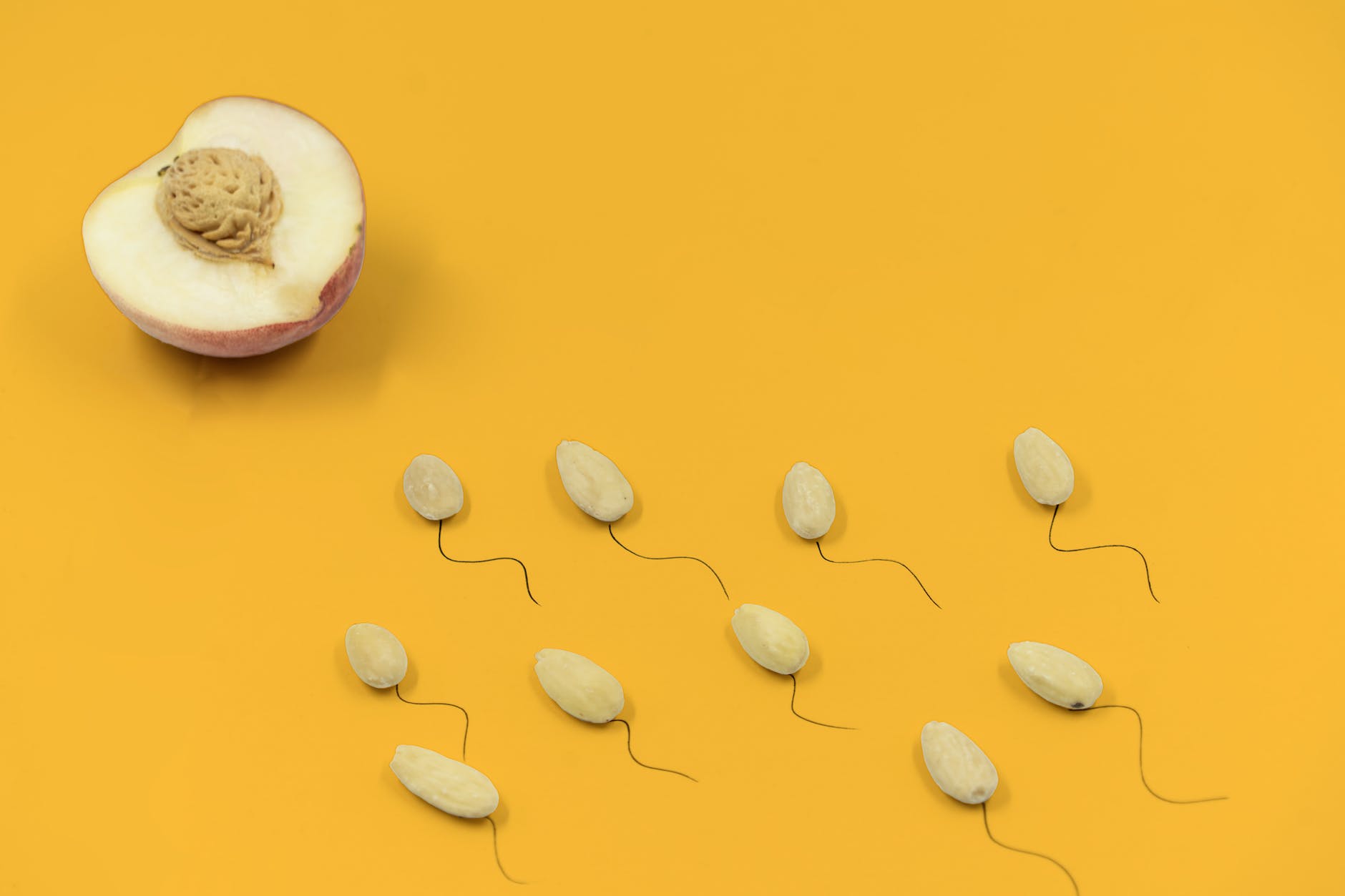
Most women know that their fertility declines from the age of 30 onwards. From then on it will become more difficult to become pregnant and there will be an increase in the rate of miscarriage and in infants with chromosomal abnormalities. Yet, due to our modern lifestyles, the availability of contraception and the economic situation, first births in women aged 35 to 39 has increased six fold. To give an increased chance of conception women are increasingly freezing their eggs in their late twenties and early thirties.
Men are also becoming fathers for the first time at later ages. Over the last 40 years this has increased by 3.5 years.
Men over 45 years need five times longer to achieve a pregnancy than men under 25 after their female partner’s age is adjusted for. Sperm counts start to decline from the age of 41 and sperm motility decreases. Chromosomal abnormalities in sperm also increase.
At all ages, being overweight, alcohol consumption, cigarette and e cigarette smoking, can lead to impaired semen production.
The first treatment will be to correct lifestyle factors and then consider ovulation induction and intrauterine insemination. Men over 45 have lower pregnancy rates and higher miscarriage rates with Intrauterine Insemination Treatment.
During IVF cycles injecting the sperm into the egg can improve fertilization rates but in men over 45 there is still reduced fertilization rates and decreased embryo development to the blastocyst stage.
The offspring of older men have higher rates of stillbirth, low birth weight, preterm birth and birth defects. Men older than 40 to 45 have twice the risk of having an autistic child and three times the rate of schizophrenia.
A consideration is that men consider sperm freezing at younger ages, similar to what women do. Another way to tackle the problem is pre-implantation genetic testing of embryos from older men.
Adapted from Journal of Forensic and Legal Medicine Feb 2023Insulin murder and the case of Colin Norris by Alan Wayne Jones University of Linkoping, Sweden.
Although insulin is an essential medicine and a life saving drug, it has been used in many poisonings. These can be accidental, suicidal or to deliberately cause harm. An insulin overdose causes severe low blood sugars, and if untreated can lead to coma, irreversible brain damage and death.
Normally, in non- diabetic individuals, the beta cells in the pancreas secrete the same amounts of insulin and C peptide into the portal venous system. In the liver, the insulin is broken down faster than the C peptide, so normally there is more C peptide in the general circulation than insulin. When there is more insulin in the system than C peptide, that is a very strong indicator that insulin from a non- pancreatic source has been administered.
Sophisticated biochemical measuring systems can identify insulin analogues. This provided part of the evidence that convicted Colin Norris, a nurse, of injecting insulin into five of his patients, four of whom died as a result.
Clinical symptoms of low blood sugars occur when the blood sugars drop below 2.5 (UK) or 45 (USA), although the exact threshold can vary between individuals. If this is prolonged for up to 6 hours or more then the brain damage can be irreversible and death can occur. The hormonal response to correct low blood sugars also prolongs the QT interval in the heart electrical pacing mechanism leading to an increase in cardiac arrhythmias and sudden death.
Proof of insulin poisoning requires positive identification of the causative agent in plasma or serum samples taken from the victim before the low blood sugar is corrected.
The first proven case of murder by insulin occurred in the mid 1950s and forensic evidence was obtained from analysing tissue samples from around injection marks on the victim’s buttocks.
During an investigation into suspicious deaths caused by insulin, the entire case scenario and totality of the evidence must be carefully considered. Tissue samples around any injection marks need to be kept for later analysis of insulin and C peptide levels.
In a Leeds hospital, in September 2002, a Mrs Hall was recovering from a hip joint operation and seemed to be making good progress. In the early hours she was found unresponsive. A bedside test showed that her blood sugar was only 1.5. Although intravenous dextrose was given, she never regained consciousness and later died. She did not have diabetes. Assays showed that the insulin level was far higher than the C peptide level indicating that pharmaceutical insulin had been injected. It was believed that she may have been mistakenly injected with insulin which was kept for patients in an unlocked fridge.
Nurse Colin Norris became the prime suspect. As part of the investigation a retrospective review of other unexpected deaths and incidents which could have been due to insulin administration were found. Four incidents had occurred in the previous year when Colin Norris was on duty. Three earlier deaths had been attributed to natural causes at the time and there was no toxicological evidence that any of them had been injected with insulin. Colin Norris maintained his innocence throughout the investigation.
In October 2005 Colin Norris was charged with murdering four patients and attempting to murder a fifth by the injection of insulin. The trial started at Newcastle Crown Court in October 2007. In March 2008 he was found guilty and was sentenced to life imprisonment. He was described by the judge as a “thoroughly evil and dangerous man…arrogant and manipulative….with a real dislike of elderly patients. There cannot be any suggestion that you were motivated to hasten their ends to spare them suffering”.
After the first appeal against Norris’s conviction failed in 2009, clinical evidence emerged that spontaneous attacks of hypoglycaemia in elderly and frail patients are not as rare as the jury had been led to believe. Indeed, a literature review showed that 2-10% of elderly frail patients, who can be malnourished, with co-morbidities such as sepsis, liver disease, or kidney failure are vulnerable to attacks of hypoglycaemia.
Other weaknesses in the case were:
The insulin vials on the ward were not subject to any inventory.
No insulin or needles were found near Mrs Hall.
The fingertip blood sample showing low blood sugar was not verified with a venous blood sample.
The very high insulin level was found on an NHS assay machine, not a more accurate forensic one. Rigour in following chain of custody procedures were not done. A confirmatory sample had also not been done.
The low blood sugar had been corrected before the low C peptide versus high insulin was found.
Spontaneous hypos can indeed occur in the elderly and frail.
Another hypoglycaemia related death had occurred at the hospital but it had not been mentioned as Norris had not been on duty. Thus the police were suspected of cherry picking cases to incriminate Norris.
Toxicological evidence of hypoglycaemia was only found for Mrs Hall. Death certificates for the other suspected hypoglycaemia deaths had been attributed to old age and other natural causes.
The cause of death of Mrs Hall was brain damage due to insulin induced hypoglycaemia but it was not known if the pathologist had looked for any insulin secreting tumours.
One of the senior police officers had been involved in the Dr Harold Shipman case two years previously and he may have been primed to find another serial killer in the health profession.
The Criminal Case Review Committee, which is the official authority in the UK charged with looking into miscarriages of justice, have examined the evidence and recommended that the court of appeal have a fresh look at the case.
My comment: It will be interesting to find out what happens and what their reasoning regarding this case will be. Meanwhile, look after yourself, look after your diabetes, keep up a healthy lifestyle and keep out of hospital!
Dr Lade Smith is the first black woman president of the Royal College of Psychiatrists. She is particularly concerned about the rise in psychosis in young people. Much of this is driven by cannabis consumption, particularly from smoking it.
Far from being a benign, relaxing, recreational drug with few downsides, cannabis use in the teens can mar their future. Because cannabis is now quite potent, even use once a week, can drive a five fold increase in psychosis in male users by the age of 25.
She is concerned that recent publicity of the plus sides of cannabis oil use has increased its use overall.
If there is a family history of mental illness, if younger teenage boys use it, if it is smoked, if there are other adverse childhood experiences, then it becomes progressively unsafe. Oestrogen in girls seems to protect them somewhat from the psychotic problems that are more common in boys.
My comment: As a Police Surgeon I was very familiar with the huge increase that I saw over the years in the incidence of psychosis and drug induced psychosis in young people over the years. The brain in these people actually shrinks in size. As they usually need a lot of life long supervision from their families and medical carers, and because they usually become economically inactive for their future lives, it is not good news for the individuals, their families and society in general.
Adapted from Independent Diabetes Trust Newsletter March 2023
The National Child Measurement Programme 16 March 2022
In the western world obesity rates continue to climb in children. In the UK when children start primary school at the age of 4-5 14.4% are obese and a further 13.3% are overweight. In Primary 6, at the age of 10-11 25.5% are obese and 15.4% are overweight.
My comment: from my own schooldays, there was only one overweight child in my primary class and she was on steroids and had a heart complaint that stopped her from participating in any exercise. In primary 7, there was one girl who was overweight and she had started puberty earlier than the rest of us.
In the USA in 2019 more than 30% of children were overweight or obese, similar to the UK figures. Physicians are reporting that since the Covid epidemic children are usually between 5 and 10 pounds heavier than they were at any given age, so these figures are likely to worsen even more.
Since 2006 Duke University has treated more than 15,000 children with a restricted carbohydrate diet which encourages the eating of vegetables, fatty fish, nuts and other features of the Mediterranean diet.
Meghan Pauley and colleagues from the Marshall University School of Medicine in Huntington West Virginia have cut the carbohydrate intake for children further to 30g or less a day and have been effective in short term weight loss in severely obese children and teenagers.
The ages of the subjects ranged from 5 years to 18 years. The study lasted 3-4 months. The children were otherwise told to eat as much fat and protein as desired with no limit on calories.
Two groups of analyses were done of different intakes into the programme in 2017 and 2018.
In Group A, 310 participants began the diet, 130 (42%) returned after 3-4 months. Group B had 14 enrollees who began the diet, and 8 followed up at 3-4 months (57%).
Girls compared with boys were more likely to complete the diet. Participants less than 12 years age were almost twice as likely to complete the diet compared with those 12-18 years, however, the older group subjects who completed the diet had the same percentage of weight loss compared with those under 12 years. Group A had reductions in weight of 5.1 kg , body mass index (BMI) 2.5 kg/m2 , and percentage weight loss 6.9% .
Group B had reductions in weight 9.6 kg , BMI 4 kg/m2 , and percentage weight loss 9% . In addition, participants had significant reductions of fasting serum insulin and triglycerides.
This study demonstrated that a carbohydrate-restricted diet, utilized short term, effectively reduced weight in a large percentage of severely obese youth, and can be replicated in a busy primary care office.
Adapted from Medscape, What do we know about intermittent fasting by Carla Martinez Nov 28 2022
A session was dedicated to intermittent fasting at the 63rd Congress of the Spanish Society of Endocrinology.
In animal studies it has been shown that the same number of calories consumed in the morning result in greater weight loss/less fat deposition compared to when the same number of calories are consumed in the late afternoon or evening. Results in humans are less consistent though. My comment: perhaps because they watch television and have well stocked cupboards and fridges!
In humans who ate late, they reported twice as much hunger as the early eaters and energy expenditure and body temperature both reduced by 5%. Thus early eating seems to be more favourable.
Intermittent fasting regimes can very greatly in the window of opportunity allowed for feeding. Researchers found that being consistent with whatever schedule they followed resulted in reduced body weight, an improvement in metabolic efficiency, sleep duration and sleep quality, cardiovascular health, level of mood and quality of life. My comment: so many of us work variable shifts or have different wake and sleep times, feeding times and exercise patternson work days compared to off days.
Caloric restriction with a generous ten hour eating window resulted in weight, blood pressure and lipid improvements in people who had metabolic syndrome. Even in healthy subjects such as firemen who worked 24 hour shifts, limiting food intake to ten hours resulted in a reduction in HbA1c, LDL and diastolic blood pressure.
Dr Labayen is working on the Extreme Project which is testing obese people from Navarra and Grenada in Spain. There are 200 subjects, evenly spread between men and women, and they are advised to follow a Mediterranean diet and consume all their food within an 8 hour eating window. They are divided into early eaters, late eaters and free choice of eating window eaters. How easy the diet is to maintain and its effectiveness on body measurements and any side effects are being measured.
So far there have been fewer side effects than expected with night time hypoglycaemia more pronounced in the early eating group. There is more fat and muscle loss in the time restricted eating subjects compared to a control group who are not restricting their eating time, and the window time has not made any difference. Cardiovascular factor improvement seems to be the most noticeable effects.
Rafael de Cabo PhD, on the other hand primarily works with animals, particularly monkeys and mice. Perhaps, as these animals are not free to cheat on their diet, the effects have shown to be much better than in humans. Fasting has been shown in animals to improve cardiovascular disease, diabetes, cancer, and neurodegenerative disorders. A smaller eating window produces more positive effects than a larger window. Circadian rhythms improve, they eat fewer calories overall, weight and body fat reduces, blood pressure, oxidative stress, inflammation, and arteriosclerosis all are reduced. Hunger is also reduced. These effects occur whether the animals are obese or not. The difficulty is transferring these results to the general public. Currently there are at least 50 human trials underway with increasingly larger cohorts and different forms of intermittent fasting are tried out.
Adapted from Medicine and Science in Sports and Exercise Jan 12 2023
Short, regular breaks from sitting down at work and at home can improve your blood sugar and blood pressure.
Researchers from Columbia University in New York tested middle aged and older adults using various sitting/gentle walking protocols for eight hours a day. Even very short breaks of a minute improved blood pressure but to reduce blood sugars as well, you need a break of five minutes every 30 minutes.
These short activity breaks are helpful to improve your health and should be done in addition to a daily activity/exercise regime.
My comment: You will need to plan how to do this in most work and home situations. You could make a point of taking the stairs, walking around while taking phone calls, getting out for a short walk at lunch time, going to see people in person rather than phoning them, and doing exercises during commercial breaks in front of the television. Every little helps.
New babies are not the most considerate of flatmates. They sleep up to 18 hours a day, but many of these are not when their exhausted parents either want to or are able to. Post natal depression in the parents can be the result.
Around a quarter to a third of new parents think that their child has a problem sleeping. In fact it is normal for babies not to sleep all night in the first year of life. More than a quarter of all babies are like this.
Two support packages have been developed to help new parents cope with the stress of sleepless babies in the UK and in Australia.
Sleep, Baby and You, has been developed by the Durham sleep centre and Possums Sleep Programme has been developed in Australia. These aim to repair the effects of unhelpful advice, give evidence based information and help parents best respond to their baby’s needs.
Most health care practitioners who assessed the advice said it was realistic, useful and simple. Even better, ten out of twelve parents said that the advice helped their night waking, helped them feel less stressed and made night times easier.
There is no magic bullet but some of the advice includes not putting the baby to bed until it is ready to sleep, getting the baby up at the same time in the morning, and getting them out in the daylight especially in the mornings.
What’s Cooking in Gail’s Kitchen? Equal Measures: Coconut Curry Chicken! Every once in awhile you cross paths with someone who offers a product to enhance a food blog. Antonio @seasonalityspices offered me a free sample of handcrafted organic Indian Curry. Instantly, I knew the dish I would prepare. One bite of mild and spicy chicken, enhanced with the creamy flavor of organic coconut, is all it took to turn ordinary chicken into a flavorful obsession. Don’t mind if I do. Thanks, Antonio.
COCONUT CURRY CHICKEN
Ingredients:
1 cup water
1 1/4 cup sweet rice – not for low carbers!
1 tablespoon olive oil
1 tablespoon vegetable oil or preferably butter
1 pound chicken tenders, cut into bite-size pieces
1/2 cup yellow onion, chopped
2 teaspoons curry powder
3/4 teaspoon sea salt
1/4 teaspoon black pepper
13.5-ounce can organic coconut milk
2 tablespoons tomato paste
1 cup sun-dried tomatoes in olive oil, chopped
Cilantro, for garnish aka Coriander
Instructions:
Combine water, sweet rice, and olive oil. Cook in a rice cooker according to directions. (Package rice may be substituted on a stovetop.) In a large skillet, warm vegetable oil over medium-high heat. Sauté chicken and onion until chicken is no longer pink and onions are transparent. Sprinkle chicken mixture with curry powder, sea salt, and black pepper. Stir in organic coconut milk and tomato paste. Bring to a boil. Reduce heat to simmer and cook 5 minutes or until thickened. Add sun-dried tomatoes. Cook 2-3 minutes longer. Serve with sticky rice. Garnish with fresh cilantro.
My comments: Of course for low carbers don’t use rice rice, use cauliflower rice or any non-starchy vegetable accompaniment.
Thank you very much Gail for this easy, tasty recipe. There are more at snapshotsincursive: interesting stories about everyday moments.
Around one in four UK adults is living with obesity. Previous research has established that the most effective way to lose weight is through behaviour change with diet and physical activity counselling. It has not been clear whether one to one sessions or group sessions produce the better outcome. Thus a review of 7 studies which included 2,576 participants from the UK, US, Australia, Germany and Spain was done.
The study looked at the outcome of reaching at least a 5% reduction in body weight after a year. This means that a person of 100kg would lose 5kg.
Compared to one to one sessions, people in group sessions:
Lost on average 1.9kg more weight
Were 58% more likely to lose at least 5% of their body weight
Group classes had 12-55 hours treatment time and those in one to one sessions had 2.5 to 11 hours.
The costs of treating people in groups is also lower than one to one sessions. The quality of life of people who are obese would be more likely to improve and their would be fewer cases of diabetes, heart disease, stroke, and cancer that all require medical treatment.
NICE are intending to publish revised guidelines on the treatment of obesity in 2023.
Healthcare professionals can now confidently say that group educational programmes are at least if not more effective than one to one sessions when referring or advising patients. Social support in groups and more intensive interventions may account for greater success but for some people eg who are anxious in groups or who need translators, or even just patient preference, will mean that one to one sessions will still need to be offered. Further research into what specific factors improve results would be helpful.
Recently I attended an online seminar on how you can protect yourself from fraud and scams. This was organised by my bank and had input from a detective who investigated frauds and scams and a psychologist. These are my “take home” notes.
We are all capable of being duped by increasingly sophisticated frauds and scams. The psychologist repeatedly said that her number one tip was to avoid the assumption that you are too smart, or too worldly wise to notice if you are being targeted as a potential victim of a scammer. It could happen to you!
Frauds and scams can come from multiple directions. In person, online, by phone or in shops and restaurants.
Our background and emotional state results in us believing things from our own point of view. How can it be otherwise? We don’t see the wider context and tend to match information we get with information we know.
Scammers often take advantage of current events. Desirable products and services are also used as hooks to grab our attention. Often things that look too good to be true are not true.
If you get a one time passcode from a source you must NEVER give this to someone else.
We unwittingly give away data and information about ourselves all the time via websites, accounts, and social media like Facebook. Data can be breached by companies.
We are duped into letting our guards down by certain factors that increase our vulnerability.
CONTEXT – The information we are given makes sense to us and makes us expect certain things and makes us feel safe about us taking various actions. Eg a family member asking for help.
AUTHORITY- We tend not to question this. Eg the Police or your bank contacts you about a matter.
URGENCY- We are propelled by fear or worry or sympathy to solve the problem or grab that offer immediately. We suspend thinking things through ourselves, checking facts independently or talking it over with a family member or friend.
EMOTIONAL- We are engulfed in strong emotions such as panic, fear or excitement so that we don’t think.
Although we tend to think that certain groups are more vulnerable than others, such as the elderly, because they are unfamiliar with technology, scams are also inflicted on young people because they want to fit in with their pals or are inexperienced. Middle aged people are targeted in romance scams. We all want something. We all are fearful of losing things. And our personal vulnerability is not dependent on our intelligence and is not a steady state.
Our vulnerability can depend on such matters as the time of day or night, if we have been bereaved, had a baby, are exhausted or we are overwhelmed with information. During times when we feel depleted we tend to take short cuts.
Environment has been shown to be more important than individual factors for most of our actions.
Push payments happen when we are urged to freely give money to someone. No one has an actual gun to our heads but we are convinced at the time that we are doing the right thing. Romance fraud and ” your bank account details have been compromised” frauds are examples here.
These have nothing to do with our personal intelligence or knowledge. Technology can’t protect you against this because you willingly over-ride the systems banks put in place to warn you. To be forewarned is forearmed, so accept that you COULD be a fraud victim and take your time, think it through and talk to other people about what is going on.
Make sure you have a UNIQUE password for each of your accounts. If you do this you don’t need to change it that often. If you don’t then one password breach can mean multiple accounts being breached. It is like having a lock on every room of your house. You won’t lose everything.
Use password managers. Your phone number is public information. Whatsapp is a favourite site for Mum and Dad scams. Again, take your time to think clearly. If a child has “lost their phone”, e mail and phone them to make absolutely certain of their circumstances. Set up code words or questions with your family so you know it really is from them.
Banks will NEVER ask for you PINs, passwords or personal information.
A site called “Have I been Cloned” will show any data breach.
“Last Pass” is another helpful site.
Having two factor identification is really helpful.
Cookies from vendor sites are generally safe. They are usually there to improve your shopping experience. Have anti virus software in your computer though.
Always shred any documents that have personal information on them before you put them in the bin. These can give away information that can be sold onto scammers.