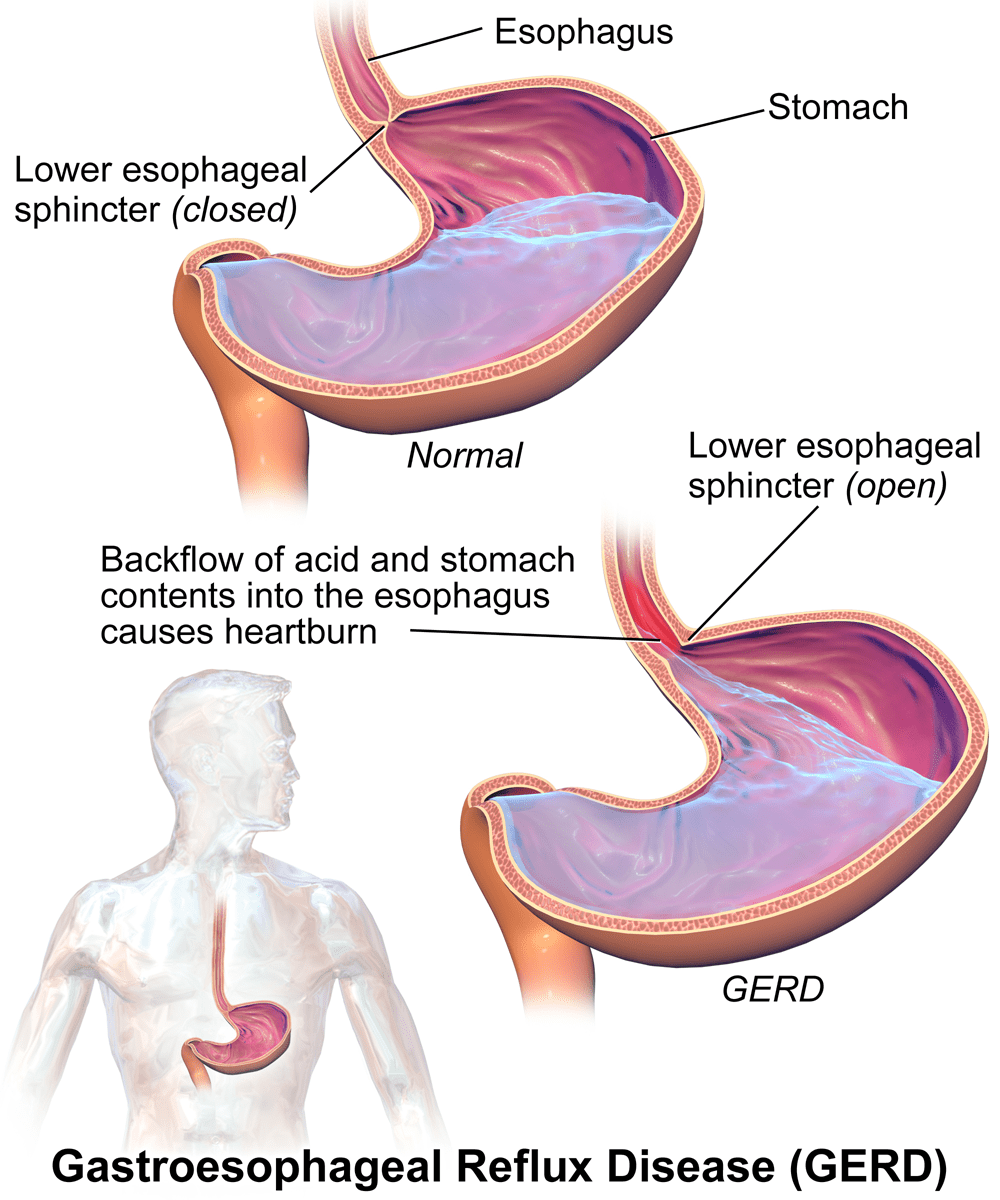
Jovina cooks Russian: Beef Stroganoff

Beef Stroganoff
Serves 4 (or servings for 2 in parenthesis)
Ingredients
1 (1/2) pound filet mignon or mignon tips (cut into 2 inches long and 1/4 inch wide)
3 ( 1 1/2) tablespoons butter
1 ( 1/2) sweet onion, finely chopped
1/2 ( 1/4) cup beef broth
1 (1/2) tablespoons Dijon mustard
1/4 ( 2 T) cup heavy cream
1/2 ( 1/4) cup sour cream
2 ( 1 ) teaspoons flour
2 (1) tablespoons minced fresh dill
2 (1) tablespoons minced parsley
Salt and freshly grounded black pepper

Directions

Heat a large non-stick skillet over high heat and sear meat on all sides, for about a minute. Work in small batches so the meat does not give off any liquid. Remove to a plate.

Add the butter and onions and saute until tender.

Blend broth, flour, mustard, heavy cream, and sour cream together. Lower heat, add the liquid mixture, and simmer, without boiling until sauce thickens about 5 minutes.
Return meat to the sauce and heat, without boiling until meat is warmed through. Season to taste with salt and pepper; stir in dill and parsley.

Beef Stroganoff is traditionally served with noodles. Rice  is also used and low carbers can make cauliflower rice as an option.

BMJ: Children with type one diabetes do just as well with jags as pumps

 BMJ 13 April 19

Pumps versus Multiple Daily Injections

Across various centres in England and Wales, 294 new onset type one diabetes patients were randomised to receive either pumps or MDI from the very start after diagnosis. The age range was just 7 months to 15 years. There were 144 in the pump group and 147 in the MDI group.

At one year the average HbA1c was around 60 (7.6%) for both groups. There were 14 serious events such as diabetic ketoacidosis or severe hypoglycaemia in the pump group and 8 such events in the MDI group.

It cost £1,863 more to treat the pump group but they had no better outcomes or improvement in quality of life compared to the MDI group. Indeed adverse events were a bit more common in the pump group even though there were fewer of them.

My comment: Looks like they were not advised about low carb diets given the relatively high HbA1Cs at a time that the honeymoon phase can be protective.

BMJ 16 Feb 19

Type one children performed just as well as their schoolmates in exams

Although both high and low blood sugar can affect concentration and memory and cognitive function, Danish researchers found that in national exams, type one children performed just as well as other children.

Enterovirus may act as a trigger for Coeliac Disease

Norwegian researchers looked at infection with adenoviruses and enteroviruses in childhood and later diagnosis of coeliac disease.

They tested children who were already at risk due to a particular genotype. They were recruited between 2001 and 2007 and were followed up till 2016.

They found that infection with enteroviruses but not adenoviruses were associated with higher onset of coeliac later on.

My comment: Enterovirus infection has been associated with the onset of type one diabetes too. People with type one are also more likely to develop coeliac. There could be common genetic susceptibility and environmental triggers.


Sam Everington: I moved the diabetes consultant into the community and greatly improved results

Adapted from BMJ 26 January 19, Five minutes with Sam Everington,  by Susan Major

Sam Everington worked as a lawyer before re-training as a GP. He is now the chair of Tower Hamlets Clinical Commissioning Group, has served on the Kings Fund, and gained a knighthood.

Tower Hamlets is a very deprived area in east London, despite this they have achieved the best rates of blood pressure control and cholesterol in patients with type two diabetes.

Sam puts this down to a much closer involvement by the hospital diabetes consultant with patients directly in the community instead of the hospital ivory towers which is traditional in the UK.

By mainly giving telephone advice to local GPs and pharmacists, he was able to give quick decisions on optimal treatment.

Sam says, “Diabetes is a complex disease, so you have to have a comprehensive approach, using everything you can to improve lifestyle and motivate patients by focussing on what is important to them. It is key to have a care plan that is individualised to each patient, systematically going through with a nurse and creating the plan in partnership with them.

“If you accept that social factors are responsible for 70% of a person’s health and wellbeing, then there is a big gap in primary care. If we don’t tackle social factors, we are really only having access to 30% of the therapies that we really need. Therefore we have introduced social prescribing in every practice in Tower Hamlets.

“We use a referral form, ticking boxes on lifestyle, environment, social and mental health. Patients then see the social prescribing advisor and talk through what will motivate them. They are then connected to one or more of 1,500 voluntary sector organisations in Tower Hamlets.

“We also encourage patients to access their own notes so they can see their results and take control. All the evidence shows that when patients manage their own illness the outcomes are better. All our patients are offered a half or whole day diabetes education workshop.”

My comment: Well done Sam. A great example of joined up thinking being adequately resourced to achieve great results.


60 today

Today I reach 60 years of age.  This is a milestone birthday mainly because I’m retiring from general practice. I’ve worked in Ballochmyle Medical Group since I was 27. Since then I’ve seen huge changes.

Lloyd George envelopes for records, which had been used since 1948,  were diligently assembled into A4 files in the late 80s, and then computerisation started in the mid 90s.  In the 80s days doctors had to guess the diagnosis or open someone up,  but today MRI and CAT scans and many more keyhole, radiological and diagnostic procedures make diagnosis faster and easier, at least for the doctor.

The single handed and small group  GP practice doing all their own surgeries, visits and on call, have thankfully been replaced by large practices with GPs and nurses specialising in different areas. They are supported by in house Pharmacists, Physios, Mental Health nurses and Podiatrists.  GPs work very long, intense days now, but they have appointment slots of 10-15 minutes instead of 7.5 which was standard. Many also have largely given up working out of hours and large health board run groups of doctors, nurses, paramedics and drivers do this now.

I used to have Ordinance Survey and Street Maps covering all Ayrshire in the car, and still have, but locating a house or farm is now so much easier with in car GPS systems. We relied on land line phones and answering machines and pages. Now we have mobile phones that are so smart we can watch TV on them and see as well as speak to patients via skype just like Captain Kirk and Dr Bones McCoy did in the 60s on Star Trek.

When I entered medical school in 1977, it was the first year that half of the students were women. Now there are about 3 or 4 women for every man.  It was normal to be a full time GP but now most GPs prefer to work part time. Maternity leave used to be 3 months and now it is a year.

Diabetes monitoring was very primitive, with glucose sticks as the main way of monitoring  with venous blood samples when a patient was acutely ill when I was in medical school. In the 80s BM blood testing stix were a major advance acutely and the HbA1C test used for long term information. Personal blood glucose monitors were a major advance. These can give visual information on your computer or meter. In the last few years these have been trumped by the Freestyle Libre Flash system.

The outlook for diabetic patients is also much better. There is more accurate information about dietary choices, a lot of varied insulin regimes to choose from and better patient education and partnership.

I will be leaving my GP practice and my complementary therapy and private practice but will be continuing my police and prison work, legal work and diabetes education work via this blog.

Emma and I will continue to update you on all matters diabetic and I hope you all continue to enjoy visiting.
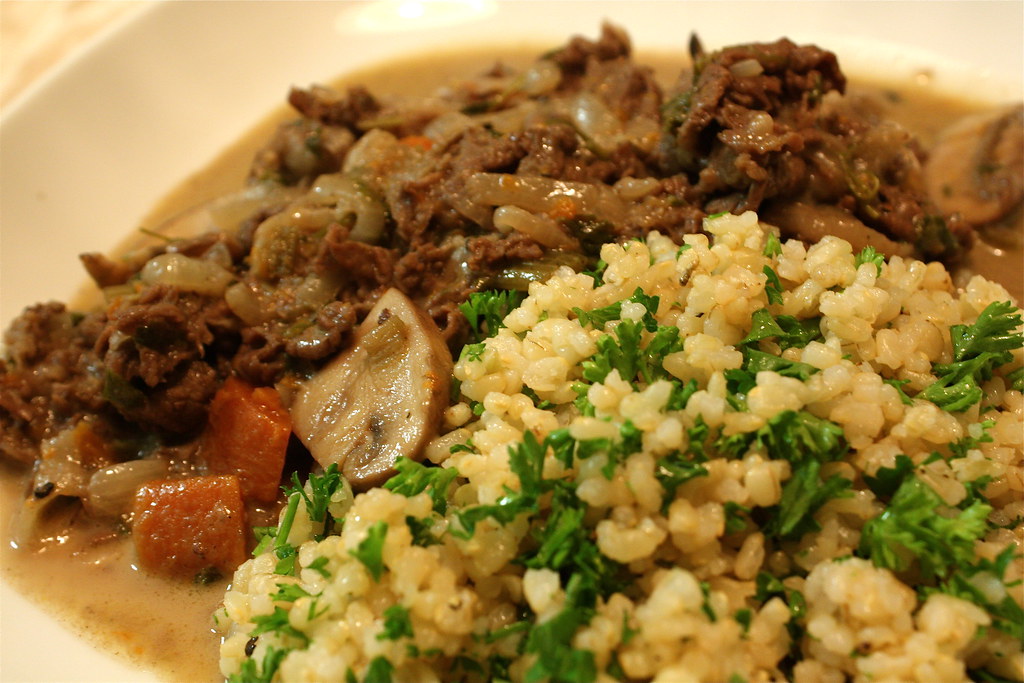


Heartburn can be treated with Imipramine

From Cheong K et al. Low dose imipramine for refractory functional dyspepsia: a randomised double blind placebo controlled trial. Lancet Gastroenterology Hepatol. Oct 22 2018.

Heartburn is a miserable and very common symptom. It can be treated with antacids such as Peptac and Gaviscon and drugs such as Ranitidine and Omeprazole or Lansoprazole.  Domperidone, which increases gut motility can be used short term. But sometimes these don’t work.

Imipramine is an old anti depressant drug which was used in this recent drug trial for heartburn that had not responded to Esomeprazole and Domperidone.

107 patients entered the trial. The treatment arms were placebo or imipramine 25mg at night for two weeks, then 50mg a night for a total of 12 weeks.

In the Imipramine arm 63% of patients got a good reduction in symptom score compared to placebo’s 36.5%.

There was a higher rate of stopping the Imipramine, 18% versus 8% for the placebo. The side effects were dry mouth, constipation, drowsiness, insomnia, palpitations and blurred vision.

My comment: The re use of this old drug will be very helpful for patients who have run out of options for their heartburn. Many patients get an excellent effect when they go on a low carb diet too. The side effects of this are: slim down, lose belly fat, feel more energetic, clearer skin and for diabetics a great improvement in blood sugar control.