Trends in standards of care for pregnant diabetes patients in the UK

4480552240_73c7d07f9c_b

Are care standards for diabetic pregnant patients being achieved?The short answer to the question is NO. The National Diabetes Audit indicates that while the diabetes epidemic continues to grow, medical care continues to fall way short of the standards devised to reduce the burden of complications both on individuals and the economy.

Women who are pregnant tend to get off to a bad start by not being on the right dose of folic acid before they embark on the pregnancy. They are advised to take 5mg of the vitamin a day in order to reduce the chance of their baby developing spina bifida. Of the type one diabetic women 45%  met this standard but only 24% of type two diabetic women did so.

In order to eliminate foetal abnormalities related to hyperglycaemia the HbA1c should be preferably below 6.0 in the first trimester and  yet only 8% of women with type one and 22% of those with type two managed a HbA1c of 6.1% (43 mmol/mol) or less. Pregnancy is advised to be avoided all together if the HbA1c  is over 10% (86) but 12% of type ones and 8% of type two women were over this. The women most adversely affected tended to be living in the greatest areas of deprivation, and also of Asian or Black ethnicity.

Oral glucose lowering drugs apart from metformin are advised for women trying for a baby and insulin should be used if necessary to achieve blood sugar targets. Statins, ACE inhibitors (prils), and ARBS (sartans) should be stopped prior to pregnancy as these can be teratogenic.  But 57% of type two diabetic women were on at least one of these drugs at the onset of pregnancy.

Hypoglycaemia, severe enough to need hospital treatment, was experienced by 9.3% of pregnant women with type one diabetes.

Currently 67% of type one women have a caesarean section compared with 52% of type twos. The rates of stillbirth for offspring are almost 12.8 per 1000 births compared to 4.7 for the general population. Neonatal deaths are 7.6 per 1000 compared to 2.6 for the general population. The rate of congenital abnormalities approximately double that for the general population at 44.2 per 1000 compared to 22.7.  Adverse pregnancy outcomes of all types are related to the HbA1c particularly in the first and third trimesters.

Despite the growth of specialist diabetic-obstetric teams there has been very little improvement in these outcomes over the last ten years. How can we help diabetic women prepare for their pregnancies? Why are so many women and babies not getting the medical care that could help them?

Some basic advice: see your GP well before you plan a pregnancy if you have diabetes and tell them that you are planning for having a baby.

Use effective contraception until your glycaemic goals have been met. For most women this means a Hba1c of 6.5% or under and ideally under 6.0%.

Start folic acid 5mg daily.

Stop statins, ACE inhibitors, ARBs and seek alternative blood pressure control drugs instead, if you have high blood pressure.

Get your weight down to normal if at all possible.

Start a gentle exercise regime if you haven’t already started.

If you have type two diabetes discuss moving onto insulin with your consultant diabetologist.

If you have type two diabetes you will usually continue metformin but stop other drugs on the advice of your consultant diabetologist or GP.


Based on Analysing newly-published diabetes audits: are care standards being achieved? Written by Steve Chaplin B Pharm MSc Medical Correspondent in Practical Diabetes March 2016

How good are you at looking after yourself?

i-741512_960_720

Last week I was at a workshop to teach health care professionals how to do focus centred behaviour change for diabetics. It was run by two psychologists.  One of the “documents you may wish to use with patients” was a list of self -care behaviours and next to it a grade of how good you think you are doing it.

These are the dietary based entries:

The food I choose to eat makes it easy to achieve optimal blood sugar levels.

Occasionally I eat lots of sweets or other foods rich in carbohydrates.

Sometimes I have real “food binges” (not triggered by hypoglycaemia)

The third one is assessing  emotional eating. But the first two are squarely advocating a low carbohydrate diet. Nada about dietary fat in the whole thing.

I was surprised and delighted but decided to stay silent. There were three dieticians in the room. I saw one bridle as she read the document. She asked, “Where did this come from?”.

Here is its source.

http://www.ncbi.nlm.nih.gov/pmc/articles/PMC3751743/

This is a German/UK collaboration with a good scientific basis.

Table 1

Diabetes Self-Management Questionnaire (DSMQ)

The following statements describe self-care activities related to your diabetes. Thinking about your self-care over the last 8 weeks, please specify the extent to which each statement applies to you. Applies to me very much Applies to me to a consider-able degree Applies to me to some degree Does not apply to me
1. I check my blood sugar levels with care and attention.
Blood sugar measurement is not required as a part of my treatment.
☐3 ☐2 ☐1 ☐0
2. The food I choose to eat makes it easy to achieve optimal blood sugar levels. ☐3 ☐2 ☐1 ☐0
3. I keep all doctors’ appointments recommended for my diabetes treatment. ☐3 ☐2 ☐1 ☐0
4. I take my diabetes medication (e. g. insulin, tablets) as prescribed.
Diabetes medication / insulin is not required as a part of my treatment.
☐3 ☐2 ☐1 ☐0
5. Occasionally I eat lots of sweets or other foods rich in carbohydrates. ☐3 ☐2 ☐1 ☐0
6. I record my blood sugar levels regularly (or analyse the value chart with my blood glucose meter).
Blood sugar measurement is not required as a part of my treatment.
☐3 ☐2 ☐1 ☐0
7. I tend to avoid diabetes-related doctors’ appointments. ☐3 ☐2 ☐1 ☐0
8. I do regular physical activity to achieve optimal blood sugar levels. ☐3 ☐2 ☐1 ☐0
9. I strictly follow the dietary recommendations given by my doctor or diabetes specialist. ☐3 ☐2 ☐1 ☐0
10. I do not check my blood sugar levels frequently enough as would be required for achieving good blood glucose control.
Blood sugar measurement is not required as a part of my treatment.
☐3 ☐2 ☐1 ☐0
11. I avoid physical activity, although it would improve my diabetes. ☐3 ☐2 ☐1 ☐0
12. I tend to forget to take or skip my diabetes medication (e. g. insulin, tablets).
Diabetes medication / insulin is not required as a part of my treatment.
☐3 ☐2 ☐1 ☐0
13. Sometimes I have real ‘food binges’ (not triggered by hypoglycaemia). ☐3 ☐2 ☐1 ☐0
14. Regarding my diabetes care, I should see my medical practitioner(s) more often. ☐3 ☐2 ☐1 ☐0
15. I tend to skip planned physical activity. ☐3 ☐2 ☐1 ☐0
16. My diabetes self-care is poor. ☐3 ☐2 ☐1 ☐0

View it in a separate window

It is very refreshing and welcome to see that prioritising eating based on the effects on glycaemic control for diabetics is being adopted over following dogma with no scientific basis.


Resilience matters most for young and old when it comes to living with diabetes

clifford
Pic thanks to Diabetes UK

The Journal of Health Psychology have recently ran a series of articles showing that a positive attitude towards coping with chronic illness gives a better quality of life.

Adolescent type one diabetics who felt competent in their self- care, were optimistic and had high levels of self- esteem coped better than those who did not share these characteristics.  Low resilience was associated with higher distress, poor quality of life, maladaptive coping strategies and poor glycaemic control.

Older adults of low socioeconomic status who had low resilience had an increased risk of diabetic neuropathy compared to those in the same financial straits but with higher resilience.

As a GP I see some children struggle with diabetes and I know that their poor glycaemic control will have devastating consequences in future years.  Most of these children have parents who are struggling to cope with their lives, regardless of the diabetes, and don’t seem to be able to make the highly structured changes that are necessary to manage the condition really well. To make matters worse they often miss clinic appointments. There are liaison nurses who do house visits and psychologists who try to help. Proper (not current NHS!)dietary advice would help and even meal provision with portioned carb and protein counts would be one way to help these families. After all, meals are made available free to some pensioners and surely this would be cheaper on the long run than dialysis and the dropping out of the job market that early complications often bring.

(Research findings from Jounal of Health Psychology 2015 20,9, 1196-1206 and 1222-8 from Human Givens Volume 22, No 2, 2015.

Jason’s travelling tips

packing-backpack-11281261717i40n

Jason Biondo enjoys travelling and writing about it. Here is a post from his blog that will be of help to all of us adventurers.


https://trekeffect.com/travel-blog/17-ways-to-stay-fit-and-fab-when-traveling


One tip I picked up from the internet was to roll up a T shirt and pants into a sausage shape and use the legs of socks at either side to keep the whole lot together. This can be helpful to have in your hand luggage for overnight stays or flights.

If you have any other travel tips please share in the comments section.


Katharine

What can you do to improve erectile dysfunction?

Blood vessel problems and diabetes are the leading causes of not being able to get or sustain an erection in men. “ED” is a very common diagnosis, perhaps more so now than ever before, partly due to the increase in diabetes but also because there are more treatments available now and men are less likely to suffer in silence.

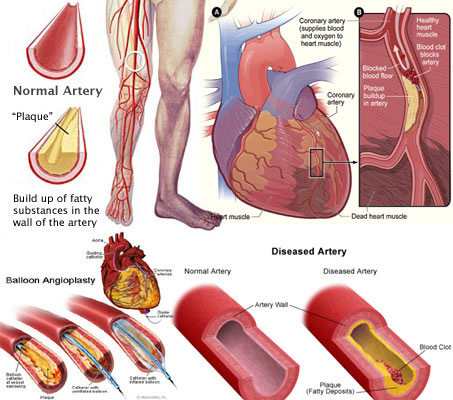
Diabetics tend to get the problem 10 to 15 years earlier than other men. The degree of glycaemic control over time is a significant factor as this determines the extent of microvascular and macrovascular complications. Neuropathy, insulin resistance, endothelial dysfunction, and atherosclerosis all affect the mechanisms behind erectile function.

Even men who are not diabetic but are aged over 50 and have features of metabolic syndrome are at almost a 50% more chance of getting ED. Indeed the severity of ED reflects the degree of blood pressure, waist fat, and abnormal blood fat pattern that a man may have. If a man with diabetes has ED he is at significant risk of coronary artery disease.  Low testosterone is a risk factor for ED by itself and makes metabolic syndrome and diabetes worse as well.

5814509608_e9d342b063

The main drugs to treat ED, such as Viagra and Cialis, rely on an intact neural response, so they don’t always work that well when this is impaired in diabetics.  Testosterone replacement therapy can reduce cardiovascular risk in men and also enhance the response to these sorts of drugs. When drugs are still not successful vacuum devices, penile injection drugs, and penile prostheses can be used.

Men can find that following a Mediterranean style of diet can improve erectile response as can exercise.

So in brief:

Keep to as normal a weight as you can.

Keep blood sugars control as good as you can for as long as you can.

Make exercise part of your daily routine.

Eat a low carbohydrate diet with plenty of olive oil, fresh vegetables and moderate amounts of fruit.

Don’t smoke.

Reduce stress.

Sleep well.

Keep your blood pressure under control.

Seek medical advice if you have abnormal blood lipids especially low HDL and high triglycerides.

Include a testosterone check if you notice your waistline creeping up or erectile problems when you have your other diabetic blood tests.

Maintain a normal blood pressure.

Ask your doctor’s advice if you are on medication because many anti- hypertensives and anti-depressants interfere with penile function.

If you do have ED and diabetes discuss cardiac assessment with your doctor.

Thermometer - Confidence Level
A thermometer with mercury bursting through the glass, and the words Confidence Level, symbolizing a positive attitude

Based on the article: Endothelial dysfunction is the link between ED, DM and CAD by  Sabair Pradhan, Doctor of Pharmacy Candidate USF College of Pharmacy. Published in Diabetes in Control February 2016.


Diabetes exercise expert launches great new site

Dr Sheri Colberg has been studying diabetics and their response to exercise for many years.  She has written several books to help diabetics achieve their best results and now she has launched an online site that will help you for free.

She writes:

As a leading expert on diabetes and exercise, I recently put my extensive knowledge to use in founding a new information web site called Diabetes Motion (www.diabetesmotion.com), the mission of which is to provide practical guidance about blood glucose management to anyone who wants or needs to be active with diabetes as an added variable. Please visit that site and my own (www.shericolberg.com) for more useful information about being active with diabetes.


She aims to help the entire range of people affected with diabetes from the “getting on a bit” couch potato to the fit competitive athlete.

Here at Diabetes Diet Blog, Emma and I are convinced of the benefits of regular and varied exercise for all, whether you are diabetic or not. Just figuring out where to start can be difficult if you haven’t been a regular exerciser before or are troubled with complications. For insulin users, they are sometimes put off by the adjustments they need to make with their food intake and insulin doses. This site is here to help and Sheri contributes personally to the comments section in her site to help you. 51y4mr5J-5L._SX349_BO1,204,203,200_

Do you want to know your complication risk?

Researchers in the United Kingdom have developed a validated risk assessment equation to show the 10-year risk of blindness and lower limb amputation in diabetes patients. Such tools have already been developed for the general population to assess heart attack, stroke and diabetes risk, and now the QDiabetes tool is the first  tool for diabetics that  gives  an accurate assessment of their risk of these most feared complications.

Data has been collected from English  General Practitioners  since 1998 from over 400,000 patients. The algorithms are based on variables that patients are likely to know or that can be found from asking your GP. Knowing your risk could be worthwhile so you would know  to intensify your control and monitor your condition more stringently.

For clinicians, complication risk  could enable screening programs to be tailored to an individual’s need for support  and the more rational use of scarce resources. Retinopathy could be done more frequently than once a year for those who need it and less frequently than once a year for those who do not.  Those at higher risk of amputation might benefit from a proactive targeted program to prevent lower extremity amputation (including more frequent checks, tailored patient education, specially designed protective footwear, and early reporting of foot injuries), as this has been shown to substantially reduce the risk of emergency admissions, use of antibiotics, foot operations, and lower limb amputation compared with usual practice.

Arakawa_Kazuyoshi_-_Dragon_Supporting_a_Crystal_Ball_-_Walters_571188.jpg


To see what your risk factors are click here:  QDiabetes® (Amputation and blindness) equations.

Based on an online article at Diabetes in Control.

Hippisley-cox J, Coupland C. “Development and validation of risk prediction equations to estimate future risk of blindness and lower limb amputation in patients with diabetes: cohort study.” BMJ. 2015;351:h5441.


What helps and what doesn’t when type one diabetes is diagnosed in adolescence

Some young people cope very well with type one diabetes right from the start and others flounder. Sometimes a young person’s failure to get to grips with the condition has very serious and long lasting effects. So, what things help and what things hinder?

Dr Emily Robinson is a counselling psychologist based in Leicester Royal Infirmary. She interviewed eight type ones aged 28-36 years who had been diagnosed in adolescence and asked them about their experiences. They had been diagnosed between the ages of 11 and 17.

Previous research has shown that how people think about their illness impacts on how well they self-care, their degree of metabolic control and how happy and adjusted they are to diabetes.

Most participants went through a stage of shock and grief around the time of diagnosis. Laura stated, “At first I thought my world had caved in. I was thinking, why me? It is really unfair. I did kind of feel that my life was over”.

Yet, although in the minority, some young people just sort of “got it” right away. No fuss. No muss. Craig said, “I don’t remember there being a sudden change in the way I was personally. I wasn’t panicking for feeling like my life had ended.”

All participants described that their freedom had been at least temporarily curtailed and that they had missed out on things compared to their friends of the same age. Tony said, “I felt I lost my freedom and my ability to do things at the drop of a hat. I had always been a very active child and I was used to going out in the morning, walking and playing in the fields and not thinking of coming back home till I was hungry.”

There is a stage in adolescence where no one wants to be seen as different from anyone else in their peer group. Karen spoke about how this had serious effects. She stopped giving herself insulin injections and ended up in hospital with diabetic ketoacidosis several times.

Most participants described a sense of intense loneliness at the time of diagnosis.  Not knowing any other young diabetics was a problem and sitting in medical waiting rooms along with just grown-ups and elderly did not help.  One young woman, Laura, actually had severe depression. She put this down to not getting the help she needed from her parents.

Indeed parental involvement has been found to be the single most important predictor of positive adolescent outcomes. The less parental involvement and the more responsibility taken by the adolescent the worse the control.  The growth of teenage diabetic transition clinics and internet forums may have made a good difference for todays newly diagnosed type ones.

Parental anxiety had a knock on effect on how well adolescents coped emotionally with their diabetes. “My parents were terrified and in denial”, said Laura.  The reaction of friends had lesser but significant impact too.

Health care professionals need to be really careful about how they speak about diabetes to the newly diagnosed because everything they say is taken to heart.  Jannine spoke of being shown pictures of gangrenous feet and being in a ward of people who had diabetic complications. The “shock treatment approach” left her so frightening and helpless that she avoided checking her blood sugars. “I have never quite forgiven them for that”, she says, over a decade later.

The way in which diabetes was explained at diagnosis has been found to be the strongest predictor of emotional response even two years after diagnosis.

4276166167_e2cf9e2e47_o.jpg

Laura remembers, “I was having a really terrible time and I said something like, if this was a war, I would be surrendering. At the moment I feel that I am really losing. The doctor said to me, I bet you would just like a couple of weeks off, wouldn’t you? And that was one of the most understanding things a doctor has ever, ever, ever said to me.

Seeing the same clinician regularly was very important to about half of the participants. Having a nurse educate her in a supportive and encouraging way, being given choices, setting her own treatment goals and reducing her sense of isolation were particularly important to Jannine.

Over time, everyone with diabetes adjusted to having the condition in a much more positive way. Tony said, “I see myself as being normal. I’m me. I have diabetes but I don’t consider it to be a huge problem. I didn’t think like this when I was 16 or 20 years old.”

Support groups were a help to some participants. “It was astonishing to know that everyone else had problems too”.

Currently transition services for young people still tend to result in high dropout rates, poor attendance and sub-optimal control.  Psychological input may help some people who are struggling at this time.  More frequent appointments, active follow up, and seeing the same clinicians have been found to help.

Between the late 20s and early 30’s has been found a significant time in the lives of type one diabetics. After all, this is when parenthood is most commonly anticipated. A wish to tighten up control in preparation for a life time with diabetes is common. Emily thinks that refresher courses in diabetes management, which don’t currently exist in many areas, would be a good idea at this time.

(Of course, from my point of view, I think that diabetics of all ages would be a lot less demoralised if they were told the best ways to manage their diet and insulin regime.)

So in summary:

What helps:   

Doctor gives an optimistic view of diabetes at diagnosis.

Parents, let your offspring do as much as their friends are doing and usual pursuits as far as possible.

Join family/ adolescent support groups at diagnosis.

Hospital managers provide adolescent clinics at different times from adult/complication clinics.

Outpatient management of insulin initiation avoids admission which can be distressing.

Treat parents as possible patients if they are very distressed. Do they need counselling? Do they need to meet other parents who are more experienced and coping well?

Health care professionals should make an effort to understand the person and the family who has diabetes.

Try to have the same clinicians see the family and patient regularly.

Tailor education to the individual.

Give as much control over to the individual as possible.

Consider psychological input if control is poor or distress is evident.

Provide consolidation courses for the 25-30 age groups.


What hinders:

Doctor gives a catastrophic view of diabetes at diagnosis.

Parents keep their child under a tight rein from diagnosis and inadvertently make child feel that they and their lives are very different now.

Being exposed as a new diabetic to very sick older diabetics at clinics or in wards.

Doctors and nurses not talking to parents on their own to see what they may be struggling with.

Too many cooks.

Generic courses.

Courses provided too early in the disease process that don’t seem relevant or where the family/ patient are too stressed to learn usefully.

 Resources for young people with type one diabetes:

https://www.youtube.com/user/type1uncut

http://joes-diabetes.com/pages/joes-rough-guide

http://twitter.com/OurDiabetes


Resources for health care professionals:

www.successfuldiabetes.com/working-with-diabetes-workshops/diabetes-workshops/item/111-supporting-young-adults-with-diabetes-a-one-day-workshop

www.diabetescounselling.co.uk

www.diabetes.org.uk/Professionals/Training/–competencies/Courses/Supporting-Young-Adults-with-Diabetes/

Diabetes Australia Position Statement (2011). A new language for diabetes. http://static.diabetesaustralia.com.au/s/fileassets/diabetes-australia/9864613f-6bc0-4773-9337-751e953777cd.pdf

Based on an article by Dr Emily Robinson in Practical Diabetes Nov/Dec 2015



NEW – ‘How To’ Course for Diabetics

The 'how to' course will help you achieve better blood sugar results.
The ‘how to’ course will help you achieve better blood sugar results.

Here at the Diabetes Diet, we’ve added some e-learning options for you. The ‘How to’ course written by GP Dr Katharine Morrison is an extensive learning resource suitable for anyone with diabetes (type 1 or 2, or gestational diabetes) and anyone who cares for those people, and it’s aimed at helping you improve your diabetes.

Although personal coaching at diabetes clinic occurs, there are often gaps in what would make that all-important difference to individuals. By following this course you will have all the advantages of the many tips and clearly set out steps to improvement that have been directly tested by other people with diabetes.

As you work your way through the course you will quickly realize that a reduced-carbohydrate diet is highly recommended. This is key to stabilising and then normalising blood sugars. In turn, this can reduce hunger if your aim is to lose body fat or improve metabolic control if you suffer from any of the glucose metabolism disorders.

The ‘How to’ course is available here, or through navigation from the top menu.


What can diabetic women expect when they are expecting?

NICE have come up with some sensible improvements for the management of diabetic pregnancies that should reduce complications for mothers and babies in the future. None of these changes are radical and indeed they are already considered best practice, but what is different is that they want to see if best practice can be made routine.

Frequency

Approximately 700,000 women give birth in England and Wales each year, and up to 5% of these women have either pre‑existing diabetes or gestational diabetes. Of women who have diabetes during pregnancy, it is estimated that approximately 87.5% have gestational diabetes (which may or may not resolve after pregnancy), 7.5% have type 1 diabetes and the remaining 5% have type 2 diabetes. The prevalence of all 3 types of diabetes is increasing. The incidence of gestational diabetes is also increasing as a result of higher rates of obesity in the general population and more pregnancies in older women.

Risks

Diabetes in pregnancy is associated with risks to the woman and to the developing fetus. Miscarriage, pre‑eclampsia and preterm labour are more common in women with pre‑existing diabetes. In addition, diabetic retinopathy can worsen rapidly during pregnancy. Stillbirth, congenital malformations, macrosomia, birth injury, perinatal mortality and postnatal adaptation problems (such as hypoglycaemia) are more common in babies born to women with pre-existing diabetes. For women diagnosed with gestational diabetes, hyperglycaemia usually resolves after pregnancy, but a proportion of these women will have type 2 diabetes after the birth. Therefore, before a woman is discharged to the care of her GP, her blood glucose levels should be tested to ensure that they have returned to normal.  Women with pre-existing diabetes will be managed in general adult diabetes services after the birth.

List of recommendations

  1. Women with diabetes planning a pregnancy are prescribed 5mg/day folic acid until 12 weeks gestation.

High-dose folic acid supplements should be prescribed for women with diabetes from at least 3 months before conception until 12 weeks of gestation, because they are at greater risk of having a baby with a neural tube defect. The benefits of high-dose folic acid supplementation should be discussed with the woman during preconception counselling as part of her preparation for pregnancy. If a woman with diabetes has an unplanned pregnancy, she should be prescribed high-dose folic acid as soon as the pregnancy is confirmed.

  1. Pregnant women with diabetes are supported to self-monitor their blood glucose levels during pregnancy.

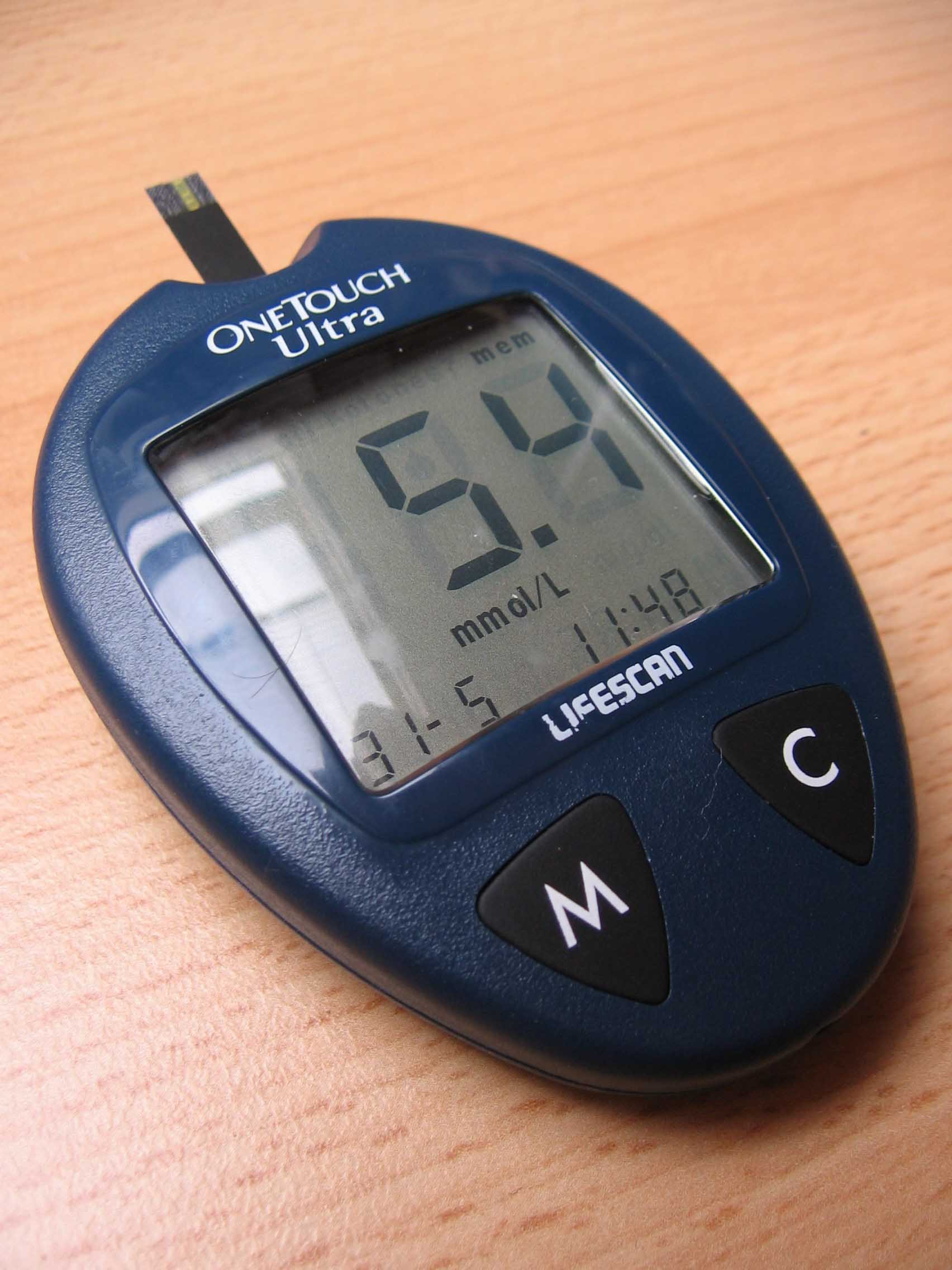
Women with diabetes need to be able to self-monitor their blood glucose levels at an increased frequency during pregnancy. This will help them to maintain good blood glucose control throughout pregnancy, which in turn will reduce the risk of adverse outcomes such as fetal macrosomia, trauma during birth, induction of labour and/or caesarean section, neonatal hypoglycaemia and perinatal death. Support should be provided to ensure that women have access to blood glucose monitors and enough testing strips, and know how to use them.

  1. Women with pre-existing diabetes are seen at the joint diabetes and antenatal care clinic within 1 week of their pregnancy being confirmed.

Women with diabetes who become pregnant need additional care in addition to routine antenatal care. A joint diabetes and antenatal clinic is able to ensure that specialist care is delivered in order to minimise adverse pregnancy outcomes. Immediate access to a joint diabetes and antenatal clinic within 1 week will help to ensure that a woman’s diabetes is controlled during early pregnancy, when there in an increased risk of fetal loss and anomalies. It will also help to ensure that the woman’s care is planned appropriately throughout her pregnancy.

  1. Pregnant women with pre-existing diabetes have their HbA1c levels measured at their booking appointment.

A woman’s HbA1c levels can be used to determine the level of risk for her pregnancy. Women who had diabetes before they became pregnant should have their HbA1c levels measured during early pregnancy to identify the risk of potential adverse pregnancy outcomes and to ensure that any identified risks are managed.

  1. Pregnant women with pre-existing diabetes are referred for retinal assessment at their booking appointment.

Pregnant women with diabetes can have an increased risk of progression of diabetic retinopathy. Pregnant women should therefore be screened more often for diabetic retinopathy. Retinal assessment should be offered at the booking appointment unless the woman has had an assessment in the last 3 months.

  1. Pregnant women diagnosed with gestational diabetes are reviewed at the joint diabetes and antenatal care clinic within 1 week of diagnosis.

Pregnant women diagnosed with gestational diabetes should have specialist advice and treatment in a timely manner, and should be reviewed by members of the joint diabetes and antenatal care team within 1 week of being diagnosed. The joint clinic should provide the woman with advice, including why gestational diabetes occurs, potential risks and complications, and treatments aimed at reducing those risks.

  1. Women who have had gestational diabetes have annual HbA1c testing

Women who have had gestational diabetes are at increased risk of getting it again in future pregnancies. They are also at higher risk of type 2 diabetes: if they are not diagnosed with type 2 diabetes in the immediate postnatal period (up to 13 weeks after the birth), they are still at high risk of developing it in the future. Early detection of type 2 diabetes by annual HbA1c testing in primary care can delay disease progression and reduce the risk of complications. Annual testing can also reduce the risk of uncontrolled or undetected diabetes in future pregnancies.

Readers of our book can find information of the blood sugar targets that are optimal in pre-pregnancy and pregnancy and of course the type of food and menus that will help them achieve these targets. Detailed insulin administration tips are also described to optimise insulin to meal matching.