So just a couple days ago I posted one of my recipes for making sushi sandwiches for your Super Bowl Party and had a few people remark that they didn’t like nori or didn’t like the idea of sushi without fish. Well, I thought I would post what is essentially the same recipe with cling wrap replacing the nori. Yes this is a basic recipe but there was a time that I didn’t know how to do this and hopefully I can reach some people that this will help as well.
Are you getting enough fish in your low carb diet? Fish is an excellent source of protein and Omega-3 fatty acids while being relatively low calorie. This recipe is the epitome of healthy living while still eating good food. Try it out and see what everyone I know is raving about.
This one is for my vegetarian readers out there that have seen a lot of meat-based soups in the last couple of months. Apologies for getting carried away with bacon, but honestly, what else do I have in the world when I can no longer binge on potato chips?
Plantar fasciitis is a dread diagnosis for me. Not because it is “serious” but because it is a misery and there is so little I feel I can do to improve it. Physiotherapist Greg Turpin and GP Dr Mareeni Raymond have produced a step by step guide to this condition in GP Magazine 27 October 2014 where they describe what can be done. I am delighted to be able to summarise what their experiences are of treating patients with this condition.
Diabetics and those who are overweight are particularly likely to get plantar fasciitis. The condition is due to inflammation and degeneration of the connective tissue that connects the bones of the feet to the Achilles tendon at the heel. Glycation of tendon collagen is probably the issue with diabetics so the better your blood sugar control the better for your tendon health. The bones, muscles of the feet, the subcutaneous tissue and the skin are all linked by this fibrous band. Athletes and women are also particularly affected. High mechanical loads being carried by the feet and fashionable rather than “sensible” footwear are also factors in causation.
People complain of a feeling of a stone in their shoe or a burning pain around the heel. Pain can worsen as the day goes on and if walking barefoot. The sole of the foot or heel is usually tender and the pain can come on when the person points their toes towards their shin.
If the condition is of new onset stretching the foot and non- steroidal anti- inflammatory drugs such as Naproxen, Ibuprofen, Diclofenac or Meloxicam can be tried. The stretching is of itself uncomfortable to painful and must be done at least three times a day for 10 repetitions each foot. First thing in the morning and after periods of prolonged standing are recommended.
Heel pads can help. So can supportive shoes and cutting out weight bearing activities. Taping can be done by a physiotherapist and then can be continued by a patient who has been taught how to do this.
The authors reckon that 9 out of 10 people will be much improved after six months of such an approach. If a patient is keen to continue sports or has any musculo-skeletal abnormality earlier referral to a physiotherapist would be useful. If the condition is getting worse instead of better, the physiotherapist should also be consulted earlier to prevent the problem becoming chronic.
I often give patients non- steroidal gels to rub into the feet and I have also tried acupuncture. None have been that successful. Many diabetic patients also have high blood pressure and so cannot use non-steroidal anti-inflammatory drugs. Asthmatics and those with a history of stomach ulcers or poor renal function also cannot use these drugs.
It looks as though keeping slim, keeping blood sugars tightly controlled, wearing supportive footwear with low heels and probably regular stretching of the sole of the foot are the most useful things you can do to prevent this condition from occurring.
Have any readers helpful advice for those afflicted with this problem?
Whatever our gender, two out of three of us will get a cardiovascular event of some kind, and many of these will be fatal.
Do men and women respond differently? This was the question that Dutch researchers led by Maarten Leening from Rotterdam asked of almost 3 thousand, mainly white, men and women over the age of 55 who lived in the Netherlands. He followed them up for 20 years.
He found that men started accumulating and dying of cardiovascular disease from the age of 55 onwards, but that women’s risk did not rise appreciably till they were aged 70. Furthermore, the pattern of illness differed.
Men tended to have a heart attack, but women were more likely to get a stroke or heart failure as the first event.
The authors point out that hyperlipidaemia is not a risk factor for heart failure but high blood pressure and other lifestyle factors are.
As a GP I welcome knowing about the differences in gender patterns. Both men and women who hope to optimise their cardiac health need to pay attention to staying smoke free, keeping slim, taking exercise, sleeping well and reducing stress. Both will need blood pressure checks. A low carb diet, such as described in our book, can greatly improve glycaemia, lipid patterns, weight and blood pressure. Currently I usually only order echocardiograms when people have murmurs or are breathless on exertion. Maybe this is too late? A lot of attention is paid to lipid checks and prescribing statins in primary care, but there is not the same emphasis on seeking cardiac failure. Diabetics are at higher risk of cardiac failure but even in this group screening is not done for this condition. Heart failure is often hard to spot till it is very severe. It seems “normal” for people to do hardly any physical activity or planned exercise. In many older people arthritis limits mobility and the breathlessness that would be apparent at a fast pace never becomes obvious.
I remember as a young child, my grand mom used to live in a little town and we used to visit her in our summer vacations. She was a very sweet lady, like most grand mothers are and I really used to look forward to those yearly visits. In those days, the only way to visit her was by train. After a week or ten days of having fun, lazing around and enjoying, when it was time to return home, she would pack a lot of goodies and mangoes for us.
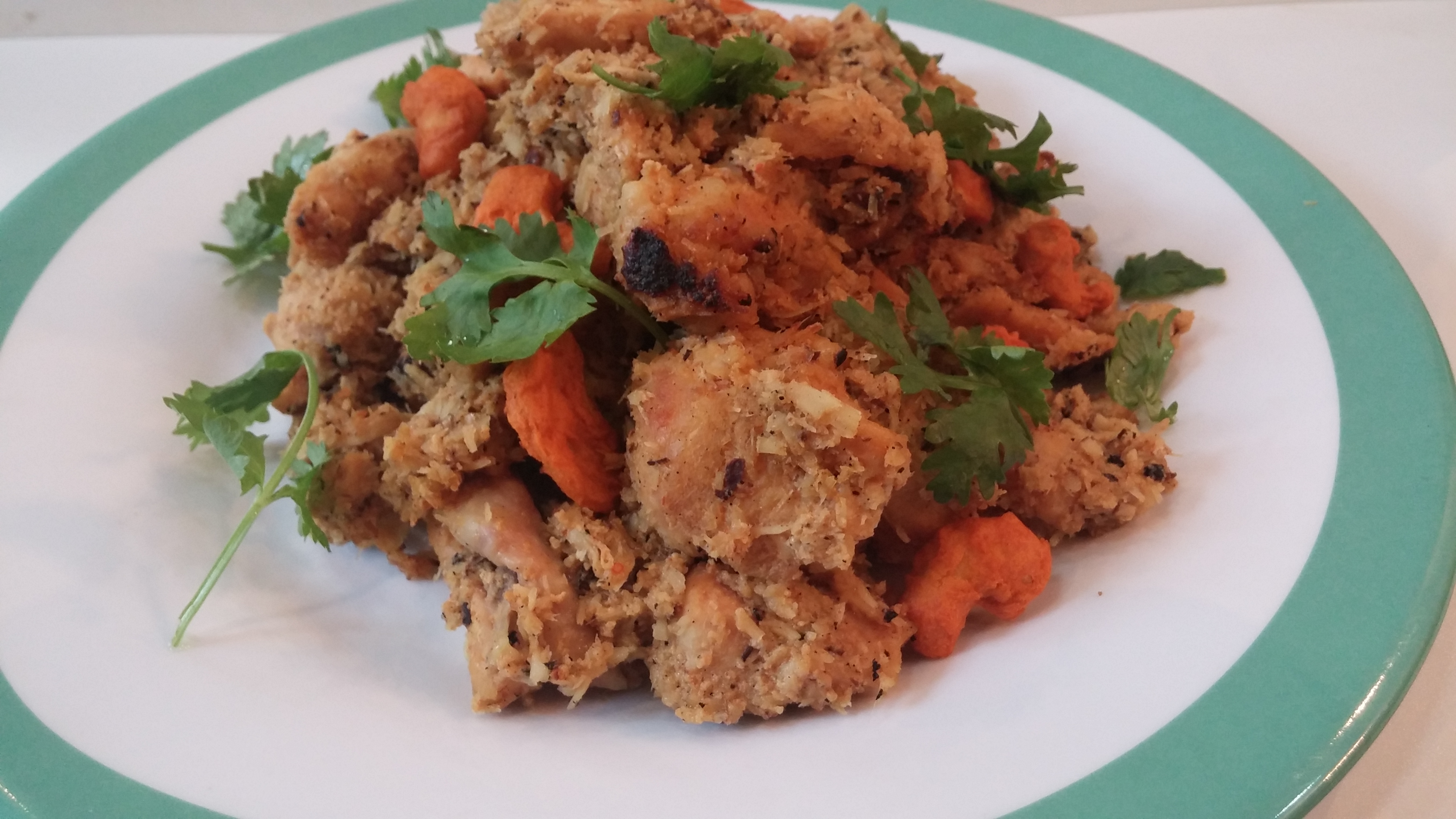
One particular memory , I associate with this journey is that she would always pack ‘ Coconut Lamb fry’ for our dinner in train. Maybe, because it was dry and non messy and tasted good with breads/rotis or rice. Whenever, I make this dish I always remember her. This can be tried with lamb as well as…
In past Thanksgivings, where I was eating low carb because of gestational diabetes, I just had to refrain from eating much at potlucks or get-togethers, and I felt so deprived on a low carb/ketogenic diet. This was because I didn’t know of any alternatives to the things I most wanted to eat. This thanksgiving, however, after doing a lot of research, I am going to be feasting and enjoying myself WITHOUT feeling deprived. There are so many alternatives to the typical carby treats…and they are not any less delicious than the real deal. Here are some of the things I’ll be making or eating this year:
125g (half a block) cream cheese, room temperature
1 cup cream
1 1/2 Tbsp Xylitol
Zest of one lemon
Juice of 1 small lemon (about 4 Tbsp)
1 cup of frozen cherries or any fresh or frozen berries of your choice.
Chocolate:
¼ cup coconut oil
¼ cup coconut cream or regular cream
4 Tbsp cocoa
3 Tbsp xylitol
Method:
For the cheese cake mousse:
Cream the cream cheese, xylitol, zest and lemon juice in a mixing bowl with an electric mixer.
Slowly pour in the cream while mixing on low at first, and as soon as the cream starts to thicken a bit mix on high for about two minutes or until stiff peaks form.
Cherries:
In a saucepan on medium heat, allow the cherries to stew for about 4 – 5 minutes and the sauce to reduce a bit. I did not add…
Hello, I am David Unwin, another GP interested in the low-carb approach to helping my patients with type two diabetes.
My work formed the basis of an article published in the March 2014 edition of Practical Diabetes. ‘Low carbohydrate diet to achieve weight loss and improve HbA1c in type 2 diabetes and pre-diabetes: experience from one general practice’.
I am not a diabetic, but have been on the diet for about two years now. I started it as a gesture of support for my patients but find I am more alert and need less sleep on it. Surprisingly it seems to help me run faster too! I recently finished a 10 K road run in less than 46 minutes, my best time for years.
Since writing the article in March, my practice has been given a small grant which means we have now helped 37 people with type two diabetes. Interestingly, the results are very similar to our original cohort including improvements to cholesterol, despite a diet higher in fat which makes one wonder…
Abstract
Diabetics have long been exhorted to give up sugar and encouraged to take in complex carbohydrate in the form of the starch found in bread and pasta (especially if ‘wholemeal’). In fact, bread should be seen as concentrated sugar which explains why it has a higher glycaemic index than table sugar itself.
As there are no essential nutrients in starchy foods and diabetics struggle to deal with the glycaemic load they bring, we question why they need form a major part of their diet at all.
The recent increase in screening in general practice along with epidemic of ‘central obesity’ is revealing large numbers of pre-diabetics and diabetics (diabesity). At a time when there are questions about drug safety, which diet is best is of particular importance.
Many patients are already experimenting with the ‘low carb’ approach as it is so widely advocated on the internet. We wanted to see how effective and well tolerated it was.
A series of 19 type 2 diabetics and pre-diabetics volunteered to go on a low carbohydrate diet backed up with ten-minute one to one sessions with a GP or practice nurse, and regular group education.
After seven months only one had dropped out, of the rest all had significant weight loss (average 8.63 Kg) and the average HbA1c was down from 50.68 to 39.9 mmol/mol (6.7% to 5.7%).
Despite the higher fat intake on this diet the cholesterol dropped and liver function improved for nearly all participants.
We conclude this approach is easy to implement, brings rapid weight loss and improvement in HbA1c using a diet that the great majority of patients find easy to live with.


 Super Bowl Roll-A-Wrap
















 Diabetes Diet