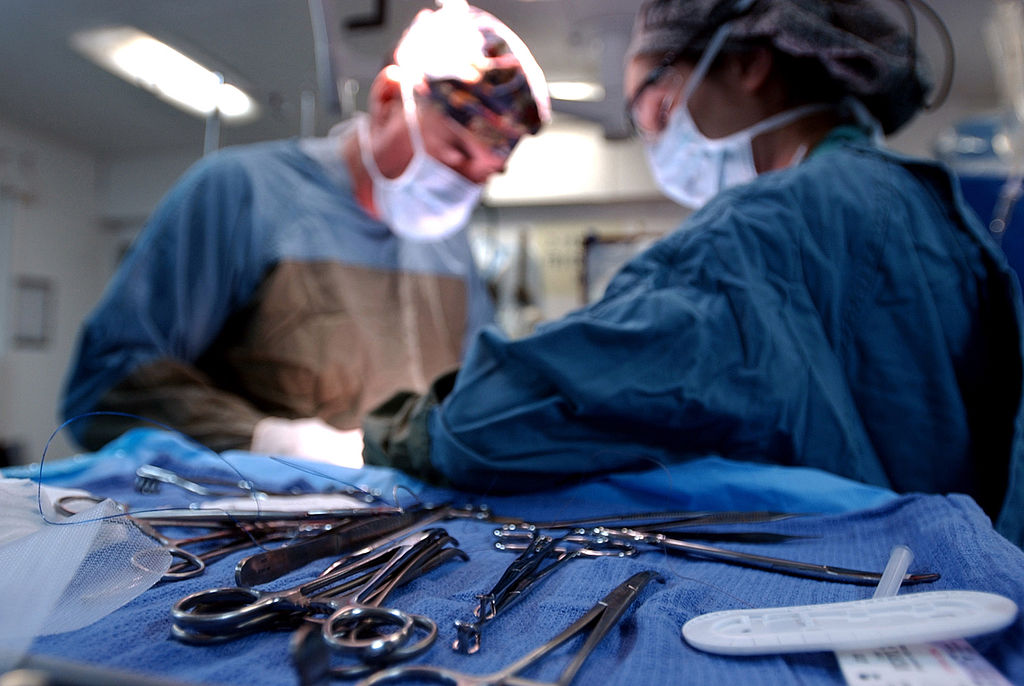
Bariatric surgery better than diets for sustained weight loss

Bariatric surgery has been shown to be the most effective treatment for substantial and sustained weight loss with a significant reduction in obesity related conditions and long term mortality according to the National Confidential Enquiry into Patient Outcome and Death 2014. Bariatric surgery operations are likely to become more popular as a result.

Bariatric surgery is particularly helpful for diabetics because it can greatly improve blood sugar control and even induce complete remission of type two diabetes. NICE recommends that those with a body mass index over 30 who have had diabetes for under ten years are considered for the operation. Asians may be considered at even lower BMIs.  Simple observation will demonstrate that there are many more people eligible for these operations than can currently be dealt with on the NHS. Indeed currently just under a third of patients pay for the operations themselves.

There are various types of surgery. Some reduce the area of the stomach like the laparoscopic adjustable band,  and some reduce absorption of nutrients like the sleeve gastrectomy. Some are a mixture of the two like the Roux-en-Y gastric band which is the commonest procedure that also produces the greatest weight loss.

Excess weight loss can be as high as 58% with patients’ weight levelling off after two years. Weight gain can recur and this can be due to not following the diet or a surgical failure than needs adjustment.

Once referred to a bariatric clinic the advantages and disadvantages of the various types of surgery is discussed. Psychological support and dietetic support is given. I recall that a bariatric surgeon told me that people referred to his clinic had very marked self- esteem issues and often defaulted from the clinic.

The short term problems after surgery include wound infections, vomiting, intolerance to pureed meals, problems swallowing and leaks at the staple lines for some operations.

Long term patients will need to continue to restrict calories and take multivitamins.  Acid suppression therapy is often required and patients should avoid non- steroidal anti-inflammatories. Gall stones may occur and may require surgical removal.  Hair loss may occur but is temporary.

After a Roux-en-Y operation calories are restricted to less than a thousand a day.  Patients have to take a protein rich diet so they do not become deficient. Iron supplement are particularly needed by women. Most people require vitamin B12 injections every 3 to 6 months. B vitamins, calcium and vitamin D, and the fat soluble vitamins A, D, E and K may be needed.  Annual checks of full blood count, electrolytes, liver function, glucose, iron, ferritin, vitamin D, B 12, calcium, parathyroid hormone, thiamine, folate and selenium are required.

The good news for diabetic  is that blood sugars often improve a great deal and for many  return to normal. Thus insulin and drug requirements will lessen or even stop.  Blood pressure, lipid problems and obstructive sleep- apnea also improve or resolve.

Women may find that they are able to conceive after bariatric surgery but this is discouraged for about 18 months after surgery because of the rapid weight loss and nutritional deficiencies that are common at this time. There is more risk of pre-term and small for age births in women post- surgery.

It can be seen that should the number of surgeries be increased to anything like what is required to deal with the obesity/diabetes epidemic, that resources for long term follow up of these patients will also need to be improved. Support for General Practitioners  will be needed, particularly as there is not sufficient structured follow up, particularly for those who have had operations out with the NHS and even abroad.

Based on article by Vamshi P Jagadesham and Marion Sloan from Sheffield in British Journal of General Practice August 2014.


You only need one arrow: Dr Unwin proves it again

Dr David Unwin has completed another study in his practice patients showing that a low carb diet greatly reduces fatty liver, weight and blood sugar. The knock on effects on the prescribing budget, secondary care referrals and complications can only be a good thing for the struggling NHS. His practice alone, compared to those in his area, is making savings when it comes to diabetes care.  Currently 66-70% of the adult UK population is overweight or obese, 20-30% have non alcoholic fatty liver disease and 10% have diabetes. The low carbing community remains mystified as to how such a rational, safe and effective treatment option is still side-lined by most diabetology clinics, NICE, and Diabetes UK.

Dr Unwin estimates that between £15,000-£30,000 a year has been knocked off his prescribing budget for a single practice in which the low carb diet was routinely offered to patients. While the drug spend continues to rise in adjacent practices, his budget has not risen in the last three years. His patients are now officially thinner than in neighbouring practices and below the national average. In two years the average blood sugar has come down 10% and is now below the national average of 61.5 mmol/mol.

Here is the abstract which we are proud to present ahead of publication in Diabesity in Practice in September 15.

  • Unwin DJ1, Cuthertson DJ2, Feinman R3, Sprung VS2 (2015) A pilot study to explore the role of a low-carbohydrate intervention to improve GGT levels and HbA1c. Diabesity in Practice 4 [in press]

     1Norwood Surgery, Norwood Ave, Southport. 2Department of Obesity and Endocrinology, Institute of Ageing & Chronic Disease, University of Liverpool, UK. 3Professor of biochemistry and medical researcher at State University of New York Health Science Center at Brooklyn, USA.

    Working title: Raised GGT levels, Diabetes and NAFLD: Is dietary carbohydrate a link?  Primary care pilot of a low carbohydrate diet

    Abnormal liver function tests are often attributed to excessive alcohol consumption and/or medication without further investigation. However they may be secondary to non-alcoholic fatty liver disease (NAFLD). Considering the increased cardiovascular and metabolic risk of NAFLD, identification and effective risk factor management of these patients is critical. NAFLD is now prevalent in 20-30% of adults in the Western World

    Background Excess dietary glucose leads progressively to hepatocyte triglyceride accumulation (non-alcoholic fatty liver disease-NAFLD), insulin resistance and T2DM. Considering the increased cardiovascular risks of NAFLD and T2DM, effective risk-factor management of these patients is critical. Weight loss can improve abnormal liver biochemistry, the histological progression of NAFLD, and diabetic control. However, the most effective diet remains controversial.

    Aim We implemented a low-carbohydrate (CHO) diet in a primary health setting, assessing the effect on serum GGT, HbA1c levels (as proxies for suspected NAFLD and diabetic control), and weight.

    Design  69 patients with a mean  GGT of 77 iu/L (NR 0-50) and an average BMI of 34.4Kg/m2 were recruited opportunistically and advised on reducing total glucose intake (including starch), while increasing intake of  natural fats, vegetables and protein.

    Method Baseline blood samples were assessed for GGT levels, lipid profile, and HbA1c. Anthropometrics were assessed and repeated at monthly intervals. The patients were provided monthly support by their general practitioner or practice nurse, either individually or as a group.

    Results After an average of 13 months on a low-CHO diet there was a 46% mean reduction in GGT of 29.9 iu/L (95% CI= -43.7, -16.2; P<0.001), accompanied by average reductions in weight [-8.8Kg (95% CI= -10.0, -7.5; P<0.001)],and HbA1c [10.0mmol/mol (95% CI= -13.9, -6.2; P<0.001)].

    Conclusions We provide evidence that low-carbohydrate, dietary management of patients with T2DM and/or suspected NAFLD in primary care is feasible and improves abnormal liver biochemistry and other cardio-metabolic risk factors. This raises the question as to whether dietary carbohydrate plays a role in the etiology of diabetes and NAFLD, as well as obesity

Dr Unwin’s winning formula for fitness and health

Dr Unwin
Proof that you can eat low-carb AND run…

Hello, I am David Unwin, another GP interested in the low-carb approach to helping my patients with type two diabetes.

My work formed the basis of an article published in the March 2014 edition of Practical Diabetes. ‘Low carbohydrate diet to achieve weight loss and improve HbA1c in type 2 diabetes and pre-diabetes: experience from one general practice’.

I am not a diabetic, but have been on the diet for about two years now. I started it as a gesture of support for my patients but find I am more alert and need less sleep on it. Surprisingly it seems to help me run faster too! I recently finished a 10 K road run in less than 46 minutes, my best time for years.

Since writing the article in March, my practice has been given a small grant which means we have now helped 37 people with type two diabetes. Interestingly, the results are very similar to our original cohort including improvements to cholesterol, despite a diet higher in fat which makes one wonder…

Abstract

Diabetics have long been exhorted to give up sugar and encouraged to take in complex carbohydrate in the form of the starch found in bread and pasta (especially if ‘wholemeal’). In fact, bread should be seen as concentrated sugar which explains why it has a higher glycaemic index than table sugar itself.

As there are no essential nutrients in starchy foods and diabetics struggle to deal with the glycaemic load they bring, we question why they need form a major part of their diet at all.

The recent increase in screening in general practice along with epidemic of ‘central obesity’ is revealing large numbers of pre-diabetics and diabetics (diabesity). At a time when there are questions about drug safety, which diet is best is of particular importance.

Many patients are already experimenting with the ‘low carb’ approach as it is so widely advocated on the internet. We wanted to see how effective and well tolerated it was.

A series of 19 type 2 diabetics and pre-diabetics volunteered to go on a low carbohydrate diet backed up with ten-minute one to one sessions with a GP or practice nurse, and regular group education.

After seven months only one had dropped out, of the rest all had significant weight loss (average 8.63 Kg) and the average HbA1c was down from 50.68 to 39.9 mmol/mol (6.7% to 5.7%).

Despite the higher fat intake on this diet the cholesterol dropped and liver function improved for nearly all participants.

We conclude this approach is easy to implement, brings rapid weight loss and improvement in HbA1c using a diet that the great majority of patients find easy to live with.

You can find the full article at Practical Diabetes.