Chris Kresser: How to eat red meat without worrying about your health

Photo by tomateoignons on Pexels.com

Adapted from article by Chris Kresser 16 April 2021

We seem to be told on a regular basis that eating red meat is bad for our health. Recent studies have clarified this stance somewhat.

A study published in the American Journal of Clinical Nutrition examined both fresh and processed meat intake from almost 135,000 participants from 21 different countries.

They found no association with fresh red meat intake and the risk of early death, heart disease, cancer and stroke but did find a small association between processed meat consumption and a higher risk of cardiovascular disease and death. A strength of the study is that they carefully matched the groups that ate more or less meat with each other so that they were similar in sex, age, body mass index, smoking and drinking.

Another study was a meta-analysis of 59 systematic reviews published in the Annals of Nutrition and Metabolism which examined the association of dietary fat intake and a variety of health outcomes.

They found no association with total fat, monounsaturated fatty acids, polyunsaturated fatty acids, and saturated fatty acids with risks of chronic diseases.

Since we don’t eat food in isolation, there could be important differences depending on whether you eat red meat in a dietary background of highly processed and refined foods or with a whole foods diet.

The contextual importance of meat as part of an overall dietary pattern is important and here are some information to explain this.

Some amines in meat have been shown to increase cancer risk but eating cruciferous vegetables and spices, and cooking meat at lower temperatures such as stewing or low temperature roasting, lowers amines too.

The increased absorption of iron from meat from the gut has also been flagged as a possible reason for excess cancer risk, but eating fruits and vegetables reduces iron absorption in the gut.

Eating vegetables with meat seems to have a protective effect against cancer. Thus eating a nutrient dense, whole foods diet with a broad variety of both animal and plant food is probably the best diet for the majority of the population. If you do choose to eat a lot of red meat or processed meat, keep cooking temperatures low if you can, and enjoy vegetables as part of your meal.


Chronic headache sufferers often have poor social support

Photo by Andrea Piacquadio on Pexels.com

Adapted from Westergaard et al Cephalalgia 23 June 2021

People with a history of chronic headache are significantly more likely to have poor social support and loneliness than those without a headache history.

Other chronic illnesses, mental illness and indeed death, are also more common when a person lacks social relationships.

This study was undertaken in Denmark in over 55 thousand people.

2.7% of people reported chronic headache and in 66% of these medication over use was a major factor. Poor social support was cited by 20 % of the participants who did not have chronic headache and in almost 37% of those who did.

Loneliness was reported by almost 8% of the people without headache and in almost 24% of those who did have chronic headache.

Stress was reported by 24% of those with no headache and in almost 61% of those who did.

The researchers did not differentiate between different headache diagnoses such as migraine and tension headaches.

My comment: As a GP, I was surprised that only 2.7% of the population said they had chronic headache, because it feels like a lot more in the surgery. It is a very common presentation to GPs. I can understand why poor social support could make stress more difficult to bear and produce headaches, and I can also see that people with headaches may want to limit social interaction. What doctors don’t tend to do is to look at improving social interaction as a means of ameliorating headache in patients.

Low birth weight and high adult weight both contribute to hypertension

Photo by Vidal Balielo Jr. on Pexels.com

Adapted from Zhang Y et al. Frontiers of Cardiovascular Medicine 1 Jan 2021

Just under two hundred thousand participants in the UK Biobank with data on birth weight were studied. Researchers looked at the correlation between birth weight and hypertension as adults. They also looked at the patients’ obesity indexes.

They found that the lower a baby’s birth weight, the higher the risk for hypertension as an adult. The highest risk was for babies under 2.88kg which is 6 pounds 2 oz.

When it came to adult obesity and hypertension risk, those with a BMI of over 30 were at the highest risk.

This is a lot of babies and adults!

They think that a birth weight of between 3.43 kg and 3.80 kg is the most healthy. This is between 7lbs 5 oz and 8 lbs 4 oz.

We can’t really choose our birthweight, but we can do something about our weight as adults, so you will be pleased to see that adult BMI was a lot more influential in producing hypertension than low birth weight.

My comment: I was only 2 pounds 3 oz when I was born, so I was very pleased to make it past babyhood at all. The association between low birth weight and hypertension and metabolic syndrome in adulthood has been studied for many years. Factors that make the baby more likely to survive placental failure unfortunately programme the body to respond less favourably in adulthood.

Active students are happier students

Photo by nappy on Pexels.com

Adapted from Human Givens No 1 2020 BMC Psychiatry 2020

The less physical exercise students take, the more likely they are to suffer from mental ill health, and think about or attempt suicide, according to a Norwegian study.

Researchers questioned over fifty thousand students to assess frequency, intensity and duration of physical exercise and self reported depression, suicide and self harm. Low frequency, low intensity of exercise and low duration of exercise all had a significant role.

My comment: Lockdown and online classes will have exacerbated these risk factors. Home exercise, VR exercise, online exercise, You tube classes, and getting out to run, walk, take out neighbour’s dogs will all help.

Chemotherapy can make you confused


Adapted from Chemotherapy induced cognitive impairment from the forensic medicine perspective: A review of the updated literature. Stefania Turrina et al. Journal of Forensic and Legal Medicine Nov 2020

Chemotherapy treatments for cancer may cause physical weakness due to changes in ability to think clearly and precisely, think and react speedily and may thus impair daily life activities, working memory, and organisational ability.

Chemotherapy induced brain fog has been recognised since the late 1980s, but the neurobiological reasons for it are still poorly understood.

Research has shown that certain drugs are more likely to cause it including: doxorubicin, cyclophosphamide, cytarabine, methotrexate, 5-fluorouracil and cisplatin. The drugs affect the central nervous system causing both physical weakness and mental confusion. The duration can be long or short. 35% of patients have an extended period of brain impairment. This can affect the validity of such legal issues as any will that is changed or undertaken during this period of time.

The sorts of impairments described are similar to those experienced with fibromyalgia and chronic fatigue syndrome.

Older patients seem to be more at risk of post chemo cognitive impairment compared to younger patients. If oestrogen and testosterone are depleted as well, such as with breast and prostate cancer treatments, the mental impairment is worse. Ongoing anxiety and depression also worsen the condition. Previous cancer treatments also have been shown to worsen mental impairment. It is not unusual for patients to have more than one cancer successfully treated. My comment: I had one very fit woman patient in her sixties who had been cured of five different unrelated tumours. As some of the treatments cause brain impairment but don’t cross the blood brain barrier it is thought that peripheral inflammatory cytokines have a role to play as well as other mechanisms.

Studies have found that in colon cancer, the brain impairment starts with the onset of the disease process, is worsened by chemotherapy and is worse the longer the treatment continues. The working memory, verbal learning and speed of information processing are all affected. As with other cancer patients these can go on to affect educational attainment and the ability to do certain jobs. Many countries classify cancer patients as having a disability for which reasonable adjustments need to be taken by the employer.

Legal contracts entered into by someone suffering from brain impairment due to cancer or cancer treatment may not be considered valid. It is up to a person who contests the validity of the agreement or contract to prove that the person was so impaired that they did not understand the implications of what their decision was. Certain age based factors such as appearing a little confused and disoriented cannot be considered symptomatic of testamentary inability, so the burden of proof is with the person contesting the contract.

My comment: We never know what is in front of us, so regular review of Power of Attorney, your will, and financial planning when you are healthy will make it easier for you and your relatives should you or your family be affected by cancer in the future.

Can a ban on junk food advertising reverse our childrens’ unhealthy food intake?

Photo by Amina Filkins on Pexels.com

From the BMJ 3 July and 21 August 21

Advertisements for unhealthy food and drink will be banned before the 9pm watershed by the end of 2022 in television and on demand programmes in the UK.

Chris Thomas, a research fellow at the Institute for Public Policy would have liked to have seen measures going further, by taxation of these foods. He says that money raised could be used to fund free nutritious food for those who need it. This improves both health and the economy.

In the USA, children get two thirds of their energy intake from ultra processed foods. The proportion of calories from such food is rising steadily. In 1999 it was 61.4% and in 2018 it was 67%. As the amount of wholesome, home cooked food reduces, the levels of childhood obesity increase. Ready meals are responsible for 11.2%, and sweet snacks 12.9%. The trend is now reducing for sugary drinks, sauces and oils.

Yoga and dance give pain relief for functional abdominal pain in girls

Photo by Jaime Chambers Fausnaugh on Pexels.com

Abdominal pain in childhood is associated with increased risk for persistent long term pain and severe mental illness in adulthood. Therefore, it is good to see that a simple intervention of involvement in dance and yoga were considerably more effective in dealing with functional pain than in girls who received standard care.

This was a prospective, multicentre, randomised controlled trial. 121 girls aged between 9 and 13 with functional abdominal pain syndrome or irritable bowel syndrome had standard care or participated in dance and yoga intervention twice a week for 8 months. 55% of the intervention group continued for the whole 8 months of the study.

The dance group were more likely to report a decrease in the maximal abdominal pain at 4 months and 8 months. At 8 months 46% of the dance group reported less pain compared to 17% in the control group.

Hogstrom et al. Dance and yoga reduced functional abdominal pain in young girls. A randomised controlled trial. Eur J Pain. 2021 Sept 16.

Merry Christmas!

Photo by Pixabay on Pexels.com

Emma and I wish you all a great Christmas in 2021.

This year has not felt as tough as 2020, mainly because we have got enough toilet paper and soap and we have almost all been doubly or triply vaccinated. We have got used to sitting at home or being in our gardens, if we are fortunate to have them, and have got used to masking up and gelling our hands.

Most of us will still have experienced some hardship and loss though. It is particularly difficult for either those who are crowded in together when they would rather not be, or being alone for very prolonged periods if you would rather not be. The stress of these things tend to be magnified over the holiday season, so particularly wish everyone in these situations a calm, peaceful and comforting Christmas.

I have been fortunate to finally retire from both GP and Police work and for the very first time in twenty years will be at home on Christmas day instead of working. I did this to allow my colleagues the day off and also to ensure that my husband made the Christmas dinner. My usual contribution is the dessert which tends to be an almond based Tiramisu, which I will make again this year.

I’m recently back from the Mayan Riviera in Mexico where my eldest son and I greatly enjoyed our first holiday together in 2 years.

This is my husband’s last year at work and he becomes a happy retiree officially on the 1st January.

I have booked off quite a lot of weeks away in 2022 and I hope we get to enjoy them. Our younger son David moved back home to work remotely soon after lockdown started so he will be here to look after our four cats when we do get away.

Have a lovely Christmas everyone!

We are becoming demented later in life than we used to!

Photo by Kindel Media on Pexels.com

News round up from BMJ 22 Aug 20

We are getting demented later in life than we used to! Good news?

An analysis of seven population based cohort studies in the USA and Europe found that over the last 25 years the incidence of dementia has fallen by 13% per calendar decade. The reduction tended to be greater in men compared to women.

In a large longitudinal study, moderate alcohol consumption seemed to have a beneficial effect. The Health and Retirement Study followed 20,000 middle aged and older people for nine years. When compared to those who never drank alcohol, participants who drank low to moderate quantities had higher scores for mental status, word recall and vocabulary, and lower rates of decline in all of these domains.

Although aspirin has proven benefit in the secondary prevention of cardiovascular disease, they have not been shown to reduce the incidence of dementia or cognitive decline.

20,000 older people were randomised to have either 100mg aspirin a day or placebo. Around 600 developed dementia over the five years of follow up. There was no difference between the treatment group and the placebo group however.

My comment: Although GPs and hospital doctors have been treating diabetes, hypertension and cardiovascular risk factors very aggressively over the last few decades, it is rare to get conclusive feedback that we have actually been achieving useful end points such as this, so I was delighted to see this report.

Calcium channel blockers have side effect of gum overgrowth

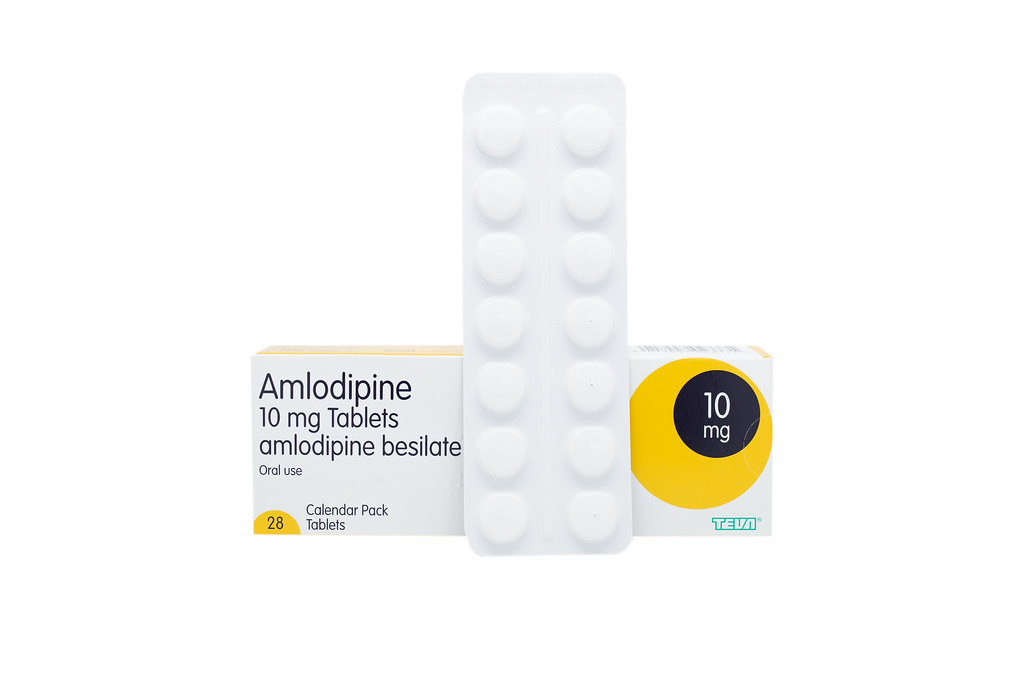
Amlodipine is one of the most commonly used calcium channel blockers in the UK. It and other drugs in this class such as Lercanipide, Diltiazem, and Verapamil, are used mainly to reduce blood pressure.

The main side effect of this class of drug is ankle swelling due to fluid retention. They can also cause gum hyperplasia, which is a swelling of the gums in the mouth so that teeth look as if they are embedded in a sponge.

The number of cases can be as high as 20% of patients. Cases tend to be under reported by dentists and under recognised by doctors.

As calcium channel blockers are the sixth most commonly prescribed drug in the UK, it is something to be aware of.

It is best treated by changing the drug and dental treatment.

Adapted from letter in BMJ by Francis Hughes, Emeritus professor of periodontology, London. 26th June 21.