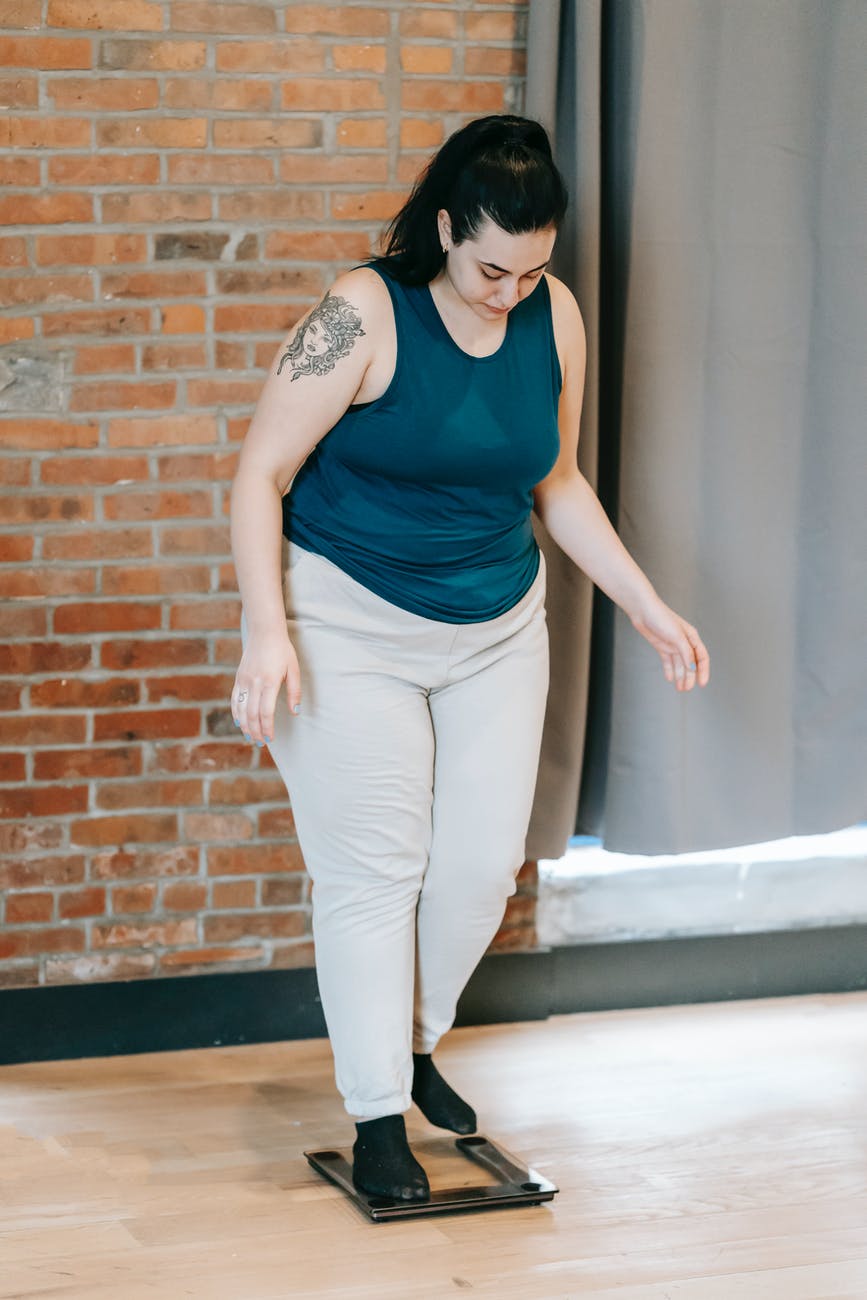
Supplements for neuropathy, retinopathy, cancer and migraine reduction

Photo by Nataliya Vaitkevich on Pexels.com

Adapted from Medscape 17 Nov 20, 13 June 21, 20 June 2022 and 26 July 22

Vitamin D

Vitamin D deficiency was significantly associated with an increase in sight threatening diabetic retinopathy (STDR). There was no association seen between vitamin D deficiency and non- sight threatening diabetic retinopathy (NSTDR).

UK researchers conducted a meta-analysis of 12 studies which had enrolled over 9 thousand patients who had type one and type two diabetes who did not have diabetic retinopathy.

Vitamin D deficiency was significantly associated with an increased risk of STDR (OR 1.8 95%)

My comment: For UK residents, particularly in Scotland, it is a good idea to supplement with vitamin D and vitamin K2 at least over our long winter if not all year round. There are many articles about this in previous blog posts which you can search for.

Melatonin

A short- term study of just over 100 patients was undertaken to see if the addition of melatonin to prescribed pregabalin for painful diabetic neuropathy made any difference compared to placebo plus pregabalin.

The groups were split evenly and 6mg of melatonin was tested over an eight -week period compared to an identical placebo.

Sleep improved in both groups but more so with melatonin. Pain also improved for each group and again this was more so in the melatonin group.

On the other hand day- time sleepiness was more pronounced for the melatonin group as was transient dizziness. More patients discontinued in the melatonin group compared to placebo.

My comment: In the UK melatonin is only available on prescription and except for ADHD patients, usually children, it is only given short term to those who have insomnia mainly due to expense. It is available cheaply and widely in supermarkets and pharmacies in the USA and Canada however. For sufferers of painful diabetic neuropathy who live in North America there doesn’t seem much to lose by a trial of treatment. Apart from aiding sleep, which has a host of benefits on its own, Melatonin is an important anti-oxidant. The authors of the study Shokri M et al have not offered an explanation of how they think the melatonin works to reduce pain in the excerpt in Medscape. The full report is at: Shokri M et al, Adjuvant use of melatonin for relieving symptoms of painful diabetic neuropathy: results of a randomised, double blinded, controlled trial. Eur J Clin Pharmacol. 2021 Jun 13.

Ginger

Patients treated with ginger reported significantly less pain, nausea and vomiting compared to placebo in a meta-analysis of 13 RCTs.

Ginger has already been found to improve the pain of osteoarthritis, period pain and muscle pain but had previously given conflicting results regarding migraine.

227 patients were analysed. There were no side effects from the ginger compared to placebo.

My comments: Again, what would you have to lose by trying this if you are a migraine sufferer?

Resistant starch

There is a familial condition called Lynch Syndrome where there is a genetic susceptibility to bowel and other cancers. Recently it has been found that apart from aspirin, resistant starch supplements reduce bowel cancer in this population if taken long term.

Resistant starch is found in oats, breakfast cereal, cooked and cooled pasta or rice, peas and beans and some other starchy foods.

Lead author John Mathers, professor of human nutrition at Newcastle University explains that although resistant starch is a carbohydrate, it is not absorbed in the small intestine and ferments in your large intestine, thereby giving your gut bacteria a good feed. He thinks that it works to reduce bowel cancer by changing the gut bacteria metabolism of bile acids to reduce the kind that damage DNA and eventually cause cancer.

The CAPP2 trial has been following almost one thousand Lynch Syndrome people for between ten and twenty years. They have been taking over this time either: placebo or aspirin or resistant starch. The resistant starch dose is the daily equivalent of eating one unripe banana.

At the end of the first two years there was no difference in effect between the placebo and resistant starch groups on bowel cancer, but cancers in other parts of the body were reduced by 60% in the resistant starch group. The reduced cancers were in the upper gut and included oesophageal, gastric, biliary, pancreatic and duodenal cancers.

Aspirin meanwhile reduced bowel cancer rates by 50% and there was no effect in the placebo group.

Professor Burn said, 30g daily of resistant starch appears to have a substantial effect in Lynch syndrome on non- colorectal cancers and Aspirin works to reduce bowel cancer.

My comments: I wondered if there were resistant starch supplements available but didn’t find any. Eating the sorts of food recommended gave me terrible wind and I gave up!


Genetic discoveries for Motor Neurone Disease and Joint Replacement failures

Photo by Fayette Reynolds M.S. on Pexels.com

Adapted from Medscape 20 June 2022 and 24 June 2022

Throughout my professional career, doctors have never known why some people develop Motor Neurone Disease. This is a devastating condition which leaves the brain intact but weakens the musculature of the body so that most people will have progressive weakness leading to respiratory failure and usually a death from pneumonia within a few years.

Andrew Crosby from Exeter University and others report that a specific gene TMEM63C, affects lipid and cholesterol processing pathways inside brain cells. The area of metabolic dysfunction is between the endoplasmic reticulum and mitochondria.

Dr Julien Prudent PhD states that it is necessary for different organelles within our cells to communicate together by exchanging lipids for example is critical to ensure cellular homeostasis to prevent disease.

There are also other genes known to cause Motor Neurone Disease. It is hoped that more effective diagnostic tools and treatments will eventually have an effect on the impact of the condition in people’s lives.

In another study scientists have discovered a genetic link that shows why some patients develop pain and early failure of their joint replacements.

Cobalt chrome (CoCr) is used in about 70% of artificial joints that are implanted throughout the world.

When a joint replacement fails it causes pain, tissue damage and repeat surgery.

Dr David Langton from Newcastle University explains that a large percentage of joint failures are caused when wear and tear cause small particles from the joint implant to be released into the blood stream and stimulate an immune response in the body. The action is similar to when a person with an organ transplant rejects it. Up until know the reason why some joints are rejected has been unpredictable and unknown.

It has been found that people with some HLA genotypes are at greater risk of CoCr metal sensitivity. This amounts to 10% of the European population.

A collaboration between centres in Newcastle, New York and Perth Australia have produced a machine learning tool called Orthotype which can predict which patients are at higher risk of joint rejection prior to surgery by scanning the patient’s genotype.

In future a great deal of patient misery and expense could be prevented by routine blood testing prior to joint replacement to allow the surgeon to choose the best implant for the individual patient.

At the moment about 10% of the UK population will undergo at least one joint replacement. This number is expected to increase if our weight problems increase too.

NICE: Keep your waist size below half of your height

Photo by Andres Ayrton on Pexels.com

Adapted from BMJ 16 April 2022

To reduce the chances of your developing type two diabetes, it is best to keep your belly measurement to less than half of your height. You don’t need a tape measure. A bit of string will do.

NICE say that BMI may still be useful to define overweight and obesity, although it does have considerable limitations in muscular people and in old age. As it is not a direct measure of belly fat which is the driver for diabetes, hypertension and cardiovascular disease it must be interpreted cautiously.

In people of south Asian, Chinese, other Asian, Middle Eastern, black African or African-Caribbean backgrounds NICE are now stating that a BMI of 23 can be considered as overweight and 27.5 can be considered as obese.

These parameters may be important when treatments are being limited by BMI category.

Adapted from Medscape May 25 2022. Why is long term weight loss so difficult? It’s biology, not willpower! by Donna Ryan MD.

When people lose weight changes occur in food regulation hormones and subjective hunger increases. This drives an increase in food intake. The hormones that make you feel full after a meal reduce and the ones that make you hungry increase. Reduced energy expenditure also occurs and this also drives weight regain.

Even when both diet and exercise strategies are applied, regain of more than half of the lost weight occurs by 2 years and 80% of lost weight is regained by 5 years.

People who defy these norms report that they do very high levels of physical exercise, eat low calorie and low- fat diets, have very high degrees of eating restraint, and have low levels of disinhibition. They also tend to weigh themselves several times a week. So, they work really, really hard at it, and can never let up.

The medications that reduce weight work if they are taken for long enough, but on discontinuation, weight gain returns.

Anxiety is learned from the same sex parent as the child

Photo by Vlada Karpovich on Pexels.com

Adapted from Medscape News by Megan Brooks July 13 2022

Transmission of anxiety appears to be sex specific. It spreads from mothers to daughters and from fathers to sons, new research shows.

Dr Barbara Pavlova from Nova Scotia says that findings suggest that anxiety is a learned behaviour from parents. Therefore, perhaps it is preventable. Effective treatment of anxiety in young adults, prior to parenthood, could make a difference to children too.

Anxiety disorders are known to run in families. Both genes and environment are thought to be at play.

If a mother for instance has an anxiety disorder, the chance of a daughter developing it, by an average age of 11 years old, is 2.85 times normal, but this is not the case for her son, who would have a normal risk.

Of 398 children studied 27% had been diagnosed with some sort of anxiety disorder including generalised anxiety disorder, social anxiety disorder, separation anxiety disorder or a specific phobia.

The rates increased with the age of the child from 14% in the under 9s to 52% in the over 14s. There was a similar rate of anxiety in both boys and girls. Rates were lower if one parent had the disorder and higher if two parents had the disorder. Dr Pavlova thinks that a child will tend to model themselves on their same sex parent.

Anxiety disorders are the most common psychiatric disorder and emerge earlier than mood disorders.

My comment: I was interested to see this information. My mother had GAD, generalised anxiety disorder, and I have had a specific phobia since I was about 9 (Spiders!). If I was going to get something I suspect that a common specific phobia is a lot less disruptive to life than GAD. The good news is that I’m not a pilot on a jet plane!

A forensic pathologist tells us how to live to a good old age

Photo by Andrea Piacquadio on Pexels.com

Adapted from Medscape August 31 2022 Would you like to live to a ripe old age? George D Lundberg MD

Do

Choose ancestors who did not die of natural causes in young adulthood or middle age (oophs…too late!)

Maintain a body mass index within the healthy range using a variety of tools

Maintain blood pressure within a normal range with or without medications

Maintain a low resting heart rate

Do eat whole grains including bran

Consume above ground leafy vegetables, some root vegetables, tree nuts, peanuts and berries

Ingest supplemental fibre such as psyllium husks

Ingest supplemental magnesium and possibly vitamins K2, C and D

Enjoy eating animal and vegetable fats including milk, cheese, meat, poultry, seafood, and eggs in moderation.

Eat two full meals a day

Do drink alcohol after 5pm

Sleep 6-8 hours a night

Walk up and downstairs and use handrails if necessary

Continue to be active physically, mentally, socially and sexually

Study and enjoy birds, bees, trees, plants, flowers and wildlife

Value your family life and participate actively while encouraging individuals to live their own lives

Read great books, fiction or non fiction a little every day

Actively engage in person or electronically with younger people

Stay informed about current world affairs and care about what you can change

Be passionate about culture such as performing and visual arts and sport

Recognise the value of spirituality and religion and feel free to live otherwise if you choose

Do your best to earn and retain as much money as needed to control your environment into old age

Take charge of your own health

Listen to your body

Maintain a long term relationship with a reliable and conservative primary care physician and certain specialists that fit the needs of older people.

Promote good vision in any way you can

Use hearing aids if you need them to retain brain function

See your dentist every 6 to 12 months and practice good oral hygiene. There is a strong correlation between the number of original teeth and length of life

Keep up to date with vaccinations

Maintain a safe distance and use mask if you may be around infective people

Take as few medications as necessary

Have as few diagnostic tests and surgical procedures as possible especially on the back and the knees

Use acupuncture and massage appropriately

Apply moisturising skin lotion especially after sun exposure

Use saline mist often to prevent nosebleeds

Walk at least 2 miles every day

If you can, swim every day

Practice yoga particularly the standing side bend, prone baby cobra, forward plank and windshield-wiper

Eat a protein rich diet and deliberately weight train or lift heavy objects to reduce sarcopenia

stand on one foot to improve balance

Use wearable exercise monitors if you find them useful

If you retire from work do some part time or volunteer jobs

Have something productive and fulfilling to do each day

Don’t

Inhale tobacco smoke

Consume sugar or sugar in anything in home cooked or restaurant meals, in soft drinks, fruit juices, pastries, desserts or processed foods

Use street drugs

Use natural or synthetic opioids except for short term relief of severe pain or the relief of pain from advanced cancer: then use all you need

Use sleep medication

Drink more than moderately or binge drink

Drive a vehicle after drinking or taking certain psychoactive drugs

Keep firearms in your home or workplace

Fret about things in your personal life or world affairs that you cannot change

Completely retire and have nothing useful to do

My comments: Dr Lundberg has a pretty long list of sensible suggestions. To these I would add, get some daily sunshine if you can and enjoy your pets. Have things to look forward to. Keep in touch with your friends and make contact with old ones who you value but don’t see often. Learn new things. What other suggestions do you have?

Women’s health initiative: post menopausal women with cardiovascular disease did worse on a “heart healthy” low fat diet

Photo by Monstera on Pexels.com

Adapted from BMJ: Hiding unhealthy heart outcomes in a low fat diet trial: The Women’s health initiative randomised controlled dietary modification trial finds that post menopausal women with established coronary heart disease were at increased risk of an adverse outcome if they consumed a low fat “heart healthy” diet. by Timothy David Noakes. Open Heart. 2021.

The WHI trial was designed to test with the US Department of Agriculture’s 1977 Dietary Guidelines for Americans protects against coronary heart disease (CHD) and other chronic diseases.

The only significant finding was that post menopausal women with CHD randomised to a low fat diet in 1993 were at a 26% greater risk of developing additional CHD events compared to women eating the control diet. In 2017 an additional 5 years of follow up data was published. It found that the risk for this group of women had increased to 47-61%.

The authors sought to explain why this was but author Tim Noakes has looked at the evidence and his opinion is that the women who had consumed 13 years of a low fat/high carbohydrate diet had inadvertently succumbed to the features of insulin resistance. Their risk of type 2 diabetes went up almost eleven fold and metabolic syndrome went up six fold.

Dr Noakes advises that according to the principle of “do no harm” the practice of putting women on low carb diets if they are diagnosed with cardiovascular disease is certainly not evidence based and probably not ethical.

The WHI is one of the most expensive long term dietary intervention trials ever undertaken. It started in 1993. Although the advice was given to cut dietary fat, particularly saturated fat in 1977, the policy had never actually been tested regarding its effects on weight, CHD, cancer and type two diabetes.

The idea was to replace the calories from saturated fat with increased carbohydrates from grains, fruits and vegetables. The effect of this was to lower blood cholesterol concentrations. The trial did not seek to replace saturated fat with polyunsaturated fat as studies of this had been published in 2013 and 2016.

Nutritionists led the first year 18 group sessions followed by individual follow up every 3 months. Feedback was given so as to encourage low fat intake.

A low fat diet was not found to improve rates of breast cancer, colorectal cancer, and only resulted in 0.4 kg weight loss over the first 8 years of the trial. The more women adhered to the low fat diet, the more weight they gained. The women who ate high fat, lower carb diets, the more weight they lost.

Blood sugar started to deteriorate in the first year of the trial for the low fat diet group. Post menopausal women who went on statins were at a 49% increased risk of developing type two diabetes. A prior meta-analysis had found that there was a 9% chance of developing type two diabetes with statin use.

The 2017 report analysed women in subgroups: No CHD or hypertension. Hypertension only. and pre-existing CHD. The idea was to see who may benefit or lose the most from the low fat intervention.

Women with hypertension only had neither benefit or harm from the low fat diet. Women who had no pre-existing hypertension or CHD had a small reduction in CHD risk but this was off set by a higher risk of stroke.

Regarding another study, the ERA trial, women who were on HRT who reported that they ate the most saturated fat over the trial time of three years, found that their coronary atheroma did not progress. In fact there was a modest regression in coronary artery narrowing. Both those who ate the most polyunsaturated fat, and those who ate the highest amount of carbohyrate and therefore the lowest amount of total fat showed worsening of their coronary atheroma.

Statin use was similar in both groups who were randomised to each diet, low fat versus usual. Indeed more than 40 percent of the women in each group were on statins.

Only post menopausal women who do not have CHD or hypertension are safe to eat the low fat diet, the others can expect some negative effects.

The Women’s health study (WHS) was established between 1992 and 1995 at Harvard Medical School to look into the effects of aspirin and vitamin E on the risks of developing CHD or cancer in women who started off with neither condition.

The study showed no benefit for either treatment.

A 21 year follow up programme of over 2,800 of these women evaluated more than 50 different clinical, lipid, inflammatory and metabolic factors.

Results showed that the development of Type two diabetes, and not high cholesterol levels were important factors in the development of CHD. Hypertension gives a 4.58 fold increase in CHD. Obesity gives a 4.33 fold risk. These factors as well as type two diabetes and metabolic syndrome were more predictive of CVD than smoking.

A Lipoprotein Resistance Score was developed looking at various factors particularly VLDL and HDL and a high level produced a 6.4 fold risk of cardiovascular disease. This is worsened in insulin resistance. LDL scores only gave a 1.38 fold risk of CVD by comparison.

The Progression of Early Subclinical Atherosclerosis Study looked at HbA1c in people who did not have type two diabetes. The higher the HbA1c, the higher the risk of CVD and the risk even started below HbA1c levels of 5.5%.

Women who had low HDL levels was associated with a higher breast cancer incidence and all cause mortality after breast cancer as well as an increased risk of cancer specific and all cause mortality.

The Recovered Minnesota Coronary Experiment (RMCE) study found that people randomised to eat more polyunsaturated fat in place of saturated fat were at a 22% higher risk of death with each 0.78 mmol/L reduction in blood cholesterol. This effect was worse in the over 65s.

The Recovered Sydney Diet Heart Study (RSDHS) showed that replacement of dietary saturated fat with linoleic acid was also associated with raised all cause mortality with increased deaths from cardiovascular disease and coronary heart disease.

Lawrence ( Lawrence GD Perspective: the saturated fat- unsaturated oil dilemma: relations of dietary fatty acids and serum cholesterol, atherosclerosis, inflammation, cancer and all cause mortality. Adv Nutr. 2021; 12: 647-56) concluded: PUVAs are unstable to chemical oxidation and their oxidation products are harmful in a variety of ways. They can initiate inflammation that can have dire health consequences. If saturated fats are replaced by carbohydrates in the diet there would be no significant improvement in serum cholesterol and it can result in a more atherogenic lipoprotein profile. …It appears that saturated fats are less harmful than the common alternatives.

This set of findings from four different studies effectively ends the debate about which diet should be eaten to lower the risk of CVD, especially in those with insulin resistance.

Two diets shown to prevent the clinical features of IR leading to type two diabetes are the restricted low calorie diet developed by Lim et al (Lim et al. Reversal of type two diabetes; normalisation of beta cell function in association with decreased pancreas and liver triacylglycerol. Diabetalogica 2011;54:2506-14.) and the ad libitum low carbohydrate higher healthy fat ketogenic diet.(Hite AH et al. In the face of contradictory evidence: report of the dietary guidelines for Americans Committee. Nutrition 2010;26:915-24.)

It is the ethical responsibility of those who manage those with cardiovascular disease or diabetes or other insulin resistance that they should NOT prescribe the never proven and now disproven low fat “heart healthy” DGA diet.

It is really hard to lose weight!

Photo by Andres Ayrton on Pexels.com

A survey of overweight adults from six countries in western Europe found that most strategies didn’t work.

The analysis was lead by diabetologist Dr Marc Evans from Cardiff said, ” It is important that we tackle Europe’s growing obesity problem to reduce hospitalisation from the multiple illnesses that result. Our survey results show that most adults with obesity are actively trying to address this, but most are unsuccessful whatever strategy they choose”.

The study looked at 1,850 adults from the UK, France, Germany, Italy, Spain and Sweden. All had BMIs of 30 or more. A quarter of the participants reported no ill effects from being overweight and the others commonly reported high blood pressure, lipid abnormalities and type two diabetes. 78.6% of them had tried to lose weight the previous year.

The most common methods used were: Calorie controlled or restricted diet 71.9%, an exercise programme 21.9%, drug treatment 12.3%, joining a gym 12%, using a digital health app 9.7%, alternative treatments 8.1%, weight loss service 7%, and cognitive behavioural therapy 2.1%.

The results were that 78% of those who attempted to lose weight did not lose 5% or more of their initial weight and some weighed more than this afterwards.

For those who tried calorie controlled or restricted diets 26.5% of people did lose weight but 17.1% of them gained weight.

For those who undertook an exercise programme 33.3% lost weight but 15.5% gained weight.

The gym goers lost weight 27% of the time but 32.4% gained. (We don’t know if this was muscle gain or fat gain though)

It seems that apart from baratric surgery few interventions achieve long term weight loss but an article in iScience published in 2021 found that health effects of obesity were considerably reduced or eliminated by having moderate or high levels of cardiorespiratory fitness. It argued that it might be better to emphasise the benefits of physical activity than stress weight loss as being the most important goal.

Meanwhile results from 80 thousand participants in the UK Biobank cohort show that more time spent in moderate to vigorous activity is associated with lower mortality. It doesn’t matter if you do these higher levels of activity in one go or in multiple bouts.

The USA want screening for diabetes and pre-diabetes to start at age 35

Photo by Artem Podrez on Pexels.com

Adapted from JAMA Editorial August 24/31 2021 by Edward W Gregg and Tannaz Moin

The point for screening for diabetes is that early treatment will prevent complications.

In this article, the US Preventative Services Task Force (USPSTF) discusses its Recommendation Statement and its Evidence Review on screening for pre-diabetes and type two diabetes. They now recommend that adults aged 35 – 70 who are overweight or obese should now be screened and that those with pre-diabetes are referred for effective prevention interventions. Previously the age to start screening was 40 and they have also suggested that the drug metformin is used as a preventative intervention.

A recent study by Wang et al shows that 14% of the US population have diabetes and that there have been no consistent improvements in glycaemic control and risk factor management for 10 years. There has been also no improvement in diabetes care and outcomes.

The USPSTF actually found that there was little direct evidence that screening improves health outcomes for people diagnosed with diabetes. The rationale from screening relies largely on the 25 year old UK Prospective Diabetes Study Group which showed that glycaemic and blood pressure control in new diabetics reduced micro and macro vascular complications, myocardial infarction, diabetes mortality and all cause mortality. This was without the advantages of new drugs and monitoring techniques to boot.

More than 40% of the adult population will now be eligible for screening and a third of these are expected to be referred to an intervention programme. Young adults have had the biggest relative increase in diabetes prevalence, yet they get proportionately the lowest degree of preventative service and risk factor control and not surprisingly this has resulted in an increase in diabetes related complications.

An estimated 24.3% of young adults aged 18-44 have pre-diabetes. Only 44% of these reported being tested in the previous 3 years and they were less likely to be referred and to take up prevention services. Young adults also have more problem affording food, housing and medication. The new screening recommendations are an opportunity to improve this dire situation. Without effective intervention the burden of future diabetes complications will be immense.

Sorting this problem out calls for new ideas, new science and perhaps new frameworks. Metformin has shown to be cost saving, and most effective for pre-diabetes among younger, more obese patients and those with gestational diabetes but it tends not to be prescribed to these groups. More personalised prevention programmes may help. We must address the barriers to accessing effective risk factor management and this must be done throughout the lifespan of the affected group.

Human Papilloma Vaccination has almost eliminated cervical cancer in women born since Sept 1995

Photo by CDC on Pexels.com

Adapted from BMJ 13 Nov 2021 and 19 Feb 2022

The HPV vaccination programme was started in England in 2008 on 1st September. According to an observational study vaccination has almost eliminated cervical cancer.

The women who have benefitted are now 26 years old or younger. 13.7 million years of follow up of women aged 20 to 30 showed that vaccinated women had much lower rates of cervical cancer compared to unvaccinated women in previous cohorts.

The reduction ranged from 34% in those who were offered the vaccine aged 16-18, 62% for 14-16 year olds and 87% for 12-13 year olds. There were even greater reductions in grade 3 cervical intraepithelial neoplasia and the trend was similar regarding vaccination age.

The results would suggest that the earlier the age of vaccination, the better.

Although this is great news for younger women, those over the age of 26 are still at risk of cervical cancer. Despite this 30% of women who were eligible for screening did not take this up in 2021.

A survey of 3,000 patients asked “Why?”

Embarrassment was the most common reason for 42%. Difficulty fitting in appointments was the reason for 34% and concerns about it being painful was the reason for 28%.

My comment: In my experience as a GP, all of these reasons have validity. However, losing your life or fertility to cervical cancer is devastating. Most cases are avoidable by regular screening and early treatment of cervical lesions, since we don’t know which ones will go onto cause cancer in any individual. Well woman clinics and family planning clinics are often open in the evenings if Practice Nurse clinics are not suitable. Remember that (almost) every woman has a vagina, including the nurse or doctor who does your smear. She knows what it is like! Muscle tightening can cause pain and to reduce this I would suggest putting a pillow under your bottom and possibly getting 5-10mg of diazepam from your GP. You would then need someone to drive you to and from your appointment.

Sheri Colberg: Key exercises to help you age well

Photo by Cliff Booth on Pexels.com

Adapted from Diabetes In Control Jun5 2021

Exercises can help maintain your physical abilities and independence during the aging process.

Aging successfully needs a lot of work. If you don’t use it, you lose it! Our body system peaks at 25 and declines thereafter. Even if you exercise diligently you will lose aerobic capacity as you age.

Balance also worsens from the age of 40. Bones also thin, particularly for women post menopausally. Muscles get smaller and weaker, reflexes get slower and recovery from workouts takes longer.

Although you can’t do that much about neurological decline but by regular physical training, nutrition, enough sleep, and stress management you can delay or prevent a lot of normal aging and even sometimes reverse damage done from inactivity.

These are my top tips for exercises to reduce aging:

Cardio workouts with faster training intervals. Apart from walking, cycling and swimming add in faster intervals lasting 10 to 60 seconds at a time. You can walk up hills deliberately or do a hill programme on a cardio machine. High intensity interval training can be done up to once a week but start low and build up.

Resistance exercises covering your upper body, core and lower body will help your muscles. Do 8 to 10 exercises covering these groups two to three days a week. You can use your body weight, dumbells, kettlebells, resistance bands. You should be able to get in and out of a chair without using your arms at the very least.

Standing on one leg at a time helps balance. My comment: one of my friends says doing this helped her not feel dizzy when riding on the London Underground.

Stretches for all of your joints helps your joint mobility and cartilage health. Do this two or three days a week. Diabetics are particularly prone to stiffness from glycation. Hold the stretch for up to a minute for each one.

Hopping up and down on one leg helps bone mineral density and so does carrying shopping in both hands. Press ups, against a door or kitchen counter are a good start.

Pelvic floor exercises are good for the prevention of stress incontinence.