The best diet for optimal blood sugar control & health
Author: kaitiscotland
I am a Scottish doctor who is working to improve the outcomes for people who have diabetes using a low carb diet, and advanced insulin techniques when necessary. Professionally I provide expert witness reports in the clinical forensic and family medicine areas and I also provide complementary therapies. I enjoy cooking, cinema, reading, travel and cats.
If given the choice, you will not experience more immunisation side effects if you decide to get a covid-19 vaccine at the same time as a flu shot.
Three hundred people were randomised to receive either vaccine plus a placebo injection or to have both together. The placebo or real vaccine was then given two weeks later. (That was very sporting of the participants!)
Adverse reactions were reported by a quarter of participants but were not more likely when vaccines were administered together or separated by two weeks.
My comment: In my health board area, the vaccines are offered together, probably to improve uptake. I was able to have them both in the same, non- dominant arm. I was given the option of different arms.
In older patients, lowering the blood pressure too aggressively can do more harm than good.
A retrospective study of over 1.33 million Us veterans, 91% men, mean age 71, showed that in those admitted to hospital for at least three days, who had a blood pressure medication added, did not do as well as their doctors expected.
70% of patients will have blood pressure measurements over 140 mm Hg systolic. Sometimes anti-hypertensive medication is added to their existing drug regime, but ischaemia can result, if this is done too rapidly, particularly in older patients.
None of the veterans needed intensive care or surgery. As you all know, admission to hospital is a stressful experience. This can raise the blood pressure on its own. When an extra blood pressure medication was added within 24 hours of admission, the treated group tended to have a rapid drop in blood pressure, acute kidney injury and a 1.69 higher chance of having a stroke, myocardial infarction or death, compared to those who were not given the extra medication.
Researchers say that this aspect of care needs further research to determine when acute blood pressure lowering is really of help.
JAMA Intern Med doi:10.1001/jamainternmed.2024.6213.
Advances in diagnostic technology have increased the variety and volume of direct to consumer commercial tests without clinical consultation. In the USA these have surged from $15m in 2010 to $1.15 billion in 2022. These include such tests as covid-19, genetics, HIV, prostate, thyroid, food sensitivity and cancer markers.
It can be argued that these tests provide choice, accessibility and privacy. They can however trigger unnecessary investigation for false positives or false reassurance. The Royal College of Obstetricians and Gynaecologists does not support over the counter tests to measure follicle stimulating hormone to detect the menopause due to poor accuracy. The anti-mullerian hormone test, advertised as being able to predict the chance of conception, is not supported by evidence.
HIV tests have been found to be not accurate enough to rule out infection. Thus a person could be falsely reassured.
In Australia, 40% of online tests are marketed as “health checks.” Testosterone levels can be a gateway to selling testosterone to “optimise” levels. The market for testosterone is $400m in the USA. The American Urological Association has warned that inappropriate use can cause infertility and the Food and Drug Administration is concerned about cardiovascular side effects.
Multicancer early detection tests aim to detect multiple cancers before they become symptomatic. They measure various substances including abnormal DNA. They have not been shown to reduce mortality or to extend life expectancy.
In the USA, the US Preventative Services Task Force recommends screening for breast, cervical, colon and lung cancer. Multi-cancer tests claim to detect over 50 types of cancer. NHS England has announced the purchase of a million of these tests.
In the USA over 6,000 people in seven US medical centres were followed up for one year after having a multi-cancer test. The sensitivity of the test increases as the stage of the cancer worsens, because small cancers tend to shed fewer, harder to detect, fragments of abnormal DNA than larger cancers. Therefore, these tests tend to detect cancers at advanced stages, which tends to limit the benefits of pre-symptomatic diagnosis.
In this group 19 solid tumours were detected, 10 of which already have their own screening tests, and all were late stage, either III or IV. In 57 of the 92 people who had a positive cancer signal, the results were a false positive. To find out what was going on, 88% of the positive group had invasive procedures lasting two to eight months. The economic and emotional costs are considerable.
For some patients, these tests are found helpful due to the difficulty in getting GP appointments. There are calls from various bodies to provide clear information to users as to usefulness and what to do when results are abnormal. Currently most jurisdictions do not have clear definitions, clinical guidelines or regulatory frameworks for direct to consumer tests.
My comment: My husband and I have both used direct to consumer testing and have found them helpful. The reasons we have used them is difficulty in getting GP appointments, as have many others. Popular testing can include blood sugar levels, thyroid levels, lipid testing, and haematinics. Have you found them helpful?
Research published in Nature Human Behaviour, has found that labelling restaurant and takeaway food to show calorific content does not seem to change people’s eating behaviour.
Mandatory calorie labelling came in for certain types of restaurants in England in 2022. The idea was that people would look at the calories they intended to eat and choose more wisely and healthily.
Surveys on 6,578 customer before and after the change, indicated that there was no significant fall in self reported calories purchased or consumed.
My comment: An epic fail then! For myself, I tend to eat a double cheeseburger quarter pounder at Burger King, if I am stuck without an eating option. I put the bottom burger on the top of the cheese, mayo, lettuce and tomato, and eat it with my hands like a very messy, greasy, meat sandwich. I discard the bun as I don’t tolerate wheat. This comes in at around 1,000 kilocalories, but doesn’t stop me. It does fill me up for many hours. I have not changed my order since the rule came out. Has it changed your order pattern at restaurants?
Paternal use of Metformin during the period of sperm development is not associated with congenital malformation in the offspring. Thus men who have type two diabetes mellitus, and who are prescribed the drug, can continue using it.
These results were found from a large study conducted in both Norway and Taiwan.
Metformin is used in metabolic syndrome and type two diabetes. In the UK 24 million prescriptions were issued for it. It is also used in diabetic pregnant women. Although it crosses the placenta, it does not cause fetal harm. These studies in both the mothers and fathers should give reassurance to both patients and clinicians, particularly as type two diabetes is occurring at earlier ages in the adult population than previously.
The current maternal death rate in the UK is the highest it has been in the last 20 years. These deaths include all deaths in women who are pregnant or within 6 weeks of delivery. The most frequent causes are blood clots 16%, Covid-19 14%, and cardiac disease 13%. 275 deaths occurred.
Deaths between 6 weeks post partum and one year also occurred in 329 women. Most of these were due to mental health problems 34%. Substance misuse and suicide were the leading causes.
Black women had three times the death rate of white women. Asian women had double the risk.
Women over the age of 35 had triple the risk of those aged 20-24.
Women in the most deprived areas had triple the risk compared to women in the least deprived areas.
9% of women who died had multiple disadvantages such as mental ill health, substance abuse or domestic abuse.
Overall, the death rate rose from 11.66 per 100,000 pregnancies in 2017-19 (pre-covid) and 13.56 per 100,000 in 2020-22 (during Covid). Some of the deaths were related to delays in pre-hospital care which were directly related to the pandemic. Others were due to the fact that women are getting pregnant later in life and obesity continues to rise.
One in four women who died of venous thrombo-embolism died in the first trimester of pregnancy, sometimes before any risk evaluation by hospital teams could be done. The Royal College of Obstetricians and Gynaecologists want the VTE risk assessment tool to be restructured so it is clear and easy to use. They want GPs to obtain timely specialist advice, with clear pathways of referral.
My comment: In most of my work as a GP, the first port of call for a woman who thought she was pregnant or who had confirmed a pregnancy was the GP. In the last ten years of my work, since around 2010, however, the entire pregnancy referral process was put in the hands of midwives. Once in the hands of the midwife, I would imagine that it would be easy for screening tools to be employed, and appropriate consultant referrals made. It would seem to me that in order to identify women who are at risk of VTEs in pregnancy, a screening tool that could be done online by women themselves or by other health care professionals will be needed. This could be done when a woman presents for contraception advice or opportunistically when she seeks routine health care. This could identify to individual women whether they need to be fast tracked to an obstetrician in the event of a pregnancy occurring, instead of waiting on the usual midwife led pathway.
The NHS Targeted Lung Cancer Programme, which has been running in England since 2019, has led to earlier diagnosis of lung cancer in 5037 people.
This programme uses mobile scanning trucks to visit areas of with high rates of lung cancer. Current and ex-smokers are encouraged to attend. In depth tests are done.
This has led to lung cancer being detected in 76% of people at stages 1 and 11, when the cancer is potentially curable by surgery and chemotherapy.
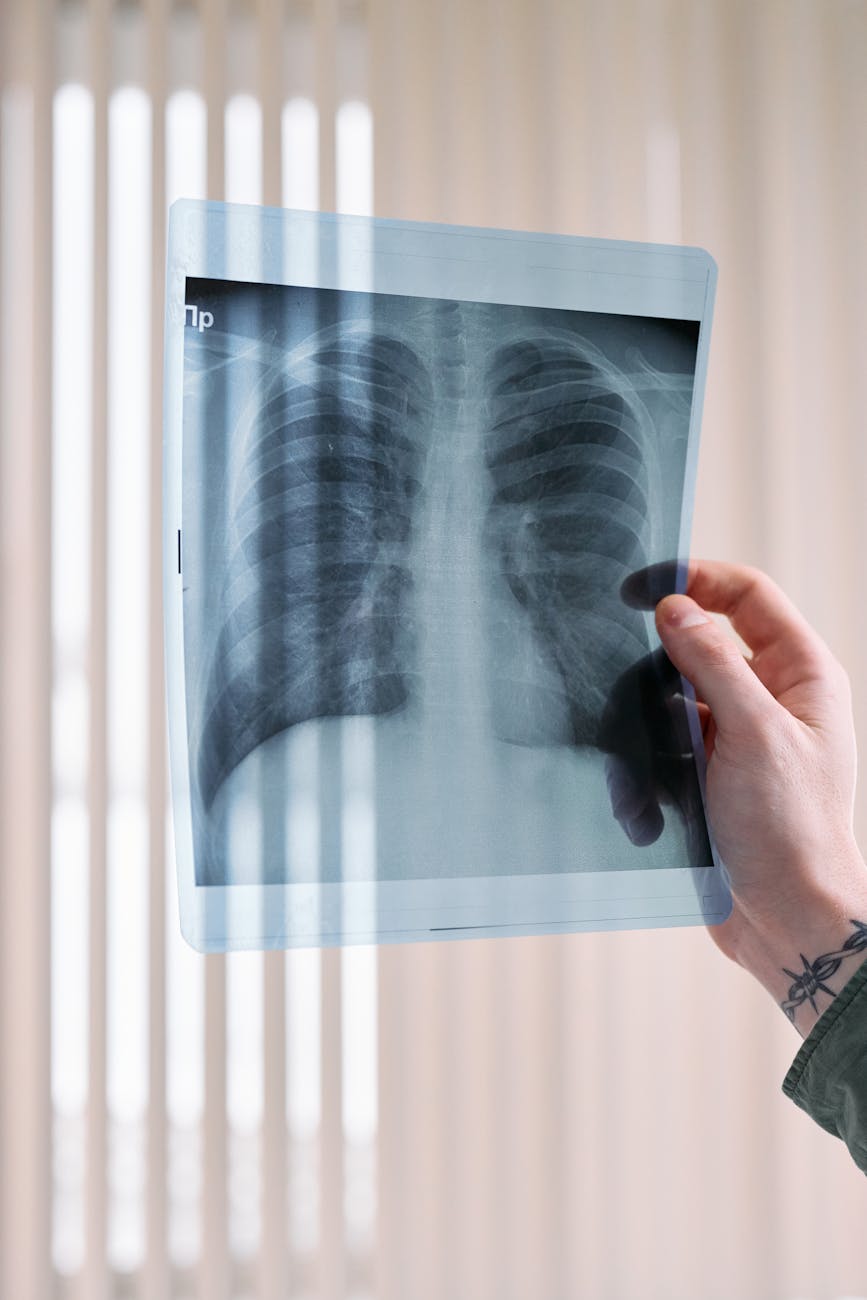
My comment: A colleague of my husband’s from Holland, was a very heavy smoker in his young day, and was so worried about it that he managed to persuade his GP to give him an annual Chest X Ray. He was diagnosed with cancer, and had surgery to remove one lung. He got back to work, and all seemed fine, but he then developed cancer in the remaining lung. He had vigorous chemotherapy but eventually succumbed. I do thing that this prolonged his life. He never made it to retirement age.
Discover more at the 15min-City platform, which showcases how cities worldwide are embracing the 15-minute city concept, where services are accessible within 15 minutes by walking or biking.
Re-organising cities so that essential services are easily accessible on foot or by bicycle is an appealing idea. It could reduce carbon emissions, help people get fitter, and reduce inequalities and deprivation.
Apparently most European cities are already at or close to this ideal. However, most cities in North America and the Far East are not set up for this at all.
My nearest city is Glasgow. I lived there for thirteen years in all from the age of 10 to 23. My family didn’t have a car so we walked a lot and took the bus or train when the distances were more than around half an hour. I’m pleased to say that Glasgow does very well in the 15 minute concept. I do know, however, that certain areas eg the Castlemilk housing estate on the south of Glasgow, do not have a supermarket within walking distance. This affects the type, price and quality food that can be purchased, particularly fresh vegetables, meat and fruit.
Otherwise Glasgow does have many beautiful parks thanks to the foresight of the Victorian’s who built them. There are good shopping areas, libraries, museums, transport links, hospitals, doctors’ surgeries, dentists, schools, and sports and entertainment facilities.
The Ayrshire towns in which I have lived are also well set up for many activities but I’m sorry to see the loss of council run sports and library facilities that affect young people in particular.
There is a app called Libby. If you join a library, you can have a loan of e books and magazines totally free. You get them for three weeks before they disappear off your screen.
Although turkey is perhaps the most traditional Christmas dinner in the UK and USA, I don’t really like it that much, and prefer chicken.
Today I’m going to discuss different ways that I’ve seen chicken roasted. I’ve tried all of them, and my recent favourite is the New York Times, “Salt and pepper roast chicken” recipe, which has five stars.
For years I simply did what it said on the package. This is to place the chicken in a pre-heated oven at 180 degrees and roast for about one and a half hours. Then, let it rest for 10-15 minutes and serve. This has the advantage that you can season the chicken as you like. The results are good, but sometimes the breast is overdone compared to the legs. Some chefs even take the legs off and roast these separately for this very reason.
A variation on this is the “roast in a bag” chicken. These chickens are usually quite large and come pre-seasoned. They are readily available from big supermarkets. The advantage is that you don’t need to touch the raw chicken at all and the seasoning is done already. They also save on cleaning pans. These are suitable mainly for families due to the size of the bird. I have often found the flavour disappointing.
For at least 15 years I used the Australian chef, Tony Blakemore’s method. I use a big cast iron wok. Pre-heat the oven to 180 degrees. Rub plenty of butter into the skin of the chicken and season generously. Place breast down in the middle of the pan. Add whatever vegetables you have in the fridge round about. Pour some olive oil onto the vegetables and season. Add such items as chopped garlic and chili peppers if you like. Vegetables I commonly use are chopped onions, carrots, potatoes, celery and peppers. Cook for 45 minutes with the lid on. Then take out of the oven and turn the bird breast up. Then cook without the lid for the remaining 45 minutes. This browns the skin on top. The advantage of this method is that you have a well cooked chicken with a delicious buttery vegetable accompaniment. If you are on a ketogenic diet, you would omit the potatoes. The breast and leg meat are equally cooked.
For all of these chickens, you need to plan ahead. I like to take the chicken out of the fridge for about 15-30 minutes prior to roasting, 1.5 hours in the oven and sometimes a bit more, and 15 minutes resting. I put dinner on the table at 7.30 pm. This means the bird must be taken out of the fridge by 5.30pm at the latest. Many people eat dinner earlier than this. This can be a problem for working mums.
Recently I saw that the NY Times had a 5 star roast chicken recipe and I decided to try it. Having done this several times, I’m so impressed that I’ll probably abandon Tony’s method, although my younger son, can’t bear the thought of me doing this, as he loves the buttery, tasty chicken so much.
Prior to cooking, you are urged to season the inside and outside of the chicken with salt, pepper and herbs to your taste, perhaps rosemary, thyme and sage. Put the chicken back in the fridge for an hour or overnight if you can. (Cover it and keep away from other food items).
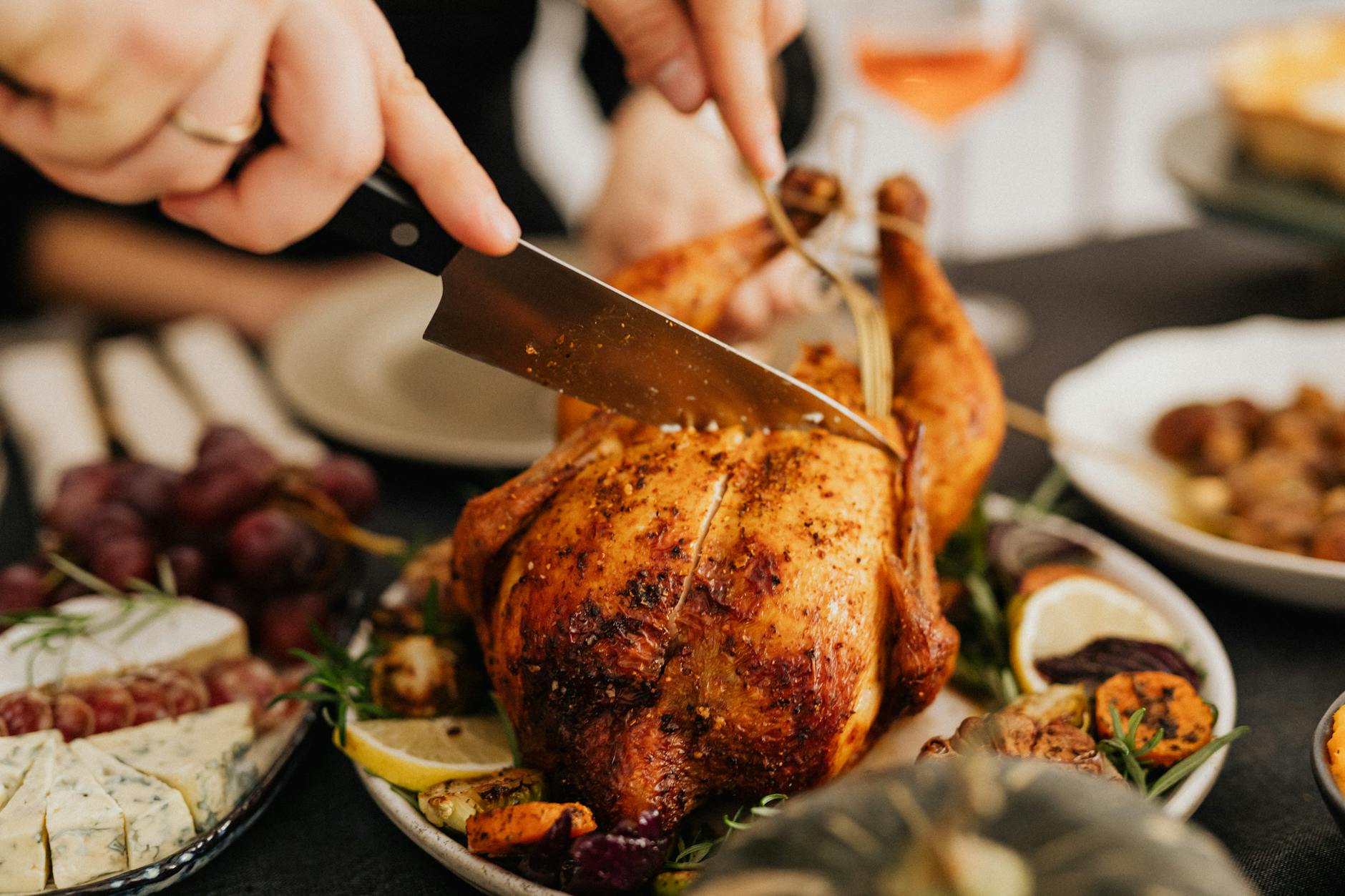
Heat the oven to 220 or 230 degrees. Red hot! Now place in a roasting tin breast up. Roast for just 50 minutes. Then, take it out and baste the skin with the fat and juices. Test the internal temperature of your bird. It needs to be 165 F or 74 C. If you don’t have a meat thermometer you can pierce the part of the chicken between the thigh and the breast and the juices should run clear. Any hint of blood and it needs to go in the oven again. Re-test every 10 minutes.
So far I have used small and medium chickens at 220 degrees. I have not had to keep them in longer, but if you have a big bird, and depending on your oven, you may need to.
The skin is delicious and crisp and the taste excellent. I’ll let you know if my son is converted or not in the comments after the Christmas holidays.








 Diabetes Diet