The best diet for optimal blood sugar control & health
Author: kaitiscotland
I am a Scottish doctor who is working to improve the outcomes for people who have diabetes using a low carb diet, and advanced insulin techniques when necessary. Professionally I provide expert witness reports in the clinical forensic and family medicine areas and I also provide complementary therapies. I enjoy cooking, cinema, reading, travel and cats.
Women have long been advised to take iron supplements with orange juice to increase iron absorption. This is mainly done through the years of menstruation and particularly in pregnancy and the post partum months.
A study was done using radioactively labelled iron to establish how effective or not this advice was.
Women with low iron levels were divided into three groups. Iron with orange juice, with coffee, and with a breakfast that included both orange juice and coffee.
Taking iron with just orange juice increased the iron absorption by four times the amount by taking it with coffee or a breakfast with both coffee and orange juice.
You can increase the absorption by 20mg per dose by doing this.
Another use for iron supplementation is in older people who get leg cramps. Sometimes iron deficiency is the cause, and they will benefit from this advice as well.
We know that bright light therapy is effective for seasonal depression. A systematic review has also found that it works for non seasonal depression too.
In eleven trials, remission and response rates almost doubled in groups receiving bright light therapy.
Speed of response was also accelerated.
My comment: we all need more sunshine in our lives!
Cold water immersion therapy is said to improve various health measures by some practitioners. A systematic review found that reliable evidence of benefit was thin on the ground.
Most trials were vulnerable to bias and few results were replicated consistently.
One change that was consistent however, was that sickness absence fell by a quarter in participants who took cold showers.
My comment: I tried this years ago and I didn’t get any benefit. I have a friend who swims in the sea every week in Ayrshire. She enjoys it, but it doesn’t seem to have changed her health one way or another. I know a very fit farmer who has been having cold baths and showers daily for over 20 years.
Nice has approved a new daily pill for the treatment of endometriosis. It contains relugolix, estradiol, and norethisterone.
Patients must be of reproductive age and have had medical or surgical treatment but are still symptomatic.
The new pill works on a block and replace method. Relugolix blocks the woman’s own hormones that affect endometriosis and supplies a steady dose of oestrogen and progestogen to replace them.
Users take it at home and it does not need regular clinic visits.
Adapted from Outside online magazine for runners by Alex Hutchinson Dec 11 2024
By understanding what factors predict longevity, you can take control of your life before it is too late. Biostatisticians in the USA examined data from the National Health and Nutrition Survey (NHANES) to compare the predictive value of 15 potential longevity markers. The winner was the amount of physical activity you perform in a typical day as measured by a wrist tracker.
It can be difficult to get a true picture of how much physical activity people actually get from self reporting or old style pedometers. This study used wrist accelerometers worn day and night between 2011 and 2014. 3,600 subjects between the ages of 50 and 80 were tracked.
The factors that were examined were: Age, gender, body mass index, race or ethnicity, educational level, alcohol consumption, smoking, diabetes, heart disease, congestive cardiac failure, stroke, cancer, mobility problems and self reported overall health.
In order of importance, the best predictors of living longer were: Physical activity, age, mobility problems, self-assessed health, diabetes and smoking. In a nutshell, how much and how vigorously you move are more important predictors of longevity than how old you are.
In 2016, the American Heart Association, realised that VO2 Max was a very important measure of cardiorespiratory fitness. They noted that a low VO2 Max tended to be stronger predictor of mortality than smoking, cholesterol levels and high blood pressure. VO2 Max is determined to the tune of 50% by your genes, whereas how much you move is up to you. (There are indeed “sporty” families!)
So get up, get out, and get moving, as much as you can.
In a separate study published in Cognitive Science, Dementia, an article written by Eric Dolan on 27 March 20025 states that verbal fluency was the most important factor regarding freedom from dementia.
HRT prescriptions were given to 29% more women between 2022 and 2023 in England.
My comment: This increase could be due to the increased publicity brought about by Davina McCall and Mariela Frostrup through the media.
There were significant geographical differences. Twice as many women in affluent areas were prescribed the medication compared to women in the most deprived areas.
In a recent Pulse educational article I was reading very recently, I was dismayed to see that the author, considered an “expert” in the subject, was very strongly of the opinion that GPs should only prescribe HRT for women who were suffering symptoms of the menopause. It had been my practice for many years to discuss the pros and cons of HRT with regards to the patient in front of me, so that she could decide for herself whether taking it to suppress symptoms on the medium term or taking it long term to reduce osteoporosis, cardiovascular disease, genito-urinary problems, and bowel cancer was something that she wanted to do.
The very helpful site: Menopause Matters, has useful information to guide patients as to the pros and cons of the use of HRT and the types of formulation that are best for individual circumstances.
Adapted from BMJ 4 Nov 2023 The Bottom Line: The time to tackle rising type 2 diabetes is T2DaY by Partha Kar consultant in diabetes and endocrinology Portsmouth Hospitals NHS Trust.
England’s 18-40 year olds with type two diabetes now exceed those with type one. In the not too distant past, type two diabetes was associated with middle age rather than youth. Causes for this increase include lifestyle, environmental and societal factors.
About 4% of people with type two diabetes are now under 40 years of age. Worryingly, this rise in type two diabetes is accelerating fastest in the under 40s. It tends to affect people who are socioeconomically deprived, are in minority ethnic groups, and in those with obesity. And the complications are aggressive.
There tends to be a greater risk of the vascular complications of diabetes compared to later onset type two diabetes. There are poorer pregnancy outcomes compared to type one diabetes. If you are diagnosed at the age of 30, you can expect to live 14 fewer years of life. At diagnosis, multi-morbidity is common and even if not present, can develop rapidly.
The 18 to 40 age group are often in education or working. They face transitions from the family home, to university or the workplace. Money tends to be tight. They are considering buying homes or renting. They may pairing off with partners, and they may already have a young family or be planning to start. Increasingly they can’t afford to buy a home, and put off having children till older ages.
There are now about 140,000 young adults with type two diabetes. It is important that the correct diagnosis is made at the outset, and that pregnancy planning and outcomes are prioritised. Dr Shivani Misra from Imperial College London, has published a Type 2 Diabetes in the Young programme that she hopes will be adopted in order to improve the outlook for these young people and their families.
Meanwhile, Government initiatives are needed to reduce socio-economic deprivation, improve healthy food options, improve space for exercise, and improve people’s motivation to look after themselves.
There is a strong international drive to establish networks of cardiac arrest centres. After a cardiac arrest, is it better to transfer the patient to a specialist cardiac centre or to the nearest A and E facility?
The prospective, randomised ARREST trial took place in Greater London, so results may not be applicable to rural areas, areas which are poorly served by hospitals or ambulances, or areas with even worse traffic congestion.
They found that it took on average seven minutes longer to get a patient to a specialist cardiac centre compared to the nearest A and E. (84 v 77 minutes). My comment: note the long transfer time for both!
Once in the specialist hospital, patients got more interventions such as angiography and admission to intensive care. (56% v 37%) A marked difference.
However the chance of survival after a presumed cardiac arrest without ST elevation was exactly the same in both groups. The 30 day all cause mortality was 63%. Neurological outcomes were also similar.
Given that at least half of patients who have a cardiac arrest die within minutes, I would have to assume that only patients who were alive when the ambulance arrived were included in the trial.I was interested in whether the outlook after cardiac arrest had changed since I was working as a hospital doctor and GP and I tracked down the ARREST trial which was funded by the British Heart Foundation.
The clinical question
In the UK there are over 30,000 out-of-hospital cardiac arrests (OHCA) a year, where the heart stops beating suddenly. Less than one in 10 people in the UK survive an OHCA.
Currently, cardiac arrest patients are taken by emergency ambulance to the closest Accident and Emergency (A&E) department for treatment. But some evidence suggests that people may have a better chance of survival if they are taken straight to a specialist hospital, called a cardiac arrest centre. These centres have a team of doctors and nurses experienced in treating cardiac arrest, and facilities like on-site heart imaging services and cardiac intensive care. Often, a cardiac arrest is caused by a heart attack, and specialist centres also have catheterisation laboratories open 24 hours a day, 7 days a week, with the equipment and expertise needed to unblock an obstructed coronary artery causing a heart attack as soon as possible.
It seemed intuitive that people who’ve had a cardiac arrest out of hospital would benefit from being taken directly to a cardiac arrest centre for treatment compared with A&E. The ARREST trial was funded by the BHF to find out if this was the case.
What did the study involve?
ARREST was conducted across 35 hospitals served by the London Ambulance Service from 2018 to 2022. Seven of these hospitals were cardiac arrest centres. The trial was paused twice during the COVID-19 pandemic (from March 2020 through to November 2020, and from January 2021 through to August 2021).
Adults who’d had a cardiac arrest out of hospital were judged as eligible for the trial if they had:
no obvious non-cardiac cause of the cardiac arrest.
no obvious signs on their ECG trace of the heart of a major STEMI heart attack — in the case of a STEMI heart attack, patients would automatically be transferred to a specialist centre for treatment.
In total, 862 participants were recruited into the trial from across London. Patients were resuscitated by London Ambulance staff until their heart was beating again. They were then randomly assigned to one of two groups by the paramedic crew:
Half the participants (431 patients) were transported to a cardiac arrest centre for treatment.
The other half (431 patients) were transferred to the closest hospital emergency department in London.
If the nearest hospital emergency department was a cardiac arrest centre, then the patient was taken to the cardiac arrest centre as it was not deemed ethical to delay their trip to an emergency department for the sake of the trial. At the cardiac arrest centre or emergency department, treatment was left to the discretion of the doctors and the clinical team.
Participants were followed up for 3 months to record how many in each group had died. The trial team also recorded how well people could function at discharge from hospital and after 3 months, for example how good their memory was, if they were able to live independently, and their quality of life.
What did the study show?
The two trial groups were similar in terms of age (average age was 63 years), gender (a third were female) and the cause of their cardiac arrest.
Overall, around 60% of people in the trial had a cardiac arrest because of a heart related condition. Around 20% had a non cardiac condition that led to an arrest, and the cause of cardiac arrest was not known in ~20% of participants.
Of the participants with a cardiac cause, around 40% had a cardiac arrest because of coronary heart disease, a third because of a heart rhythm disorder and around 18% had a heart muscle condition (cardiomyopathy).
The same proportion of patients in each group (63% [258 people]) had died at 30 days after their cardiac arrest.
There was also no difference between the two groups in death rates after 3 months.
Functional status and quality of life were similar in both groups at discharge and at 3 months.
Why is the study important?
Trials of out of hospital cardiac arrest are extremely difficult to conduct, so it’s a tribute to the investigators and London Ambulance Service that they managed to deliver the trial. They persisted with the trial despite the disruptions of the COVID-19 pandemic. To complete successfully, the ARREST team had to recruit patients 7 days a week, 24 hours a day.
The expectation was that transfer to a cardiac arrest centre would improve the prognosis of patients, so the results of ARREST were surprising. Dr Tiffany Patterson, ARREST clinical lead, proposed one explanation:
ARREST was performed in London, which is a densely populated urban area served by a highly effective ambulance service with access to high quality hospitals, so the standard of care in the nearest emergency department may not be so different from that in cardiac arrest centres.
Dr Tiffany Patterson, Clinical lead, ARRESTProfessor Simon Redwood, Chief Investigator of ARREST added:
The trial does not support transporting cardiac arrest patients direct to a cardiac arrest centre in London; they would fare better going to their nearest emergency department. These results may allow better resource allocation elsewhere.
Professor Simon Redwood, Chief Investigator, ARREST
However, he stressed that the trial had excluded patients who clearly had suffered a heart attack, and that this group of patients do benefit from going straight to a heart attack centre and having an attempt at reopening the coronary artery.
ARREST draws attention to the poor survival rate of OHCA, and the importance of bystander cardiopulmonary resuscitation (CPR) and early defibrillation. BHF has developed a free, online CPR training course, RevivR, to teach people how to perform CPR. The Circuit: The National Defibrillator Network is another BHF-led initiative that provides information about defibrillators across the UK so that ambulance services can quickly direct bystanders to their closest defibrillator in the crucial moments directly after a cardiac arrest.
Study details
“A randomised trial of expedited transfer to a cardiac arrest centre for non-ST elevation out of hospital cardiac arrest. The ARREST trial.” Award reference: CS/16/3/32615 Principal Investigator: Professor Simon Redwood, King’s College London Trial registration number: ISRCTN96585404
In Denmark the records of 10,000 people were examined. Since 1996 vibration perception has been done in type one and type two diabetes patients in a specialist diabetes centre.
In middle aged type one patients, distal symmetrical polyneuropathy fell five fold between 1996 and 2018.
In older people with type two diabetes the incidence of polyneuropathy halved.
As polyneuropathy is often the precursor to ulceration and amputation, this is good news indeed.
One in four deaths are due to cancer between the ages of 35 and 69. The most common 23 cancers were investigated by Shelton and colleagues. Even though we have an aging population, cancer deaths over the last 25 or more years have declined.
Data from adults in the UK, aged 35 to 69, who had a diagnosis or death from cancer were analysed retrospectively covering between 1993 and 2018.
The incidence of cancer registrations increased in both both sexes by a substantial amount. 57% increase for men and 48% for women. At the same time cancer mortality declined by 37% for men and 31% for women.
In men, the cancers with the best improved mortality were for stomach, bladder and mesothelioma with some improvement in prostate cancer. In women, the best improvements were for stomach, cervical and non-Hodgkin’s Lymphoma with some improvement for breast cancer. In both genders lung and bowel cancer improved considerably.
In the UK the chances of dying from cancer before the age of 80 declined between 2002 and 2019 from one in six to one in eight for women and from one in five to one in six for men.
The results have been due to a reduction in smoking, less asbestos exposure at work, earlier detection due to screening and health education, improved diagnostic investigations and improved treatments.
France, the Netherlands and Sweden also show declining cancer deaths in the same age group.
Some types of cancer, are however increasing, mainly due to the increased weight of the general population.
Some cancers have become more common. Liver cancer incidence has been rising since 1980. This is due to increased alcohol consumption and body weight. These two factors account for 4.1% of cancers in men and 6.3% in women.
In adults under 50 the incidence and mortality rates for bowel cancer are rising. Various hypotheses for this are increased weight, less physical activity and antibiotic effects on the gut microbiome.
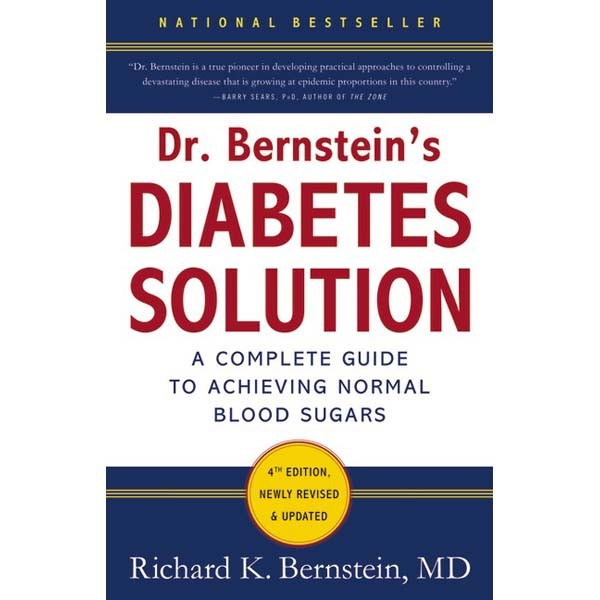
Dr Richard Bernstein, 90, of Mamaroneck, NY passed away peacefully on Tuesday, April 15, 2025. Born in 1934 in Brooklyn, New York, he was stricken with Juvenile Onset Diabetes at the age of 12. He earned an engineering degree from Columbia University and had a career in the laboratory and medical devices industry. In the early 1970s he adapted a blood glucose meter for personal use and pioneered Diabetes Home Glucose Monitoring. Using self- experimentation to develop a regimen of glucose monitoring, diet and multiple daily insulin shots, he radically improved his own health. He enrolled in the Albert Einstein College of Medicine and graduated at the age of 48. He subsequently practiced medicine as a Diabetologist in Mamaroneck, NY until his death. He published multiple books on Diabetes including the #1 selling Diabetes book on Amazon.Com “Dr. Bernstein’s Diabetes Solution: A Complete Guide to Achieving Normal Blood Sugars” and “Diabetes Type II: Living a Long, Healthy Life Through Blood Sugar Normalization”. His “Diabetes University” videos on YouTube brought his Diabetes treatment strategies to a global audience. He made many discoveries and published articles in prestigious medical journals about Diabetes, complications of Diabetes and autoimmune disorders suffered by diabetics. He credited his longevity and good health to tight control of his blood sugars, exercise and his low carb diet and insisted that all diabetics have the right to normal blood sugars. In his spare time, he was an avid boater, sailor and astrophotographer with a particular passion for photographing eclipses. He is survived by his partner Joyce Kaplan, daughter Julie Borhani and husband David, daughter Lili Goralnick and husband Howard, son Jeffrey and wife Michele and grandchildren Jody, Bella, Nathan and Adin.
A funeral service for Dr. Bernstein will be held Thursday, April 17, 2025 from 12:00 PM to 1:00 PM at Sinai Chapels, 114-03 Queens Blvd, Forest Hills, NY 11375, followed by a committal service from 1:15 PM to 1:45 PM at the Mount Lebanon Cemetery, 7800 Myrtle Ave. Glendale, NY.See Less










 Diabetes Diet