The best diet for optimal blood sugar control & health
Author: kaitiscotland
I am a Scottish doctor who is working to improve the outcomes for people who have diabetes using a low carb diet, and advanced insulin techniques when necessary. Professionally I provide expert witness reports in the clinical forensic and family medicine areas and I also provide complementary therapies. I enjoy cooking, cinema, reading, travel and cats.
We are often told that diet is the key to fat loss and that exercise doesn’t play much of a part in this.
However, a meta-analysis of 116 clinical studies shows that notable improvements in waist circumference and other measures of body fat only occurred when moderate or high intensity aerobic exercise was done for more than 150 minutes per week.
A reduction on one kilogram in body weight is roughly equivalent to a deficit of 8,000 calories. This is a lot more difficult to burn off than most people realise.
My comment: I easily meet the 150 minutes or more of exercise a week but this is mixed exercise and comprises of low impact aerobics, resistance training, stretching, and balance and co-ordination exercise. I’ll need to stick to diet myself.
Respiratory syncytial virus (RSV) is the most common cause of acute lower respiratory tract illness in infants. Two years ago, and international trial demonstrated that vaccinating pregnant women against RSV reduced the number of newborns admitted to hospital with lung infections.
A UK study has now confirmed the benefits. There was a 72 percent reduction in babies hospitalised due to the virus compared to babies whose mothers had not had the vaccine.
In another study of adults from New York, getting RSV badly enough to require admission, led to an increase in acute cardiac events. More than a third of the patients ended up having heart failure, atrial fibrillation, and myocardial infarction after RSV infection. Most events happened within the month following admission. Half of the events occurred in patients with no prior history of cardiac problems.
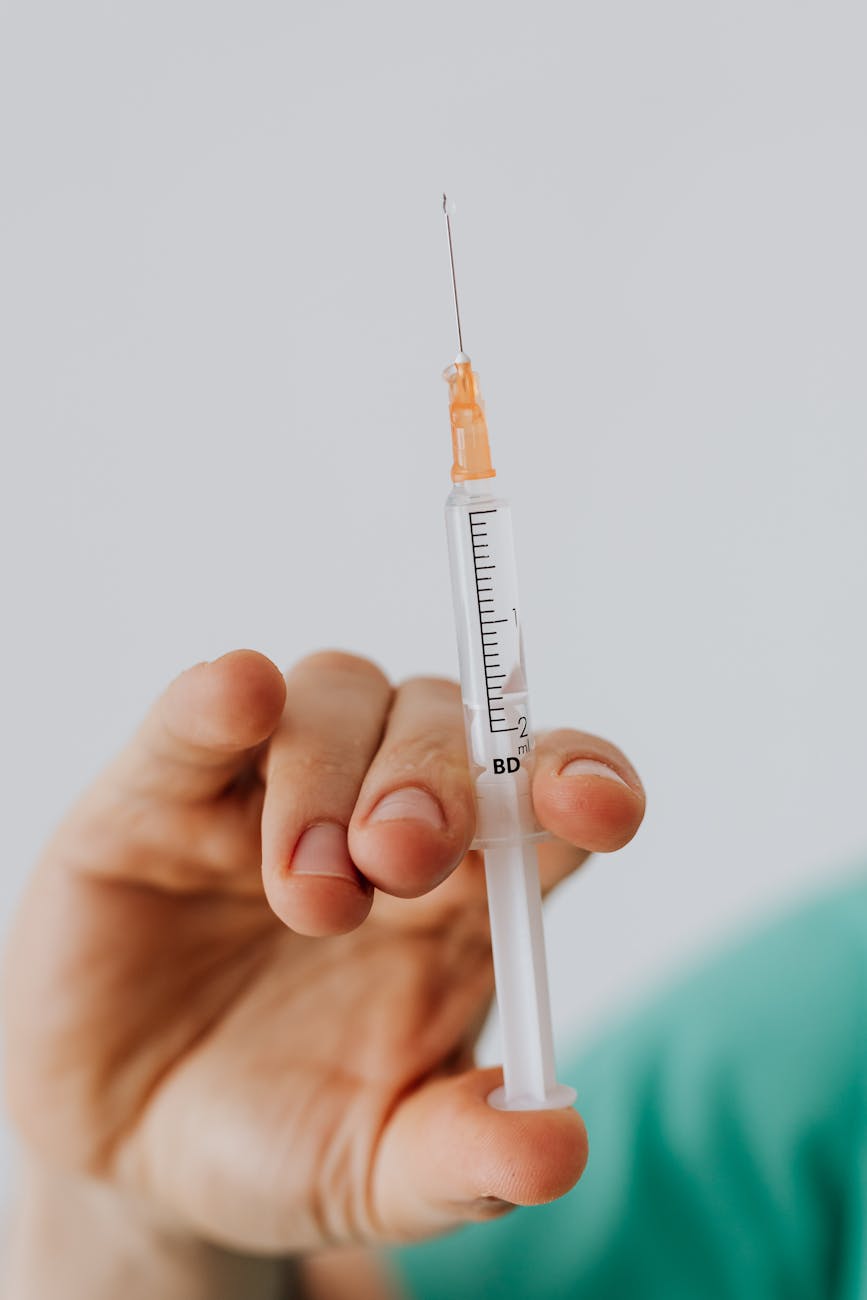
Vaccination against herpes zoster is very effective in preventing shingles and post herpetic neuralgia in older people.
In Korea, examination of results after vaccination also indicate that major cardiac events reduced by one third. The protective effect lasted eight years after vaccination.
In the UK, the vaccine has been rolled out over the last ten years or so, and people are called depending on their date of birth. If you get invited, it is well worth getting the vaccine.
Other research has shown that the vaccine prevents shingles entirely only for the first year after vaccination and after that shingles becomes increasingly common again till almost all immunity is lost at the ten year point. However, there is still a reduced rate of post herpetic neuralgia in those who have been vaccinated.
Booster doses of the vaccine have been shown to reactivate vaccination effectiveness but so far this is not being done routinely in the UK.
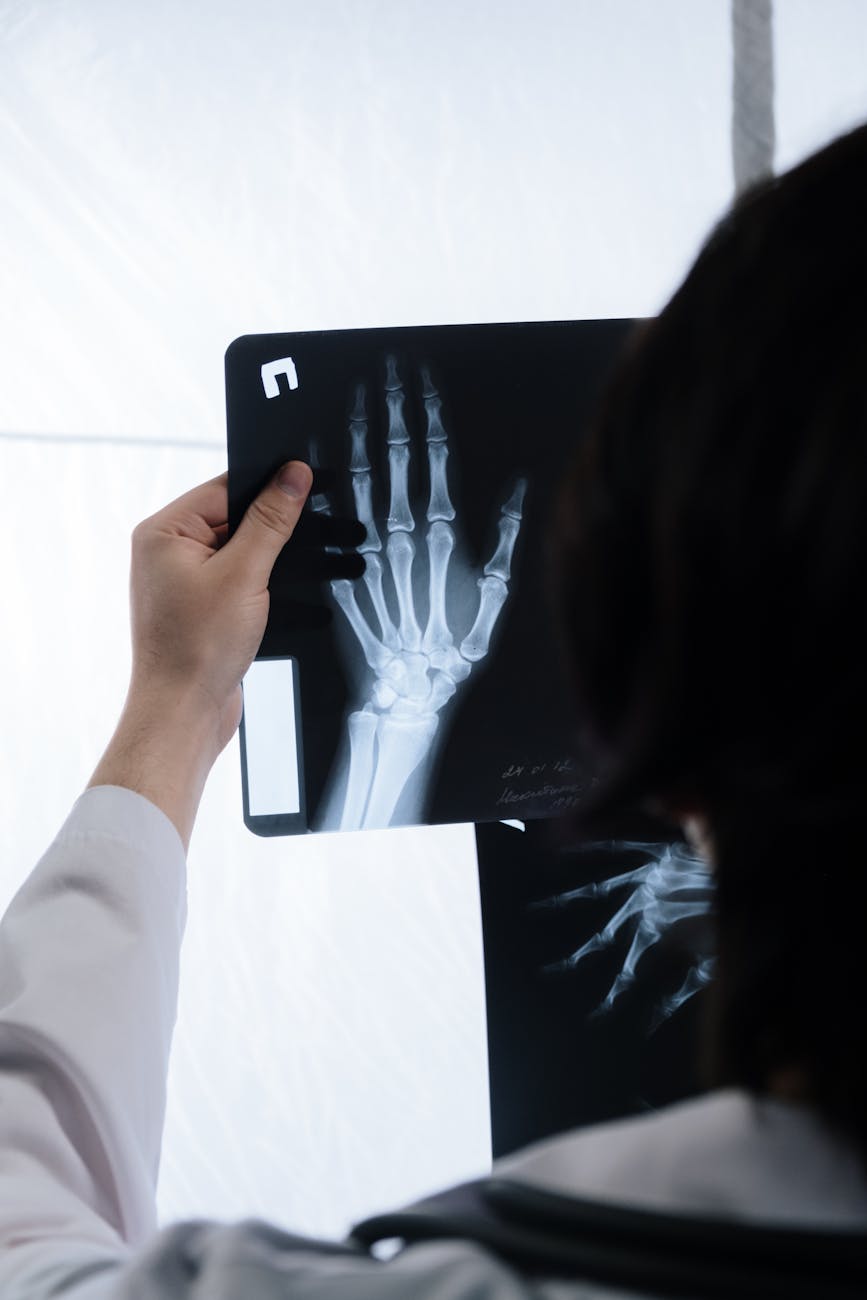
In my young days as an orthopaedic surgeon, used to see a lot of trauma from motorbike accidents and accidents to manual workers. Most fractures are now due to minor falls, and due to the high amount of osteoporosis in the population, these are usually at the hip, wrist, upper humerus and vertebral bodies.
Half a million or so fragility fractures occur in the UK every year. This number is expected to rise by 25% by 2034. 2% of women at the age of 50 have osteoporosis and this reaches 50% by the age of 80. One in four Britons will get an osteoporotic fracture in their lifetime.
The Reduce study found that the length of hospital stay could be reduced by early post operative mobilisation and multi-disciplinary meetings with less surgical focus.
Half of all people who have a hip fracture have had a previous fragility fracture. The first fracture would be a good time to intervene in order to prevent further fractures. Breaking bones, losing height and having curved spines, is not an inevitable part of aging. Half of osteoporotic fractures can be prevented.
Exercise and anti-osteoporotic medicines are the backbone of treatment. A diet of oily fish and not being too thin are helpful. Bone enhancing oestrogen is manufactured in peripheral fat after the menopause.
Bones and muscles respond to how much we use them. Muscles get bigger with activity and make falls less likely. Bones increase in density with strength training. Balance and posture are also important factors to improve. Inactivity for whatever reason creates a vicious circle where bones get progressively weaker.
All medical staff and carers of older people need to embrace preventative strategies to optimise bone health and encourage activity and strength training to reduce fractures.
The National Institutes of Health and Oxford Biomedical Research have found that after GLP-1 weight loss drugs are stopped, rapid weight regain occurs, and it occurs a lot faster than if the weight was lost by traditional dietary methods. The average time to regain the lost weight is 1.7 years.
The research covered 9,341 participants over 37 studies. Two thirds had used weight loss injections and one third had used dietary methods.
Those using the injections achieved a lot more weight loss than dietary methods, losing about 14% of their starting weight, compared to 5% for the dieters.
Currently 40.3% of US adults are obese and 26.2% are obese in the UK. Other countries with high levels include India and Egypt. This leads to higher rates of type two diabetes, cardiovascular disease, dementia and premature death.
Weight loss surgery seemed to be the most effective option, until the injections came on the scene.
The injections lead to around a 4.6 kg weight loss which is equivalent to lowering the BMI by two points. Although very effective many users stop the injections in the first year of use. The average time of use of the injections is 39 weeks. After stopping, weight gain increases at a rate of 0.4 kg a month. Within two years, the average user is back to their previous weight. Dietary strategies to lose weight have a similar trajectory.
The commonest reasons given for injection discontinuation are cost, side effects and inconvenience. Getting people to commit to healthy diets and lifestyles does work to keep weight off but most people struggle to keep going.
People in the Diabetes Prevention Programme achieved 5-7% weight loss on diet and lifestyle measures alone. Even though they did indeed regain the weight, they did experience less diabetes than the control group. However, one group that did not do as well were the people who had a BMI in the “healthy” range of 18.5 -24.9. They ended up having more diabetes than those who had not attempted weight loss in the first place. It is thought that losing muscle as well as fat was the problem. This can be prevented if people in the healthy range use exercise as the main way to lose weight.
Researchers think that the general public need to be aware that the weight loss injections are not a magic bullet and that healthy diet and lifestyle practices are still relevant and useful. They think that taxation on sugary beverages, clear food labelling and subsidies on fresh fruit and vegetables would improve diet quality generally.
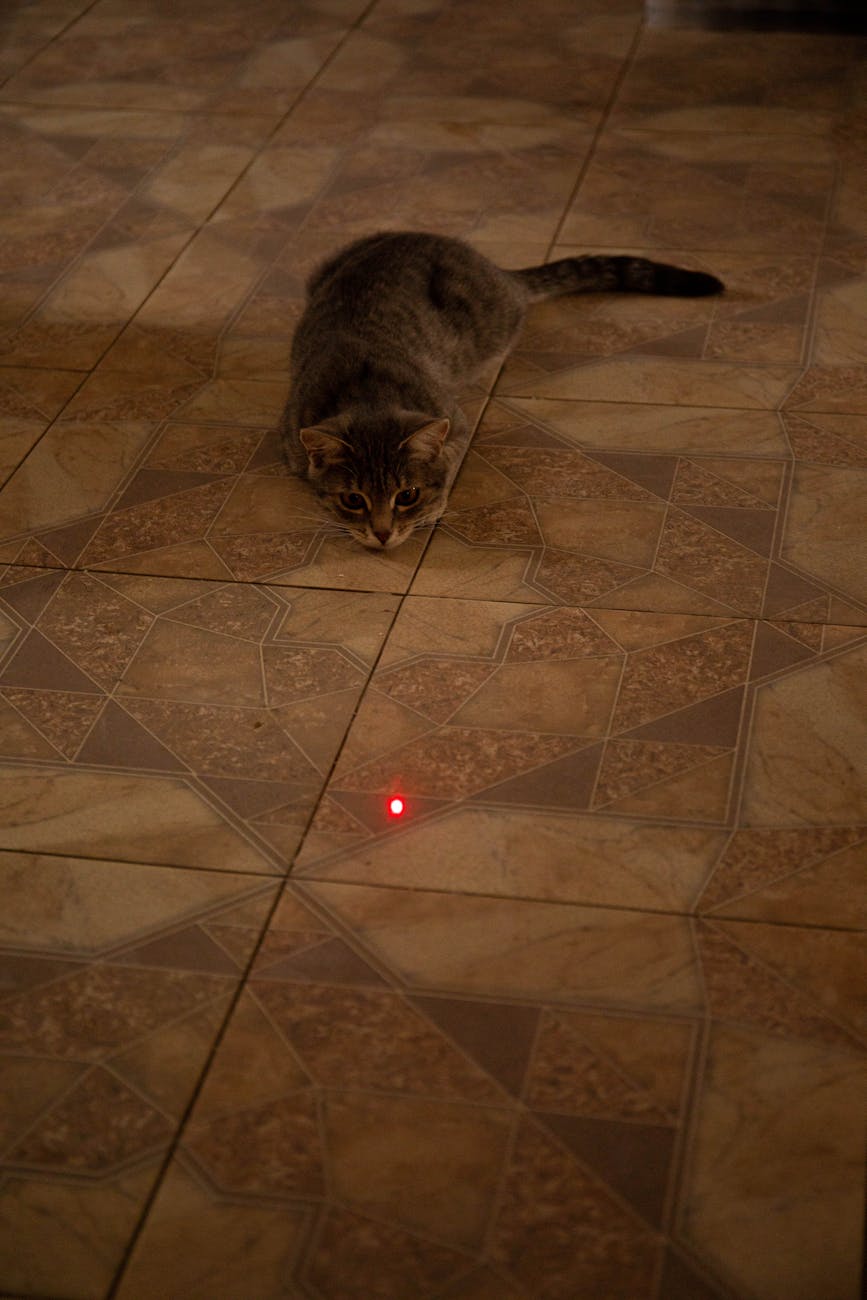
Laser induced retinopathy can cause painless blindness. It is a condition characterised by various degrees of retinal injury caused by exposure to laser light. The vision can be reduced generally or by the presence of a central black spot.
Prognosis depends on the extent of the injury. Full thickness retinal damage, macular damage, large range damage and neovascularisation indicate a poor prognosis.
Parents and children should have more knowledge of these risks.
Case study: A child was found to have noticeably decreased vision in his left eye during a routine optometry examination. He had had normal vision six months previously. He had had no symptoms at all. He had been given a green laser pointer six months before and had played with it frequently.
He had looked directly at the light several times while holding it himself. Visible damage to the retina was seem on examination.
My comment: Obviously, don’t shine the laser light into your cat’s eyes either.
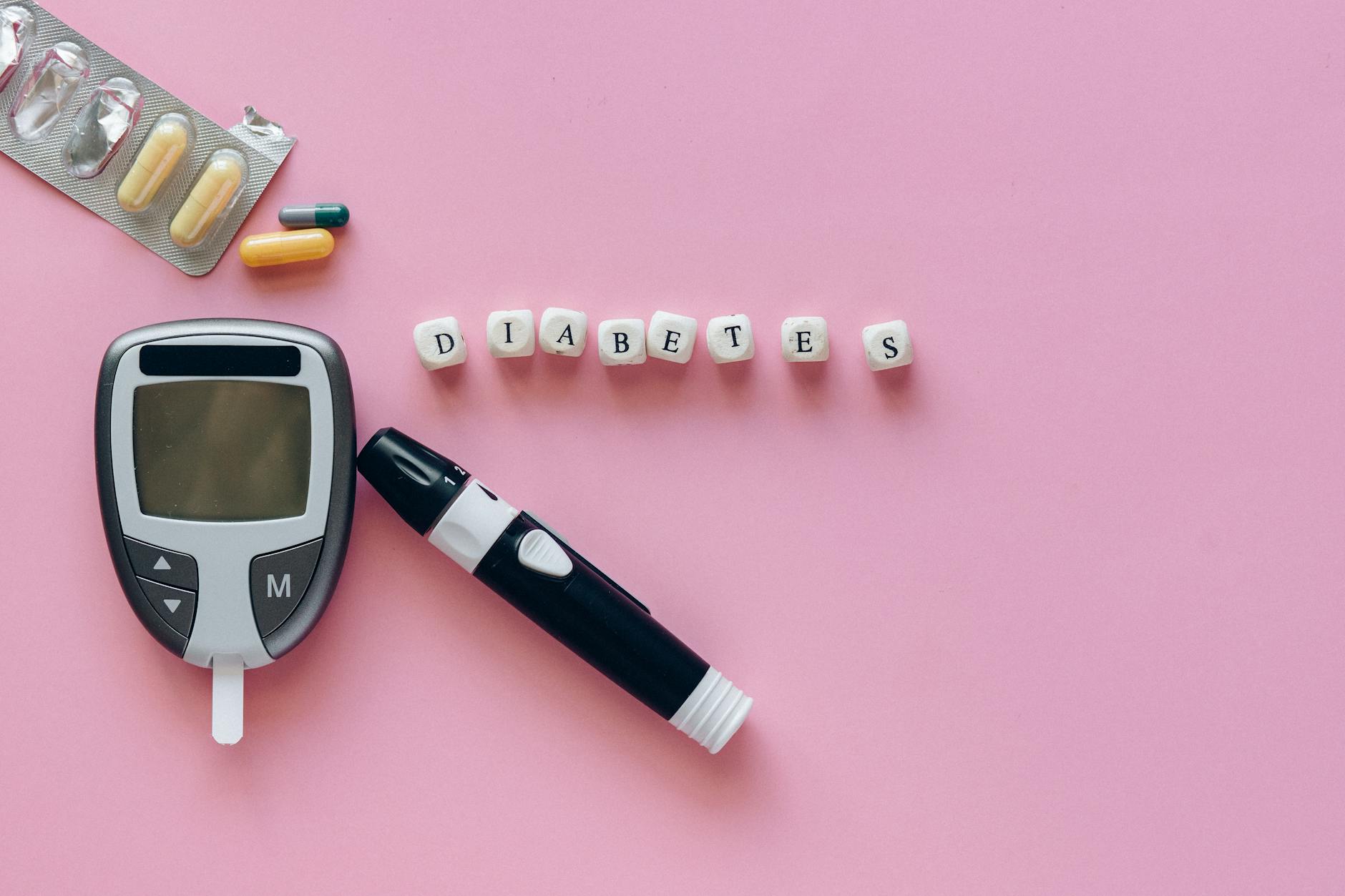
The UK drug regulator has approved the first immunotherapy to be licenced to delay the progression of type one diabetes in patients with the early stage of the disease.
MHRA says that teplizumab (Tzield) manufactured by Sanofi, can be given to children over aged 8 and adults who have stage 2 of the disease and are at high risk of progressing to stage 3. At stage 3 blood sugars are raised and usually symptomatic.
If the condition can be detected at stage 2, a 14 day course of daily infusions can delay the onset of symptomatic type one diabetes by an average of three years. It works by binding to certain immune cells and may deactivate those cells that attack insulin producing cells, while increasing the cells that moderate the immune response.
NICE is determining the cost effectiveness of the programme and will decide if it should be rolled out in the NHS. The final report has not yet been published but draft guidance as of January 2026 indicates that it will not be rolled out in the NHS.
My comment: This article was published in September 2025 following approval made by the MHRA in August. So far I’ve heard nothing as to whether this drug has been approved by NICE or not. NICE is very keen on value for money. Apart from that, an important aspect is how clinicians are meant to identify those individuals who are on the cusp of developing symptomatic diabetes but who don’t yet know it. Siblings of Type Ones are at high risk (1 in 20 as far as I remember) and children of Type One men (1 in 3). I would imagine that one strategy would be monthly to three monthly finger prick blood sugar tests for those at risk over the age of 8. Time will tell.
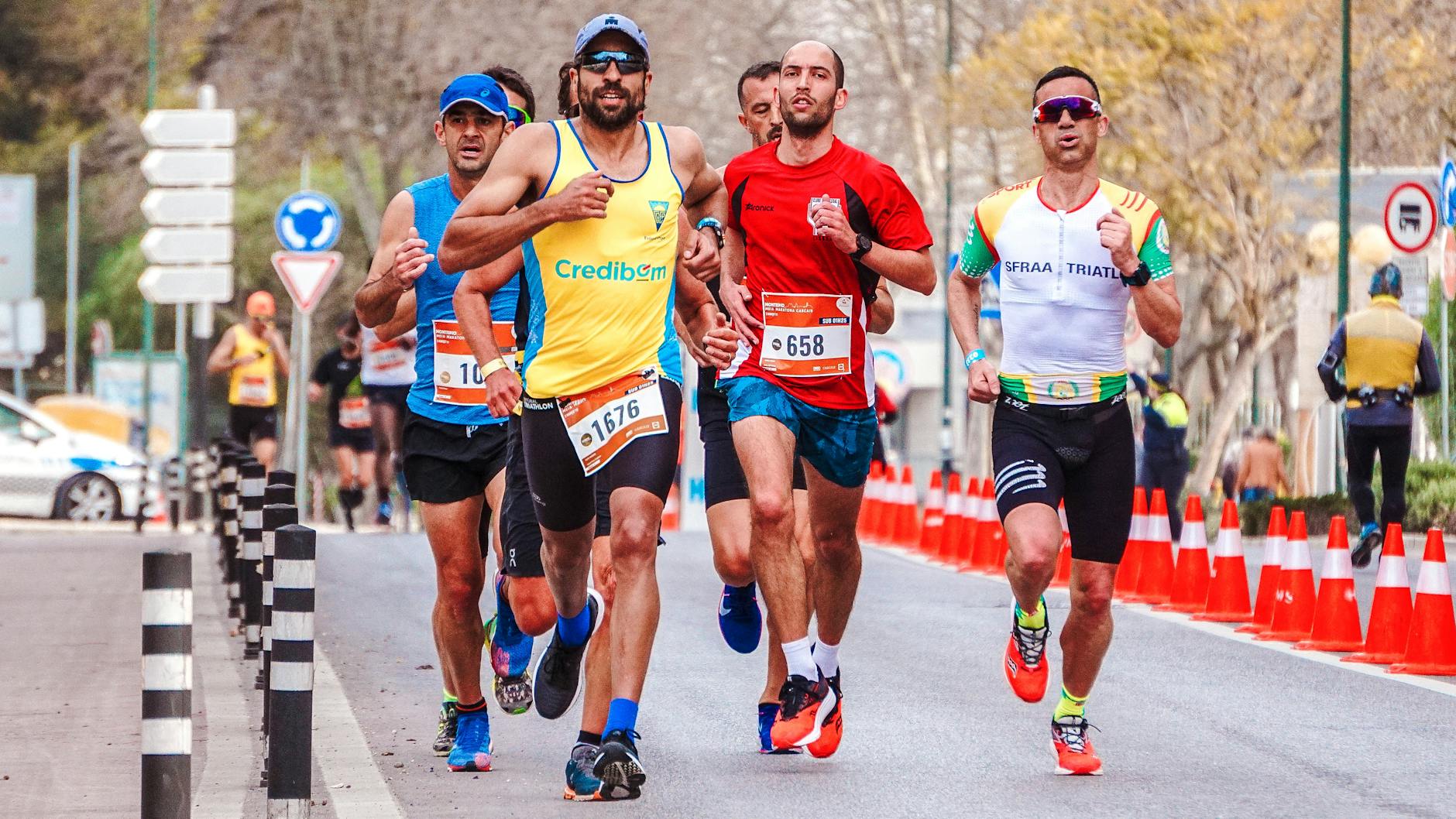
The Race Associated Cardiac Event Registry in the US indicates that in almost 30 million runners who ran full or half marathons, there were 176 cardiac arrests over the three years from 2020 to 2023.
This was 1.12 per 100,000 male runners and 0.19 per 100,000 in female runners.
The death rate in those who sustained a cardiac arrest is now 34%. This was 71% before 2010.
This information should be generally reassuring to those who are training for marathons.
It is a hundred years ago that my grandmother got married. She wore a slightly below knee straight white plain dress, white stockings, pointy white shoes with a strap over the top, and a long, quite thick, lace veil that was kept in place with a circle of flowers placed low on her head. Her hair was bobbed, and she had teeth. The men were all in smart suits that they could walk down the street in now, and all you would say would be, what smart looking young men.
I mention my granny’s teeth because by the time I came along, they were long gone, and she never wore her false ones.
This year, my elder son is getting married. We are all on diets and keep fit regimes of different kinds in order that the Morrisons don’t look like tubs of lard in the coming photos. I’ll let you all know what seems to have been the most effective of these strategies nearer the time.
I expect some of you will be thinking of New Year Resolutions. As I’ve said, our family has had a head start of several months to a few weeks. What self improvement or world improvement plans do you have?
Whatever you have planned, I hope you can make your plans doable and that you keep on track.
Today, as opposed to the cop-out Christmas dinner that I was responsible for, is my husband’s piece de resistance. He takes a leaf from his late mother’s book, and doesn’t feel that he has done it right unless he has us all sitting round the table, eating multiple courses and feeling that we can neither eat nor walk afterwards.
My soon to be daughter in law will join us too. As she is a midwife and has no children, she does the usual thing for health care and emergency service staff, which is to allow people who have young children have priority for Christmas off and allow the young singletons priority for the New Year parties. Thus, for the third year in a row, we are having our traditional Christmas dinner on Hogmanay Evening. After this we play games which my younger son always wins.
Towards The Bells, we usually put on the Scottish Television Channel and watch something dire with lousy singers, lousy dancers and a bit of tartan. How my husband misses Jackie Bird’s shimmery outfits and how I miss Ricky Fulton’s dry humour.
Have a lovely time whatever you plan, and I sincerely hope that next year, when you look back on 2026, that you have happy memories.
This year I am “cooking” dinner again, which is Marks and Spencer’s Harissa Prawns and a gluten free Yule log. This involves taking these items out of the packages, shoving the prawns in the oven, and pouring cream over the slice up Yule Log. Our particular family tradition is to eat our Christmas Dinner in the evening. This leaves the day time for a walk or just to play with our stuff.
This is now the third year in a row that I’ve been responsible for the Christmas dinner, but got out of a hell of a lot of work by invoking the magic of St Michael.
Whether you have slaved in the kitchen all yesterday and today, or whether you have done no such thing, like me, I hope your day goes smoothly.
I have a friend who is definitely experiencing her last Christmas day today. It makes me feel rather sad. I hope to visit her during the day. Some of you will be in the same position, and even for those with close family, you don’t always get to see them on the big day.
A big thank you to all of those workers in the health care, energy infrastructure, transport and emergency services that enable the rest of us to have the day off in comfort and safety.