This site has a lot of information for those who are following a very low carb diet.
Here is a link to their holiday themed recipes, many of which are suitable all year round.
The best diet for optimal blood sugar control & health
This site has a lot of information for those who are following a very low carb diet.
Here is a link to their holiday themed recipes, many of which are suitable all year round.

Being employed seems to reduce the onset of dementia in women later on in life.
In the USA, 6 thousand women took part in the Health and Retirement study. Rates of memory decline were around 50% faster in those women who did not work for pay in the years after having children. Regardless of marital status and whether they had children, women who worked for pay in early adulthood and midlife showed slower rates of later life memory decline.
My comment: I wonder if the 80 years full time equivalent that I’ve racked up for the NHS will stand me in good stead then?
Once you are old, both men and women’s rates of memory decline from Alzheimer’s greatly accelerates if either experience the death of their spouse.
The Harvard Ageing Brain study did PET scans of participants’ brains at recruitment. They then had annual cognitive assessments. Those who had higher amyloid in the brain to star with deteriorated faster whether they were married or not, but the steepest drop occurred in those whose who were widowed.

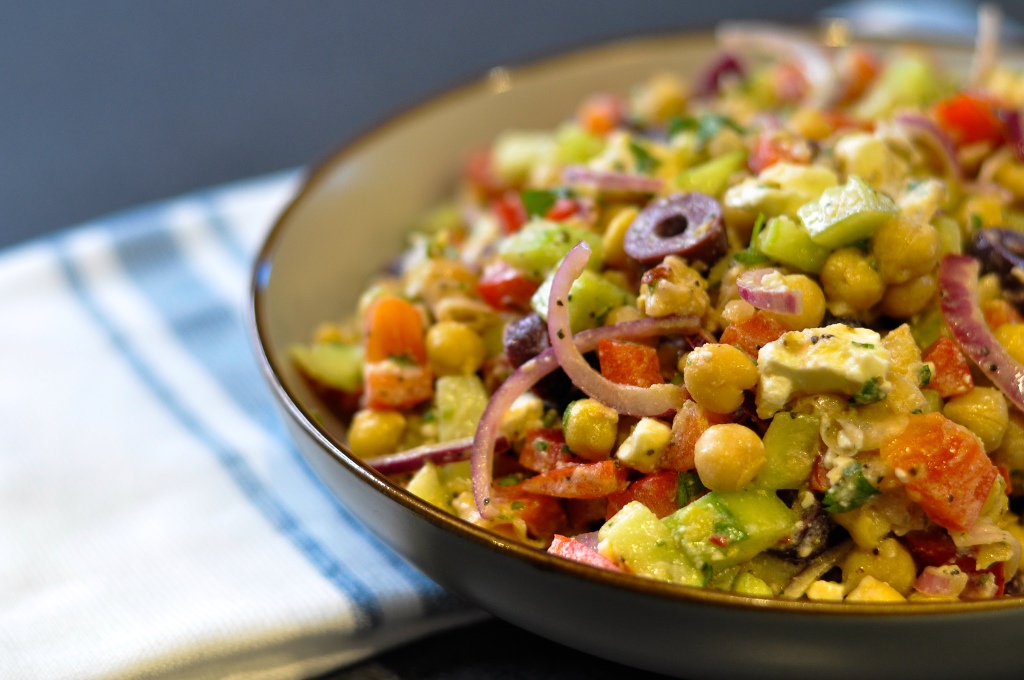
This is an easy, tasty, nutritious salad that could work well as a packed lunch.
This chickpea salad is simply a must. It not only takes just under 10 minutes to make but also will keep you satisfied for hours. This salad very quickly become my favourite lunch option during the times when I was on my journey of losing weight, as chickpeas are loaded with fibre, which keeps us feeling fuller for a long period of time. But that’s not all the benefits this salad has. Chickpeas are high in vitamins and minerals, that help with reducing blood pressure, cholesterol, and also are boosting our immune system.
This easy 2-step salad can be simply enjoyed on its own or as a side dish for slow-cooked Greek lamb or burgers.
| Chickpea Salad : | ||
| COURSE : Lunch/Side Dish | DIETARY INFO : Vegetarian | SERVINGS : 6 |
| PREP TIME : 10 mins | COOK TIME : – | TOTAL TIME : 10 mins |
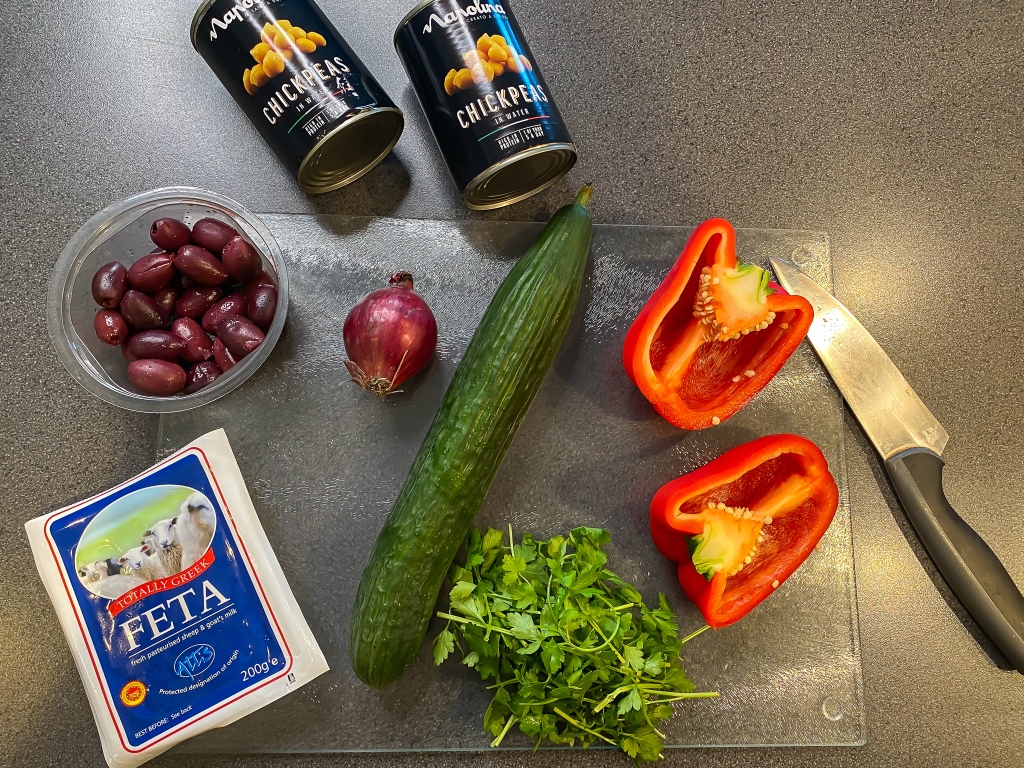
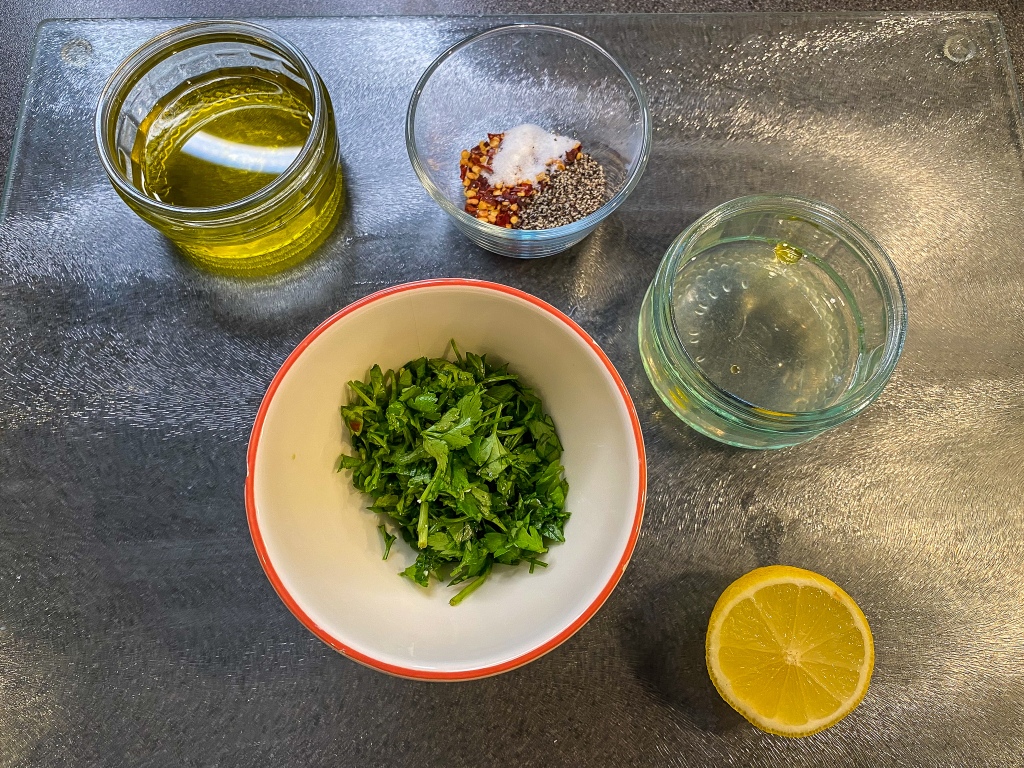
INGREDIENTS :
View original post 127 more words

A new study has found that regular use of proton pump inhibitors (PPIs), which are prescribed to treat acid reflux, is associated with a nearly 25 percent increase in the risk of developing diabetes.
This was an observational study, so it doesn’t prove that taking PPIs caused an increased risk of diabetes. But there are a few reasons to believe that the relationship might be causal:
This study adds to the enormous body of research linking long-term use of PPIs with a disturbingly wide variety of adverse effects, including:
Despite this, PPIs remain among the most popular classes of prescribed drugs. In 2014, Americans filled more than 170 million prescriptions for acid blockers, falling behind only statins in total cost expenditure worldwide.
What’s more, PPIs were approved by the U.S. Food and Drug Administration for only short-term use (two weeks). Yet many people have been taking these dangerous medications for years—and even decades.
The good news is that Functional Medicine offers a “root-cause” approach to successfully preventing and reversing gastroesophageal reflux disease (GERD) and reflux. To learn more about this, you can download my free eBook here.
In health,
Chris

Children on vegan diets were shorter than omnivores by an average of 3 cm, had 4-6% lower bone mineral content, and were more than 3 times more likely to be deficient in vitamin B12, found a study published in the Journal of Clinical Nutrition.
Vegetarian children showed a lower risk of nutritional deficiencies than the omnivores but had a less healthy cardiovascular profile.
The authors advised that children on plant based diets may need to take supplements of Vitamin B12 and vitamin D.
Adapted from Tong TYN et al. BMC Med 23 Nov 2020
The EPIC-Oxford study was undertaken between 1993 and 2001. There were over 29 thousand meat eaters, over 8 thousand fish eaters, 15.5 thousand vegetarians and almost 2 thousand vegans. After almost 18 years the number of fractures they sustained was measured.
Compared to meat eaters vegans had a higher risk of hip, leg and vertebral fractures. Vegetarians and fish eaters also had a higher risk of fractures than meat eaters. There were no differences seen in risks for arm, wrist and ankle fractures between the diet groups.

Diagnosis of CFS is based on a clinical diagnosis. It is characterised by debilitating fatigue not caused by excessive exertion and is not significantly relieved by rest. The symptoms get worse after activity, sleep is unrefreshing and their are cognitive problems.
It should be suspected if this pattern of symptoms goes on for over 4 weeks in children and 6 weeks in adults, were there is significantly reduced ability to engage in usual activities and the symptoms are new and have a specific onset.
There may also be associated symptoms such as pain, hypersensitivity to light, noise, touch, movement, temperature and smells, extreme weakness, difficulties in speaking and swallowing, sleep disturbance, gastrointestinal symptoms, and fainting when standing up or reduced blood pressure on standing.
The doctor is advised to take a full history of what makes symptoms better or worse, sleep quality, physical functioning and current and past use of medicines, vitamins and mineral supplements.
Doctors are advised NOT to offer medicines or supplements to cure or treat CFS but to develop a management plan with the patient that addresses information and support needs, support for the activities of daily living, education, training and employment support, self management, physical maintenance, symptom management, managing flares and relapse and ways to contact their clinical team.
My comment: this sounds much more in the realm of the Occupational Therapist than the GP!
The doctor assesses for and advises on the prevention of long term immobility. Unrestricted exercise is NOT advised. The patient is advised to take part in a supervised programme. My comment: The is what Physiotherapists do.
The doctor is advised to monitor for malnutrition, especially in severe cases. My comment: This is what dieticians do.
Doctors are further more advised to conduct a safeguarding assessment, help patients understand their energy envelope, help patients understand that they are approaching their limit, use a flexible tailored approach that allows for the need to pull back when symptoms worsen. Physio and OT again.
The doctor is meant to help the patient establish an individual activity pattern for example: reduce activity as a first step, plan periods of rest and activity, incorporate pre-emptive rest, alternate different types of activity, and break activities into small chunks. OT
Doctors are meant to emphasise adequate fluid intake and a balanced diet. Minimise nutritional complications of nausea, swallowing problems and difficulties in buying and preparing food. Dietician and Speech and Language Therapists.
They should refer to a dietician if weight plateaus in children or is lost in adults. It is recognised that patients with ME /CFS may be at risk of vitamin D deficiency, but otherwise there is insufficient evidence for routine vitamin and mineral supplementation. Vitamin D is available online for about £10 per year per patient.
To aid rest and sleep relaxation techniques may be helpful. Physiotherapy, OT, Mental health Mindfulness Apps.
If there is orthostatic intolerance the patient should be referred to secondary care and the GP should avoid prescribing unless advised by an expert in this.
For nausea, small and regular feeding and adequate fluids are advised.
For psychological support, Cognitive behavioural therapy may improve well being, quality of life, functioning and psychological stress. Explain that offering CBT does not indicated that beliefs or behaviours are the underlying cause. Mental health nurses. Psychology
Patients with CFS may be more intolerant to medication and may have more severe adverse effects so GPs should consider starting at a lower dose, have a more gradual increase in doses. Drug treatment for children should only be given under the care of a paediatrician.
Patients should respond to flares promptly by identifying possible triggers, temporarily reducing activity and monitoring their symptoms as some flares develop into a relapse.
For a relapse, the doctor or clinician or Physio or OT needs to review the management plan, reduce or stop some activities, increase rest periods and re-establish a new energy envelope.
My comment: There has been a huge increase in CFS due to Covid. With primary and secondary care services at well past broken point, it seems madness for a GP to attempt to follow this NICE guideline. There wasn’t the resources to do so before Covid and there are far less now with a much increased patient group. The most useful thing about this guideline is that it emphasises that there is no magic bullet for this condition. Medications don’t work. It looks to me like the establishment of online zoom classes for patients led by Occupational Therapists would be the most useful way to implement this. Patients could be diverted away from their GPs and referred to the appropriate other health care professionals such as physios, dieticians, social and mental health workers.
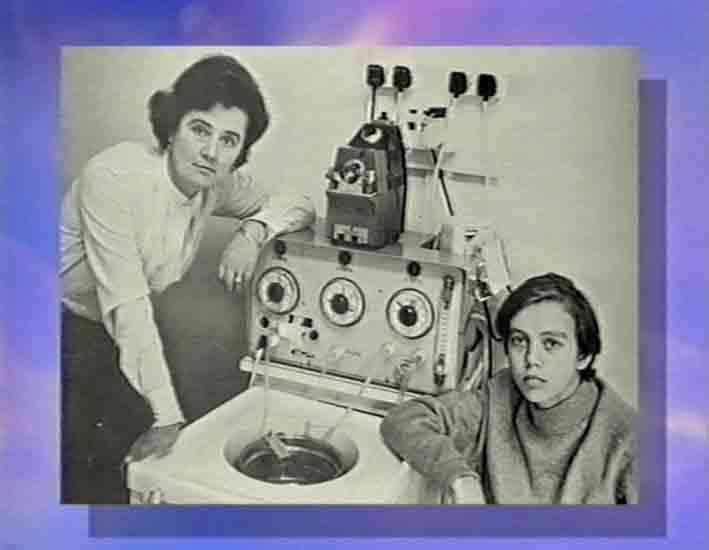
Adapted from Obituary in BMJ 14 Nov 2020
Elizabeth’s son Timbo, developed renal failure aged 12 in 1970. He used dialysis and went on to have three kidney transplants, including one donated by his father. Sadly, he died aged 34 in 1987.
The first UK kidney transplant was done in Edinburgh in 1960. In the 70s and 80s far fewer received organs than nowadays. This is partly due to improved immunosuppressant drugs, but also because there are more kidney donors.
Elizabeth recognised that the medical profession and renal patients needed some help to improve the situation around transplants and care of kidney patients and she sought out medical and science correspondents on national newspapers, on the radio and on the television to highlight the issues.
In 1975 Elizabeth founded the Kidney Patient Association, which is now Kidney Care UK. She helped raise 70 million pounds to fund renal units at Great Ormond Street, London and in Birmingham, Crawley and Glasgow. In 1990 Guy’s Hospital, London opened the Timbo Ward, Paediatric Renal Unit.
Prior to her close involvement with renal charities, Elizabeth had used her skills as a sales director in campaigning for Guide Dogs for the Blind.
One of Timbo’s friends at school was the son of Keith Joseph who became secretary of state for health and social services. He backed the organ donation scheme which was introduced in 1971.
By 1990 more than a quarter of the UK population had registered as organ donors but only 7% carried the cards on them. In addition doctors were often reluctant to ask grieving relatives for permission to remove organs, and despite a person’s wishes prior to death, the relatives had the last say.
Elizabeth was keen to see an opt out scheme in the 1990s but this was not achieved till May 2020.
One of her most popular initiatives in the 1980s was the foundation of holiday dialysis centres, where patients could receive twice weekly dialysis in Majorca, Spain and in Montpelier in the south of France. This was the first time renal patients and their families could go abroad.
After three years of persuasion, Elizabeth was successful in getting Biddy Baxter, the editor of BBC’s Blue Peter, to devote the 1982 Christmas appeal to children with renal failure. The result was 8 million treasure parcels from children all over the UK.
Elizabeth Ward had three children. Her two daughters survive her.
My comments: Elizabeth and her fellow renal patient supporters have made a huge difference to the lives of many diabetic patients. As a student, I remember a talk given by one the renal dialysis patients at the Western Infirmary Glasgow. He was a dark haired young man of 24. He was saying that he had to eat a lot of cakes, because he was on a low protein diet. He said he was sick of them! The tiredness was the main thing that got to him. For many years I carried a donor card. We used to have them at the surgery reception and encouraged new patients to register. On holiday in Rhodes around 1996, I was walking up a big hill on a day trip and met a middle aged man from England who told us that he was a dialysis patient and that he was enjoying his holiday thanks to an arrangement with the local hospital, and thanks to Elizabeth.
www.tinyurl.com/lowcarbanybudget
Dr Cucuzzella is a low carb enthusiast and keen runner who has collaborated on a little book that you can see by clicking the link above.
It has advice on how to do a low carb diet and gives lists of what to avoid, what to eat in small amounts and what to eat without any restriction.
Recipes follow to give newcomers an idea of what you can achieve. These tend to have an American flavour compared to the more Mediterranean style of recipes we tend to have on our site.
You are welcome to share the link as the booklet has been funded by the Atkins Foundation.

Benign paroxsymal positional vertigo is characterised by brief attacks of dizziness brought on by a change in head position. It is thought to occur from debris entering the balance mechanism in the middle ear.
Observational studies links these attacks to osteoporosis and vitamin D deficiency.
A trial of oral supplementation with vitamin D and calcium appears to give fewer attacks of the dizzy episodes compared to no treatment over the course of the next year.
My comment: The Epley movements are also a treatment but they need to be given in person and by someone who knows how. You tube videos of this are available.

Adapted from Kriss Kresser article Nov 2020.
What is the optimal human diet?
There is no single optimal diet for every individual. Whether you look through the lens of evolutionary biology or biochemistry the conclusion is that the natural human diet contains both animal and plant foods.
The term nutrient density refers to the concentration of micronutrients and amino acids in any given food. Although there tends to be a high intake of calories in the standard western diet, this population tends to lack vitamin A, B6, B12, C, D, folate and iron. Deficiencies of any of these essential nutrients can contribute to the development of chronic disease and shorten lifespan. Animal foods tend to be higher in B12, iron, zinc, EPA and DHA and plant foods tend to be higher in flavinoids, carotenoids, diallyl sulphides, lignans and fibre. Therefore it makes sense to eat a range of both.
Vegetarian and especially vegan diets are lower in several essential nutrients including A, B12, D, calcium, iron, zinc, iodine, choline, selenium, creatine, taurine, methionine, glycine, EPA and DHA. For instance 92 % of vegans and 77% of vegetarians were deficient in B12 compared to 11% of omnivores in a recent study.
Omnivores and vegetarians have the same lifespan as each other and both outlive people on a standard western diet.
Both vegetarian and vegan diets are safe in pregnancy but young children are at risk of short and long term effects if their diet is too restricted.
There is no association between eating foods that are high in cholesterol and the development of heart disease. Low carb diets, that tend to be high in saturated fat, are beneficial for certain cardiovascular disease markers including body weight, triglycerides, fasting glucose, blood pressure, body mass index, abdominal circumference, plasma insulin, HDL and C-reactive protein. Current evidence does not clearly support cardiovascular guidelines that encourage high consumption of polyunsaturated fatty acids and low consumption of total saturated fats.
Red meat has been associated with an increase in heart disease and cancer in several studies but correlation does not mean causation. Studies show that people who eat more red meat tend to have a higher BMI, are more likely to be overweight or obese, smoke cigarettes, be physically inactive, less likely to eat fresh fruit and vegetables and and less likely to have higher than a high school education. All of these variables are associated with a higher risk of heart disease and cancer, so it becomes difficult to isolate red meat as the cause. Red meat, particularly grass fed, is rich in B12, zinc, iron, CLA, EPA and DHA that are commonly deficient in the population.
There have been ten meta-analyses of low carb diets. All ten showed that low carb diets were as effective or more effective than low fat diets for weight loss. Some individuals of course may do better on a moderate carb or even high carb approach.
For type 2 diabetics, low carb diets are more effective than high carb diets for weight loss and also improve cardiovascular markers. Low carb and ketogenic diets are more effective than hypo-caloric or low fat diets for improving glycaemic control in type 2 diabetes.
Meanwhile politics, religion and poor science used in nutritional epidemiology have resulted in a lag in change from many institutions who give advice on diet such as the American Dietetics Association, American Heart Association and the American Diabetes Association.
In studies the Paleo diet has compared well against the Mediterranean and low fat diets.
Studies have found that ketogenic diets improves cardiovascular risk factors and have been shown have a beneficial effect in Parkinson’s disease, Alzheimer’s disease and dementia, and epilepsy, and also traumatic brain injury.
The carnivore diet is an “all meat diet” is gaining traction. Although this may improve chronic health problems in the short term, the long term effects are not known. Further research is required.
In general, on urine testing, animal foods are acid forming and plant foods are alkaline forming. However the blood pH is tightly controlled regardless of what you eat.
The low fat, vegan and Paleo diet advocates all don’t eat full fat dairy for various reasons. Dairy is the only food group that has more saturated than unsaturated fat. Meat, including red meat, pork and eggs all contain more unsaturated than saturated fat. Studies show that people who consume more full fat dairy products have either the same or a lower risk of obesity, diabetes and cardiovascular disease.
There is a degree of controversy over the environmental cost of meat eating. There are certainly harms from intensive meat rearing. On the other hand properly managed live stock can regenerate grassland ecosystems and reduce carbon emissions.
It is fully understandable that people who love animals and don’t want to see them mistreated embrace veganism and vegetarianism. Better animal husbandry and methods of transport and slaughter need to be more widespread.

 Diabetes Diet