System changes could make working life better for NHS employees

Photo by Cedric Fauntleroy on Pexels.com

Adapted from BMJ 25 October 2025

A Care Under Pressure review by J. Maben et al has examined the causes and solutions to workplace psychological ill health in nurses, midwives and paramedics.

The NHS needs healthy, motivated staff to provide high quality patient care. Nurses, midwives and paramedics make up 56% of clinical staff in the NHS and they have high rates of mental health problems.

High pressure environments with heavy workloads and staff shortages are linked to mental ill health. In 2023 42% of NHS staff reported psychological unwellness due to work related stress. 32% said there was not enough staff to do the job properly and 74% said they suffered from unrealistic time pressures.

Psychological ill health in turn increases staff sickness and resignations. Other staff are under performing because they are at work while under severe psychological stress. Patient care suffers as a result. The estimated cost of this is 12 billion a year to the NHS. The review researchers think that they could save up to 1 billion a year if their recommendations were implemented.

Over 200 research papers were examined for the review. They found that aspects of the job and workplace were more important than the individual profession when it came to the causation of psychological distress.

Those who were most at risk were staff in roles that exposed them to trauma, newly qualified staff and lone workers.

They found that failure to take a long term view of effects on staff, the blame culture, managers who don’t listen to employees, and prioritisation of the needs of the system over the individual, were major causes of psychological distress.

Matters could be improved if the NHS invested in the provision of long term psychological support, reduce bullying and harassment, provide space and places for staff to share experiences and use an evidence based framework to evaluate interventions.

The stigma of having psychological distress in response to work needs to change. The blame culture needs to be tackled. Most staff are simply doing the best they can under very difficult circumstances. Essential needs such as access to hot food, lockers, showers, car parking, rest and break rooms are needed.

Improvements need to be tailored to the local workforce needs. The researchers have produced a summary, guidance and webinar of their work for leaders, nurses, midwives and paramedics.

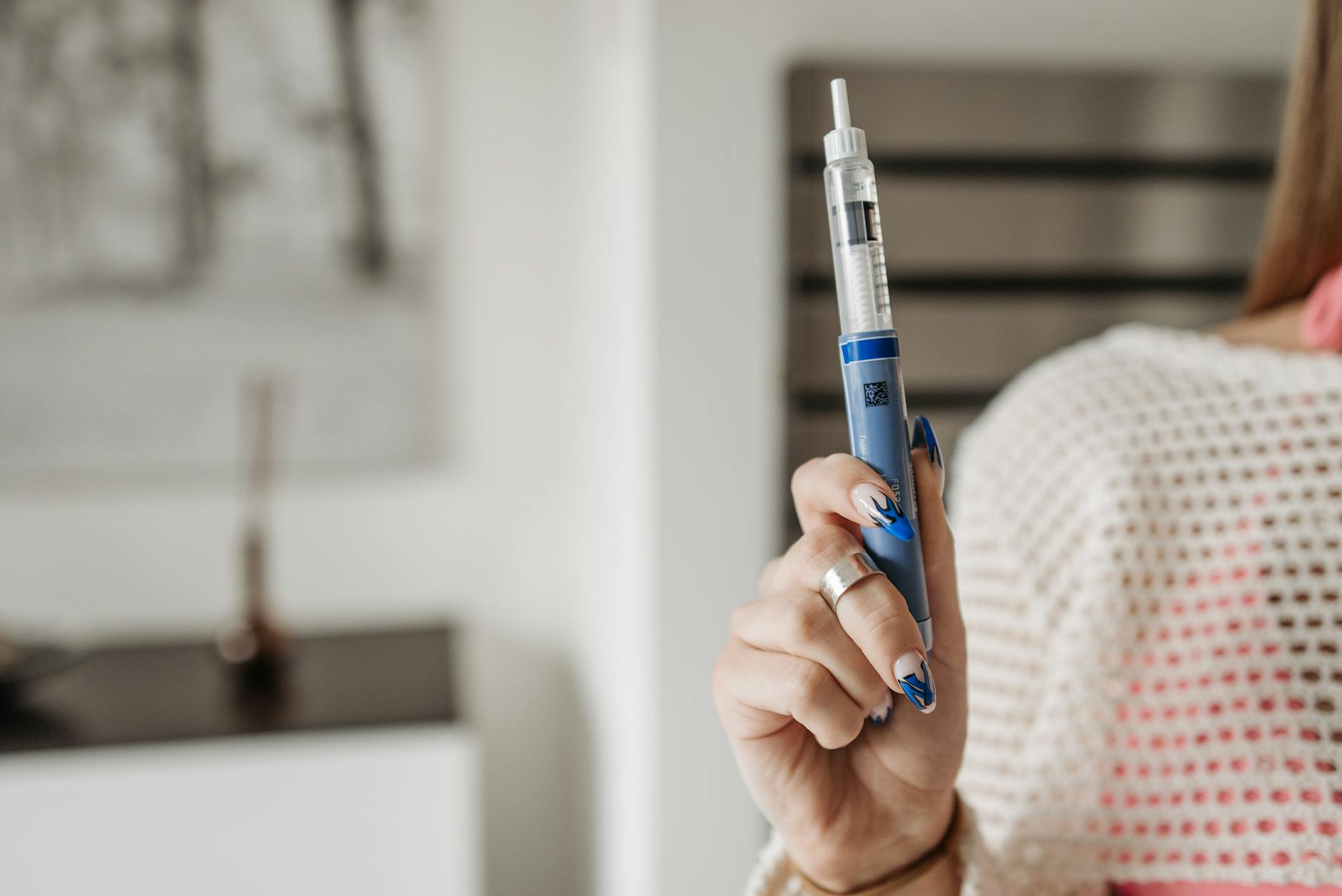
Diabetes Action Canada: Trade Tariffs affect patients directly

Photo by Ramaz Bluashvili on Pexels.com

Adapted from BMJ 25 October 2025

Linxi Mytkolli, Director of patient engagement Diabetes Action Canada.

Every 10 days I insert a glucose sensor into my skin. Every three days I change the site for my insulin pump. These US made devices are how I manage my diabetes and how I stay alive. But they are not exempt from broad trade tariffs, and like many other essential medical technologies, they are now caught in an increasingly fragile global supply chain.

Lives are being placed at risk by decisions made far from the people that they affect. Steel tariffs delay infusion set manufacture, aluminium cost affect the provision of mobility aids and electronics affect hearing aids.

Steel based infusion sets are now unavailable in many countries. Without them, insulin can’t be delivered via pump systems. And it’s not just diabetes. Wheelchairs and prosthetics rely on specialised components that are affected by tariffs and restricted supply. These tools are necessities.

Trade discussions tend to focus on gross domestic product, national competitiveness and domestic manufacturing jobs, but health outcomes for people who depend on imported medical technologies also matter.

The US has increased tariffs on steel and aluminium exports to 50%. These tariffs can trigger global supply shortages and higher prices. There is no clear mechanism to protect the people who rely on medical devices that are affected.

Trade and procurement officials must actively engage with people with disabilities and patient organisations to identify essential devices and ensure that they are protected from tariffs and other restrictive policies.

Health ministries need to report and act on medical device shortages with the same urgency that they give to drug shortages.

Over one billion people worldwide live with disabilities and long term conditions. Medical device access isn’t just a logistics problem, for many it is a matter of survival.

Aerobic exercise is the best exercise if you have knee osteoarthritis

Photo by cottonbro studio on Pexels.com

Adapted from BMJ 25 Oct 2025

A systemic review and meta-analysis looked at 217 randomised controlled trials with over 15 thousand participants in order to evaluate different exercise interventions in people with osteoarthritis of the knee.

They found that overall aerobic exercise was the best at improving pain, function, gait and quality of life.

They evaluated several types of exercise including aerobic, flexibility, strengthening, mind-body, neuromotor and mixed exercise.

The outcomes measured were pain, physical function, gait and quality of life.

Follow up was done at 4, 12 and 24 weeks.

Although you would expect improvement with almost all of these exercise regimes, aerobic exercise came out top. So, get your walking shoes on.

Rationing sugar in the first three years of a baby’s life reduces long term cardiovascular outcomes

Photo by Daniel Reche on Pexels.com

Adapted from BMJ 25 Oct 2025

Between October 1951 and March 1956, sugar rationing was still going on in some areas of the UK, but not in others.

In the British Biobank Study, sugar rationing, demographic information, socioeconomic status, lifestyle, genetic factors and birthweight were analysed. These were compared against the later development in adulthood of cardiovascular disease, myocardial infarction, heart failure, atrial fibrillation, stroke, cardiovascular mortality, diabetes and hypertension.

Sugar rationing was associated with lower risks of several cardiovascular risk factors in adulthood. Those who experienced rationing got ( hazard ratio 0.80) less heart disease, 0.75 less myocardial infarction, 0.74 less heart failure, 0.76 less atrial fibrillation, 0.69 less stroke, and 0.73 less cardiovascular mortality. Diabetes and hypertension were jointly responsible for 31.1% of the excess cardiovascular disease association.

My comment: These results strongly support Dr Robert Lustig’s efforts to reduce the sugar consumption of babies and toddlers. Unfortunately I was born after the era of sugar rationing and my mum was sugar mad. Both parents and every relative I ever encountered added two heaped spoonfuls of sugar to a small cup of tea. I stopped sugar in my tea aged 14 but by then it was too late to save my teeth from widespread fillings. It isn’t too late to improve the diet of the babies that are being born now, and I hope this information is widely disseminated. Setting up a lifetime of sugar dependence for babies and children is a very bad idea and can be avoided by taking care of the diet in the pre-kindergarten years.

One in six infections are now resistant to antibiotics

Photo by Pavel Danilyuk on Pexels.com

Adapted from BMJ 25 Oct 2025

The World Heath Organisation has declared that one in six bacterial infections are now resistant to anti-biotics.

The rate of resistance has been growing rapidly with an average annual rise of 5-15% depending on the drug combinations looked at.

The problem is worse in low and middle income countries and those with weaker healthcare systems.

Resistance is now at a third of all infections in some areas.

My comment: This is terrible news. In the UK people are getting amputations when limbs could previously been saved. Some sexually transmitted infections are also incurable. Meanwhile, it becomes more important to observe basic hygiene measures such as handwashing and good kitchen habits to reduce the transmission of infection, stay home if you are ill, and use alternatives like D:Mannose if you can for urinary tract infections. Also, don’t insist or manipulate your doctor into prescribing antibiotics for mild bacterial infections or viral infections.

There are side effects of weight loss injections than need to be considered

Photo by SHVETS production on Pexels.com

Adapted from BMJ 9 August 2025

Glucagon like peptide-1 receptor antagonists such as Mounjaro, Wegovy, Trulicity and Ozempic, have truly changed the outlook for people who live with obesity or type two diabetes.

There are now one billion people who have obesity and 800 million with diabetes in the world. Many of them could benefit from these drugs there are side effects to the drugs, not all of which are publicised.

Up to 40% of people on these drugs will get gastro-intestinal side effects such as nausea, vomiting, constipation, and diarrhea. More than one in ten patients will stop treatment due to these side effects.

Some people will also lose their sense of taste. Many will also lose their desire for alcohol which is a good thing.

Acute pancreatitis is less common but is a much more serious side effect.

Non arterial anterior ischaemic optic neuropathy (NAION) is emerging as a possible side effect of these drugs. It is the second most frequent cause of optical neuropathy and is a cause of blindness in adults. It is estimated that the risk could be four times as common in those using GLP-1 receptor antagonists.

The large weight losses associated with these drugs is due to both fat loss and skeletal muscle loss. Studies indicate that up to 39% of the weight loss is due to muscle loss. To put this into context, it is like losing 20 years of muscularity compared to normal aging muscle loss. As these drugs are new, we don’t know what the longer term consequences will be but those who already have sarcopenia, falls, are frail or who are older, are more at risk of serious problems.

If people have decided to go on these drugs, supervision from a clinician will help them understand and modify treatment to deal with side effects. Resistance exercise could counteract the muscle loss.

50% of people are known to regain weight after stopping the drugs, so education on lifestyle and the adoption of exercise routines while on the drug may help.

More research on rare side effects such as NAION and ways to identify vulnerable people are needed.

Blood sugar rises for different foods compared

Photo by Kai-Chieh Chan on Pexels.com

Adapted from BMJ 28 June 2025

Our individual metabolic response to different foods types may influence our risks of developing diabetes and cardiovascular disease. Californian researchers decided to test 55 members of the general population after they had consumed various carbohydrate foodstuffs to see what the blood sugar response was over time.

Glucose levels typically peaked at about an hour and were highest for rice, potatoes and grapes. They noted that responses varied considerably between individuals however. Eating fibre, protein or fat before the carbohydrate reduced the size of the peak blood sugar compared with eating the carbohydrate on its own. This of course won’t be news to insulin users who need to check their blood sugar regularly.

Fastest peaks in order:

Grapes – 40 minutes after eating

Potatoes – Berries 50 mins

Bread – Rice – Pasta – Beans 60 mins

Highest peaks in order:

140 -160 mg dL glucose – Rice- Grapes-Potatoes-Bread

120-140 Berries – Pasta

100-120 Beans

Longest lasting blood sugar rises over 100 minutes Pasta-Potatoes-Bread-Rice

Shortest lasting blood sugar rises under 100 minutes Berries-Grapes-Beans

What can we make of this?

If you have a low blood sugar, grapes could be a good option if you don’t have juice or glucose tablets. Otherwise keep them for eating after a meal or with cheese.

In terms of diabetes control, both beans and berries are good options because they don’t raise your blood sugars very much and in addition the levels fall quickly too.

Pasta could be a good option if you are undertaking planned prolonged exercise as it raises the blood sugar moderately and lasts the longest in your system.

Rice, potatoes, and bread produce high blood sugar spikes, so if you like eating these, it is preferable to eat them with some sort of fat, and eat them after the protein component of your meal.

Alternate day fasting may help weight loss on the short term

Photo by Towfiqu barbhuiya on Pexels.com

Adapted from BMJ 28 June 2025 Intermittent fasting as a nutritional tool by Semnani-Azad et al.

A study aimed to find out what effect intermittent fasting diets had on cardiometabolic factors compared to unrestricted diets or continuous energy restriction.

99 RCTs involving over six thousand people were examined. Compared to no restriction in food intake (no dieting), both continuous energy restriction and intermitting fasting led to reduced body weight.

The only type of intermittent fasting diet that produced more weight loss than continuous food restriction ( eg traditional calorie counting) was the alternate day fasting method. Otherwise, whatever method was adopted, the cardiometabolic improvements were similar for the other dietary types.

Some people find it easier and more simple to stop eating certain meals entirely rather than count calories or undertake other forms of food limitation. For caloric restriction, a deficit of 30% was usually able to be maintained in the first three months, when motivation was high, but fell below 10% after 12 months.

This study looked at differences between no dietary restriction, overall calorie restriction, fasting on alternate days, time restricted eating, and whole day fasting. Although alternate day fasting produced the most weight loss after 24 weeks, the amount was only 1.29kg more per participant. Fat lost from the viscera is particularly helpful for people who have fatty liver disease. People with type one and two diabetes, overweight, obesity, metabolic syndrome and metabolic dysfunction such as fatty liver, were included in this study.

This study does not establish any particular dietary strategy as being superior, but does suggest that alternate day fasting be considered as a worthwhile option. The best diet for an individual is one that they can stick to and so widening the options may be helpful.

Obituary: Judith Steel

Photo by MART PRODUCTION on Pexels.com

Adapted from BMJ 14 June 2025

Judith Steel was responsible for establishing the first pre-pregnancy unit for type one diabetic women in the UK.

Judith Steel was born in 1940 and died of a chest infection due the effects of a spinal tumour on 8th January 2025.

In 1976 she and obstetrician Frank Johnstone set up a diabetic clinic for type one women in the Simpson Memorial Pavilion Edinburgh. They recognised that high blood sugars greatly influence congenital abnormalities which occur in early pregnancy, and that early intervention, before pregnancy occurs is necessary.

Women between the ages of 14 and 40 were advised on dietary changes to improve their chances of having a normal baby. Of the 143 births at the unit by 1990, only 2 babies had congenital abnormalities. In comparison, of 96 women who defaulted from the clinic, 10 babies with malformations were born.

Worldwide, such clinics were set up, improving the outlook for countless families. Now, these special clinics are mainstream.

Judith wrote many academic papers and also Personal Experiences of Pregnancy Care in Women with Insulin Dependent Diabetes in 1994.

Judith unfortunately developed a spinal cord tumour in the 1980s. This gave her mobility problems in her legs. She had two operations but was not able to be cured, and had to use a wheelchair.

Judith was born in West Yorkshire. She entered Edinburgh University and qualified in 1965. At the time, men greatly outnumbered the women who were admitted to the medical degree course. She particularly enjoyed the lectures of Leslie Duncan who was a diabetologist and veterinary surgeon. He would bring patients to lectures including dogs. After qualifying she joined his diabetology team.

She met her future husband Michael Steel at anatomy lectures. He was initially on crutches after a motorcycle accident. They married in 1962. After graduation they worked together in Nigeria. They then worked together at Edinburgh’s Western General Hospital and then in Kenya in a diabetology unit.

In 1983 Judith was appointed to an associate specialist position and started working with adolescents with eating disorders associated with diabetes. She was awarded an MBE in 1992.

Michael moved to St. Andrews University and Judith moved to the Victoria Hospital Kirkaldy. She studied the development of blindness in diabetes and found that this could be prevented if eye screening was done every 1-2 years.

Both Judith and Michael travelled around the world to share knowledge with other diabetologists. She spent her retirement in Edinburgh and is survived by her husband, three children, and six grandchildren.

My comment: I had never heard of Dr Steel till I read this obituary in the BMJ. She certainly was a trailblazer and improved the outlook for diabetics worldwide. She contributed to improvements in pre-pregnancy and pregnancy care for type one women, eating disorders, and reducing blindness. Much of her work was copied and is now a part of regular care. She did much of her work from a wheelchair and managed to bring up three children. Thank you Judith.

Anaemia is more common than usual in diabetes

Photo by Photo By: Kaboompics.com on Pexels.com

Adapted from BMJ 14 June 2025

Diabetes increases the likelihood of anaemia of various types. Iron deficiency, vitamin B12 deficiency, and anaemia of chronic disease were three to five times more common in people with diagnosed diabetes than those with normoglycaemia.

Renal complications and decreased erythropoietin production may be part of the explanation.

The study was part of the UK Biobank Study.

Another longitudinal study of apolipoprotein in the development of cardiovascular disease found that blood glucose levels are also linked to the development of aortic stenosis.

As blood levels rise, so does the risk. After 25 years of having diabetes, the average onset of aortic stenosis doubles compared to those with normal glucose levels.

My comment: Because diabetics get many more regular blood tests than the usual GP population, one would imagine that even if you do get anaemia, that this can be detected and treated earlier.