Obituary: Judith Steel

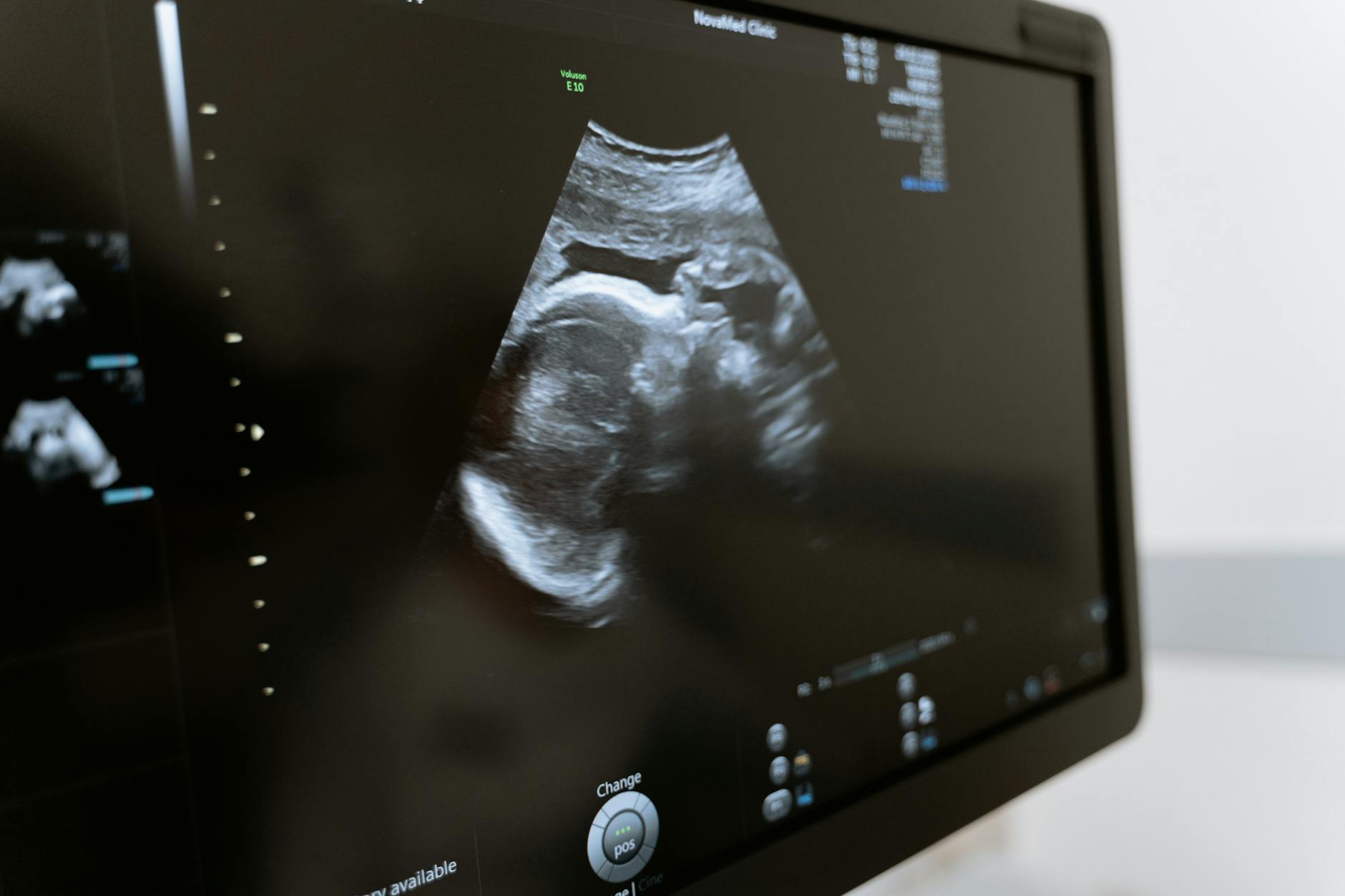
Photo by MART PRODUCTION on Pexels.com

Adapted from BMJ 14 June 2025

Judith Steel was responsible for establishing the first pre-pregnancy unit for type one diabetic women in the UK.

Judith Steel was born in 1940 and died of a chest infection due the effects of a spinal tumour on 8th January 2025.

In 1976 she and obstetrician Frank Johnstone set up a diabetic clinic for type one women in the Simpson Memorial Pavilion Edinburgh. They recognised that high blood sugars greatly influence congenital abnormalities which occur in early pregnancy, and that early intervention, before pregnancy occurs is necessary.

Women between the ages of 14 and 40 were advised on dietary changes to improve their chances of having a normal baby. Of the 143 births at the unit by 1990, only 2 babies had congenital abnormalities. In comparison, of 96 women who defaulted from the clinic, 10 babies with malformations were born.

Worldwide, such clinics were set up, improving the outlook for countless families. Now, these special clinics are mainstream.

Judith wrote many academic papers and also Personal Experiences of Pregnancy Care in Women with Insulin Dependent Diabetes in 1994.

Judith unfortunately developed a spinal cord tumour in the 1980s. This gave her mobility problems in her legs. She had two operations but was not able to be cured, and had to use a wheelchair.

Judith was born in West Yorkshire. She entered Edinburgh University and qualified in 1965. At the time, men greatly outnumbered the women who were admitted to the medical degree course. She particularly enjoyed the lectures of Leslie Duncan who was a diabetologist and veterinary surgeon. He would bring patients to lectures including dogs. After qualifying she joined his diabetology team.

She met her future husband Michael Steel at anatomy lectures. He was initially on crutches after a motorcycle accident. They married in 1962. After graduation they worked together in Nigeria. They then worked together at Edinburgh’s Western General Hospital and then in Kenya in a diabetology unit.

In 1983 Judith was appointed to an associate specialist position and started working with adolescents with eating disorders associated with diabetes. She was awarded an MBE in 1992.

Michael moved to St. Andrews University and Judith moved to the Victoria Hospital Kirkaldy. She studied the development of blindness in diabetes and found that this could be prevented if eye screening was done every 1-2 years.

Both Judith and Michael travelled around the world to share knowledge with other diabetologists. She spent her retirement in Edinburgh and is survived by her husband, three children, and six grandchildren.

My comment: I had never heard of Dr Steel till I read this obituary in the BMJ. She certainly was a trailblazer and improved the outlook for diabetics worldwide. She contributed to improvements in pre-pregnancy and pregnancy care for type one women, eating disorders, and reducing blindness. Much of her work was copied and is now a part of regular care. She did much of her work from a wheelchair and managed to bring up three children. Thank you Judith.

Obituary: Vincent Marks

Photo by Mikhail Nilov on Pexels.com

Adapted from BMJ 9-16 Dec 2023

Vincent Marks was a pioneering researcher into insulin and hypoglycaemia who became an important expert witness in cases against nurse Beverly Allitt, who was convicted of several child murders, and Claus Von Bulow, who was acquitted of the attempted murder of his wife.

Vincent Marks was born in 1930 and died of metastatic thyroid cancer in 2023.

The Von Bulow case centred around the cause of the coma suffered by his wife, Sunny. She spent 27 years in a coma prior to her death. It was alleged that her husband had injected her with insulin. She had considerable wealth compared to him. The “sleeping beauty murder” was the first major trial to be televised. Events were described in the book, Reversal of Fortune, and a film starring Jeremy Irons and Glen Close followed. Jeremy received an Oscar for his performance.

Vincent was a professor of clinical biochemistry and head of clinical biochemistry and metabolic medicine in Royal Surrey County Hospital in Guildford. His laboratory was the first to offer insulin assays to NHS hospitals throughout the UK.

A sample from Nottingham revealed that children had low blood sugar and high insulin levels and this revealed the deliberate harm done to children by nurse Beverly Allitt.

Vincent was the first to develop a method to accurately measure blood sugar at low concentrations. Up until then some patients had been given erroneous diagnoses of neurological disorders when they really had hypoglycaemia.

In 1995 Vincent retired from clinical medicine in order to devote his time to teaching medical students and post-graduates. He published widely including Insulin Murders, which spanned 50 years of legal cases.

Vincent was born in a London pub which was owned by his father. He had an elder brother John, who also became a doctor. During the war, he was evacuated to a farm in Devon. Although brought up in Judaism, he became a Humanist.

His wife Averil and he were married for 66 years, had two children, six grandchildren and four great grandchildren.

Obituary: Gian Franco Bottazzo who discovered that type one diabetes was an auto-immune disease

Gian Franco Bottazzo was born in Venice in 1946. He died there on 15 September 2017.

After graduating at the University of Padua he moved to London in 1973 to study immunology with Deborah Doniach. A year later they published their paper in the Lancet proving that type one diabetes is associated with the development of antibodies to the insulin producing pancreatic beta cells. This paper stimulated a wave of research into the immunological basis of thyroid and pituitary diseases.

Bottazzo enjoyed speaking about his research, and gave his talk the title, ” Death of a beta cell: homicide or suicide?”

As a young man, Bottazzo, nearly missed out on his medical career as he was a promising football player and came close to signing for Venezia, which was in the Premier League at the time. Fortunately he completed his studies.

For many years Bottazzo held professorial appointments in London and published on the HLA antibodies. In 1998 he returned to Italy to work as scientific director to the Baby Jesus Hospital in Rome.  He leaves a wife and daughter.


BMJ 9 December 2017